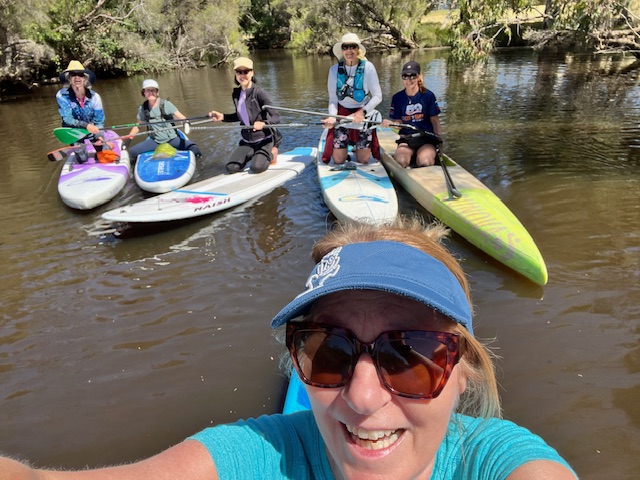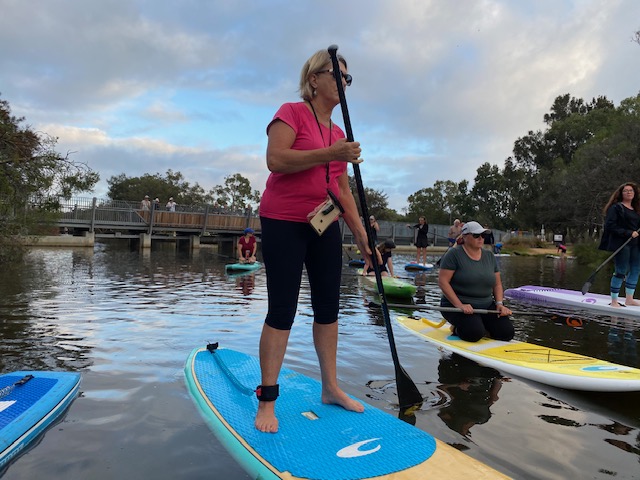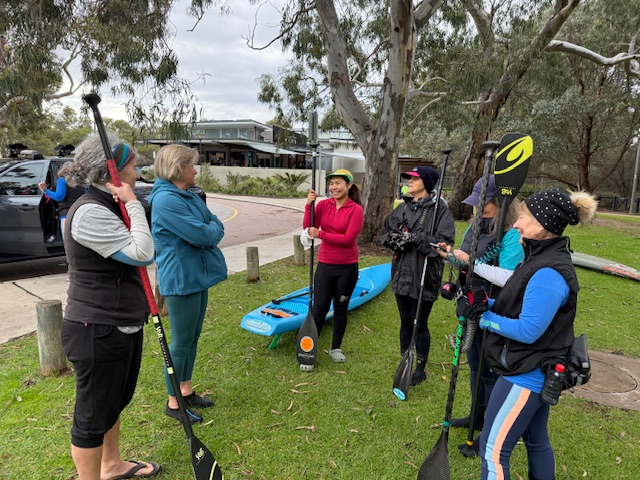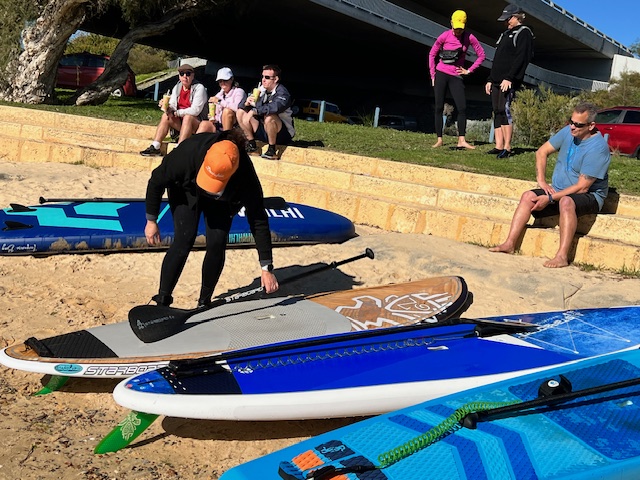
SUPing Around

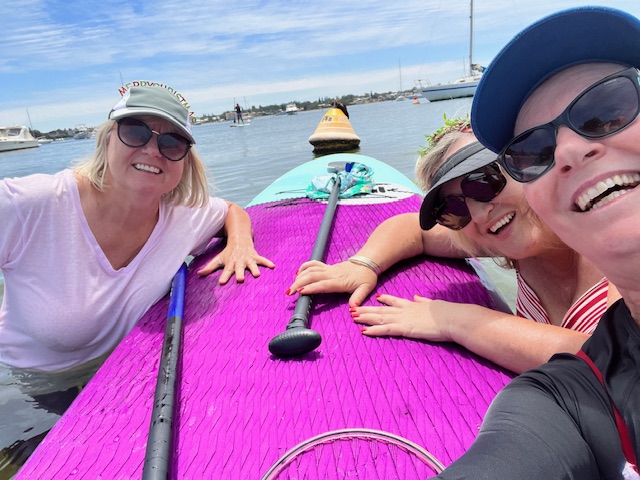
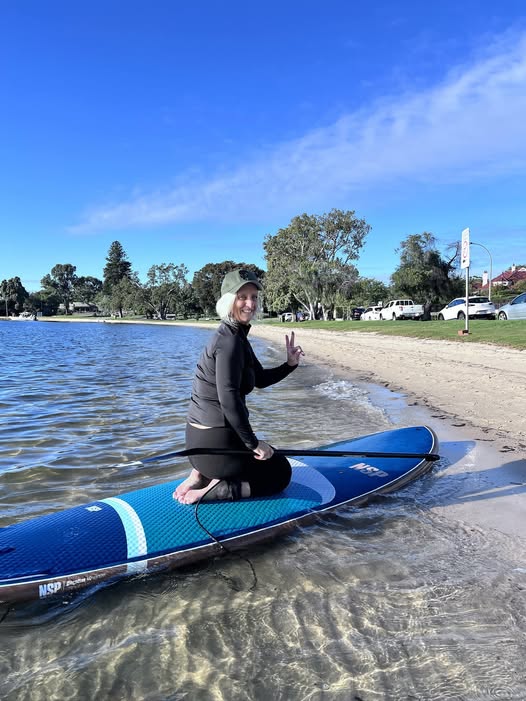
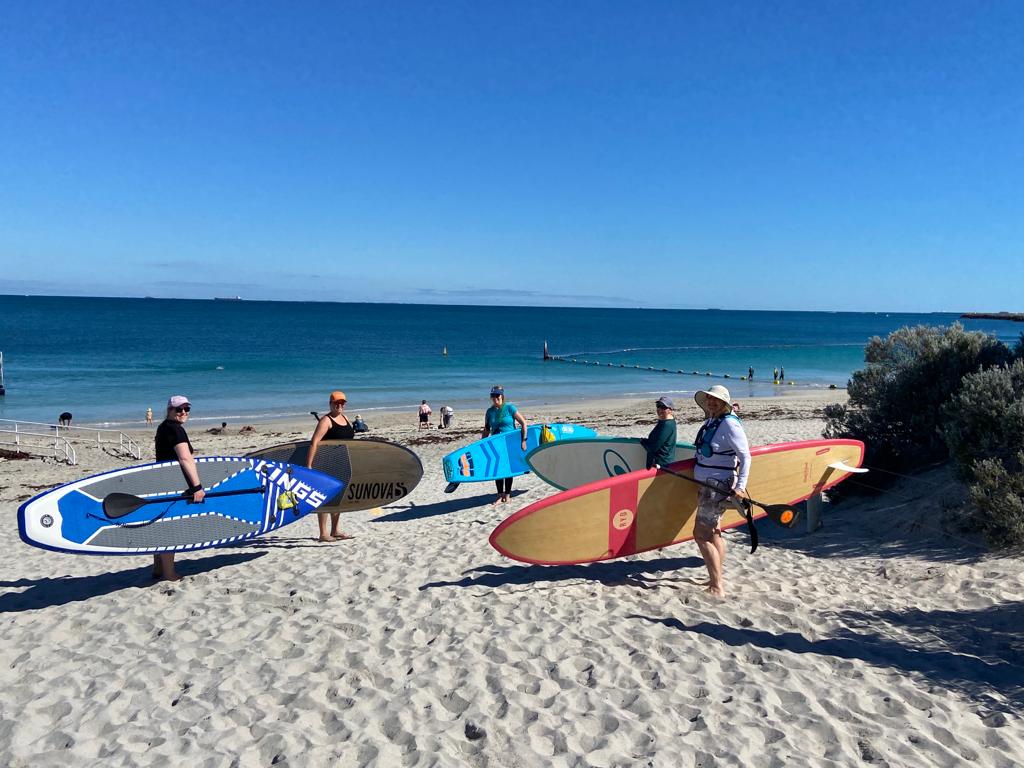
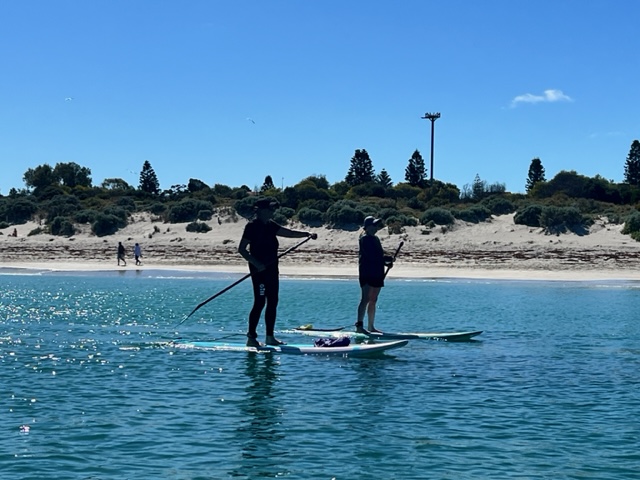
Welcome to my first newsletter.  You are here because you paddle or are paddle-curious. Or maybe you just thought SUP has something to do with food or drink? I will try to satisfy all comers. Perhaps there are recipes we can share 🙂

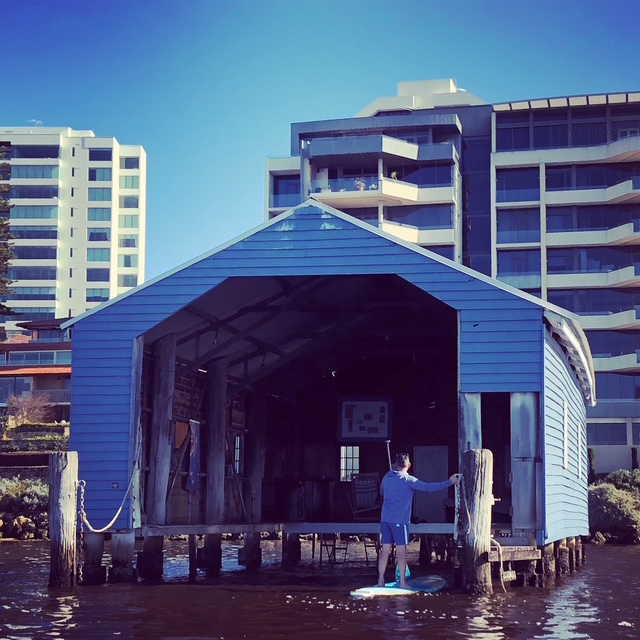
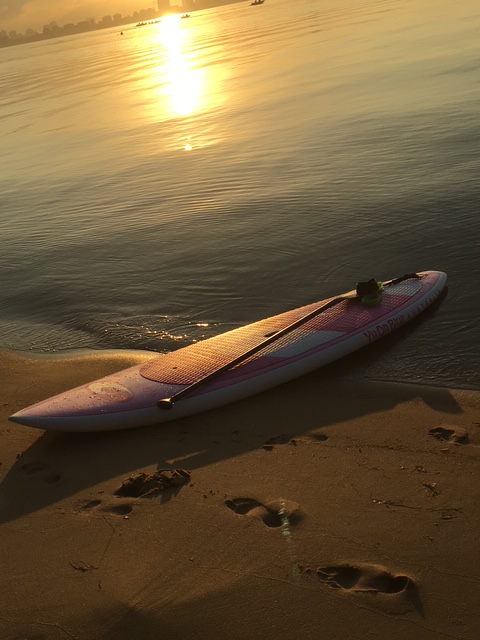
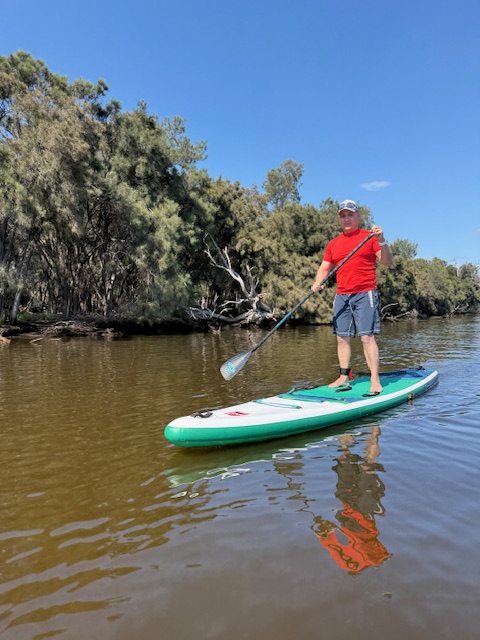
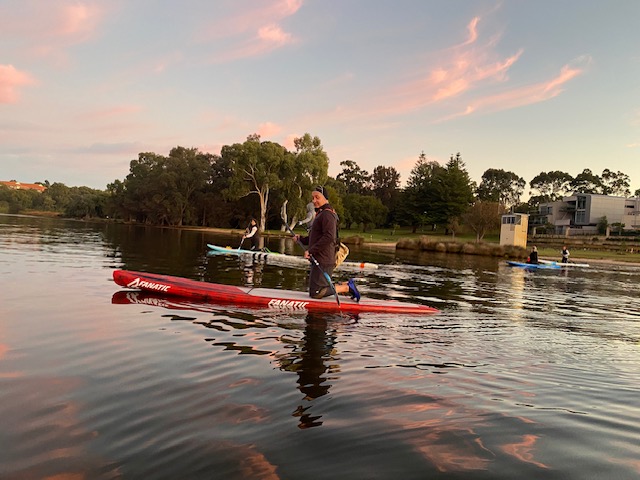
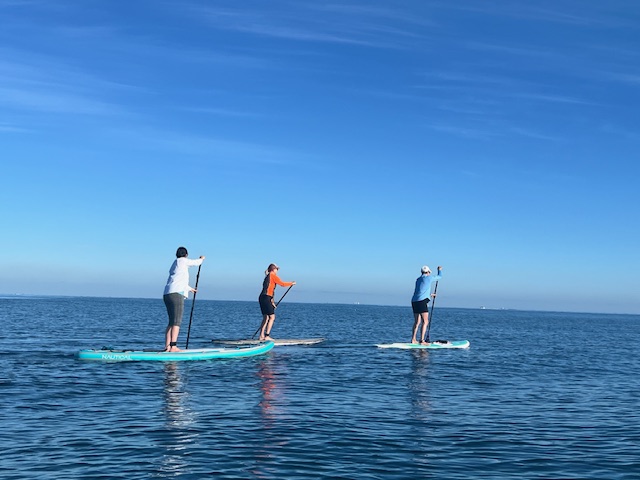
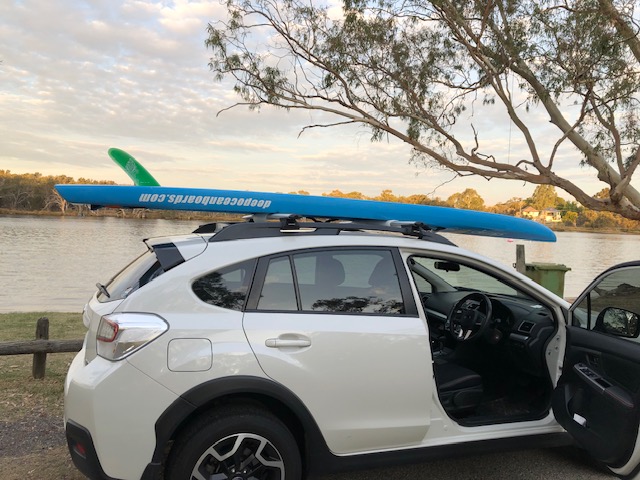
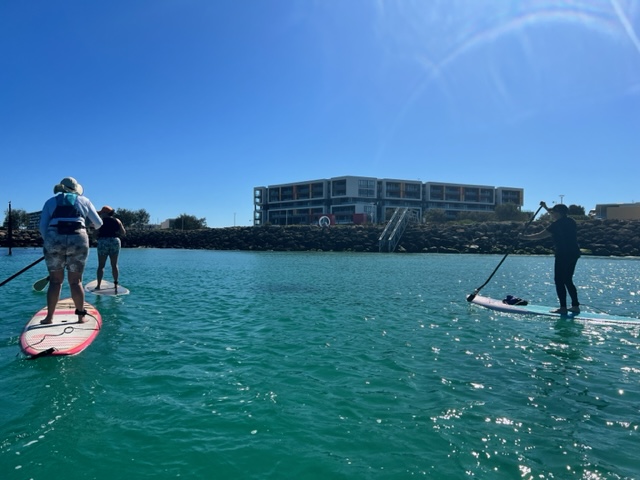
I recently did a round up of some of my favourite standup paddle locations around Perth so I thought I would start with those.  These are not the only places you can paddle in Western Australia; we are very lucky to have so many spots to splash, and I will continue to review and add places to paddle in future issues.

Claughton Reserve, Bayswater

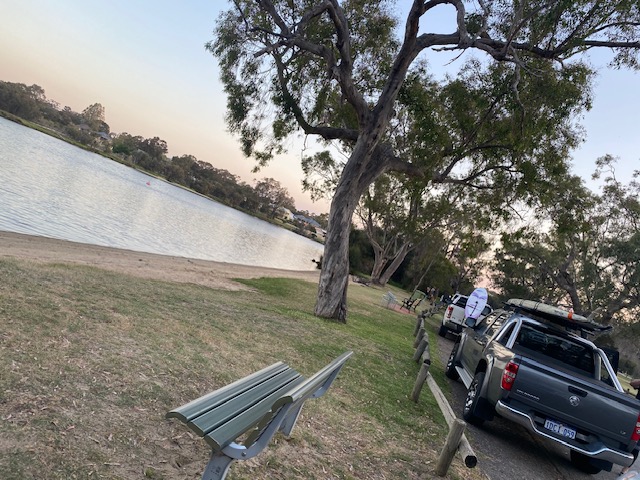
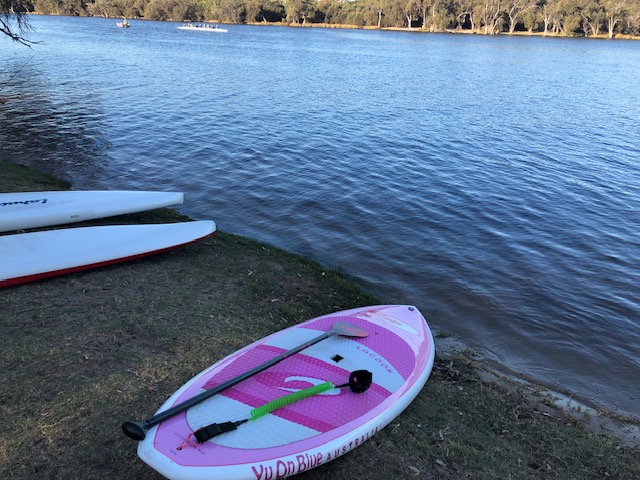
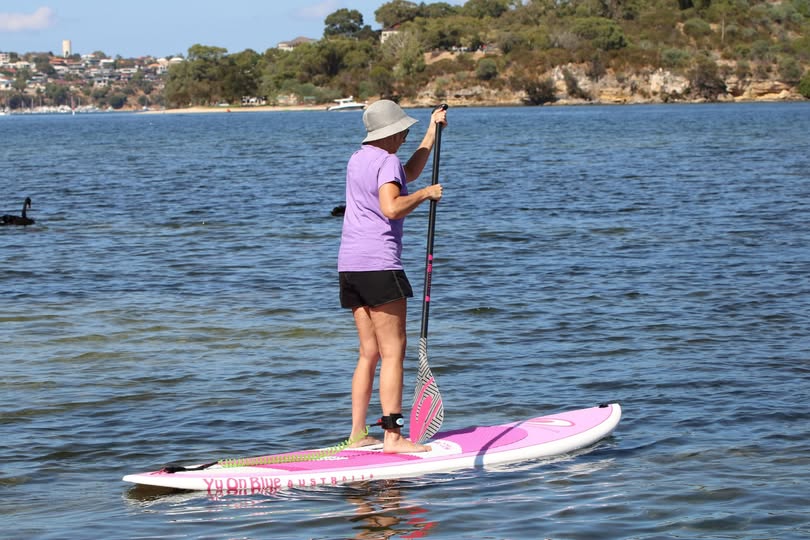
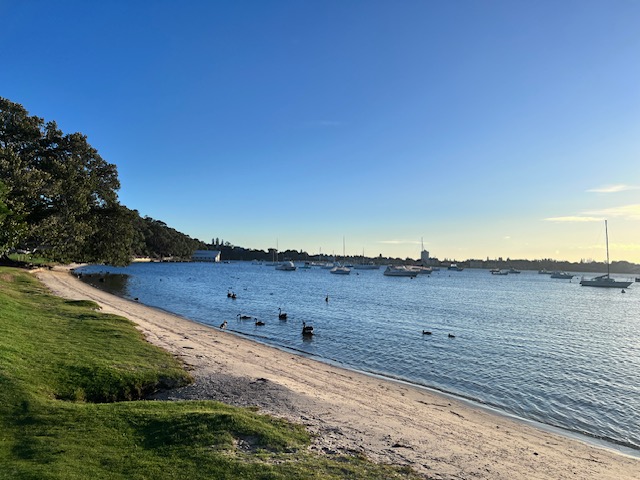
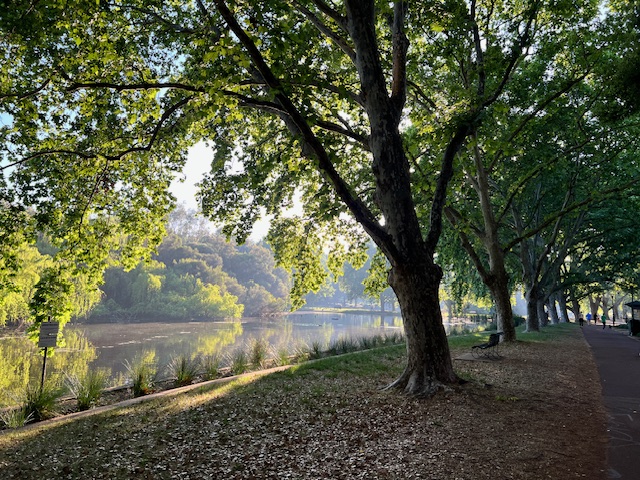
Looking for a sheltered upriver paddle location. Claughton Reserve in Katanning Street, Bayswater is one of my favourite SUP launch spots. 

💦there’s heaps of parking

💦a toilet block (in fact one of the funkiest toilet blocks I have ever seen!)

💦water fountains for filling your water bottle

💦easy to get in and out of the water

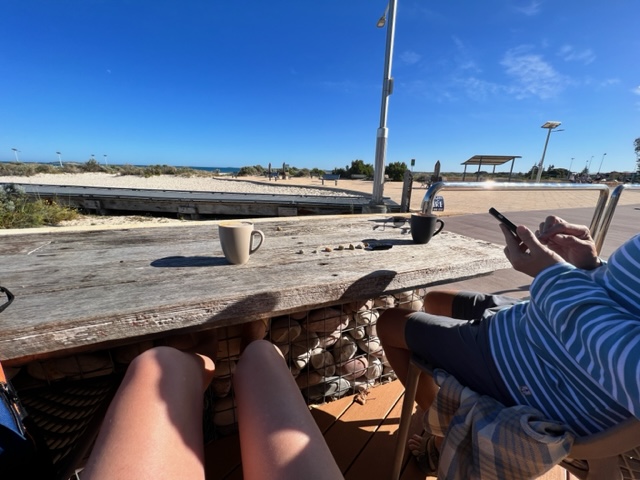
💦coffee stop at Ascot Kayak Club on weekends

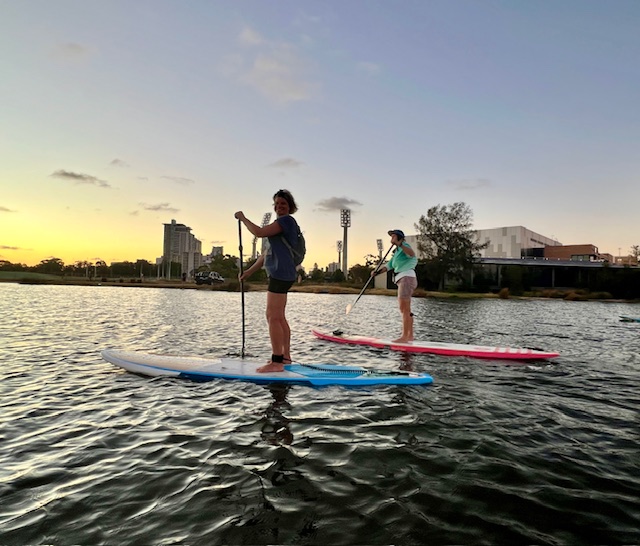
It’s a great place to explore up or down the river depending on the winds.  A nice short paddle from there is up river and around Ron Courtney Island.

Ocean Paddling Perth

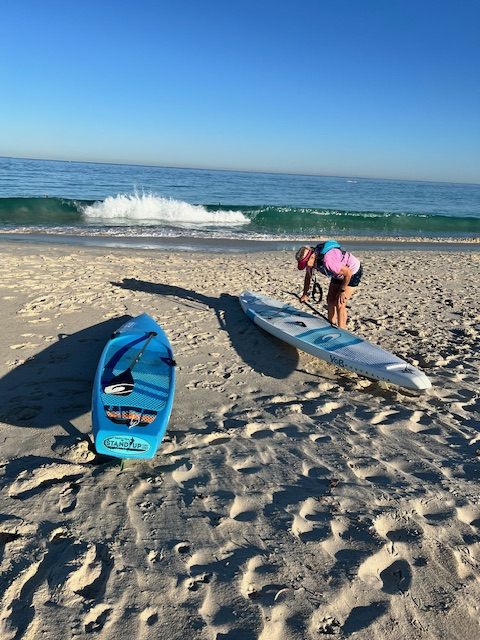
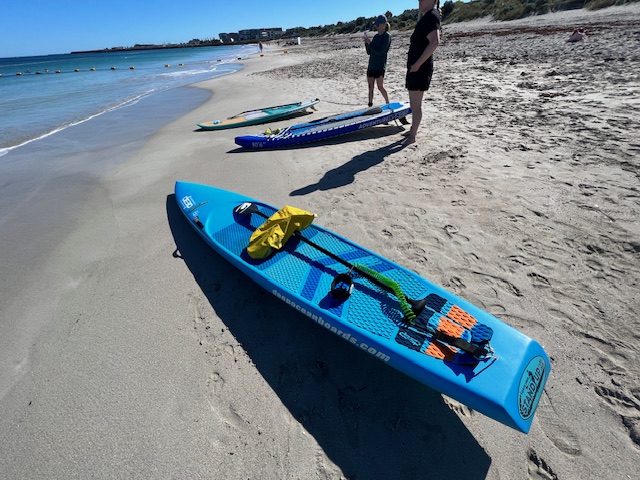
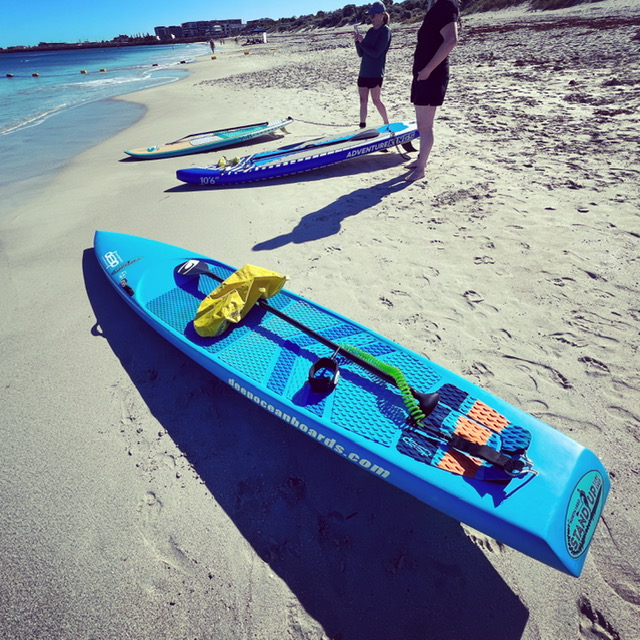
Perth’s southern beaches; Leighton, South Beach & Coogee Beach are wonderful when the conditions are right.  It’s knowing when the conditions are right that is the tricky part.

As with most outdoor activities in Perth I always go out in the mornings – the earlier the better.

In the Summer months from November to March the morning winds are more likely to be offshore (Easterly) and light.  Once the Freo Doctor comes in it’s too late and too windy. 

Use weather apps such as:

Willy Weather

Seabreeze

BOM

Windy.com

Not only is getting up early to paddle good for getting the right or no winds, but also to avoid the hottest part of the day.

Perth’s southern beaches:

💦are easy to get to

💦have free parking – but can be busy the later you arrive (see, getting up early has other benefits!)

💦have great cafes

💦have showers and changerooms

💦you can sometimes see dolphins, whales & sealions

💦North Coogee has the Omeo Wreck – great for SUPing around but also a very popular snorkelling spot. Pack your gear!

Go with a group or a buddy if you are a first timer on the ocean, ALWAYS use a leg leash and don’t go out further than you are comfortable with.   Be prepared to get wet and HAVE FUN!

Point Walter Reserve Bicton

You can paddle down river from the Point Walter sandbar, up past the cliffs at Blackwall Reach. Depending on the wind it can be quite sheltered through there.

Keep paddling down to Bicton Baths  and turn around or alternatively (depending on wind) do the reverse.

Handy tip: always paddle into the wind on the way out so you get a free ride on your return. It makes a difference

💦parking is usually available closeby  and if it’s not you can drop and park.

💦there’s  a great cafe at Point Walter

💦the scenery is amazing along Blackwall Reach

💦dolphins also love this part of the river

Freshwater Bay, Peppermint Grove

Freshwater Bay in Peppermint Grove is a beautiful spot to get out on the water. There’s usually sheltered waters close to the shore for those venturing out for the first time. Or for the more adventurous, a paddle along the cliff’s edge to the yacht club is a lovely paddle. Dolphins 🐬 are common in this area.
💦the water is clear

💦the shore easy to access

💦parking not usually a problem

💦 cafe close by for coffee and snacks

Some links to previous articles and websites of interest:

Interested in racing and SUP events including the SUP Loop check out Perth’s SUP body SUPWA https://supwa.tidyhq.com/

Next newsletter: Kent Street Weir, Maylands Breakfast Paddle, Heirisson Island, Matilda Bay

Goomalling & Biosphere Boodja 2025

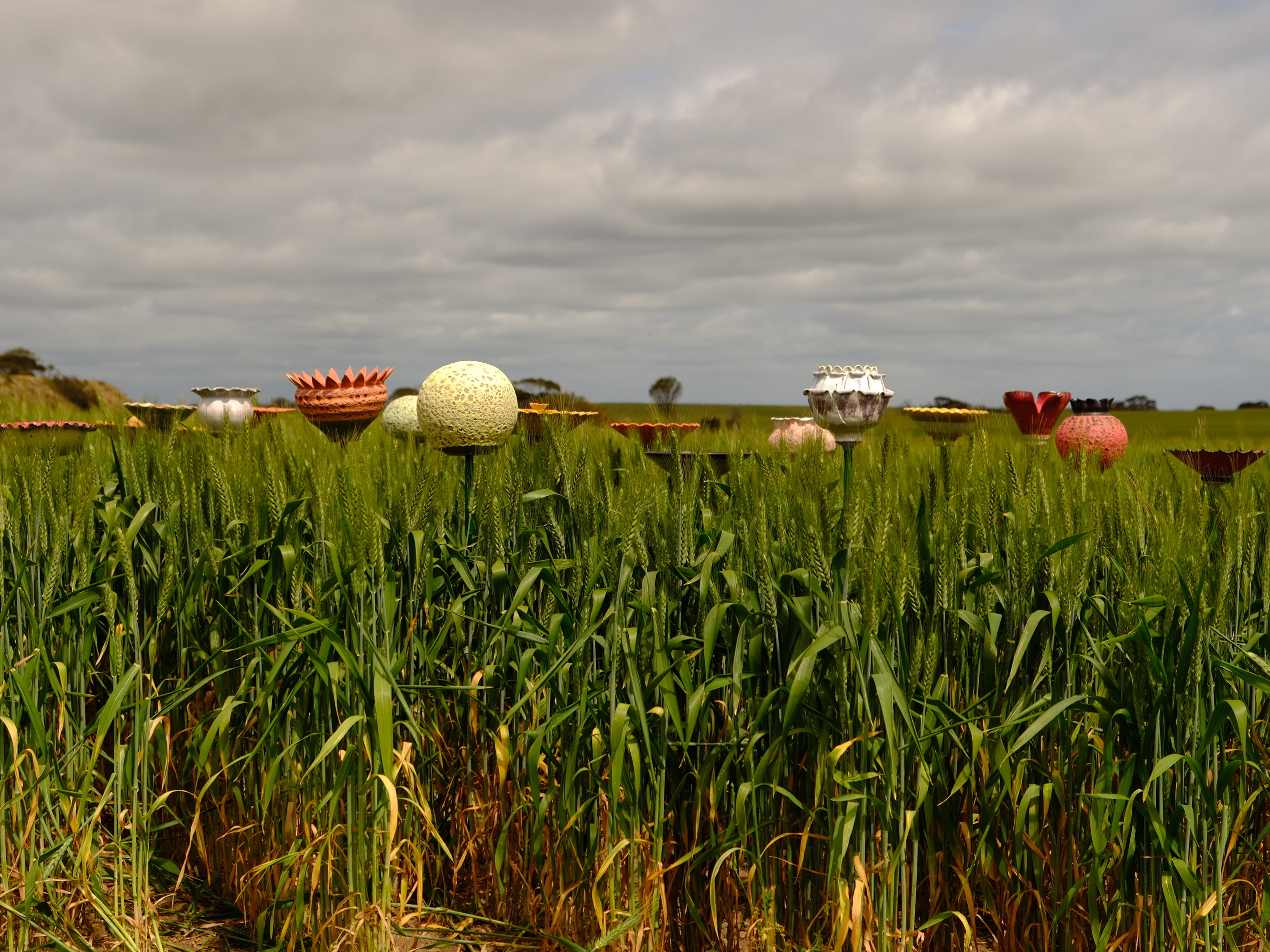
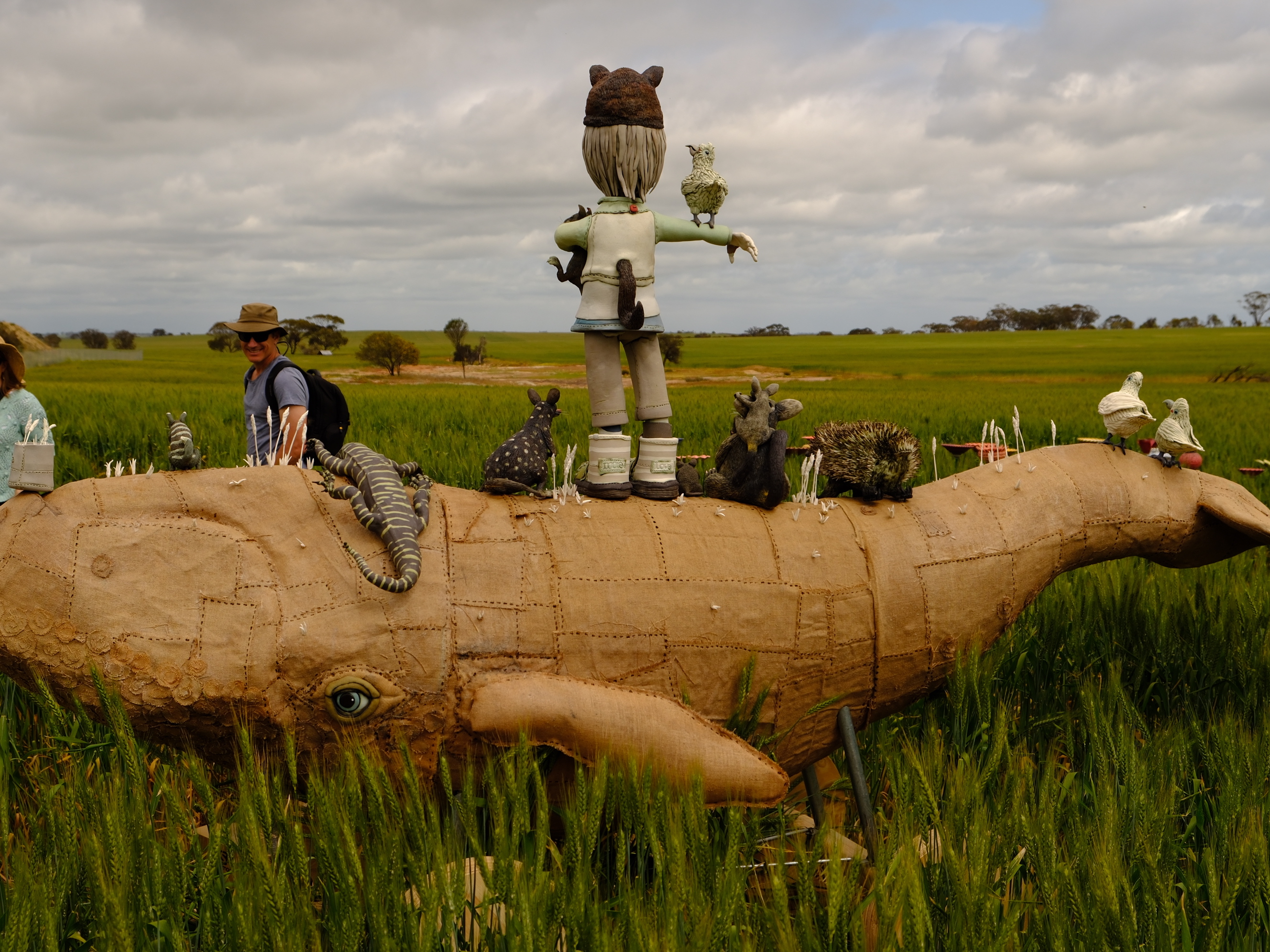
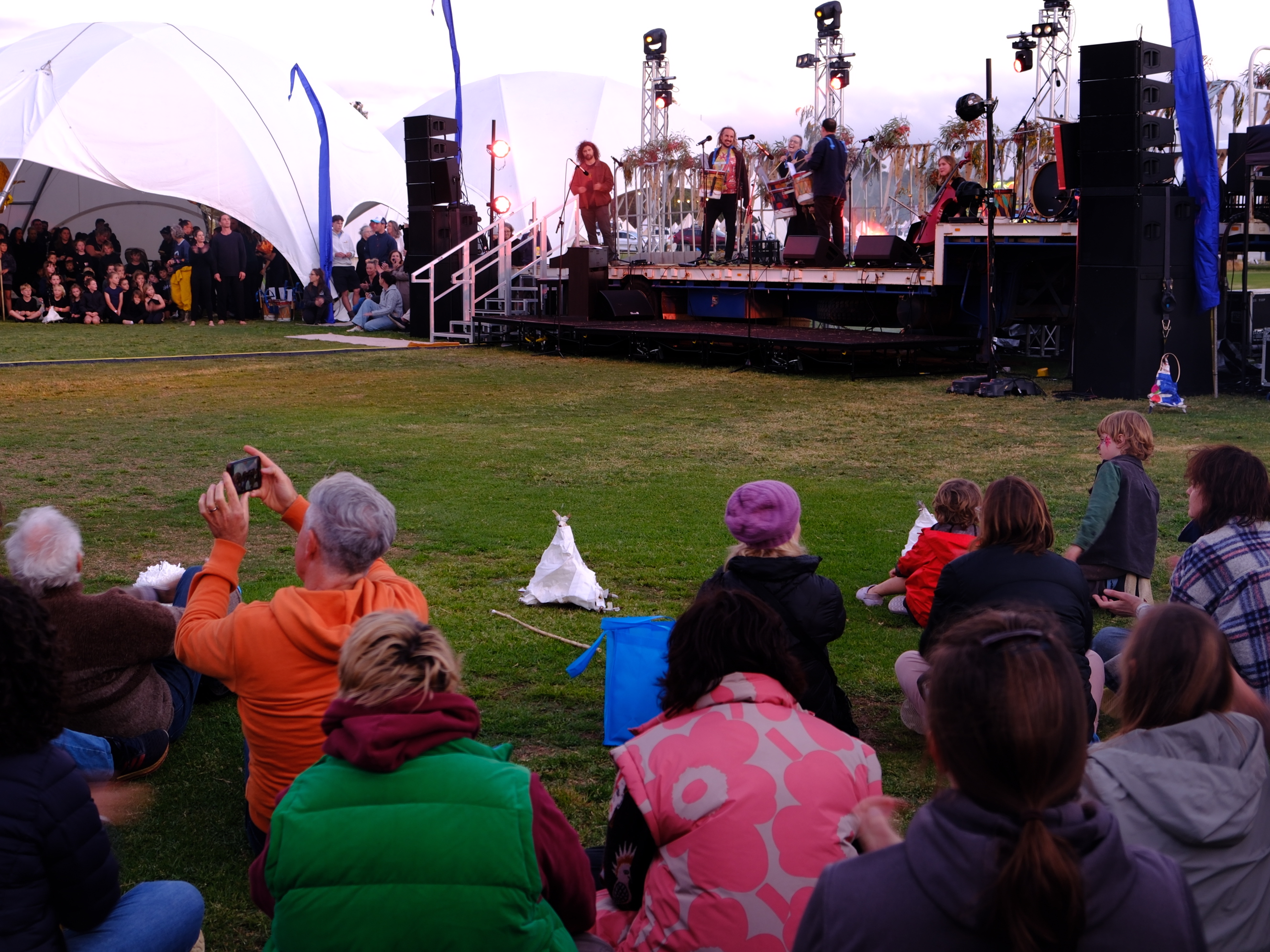
Giant whales drifting through wheat fields and wheat silos used as a backdrop for magical projections. What an incredible weekend of art and community in Goomalling!

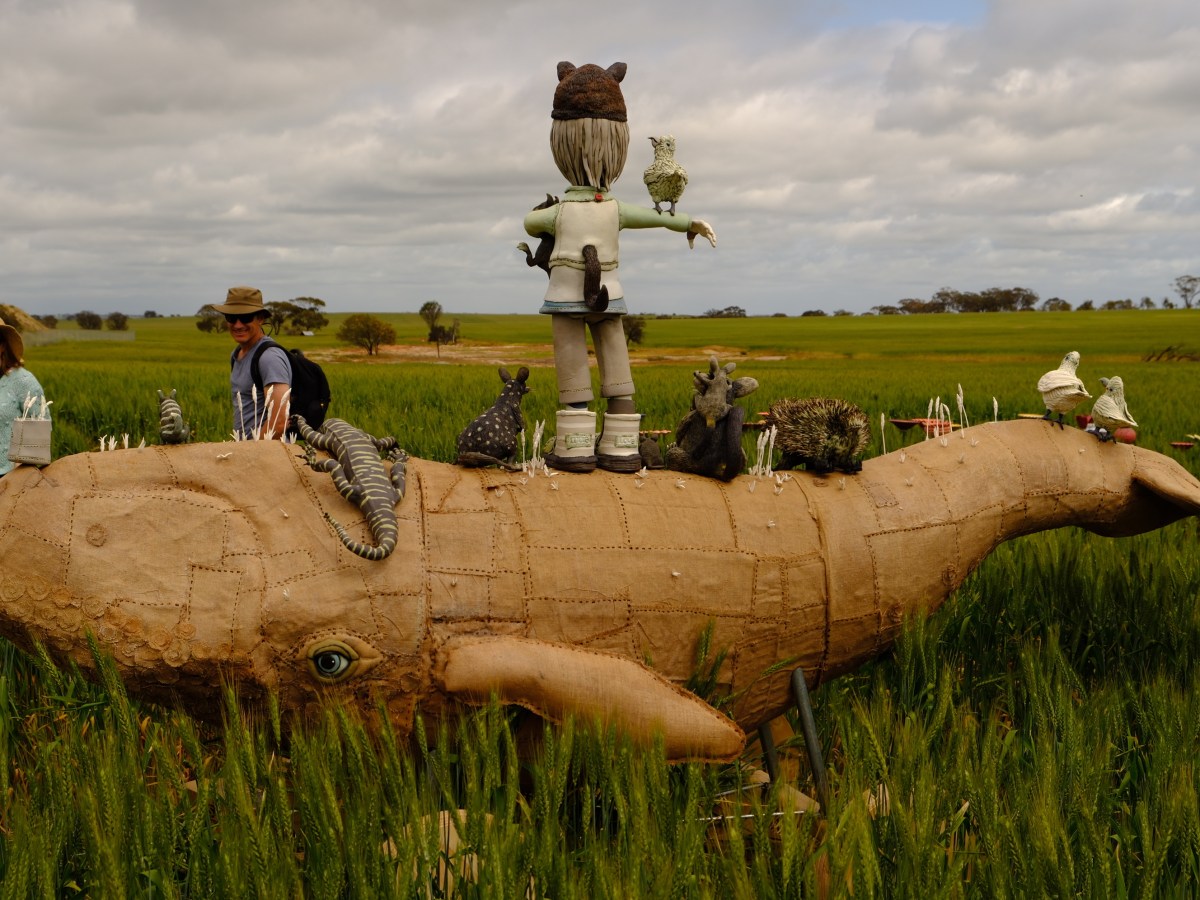
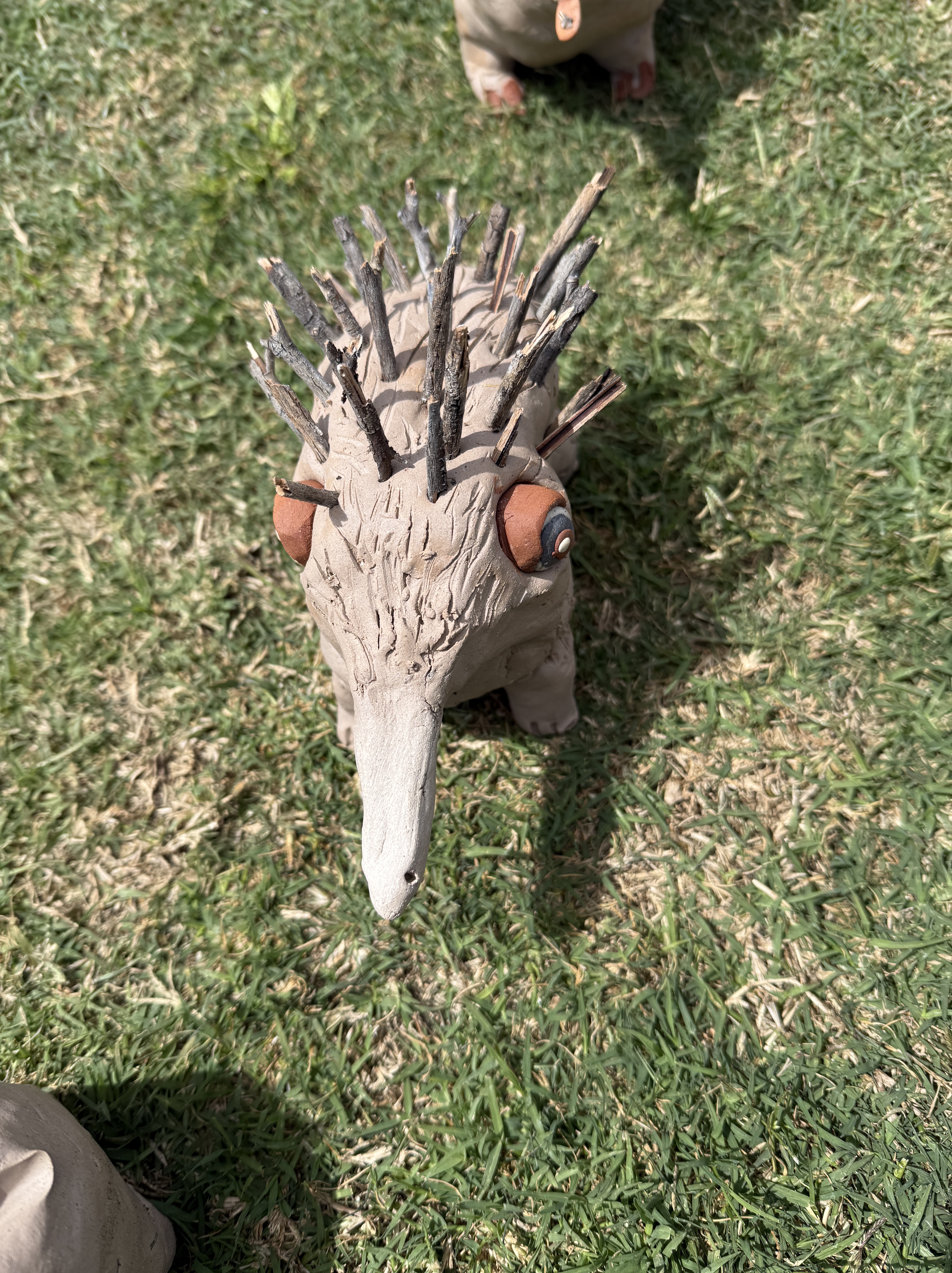
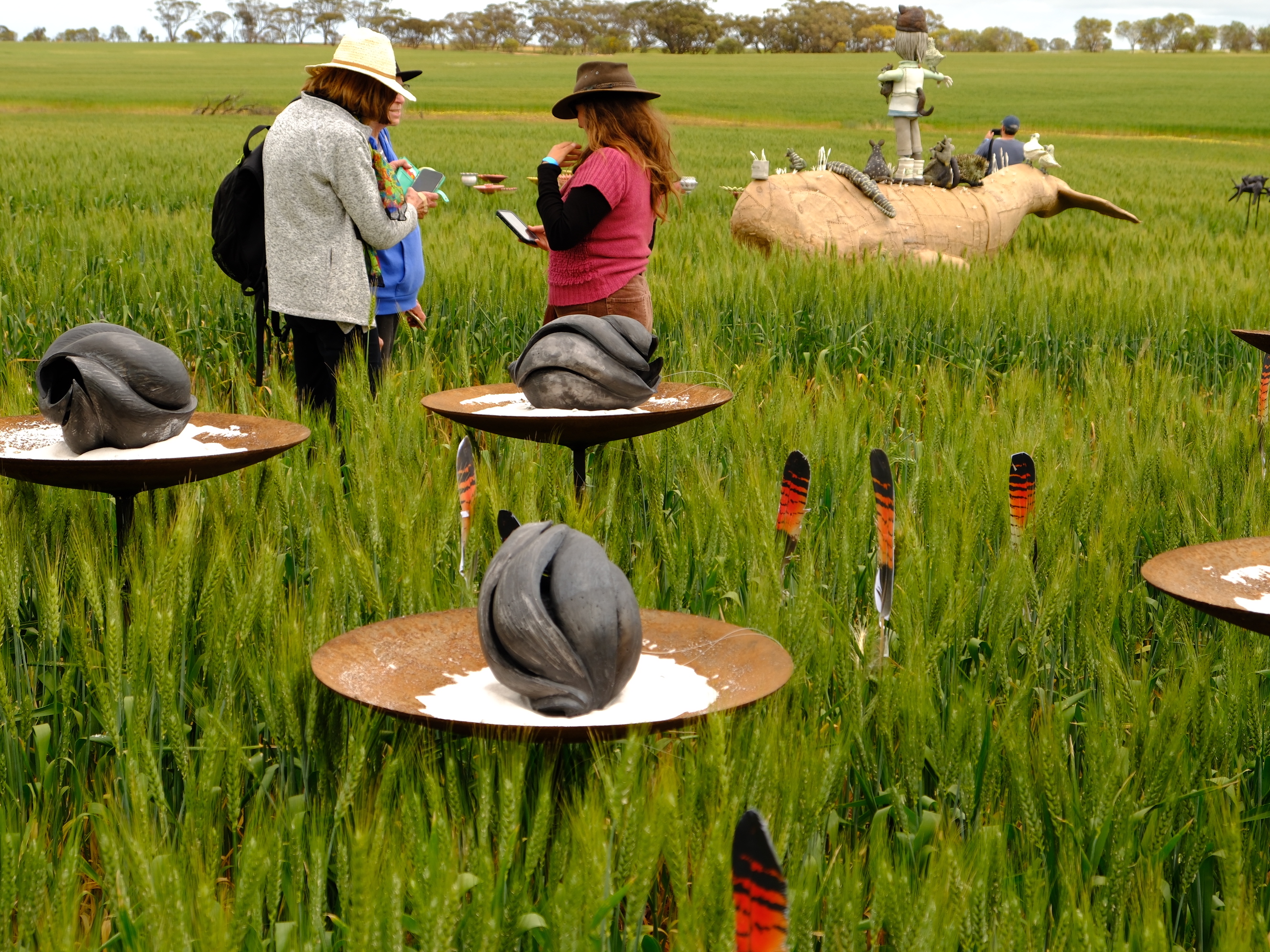
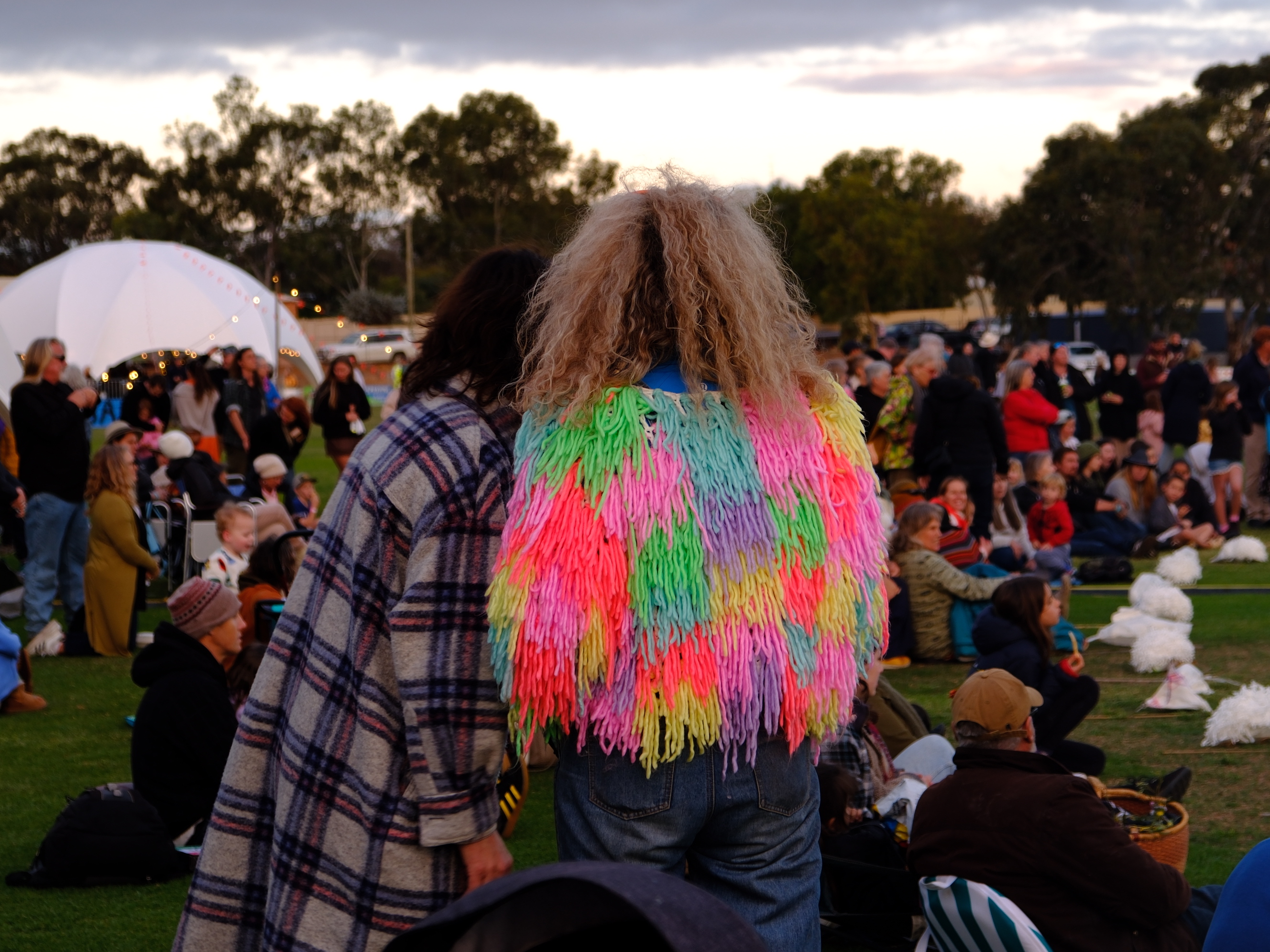
A whale in a wheat field, a parade of delightful ceramic echidnas as far as the eye could see, fresh crop circles that may or may not have been created by aliens, and some of the finest humans in the biosphere all gathered one long weekend in September in a tiny country town where not much usually happens. The Biosphere Boodja Arts and Wild Things Festival in Goomalling has just happened and I was lucky enough to be there!

The tiny wheatbelt town of Goomalling was the locus for this incredible happening, or ‘creative uprising’. It was the brainchild of Internationally acclaimed Perth ceramic artist and the festival’s creative art director, Fleur Schell, who was born in the wheatbelt town of Goomalling.  

She had a dream, or perhaps more of a vision, that she brought to life with some funding from Lottery West, major sponsors, private donors and the local community. Collaborating closely with Ballardong Nyungar Elder Tracy De Grussa and with the local community including primary school children from the two small primary schools in the town and with the Goomalling Op Shop behind her, Goomalling definitely had a happening! 

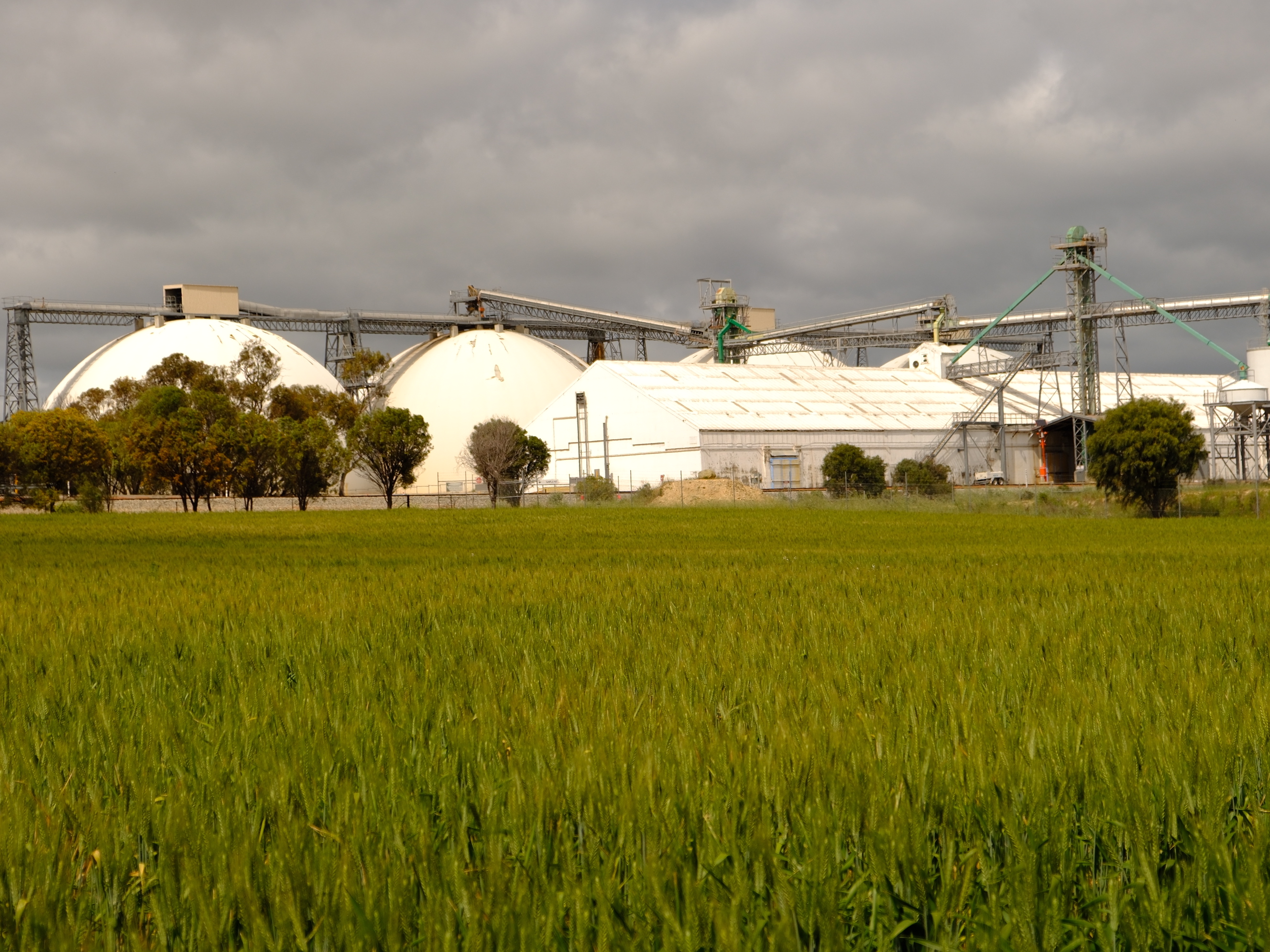
The small town of Goomalling is under two hours northeast of Perth in the Avon Valley and the Western  Australian wheatbelt.  Like all wheatbelt towns, it’s all about the wheat and it’s the enormous grain storage domes that immediately grab your attention when you drive into town that formed part of Fleur’s vision for the Biosphere Boodja Festival.

The giant spherical silos are pure white and look like something you may find on Mars if the future of life in space ever comes to fruition. When Fleur was a child they were really buried dinosaur eggs. They were also the perfect canvas for the incredible Totem Story projections that were cast that Sunday evening.

As a clay artist Fleur saw an opportunity to invite visiting ceramicists in Perth for ‘Wedge 2025: The Australian Ceramics Triennale in Fremantle’ scheduled for the following weekend in Fremantle.  Clay play and ceramics with clay provided by Midland Brick, formed a  large part of the festival and the workshops available for festival goers. Throw in some of Perth’s premier musos, a sculpture exhibition in a wheat field, some dancing, yoga and a giant puppet parade and the experience was out of this world. 

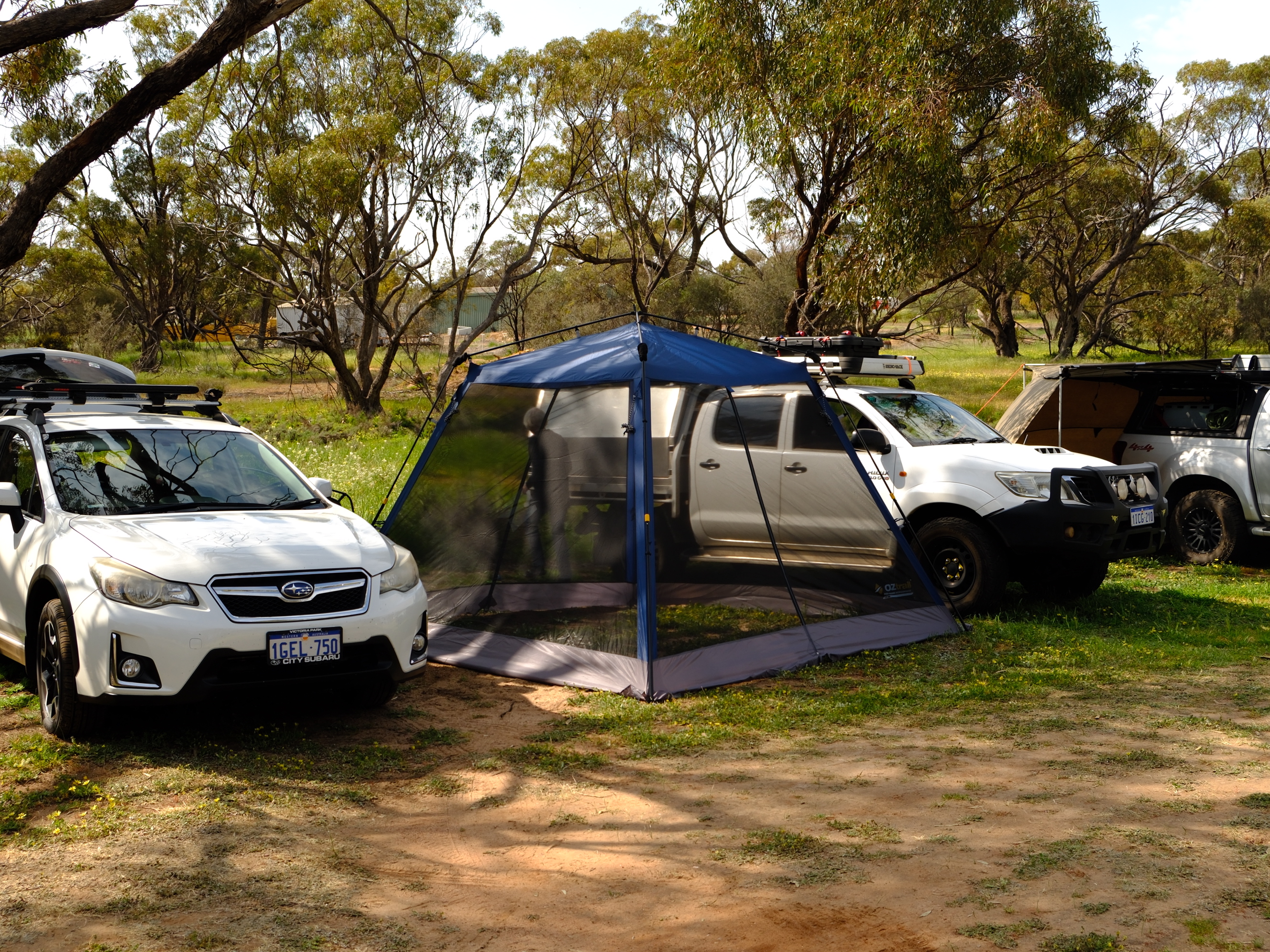
The festival was free to those who attended ; There were different camping options including glamping and family camping areas. We paid for bush camping on the decidedly rustic golf course.  It was close to everything, including a million mosquitoes.  

I’m a Tassie girl who grew up in isolated places and went to high school in a small country town so I have a thing for small country towns.  While Western Australian wheatbelt towns are a far cry from the lush farming towns in Tasmania there is an essence that spans all country towns and ties them together. That essence is isolation and community.

For me, wheatbelt towns are not comfortably accessible all year round due to the extreme temperatures in summer. Not to someone who likes to spend time outdoors and camping anyways, so I try to get out there as much as I can during the cooler months.  There is something magical about wide open spaces, random granite rocks and wheat silos.

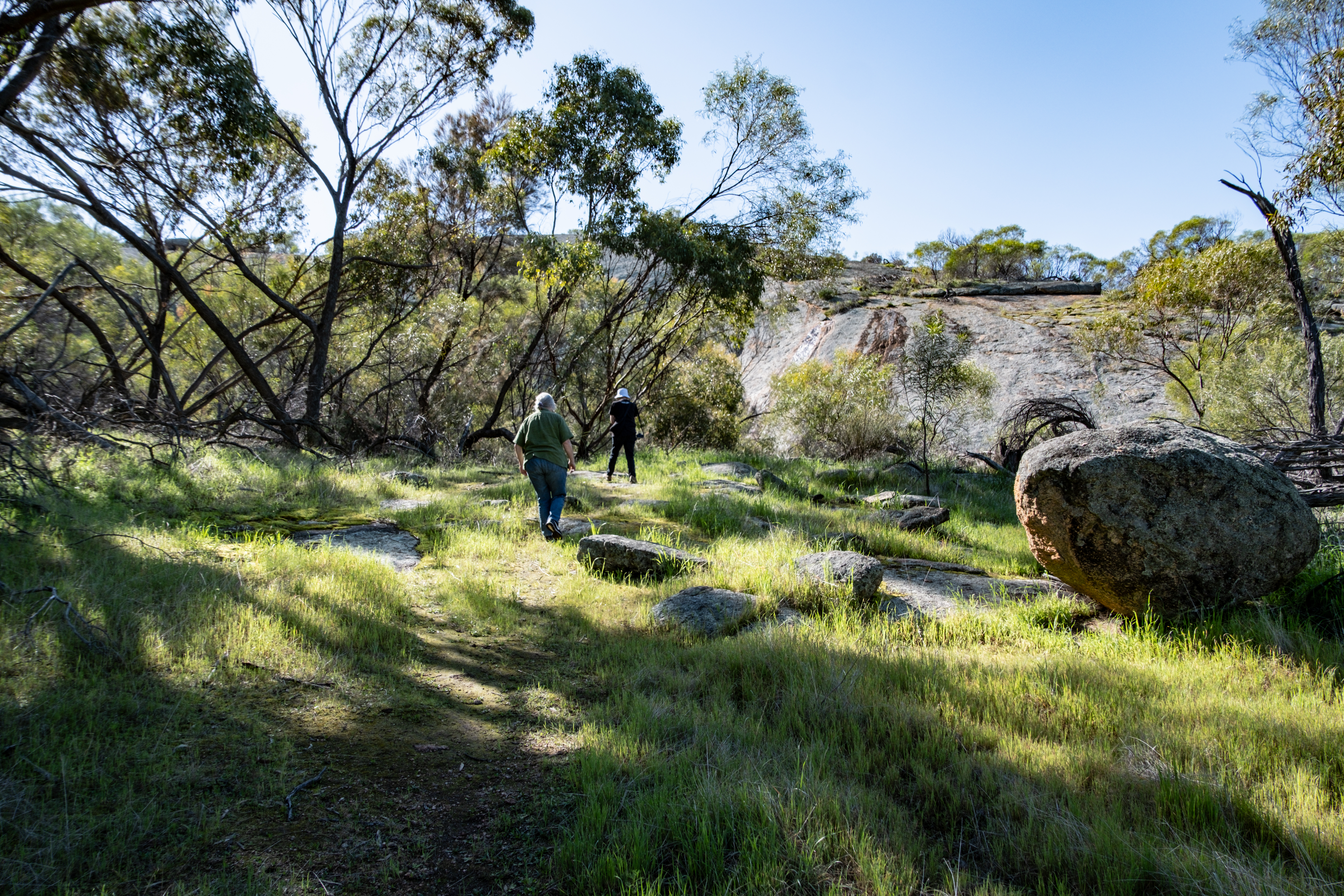
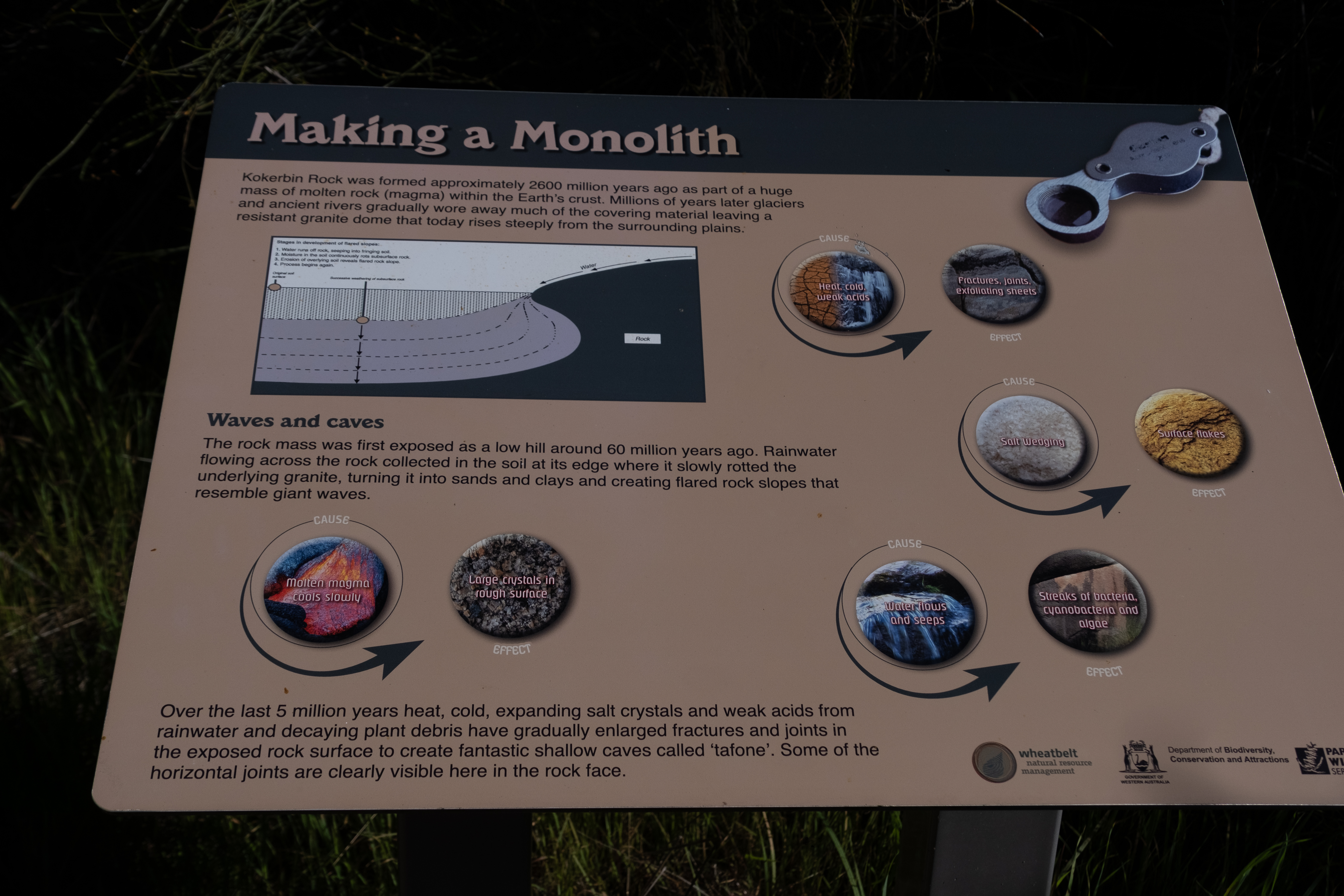
This trip was my second foray into the wheatbelt this year; a couple of months prior I went and spent a day and night hanging in the Granite Way at Kwolyin Camp ground and Kokerbin Rock, one of my favourite places to explore.  There really is nowhere better for star gazing!

So when Biosphere Boodja came up on my radar, I jumped at the chance, found a festival buddy and headed back into that wheat belt that I just can’t get enough of.

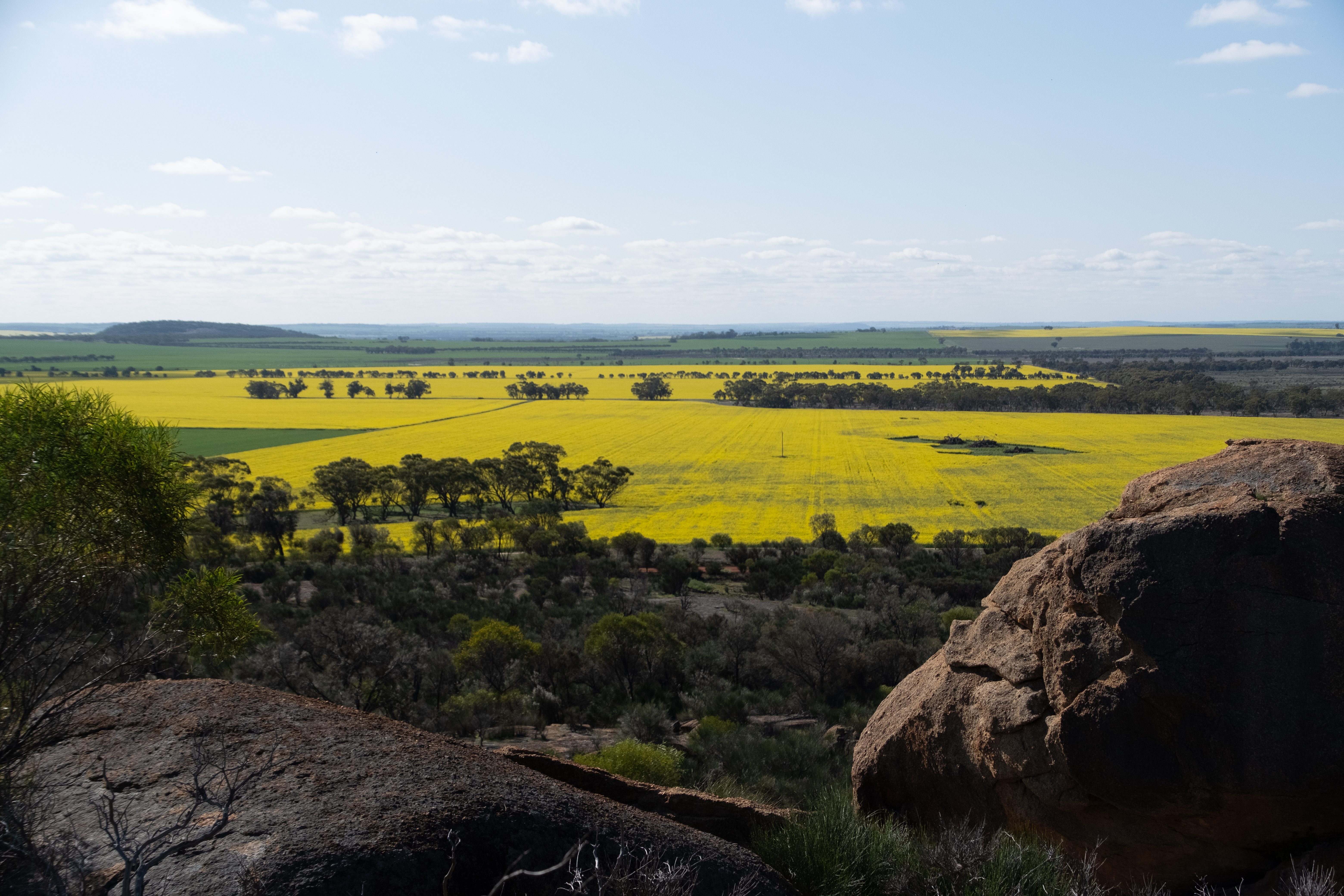
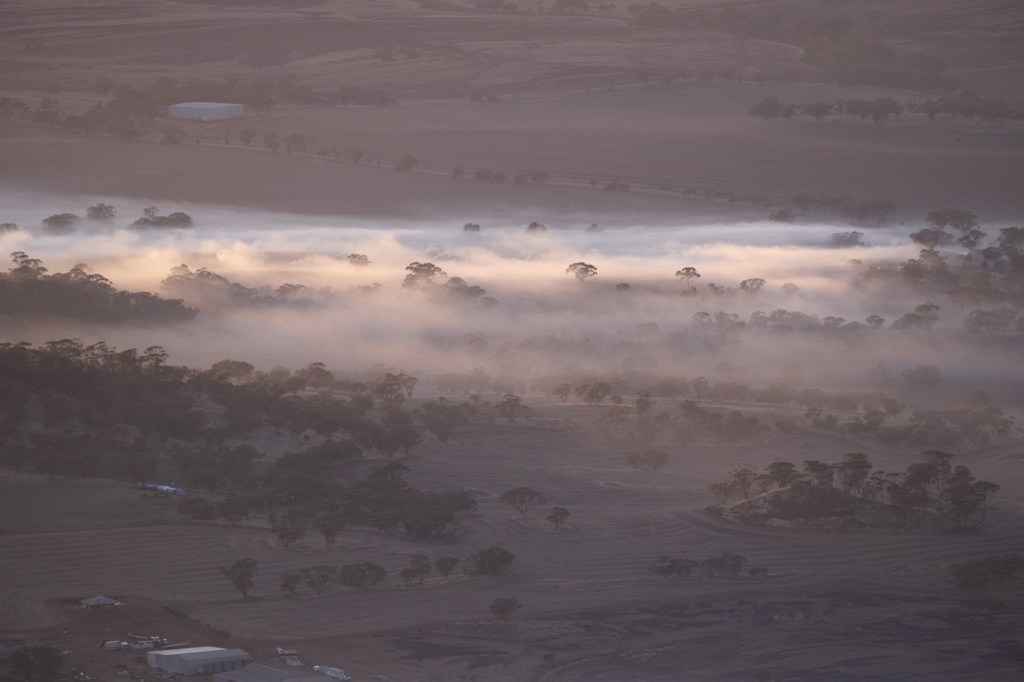
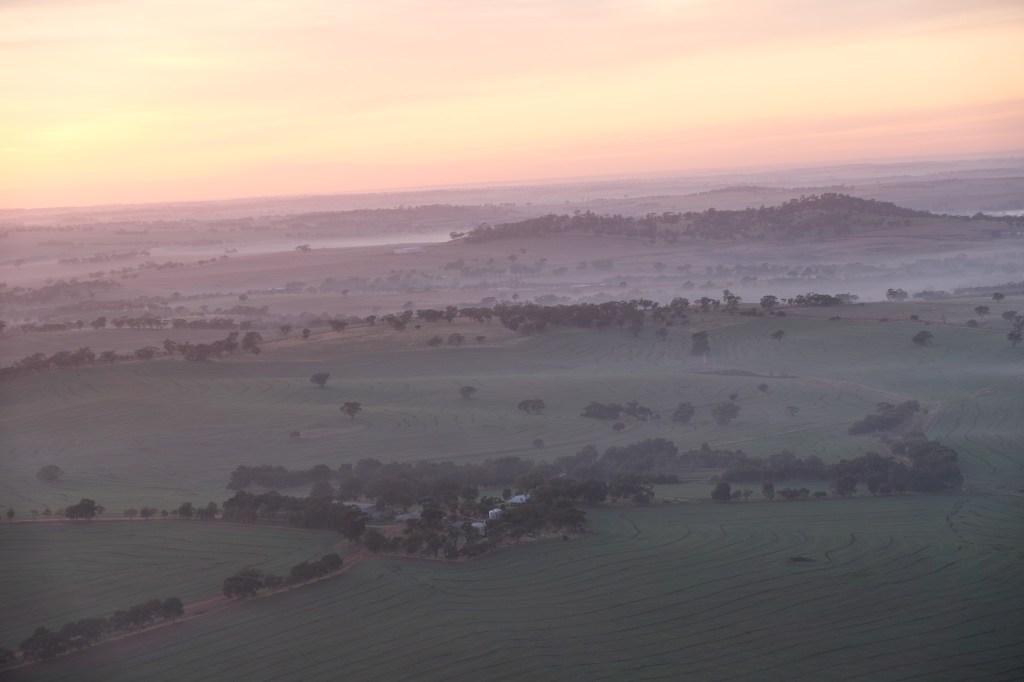
The drive out was ethereal; green wheat fields on either side and the fading flowers of the remaining canola, almost finished flowering.  As drifted into towns surrounded by modest hills incredible mists filled the valleys. It was all I could do not to pull over every 10 minutes to take photos.

When I reached Goomalling at 8:30 that morning (yes I had got up very early to leave) I was the first bush camper to roll in and register. We were camping on the golf course and being a dry wheat belt town the golf green was not how you imagine a green in the big city. Nevertheless, they wanted to protect their fairway so we camped in the bush on the side of the daisy-covered fairway with about 10 million mosquitoes. 

The town volunteers were all incredibly friendly. They popped me down at the end so I could drive out easily the next day and they saved a space for my friend Elaine who had a rooftop tent. Turns out we were first to arrive and last to leave. That’s how we roll.

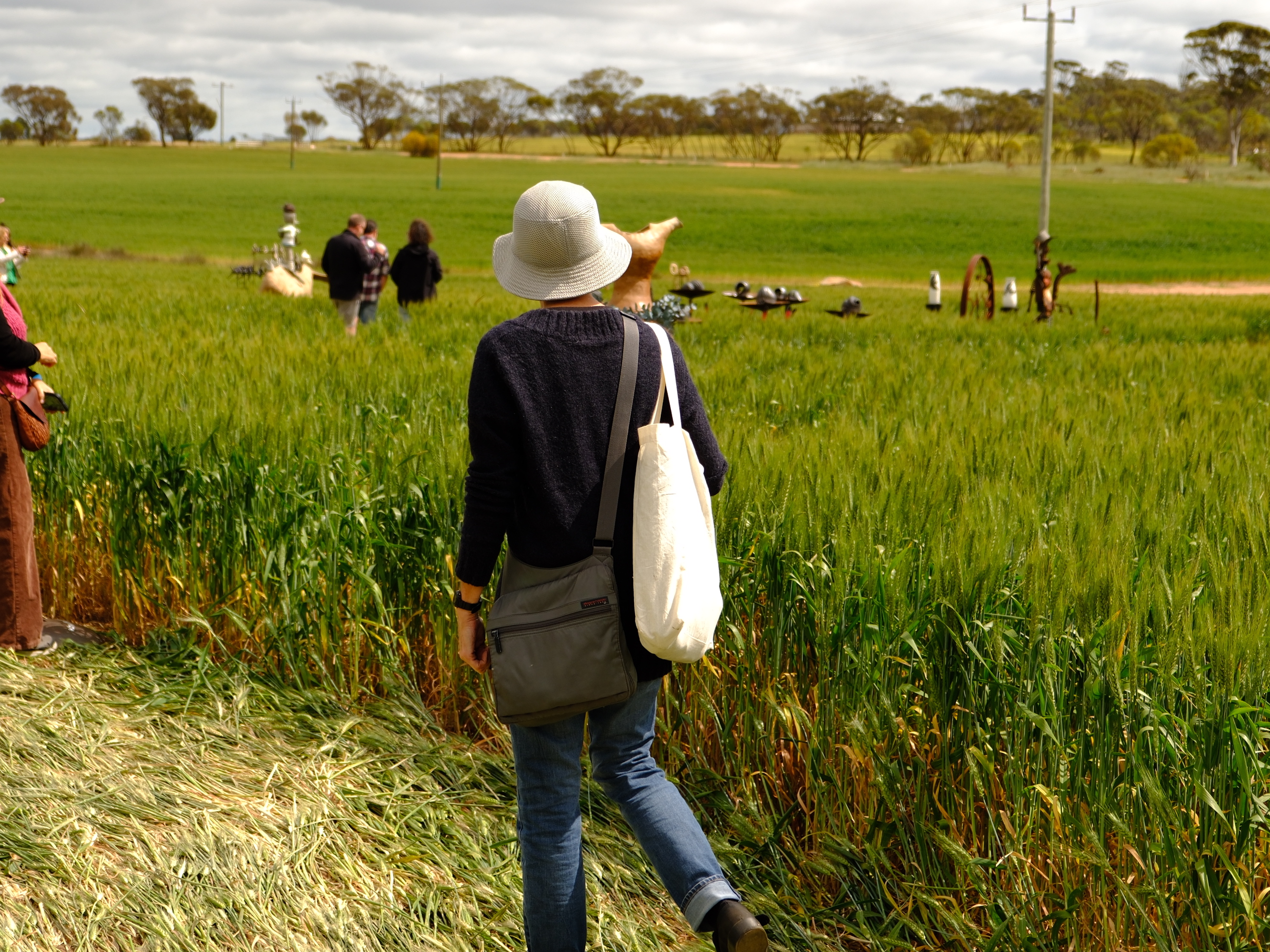
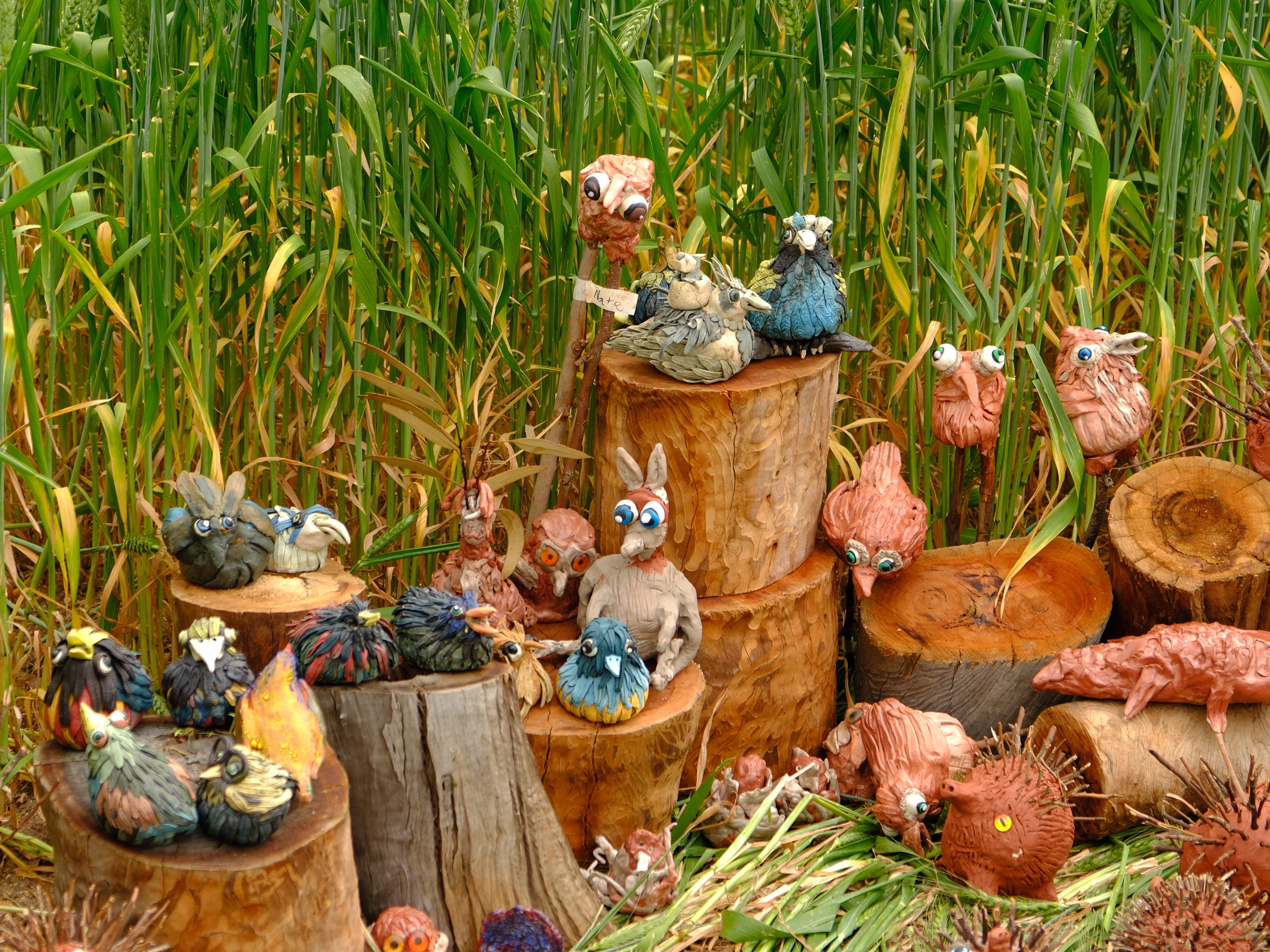
I set up camp and Elaine arrived via the Goomalling Op Shop with a trawl of treasures and set up her rooftop, then we set off to explore the town.  Right next to the golf course was the wheat field ‘crop circle’ exhibition – literally a wheat field with cleared paths and some incredible sculptural art works, including Fleur Schell’s ‘Wheat Whale’.  So we diverted into the field.

The sun was up and the wheat swayed in the soft breeze; quite magical.  Next we wandered to the markets and the main oval to see where we could expect to be based for the next couple of days.  The markets were a collection of local artists stalls.  I made a few small purchases, including a cap printed by a young girl who had created a selection of t-shirts and hats with her designs.  

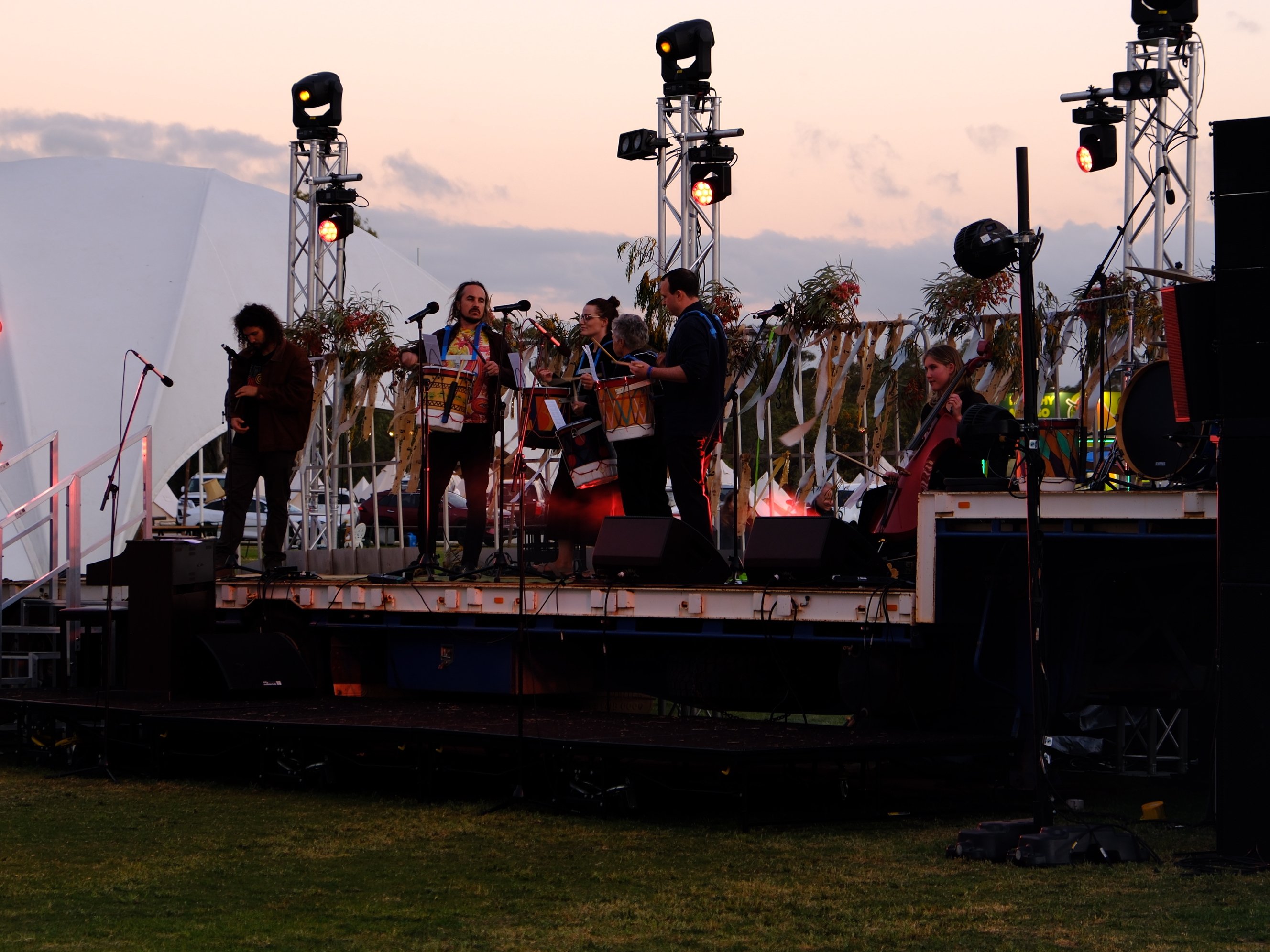
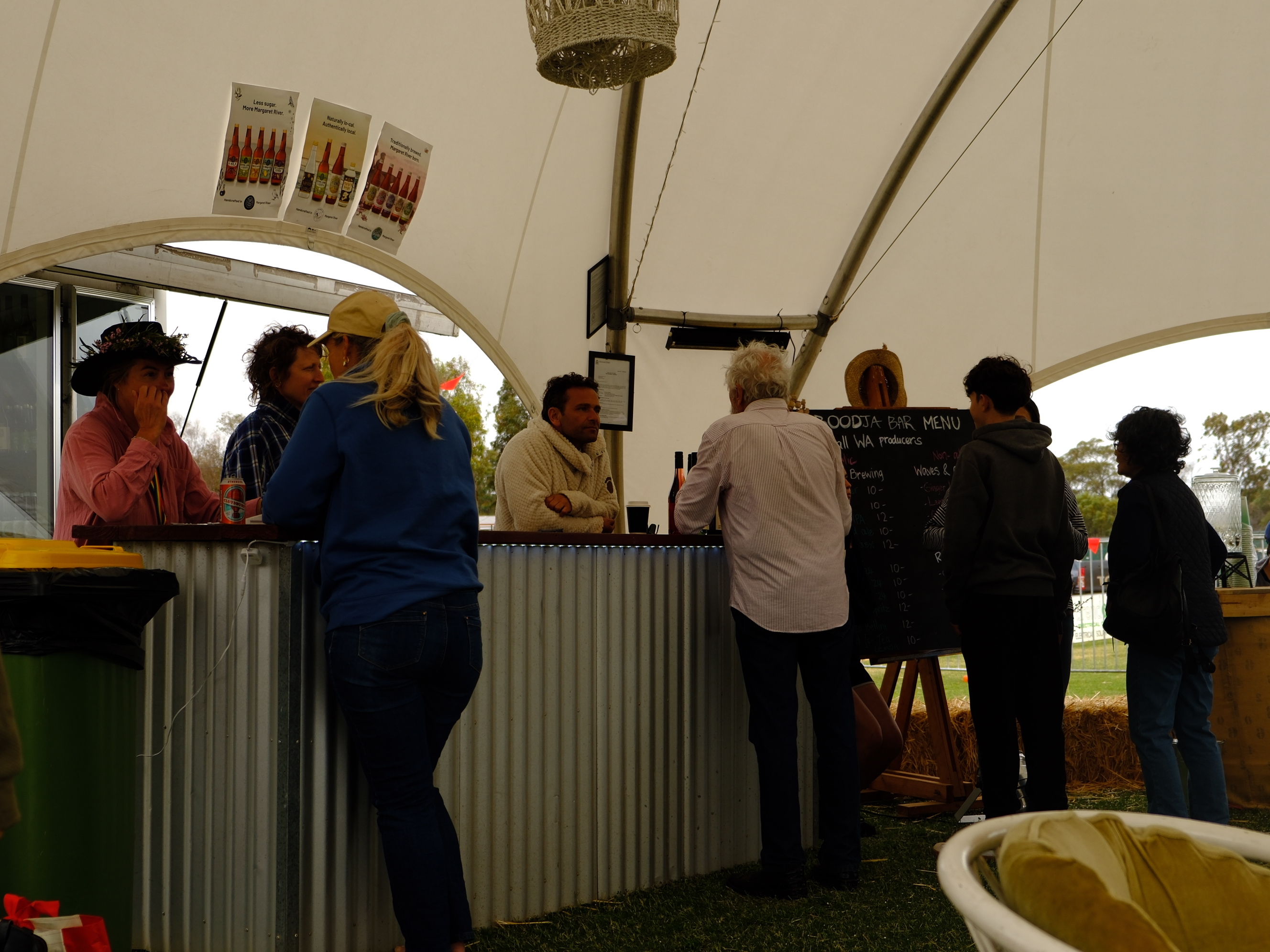
With eats never far from my mind I was happy to note a variety of food trucks and a couple of bars set up on the oval, and we soon found the stage which would be the centre of our weekend escapades, when we weren’t having a drink in the Boodja Bar or the bowls club. I was excited.

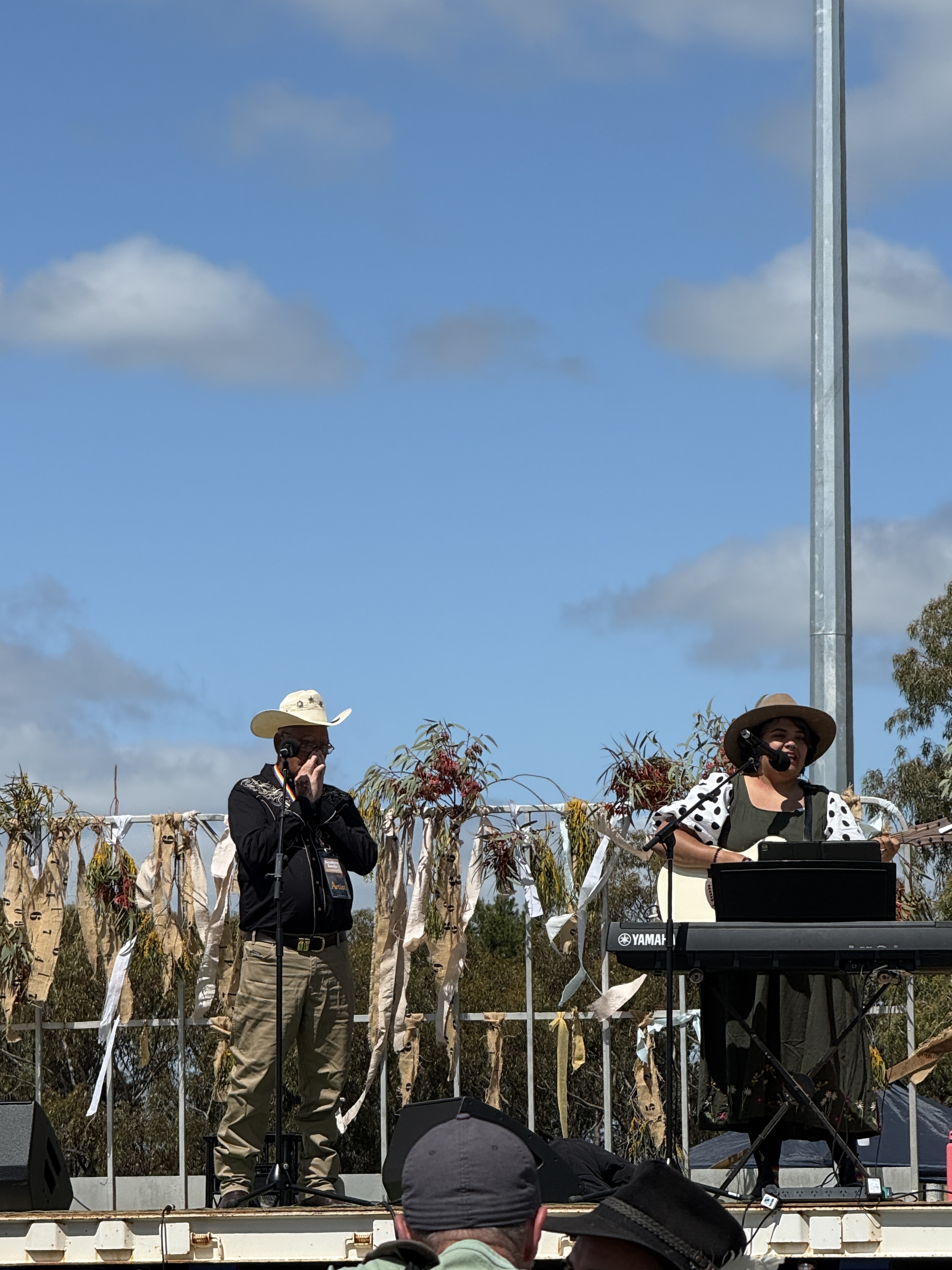
We settled in for Aunty Tracy’s Welcome to Country and a string of fabulous Western Australian bands including Lucy Peach and some incredible acts from the area.  

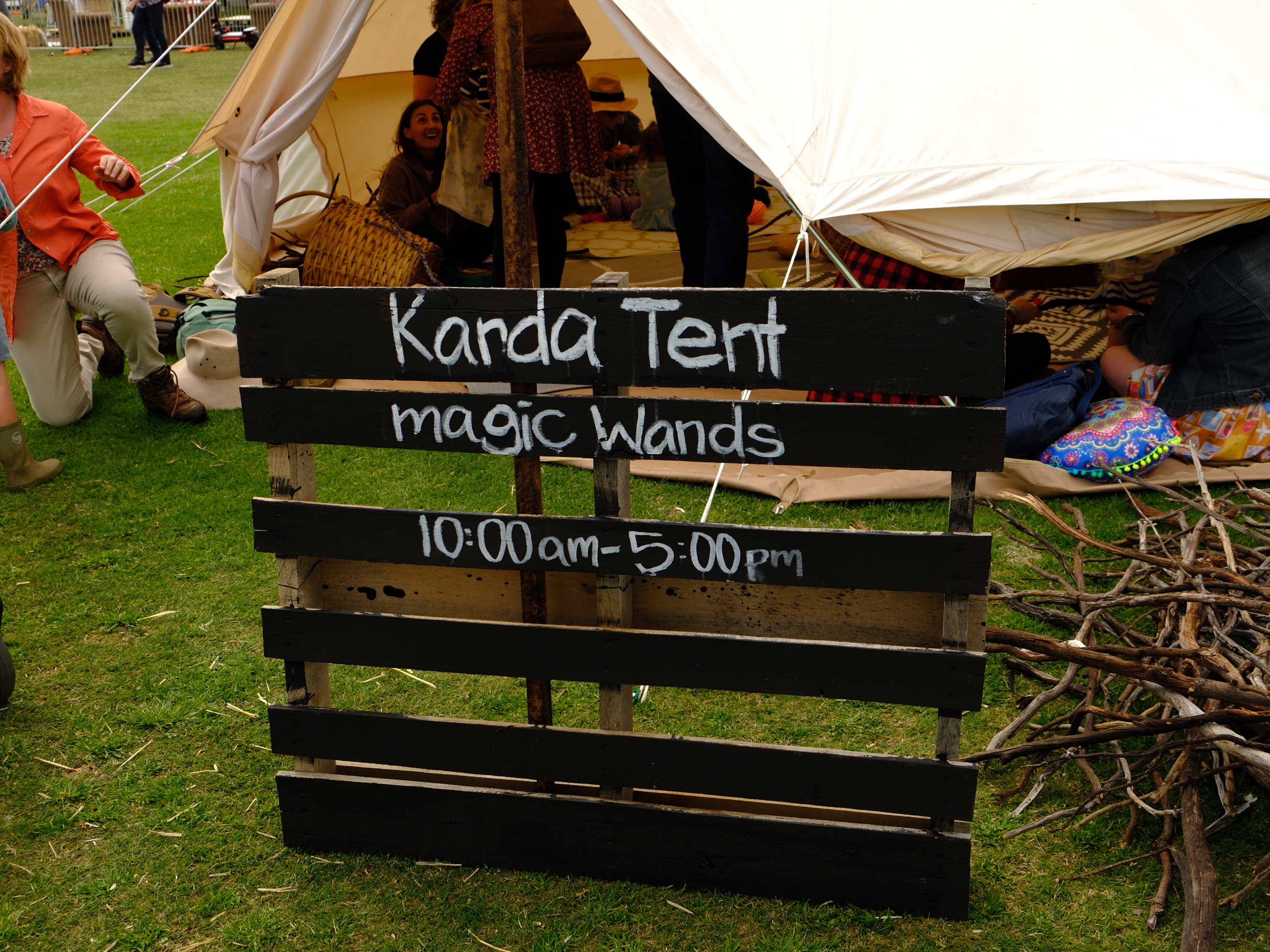
The rest of the day was spent wandering about checking out the workshops all facilitated in huge white dome tents not unlike the wheat silos, and pausing for drinks from the comfortable Boodja Bar with Op Shop chairs and cushions, to the Goomalling Bowling Club bar. The rain came but it wasn’t the soaking type so we stayed mostly dry.  

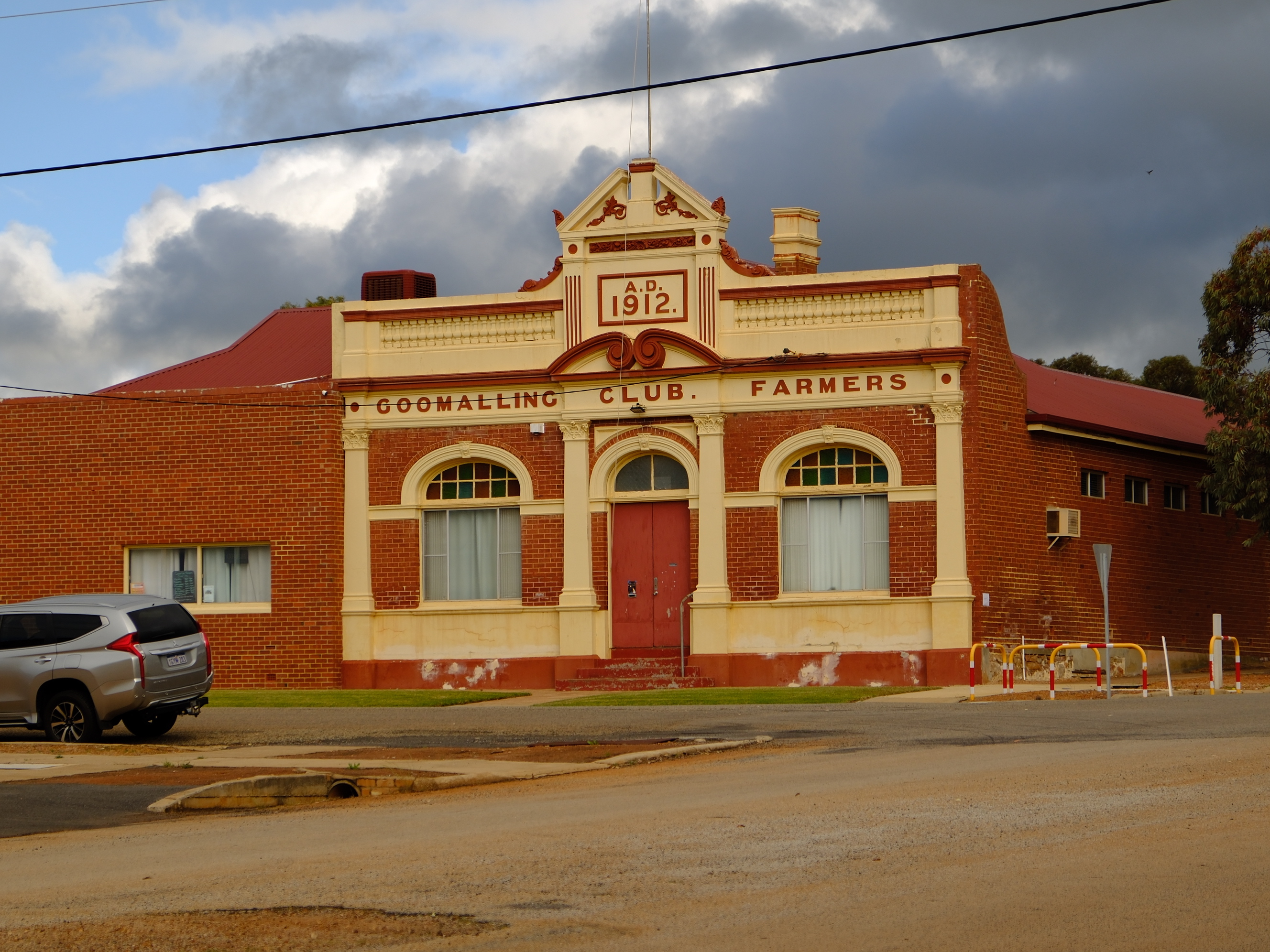
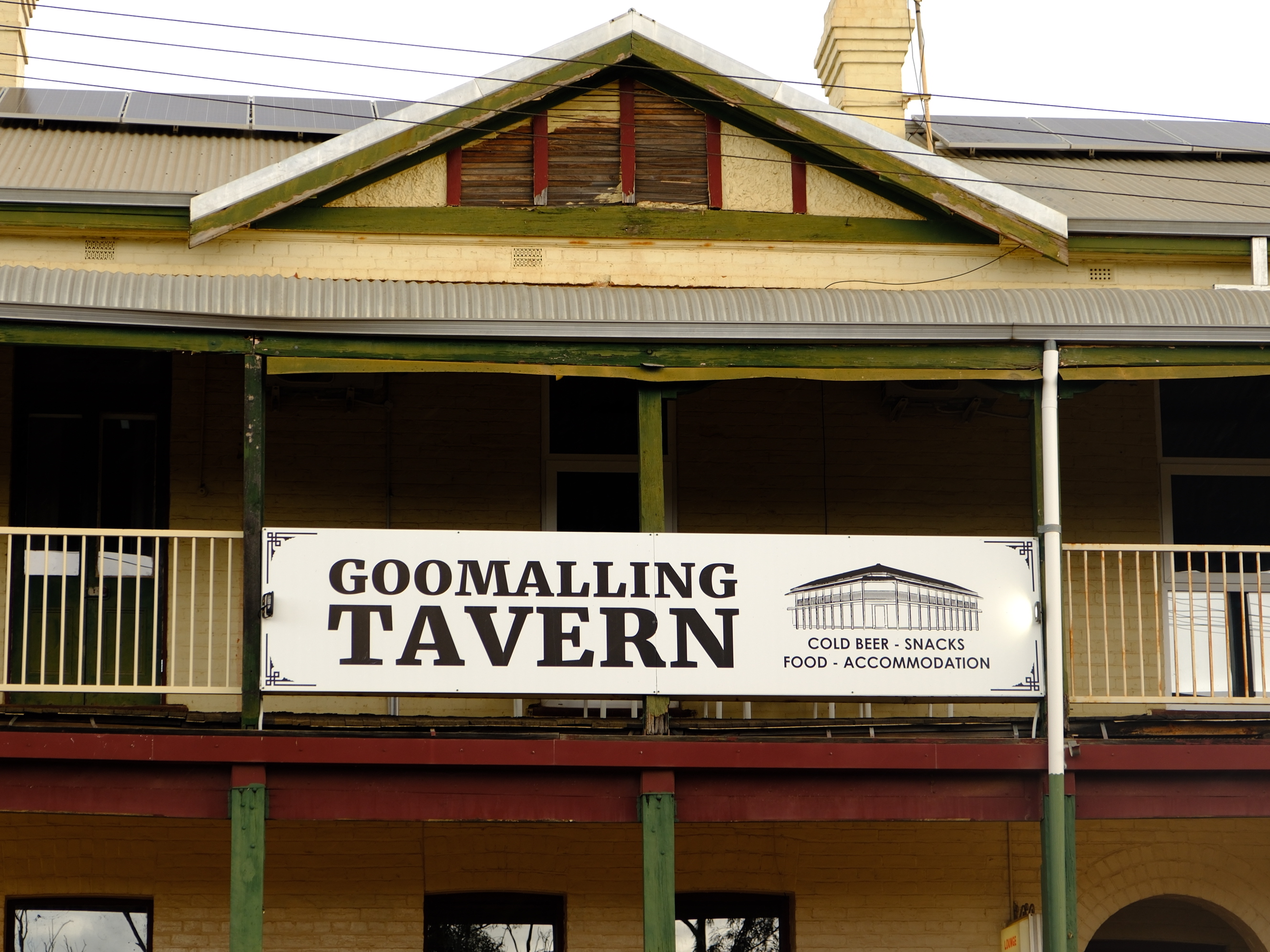
We decided a final visit to the town Op Shop was in order, seeing as I hadn’t been yet, and headed into the wide streets of Goomalling for another walk about.  The Op Shop was on the main street, just past the hotel, the post office and Bendigo Bank, and it was heaving!  Most of the good stuff had been bought up by the bargain-hungry visitors.  The Op Shop manager was very happy with her day’s takings declaring it ‘the best day of takings she had ever had.’  

I found nothing but enjoyed the browse before we went back to camp to prepare our clothing for the coming evening.  Back for another drink or two at the Bowls Club before the children and festival goers began congregating for the puppet parade and song performance by the children.

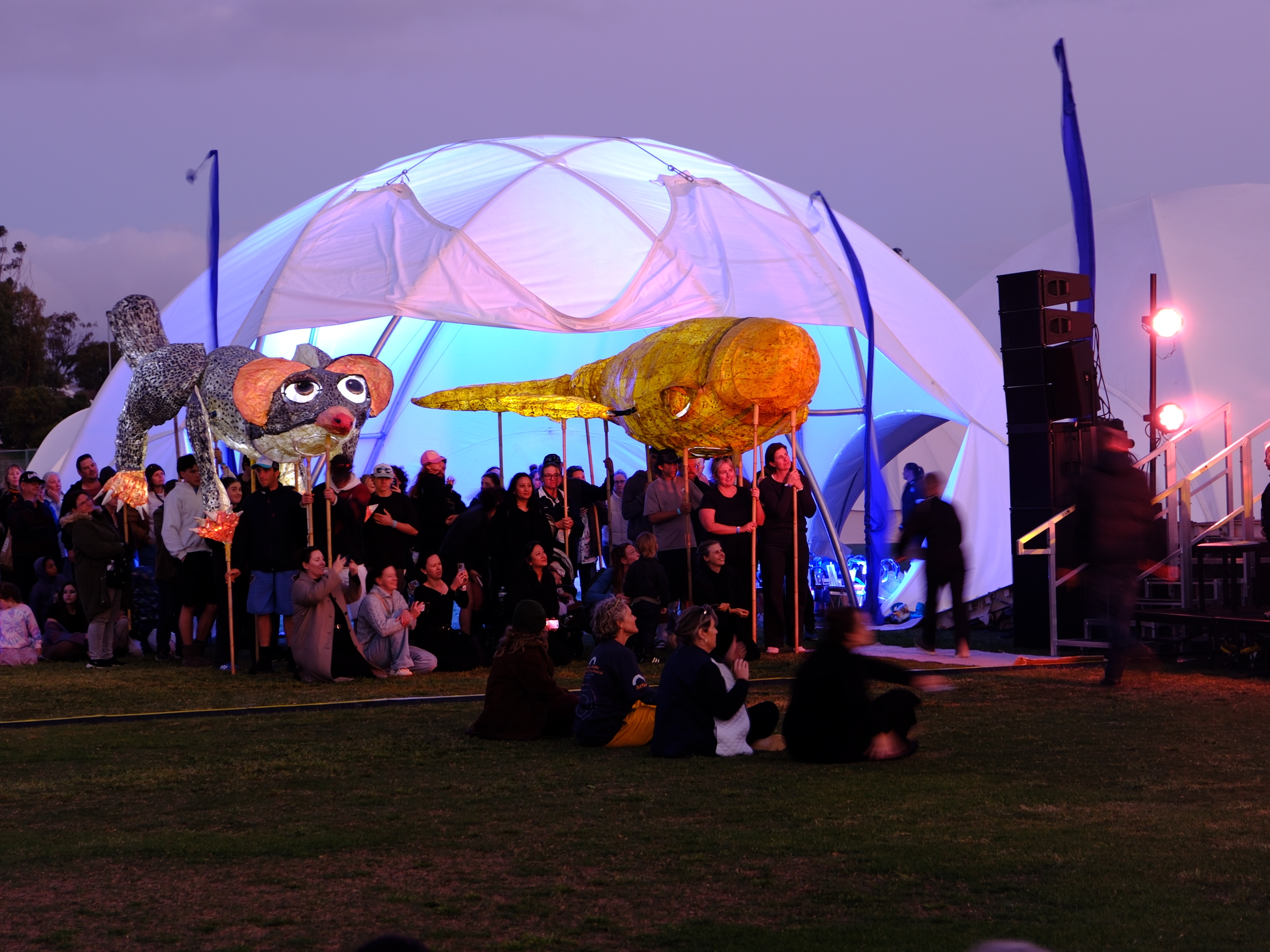
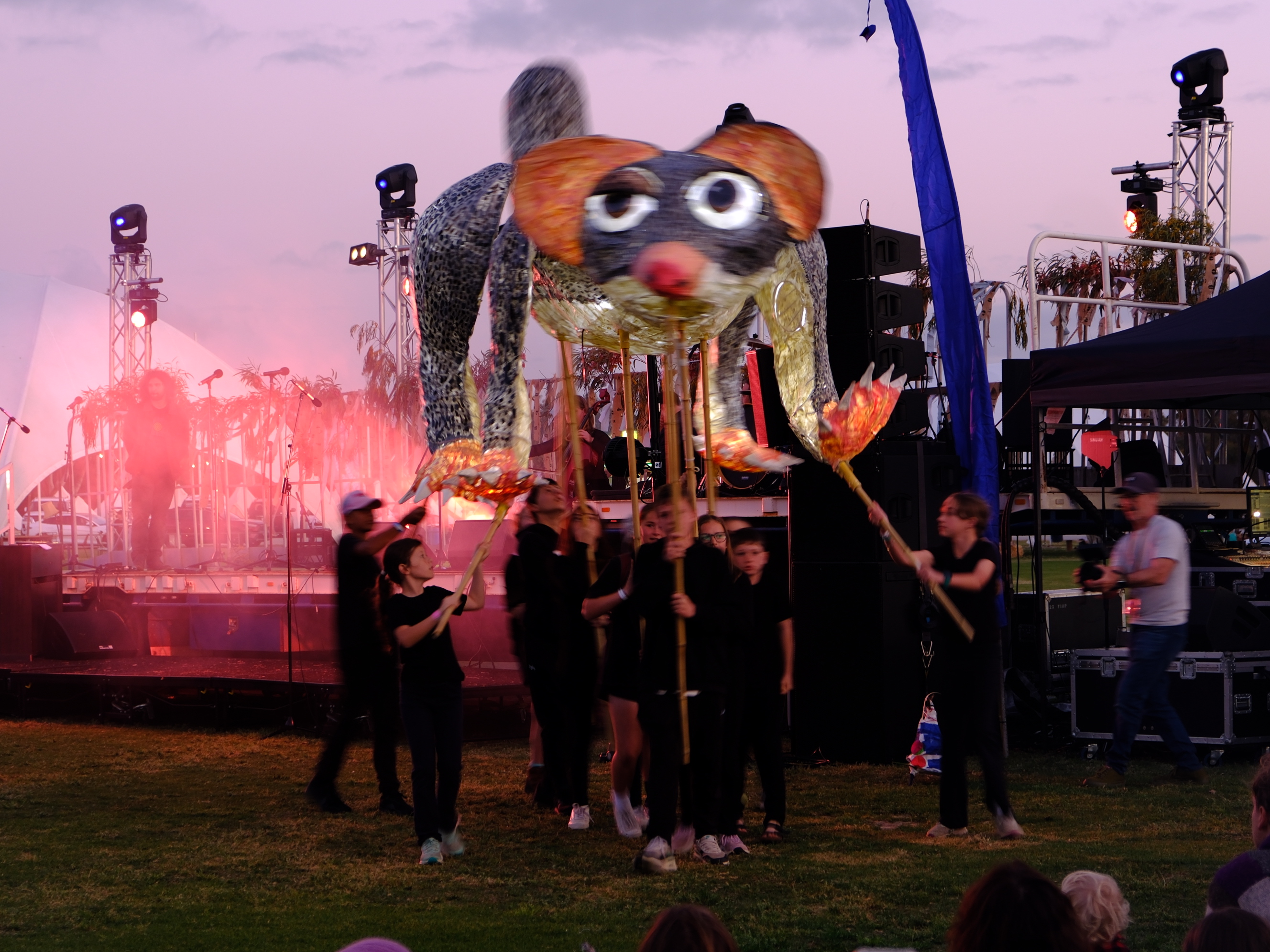
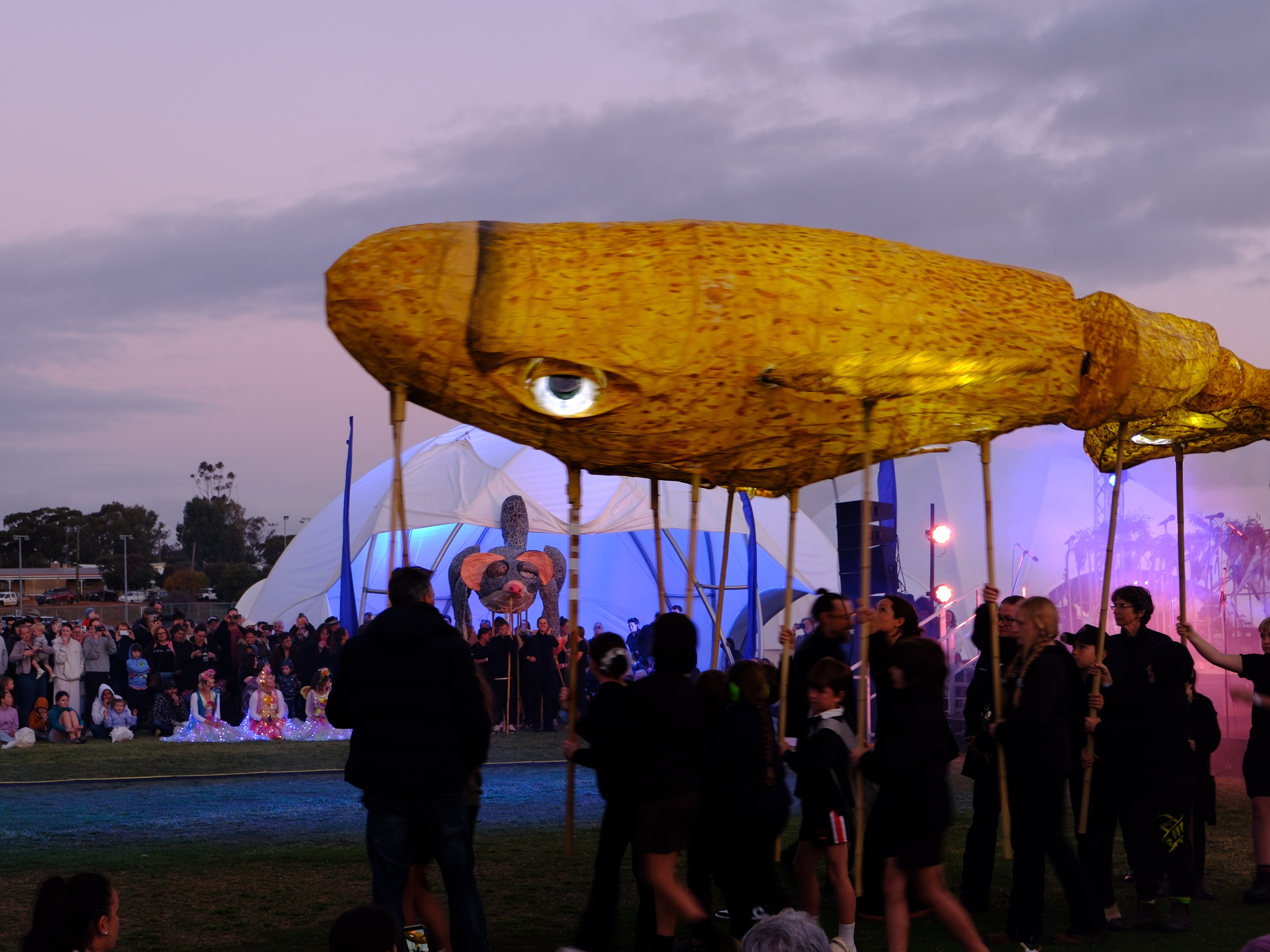
What followed brought me to tears!  The giant paper mache whale and Koomal possum that we had seen sheltered in the tent earlier that day came to life with lights and a group of young people moving their parts as they circled the area in front of the stage accompanied by a drumming group. The children sang a song about the disappearance of the Koomal possum, written by Fleur and then we all set off towards the silos as the sun set and darkness fell. 

There was a real sense of being part of something so unique and important as we all stopped in front of the silos and all the lights were extinguished.  The Totem Story projected onto those crazy dinosaur eggs and narrated by Aunty Tracy and children was just incredible.  

Totem Stories on Goomalling wheat silos

When it finished we all strolled slowly back into town feeling like we had been part of something beautiful.  It was clear how much work had gone into every part of the weekend from the involvement of the local schools in the incredible art projects to the local businesses and volunteers who made it all possible.

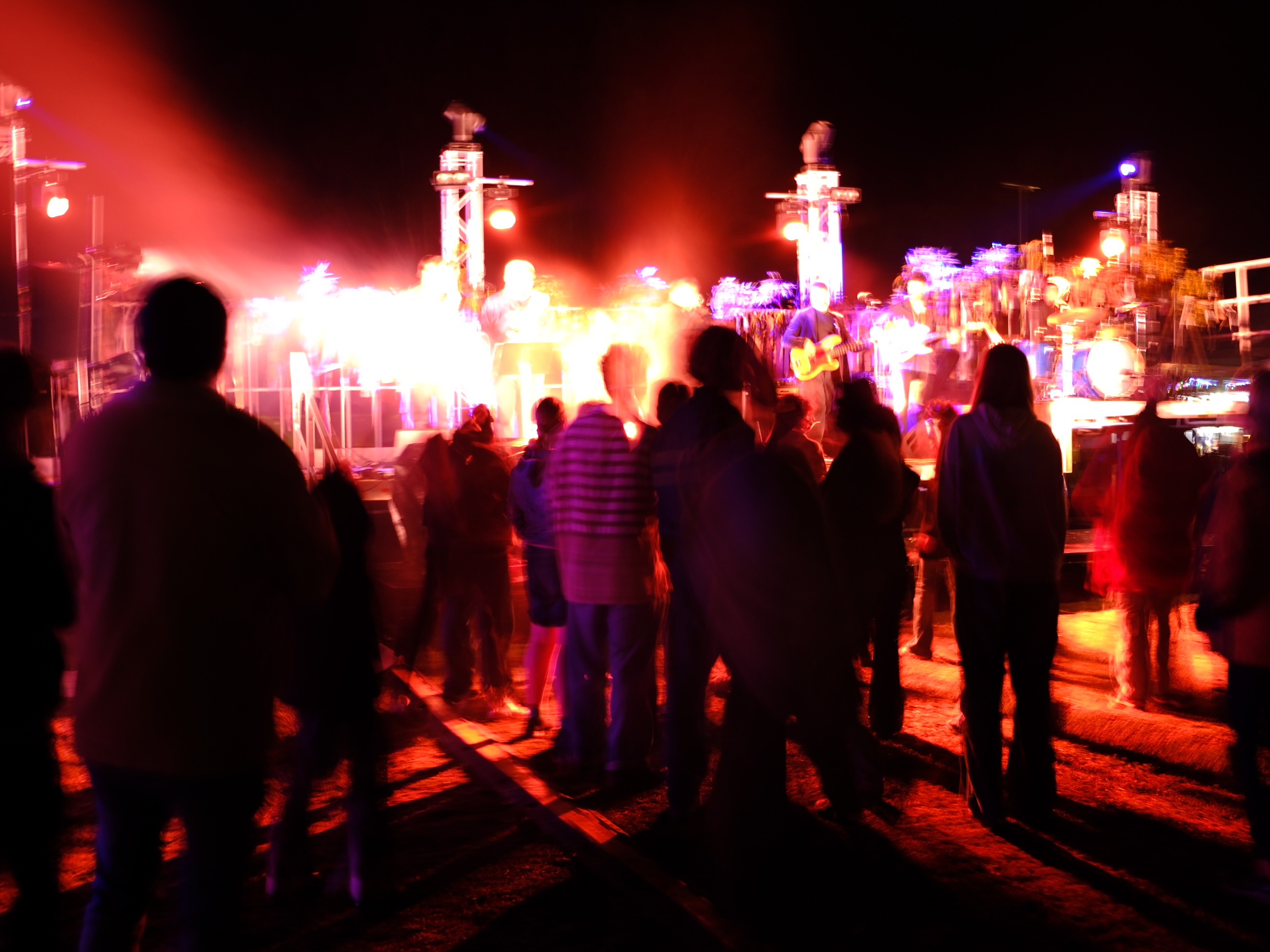
The remainder of the evening was spent having food and listening to the music by local and Western Australian acts; finishing on a funky note with a boogie to Odette Mercy and the Soul Atomics before we stumbled back to our golf course camp for sleep.

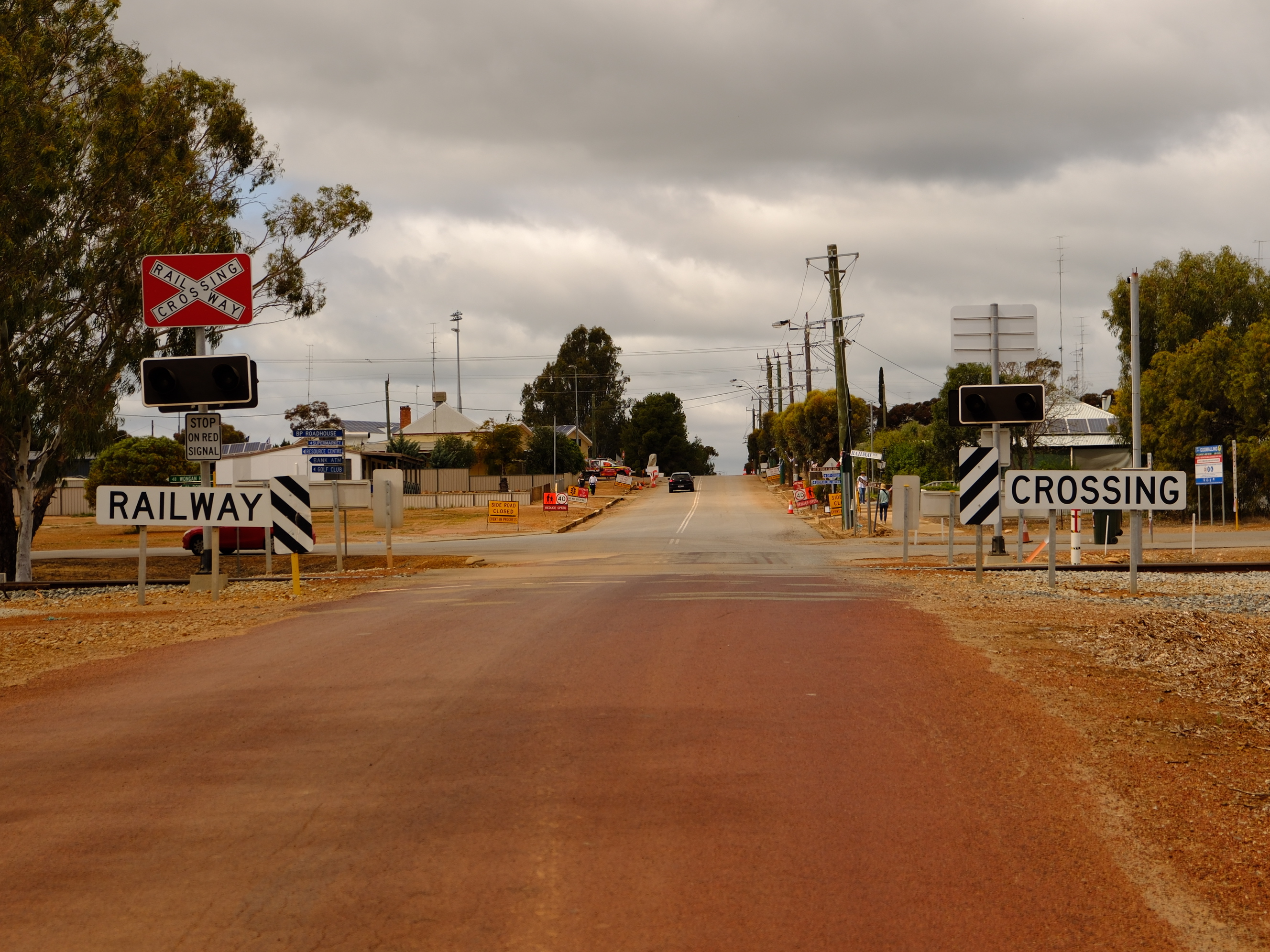
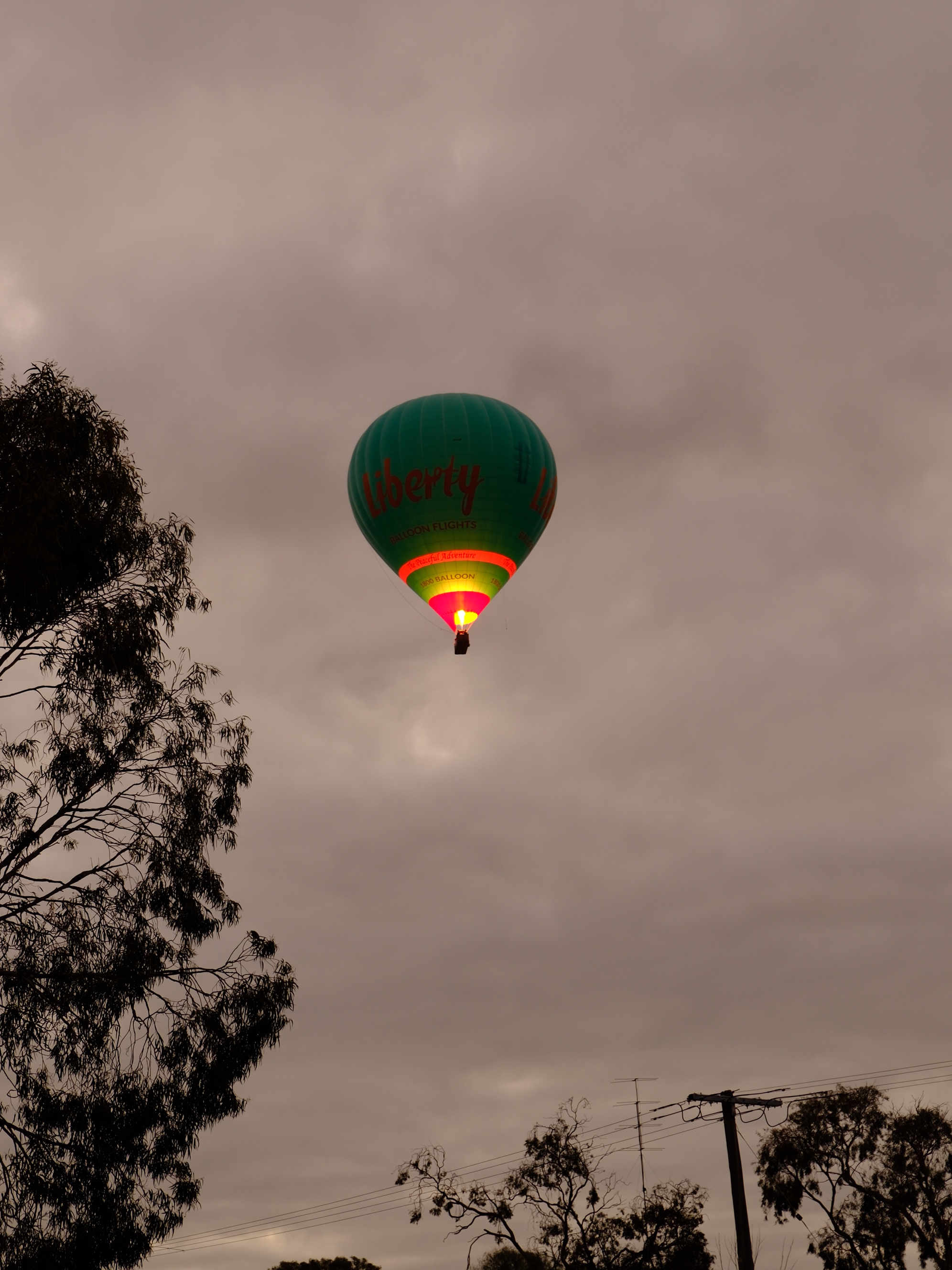
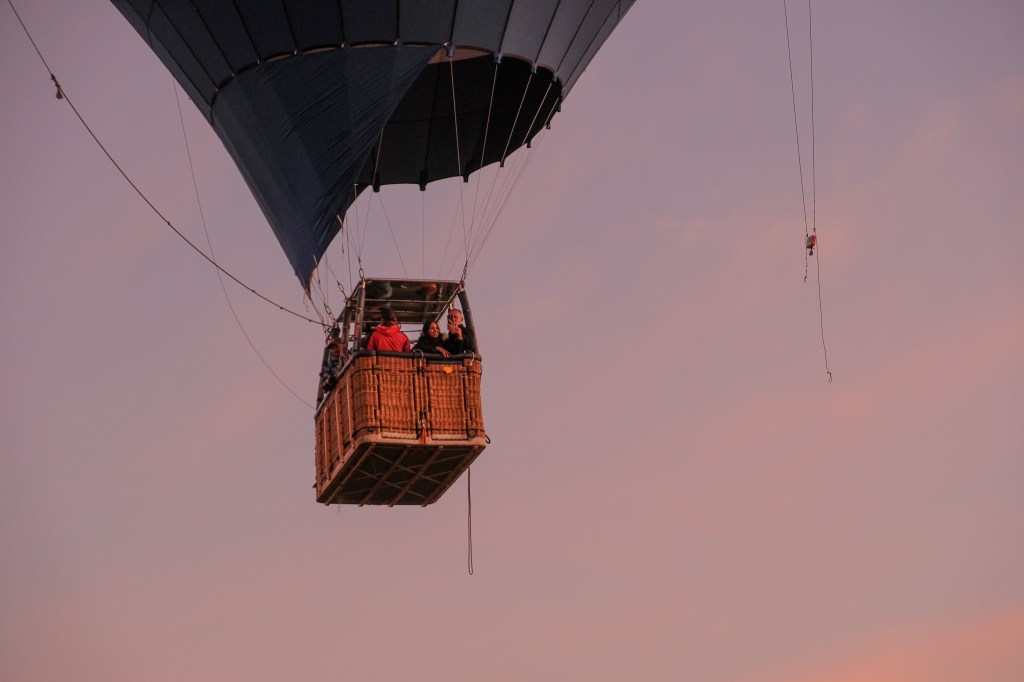
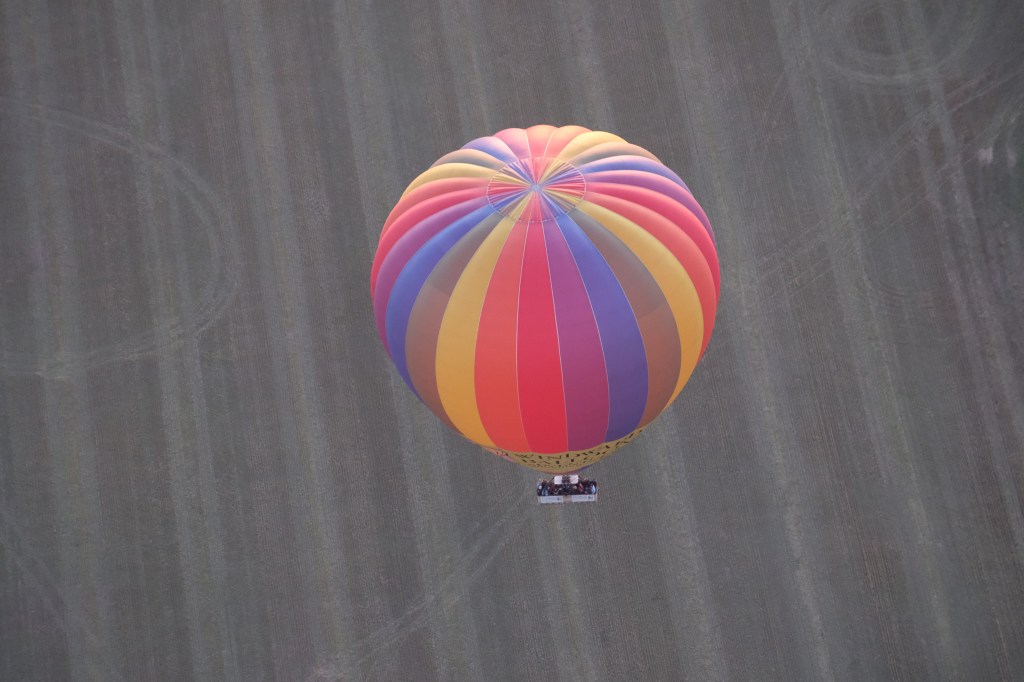
I was woken at 5:00 am by the sound of the hot air balloon that had been sitting on the oval the day before,  being inflated on the oval for a sunrise flight;  the steady hum of the generator and then the huge huffing sounds of the flame being shot into the full balloon.  I just had to get a photo so I braved the mossies and got to the railway line as it lifted into the cloudy skies.  I got my pics and climbed back into bed for another hour.

Day two started with a sausage sizzle right outside our tents as the local P & C cooked us up a meaty breakfast of sausages, onions and sauce (onions and sauce for the vegetarians).  I scoffed down a sausage but Elaine passed on the onion in a bun.  So we dressed and headed into town.  It was pretty chill as we found coffee and a space on the grass for the remaining acts.  The festival ended with the Rose Parker Trio and a whole lot of thank yous and congratulations.

As we walked back to our cars, the only two left on the golf course, we reflected on our experience and decided it was one of the best weekends we could have had. Thank you to everyone who made it happen.

Choosing the Right Waterproof Bag: Tips and Reviews

Dry bags for wet situations! A look at ways to keep your stuff dry when on the water.

I have used all types of waterproof bags in my paddling life. As a rower, kayaker and SUPer I have worked my way through dry bags, phone cases and plastic bags. I’ve tried waist clips, shoulder clips, board clips and a string around my neck. I have more dry bags than handbags.

Of course it will always be up to personal choice and comfort so there is no perfect solution for everyone. The perfect solution is the one that works for you.

Dry Bags

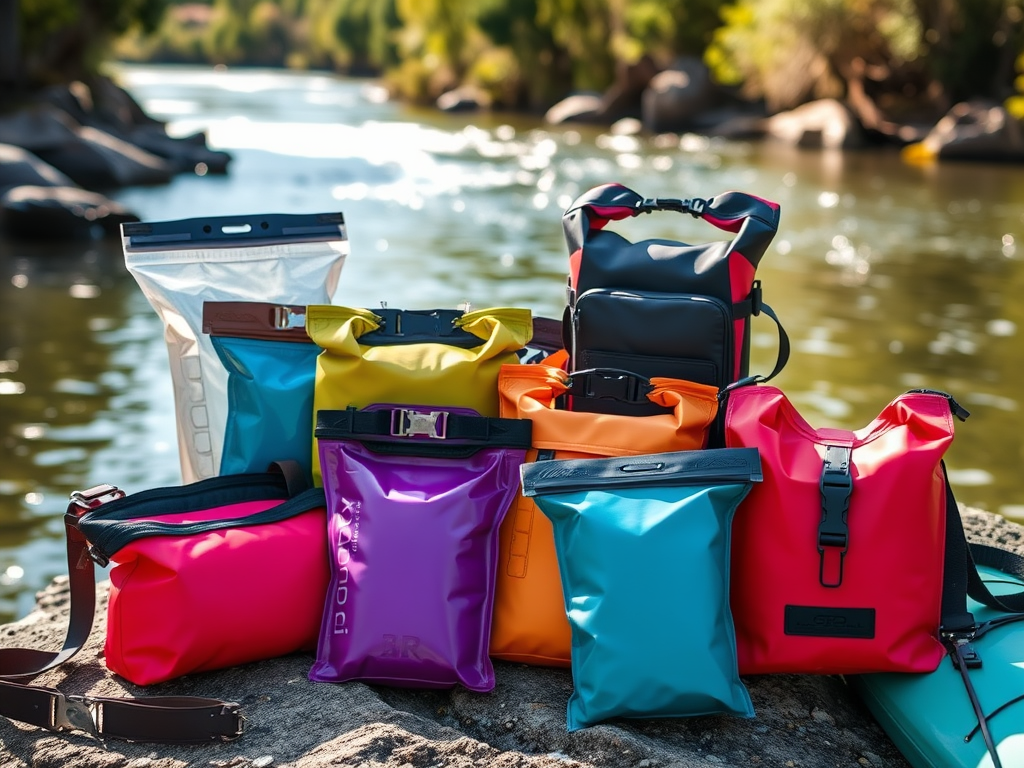
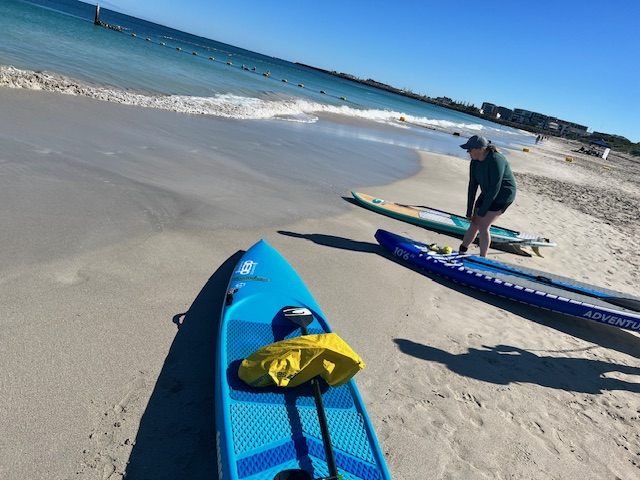
The good old dry bag is a sure thing. It’s purpose built to keep your stuff dry, and provided you fold the top over correctly (at least 3 times) it will work. I use a dry bag to carry things on my board because I have straps that I can clip onto.

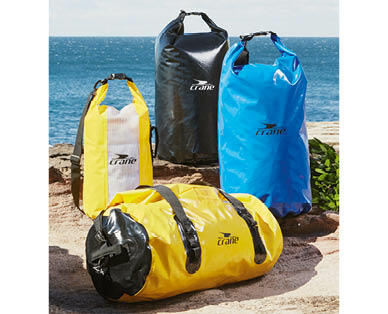
Who doesn’t love an Aldi bargain?

You can buy affordable dry bags anywhere. My faves are a set I got from ‘the aisle of dreams’ at Aldi. I also have bags from Sea to Summit which are more lightweight but just as effective. I have used the heavy-duty bags from Red Equipment – the 30L Waterproof Roll Top Dry Bag Backpack is great for using on your board or on your back.

Dry bags all the way when on the ocean!

Phone Cases & Bags

Since the dawn of the smart phone we have been seeking ways to protect them from getting wet, getting cracks, or getting lost!

Like everyone, I have purchased every new phone case known to woman. I had a great one that used to clip around my waist but the seal eventually gave up the ghost and I resorted to dry bags.

New Equipment

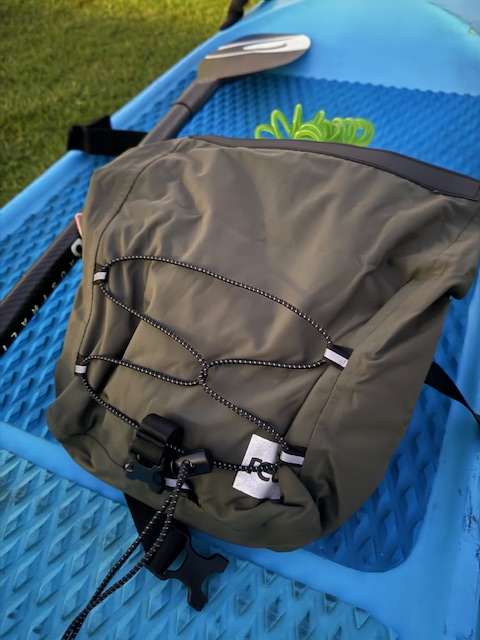
Which brings me to my latest piece of Red Equipment. I recently trialed on my SUP board and while out hiking, the Lightweight Waterproof Crossbody Bag 7L.

Disclaimer: I am an affiliate for Red Equipment but this doesn’t influence my opinions. While I believe in their products, my reviews are my opinions only.

This 7L bag is the ideal size for carrying your phone, keys and a piece of clothing. I carried my lightweight puffer jacket, phone, snack, keys and glasses on my latest hike. I used it as a crossbody bag for a while, before changing it to my waist. I found the waist placement much more comfortable and easier to access.

When I carried it on my SUP board last weekend I used it as a crossbody bag which was better than I thought. I had thought it would get in the way of the paddle but it was snug enough to keep out of the way. In future I will use it on my waist as that is my preference.

I persevered with using it in the crossbody style because that’s what it’s marketed as. It is better as a waist or shoulder bag in my opinion.

The bag does have a separate zip pocket inside for your phone and keys which would keep them dry, but I’m not convinced that your other gear would stay dry if fully immersed in water for any length of time. It has the roll down top used on dry bags which works better the more you put in the bag (if that makes sense).

I am an experienced paddler so falling in is not (usually) on the cards for me (if I chose not to) so I feel comfortable using this bag to protect my gear.

Were I to be out on the ocean or in a situation where falling in was a certainty, I would probably opt for a dry bag on my board or extra protection within the Red bag.

The bag itself is a nice looking bag and it comes in three different colours. It has an adjustable crossbody/waist/shoulder strap, and outside zip pocket, straps for bike handlebars and an external bungee system for extra items.

It is hardy and feels like it would survive almost anything I could throw at it or in it. This bag retails for $78.95 – if you use my link you get 15% discount.

So I guess it’s dry bags all the way for me on the water. They are good in most circumstances due to their reliability and cost. If ,like me, you love a good ‘fanny pack’ , ‘bum bag’ or whatever you call them, the RED Equipment Waterproof Crossbody bag is a pretty cool addition to your bag wardrobe.

All in a Day #16 – Hyde Park – An Obituary?

My backyard

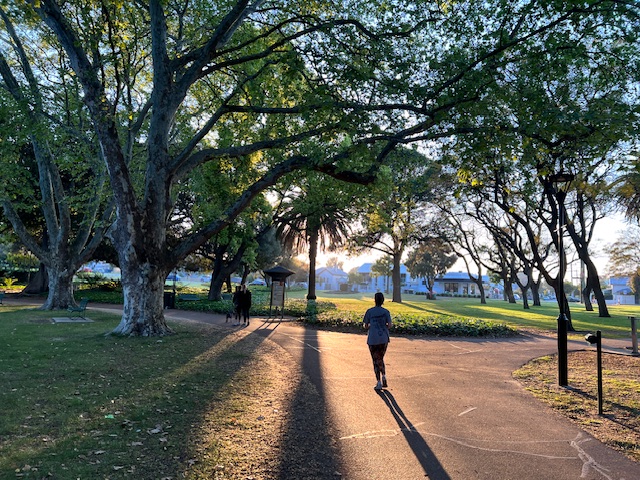
Hyde Park in Mount Lawley has been my backyard for over 30 years. A place of solitude, a running track, a picnic spot, a catch up with friends, a live music venue, a birdwatching platform, a dog walking park, a playground for my kids and now grandkids and most of all somewhere to go when the weather is stupidly hot.

My first visit to Hyde Park was within weeks of moving to Perth in the mid- eighties. My new friend and housemate, Glen, thrust a can of Emu Bitter in my hand and threw me my car keys (he didn’t drive) saying “I need to show you something.”

So, beer in hand we drove to Hyde Park from Subiaco and walked a couple of laps of this magnifcient park. No stranger to these types of parks, being from Tassie, I agreed it was beautiful and vowed to visit again soon. It became the place I took visitors to or went for a picnic occasionally.

It wasn’t until years later when I moved to within walking distance of Hyde Park that it became a regular haunt. We lived in a townhouse with a small courtyard and Hyde Park was our backyard, frontyard and playground.

It was the thoroughfare we used to walk or ride our bikes to our local primary school, the place my kids had birthday parties and caught up with their friends after school. It was grazed knees, icypoles and arvo tea before heading home after school.

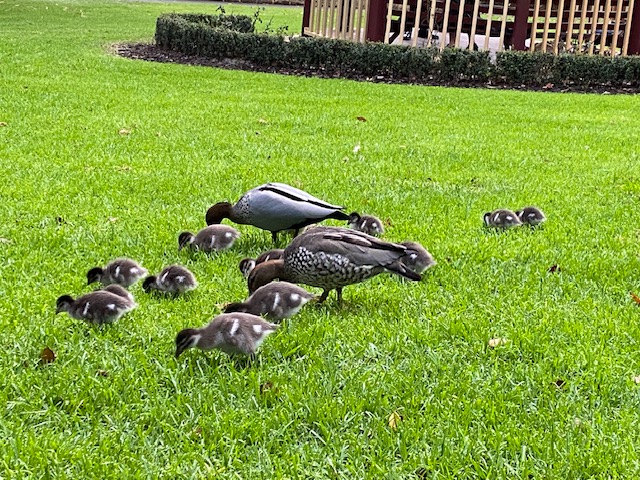
It was (and still is) my daily walk – to check on the ducks and lately to count the trees. During my running years it was the laps I pounded over and over, slowly progressing to the first of many fun runs, triathlons and later half marathons.

It’s the place I go to make sense of the world. When I was completing my teaching degree it was the place I went to get clarity when tackling an assignment or before an exam. During COVID it was where everyone went! Now it’s to form the perfect headline for a piece of writing or dredge up some new ideas for a project.

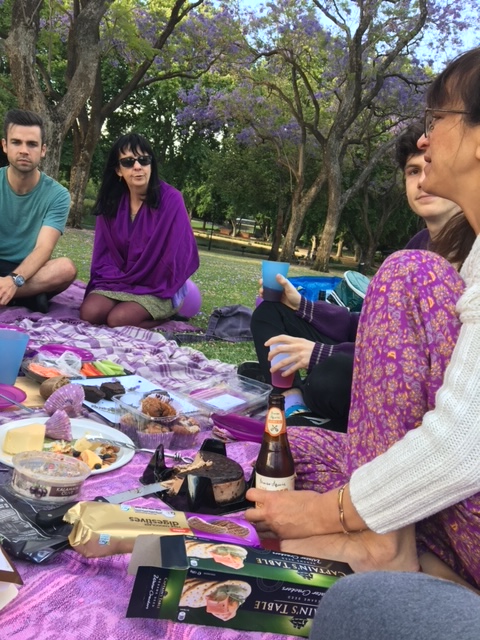
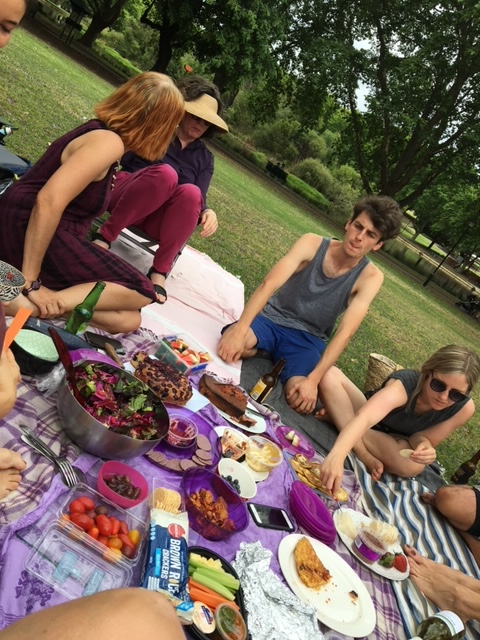
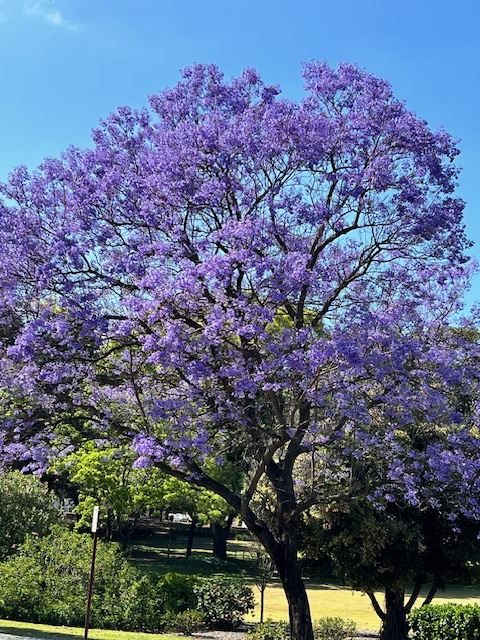
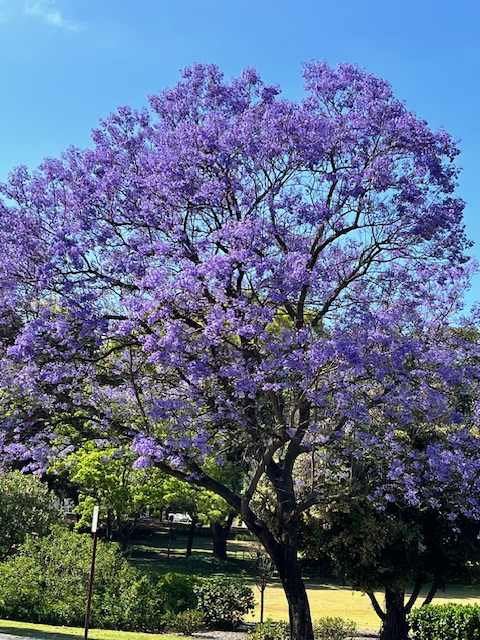
It’s a regular picnic spot where large groups of us gather for catchups and birthdays – the scene of many annual Purple Picnics beneath the Jacaranda trees. Special occasions, sad occasions and celebratory occasions.

My kids (now adults) knew every low-hanging branch, every nook and what was the best angle to hold your body to get the metal roundabout spinning crazy fast. We had names for the ducks and could recount every batch of cygnets. We rescued many injured birds – trudging through thick mud to do so.

The park is still there and at the time of writing this, in full canopy. In a matter of weeks, 180 trees will be removed. Some of Perth’s oldest and largest Morton Bay Figs and London Plane Trees will no longer exist, the entire ecosystem of the islands in the centre of both lakes will be razed to the ground upsetting the nesting sites and possibly displacing hundreds if not thousands of living things, including ducks, swans, ibis and turtles.

Unfortunately the trees at Hyde Park have fallen victim to our love of travel and nice things. Those nice things are the furniture and wooden artifacts made from untreated wood from south-east Asia. Failure to declare wooden products at customs means the invasive Polyphagous shot-hole borer has managed to sneak in. A tiny beetle (2mm) that bores into tree trunks and eventually starves the tree of water and nourishment from inside. First discovered in Fremantle 18 months ago it has infested trees in some of Perth’s major parks, including Kings Park and the only way to stop the spread is to remove the trees.

There are 900 trees in Hyde Park, and in the time I have spent there I have noted very few new trees planted to replace the dead or removed trees. Gaps appear and then are forgotten about – like when you have a molar removed – after a while you stop noticing the gap. This time, the demise of the trees is no longer gradual , its going to be a full-scale decimation.

Perth has just experienced some of the hottest days on record – day after day of temperatures over 35 degrees starts to take its toll on wildlife and humans. Hyde Park and nearby Mary Street are two of the coolest places to go when the temperature is crazy hot.

Suburbs that previously had adequate tree canopies are now more concrete than ever. Developers continue to rush in and bowl over entire blocks including established trees and gardens only to leave blocks empty for years. Can never understand what the rush is.

Hyde Park as we know it is about to change forever. Now I flinch everytime I hear a chainsaw and get anxious when I see plastic tape around a tree – It won’t be long before thats all we can hear.

All In A Day #15 – Cruising the Coral Coast WA

A cruisy roadtrip up the Coral Coast to Green Head WA is the perfect minbreak. When combined with a sea lion experience its definitely an adventure worth writing about!

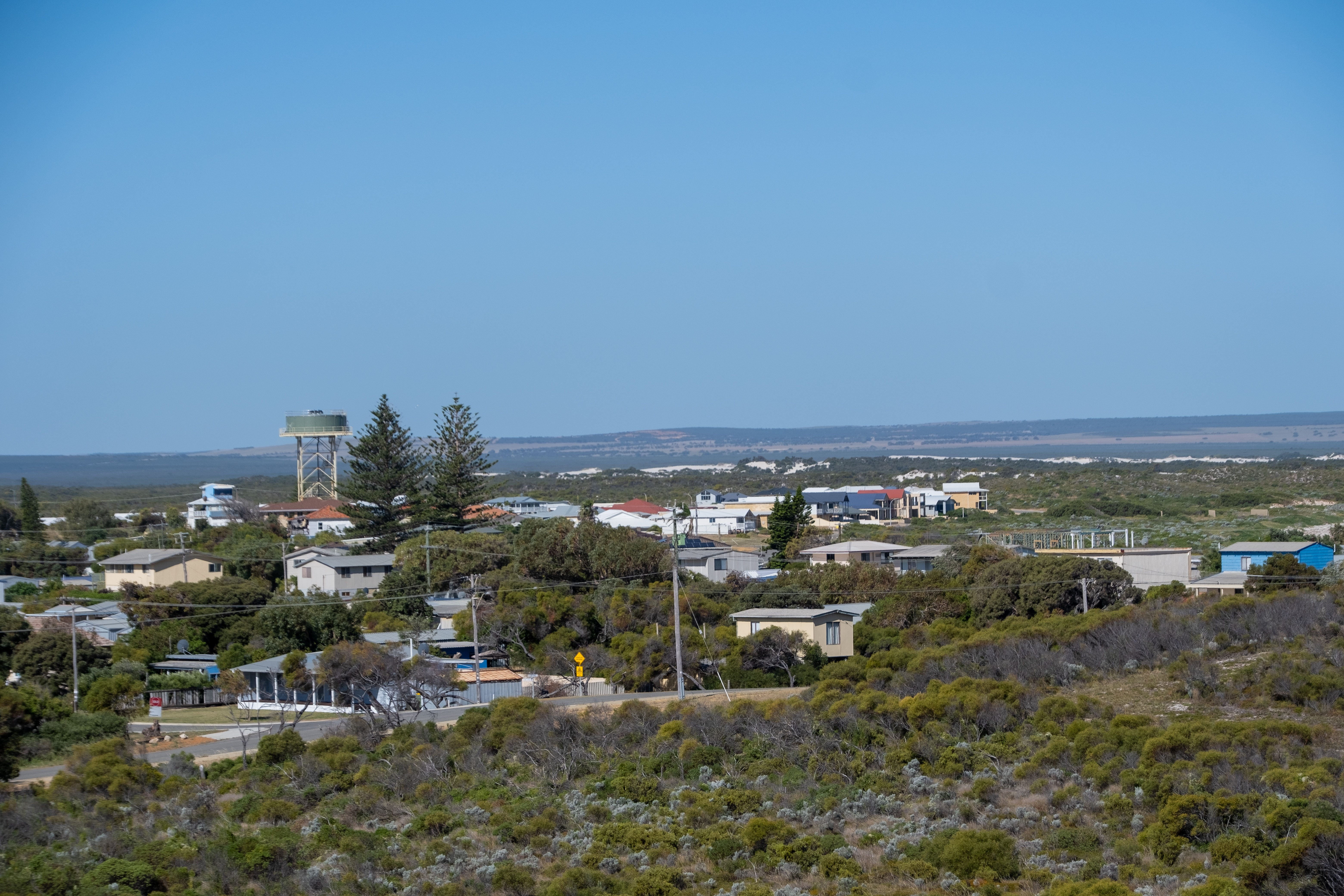
Green Head, home to the Noongar and Yamatji People, is 300 km north of Perth and one of the prettiest coastal towns one could visit this side of Geraldton. Jurien Bay is the home of sea lion tours – we visited this part of the world in the Noongar season of Kambarang when wild flowers are in full bloom.

The road trip is spectacular which ever way you choose to go. The drive up the Indian Ocean Road is stunning but sometimes I head straight up the Brand Highway. This trip, we somehow missed the split where the Tonkin becomes Brand Highway and ended up in Moora on the Bindoon-Moora Road. All roads lead to Green Head!

Wildflowers on the road side, green rolling hills and beautiful farm properties enjoying the last of their green before WA’s long hot summer passes it by. We got there in much the same time with the added bonus of coffee and cakes at the Bindoon Bakehous – delicious! Bindoon is a quirky little town – worth a gander for the great little gift shops and organic shop.

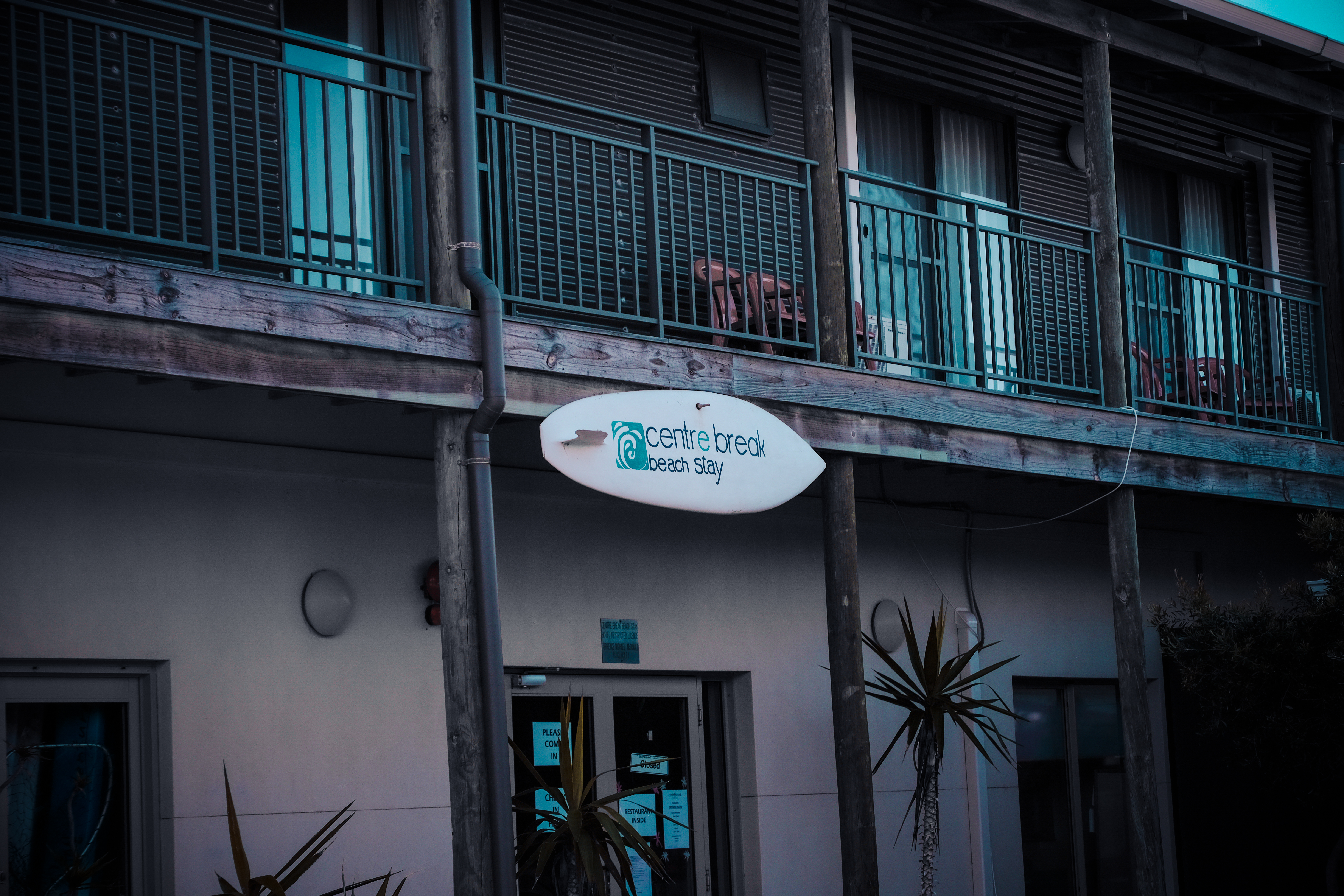
We arrived in Green Head just in time for lunch and settled into our accomodation at the Ocean Break Beach Stay (literally on the beach) right on Dynamite Bay. We decided our legs needed a stretch so we headed to the general store (for stores) to make lunch and then set off to go tramping the coastal paths.

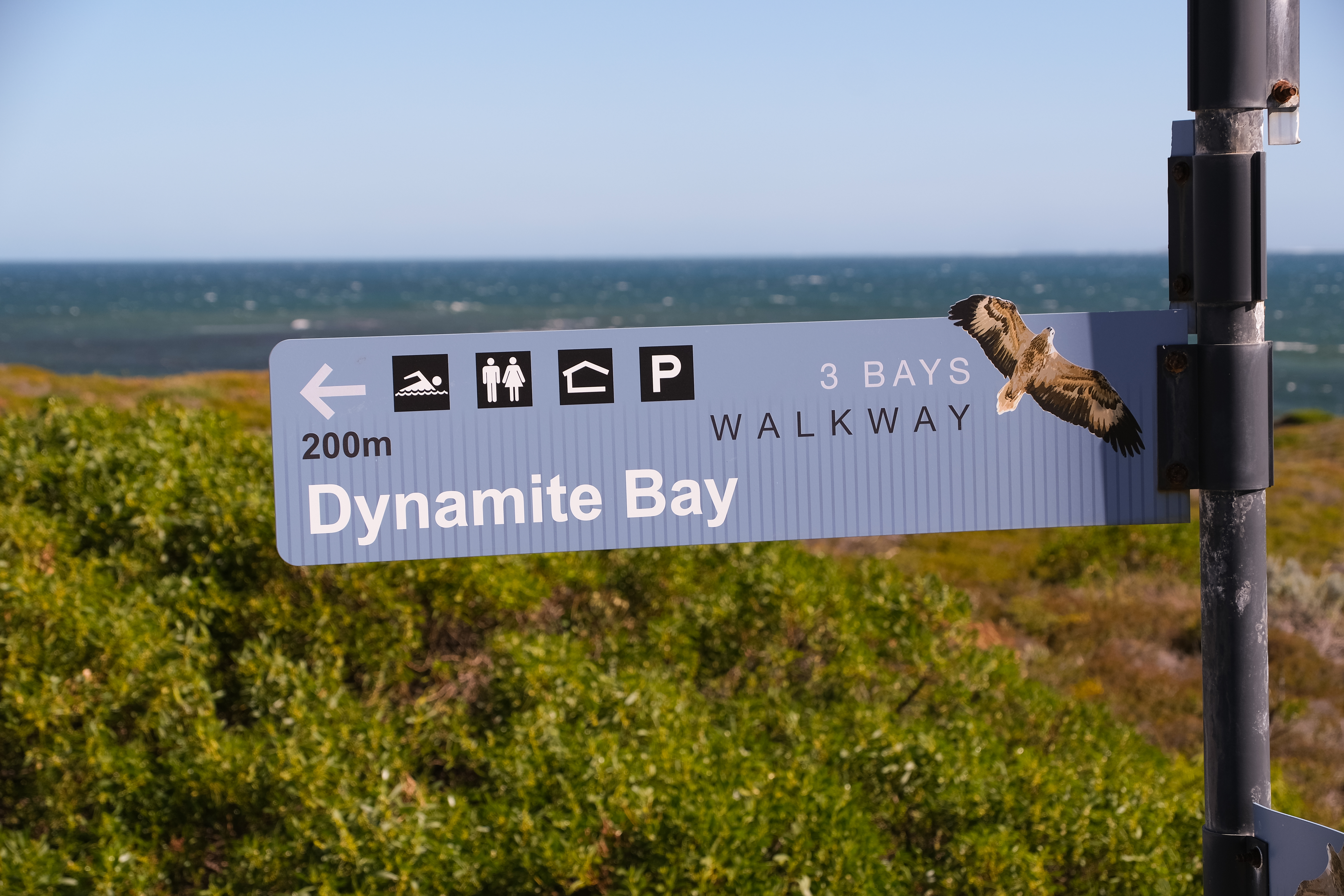
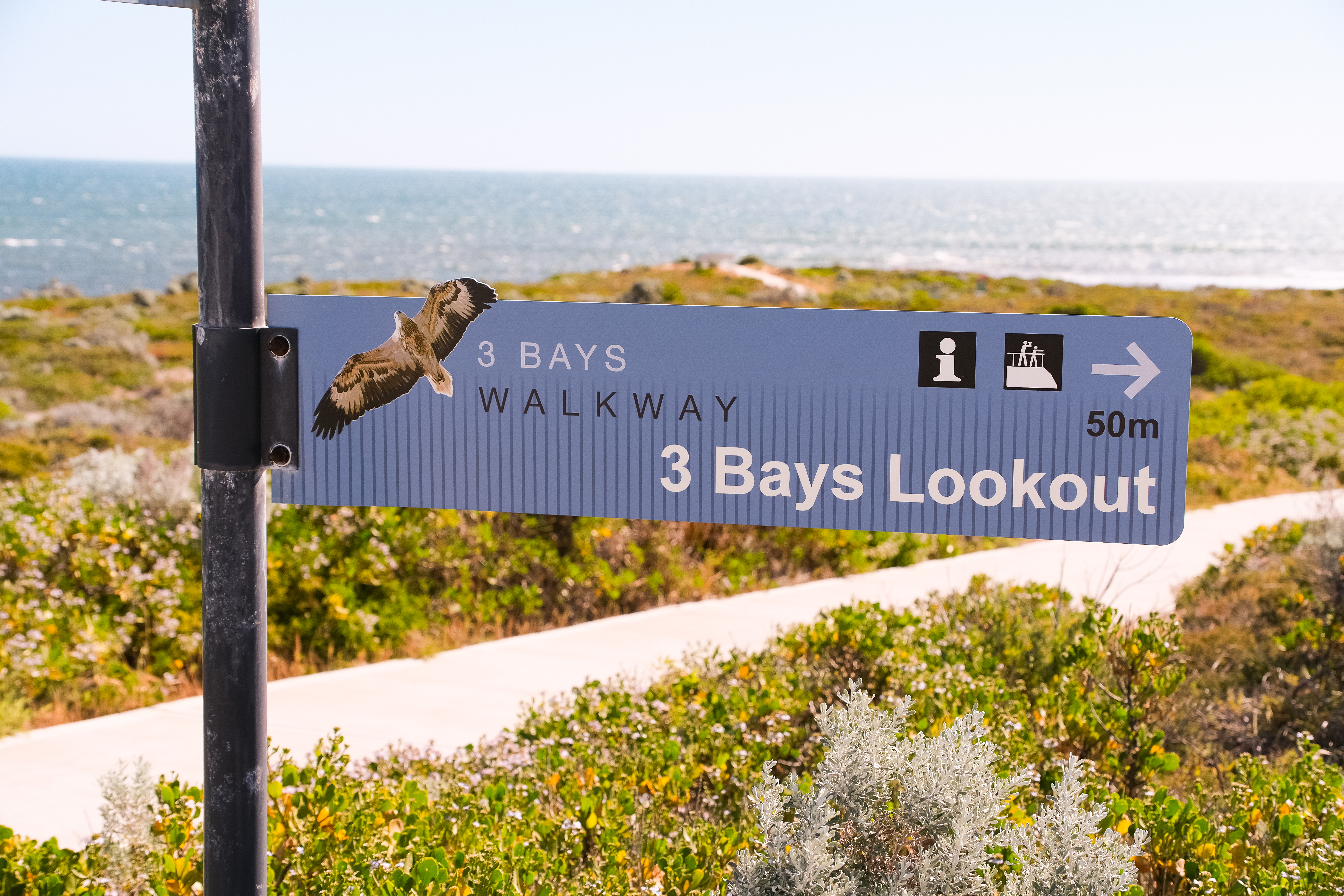
The Three Bays Walk is a bit deceptively named as I am sure I counted in excess of 5 bays! Not one to ever complain about too much of something we continued our stroll.

Undulating hills and contrasting colours of the coastal scrub while the waves crashed, the wind gusted and birds made themselves known. A sensory experience! I kept an eagle eye out for sea eagles but two pelicans catching the wind like a couple of synchronised flyers were the only high flyers I saw that afternoon.

Small beaches accessible by steps delighted us with tiny rock pools inhabitated by crabs and colourful sea weeds. The water holes extend out past the sandy shore to become reefs of aqua blue and cooling greens, so inviting.

The coast in these parts is windy to say the least, especially mid afternoon but we found small nooks and crannies and valleys of dunes to shelter from the wild winds.

Kids swim safely in Dynamite Bay, apparently one of the world’s top 20 beaches. Lovely sheltered bay, but as far as I am concerned any beach at any time is pretty amazing so I’m not sure where they get their stats from?

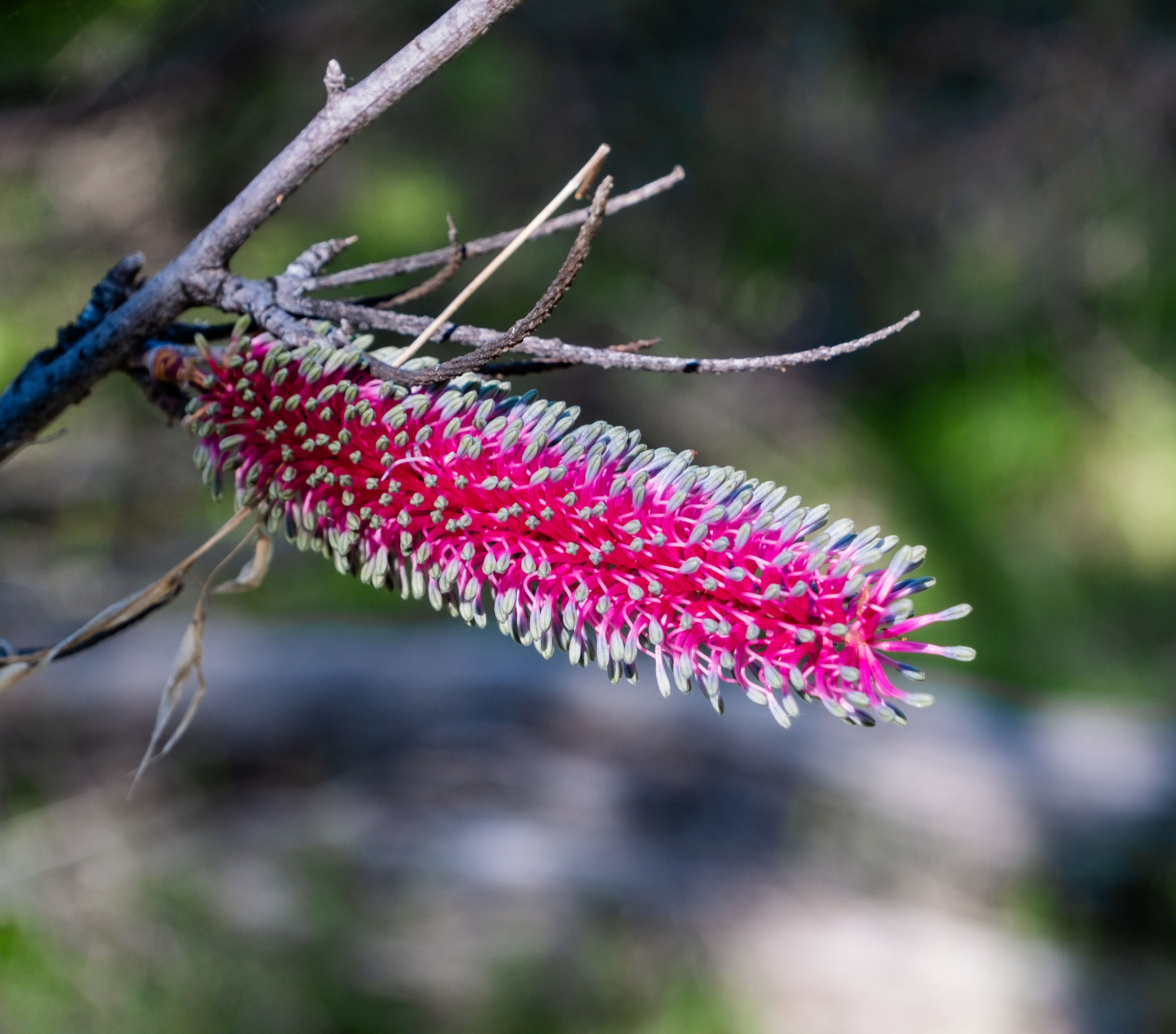
Wildflowers nestle in the dunes and spring from behind rocks to surprise us with their colours – reds, yellows and pinks.

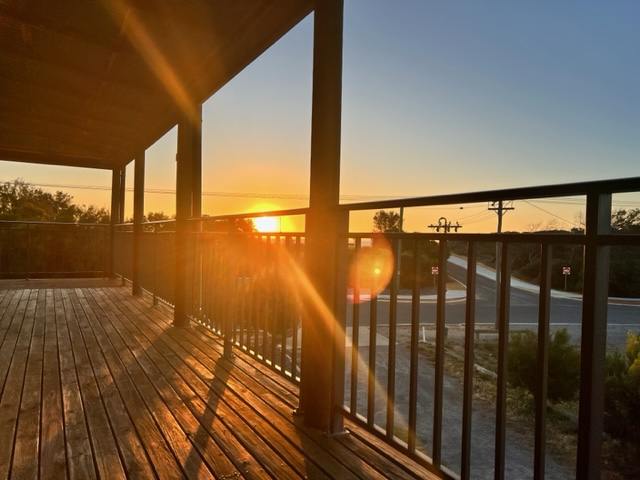
Later, we wipe the sand from our shoes and sit on the balcony with beers overlooking the top 20 beach in the world – does life get much better than this? The sun slowly covered our balcony with a golden hue and peeked through the cracks in the railings to form long shadows. True holiday vibes where no one, least of all, me is in a hurry.

The aroma of Bali chicken curry wafts up from the cafe downstairs – tonight’s special . Freerange dhufish is also on the menu. What does that mean? Aren’t all dhufish freerange until they’re not? We laugh about the use of freerange as an adjective.

Western Australia is blessed with a certain type of light. Late afternoon is the best time for photos in my opinion. I’m not even a Western Australian yet I feel childhood nostalgia for that light. Is that even possible?

Dinner was delicious – the Bali chicken curry really lived up to its aroma and Anthony’s freerange dhufish was freeranging no more as he sliced it up. We had an early start the next day to go swimming with sea lions so it was off to bed with sandy toes and a sea breeze passing through the windows.

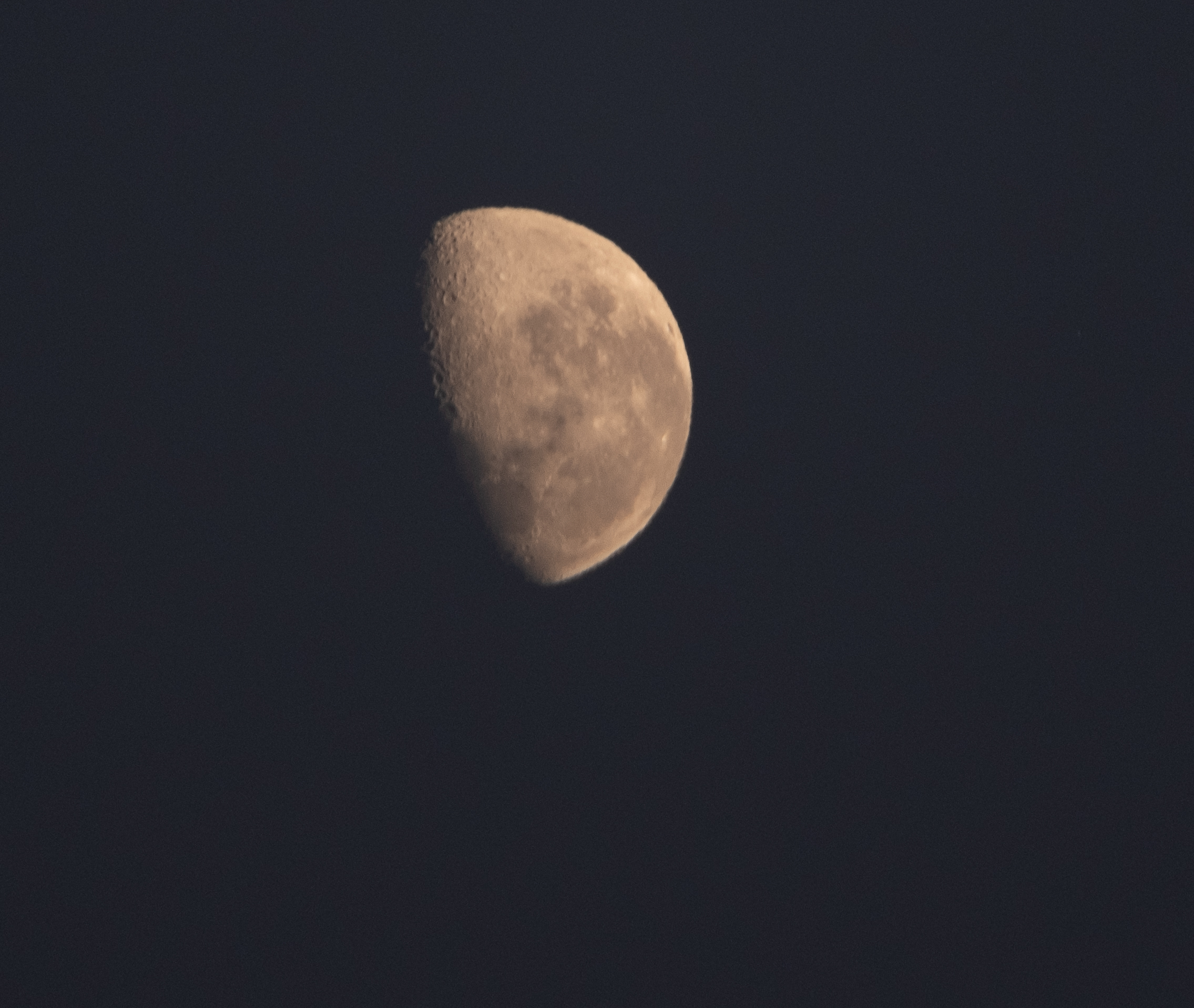
Up early to seek the elusive sea eagle from the balcony – photos on the walls of our accomodation tease me and signs everywhere saying “watch out for sea eagles” I was, believe me! Instead I got a shot of the moon hanging in the early morning sky. The sea looked calmer and the wind had slowed to a puff. Great news for the morning’s activities.

We breakfasted and packed ready for our next adventure – snorkelling with sea lions! We drove the short distance to Jurien Bay and grabbed coffee from the lovely cafe on the beach before making our way to the marina for a 9:45 launch.

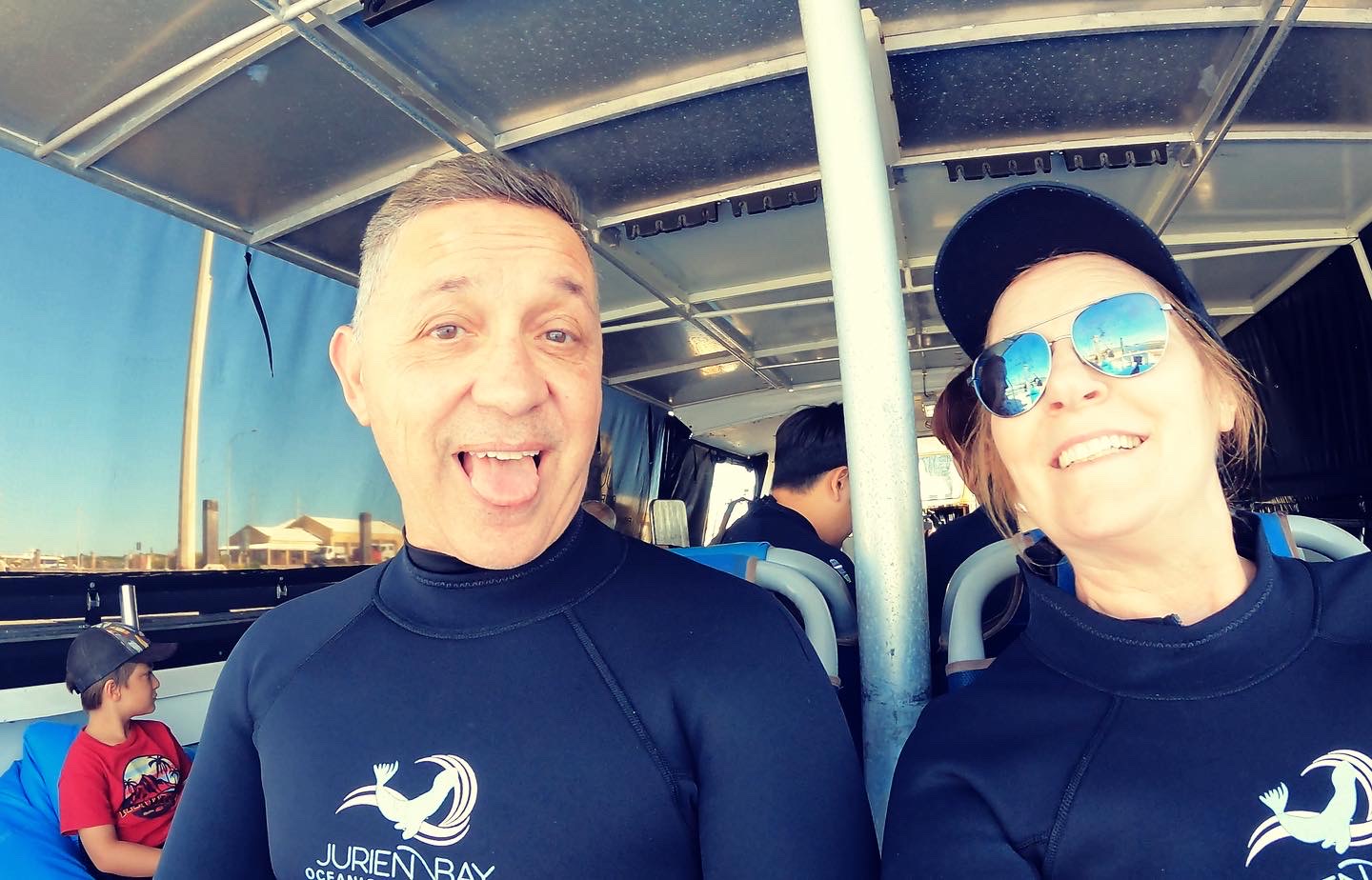
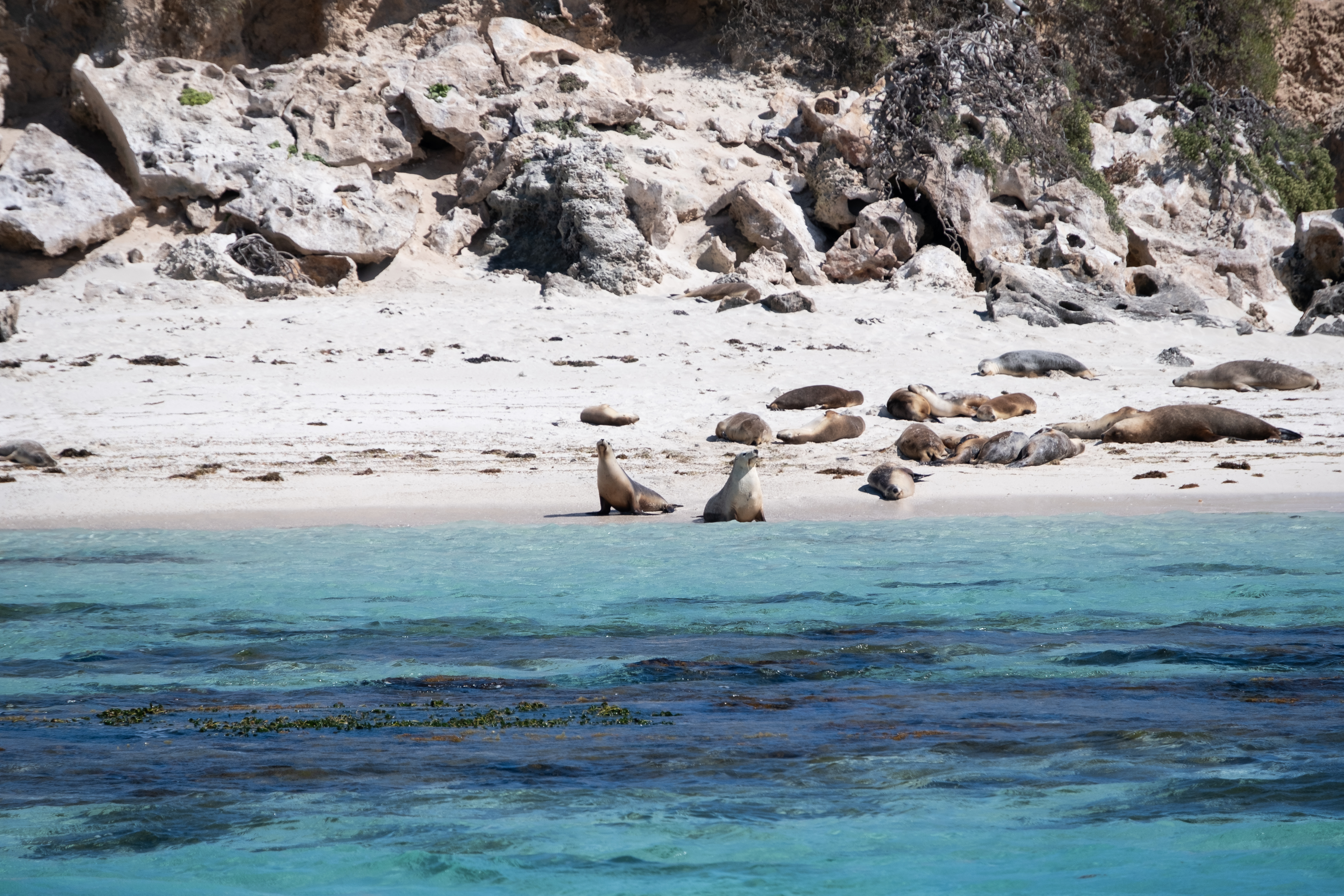
On board the vessel we were quickly zipped up into full length wetsuits and on our way to meet some new slippery friends! The boat sped over the clearest blue ocean to reach our final destination – a small island covered in a swath of lazy sea lions who barely raised a flipper let alone their whiskered heads.

There are rules about not approaching the sea lions or stepping foot on the islands and the boat must stay within 30 metres of the shore. So we slipped into the sparkling ocean (which was a tad cold) with snorkels, masks and flippers. Not a fan of flippers, I realised after I had struggled to move in no way that resembled a mermaid or a sea lion!

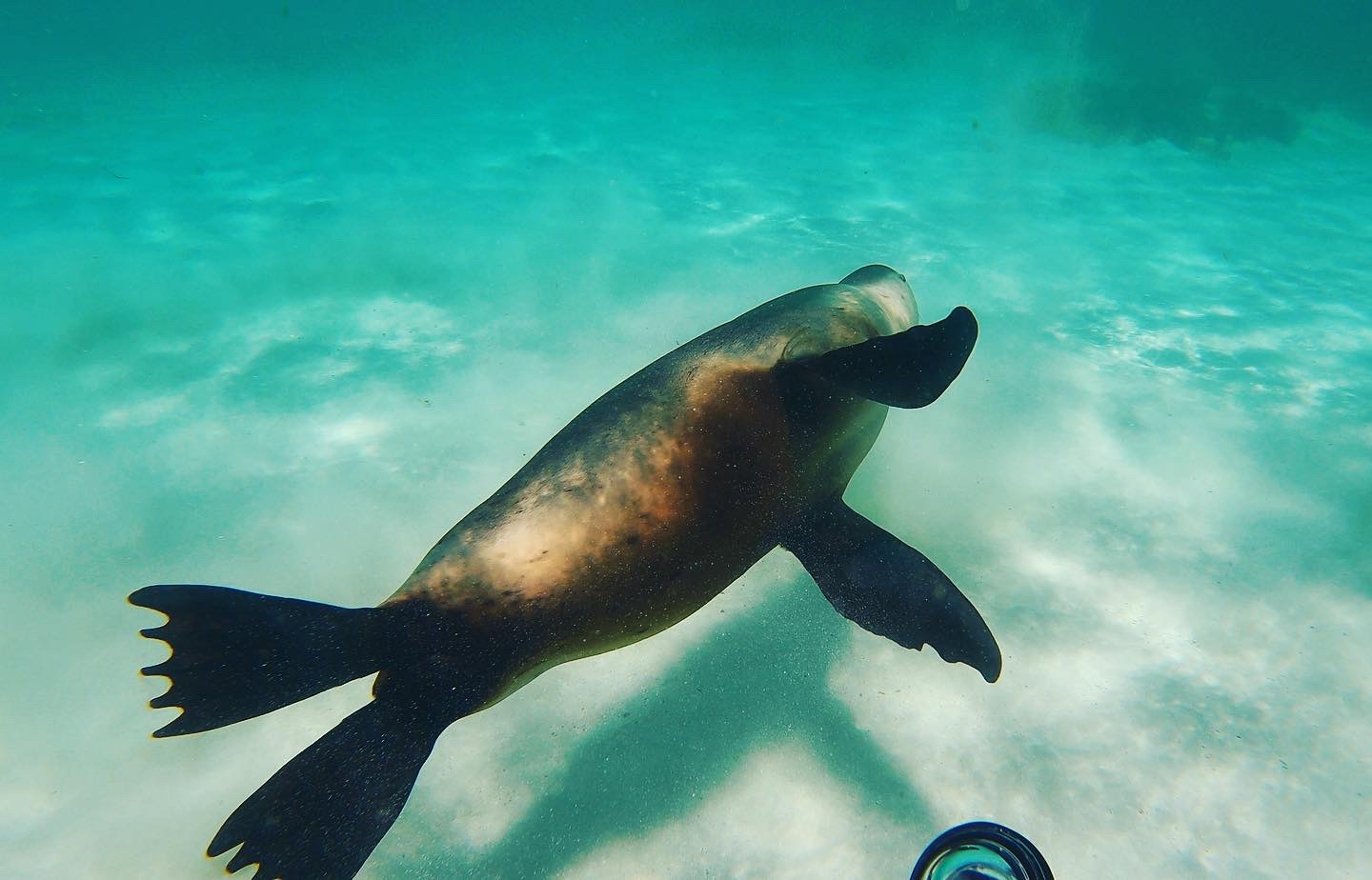
We didn’t have to wait for long – a curious female returning from breakfast came in to swim around us and sit on the ocean floor. So graceful in the water these beautiful mammals are just like dogs of the sea. According to our well-informed on board marine scientist, Chelsea, the sea lions are pregnant pretty much all the time! They can get pregnant 7 days after giving birth!
Sea Lion facts

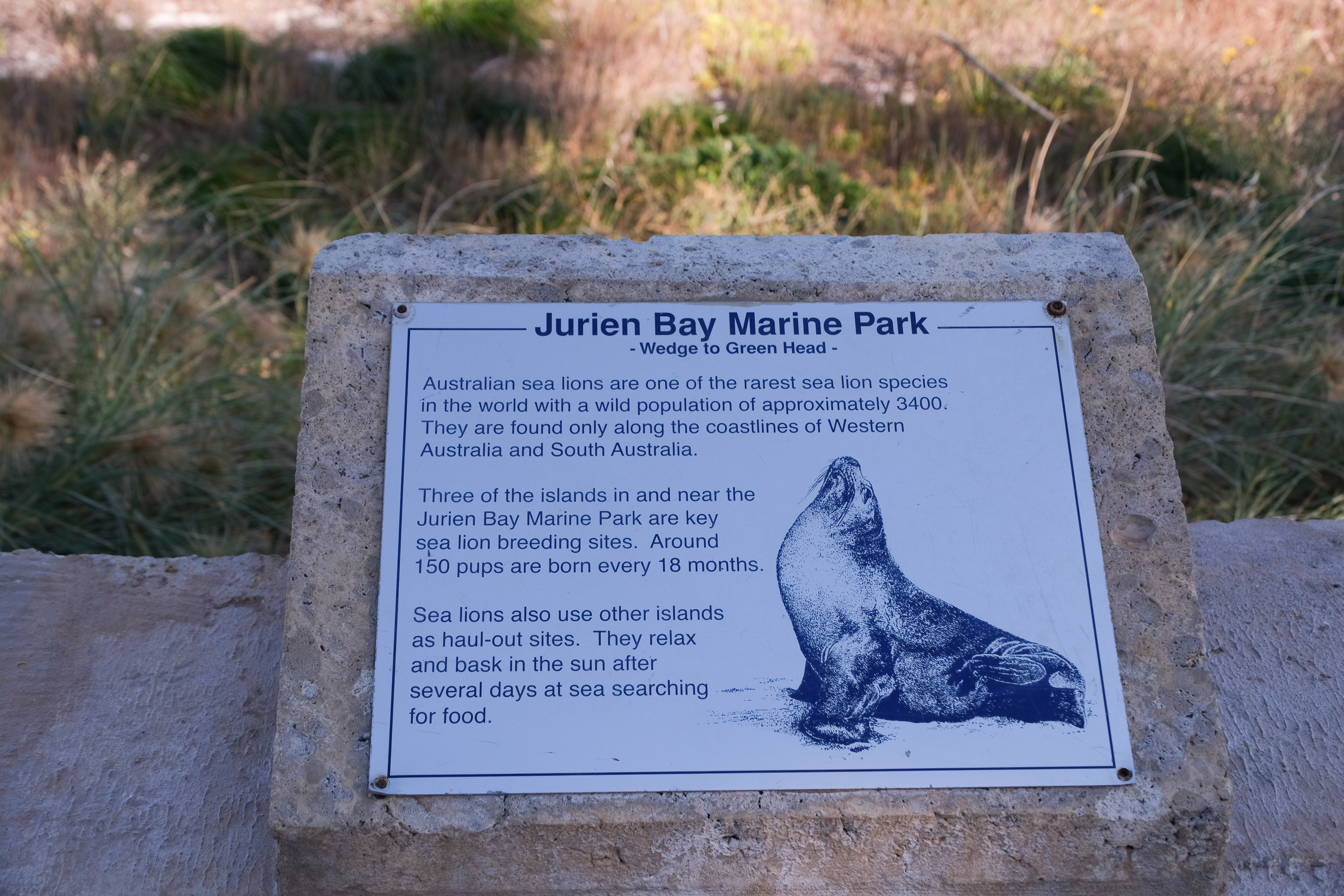
  • Australian Sea Lions are endangered and there are only 3400 in the wild in WA
  • Australian Sea Lions are also found in South Australia
  • Sea Lions are Australia’s only native seal
  • they have a gestation period of 18 months and can fall pregnant 7 days after giving birth
  • Sea Lions can weight up to 250kg
  • They are not fussy eaters and will forage for anything including fish, squid, and even the occasional sea gull!
  • Female sea lions are ‘homebodies’ and like to stay in their patch while the males range far and wide and live in ‘bachelor pads’ when the breeding season is over.

45 minutes was all we could spend in the water and during that time another female came and checked us out. We could see the others shifting around on the beach and occasionally sitting in the shallows to cool off. Then it was back on board for hot showers and hot chocolate. Best hot chocolate I have ever tasted! The trip back was quick and before we knew it we were back on land

The trip home we decided to take the Indian Ocean Road as it seemed pretty quiet. A great decision.

What’s the skinny

  • Green Head is around 300 km north of Perth – an easy 3.5 hours drive and you can get there by following the Indian Ocean Road, The Brand Highway or the Moora-Bindoon Road.
  • CentreBreak Beach Stay is a great spot to stay if you want a few creature comforts – they cater to couples, families and singles. The cafe is the town’s only eatery and they do lovely homecooked meals.
  • Green Head Caravan Park is close to the beach and caters to tent camping, vans and caravans.
  • Jurien Bay Oceanic will whisk you away to swim with sea lions – books essential
  • Three Bays Beach Walk is marked by signs and will take you a couple of hours to explore the bays.

All In A Day #14 – Sealion the deal

He’s behind you! My paddle buddies shouted as I frantically retrieved my phone from a dry bag on top of my paddleboard!

It was that time again. The day standup paddlers decide it’s not too cold, not to windy and that the sea is not too swelly. Beginning of spring, tail end of the Noongar season Djilba. The sun had started to get a bit of a bite and the easterly was showing its face.
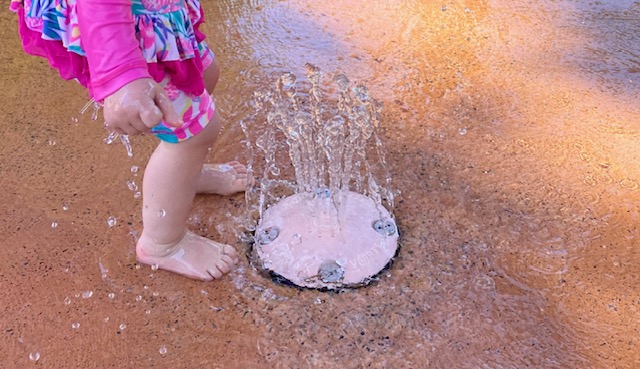
Time to paddle on the ocean after paddling in the sheltered river for the past few months. Or alternatively, some may choose to remain in the shelter of their homes until the weather is stinking hot before they emerge with their boards and paddles. You know who you are! Each to their own.

Me, I like to paddle all year round and I can usually be found puttering around up river with the pelicans and darters. I sometimes paddle alone and sometimes with a group. So this Sunday the weather was all that and the conditions perfect for our first ocean adventure.

We selected Coogee Beach where the ocean is usually flat and most importantly, it has a banging cafe for coffee afterwards. The easterly was puffing and the ocean dead flat – perfect. We paddled up to the Omeo wreck and did a circuit and then headed back towards Coogee Surf Lifesaving. The wind had picked up a bit but as long as we stuck to the shore all was good.

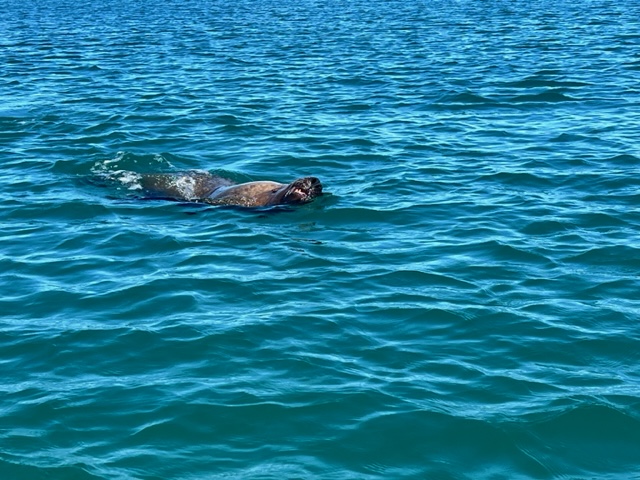
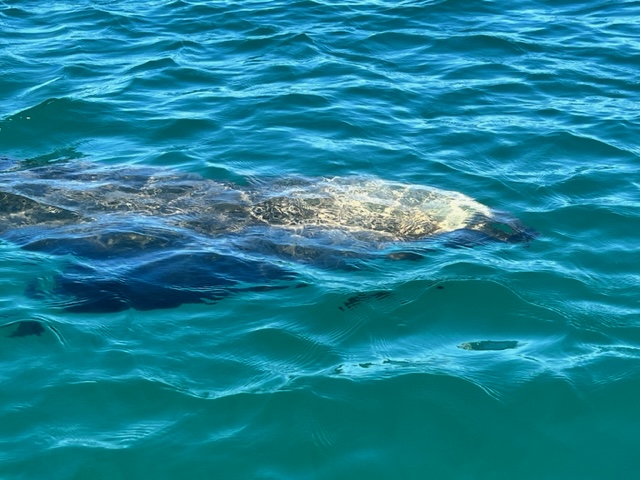
It was around now that we noticed what I originally thought was a swimmer and someone else suspected the “S” word motoring along not far from the shore in the opposite direction to us. It was indeed an “S” word but not the scary one. It was a sealion! A big fat sealion cruising the bay popping up every now and then for a breath before diving deep.

Great excitement ensued and I decided this was a photo opp so I paddled like mad towards the last place I had sighted the big fella. Nothing. Then “He’s behind you!” screeched one of the girls. I scrabbled for my phone (dry bags never open quickly in an emergency) and spun around to see him or her motoring towards me – up and down went his whiskered head and flippers.

I clicked away (yeah I know iPhones don’t make clicks) and got some shots before I realised he wasn’t going to slow down or stop before he got to my board. Thud! his shoulder and back slid under my board shifting me sideways. I think I screamed and then he was gone – diving so deep.

I decided he couldn’t have seen me, he was having such a whale of a time he got carried away and when his body made contact he was just as startled as I, causing him to dive to safety. But I got the shots (and that’s the main thing right?) We were all so excited. He emerged further on and we sat and watched him frolic in the shallows before turning and leading our paddle party back to the beach.

Video evidence!

It was also time to have a swim. The water was cold but so refreshing and the feeling you get after a swim in cold water, especially the ocean – is the best. So, here’s to more days on the ocean, more encounters with nature and more paddling with friends!

What’s the skinny?

  • Coogee Beach is about 30 minutes drive from Perth city
  • The Omeo Wreck is popular with snorkellers and divers
  • The Australian sealion is a playful and curious ‘dog of the sea’ – they live on nearby Carnac Island
  • The Coogee Beach Cafe do a damn good coffee and muffin (just sayin)
  • Standup Paddleboarding is popular in Perth and surrounds – see my previous blog about water activities

All in a Day #12 – toenail moon and rocky outcrops

Under the Milky Way we camped. On the site of an old town in the middle of the Western Australian wheatbelt.

The Western Australian Wheatbelt is so unassuming from the outset but so rich when you dig deeper (or in this case: climb higher).

A camping trip to Kwolyin Camp site in the middle of wheat and canola country was the perfect weekend getaway for three adventurous women. We arrived mid afternoon on Friday to set up camp on the old Kwolyin Town site around 40 km from Bruce Rock and 7 km from the nearest shop in Shackleton.

The camp site was spacious and the sites are not marked so it’s first in best pitched. We chose a spot not too far from the toilet block (flushing loos it might be said!) but far enough away so as not to be disturbed by comings and goings.

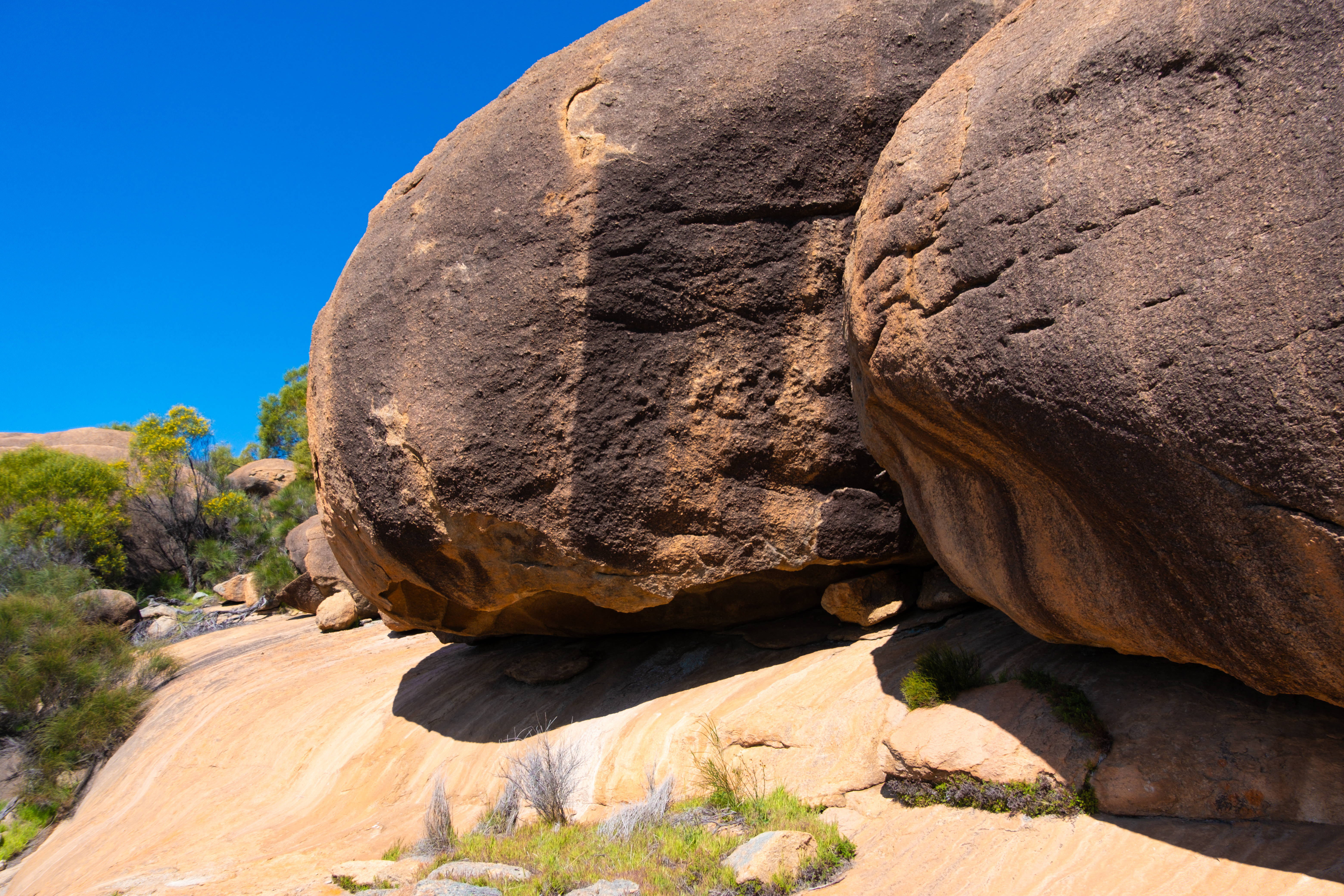
I had already been distracted on my way in, by a sign saying ‘Kokerbin Rock’ not far from the campsite turn off and had made a detour to check it out. So when I arrived I was full of stories. ‘Monlith this, monolith that!’ Incredible, in case you were wondering. More about that later.

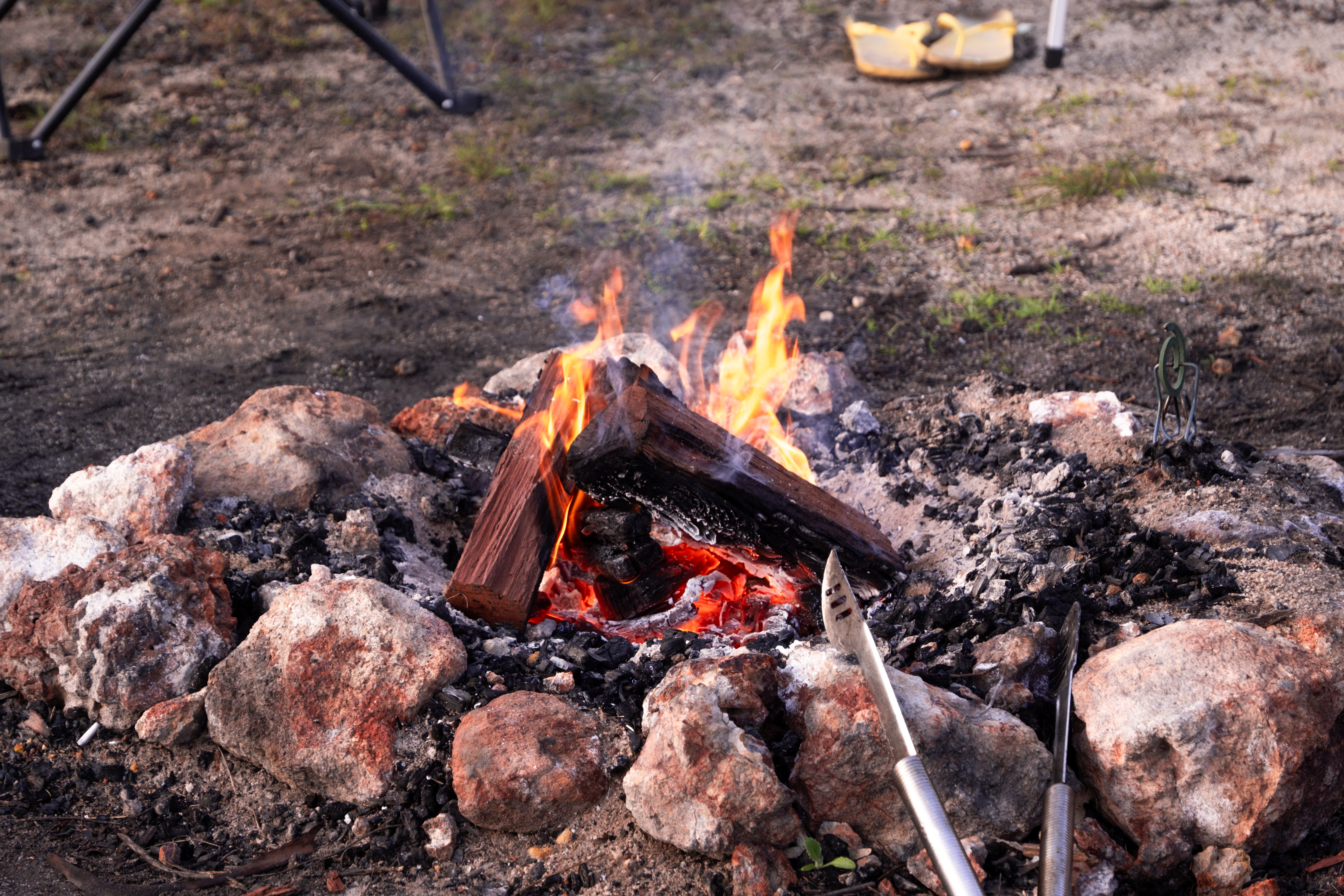
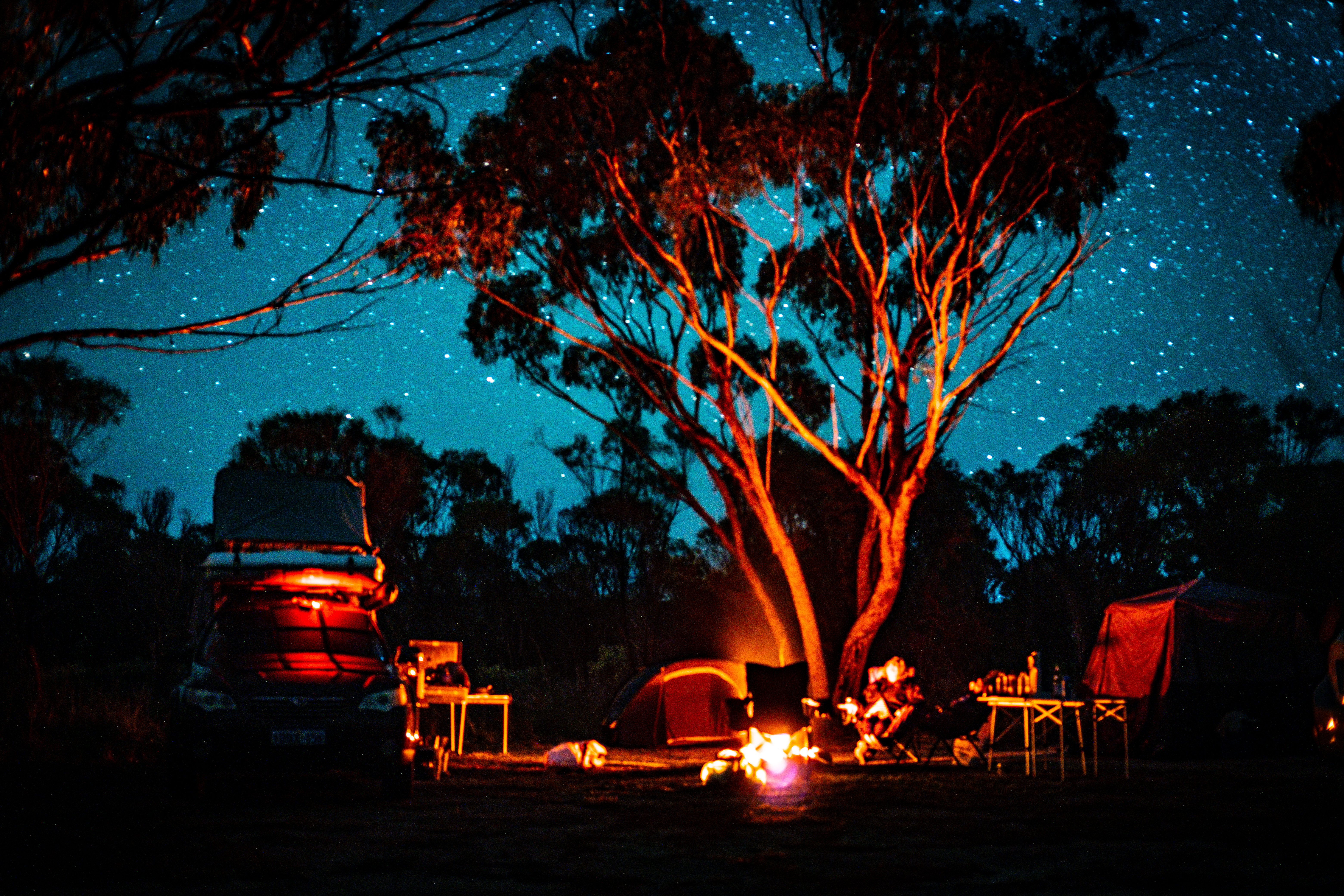
We pitched our tents and helped Lainey hoist up her fancy camp trailer with everything (and the kitchen sink) included. Chairs were placed strategically around the fire pit and then we prepared for dinner as the sun set behind the trees. Fire lit and bubbles in hand – all was good with the world.

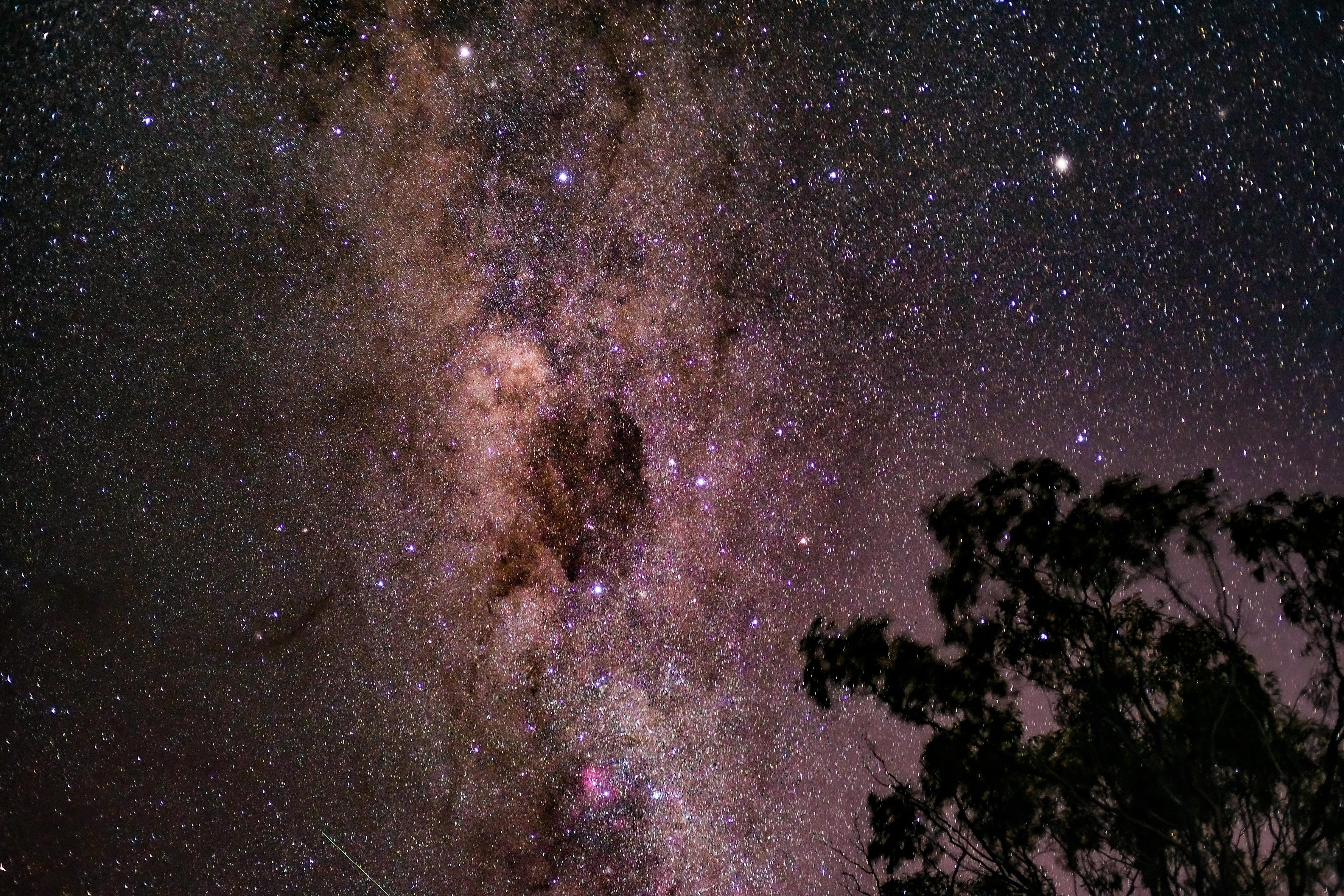
The night sky was incredible. The toenail moon the milky way pulled us into the void – this trip was going to be the trip I finally sorted out my camera settings and got some astro shots. But not tonight – we ate, chatted and enjoyed the serenity before tucking ourselves into sleeping bags. There was a definite chill in the air!

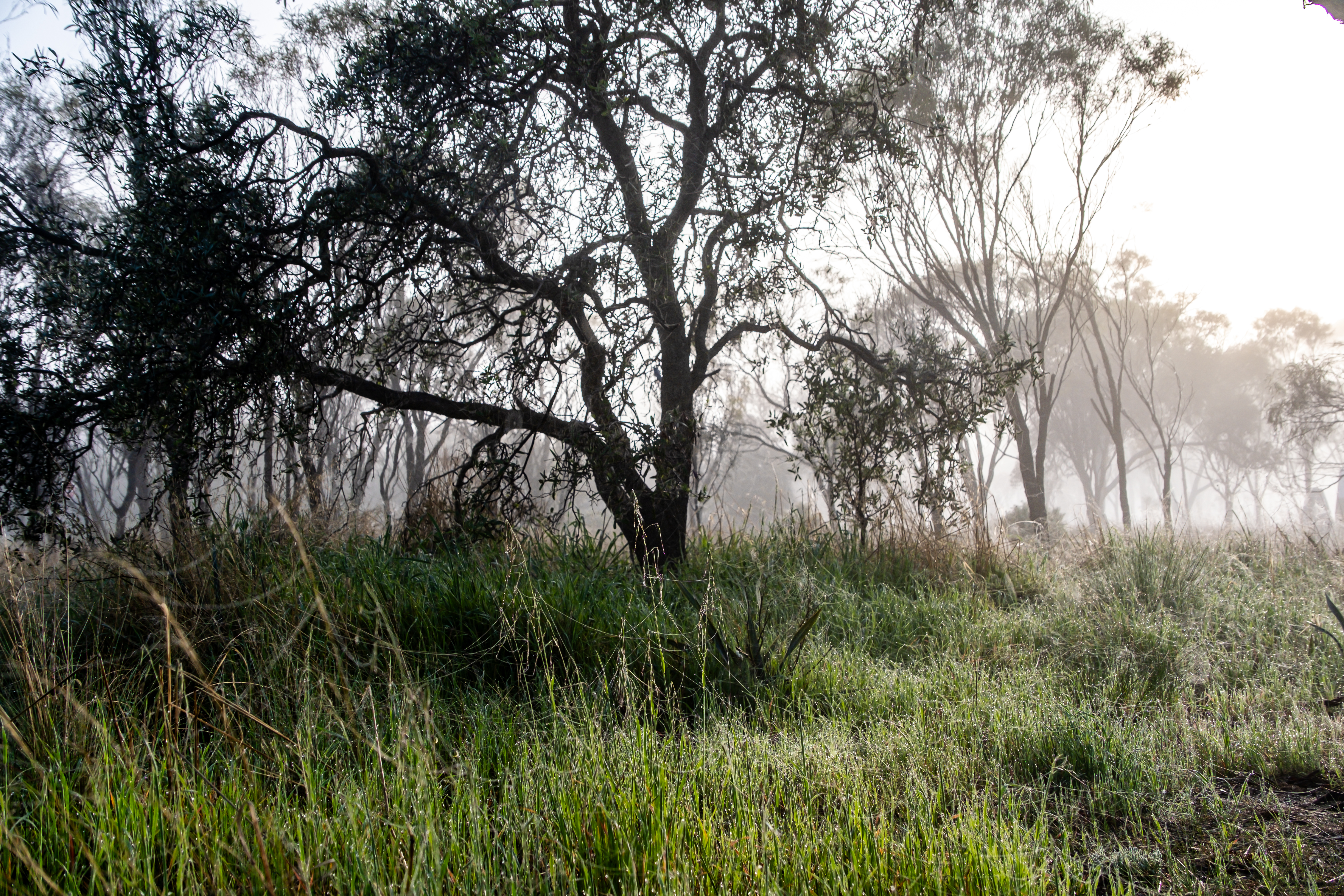
The next morning I emerged from my tent to find our camp site enveloped in mist – the sun struggling to push though. The nearby sheep (that had impossibly long legs) were obviously distressed about something (maybe the mist) because we could hear loud baaing across the camp ground.

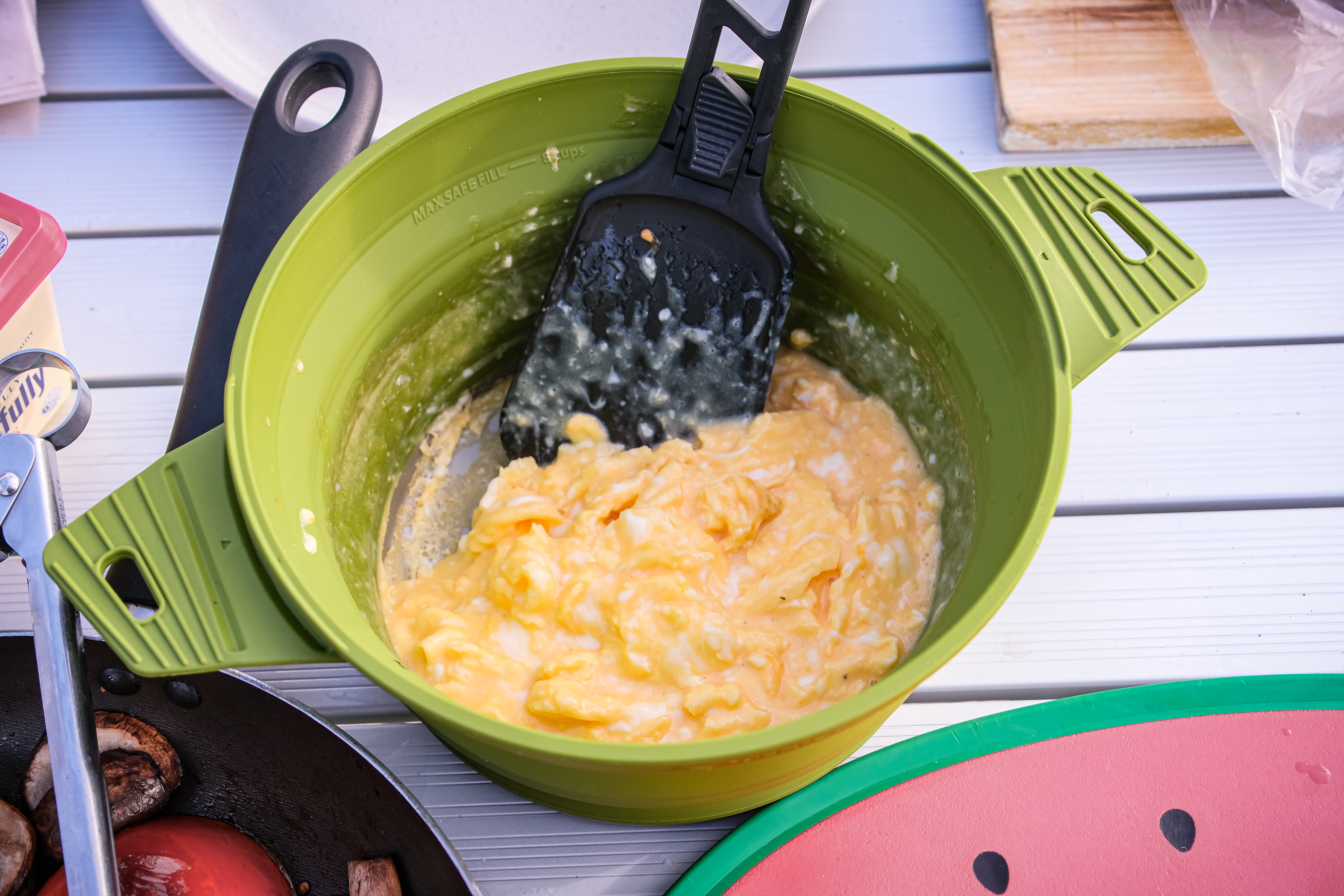
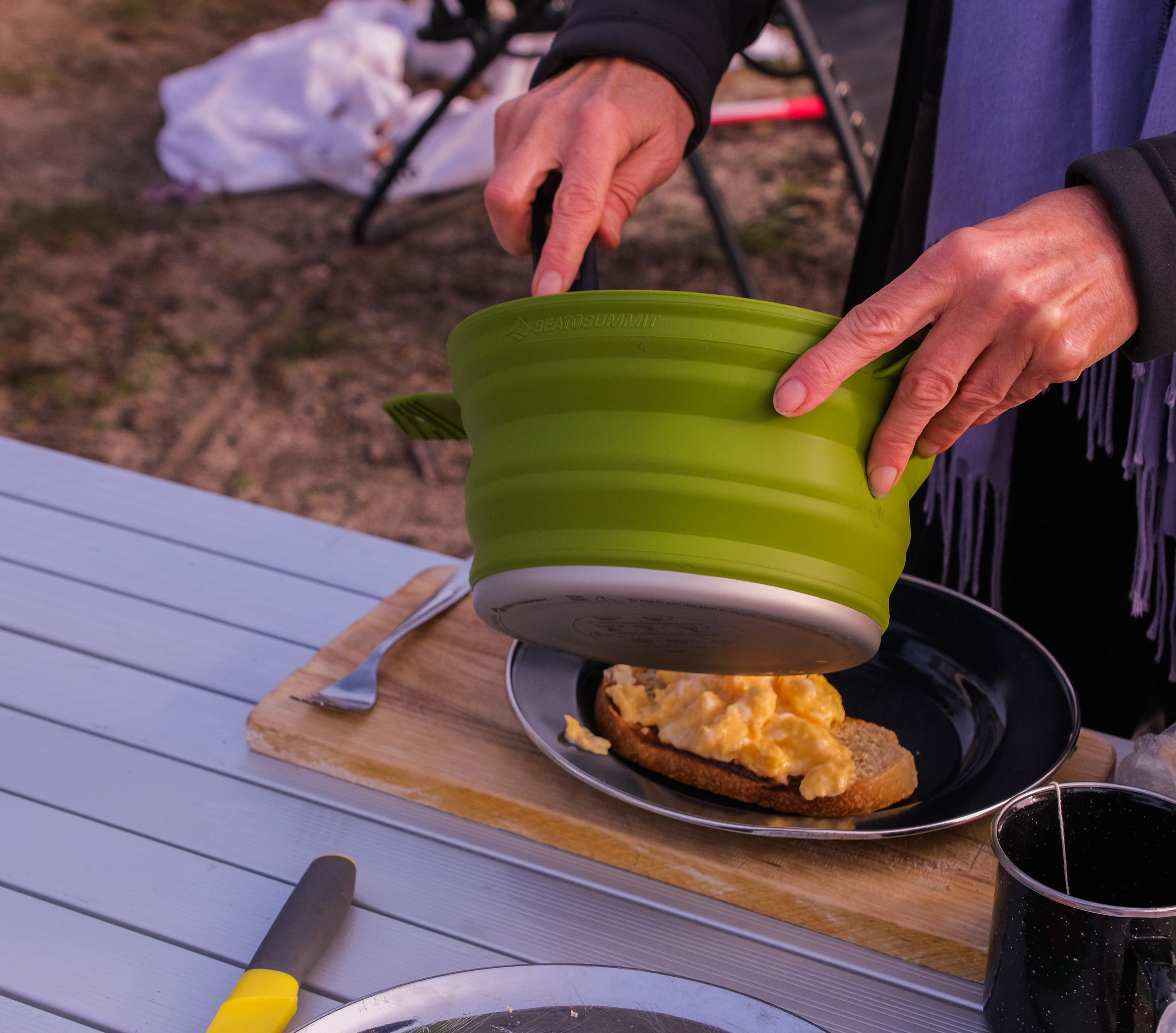
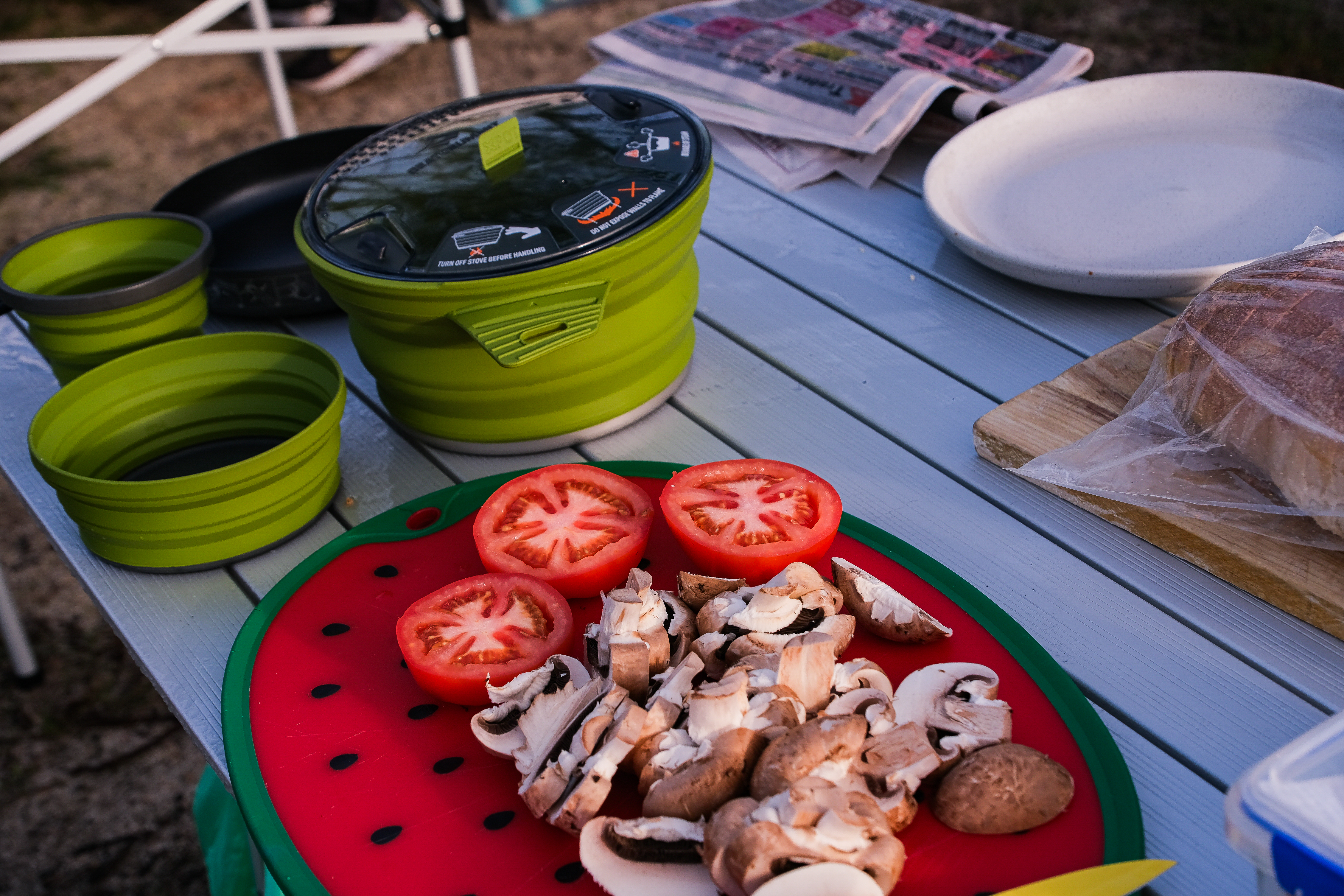
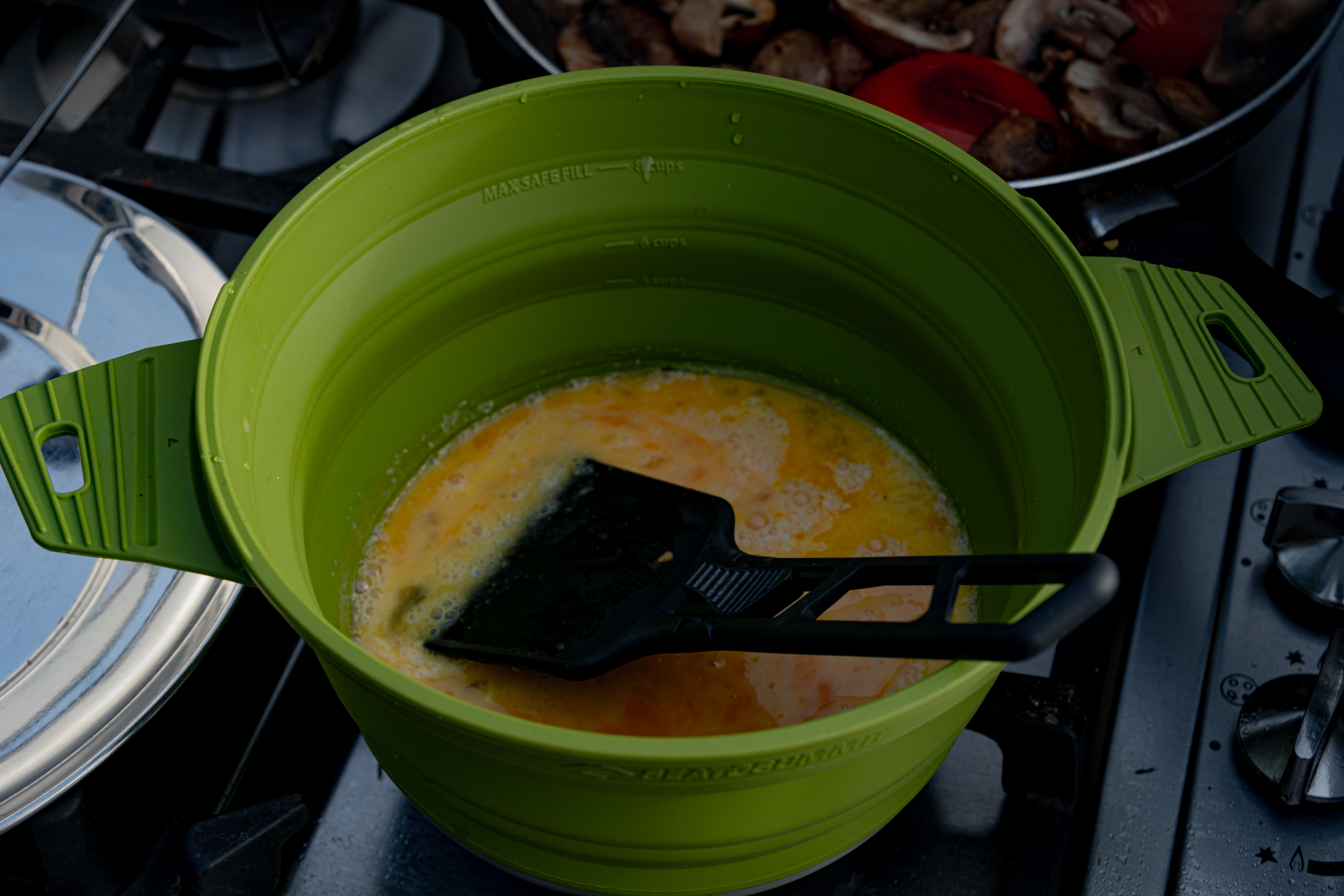
We sparked up the fire and brewed some coffee and tea. A cook up breakfast was on the cards – eggs, mushrooms and tomatoes with toast. Incredible! We had already discussed our plans for exploring the Granite Way the night before and decided to head straight out to the furthest rock, Mount Stirling, first up.
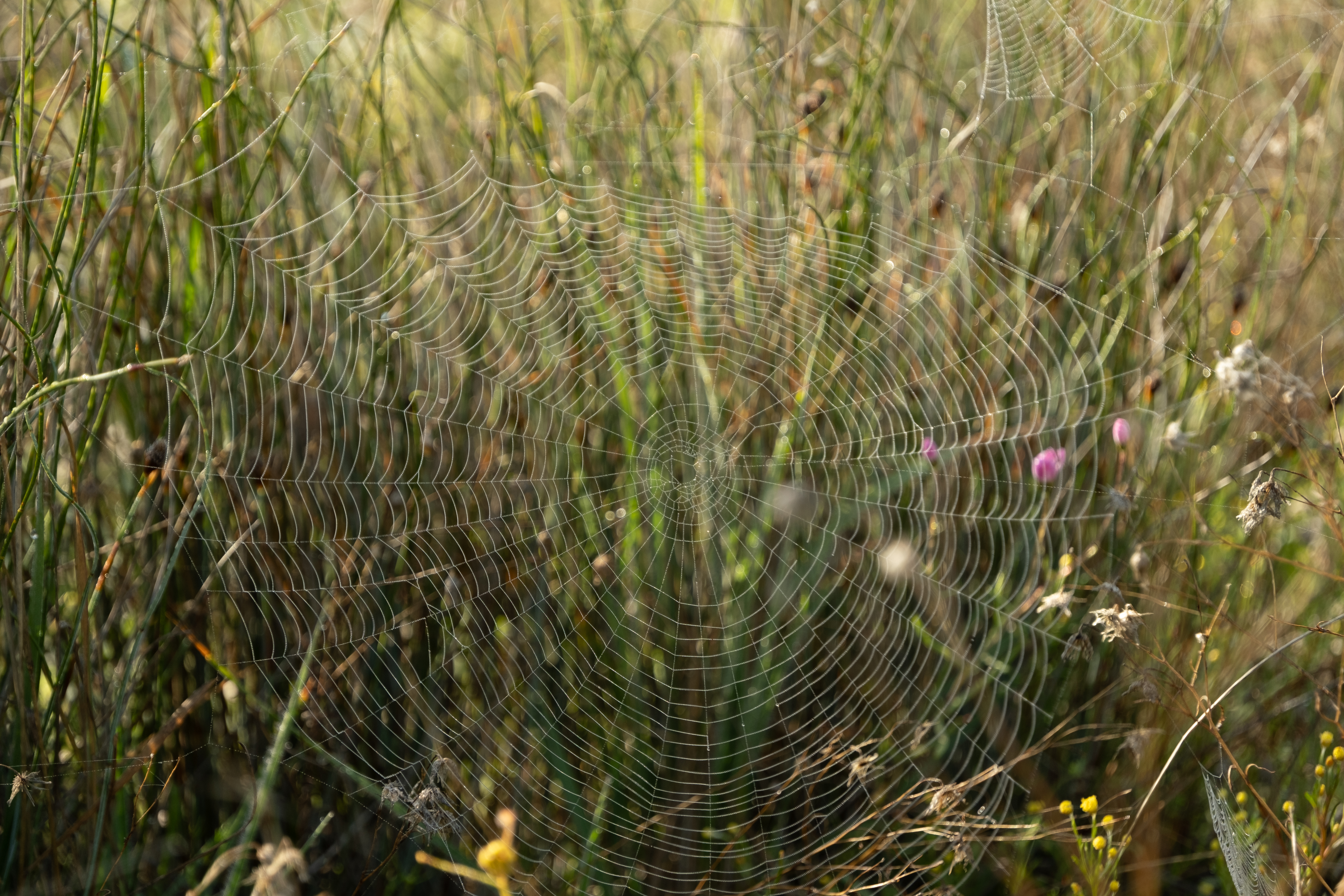
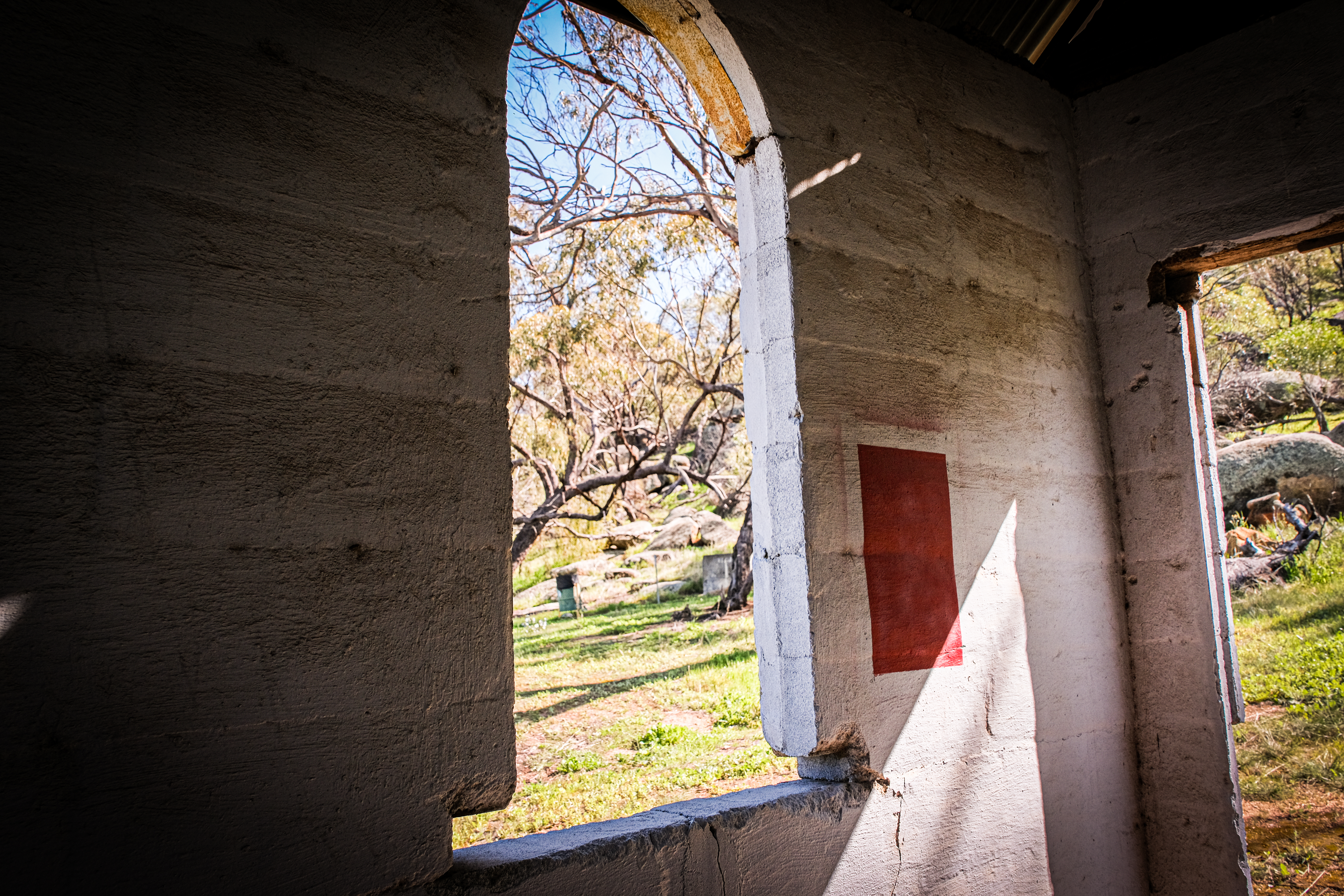
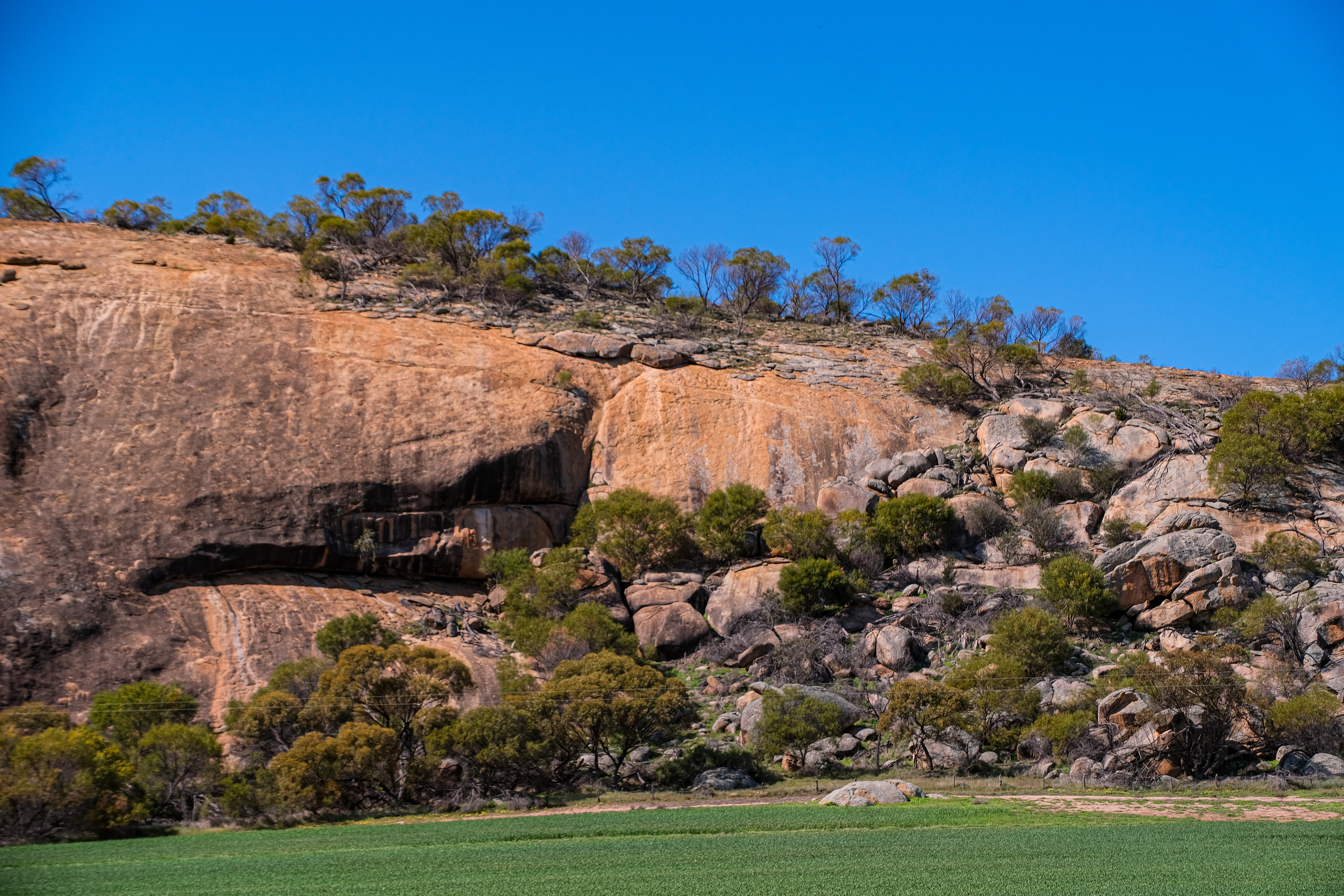
We hit the gravel road where rock after rock sprung from the flat wheat country. Most rocks were on private properties so access was limited. Mount Stirling was incredibly striking – rising from the newly planted crops – deep green and lush. A drive around the side of the rock took us to the shell of an old church and some strange person-made rock structures that had the hallmarks or sacrifice? My wild imagination thought so anyway. They were probably someones attempt at a picnic table – nothing sinister.

The grass was long and hard to walk through – mosquitoes were everywhere (I regretted my choice of wearing shorts) but we managed to get fairly close to the base. There were some Picnic at Hanging Rock vibes – Mirandaaaah!

Because most of the rock was on private property there was no access to the back end of it. We discovered a sign at the entrance where you could climb the rock. The ascent looked quite steep.

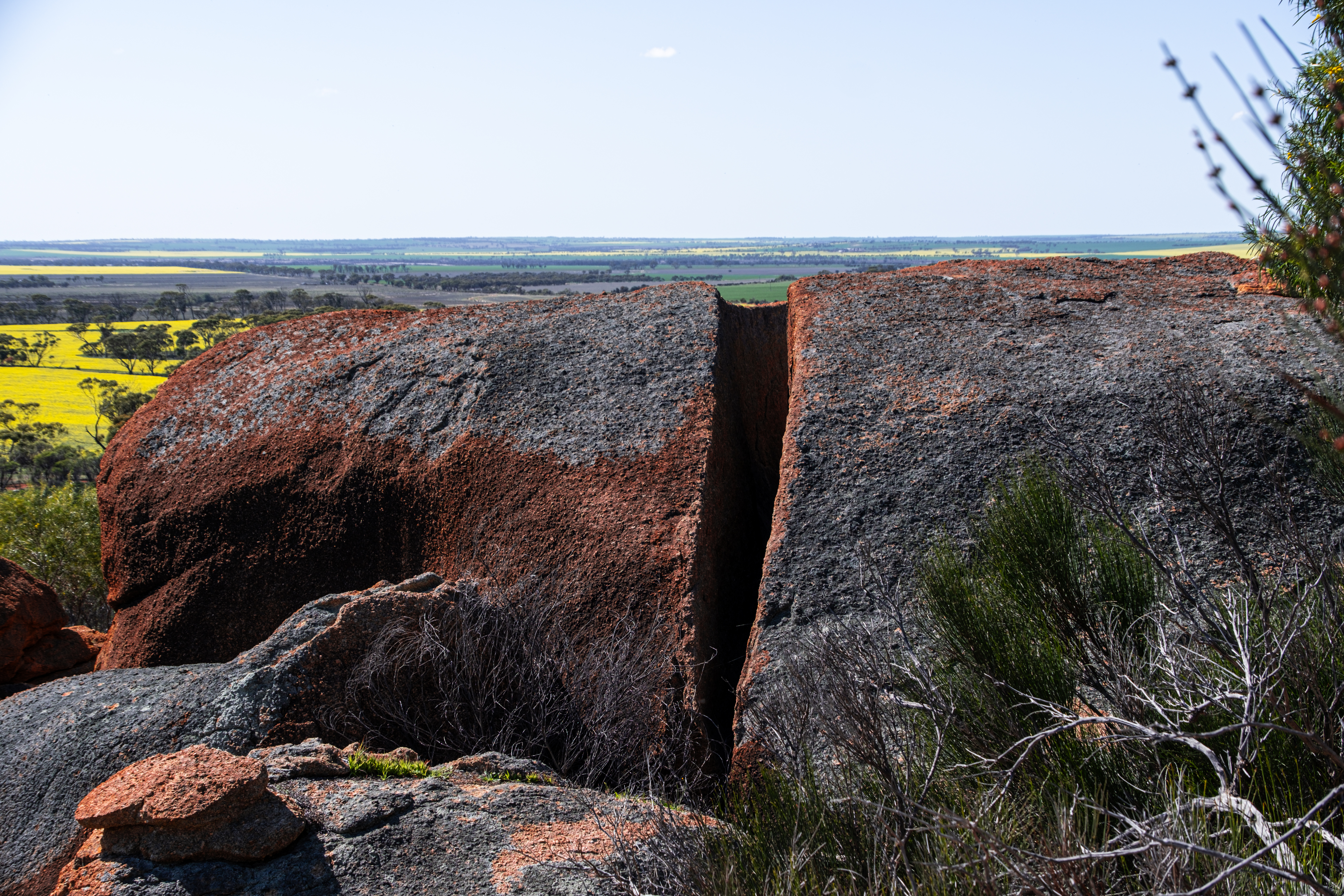
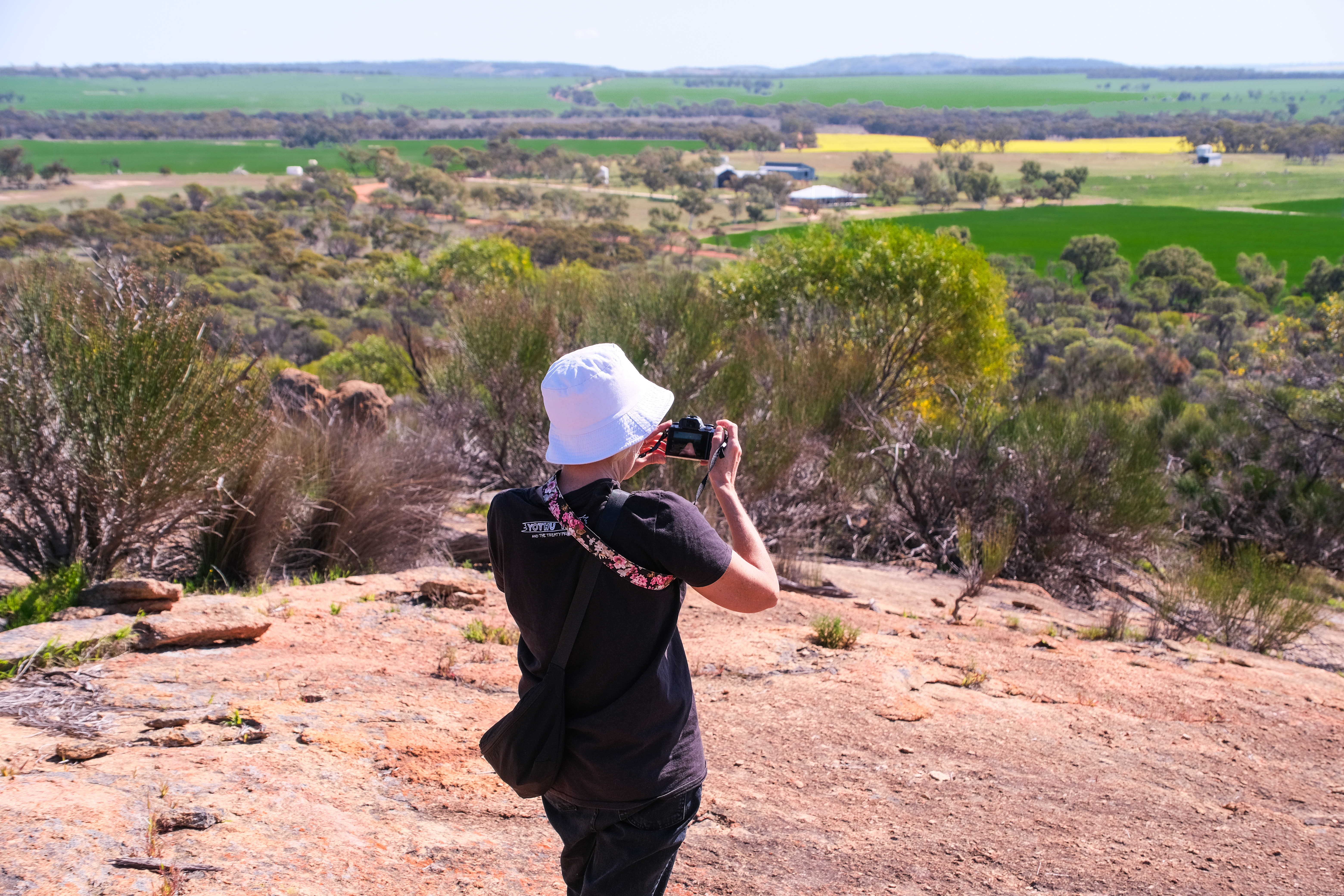
Next we did a drive by some of the other rocks on the trail before heading back to Kokerbin Rock (the one I had explored the day before) because I knew it had walking trails and summiting the rock was relatively easy. The sun was out and warming us up by this stage. We walked around the edge of Kokerbin Rock and climbed part of the way up. The views were spectacular – yellow, green and brown.

Within the camp site is Coarin Rock – walking distance from our tents. We missed this one even though it was so close.

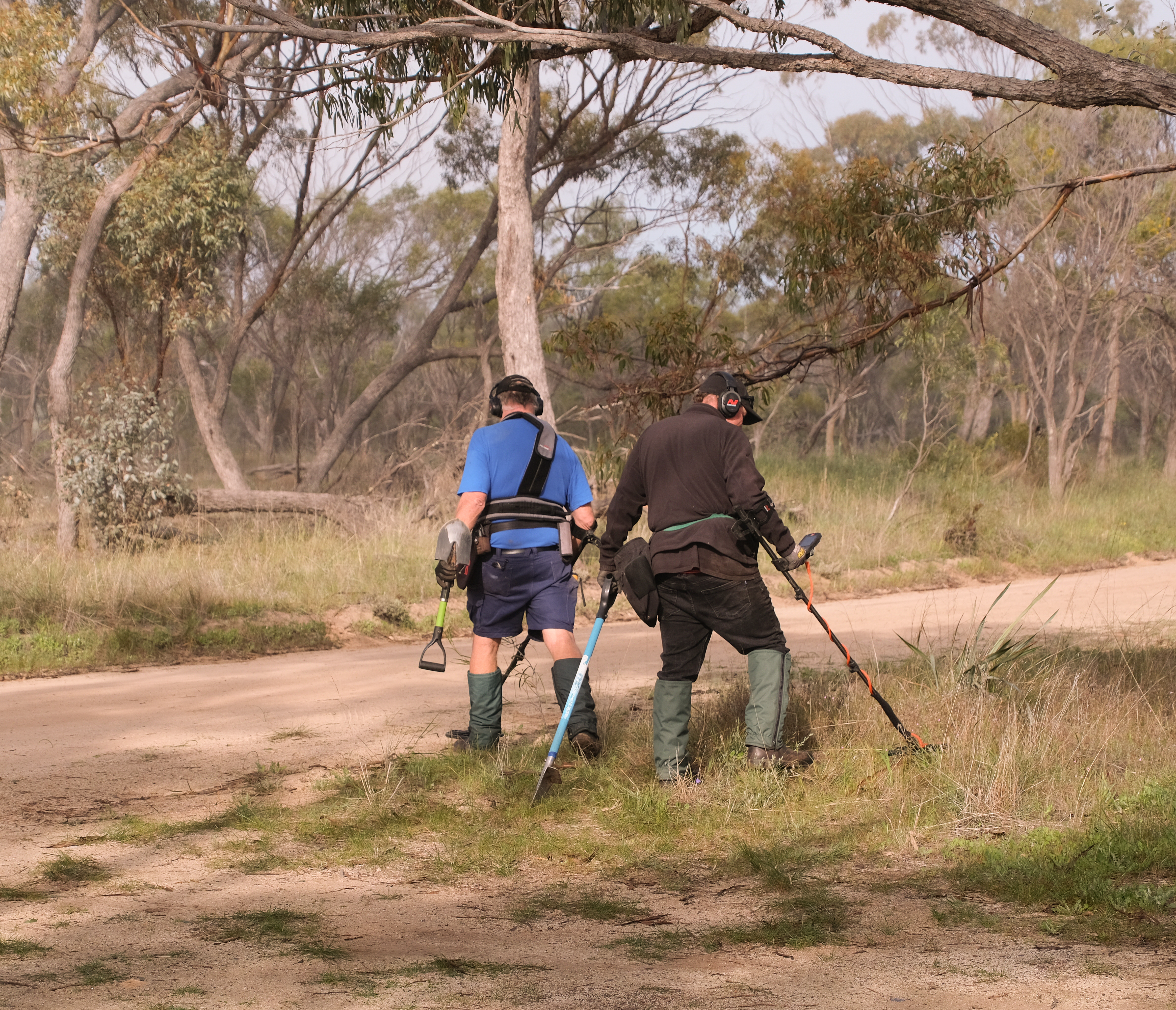
We stopped and chatted to a Kellerberin local who runs the fruit and veg shop – out for an explore on her day off. Back at camp a group of ‘detectorists’ had gathered and they scoured the land for old pennies. They wore gaters, head phones and boots, carried small collapsible shovels while their metal detectors let out a constant high pitched beep when they discovered ring pulls, tin cans and the occasional piece of history. I had an overwhelming urge to shout ‘what r u got?’ – a line from the Tv series “The Detectorists” but I think I was the only one who had seen it.

Instead we asked them questions about what they expected to find and it was all very interesting! I had an urge to buy a metal detector and join in the search for treasure.

The detectorists retired for the afternoon and the whole campsite seemed to have a siesta. Flies buzzed and the breeze washed softly over our camp. I think we all fell asleep.
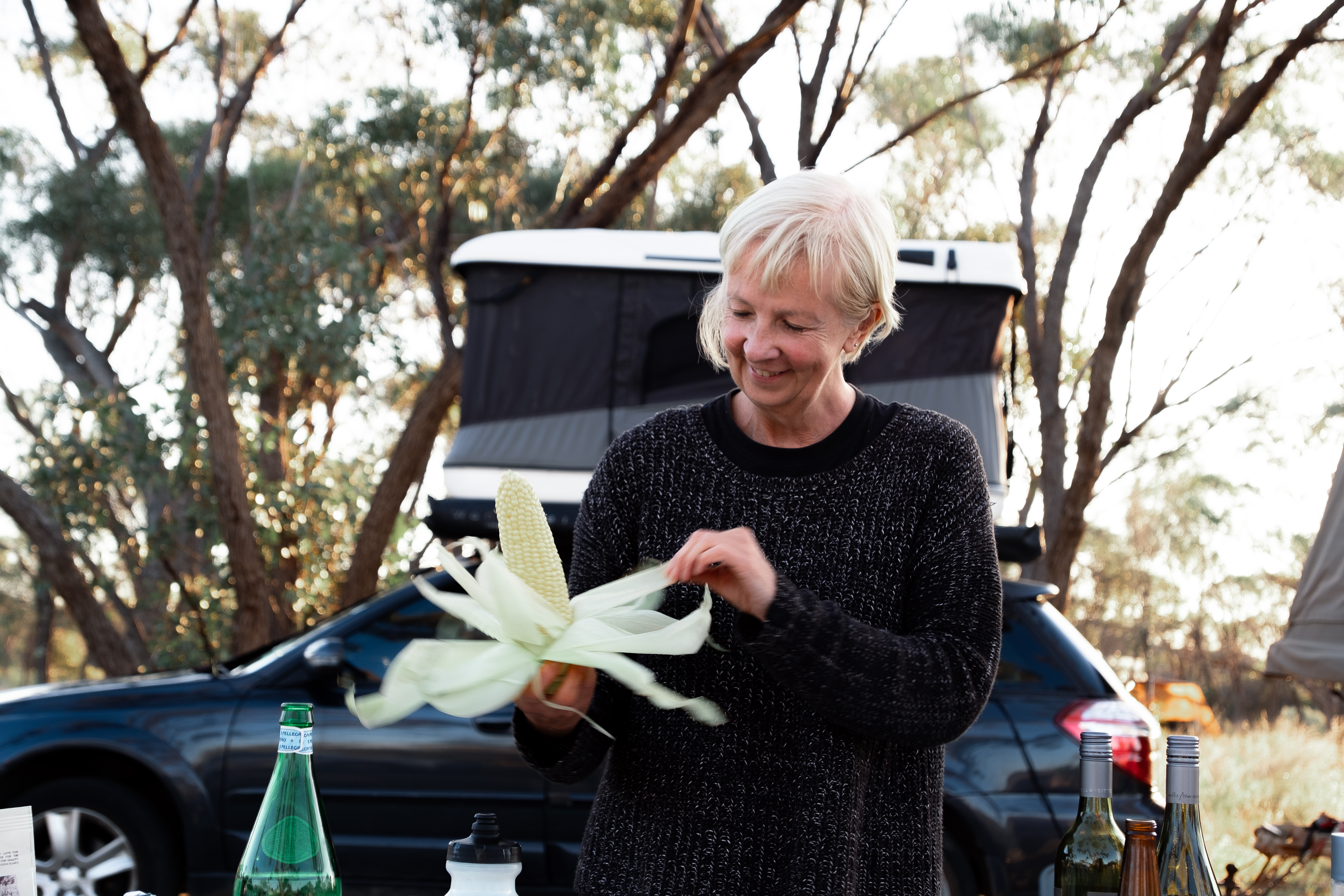
Time for afternoon drinks and nibbles followed by dinner prep. Lainey delivered the goods and wrapped every conceivable vegetable known to womankind in foil. We set up the fire to produce coals and then placed everything strategically into the coals. Everything was perfectly cooked and incredibly delicious!

There is an air of Saturday night celebration in the air as the camp site became more populated. Groups of people chatted around fires while listening to music and dancing under the Milkyway.

I had written down some instructions on how to take astro photos before leaving Perth so I was ready for nightfall and the promise of clear skies. After our veggie feast I set up my camera and played around for a while. At last something ressembling Astro photography emerged on my playback screen. I had photographed the universe! Not bad for a first effort.

We were tucked up in bed around 9:30 pm. Then, up the next morning to pack up camp and head back to Perth. What a grand adventure!

What’s the skinny?

  • Kwolyin Camp Site is around 200 km out of Perth
  • The camp site has basic facilities and fresh water is available
  • The Granite Way is a 60km self-drive trail to see giagantic granite rocks throughout the wheatbelt shires of Bruce Rock, Quairading and Kellerberrin.
  • Camp fires are permitted in the cooler months – always check first. Bring your own wood.
  • Astro Photography is a bit of a buzz and as long as you have a camera or even a phone anyone can have success.
  • The closest shop for staples is 7 km away in Shackleton
  • Picnic at Hanging Rock is an eerie story made into an equally eerie Peter Weir film in the 70s
  • The Detectorists is a quirky look at the sub culture of metal detecting – worth a watch.

All in A Day #11 – Dwelling on Dwellingup – a ‘cusp of Spring’ Break

All in A Day takes a break from camping to enjoy the luxury of a winter cottage.

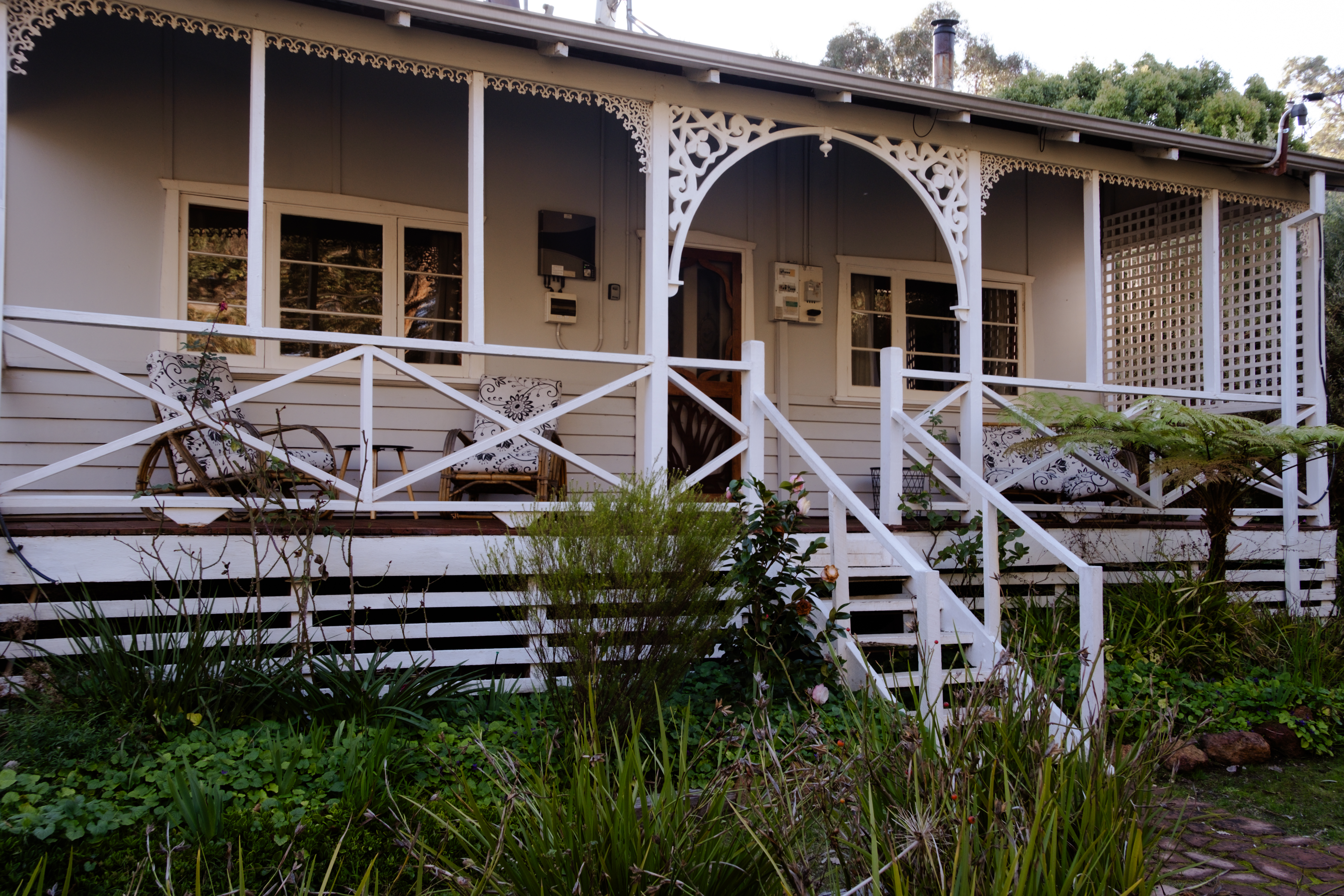
Crisp mornings with a dash of sunlight , steam rising from rooftops. Quick – light the fire! Walks through the forest across the road and relaxing on the verandah. Pretty nice way to spend a weekend!

A box fire warms the front room, providing a glow to the cheeks and the cockles of our hearts. What actually is a cockle? Note to self – find out the origins of cockle.

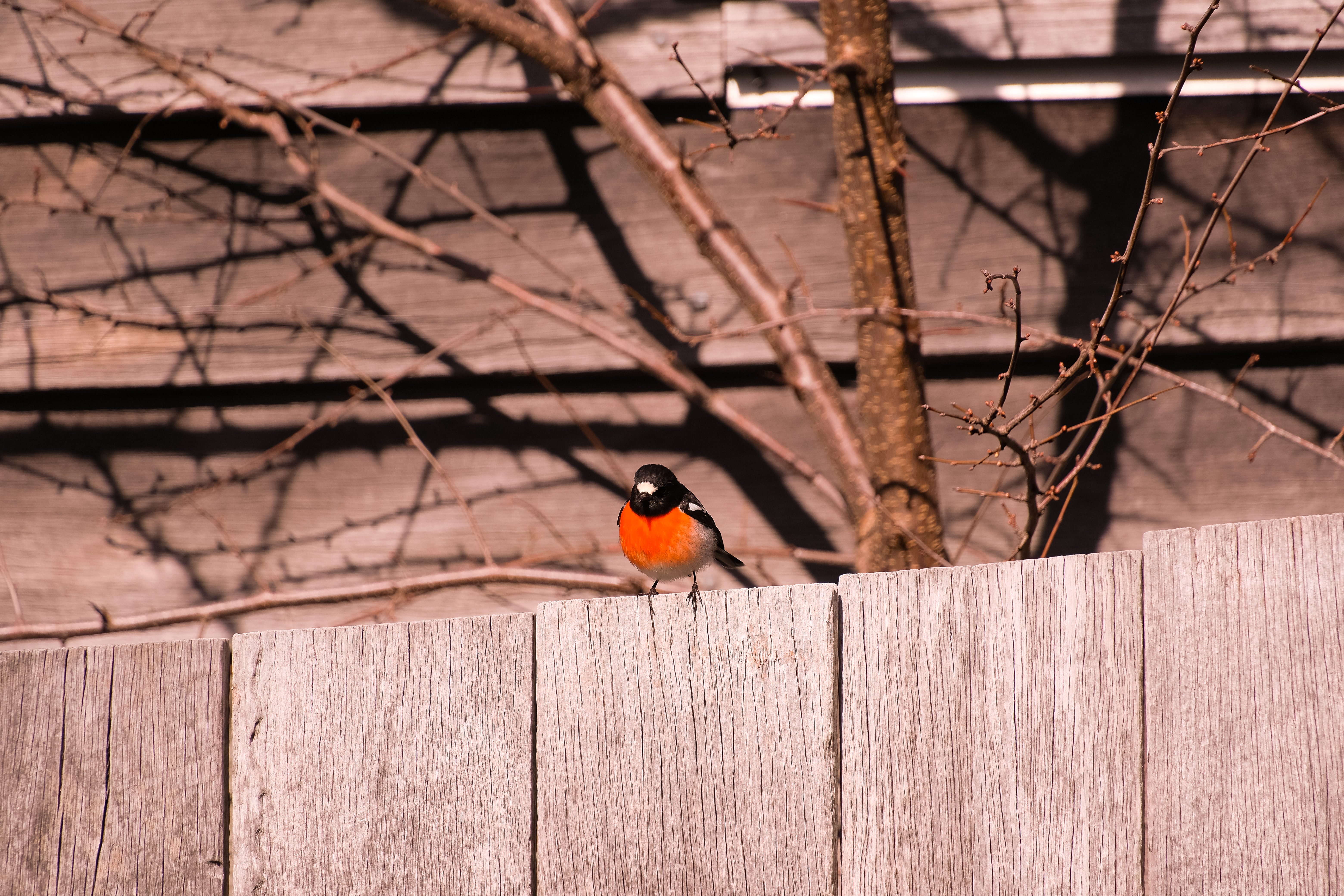
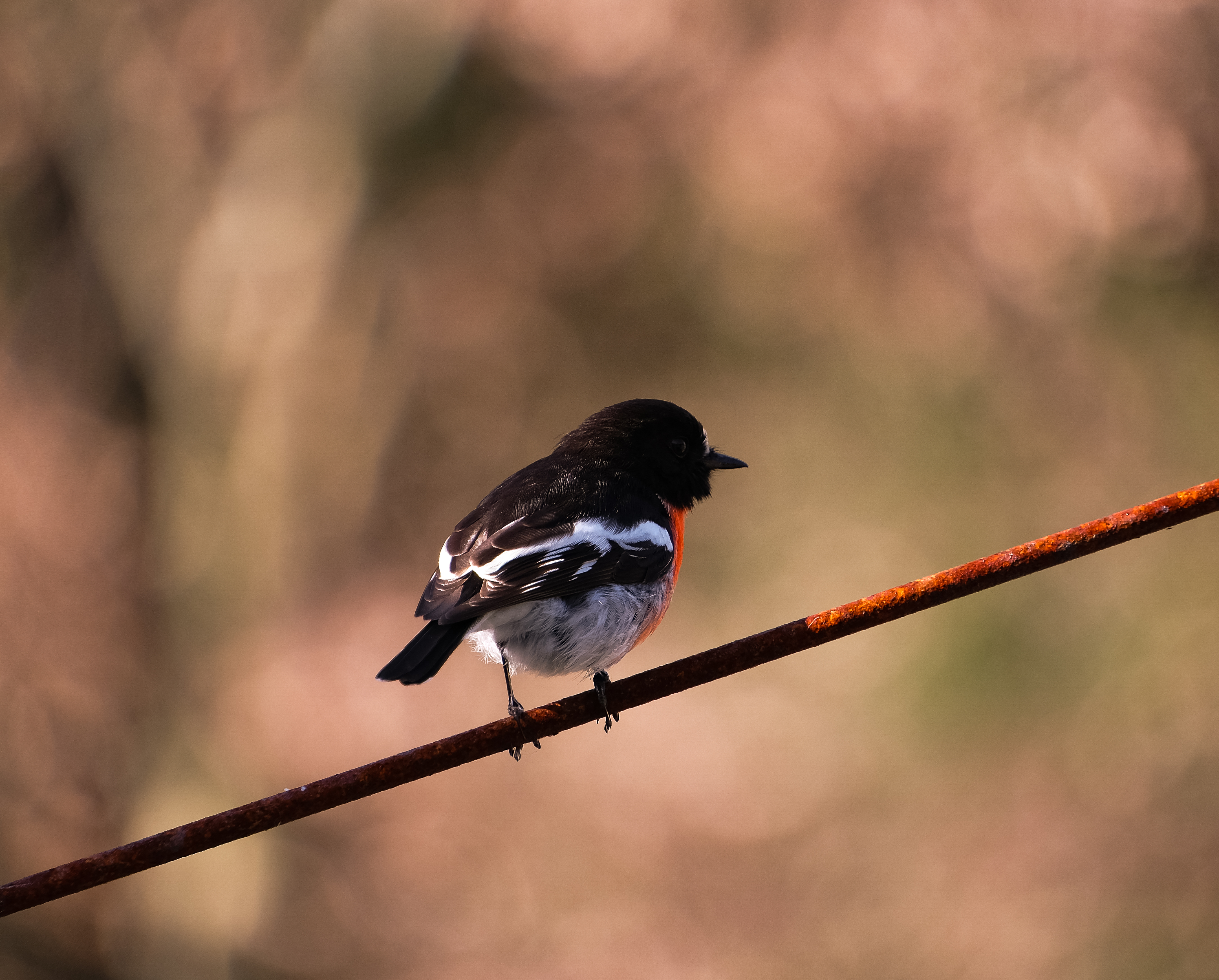
The bush beckons from the front verandah. Glimpses of ravens hopping across the road, glossy wings half extended. Always up to something – no good? Smaller offerings – Flaming Robins, Blue Wrens and New Holland Honeyeaters flit about proving hard to capture (in my lens).

The drive to Dwellingup is delicious – green pastures, random cows and copses of bush. Some flooding from all the recent rain. I stopped in Pinjarra for groceries and lunch. Whisky to make hot toddies as I have lost my voice – three days and counting.

I always feel like I have forgotten something when I am not camping. Camping is simple – grab that box, that crate, that bundle. Airbnb is just throw more and more stuff into the car and slam the door. More than I need and not everything that I need. Unfortunately one of things I grab is a bundle of keys – story about that later.

About my voice, or lack therof. I have been whispering like a creeper for a couple of days. No other symptoms, just no voice. So I sit and listen mostly. Hot toddies with whisky, honey and lemon do nothing but warm those cockles. Oh well, not all bad.

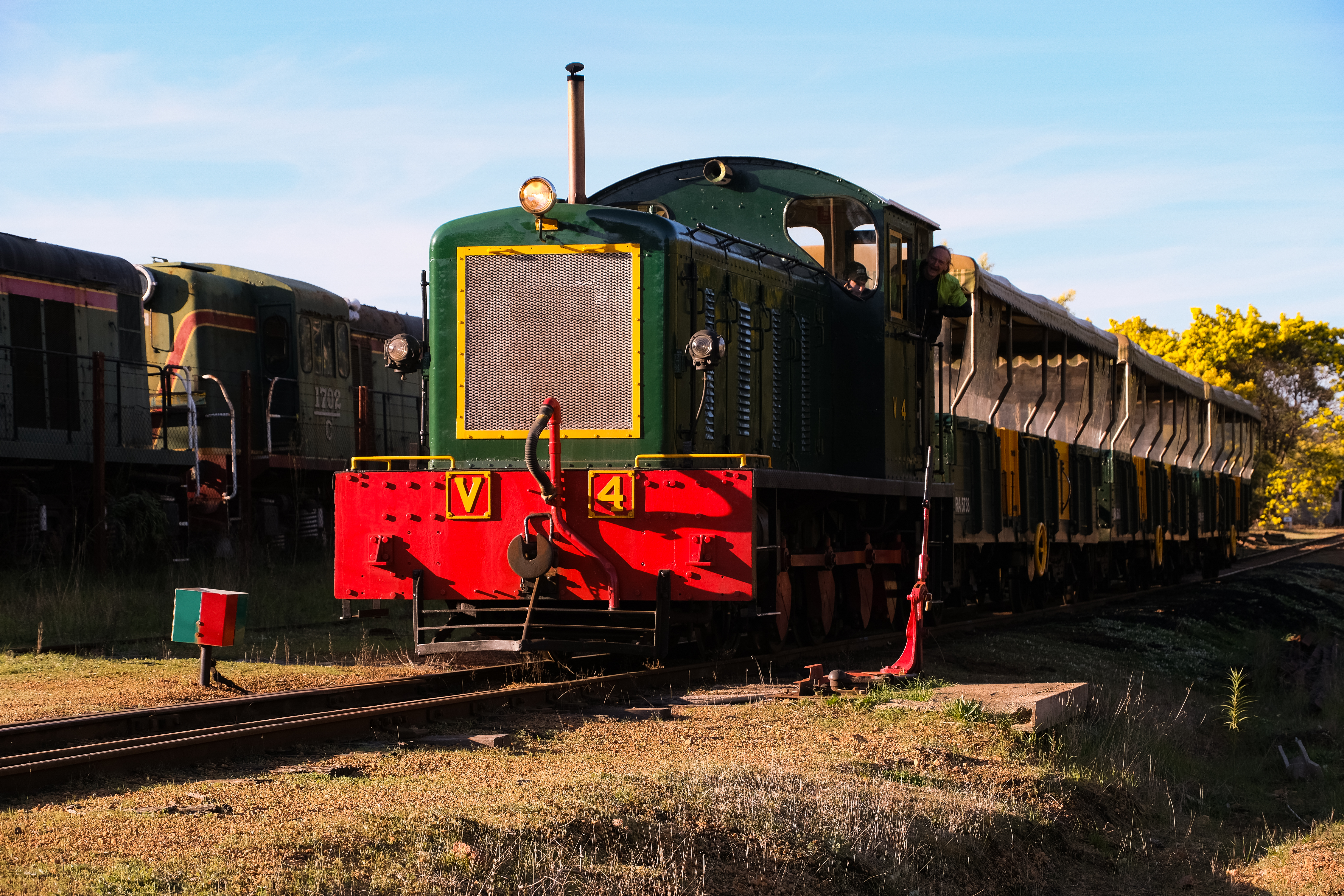
Then, lazy afternoon sun, birds a cacophony (there is no better word) of sound. A stroll to the railway station where historic carriages and diesel engines languish. The Hotham Valley Steam Train must be out steaming up the tracks. High vis enthusiasts tend to the aging trucks and engines. Visions of Sodor.

Backyard hounds strain on chains, their voices harsh with barking. Poor creatures lack stimulation. Pampered city pooches with little room to move are treated like kings and queens compared to these country dogs.

Meals appear at intervals. First breakfast, second breakfast, brunch, snacks, dinner – punctuated with drinks (and cheese).

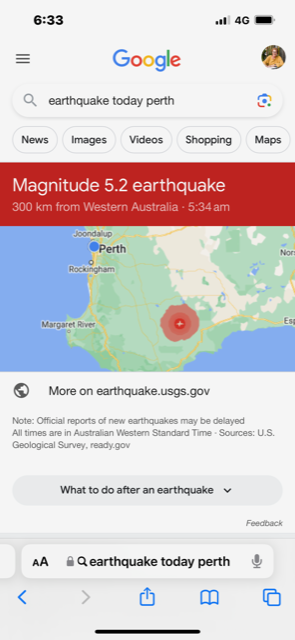
Then, woken (or shaken awake) at 5:30 am by an earthquake – 5.2 on the scale. My bed felt like someone was trying to get me out of bed. I leapt up to check that everyone had felt the same thing. Some thought vertigo.

Last morning – ice on the car windows. Memories of childhood when ice was a daily occurence, kickstarting the Peugot 404 and casting a bucket of warm water on the windscreen only to have if freeze again as we trundled down the drive heads out of windows like dogs catching the breeze.

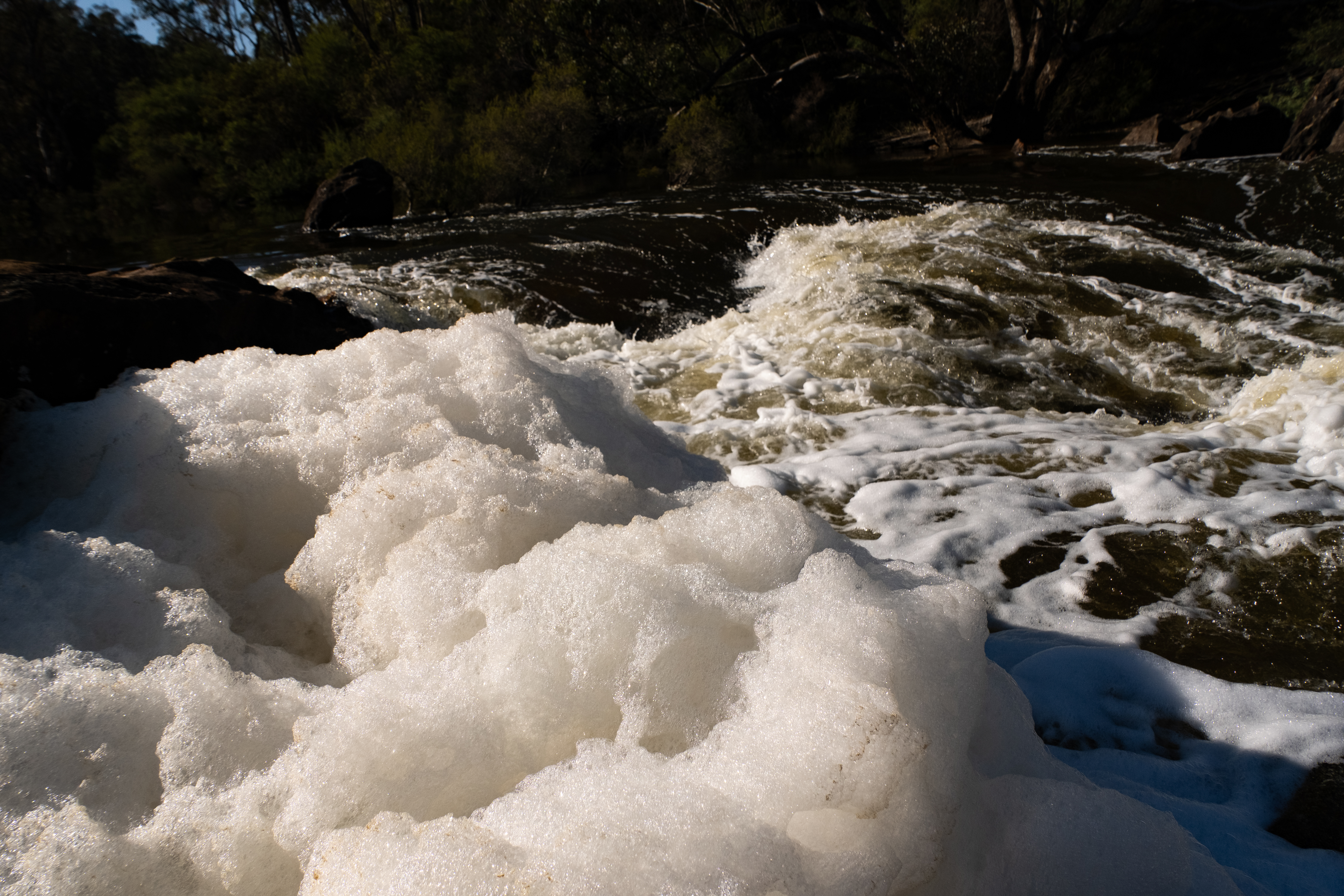
A drive down to Lane Poole Reserve to catch the flowing river and go for a final walk through the forest. The river flowing and frothing like a milkshake and the steam still rising from the ground as the sun thaws the ice.

Then, home to unpack and relax. Another superb weekend.

What’s the skinny?

  • Dwellingup is around 1 hour and 15 minutes from Perth
  • We stayed in an AirBnb on the edge of the forest
  • Pinjarra is about 20 minutes away for any major shopping and Dwellingup has a well-stocked IGA, some lovely cafes and a restaurant or two.
  • Lane Poole Reserve is a National Park 20 minutes out of Dwellingup and you can camp there – Bookings essential for most sites.
  • Water sports including kayaking and paddle boarding are popular in this region
  • Mountain Bike trails are everywhere – in the parks and around the town
  • The Dwellingup Hotel (Dwelly Pub) is perfect for a pub meal!
  • Cockles of your heart –dates back to the mid-1600s, a time when scientific texts were often written in Latin. The Latin term cochleae cordis means ventricles of the heart, and most probably, the word cochleae was corrupted as cockles.

All in a Day #9 Hot Air Ballooning in Northam

A hot air balloon flight over Northam in the Western Australian wheatbelt has me hooked. Ballooning is like flying in a dream.

Hooked on a Feeling (or the most fun you can have while being dangled beneath a sheet of nylon and a roaring flame – 4000ft in the air)

May 2023

“We’ll be landing next to the cemetary, but hopefully not as a convenience!” Pilot Nick quipped as we ascended to 4000 ft.

Pilot Nick wasn’t flying a plane but the biggest hotair balloon I have ever seen. To be honest it was the only hot air balloon I have ever encountered, up close. We were here because I had purchased balloon flights for Anthony’s birthday. A great gift for someone who has professed to a fear of heights!

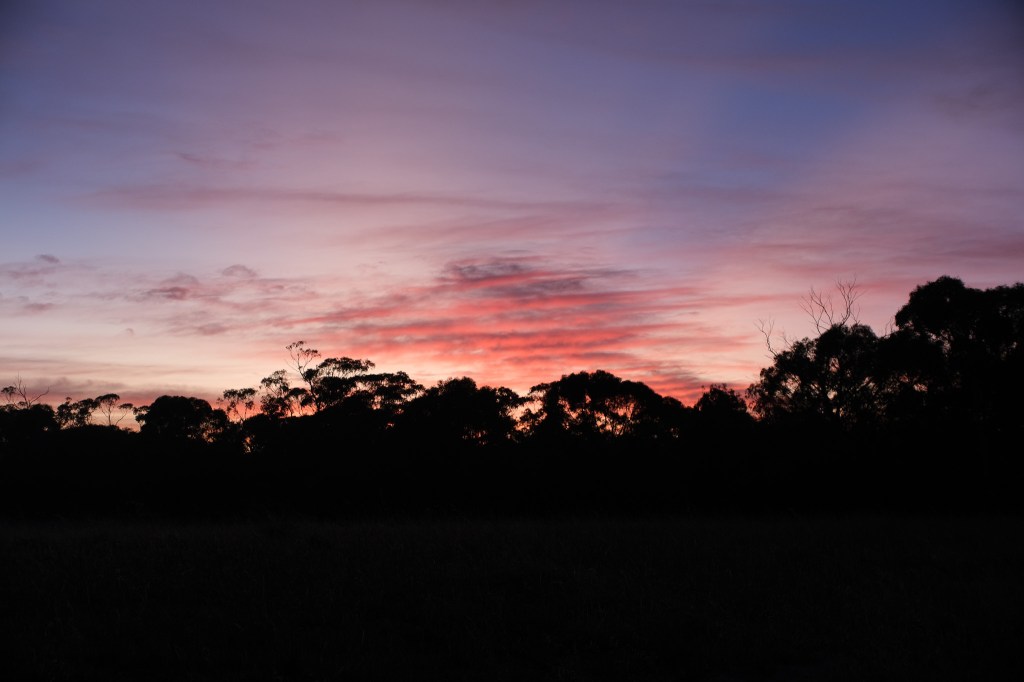
We were up at 4:30am to meet our pilots (yes they are actually called pilots) Dan and Nick. It was pitch black outside and just a bit chilly. After our brief we were piled onto a bus and a troop carrier, towing a massive wicker basket, to go find our take-off destination.

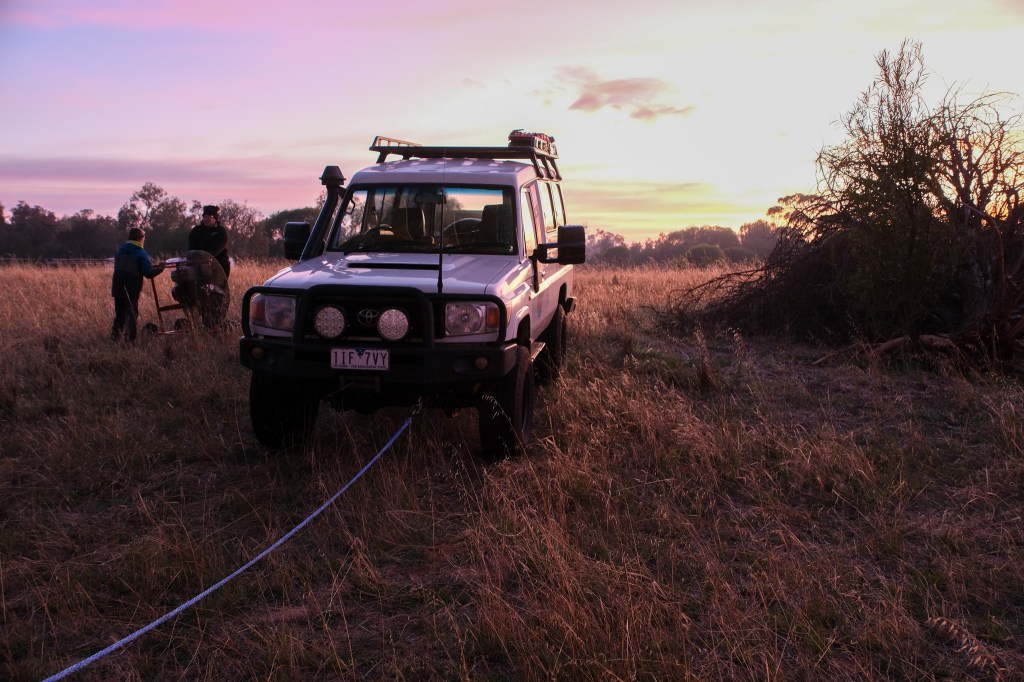
Not your usual trip to the airport. We headed out of the town of Northam towards open fields. Much chatter over the two way radio and we found a barely concealed entrance and a gate (the first of many). Riding rough shod over fields and a small creek, pausing to ensure the basket was going to fit under low hanging trees, we finally reached our destination – the top paddock. Sorry sheep.

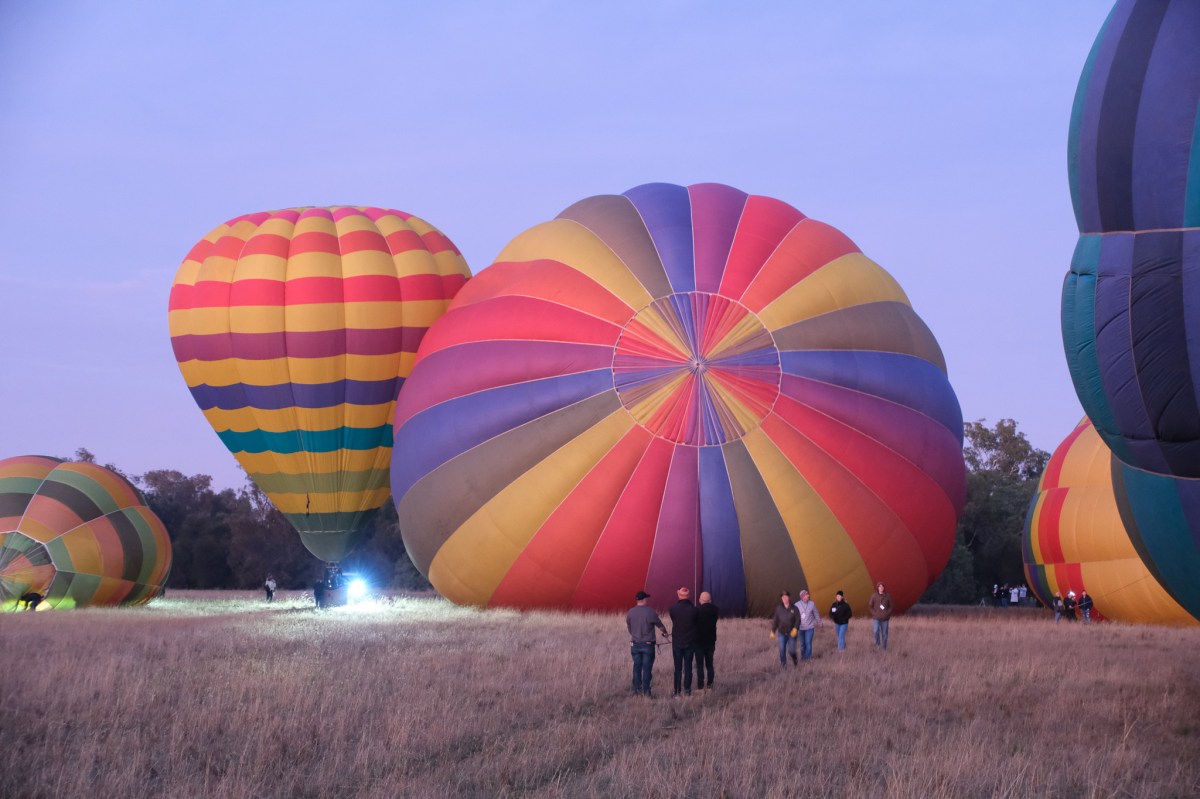
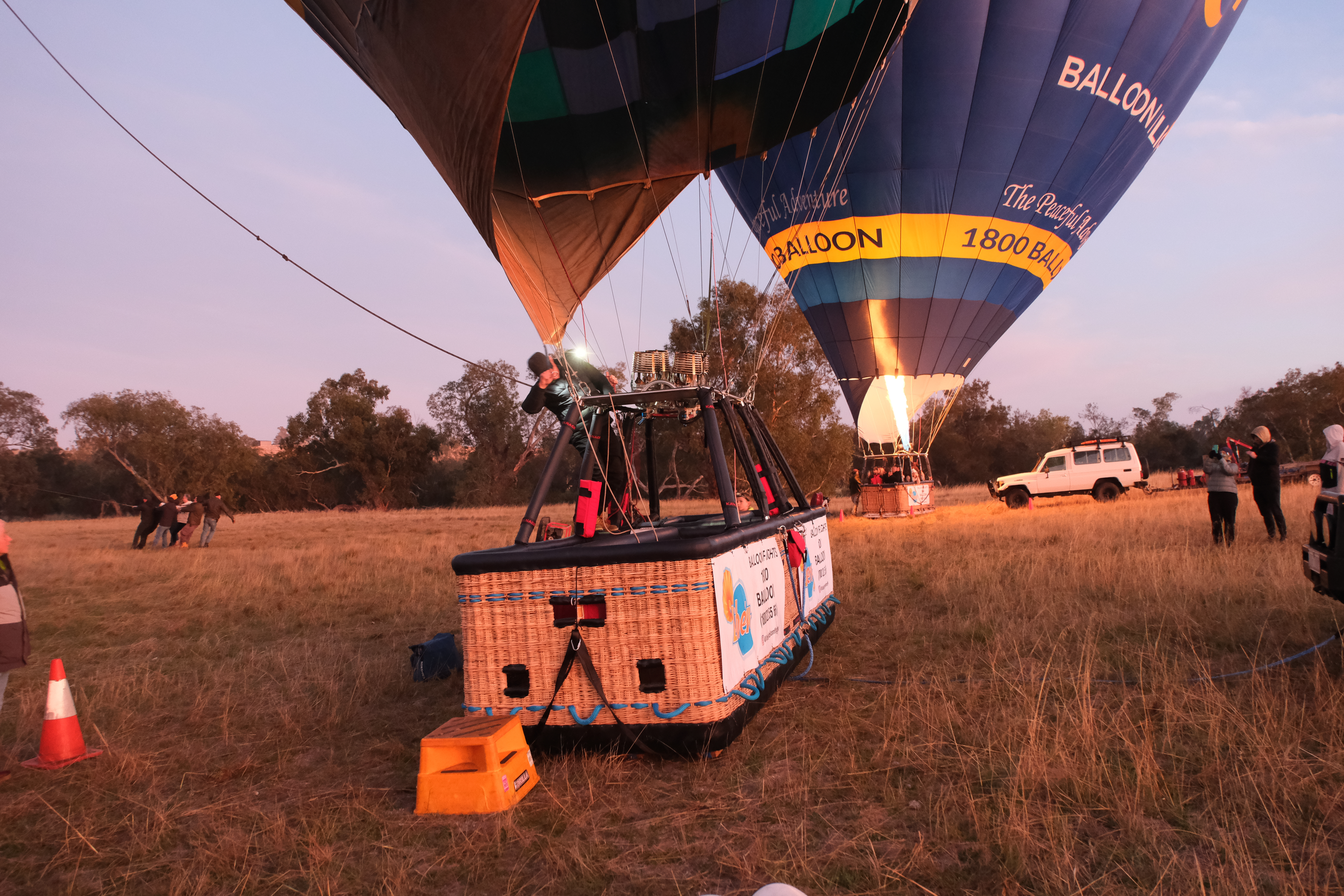
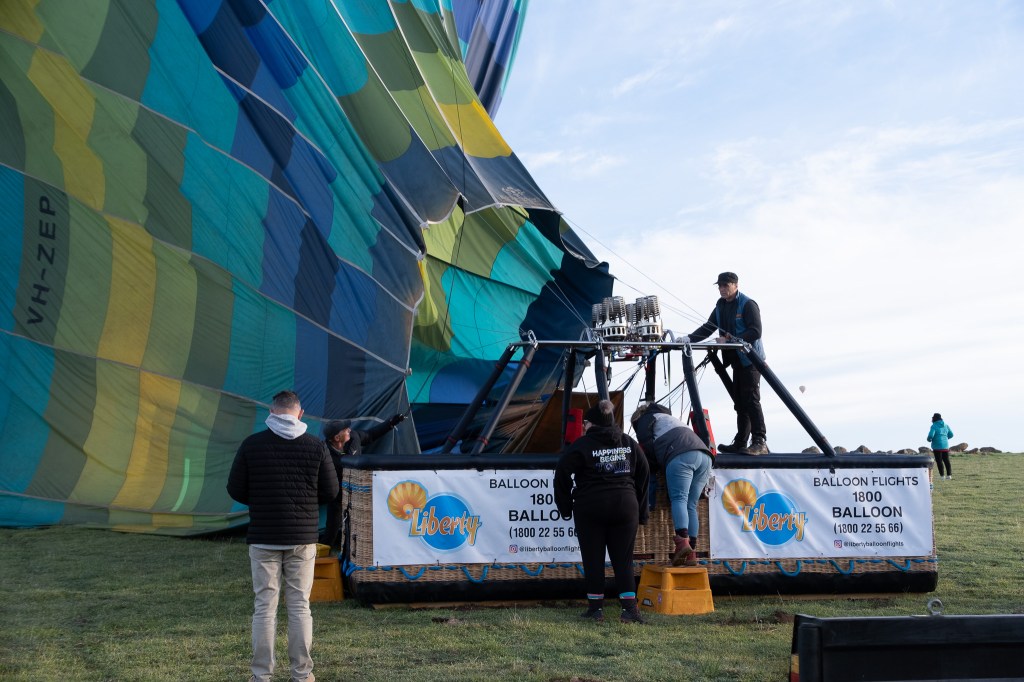
Liberty Balloons has two massive balloons and they quickly set about unfurling the nylon ‘envelope’ (that’s the official term for a balloon) and unloading the massive baskets. I noted with relief that the baskets were divided into four sections to prevent an imbalance.

We had been informed during our briefing that ballooning is a hands-on experience and it would be all hands on deck to get everyone up in the air. Volunteers from our party helped unfold the nylon fabric and get it ready for inflation. While this was happening another balloon company arrived with two big balloons and a private ballooner with a single basket.

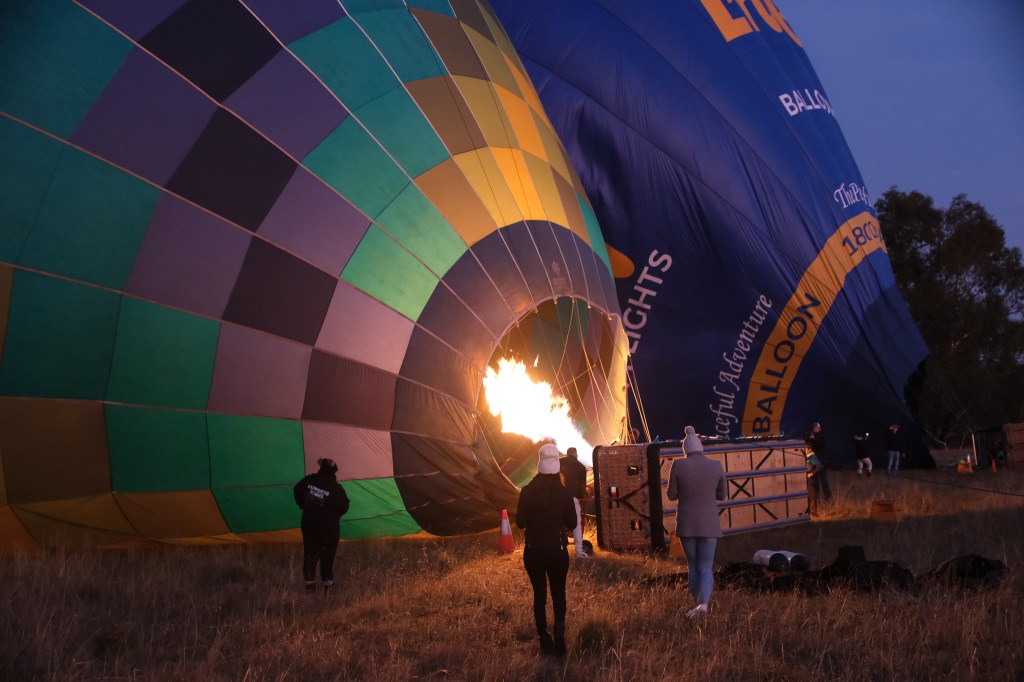
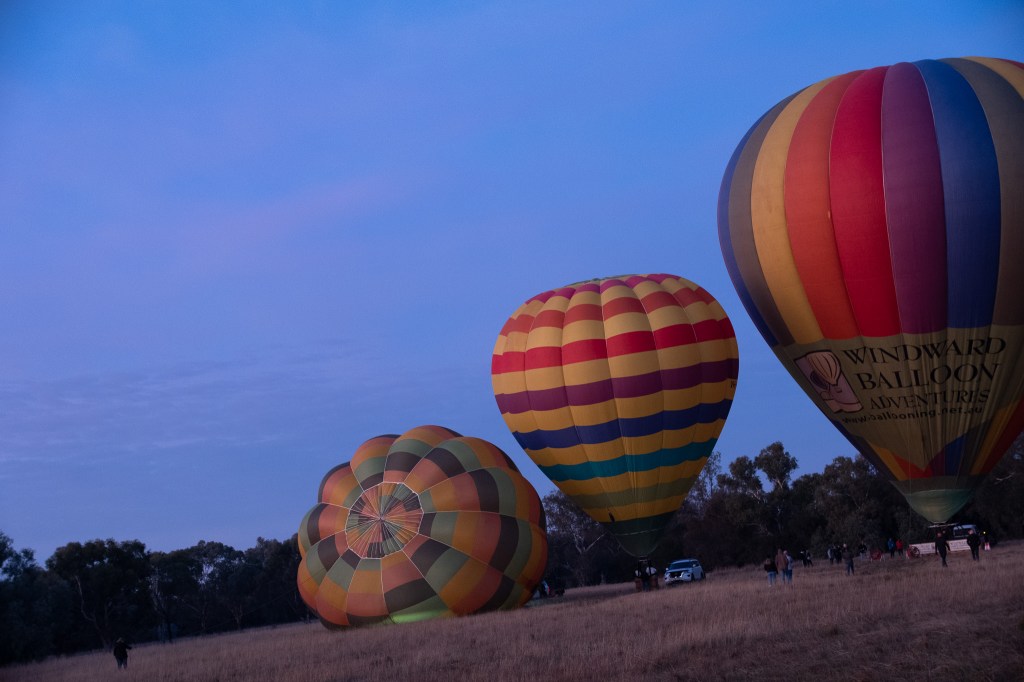
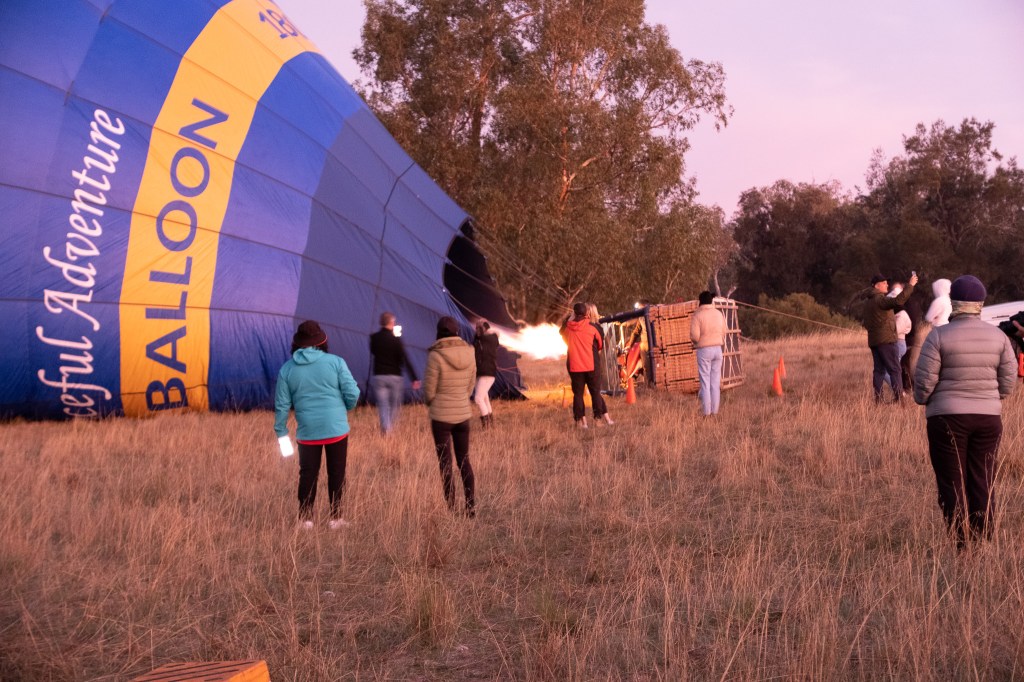
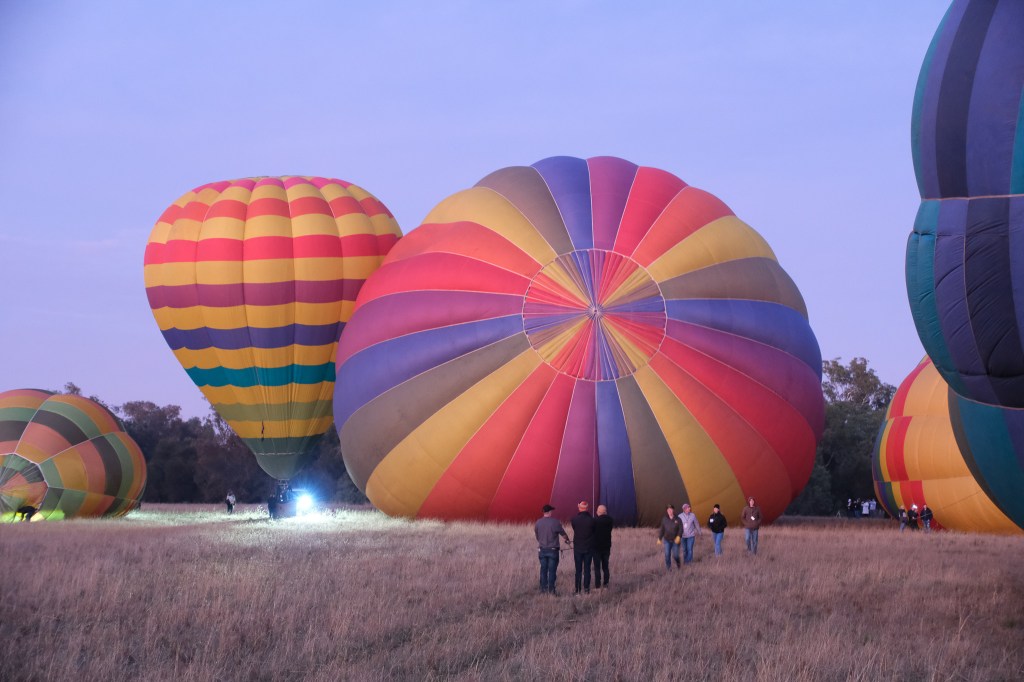
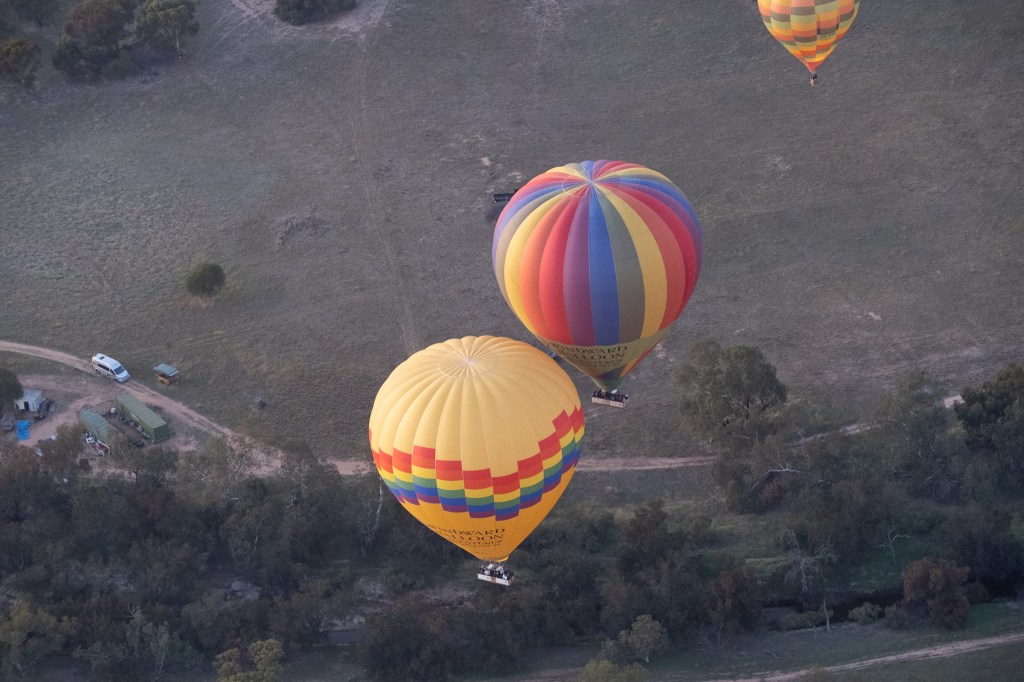
Top paddock was beginning to look very surreal. The sheep were nowhere to be seen and mushrooms of intense colour slowly emerged from the golden grass and inflated around us. The first part of the inflation process involves fans of incredible power. Once there is enough air, heat is introduced – horizontal flames powered by liquid propane shoot into the opening of the envelope.

As the balloon lifted and became vertical it was time for us to clamber into the basket. Twenty people in each – five in each section and the pilot in the middle. The basket feels very substantial and nicely padded. “Practice your landing position!” shouts Nick. Landing position entails bending your knees to absorb any impact on landing and bracing yourself against the back of the basket. While Anthony was worried about being up in the sky, landing was probably my worst fear, to be honest.

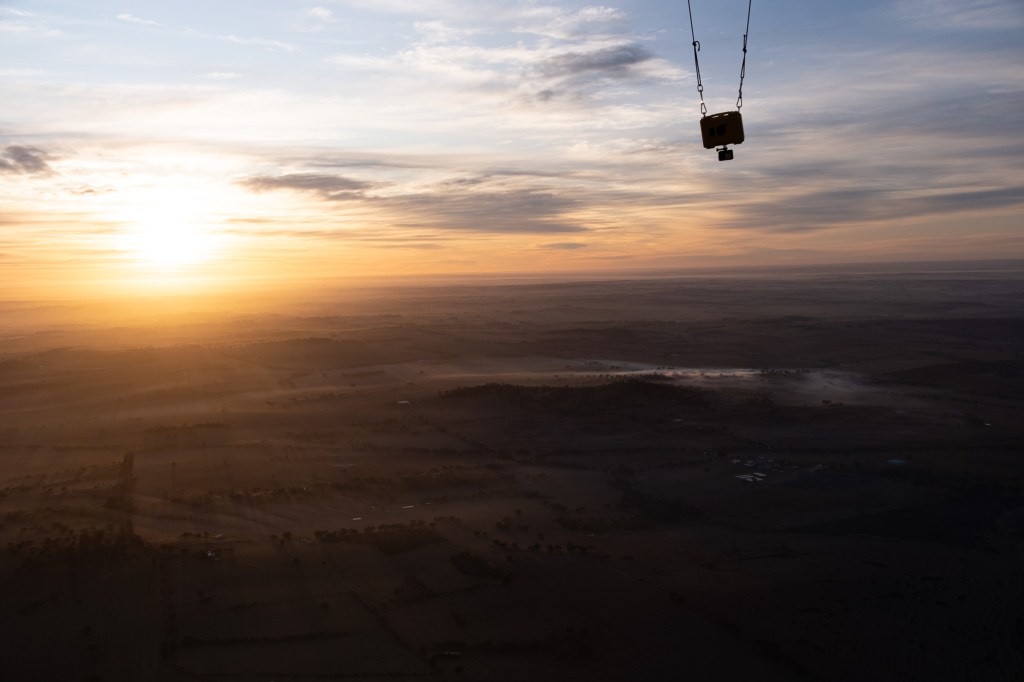
The sun appeared, glowing orange highliting the wet grass. We can see where we are now. A padock not far from the main road, surrounded by trees. Smoke from nearby burn-offs hangs in the air, mixing with early morning mist.

Finally it is time and Nick sends a blast of flame into our envelope. The basket shifts slightly before the tethering rope is released and we lift off and move across the field, narrowly avoiding trees. It is now that I have a flash of memory – Ian MacEwan’s “Enduring Love” where a man is caught by his leg to the rope secured to the balloon as it takes to the air. I hazzard a peek over the side, no one dangling from the rope. I shake that memory loose as we lift higher under the power of propane and barely perceptible wind currents.

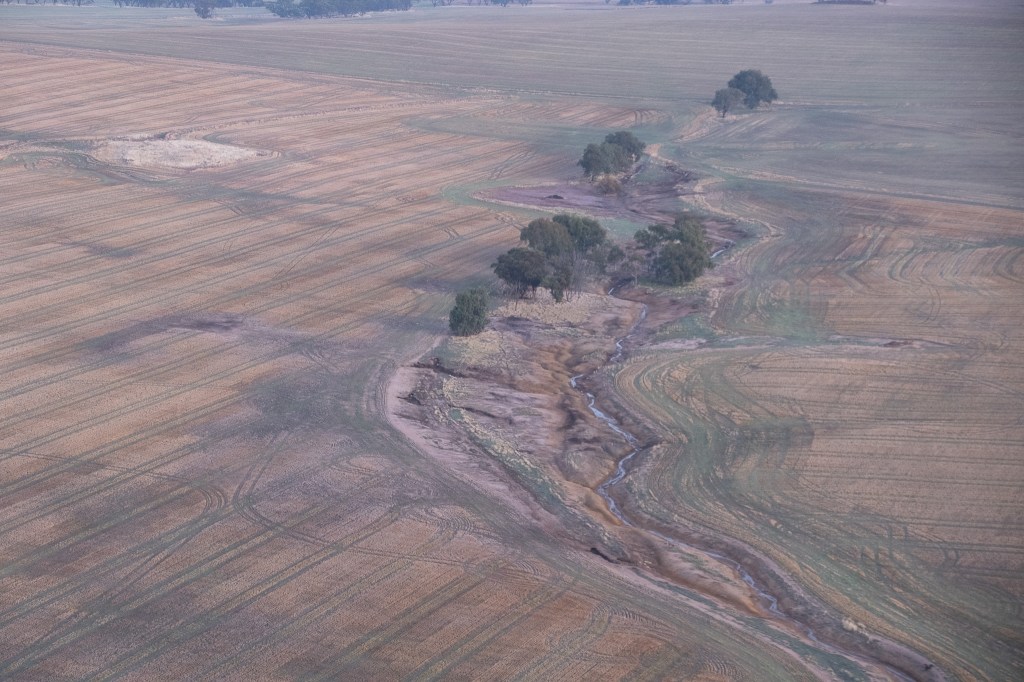
Ears pop as we reach 4000 ft and the gas is switched off. So silent, so still – no one says a word. As we peer over the edge and gaze down on Ballardong Noongar booja at the natural and person made lines, Aboriginal paintings come to mind.

I feel the same as I do when I fly in a dream – sublime! The current changes as we rise to catch it and we are now above the other balloons. That’s a photo I never thought I would take! A balloon from above.

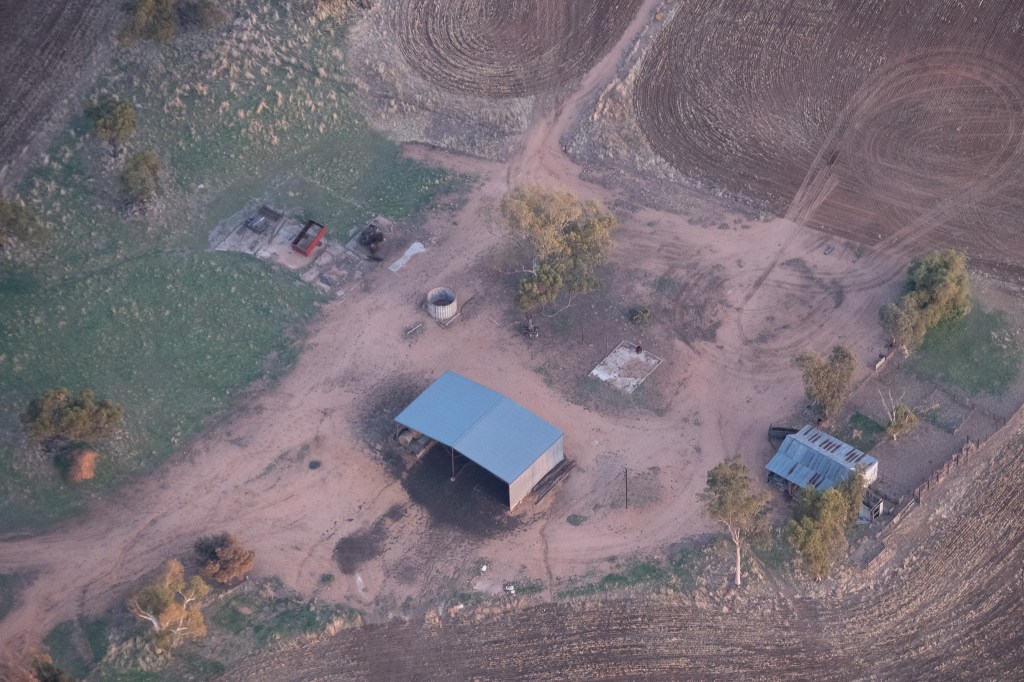
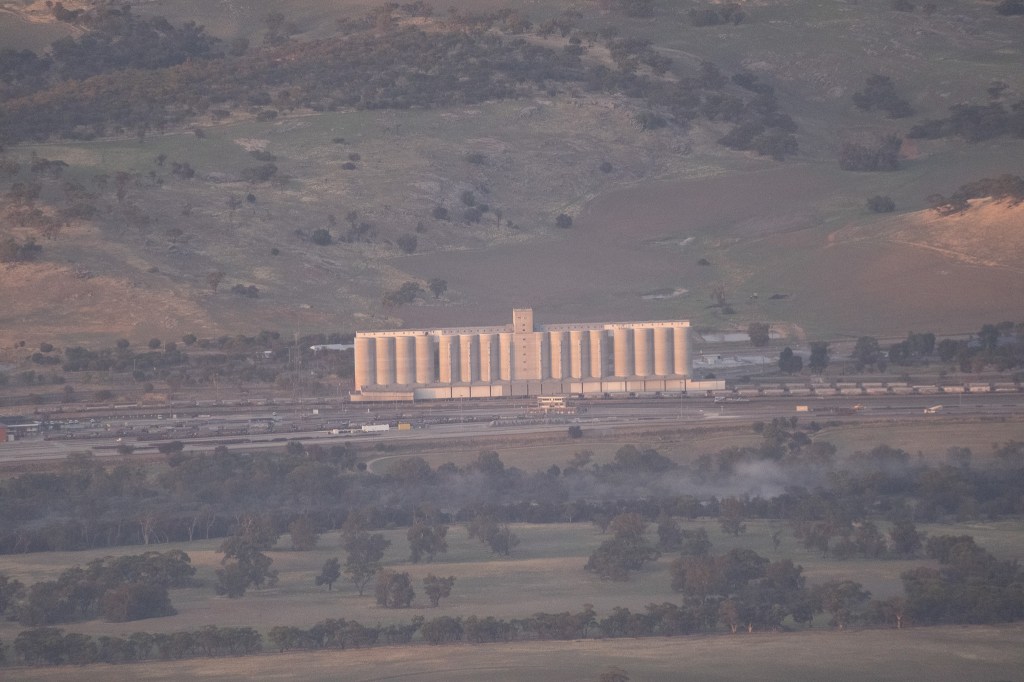
We take a right turn and cruise down the mighty Avon River following its path into town. The CBH silos look like Lego land from afar and parts of the low lying land are swathed in mist. Tiny houses and even smaller cars. I count swimming pools in back yards and feel like I am in a dream.

Before we know it, its time to find somewhere to land. The ballooners have an agreement with local land owners about landing and taking off from their paddocks. One never lands in the spot where you take off and one also never really knows where one is going to land! Consequently there is communication happening the whole time between balloons and the ground crew who are ready to drive to where ever we land and pick us up.

The cemetary was to our right and so too was a vast paddock inhabitated by sheep. That was our final destination. “We will land somewhere here” claims our intrepid pilot before reminding us of our landing stance. The ground was suddenly moving very fast below us, “Brace yourself!” The basket caught the earth and dragged across the ground, almost tipping over. Collective “oohs” and nervous laughter as we ground to a halt.

It’s hard not to jump out but we all remembered the warning “You are all ballast! If you jump out everyone else floats away!” so we wait as the ground crew secure the balloon. The second balloon hot on our tails swoops into the paddock herding a flock of sheep before it and disappears over the rise and lands not unlike our balloon. We laugh at their plight, not unkindly, but knowingly.

Now its time to earn our breakfast. The balloon has to be folded and put back into the box it arrived in. As a seasoned camper I know how these things go. When does any piece of camping equipment ever fit back in its bag?

The crew rally us to complete this final chore before we can get on the bus and head back to breakfast. Lift, push, fold, carry and repeat – suddenly its gone. The object of such incredible joy is a damp piece of nylon stuffed into a crate. I wouldnt fancy the job of taking it out and airing it . Does that happen? I wonder.

The life of a balloon pilot sure would keep you on your toes. Thanks for putting me back down safely on my toes. In the words of our pilot Nick “A balloon flight one walks away from is, indeed, a good one!”

What’s the skinny?

  • Northam is one hour + 20 mins (96 km) from Perth City
  • If you are hot air ballooning you must book in advance
  • Ballooning only takes place from April – October
  • Stay overnight at one of the hotels or camp grounds as you must be up at 4:30 am to go ballooning!
  • The Farmers Home Hotel does a banging pub meal and breakfast
  • There are two balloon companies operating from Northam – Liberty Balloon Flights and Windward Balloon Adventures
  • A two hour balloon flight will cost you around $350
  • While in Northam visit the Bilya Koort Boodja Museum – indigenous centre for cultural and environmental knowledge
  • Check out the silo murals on the outskirts of town

All in Day #8 Numbats & Egg Sandwiches

Numbat stalking in the Dryandra Woodland National Park in the Western Australian Wheatbelt

April 2023

Is there anything more delicious than a service station egg sandwich?  The white bread fresh and sinfully soft with egg mixed through with mayonnaise, so creamy and so right.  Pop the packet and reach for the sandwich with one hand while guiding the car with the other.

Damn you, egg sandwich, I missed the turn.  Glance in the rearview mirror and slow down to savour the eggy goodness of a service station sandwich. Then back on track covered in crumbs.

I am on my way to the WA Wheatbelt for a couple of nights of numbat spotting and woyley watching with my friend Elaine.  Numbats are diurnal so  it will be numbats by day and woylies through the night.

Arrive at camp and brush off the crumbs before making my home for the next two days.  Spend the afternoon chatting and relaxing – the sun is shining.

Burn-off smoke hangs low and obscures the sun turning it red – the same red as the breast of the Scarlett-capped robin I sighted earlier.  The robin had flitted into view tantalisingly close but not close enough to get with my big lens.

Ash falls like snowflakes onto our tents and rests on our sleeves before moving onto the next surface.  The burn-off season is here.  Ravens cry far off, and parrots squabble in the trees behind. The air is thick, so thick it tickles your throat.  Still no numbats and no sign of echidnas. Do they really exist in WA?

A generator bursts into life, cutting through the silence like a message from home.  Lawnmowers on a Sunday afternoon?

Day Two

Numbat safari – driving at snail’s pace, eyes scanning the bush on either side of the gravel road.  Foot hovering over the brake pedal.  Not sure what I am looking for, but I will know it when I see it. “There’s one!” I press the brake and glide to a halt.  5 km/hour, hardly the stuff of screeching halts.

I fumble for my camera – lens cap off, turn on the camera.  Numbat, small, striped and oh so delicate.  I was expecting them to be bigger, but there it is, 20cm in length, mouth filled with leaf litter.  She stops on top of a fallen log and looks around before scampering into the bush.  My only photo shows a whisp of tail disappearing from view.

The second numbat and I am ready.  Camera is on, lens cap is off and my finger is ready to focus and shoot. I capture her twice. Again, this one has leaves stuffed into her mouth and she poses for the camera and turns tail, stopping a short way away for a second shot, perfect camouflage.

Satisfied we complete the remaining 10 km of the 23km circuit slowly but not as slowly as the first half.

Back at camp, hail falls as the clouds charge overhead, black and looming, carrying fresh ice and fresh wind across the treetops and over the campsite below – our temporary home with plastic for walls and foldable furniture inside. Camping lacks substance but is substantially satisfying.

Another layer of clothing to warm against the impending weather. Will my tent leak?

Campers arrive and set up their temporary homes. Click clack, ladders up to houses atop cars. Chairs released from their bags, ready to receive bodies tired from travelling.  Most people keep to themselves.

So still, now the storm has passed, and the local birds emerge to peck at the bark and retrieve grubs. Small birds, flittery and fast. Stop still while I press the shutter – click whir – got you, little one.

Camp food – always the simplest ingredients that taste the best.  Salad and roast veg – leftovers from last night’s cook-up on the coals.  Pumpkin sliced and placed on freshly warmed wraps. Cheese, pickled onion, salad and Japanese mayonnaise. A sprinkle of sea salt with pepper berry from Tasmania and a scattering of fine black pepper – Saxa.  Balsamic glaze to finish off this fine meal.  I could live on wraps (and service station sandwiches).

Still no echidna despite my scanning the land for the tell-tale round forms moving back and forth.  Waddling awkwardly on clawed feet that extend sideways from prickly, furry bodies with a strange bill not unlike a bird’s beak.  They freeze when discovered and bury their beaks into the earth not unlike a 3-year-old child hiding behind her hands “I can’t see you!” Echidna where are you?

A nocturnal tour of Barna Mia.  Red torches so as not to harm their eyes.  Small hopping marsupials, some that no longer exist in the wild, surround us.  Cheeky possums (hardly endangered) join in and feast on chopped fruit.  Families of restless children surround the animals preventing the shy Bilby from appearing.  A glimpse of her from behind, big ears and a fluffy tail – like the Easter bunny – elusive. Then gasps as travelling “stars” appeared to cross the nightsky in a row. False alarm it was only Elon Musk.

The next morning is so cold it’s hard to get out of bed.  Birds everywhere – the sudden appearance of the Rufus tree-creeper – a menacing name but they look so fluffy and sweet-natured.  Little fat feathery bodies topped with small sharp beaks and soft brown eyes.  They sit on damp logs absorbing the sun and occasionally pecking at bugs. They creep up the tree trunks just like their name suggests.

Pardalotes, Scarlett capped Robins, Djidi Djidis, Wattle birds and Shelduck swoop through camp posing left right and behind – cheeky glances over their shoulders.

Packing up under the threat of a looming shower. Neatly folded chairs, tables and tents slide into spaces and bags not made for the return of their occupants.   Doors slam and hold everything in for the trip home.  Fire extinguished to prevent the spread and firewood abandoned for the next inhabitants.

A fulfilling two days.  Now, where is the closest service station?

A version of this post has been published on the We Are Explorers website.

What’s the skinny?

  • Egg sandwiches are best when made with soft white bread and lots of mayonaise (imho)
  • Dryandra Woodlands National Park is 175 km (two hours + 10 minutes) from Perth.
  • The camping is a first come first served basis. No booking
  • There are two main camp grounds – Congelin and Gnarla Mia
  • Take everything you need including water – no potable water is available at campsites
  • Lions Dryandra Woodlands Village is an ex-forest department settlement for logging families. Cabins and dorm style accomodation can be booked online.
  • Numbats are diurnal – they come out during the day.
  • Barna Mia Nocturnal Nocturnal Wildlife Experience is well worth a visit. Bookings before you leave Perth recommended.
  • Mobile coverage is hit and miss – download maps before you leave Perth.
  • The nearest town is Narrogin – 40 km away
  • The wilman Noongar people are the original inhabitants of this land.