

Where possible. I always prefer train travel when exploring Europe. I’ve done the hire car thing a few times but find it stressful; trying to park, paying for parking and the whole ‘driving on the wrong side of the road’ business. I love a slow-travel experience, the downtime for writing and reading, and just watching the landscape speed past. Olive trees, grape vines, and Tassie blue gums swishing past in a swirl of muted greens. Hay stacks, cows and sunshine! All while sipping a cold Estrella and gnawing on some jamon and kicking back. It’s the summer daydreams are made of.

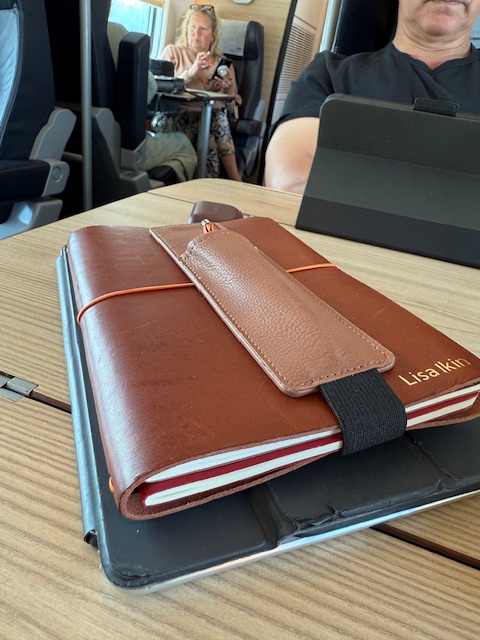
On a recent trip to Spain and Portugal, I set the itinerary to the train timetable and chose stopovers according to their ease of access to train stations, connections, and points of interest. Being our first trip to Portugal, we planned to visit the major cities of Porto and Lisboa, but as I’m ever the bird nerd and nature-nut, I also wanted to hang with the birds and lose myself in wilderness.


For the Algarve part of our trip, we chose Faro. Firstly because it was a single two-hour train journey from Lisboa. Two hours being the optimum time for train relaxation and people watching. Faro, or Cidade de Faro is the southern most city and capital of the district of Faro. It forms part of the Algarve region and from my research had some interesting historical points.
The area was known as Ossonoba in the 4th Century BC and it was the most important urban centre of southern Portugal; a commercial port for agricultural products, fish, and minerals. Later came the Romans, then the Byzantines, and then the Visigoths, before the area was conquered by the Arabic-speaking Muslims known as Moors in 713.
From the third century onwards and during the Visigothic period, it was the site of an Episcopal see, the Ancient Diocese of Ossonoba (306-688). The Byzantine built the towers of the city walls during the Byzantine period. Following 500 years of Moorish rule the Moors were defeated and expelled in 1249 by the forces of the Portuguese King Afonso III. The rest they say, is history and a very rich one it is!
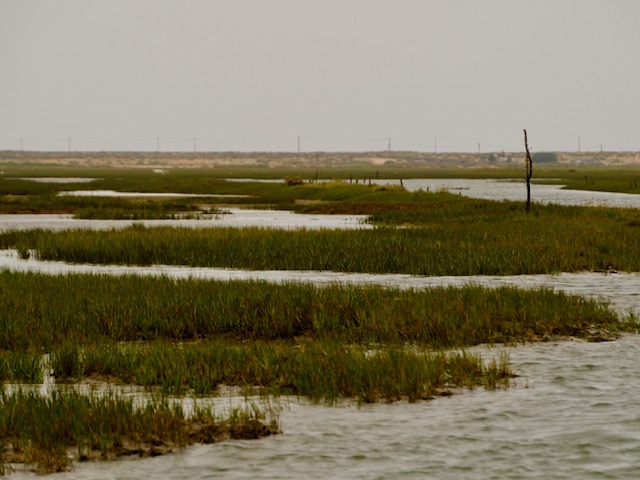
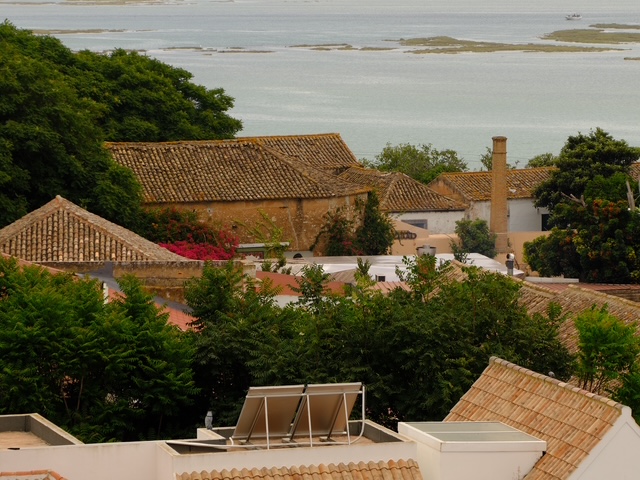
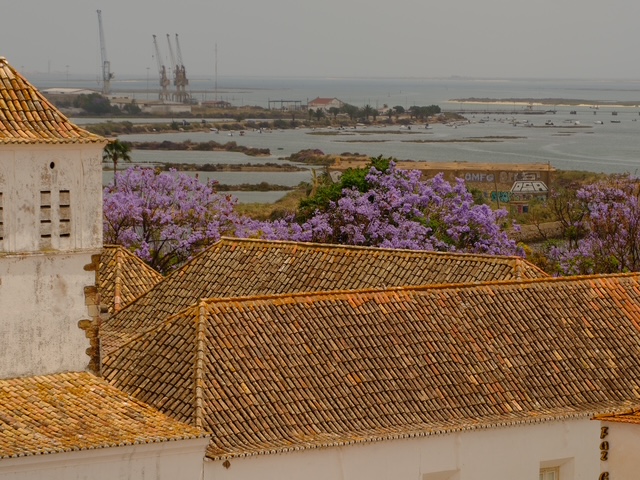
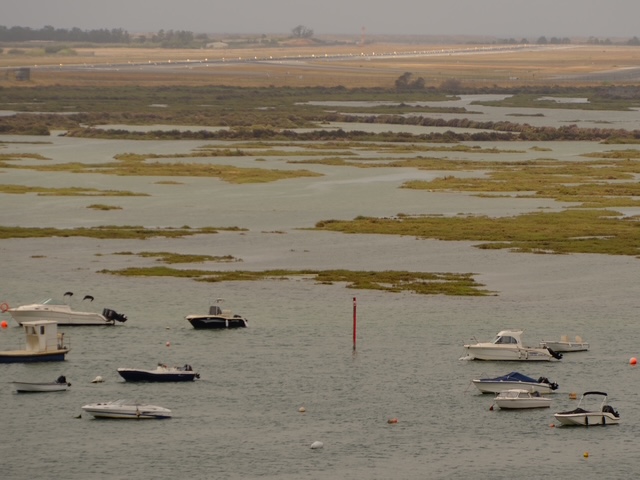
It’s also right on the shores of nature-lovers Parque Natural da Ria Formosa. The Ria Formosa (Beautiful Estuary) is an estuary park of natural canals, islands, marsh lands and sandy beaches. The park extends 60 km along the coast. It’s home to a diverse range of flora and fauna, including hundreds of species of birds, marine mammals and shellfish.
My first impression of Faro the town on the short taxi trip from the train station to our accommodation? I had an instant and overwhelming urge to get back on the train and continue to the more popular tourist destination of Lagos. I had my phone out searching for train fares to Lagos before I had even given Faro half a chance. Which is not like me at all to have such a visceral reaction to a place.
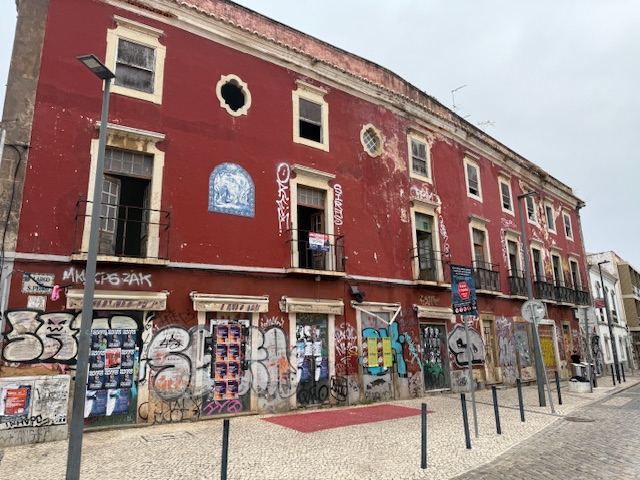
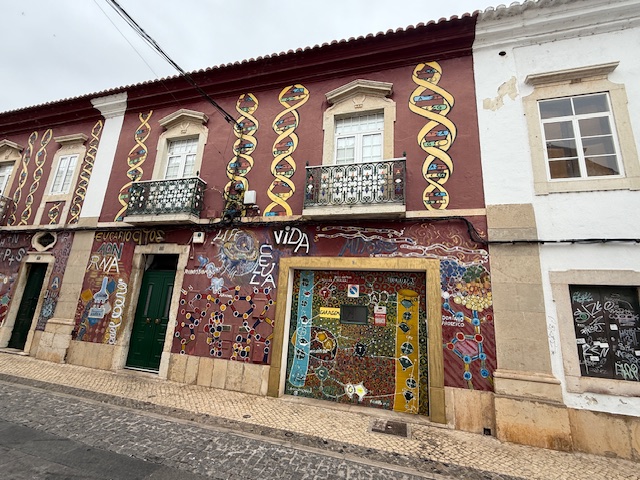
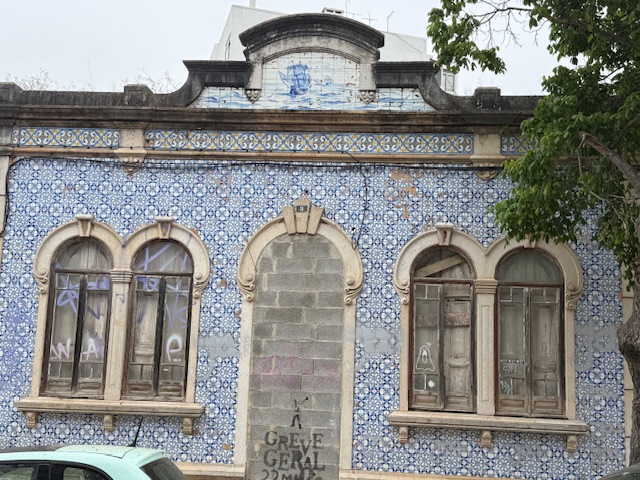
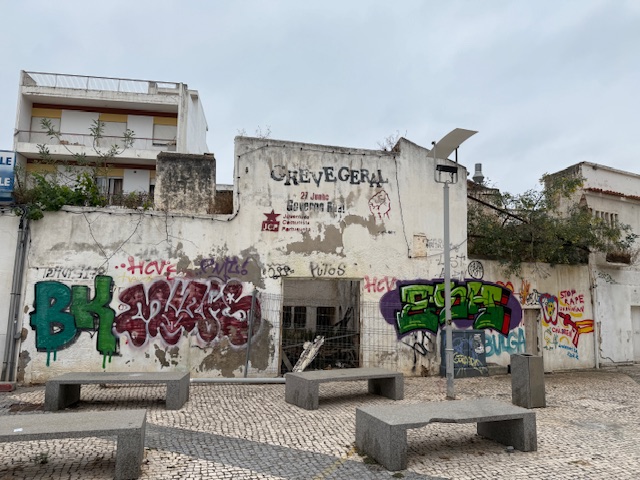
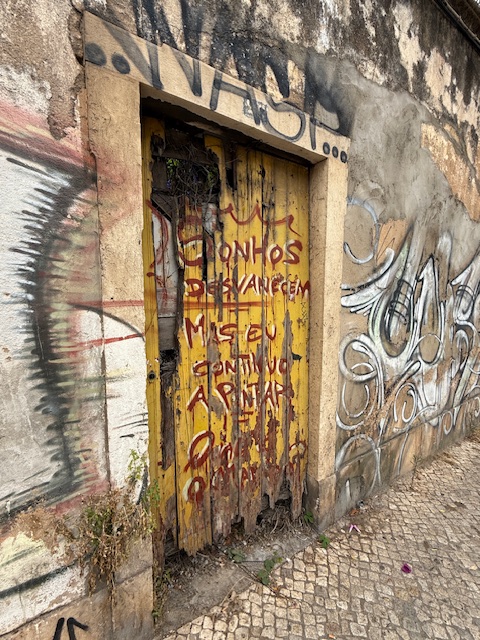
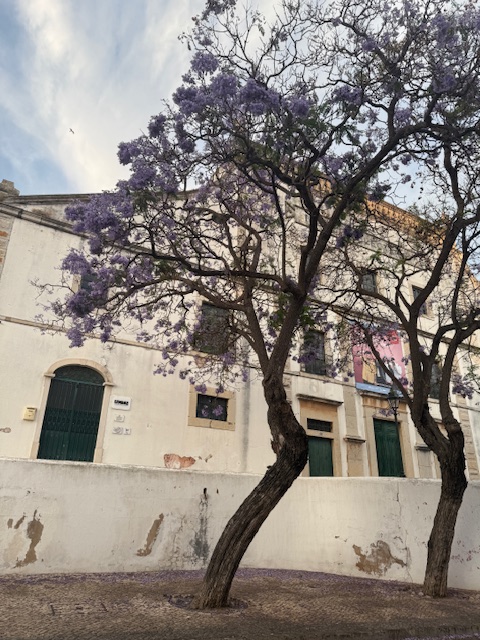
Like many towns and cities in Portugal old buildings in Faro are in a state of decay and because Faro is a small town/city it was shocking that such a large proportion were in ruins and not just one or two buildings in a street. Entire streets of buildings had been consumed by graffiti and were turning to rubble; centuries old and now irreparable. Quite beautiful in a warzone kind of way.
When I spoke to one of the locals about this later, he said despite there being an accommodation crisis in Portugal, houses fall into disrepair when the older generations pass, and their children and grandchildren don’t have the money or the will to restore or maintain the ancient buildings. Some of them are also owned by the state who also have no intention to restore them. Portugal has some grand architecture and it’s sad to see it so bereft.

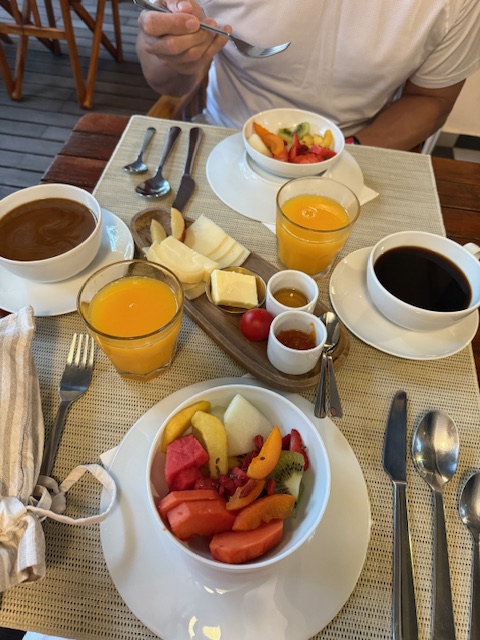
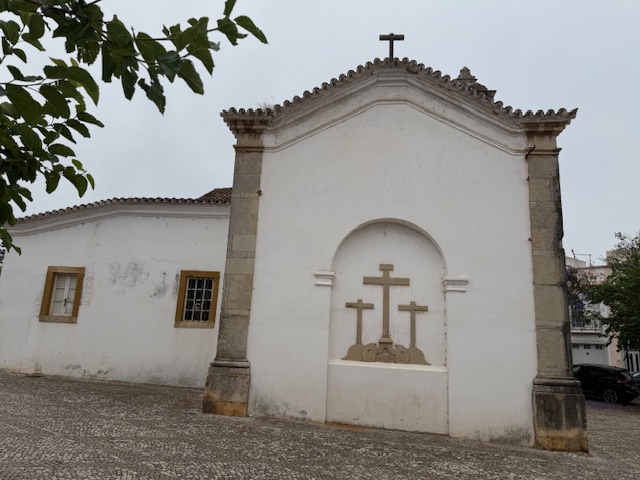
Once my partner and I settled into our gorgeous accommodation, Lemon Tree Stay, a cosy bed and breakfast surrounded by tumbling down structures on all sides, we went to explore. The old town is fortressed by the obligatory ancient stone fortress walls and paved with beautiful mosaics. The paved streets took us away from the decay of the abandoned buildings and I could see Faro had another side. A side where wealthy American and European tourists could dine out and shop at high-end shops. Such contrast.
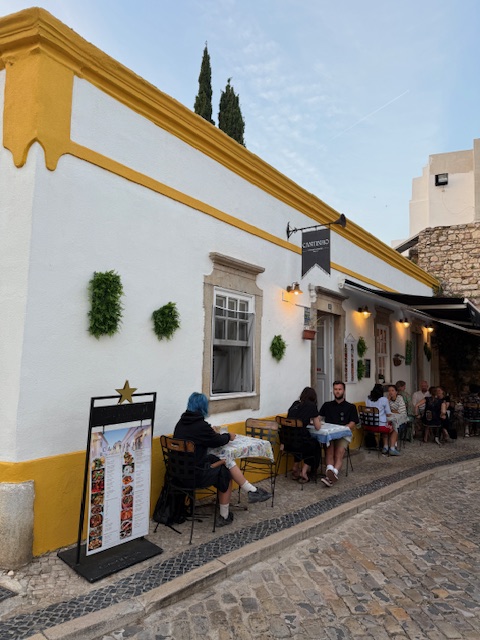
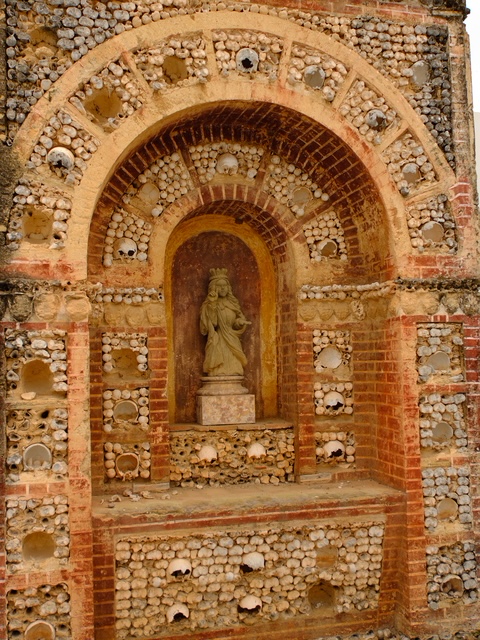
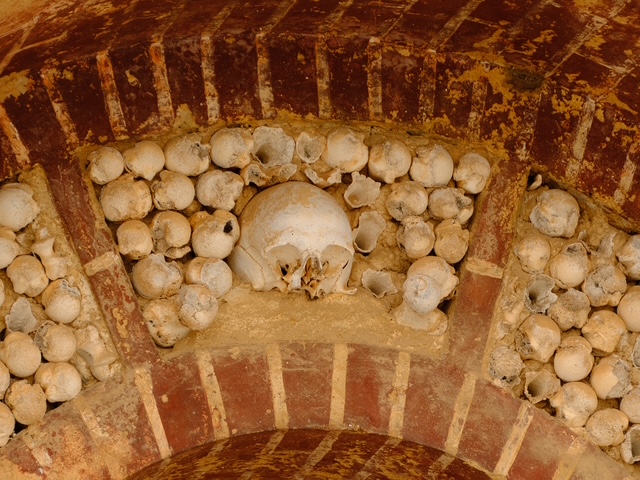
What we discovered over the days we spent in Faro was a town of beauty, history and contrasts catering to a range of tourism styles from the tourist seeking Michelin star restaurants and oysters by the sea, to the tourist seeking small bars and churrascarias (local grill restaurants) and a more authentic experience where locals hang out. It was in the back streets that we eventually discovered the most amazing piri piri chicken. The old buildings and churches including the macabre Capela dos Ossos (Bones Chapel) are worth a look. Most restaurants in this part of the town cater to seafood lovers.

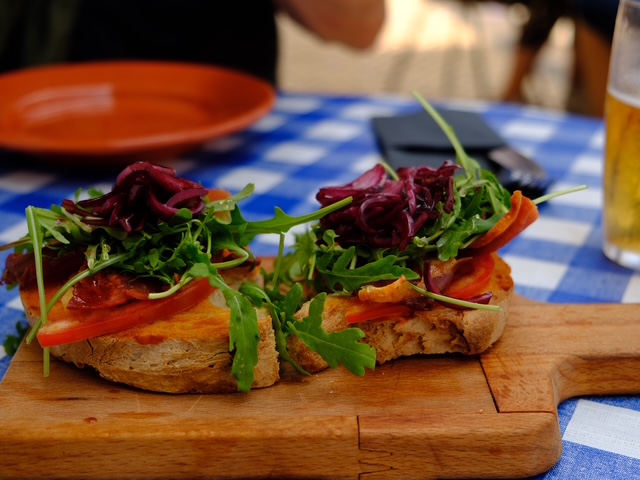

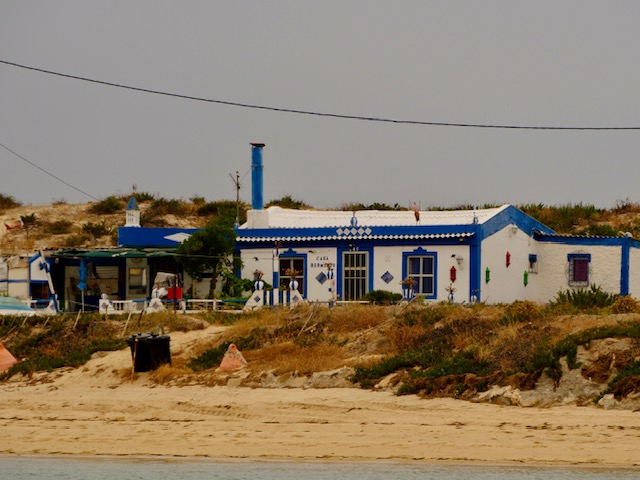
For our first meal, my partner and I found a local bar where we ordered a plate of mussels, cheese and olives. The Casa da Ginja Bar in Faro is the place to try the local cherry liquor, Ginja, a sweet drop served in a small dark chocolate cup to be eaten after you have drained it. So we decided it was mandatory to have one to start with and then one to finish. It certainly put a warm glow on my initial impression of the town.
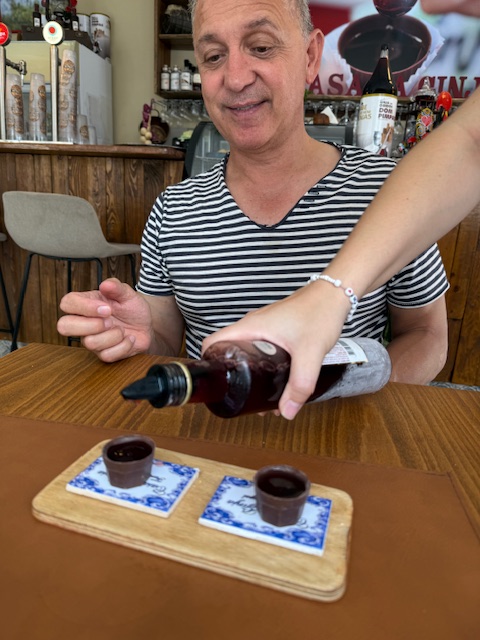
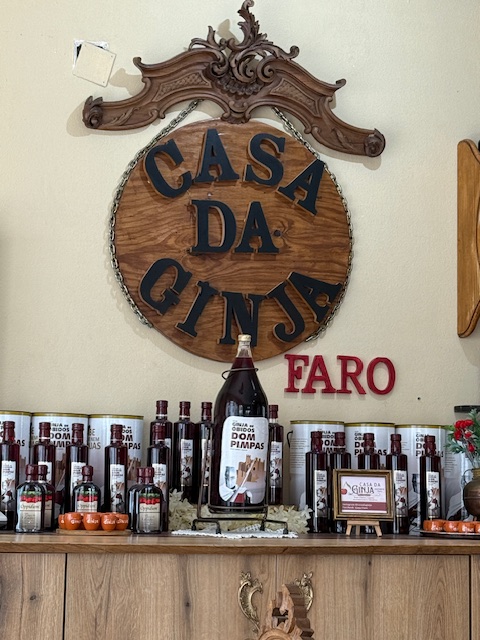
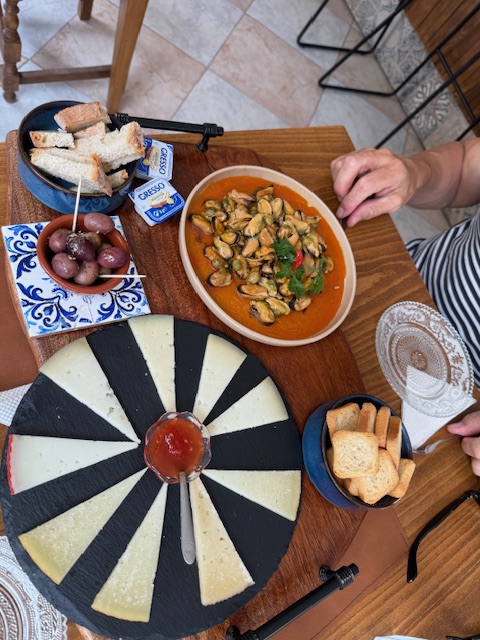
Following our feast and warmed by the Ginja I canceled the hastily booked train tickets to Lagos, and we decided to give the town a chance and explore as far and as wide as we could. We were not disappointed.
I knew the Ria Formosa Natural Park was right on our doorstop so I booked an eco-tour on a solar powered boat the next day to go birdwatching and get out to the beach which is not immediately accessible to Faro – there was some legwork and a boat ride required to get there. The morning of our boat trip we woke to drizzling rain, not ideal for birdwatching or beach combing, but I was excited to get into nature after spending the last eight days in the big cities of Porto and Lisbon. So, we packed some delicious tuna empanadas from the local supermarket, the obligatory tarts and some drinks for our four hour adventure.
Faro is the site of one of the largest international airports in Portugal so it was not absolutely peaceful out on the water with a constant stream of planes taking off and landing right overhead. I got the feeling our guide was not a fan of the airport traffic but he was being very diplomatic about it. Consequently we got some pretty crazy views of the big metal birds. A great spot for plane spotters!
We were lucky to be only two of three passengers on our eco boat. Us two and a lovely German tourist in Faro for a long weekend. Our knowledgeable guide, a lovely local man who had a passion for birds and the region, kitted us out in life jackets and gave us a set of binoculars before firing up the silent motor. We noted the cloud cover hadn’t cleared, but adventure was afoot and the weather waits for no one!
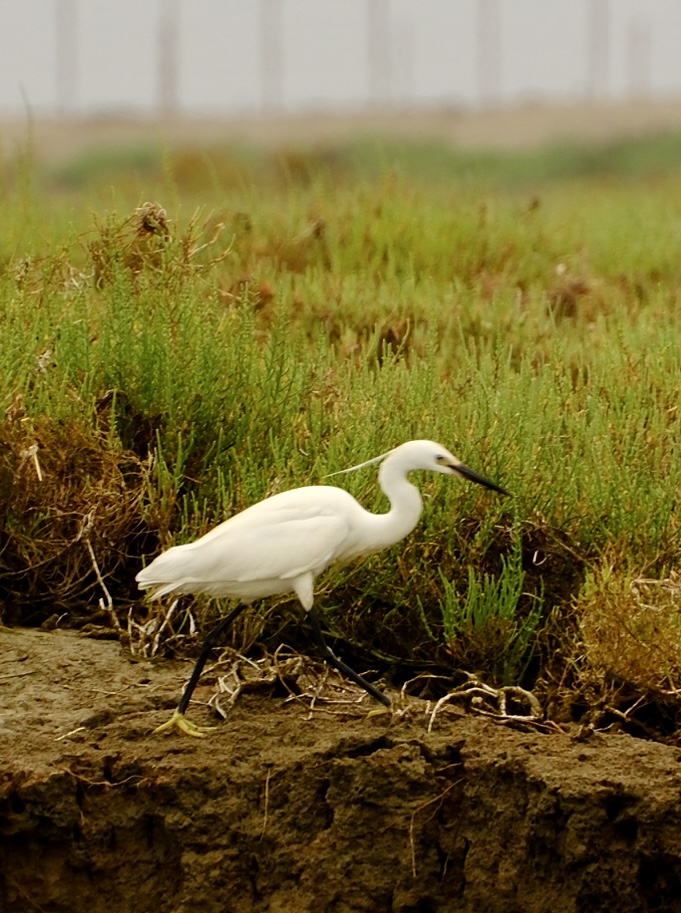
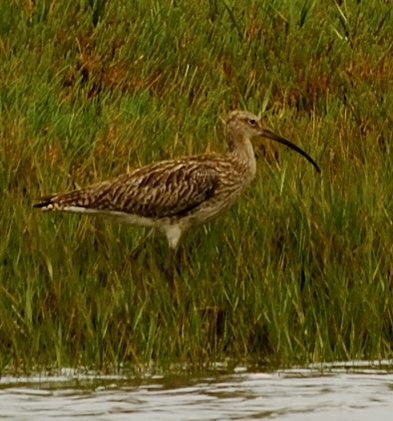

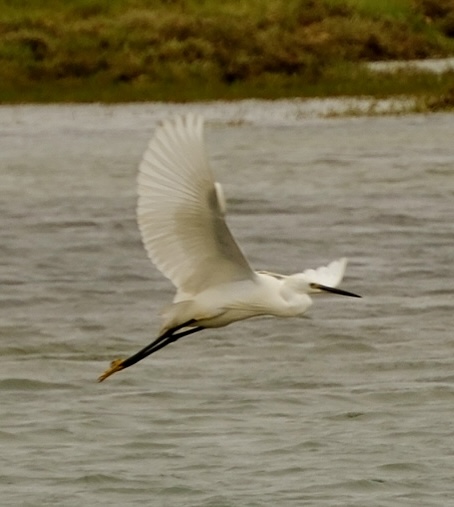
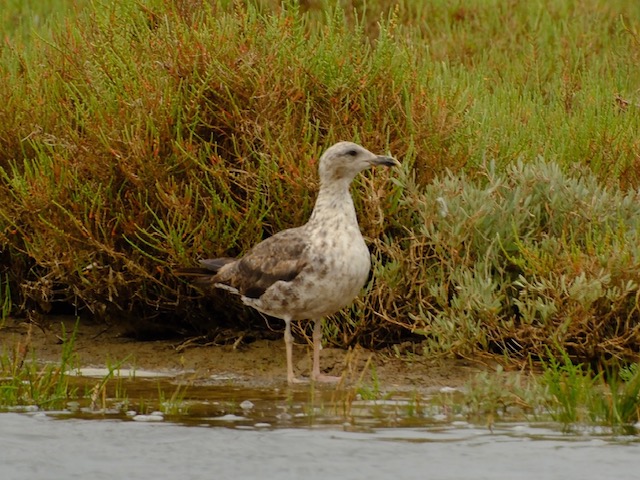

We didn’t have to glide too far before our guide pointed out our first bird, a white heron striding across the flats followed by a gull or two. We zoomed in close to the muddy islands where fiddler crabs waved their white claws at the boat almost like they expected to be rescued. Our guide informed us that locals harvest the claws from these crabs but not to worry because they regenerate! I wondered why the crabs haven’t learned to stop waving their tasty claws around. The Ria Formosa is a salt marsh affected by extreme tides. The hardy salt-tolerant Sarcocornia perennis disappears under water at high tide and emerges again into a soft island-like landscape.
Oyster buoys were scattered throughout the area, but our guide informed us that Portuguese don’t eat oysters as they can’t afford them and the ones we could see were grown by the French for French restaurants and general consumption. “And why are they grown in Portugal and not France?” He asked us. I jokingly replied “because Portuguese water is better” and he nodded his head sagely. But of course.
The birds appeared from all angles now. We saw a pair of Shell Ducks with 12 ducklings struggling against the swiftly turning tide; a black beaked gull (our guide was super excited about this one) and some swooping little terns catching fish. As we reached the quiet beach with golden sand and dunes covered in grasses and plants, our guide said he would leave us here for 50 minutes so we could explore and hopefully see nesting terns. He warned us to stay well back from nesting birds. The water was cold as we stepped off and despite my resolve to swim in the vast North Atlantic Ocean, I settled for cool toes and the soothing feel of course sand beneath my feet.
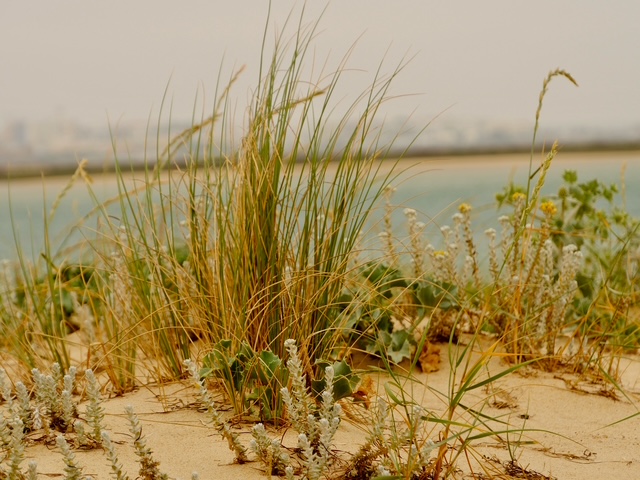
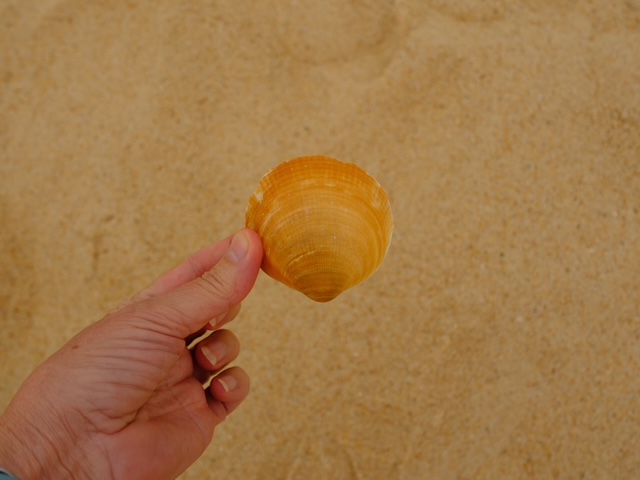
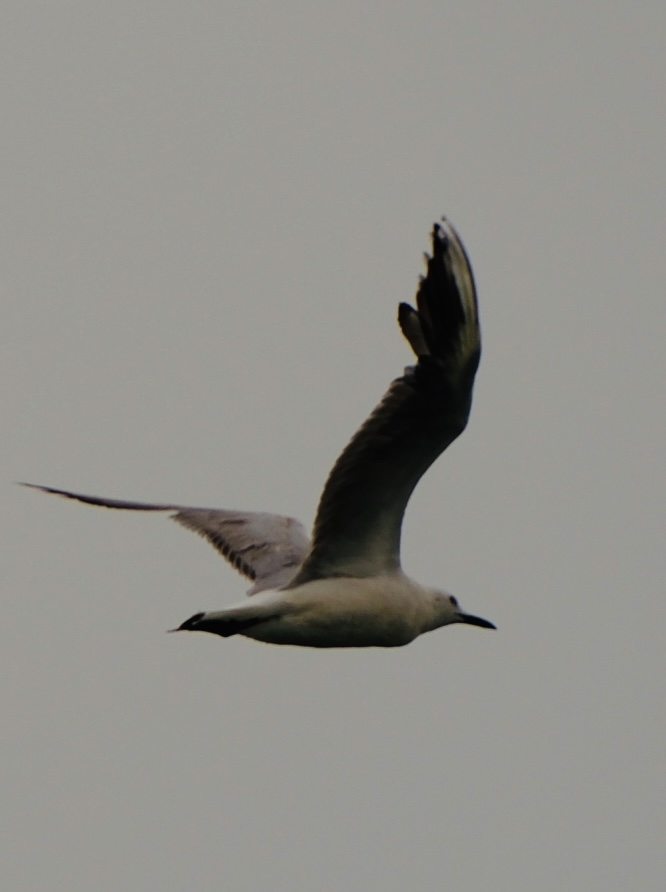

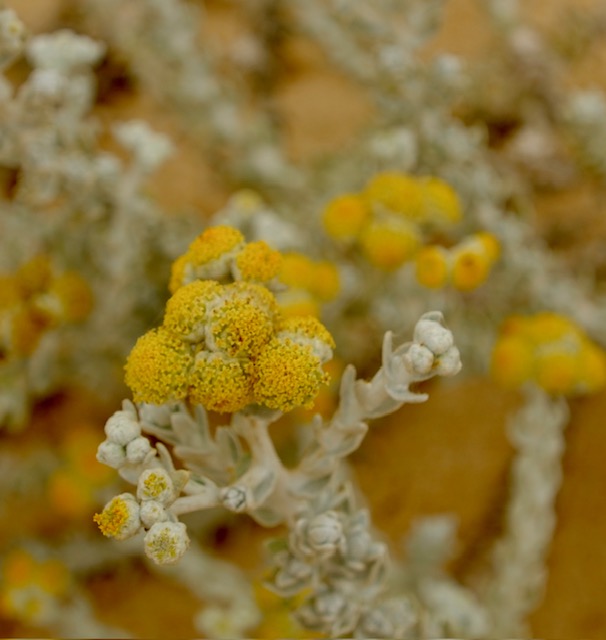
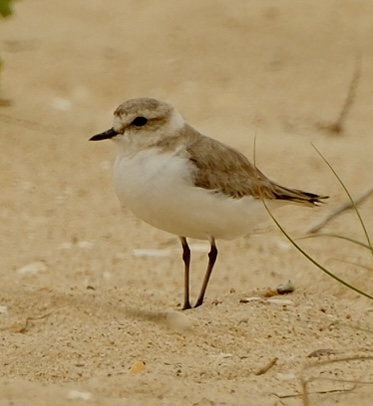
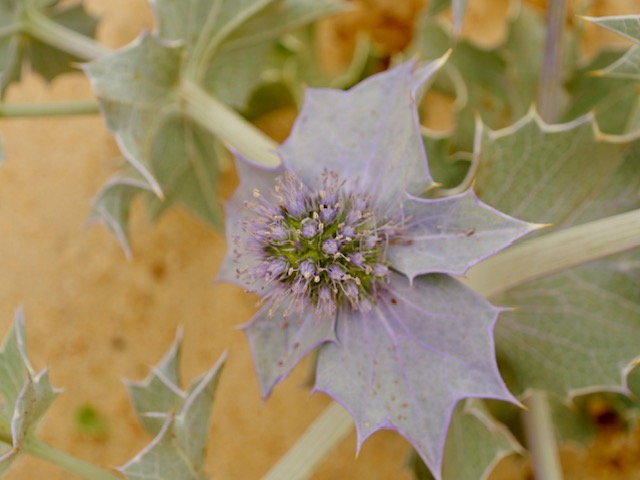
As a beach lover, this part of the trip really floated my boat. I am always happy with the wind in my hair and the sand underfoot. We found the nesting terns and viewed them from a distance as they wheeled and swooped. I stopped and took photos of the unusual dune plants before we turned to make our way back to the boat. Just before we got back to our craft, I sighted a small Kentish plover on the dunes and quickly snapped some shots. Our guide who had stayed back to have his lunch was impressed that we had found another species without his local knowledge.
The return trip was very different. By this stage, the tide had turned and all the green ‘islands’ we wove through on our way out had disappeared under water. So too the unsightly plastic oyster buoys. The current pulled us back to shore as our guide continued to point out species of birds. He informed us we wouldn’t be able to disembark in the same spot we boarded because the bridge we came under was now too low for our boat to pass. So we headed back to a jetty on the outside of the mariner.
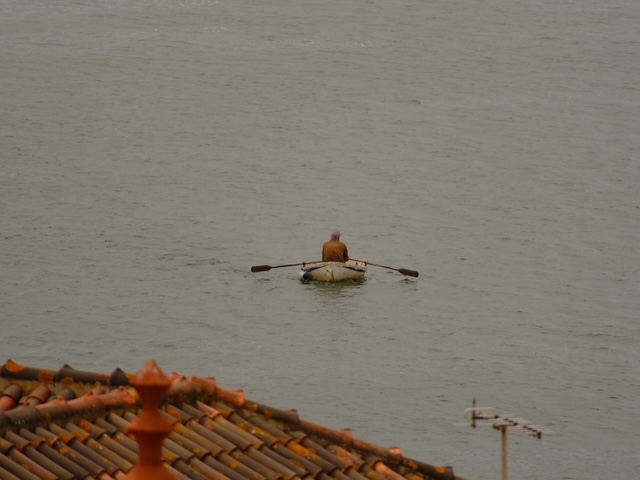
Before we disembarked, our guide informed us that despite the cloud cover, we had exceeded expectations and had a very good day of bird spotting with 16 species seen in all. I was happy with the morning’s bird sightings because as all birdwatchers know, sometimes you see many birds, sometimes you see none. My only regret was not seeing the flamingos that live a little further around the coast. It looks like I may just have to return.
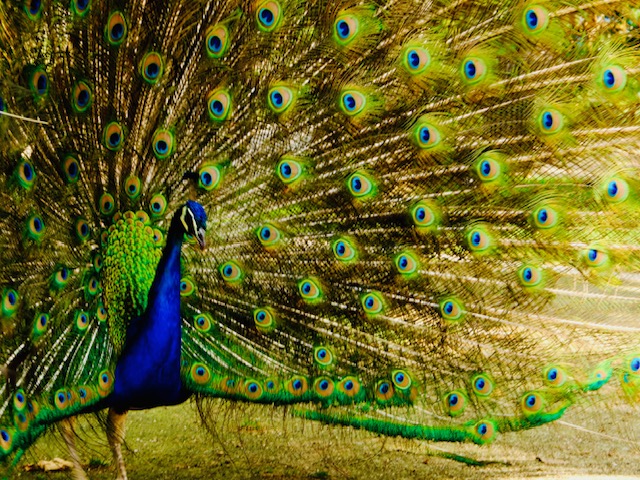
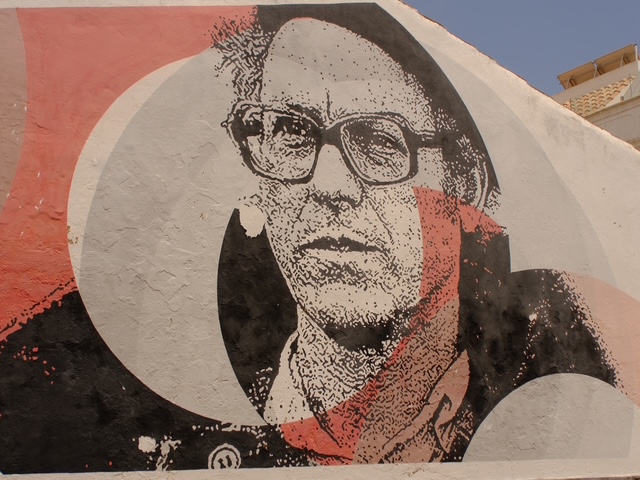
We spent the rest of the day exploring the parts of Faro we had not yet explored. We found a big park with some exhibitionist peacocks all vying for some disinterested female peahen’s attention. We were impressed though. We also visited the local library where famous Faro poet, António Ramos Rosa (1924 – 2013) is featured in a small exhibition of his works and a mural of his face. He was very much a revolutionary who was once arrested for his beliefs and the part he played in the forming of the movement Movimento de Unidade Democrática.
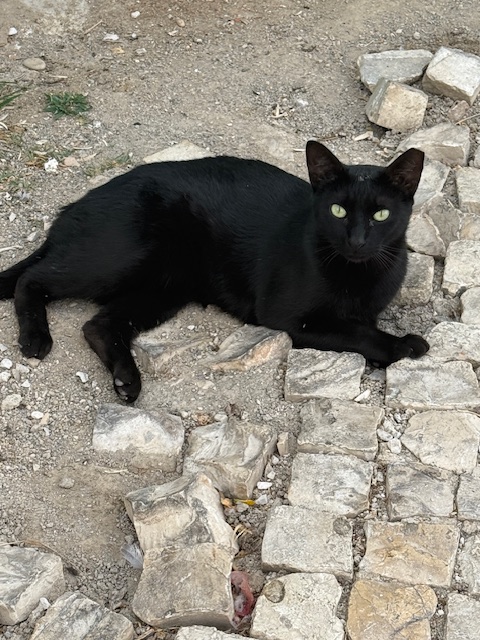
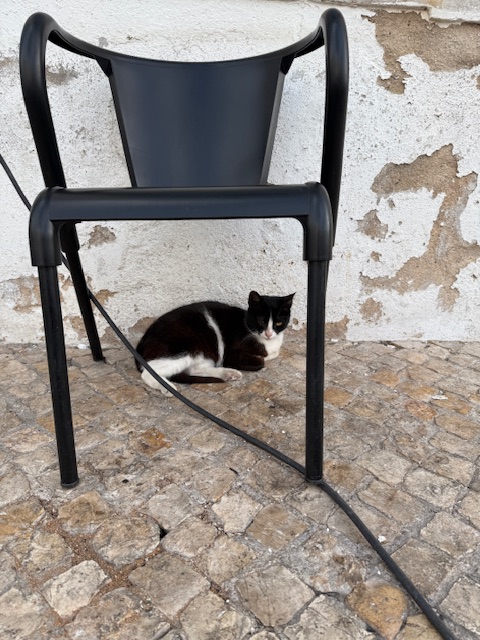
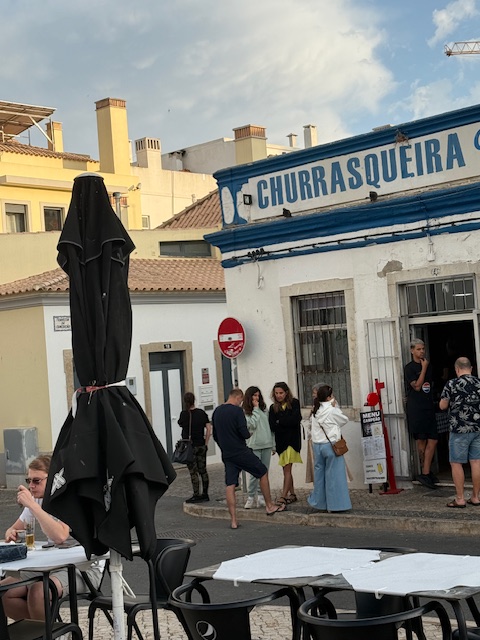
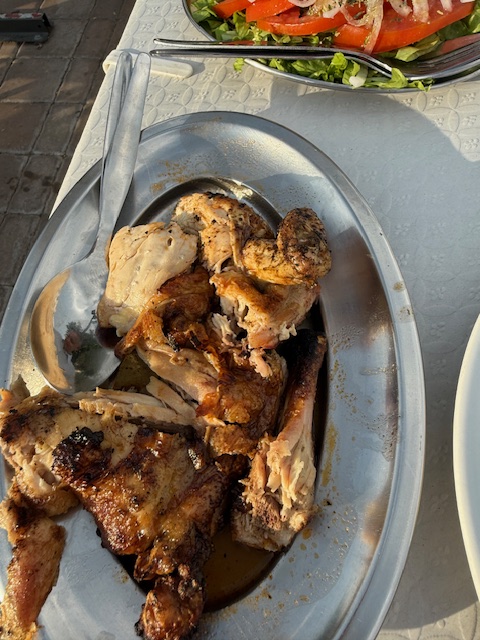
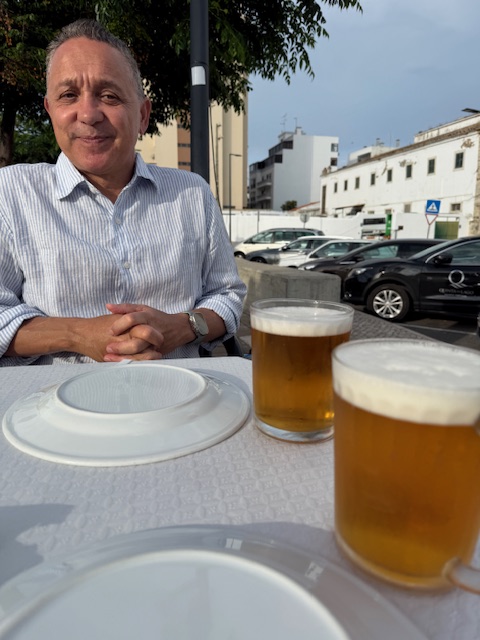
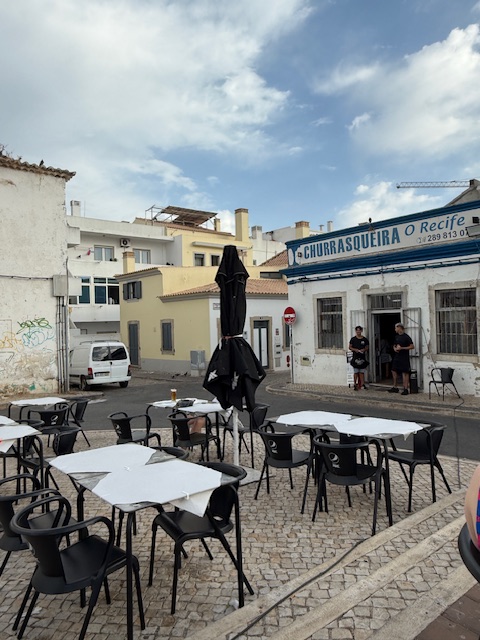
Later that evening we went off in search of piri piri chicken, a dish that tourism guides had informed us was a speciality in this region. We left the paved streets of the ‘old town’ and set forth into the back streets to find a grill restaurant. Turns out we didn’t have to stray far and our noses were correct in picking up the delicious smell of grilled chicken at the popular Churrasqueira O Recife. We had a meal like no other – two generous serves of spicy chicken with fresh salad and fries, all washed down with a huge mug of beer. The constant stream of people including the local cops who came to pick up takeaway and dine at the grill, along with the local cats and pigeons kept us entertained.
When we left Faro the following morning to go Entroncamento via Lisbon, before we headed back over the border into Spain, we were sad to leave because despite first impressions this town had grown on us and I will ever remember it as Faro-dise!
 All in a Day Adventures