SUPing Around 2

As the sun goes down on another year here are some more paddling locations to try in 2026

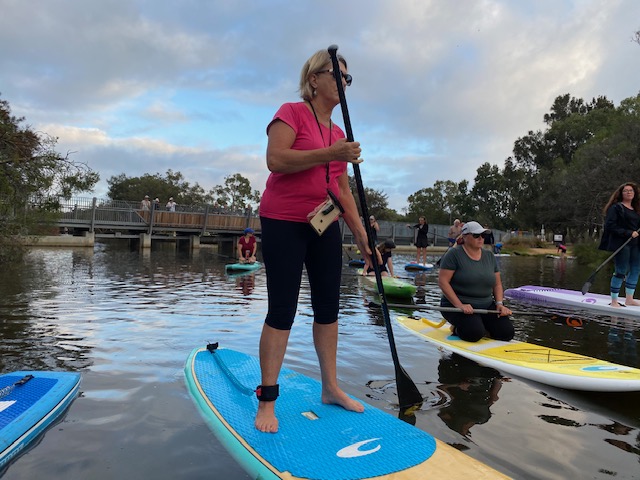
Happy post-Christmas SUPers!  I hope ‘Sack Daddy’ (or Mummy) was kind and you scored some nice paddling gear for Christmas. I was treated to a few new dry bags (like I need any more!) and I got out on the water for a long-awaited paddle last week.  

I even got my partner out and that’s a mission on its own. I lured him out to have a go on my Red Equipment inflatable. He was impressed.  There may be another Red in my paddle stable before too long 🙂

As promised here are my next lot of paddle locations around Perth:

Kent Street Weir/Canning River Regional Park
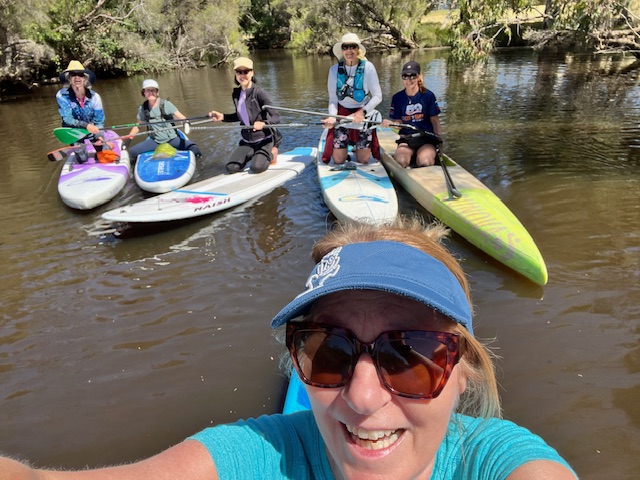
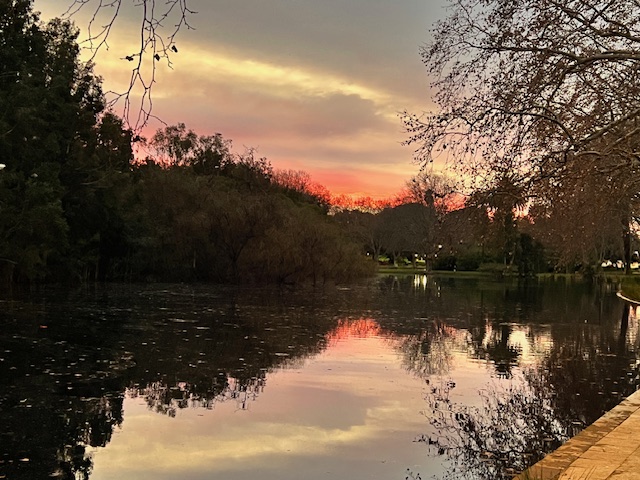
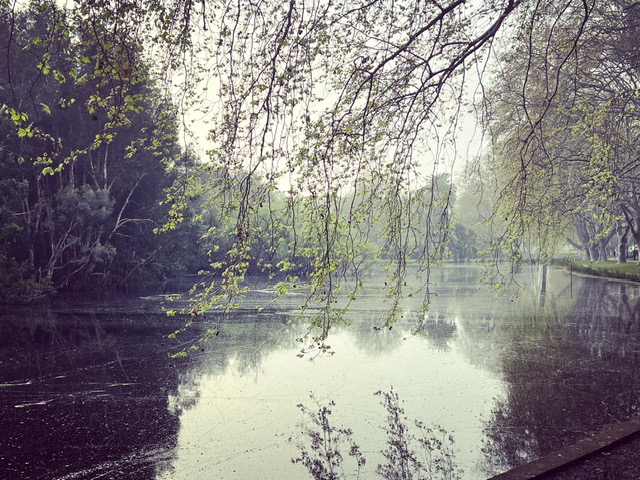
Kent Street Weir is one of my all-time favourites.  I usually save this one for winter or spring days.  The push-off point is in Canning River Regional Park.  The beauty of this spot is that you have choices.  Up-river for a leisurely paddle into the upper-reaches of the Canning River.  I have paddled 11.22km up to Roe Highway before turning around, or as far as I could before the water became too tangled with sticks and reeds.

I also returned the following weekend (because I don’t ever say die)  to see if I could start further up with my inflatable and make my way down.  Once again, I was foiled by sticks, snags and shallow water, but I had fun trying!

Down river from the weir is a whole other experience with the river expanding as you get further towards the Swan River.  I’ve paddled down as far as the Leach Highway (about 3 km one way) to have coffee at Lo Quay River Cafe right near the bridge before paddling back up.
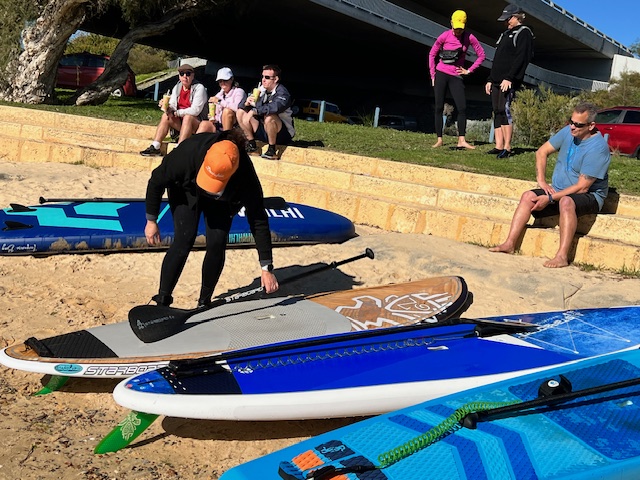
Lo Quay River Cafe near Leach Hwy Bridge

💦Kent Street Weir is an easy launch spot and has plenty of parking – drop and park is available close to the entry.

💦Public toilets and a fantastic cafe on site for post-paddle eats and coffee.

💦Popular with mostly kayakers

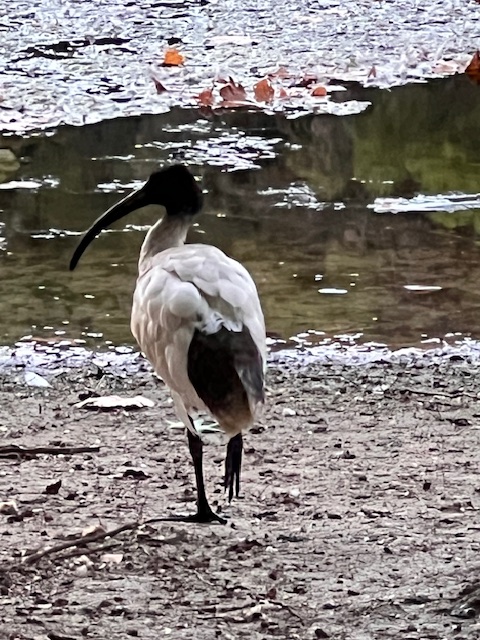
💦Birdlife and spotting is brilliant especially in Spring when the darters and cormorants are nesting (fluffball alert)

Matilda Bay, Nedlands

Matilda Bay is a popular picnic spot so parking is not always guaranteed close to where you want to paddle from.  The water in the bay is generally calm. But on a windy day it can be relentless. This is not my favourite spot to paddle unless it’s dead calm.
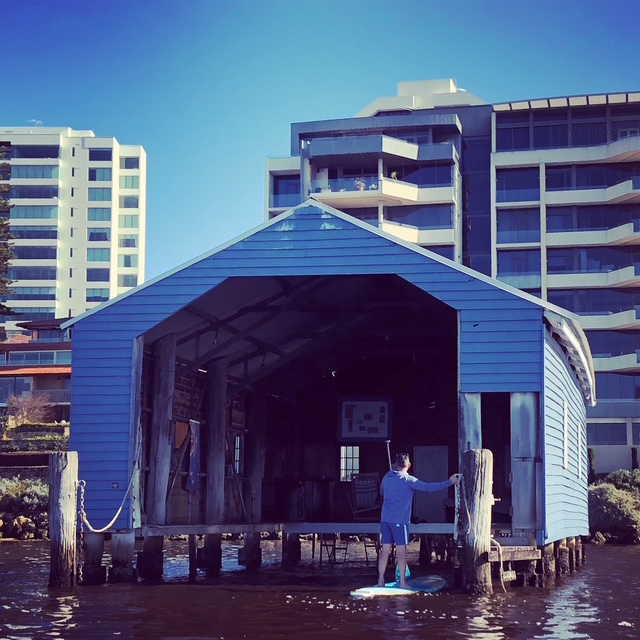
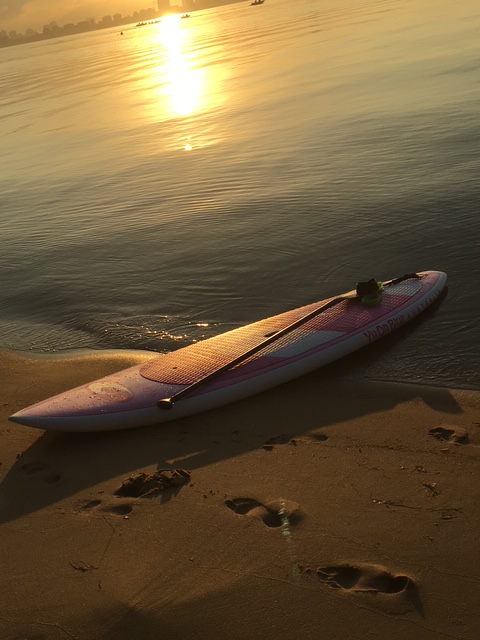
A nice paddle is up around the blue boat shed, an iconic Perth landmark built in the 1930s and much photographed,  and Eliza the bronze statue just to check out what she might be wearing!

💦The beach at Matilda Bay is easy to launch from

💦Toilets and changerooms available 

💦A great spot for a BBQ and a paddle – free gas BBQs on site

💦Cafe open on weekends

Garratt Road Bridge

Garratt Road Bridge is my go-to spot to launch. It’s close to where I live and  I spent many years rowing from ANA Rowing Club so I know this part of the river intimately.  It’s a super busy spot with kayakers, rowers and people enjoying the riverside but I have never had a problem parking or launching from here.
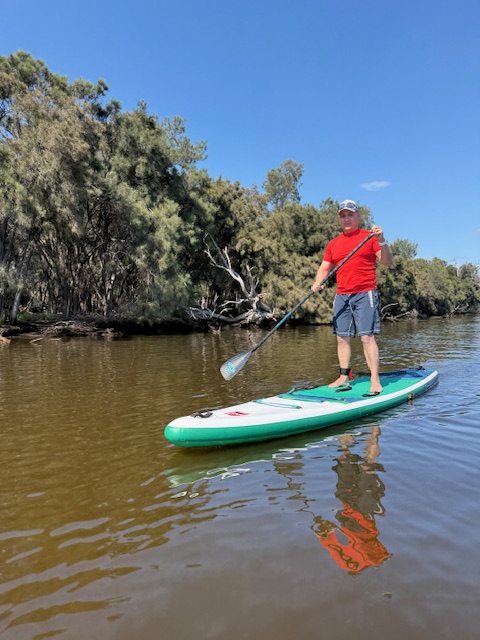
Up river or down river?

You can choose which direction you go depending on the wind.  Down river towards the city is Kuljak Island – once you get under the Garratt Road bridge paddle about 200 m and turn left.  This little loop is one of the most peaceful paddles I know. Bird life is prolific. You can keep going under the bridges (planking may be required when the water is high) and come out the other end to loop back via the main river or turn around and paddle back the way you came.

Up river, I usually head under the Tonkin Hwy bridge.  Turning around at Garvey Park gives you around a 4 km round trip or you can continue up as far as you like.  Ascot Kayak Club just past  Ron Courtney Island is a great spot to stop for a coffee when the cafe is open.  There are toilet facilities there also.

And if you want to keep going, Sandy Beach Reserve is another lovely spot to pull up paddles.  Coffee vans are usually onsite on the weekends and toilet facilities are available. If you have littles, the playground there is pretty cool also.

💦The beach at Garratt Road Bridge is easy to launch from – beware of some submerged drains/rocks towards the bridge.

💦The cafe here is amazing and a great spot to have breakfast and coffee

💦Toilet facilities available

💦Parking is always available

Maylands Yacht Club

Maylands Yacht Club is a great spot to set off from and go left or right.  I have paddled to the left – up river but only on a couple of occasions.  I am usually joining the breakfast paddlers if I launch from the yacht club, and it’s usually early.
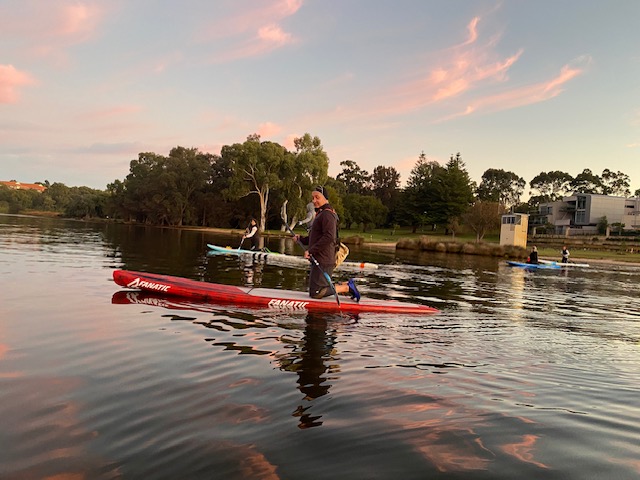
From launch to Claisebrook Cove is around 2 km. The Brekkie crew like to be on the water by 7:00 am, a leisurely breakfast at Partisan Cafe and paddle back to Maylands.  Usually done and dusted by 9:00 – 9:30.

Breakfast ‘must remembers’:

💦A leash to tie your board up at the end and for safety

💦Card or cash for eats and coffee

💦Don’t leave any valuables in your car

Another Maylands Yacht Club paddle worth doing:

The bridge’s paddle around Heirisson Island is a good solid paddle of about 8.5 km. A good one to do early so you don’t get caught in the seabreeze as you round the island. Keep your eyes peeled for kangaroos!
If you missed the first SUPing Around it’s below! Until next time. 🙂

Looking for SUP lessons Nicki is back on the water for Summer!
https://perthsupschool.com.au/

Goomalling & Biosphere Boodja 2025

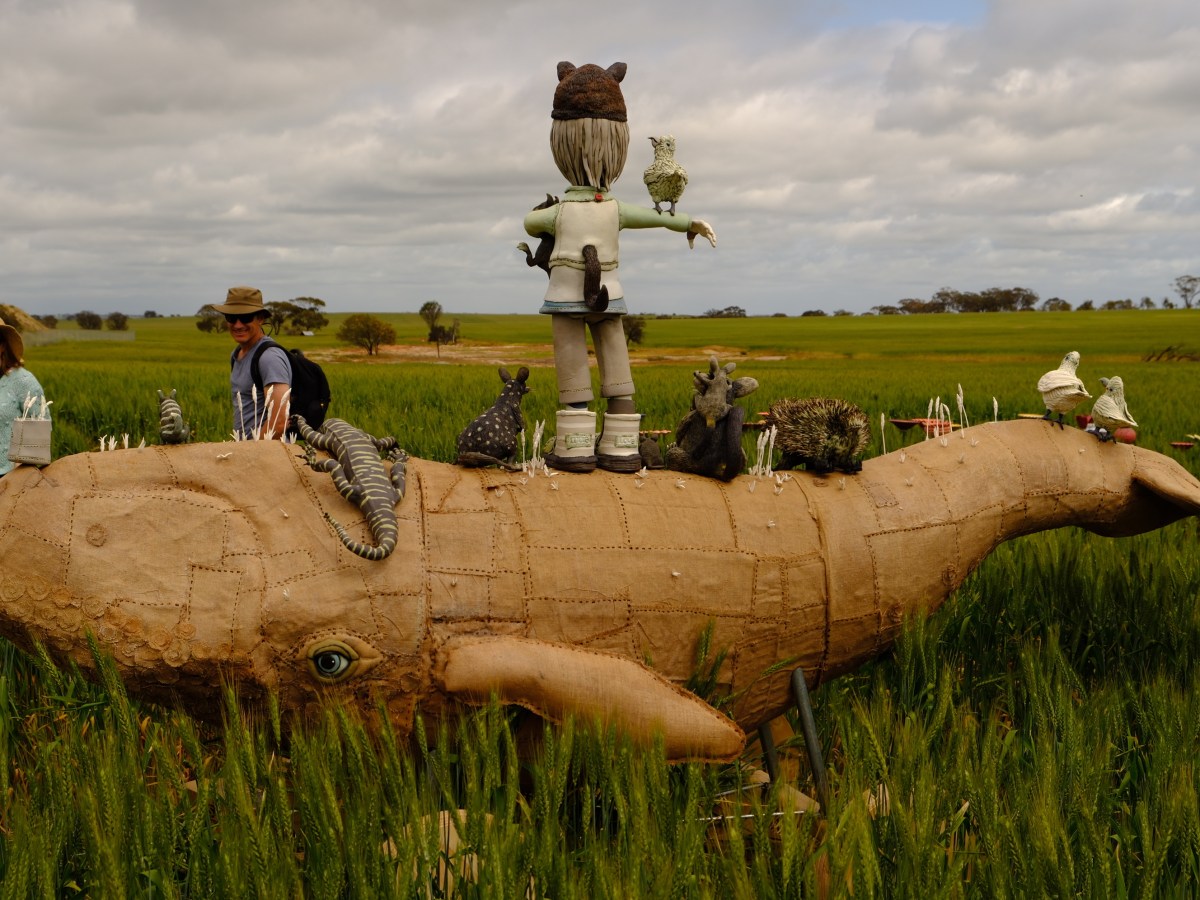
Giant whales drifting through wheat fields and wheat silos used as a backdrop for magical projections. What an incredible weekend of art and community in Goomalling!
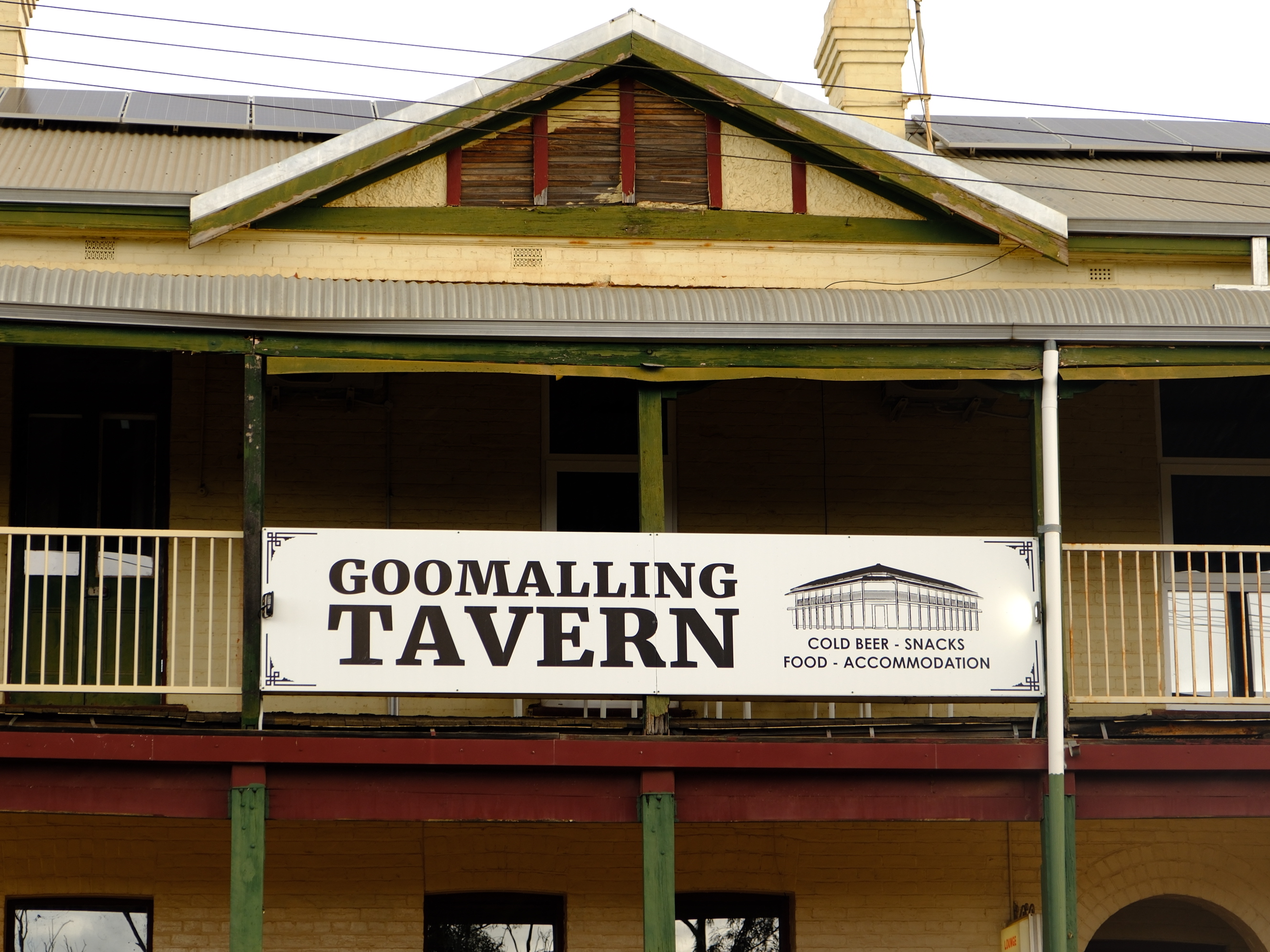
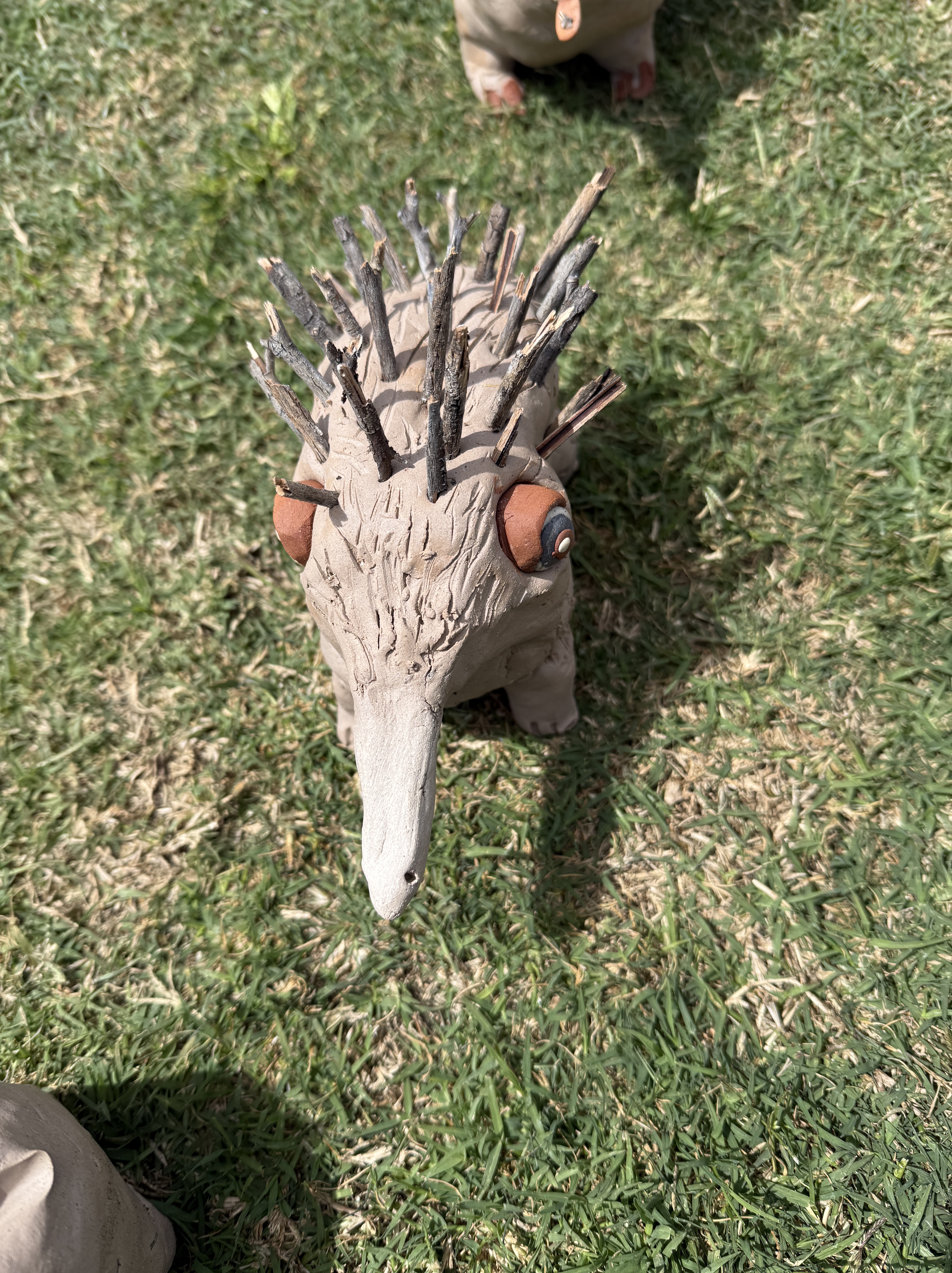
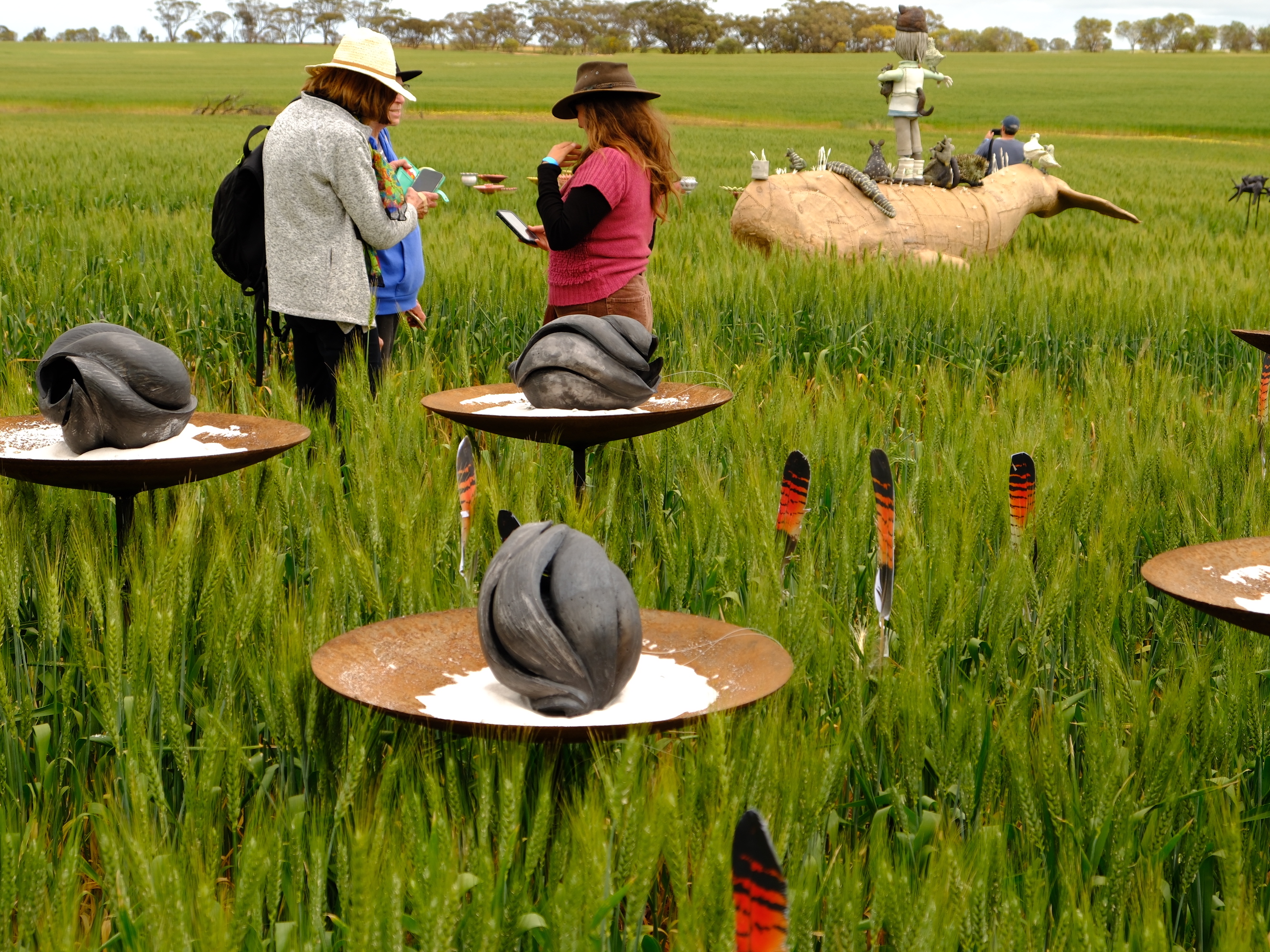
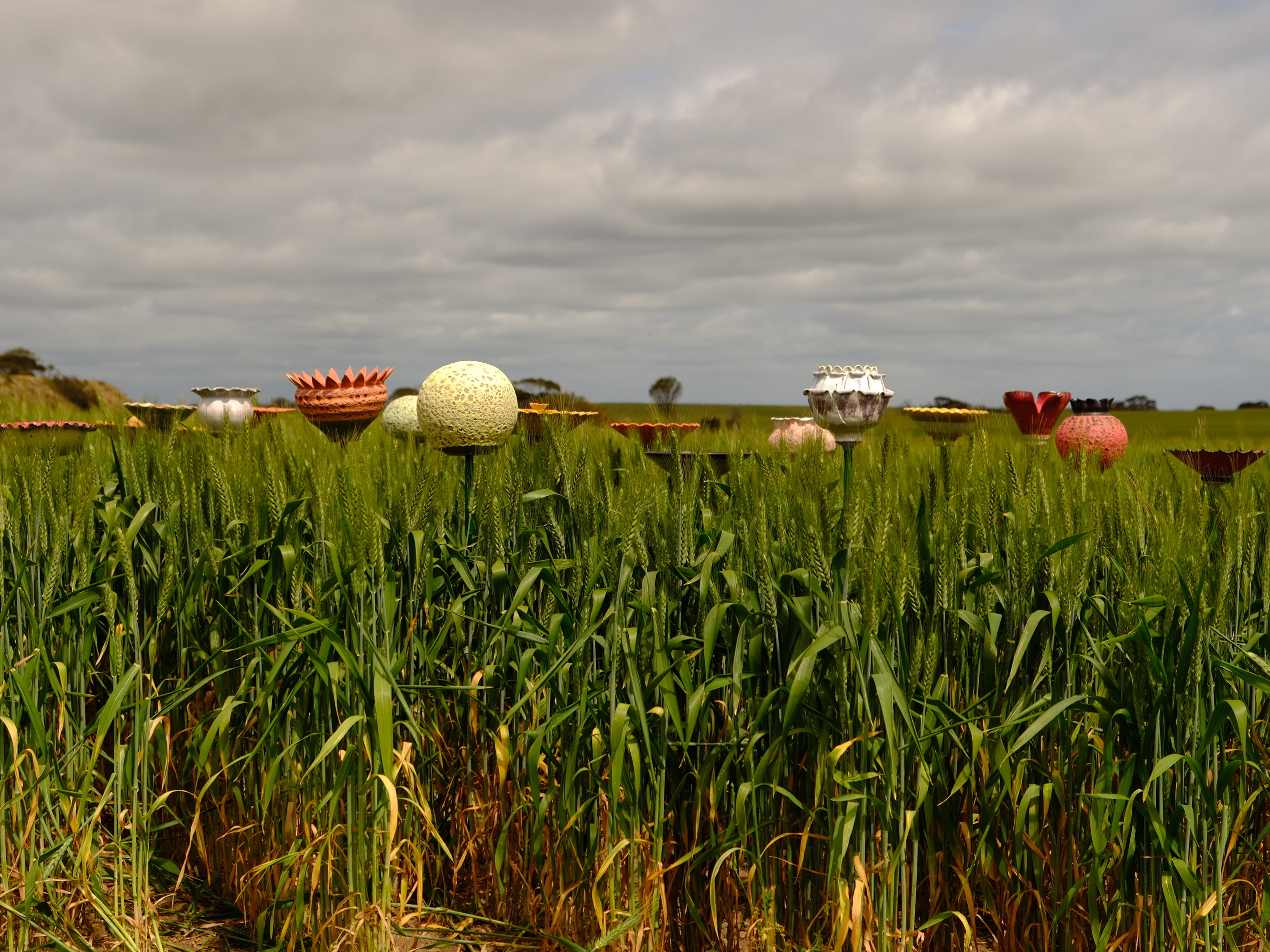
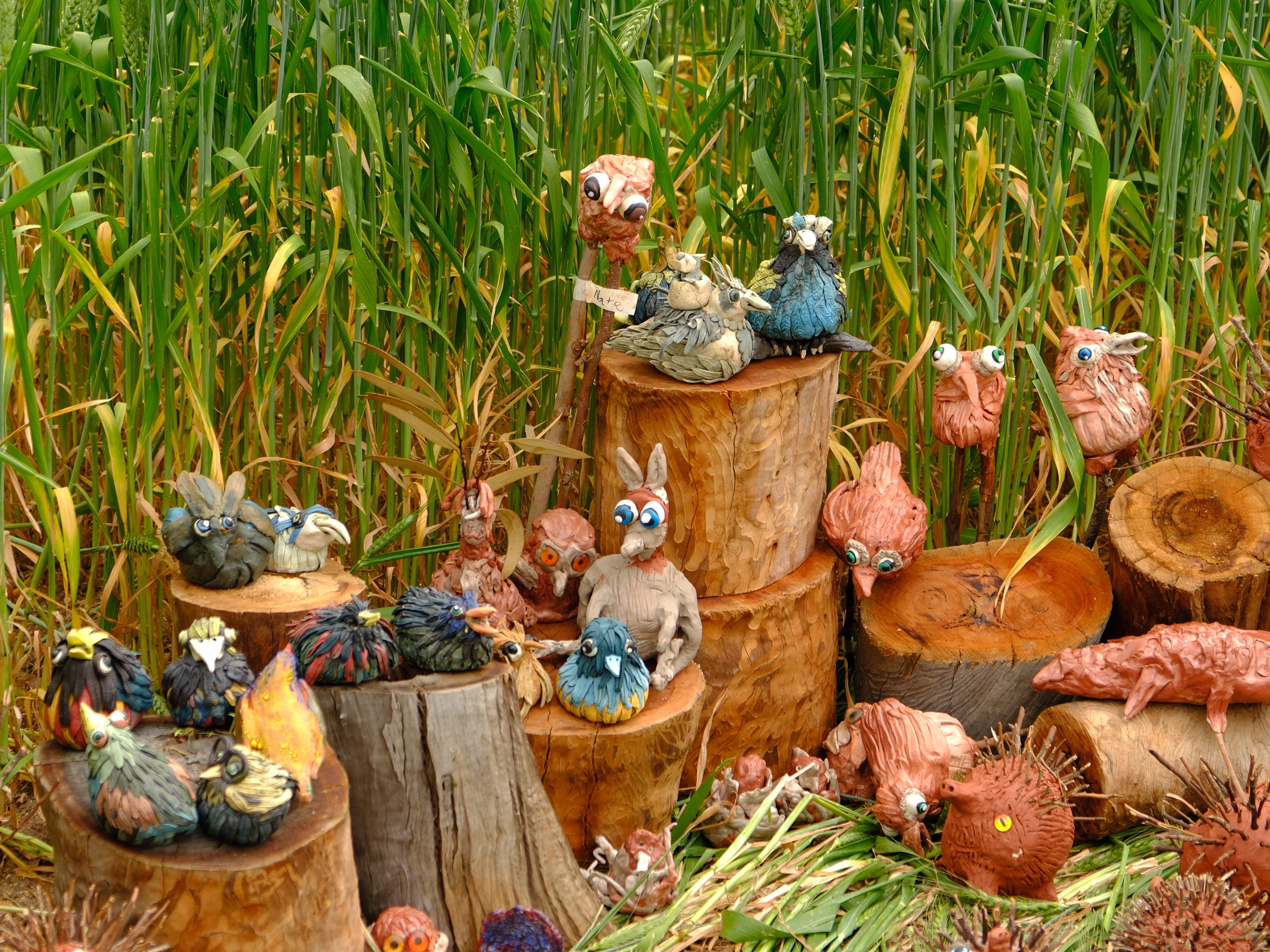
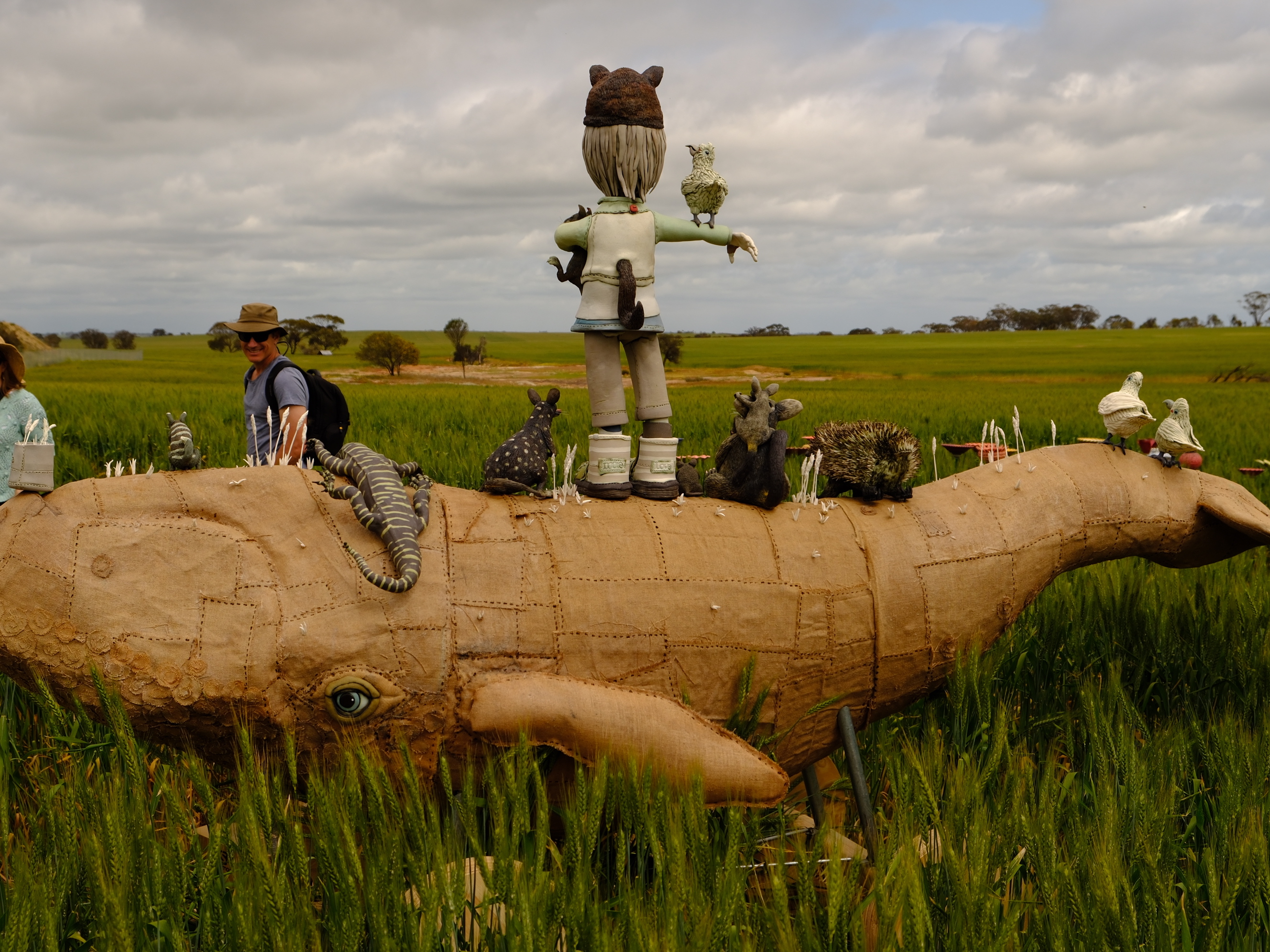
A whale in a wheat field, a parade of delightful ceramic echidnas as far as the eye could see, fresh crop circles that may or may not have been created by aliens, and some of the finest humans in the biosphere all gathered one long weekend in September in a tiny country town where not much usually happens. The Biosphere Boodja Arts and Wild Things Festival in Goomalling has just happened and I was lucky enough to be there!

The tiny wheatbelt town of Goomalling was the locus for this incredible happening, or ‘creative uprising’. It was the brainchild of Internationally acclaimed Perth ceramic artist and the festival’s creative art director, Fleur Schell, who was born in the wheatbelt town of Goomalling.  

She had a dream, or perhaps more of a vision, that she brought to life with some funding from Lottery West, major sponsors, private donors and the local community. Collaborating closely with Ballardong Nyungar Elder Tracy De Grussa and with the local community including primary school children from the two small primary schools in the town and with the Goomalling Op Shop behind her, Goomalling definitely had a happening! 

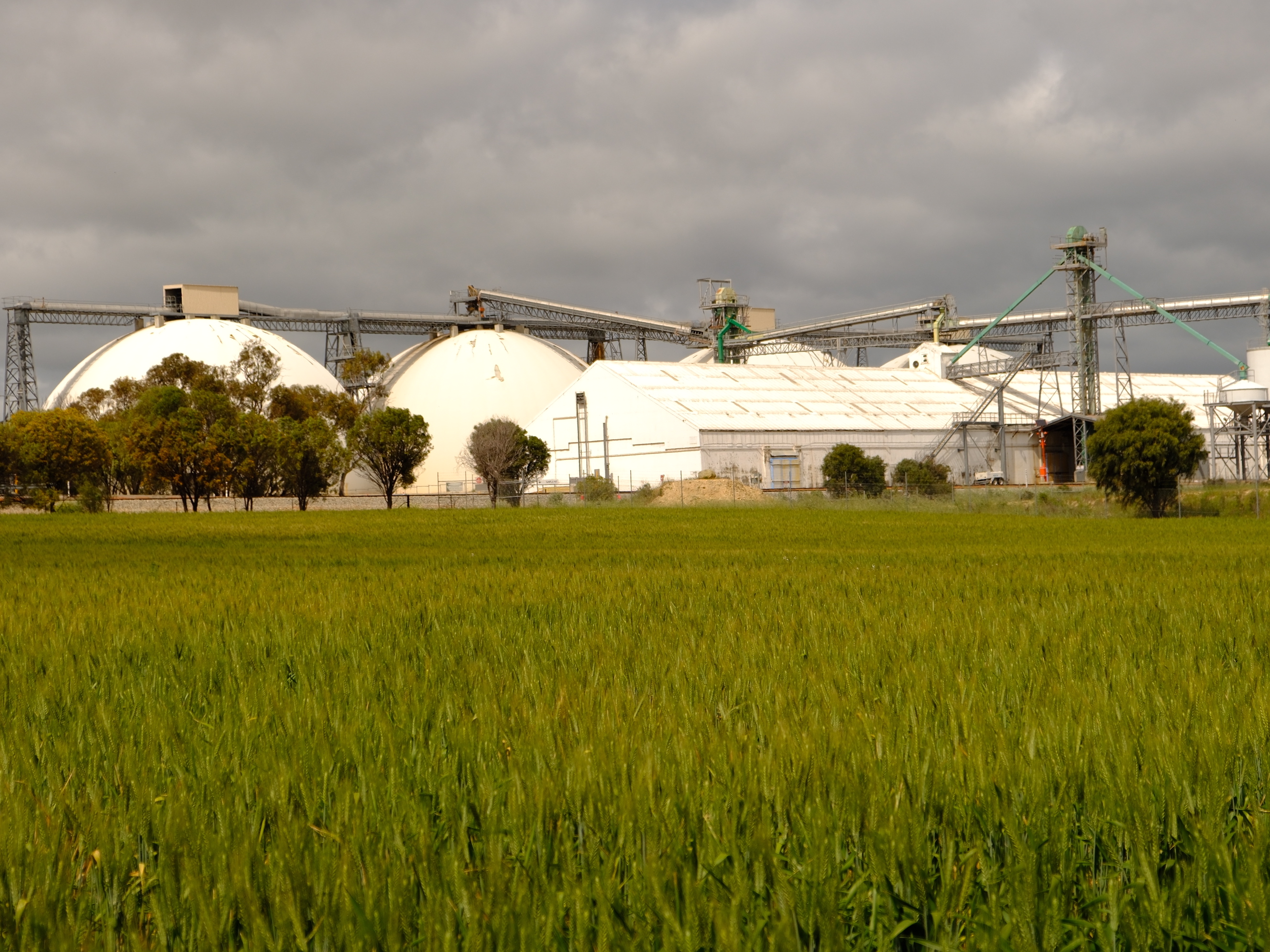
The small town of Goomalling is under two hours northeast of Perth in the Avon Valley and the Western  Australian wheatbelt.  Like all wheatbelt towns, it’s all about the wheat and it’s the enormous grain storage domes that immediately grab your attention when you drive into town that formed part of Fleur’s vision for the Biosphere Boodja Festival.

The giant spherical silos are pure white and look like something you may find on Mars if the future of life in space ever comes to fruition. When Fleur was a child they were really buried dinosaur eggs. They were also the perfect canvas for the incredible Totem Story projections that were cast that Sunday evening.

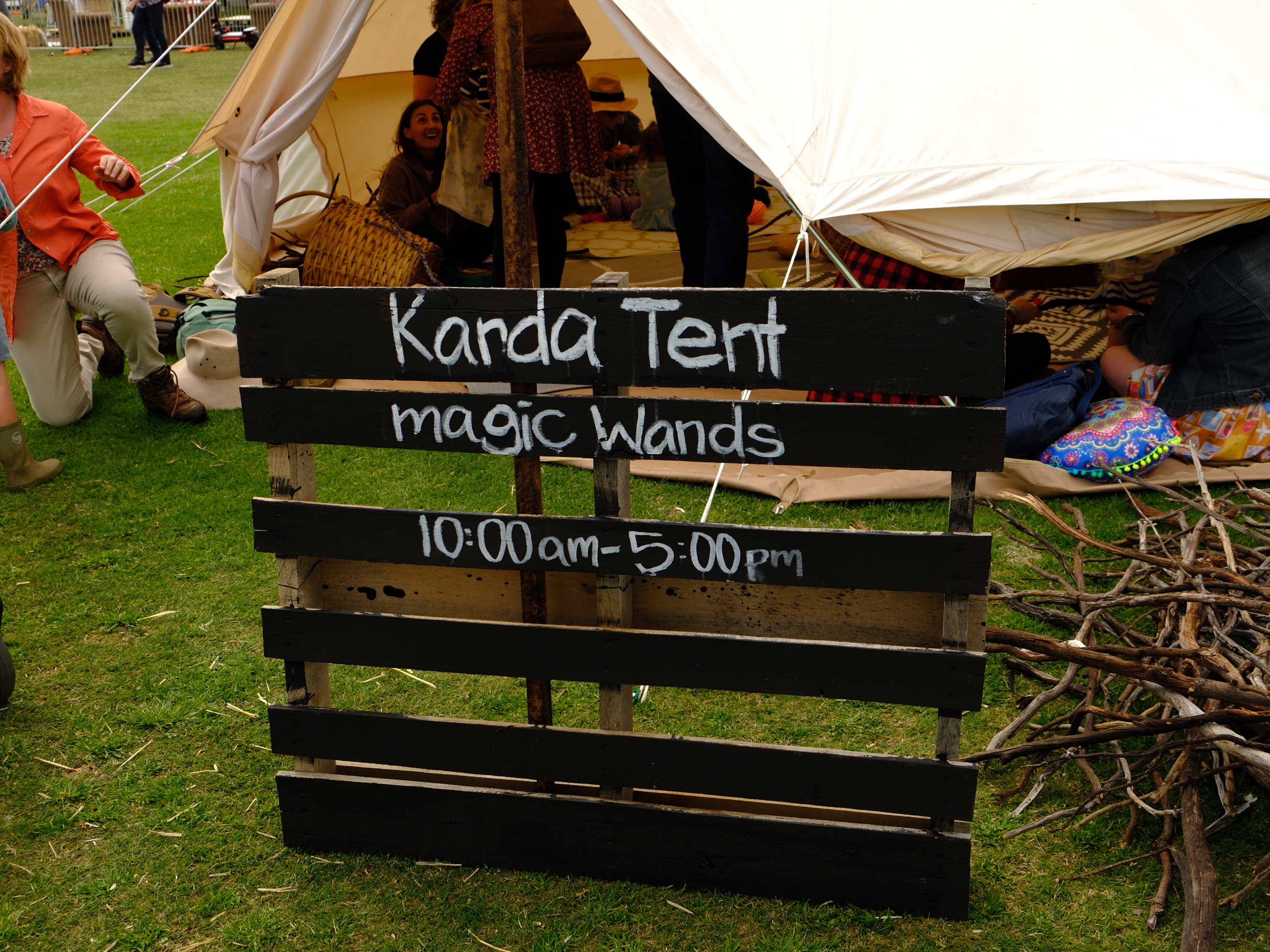
As a clay artist Fleur saw an opportunity to invite visiting ceramicists in Perth for ‘Wedge 2025: The Australian Ceramics Triennale in Fremantle’ scheduled for the following weekend in Fremantle.  Clay play and ceramics with clay provided by Midland Brick, formed a  large part of the festival and the workshops available for festival goers. Throw in some of Perth’s premier musos, a sculpture exhibition in a wheat field, some dancing, yoga and a giant puppet parade and the experience was out of this world. 

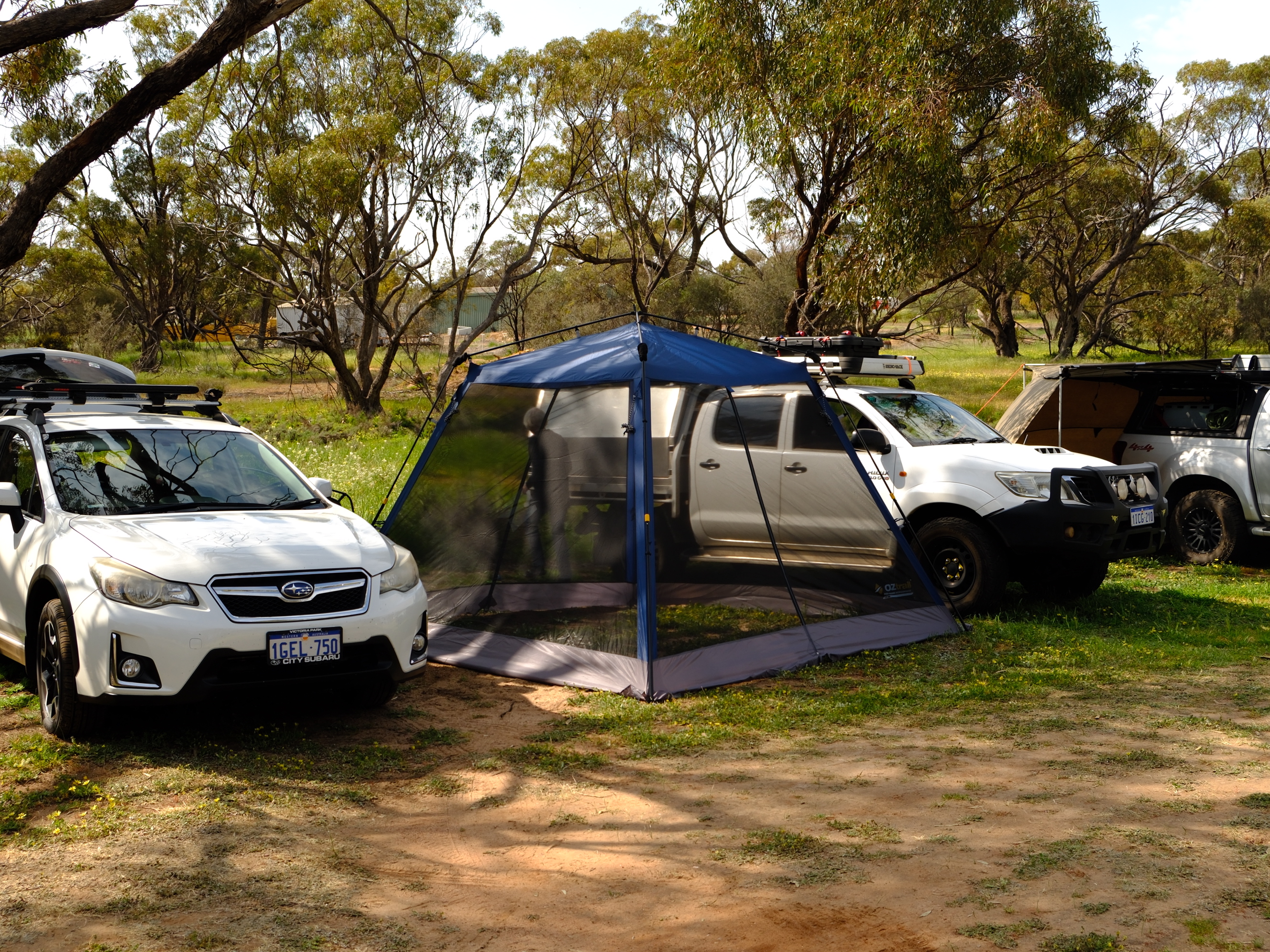
The festival was free to those who attended ; There were different camping options including glamping and family camping areas. We paid for bush camping on the decidedly rustic golf course.  It was close to everything, including a million mosquitoes.  

I’m a Tassie girl who grew up in isolated places and went to high school in a small country town so I have a thing for small country towns.  While Western Australian wheatbelt towns are a far cry from the lush farming towns in Tasmania there is an essence that spans all country towns and ties them together. That essence is isolation and community.

For me, wheatbelt towns are not comfortably accessible all year round due to the extreme temperatures in summer. Not to someone who likes to spend time outdoors and camping anyways, so I try to get out there as much as I can during the cooler months.  There is something magical about wide open spaces, random granite rocks and wheat silos.

This trip was my second foray into the wheatbelt this year; a couple of months prior I went and spent a day and night hanging in the Granite Way at Kwolyin Camp ground and Kokerbin Rock, one of my favourite places to explore.  There really is nowhere better for star gazing!

So when Biosphere Boodja came up on my radar, I jumped at the chance, found a festival buddy and headed back into that wheat belt that I just can’t get enough of.

The drive out was ethereal; green wheat fields on either side and the fading flowers of the remaining canola, almost finished flowering.  As drifted into towns surrounded by modest hills incredible mists filled the valleys. It was all I could do not to pull over every 10 minutes to take photos.

When I reached Goomalling at 8:30 that morning (yes I had got up very early to leave) I was the first bush camper to roll in and register. We were camping on the golf course and being a dry wheat belt town the golf green was not how you imagine a green in the big city. Nevertheless, they wanted to protect their fairway so we camped in the bush on the side of the daisy-covered fairway with about 10 million mosquitoes. 

The town volunteers were all incredibly friendly. They popped me down at the end so I could drive out easily the next day and they saved a space for my friend Elaine who had a rooftop tent. Turns out we were first to arrive and last to leave. That’s how we roll.

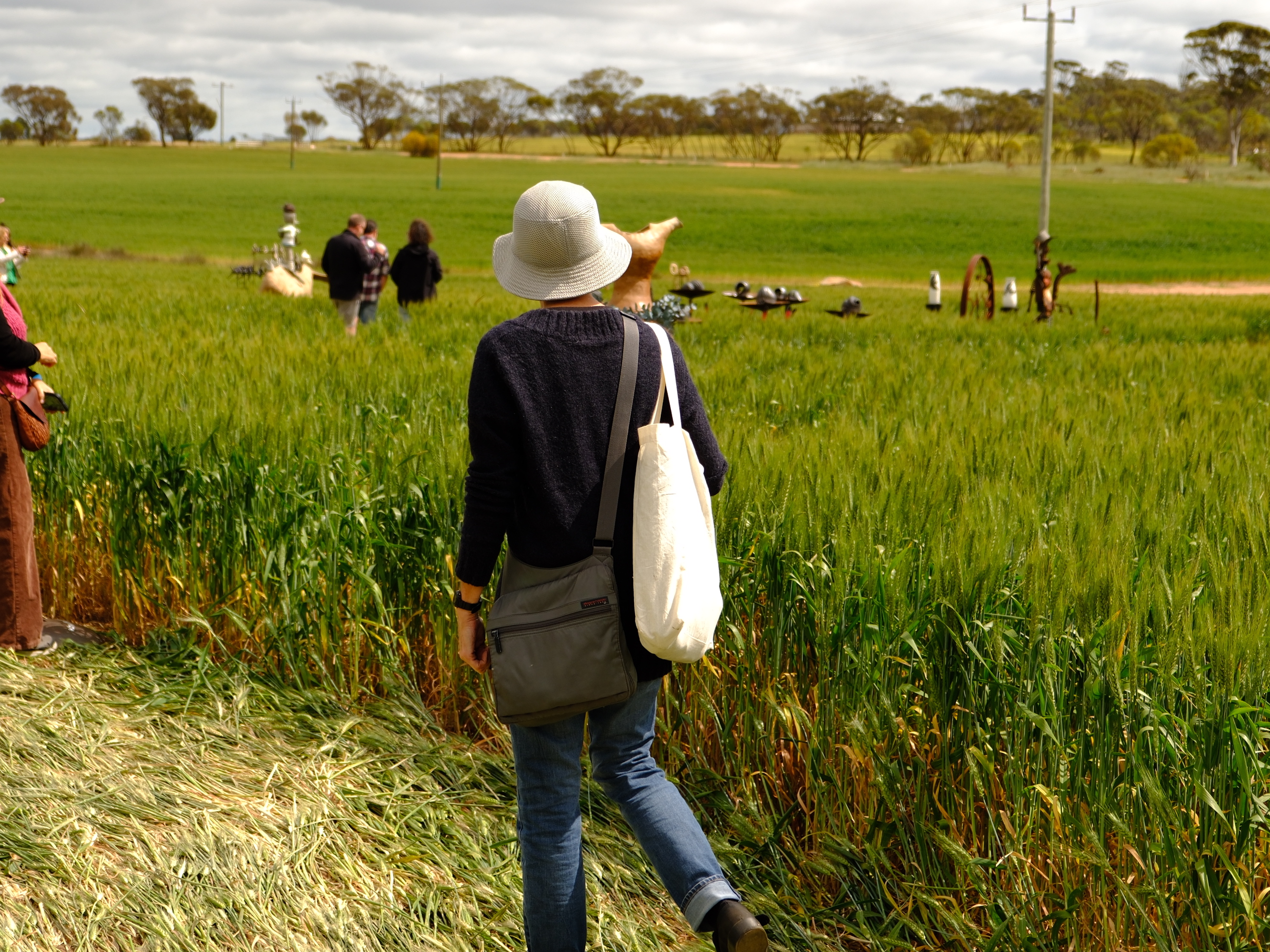
I set up camp and Elaine arrived via the Goomalling Op Shop with a trawl of treasures and set up her rooftop, then we set off to explore the town.  Right next to the golf course was the wheat field ‘crop circle’ exhibition – literally a wheat field with cleared paths and some incredible sculptural art works, including Fleur Schell’s ‘Wheat Whale’.  So we diverted into the field.

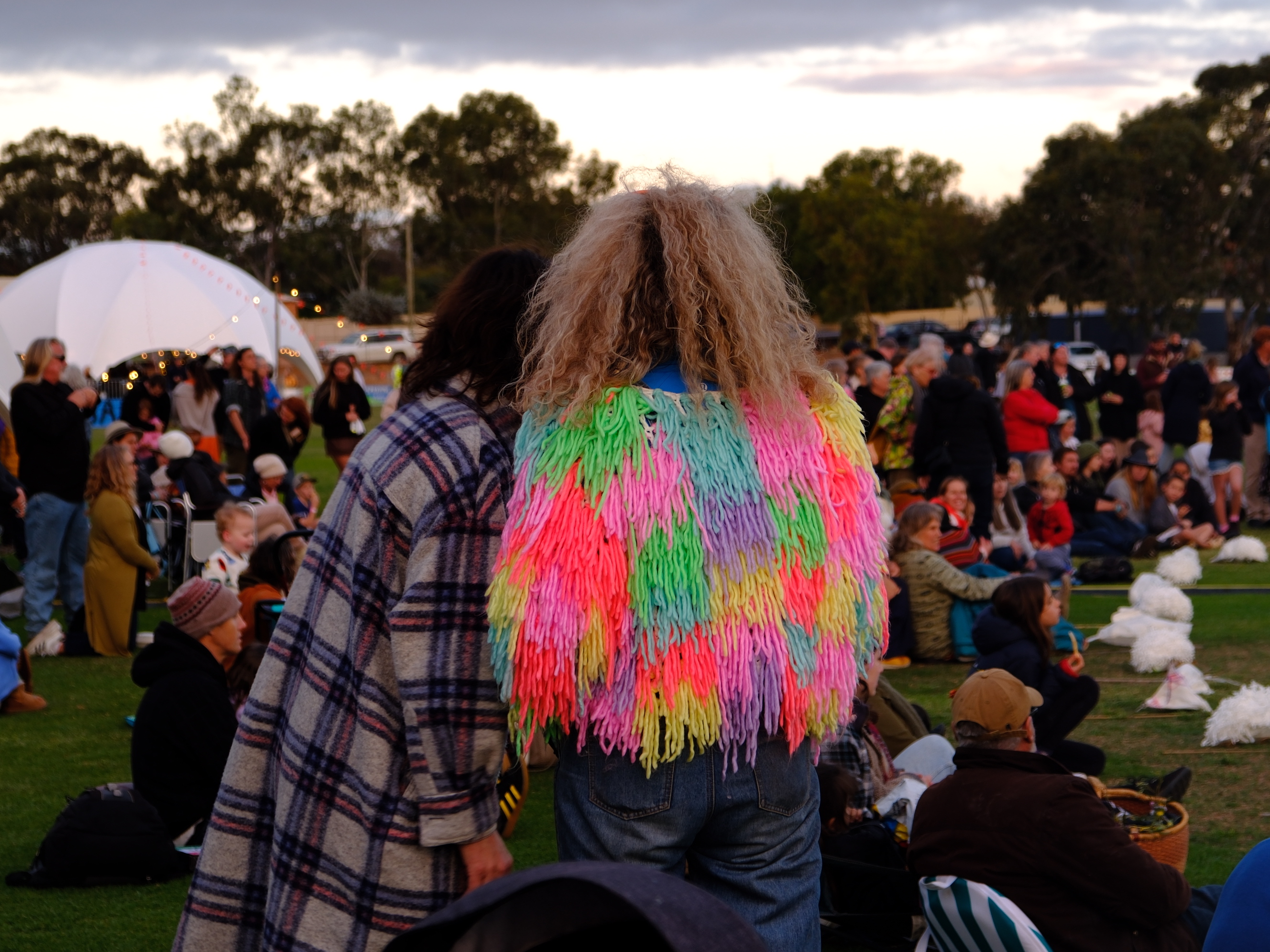
The sun was up and the wheat swayed in the soft breeze; quite magical.  Next we wandered to the markets and the main oval to see where we could expect to be based for the next couple of days.  The markets were a collection of local artists stalls.  I made a few small purchases, including a cap printed by a young girl who had created a selection of t-shirts and hats with her designs.  

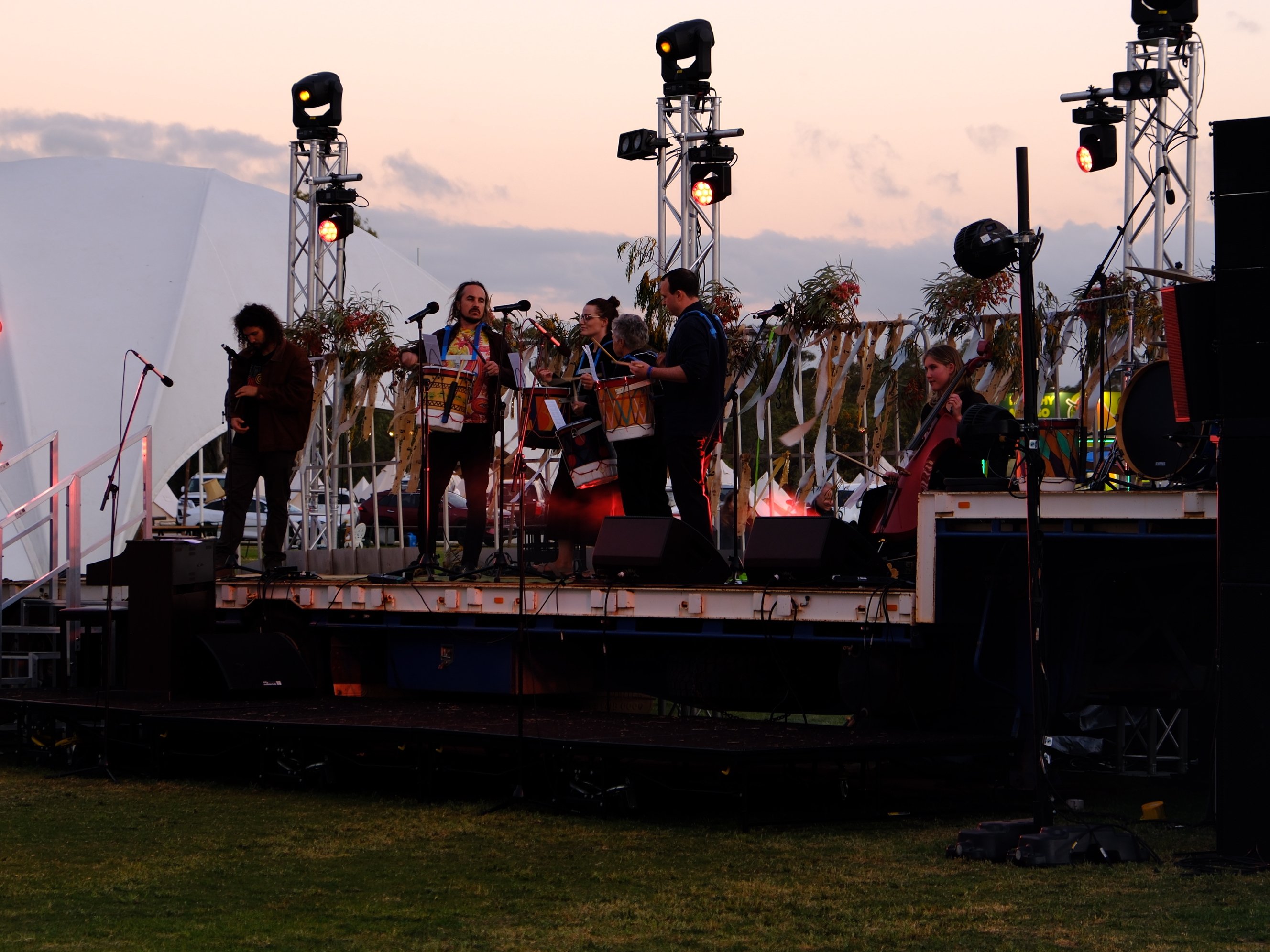
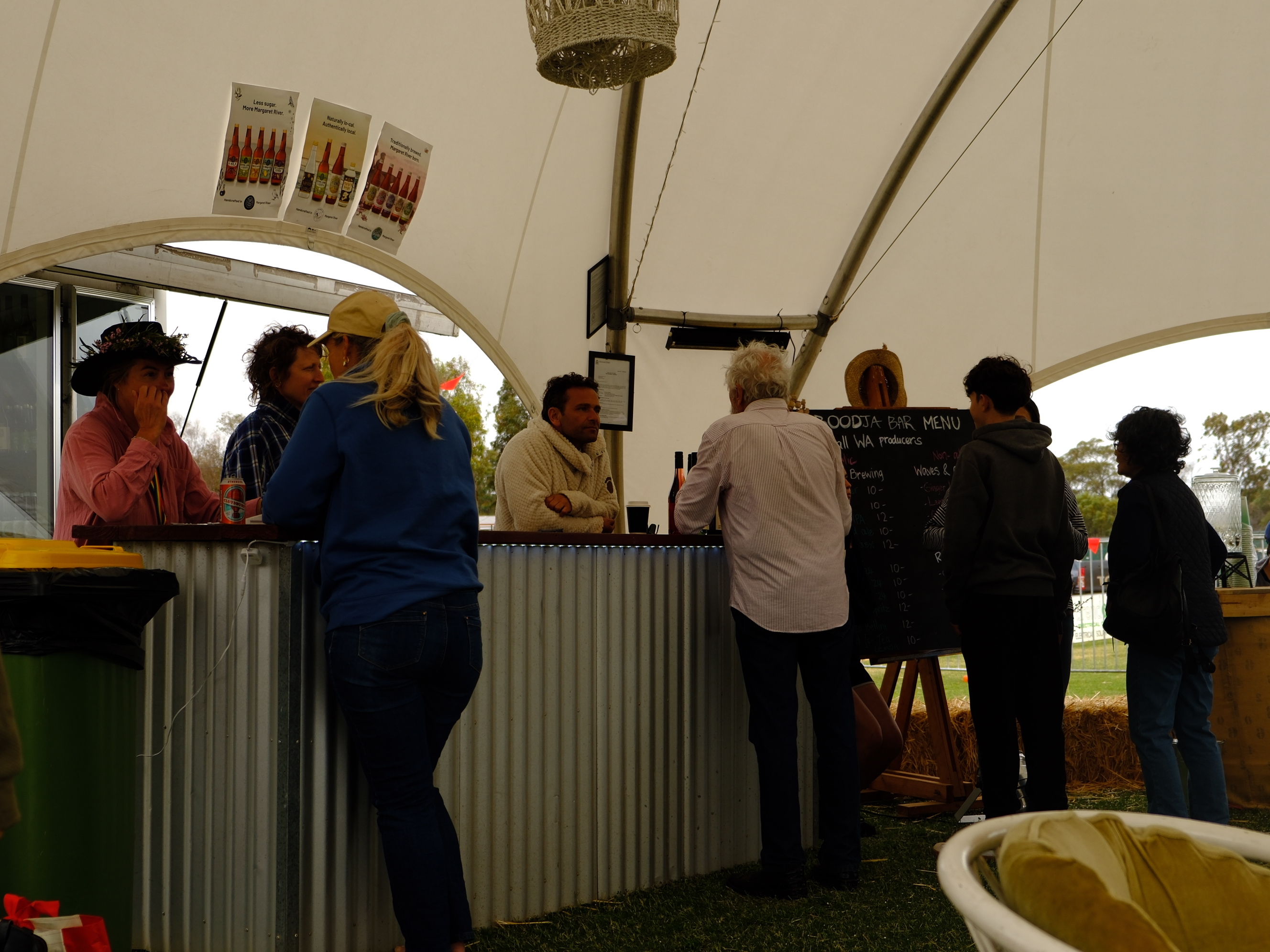
With eats never far from my mind I was happy to note a variety of food trucks and a couple of bars set up on the oval, and we soon found the stage which would be the centre of our weekend escapades, when we weren’t having a drink in the Boodja Bar or the bowls club. I was excited.

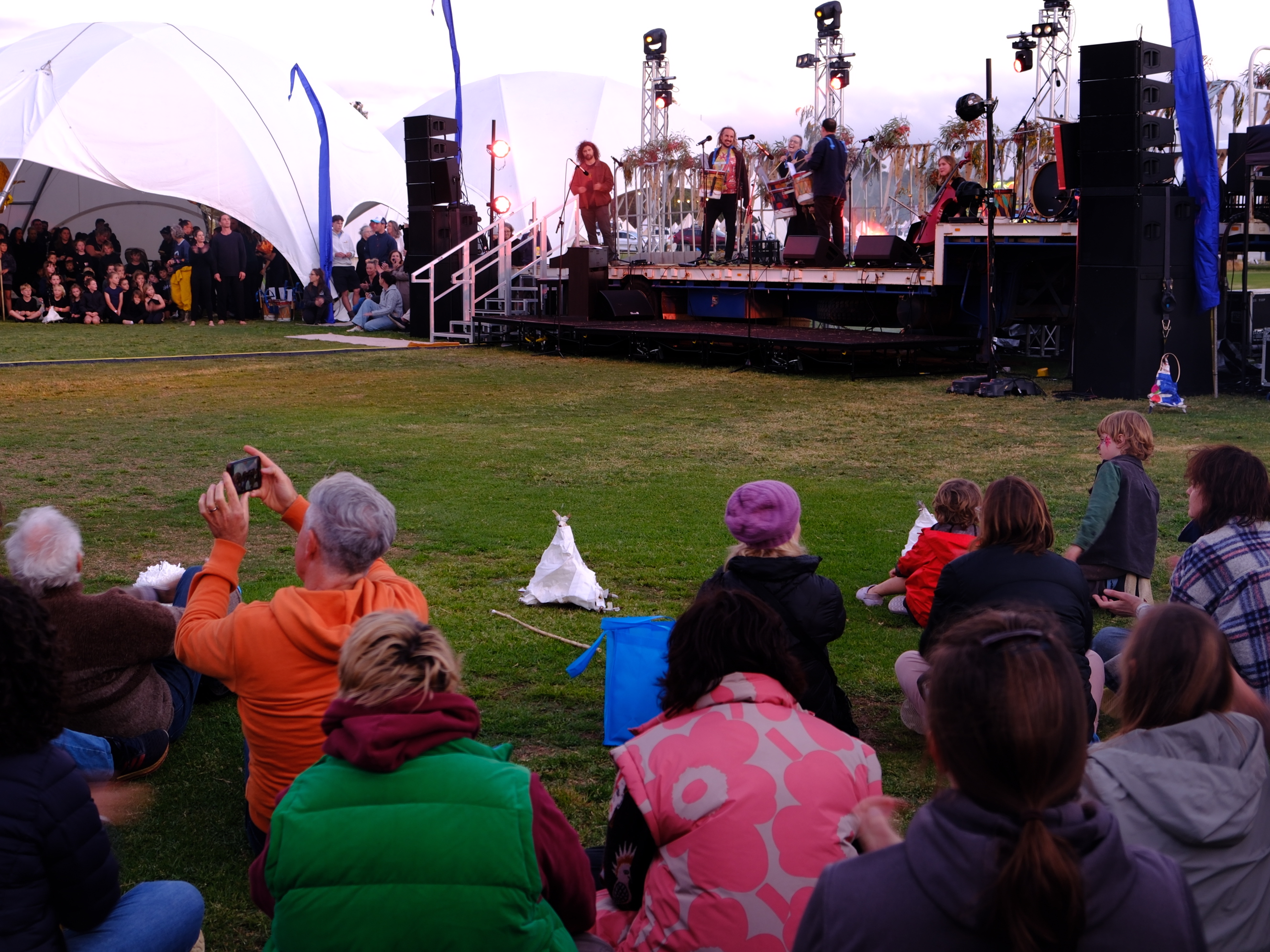
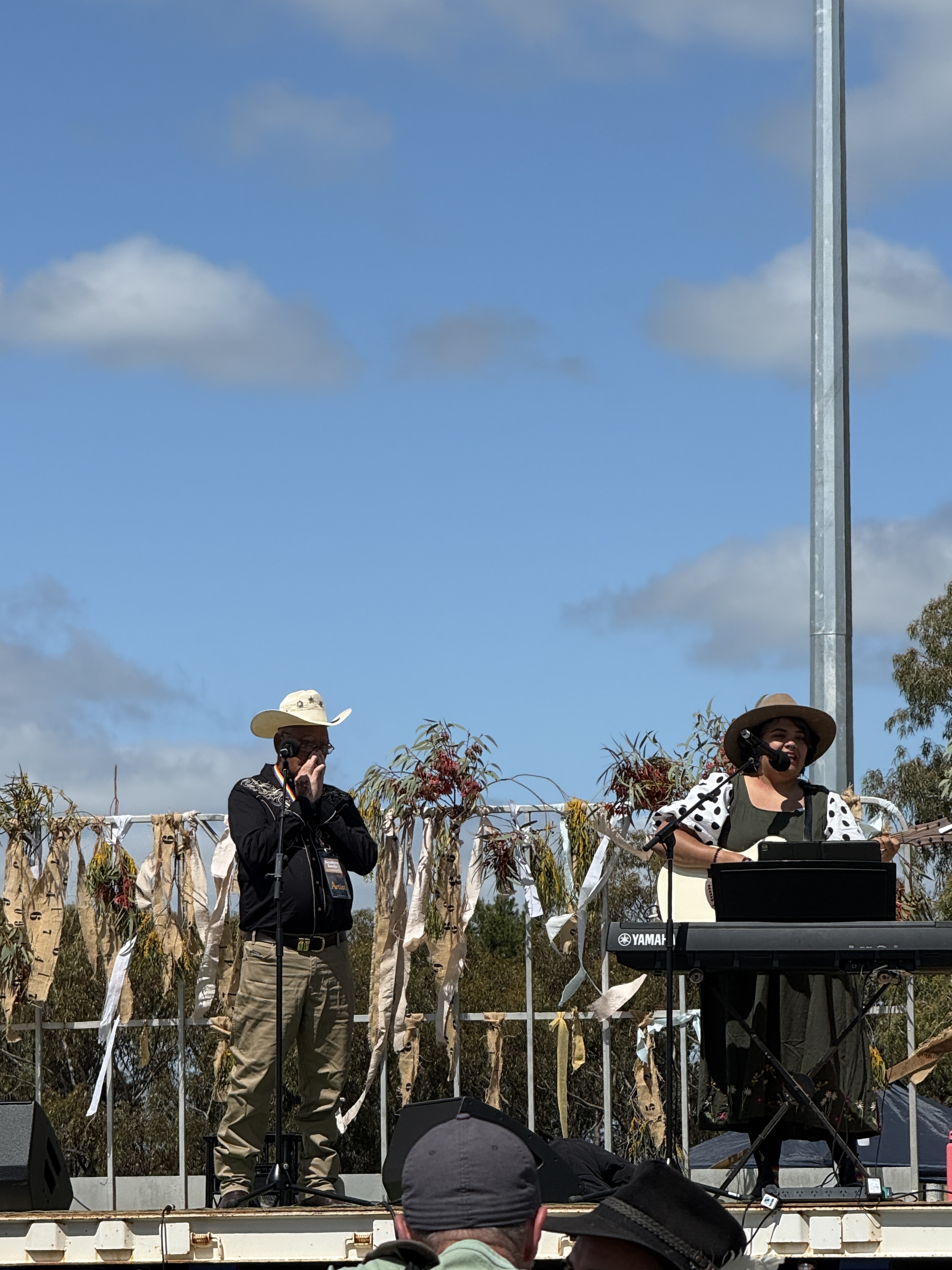
We settled in for Aunty Tracy’s Welcome to Country and a string of fabulous Western Australian bands including Lucy Peach and some incredible acts from the area.  

The rest of the day was spent wandering about checking out the workshops all facilitated in huge white dome tents not unlike the wheat silos, and pausing for drinks from the comfortable Boodja Bar with Op Shop chairs and cushions, to the Goomalling Bowling Club bar. The rain came but it wasn’t the soaking type so we stayed mostly dry.  

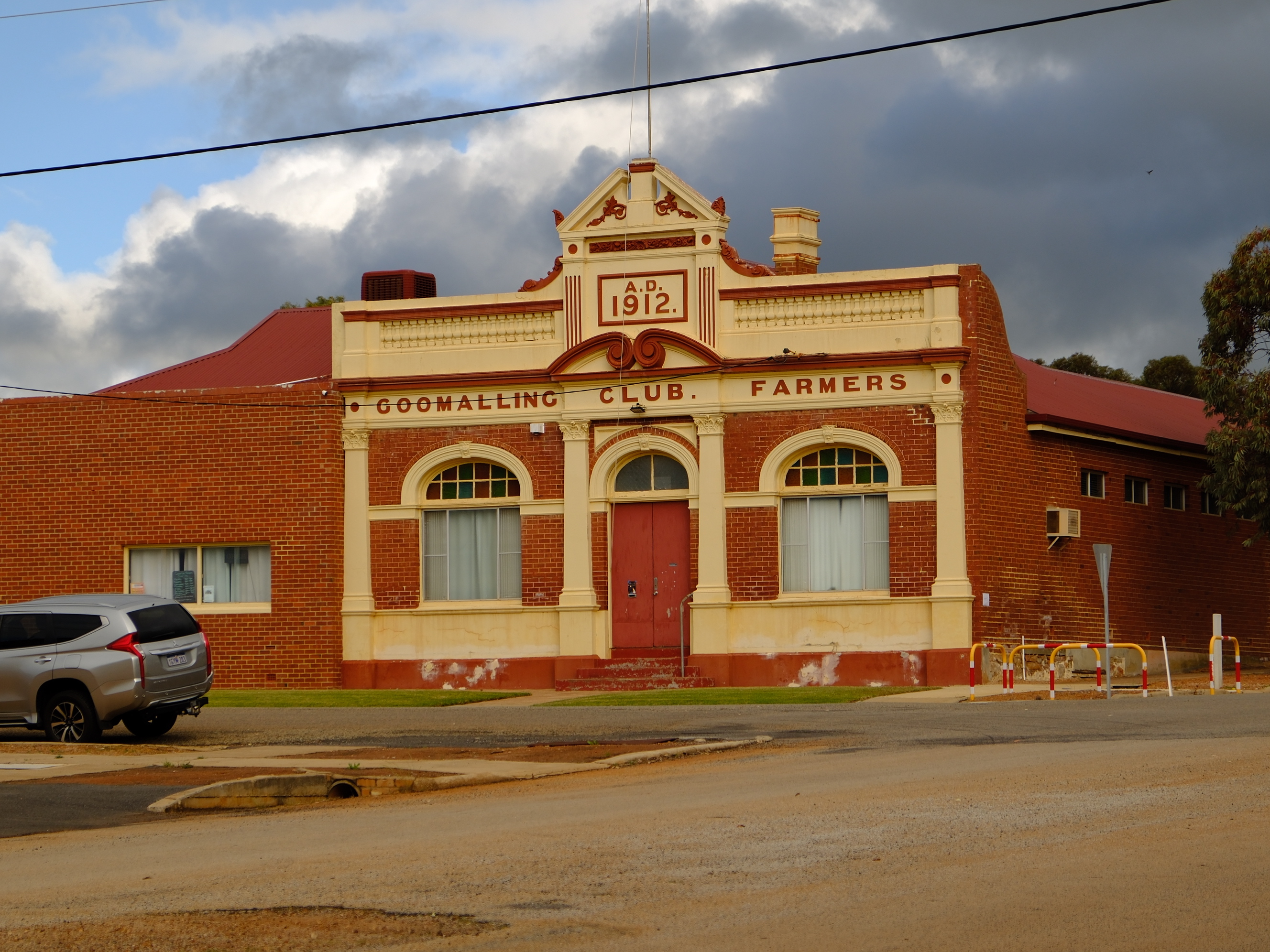
We decided a final visit to the town Op Shop was in order, seeing as I hadn’t been yet, and headed into the wide streets of Goomalling for another walk about.  The Op Shop was on the main street, just past the hotel, the post office and Bendigo Bank, and it was heaving!  Most of the good stuff had been bought up by the bargain-hungry visitors.  The Op Shop manager was very happy with her day’s takings declaring it ‘the best day of takings she had ever had.’  

I found nothing but enjoyed the browse before we went back to camp to prepare our clothing for the coming evening.  Back for another drink or two at the Bowls Club before the children and festival goers began congregating for the puppet parade and song performance by the children.

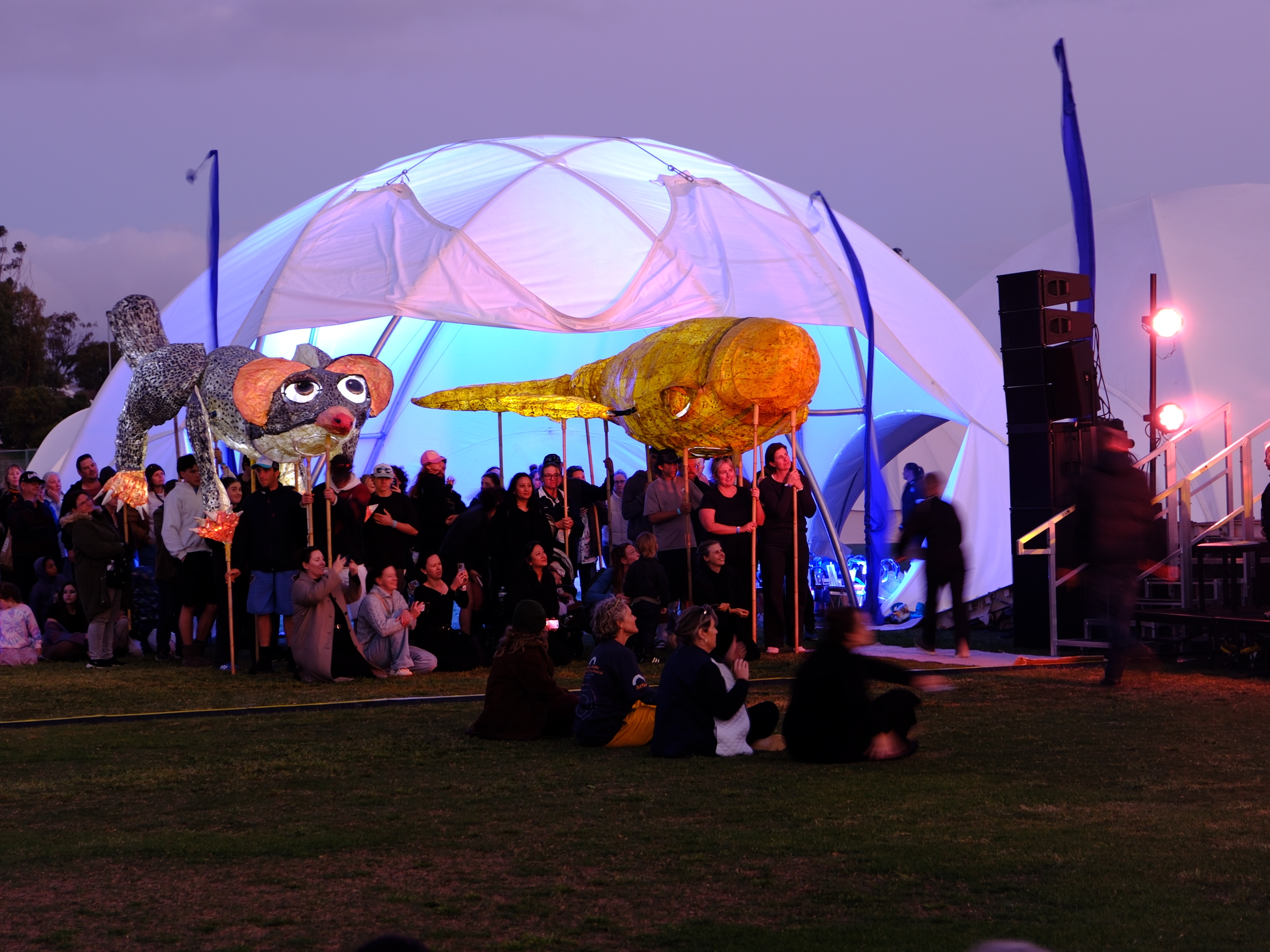
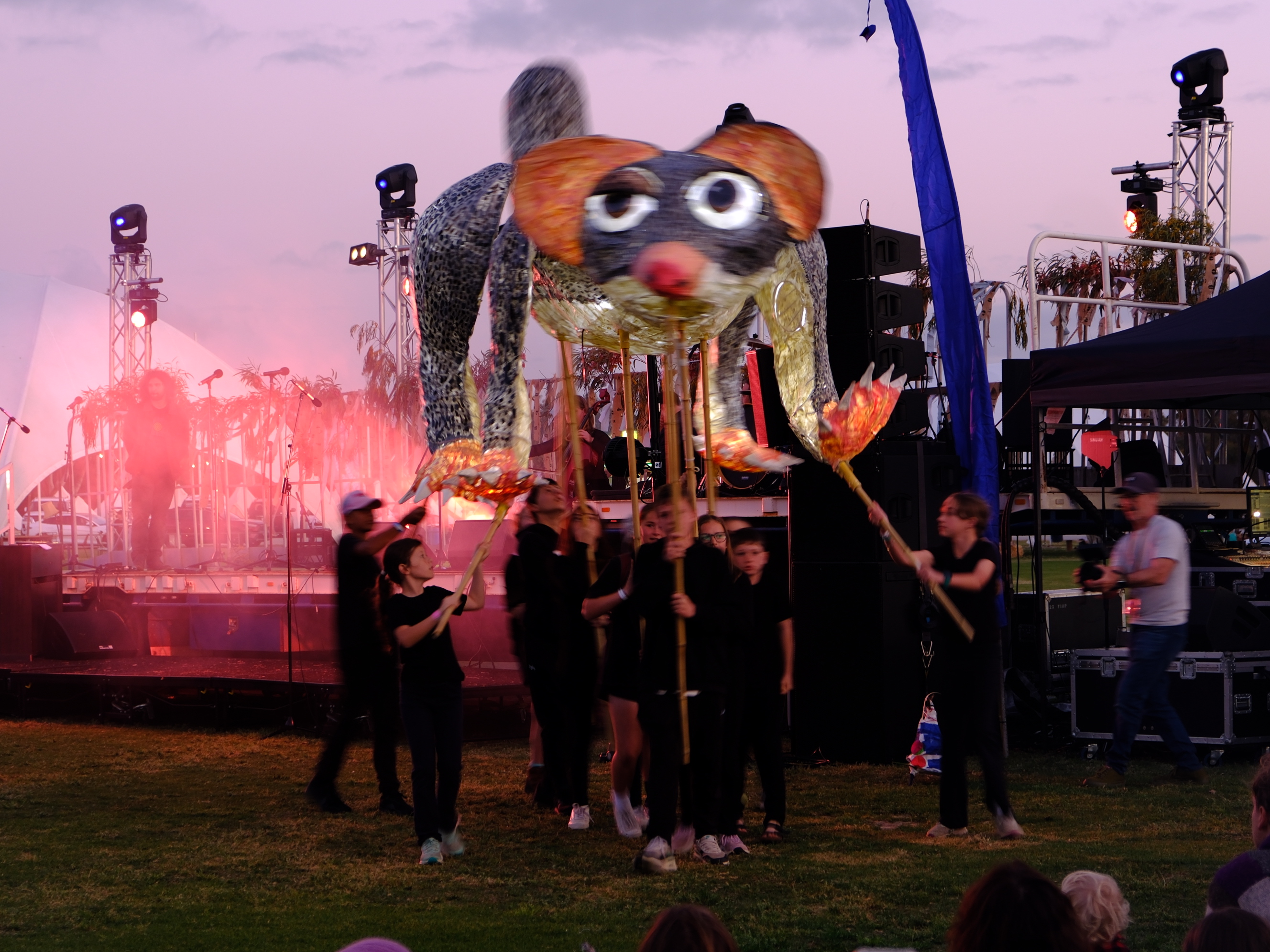
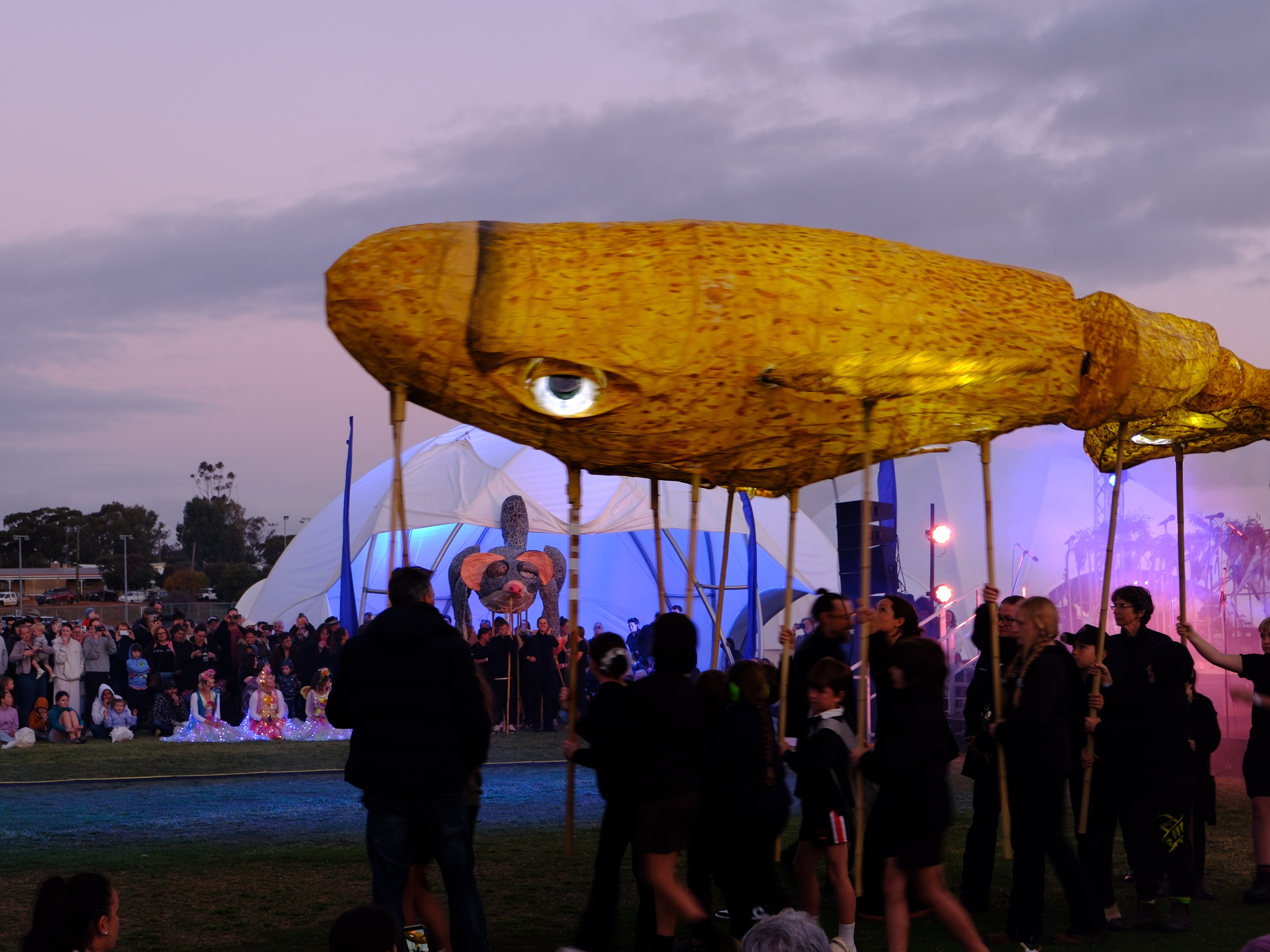
What followed brought me to tears!  The giant paper mache whale and Koomal possum that we had seen sheltered in the tent earlier that day came to life with lights and a group of young people moving their parts as they circled the area in front of the stage accompanied by a drumming group. The children sang a song about the disappearance of the Koomal possum, written by Fleur and then we all set off towards the silos as the sun set and darkness fell. 

There was a real sense of being part of something so unique and important as we all stopped in front of the silos and all the lights were extinguished.  The Totem Story projected onto those crazy dinosaur eggs and narrated by Aunty Tracy and children was just incredible.  

Totem Stories on Goomalling wheat silos

When it finished we all strolled slowly back into town feeling like we had been part of something beautiful.  It was clear how much work had gone into every part of the weekend from the involvement of the local schools in the incredible art projects to the local businesses and volunteers who made it all possible.

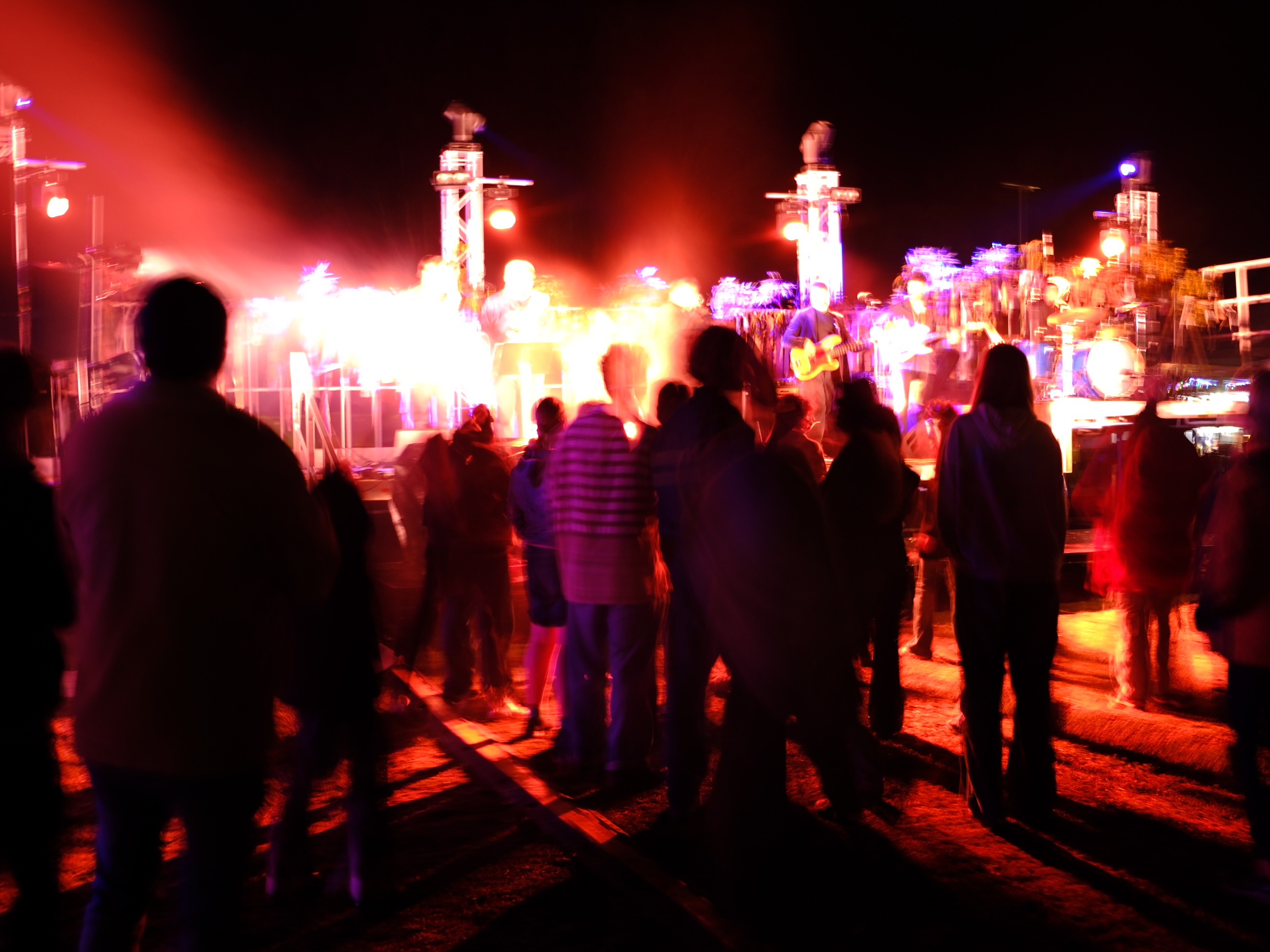
The remainder of the evening was spent having food and listening to the music by local and Western Australian acts; finishing on a funky note with a boogie to Odette Mercy and the Soul Atomics before we stumbled back to our golf course camp for sleep.

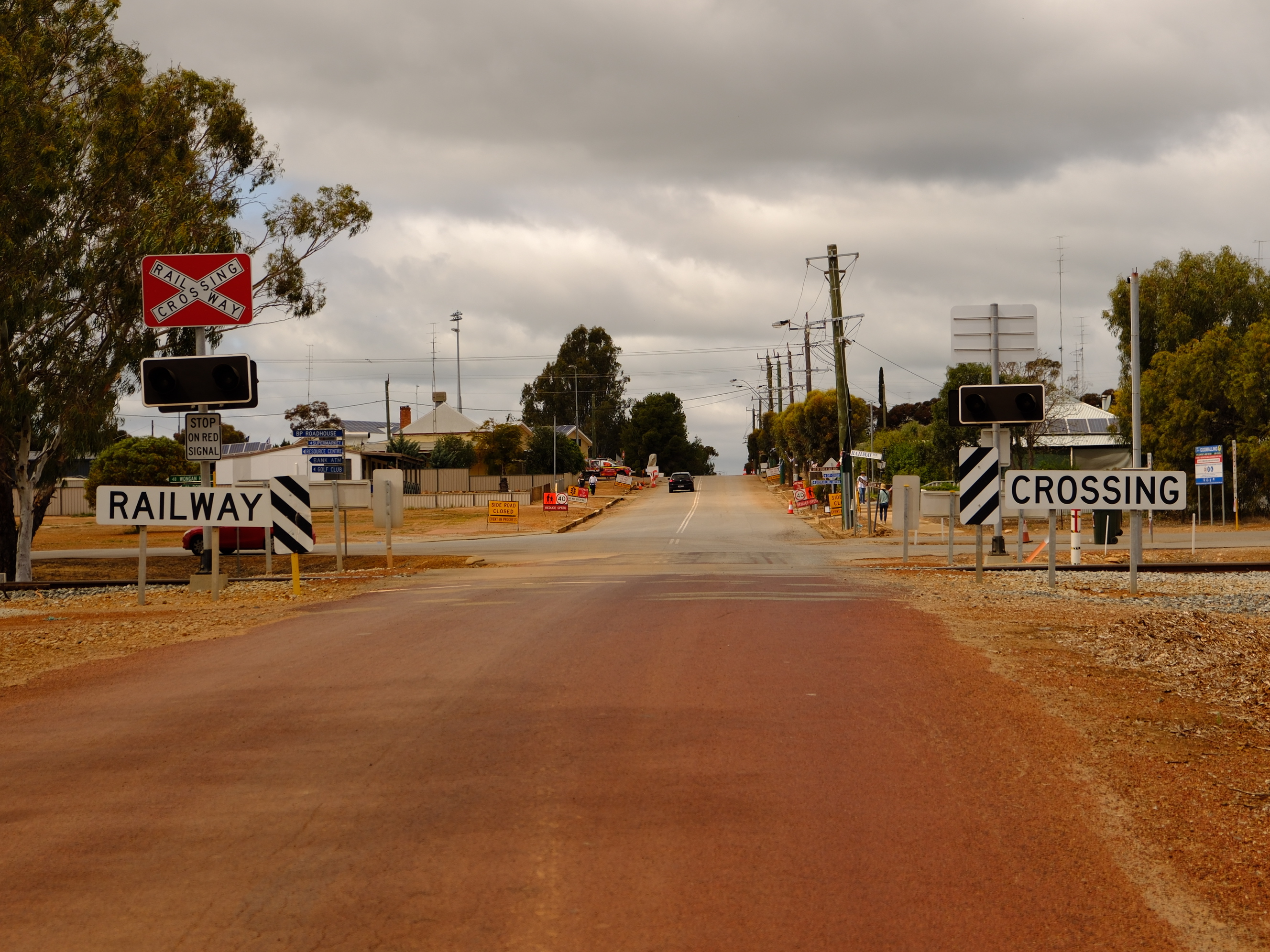
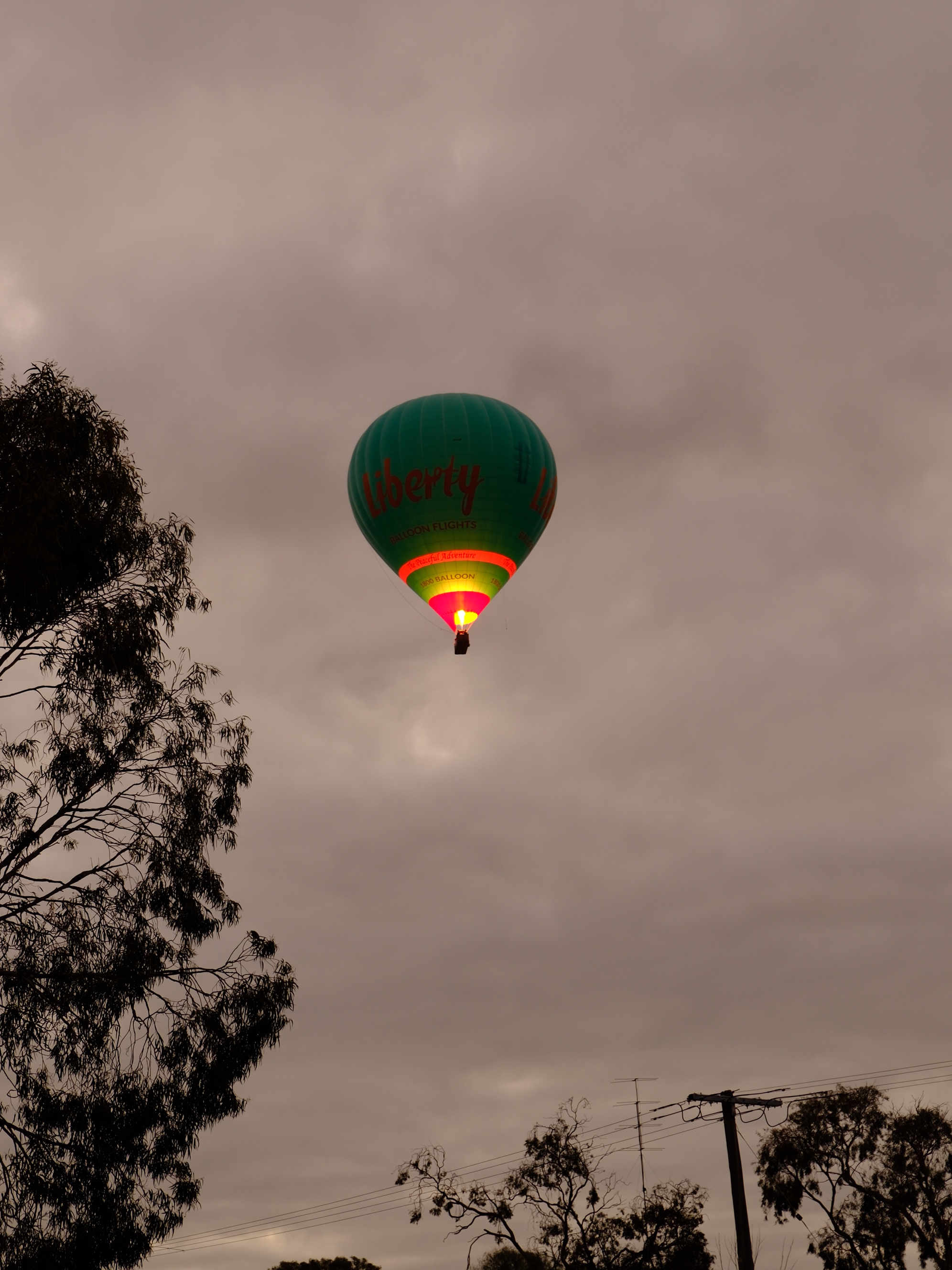
I was woken at 5:00 am by the sound of the hot air balloon that had been sitting on the oval the day before,  being inflated on the oval for a sunrise flight;  the steady hum of the generator and then the huge huffing sounds of the flame being shot into the full balloon.  I just had to get a photo so I braved the mossies and got to the railway line as it lifted into the cloudy skies.  I got my pics and climbed back into bed for another hour.

Day two started with a sausage sizzle right outside our tents as the local P & C cooked us up a meaty breakfast of sausages, onions and sauce (onions and sauce for the vegetarians).  I scoffed down a sausage but Elaine passed on the onion in a bun.  So we dressed and headed into town.  It was pretty chill as we found coffee and a space on the grass for the remaining acts.  The festival ended with the Rose Parker Trio and a whole lot of thank yous and congratulations.

As we walked back to our cars, the only two left on the golf course, we reflected on our experience and decided it was one of the best weekends we could have had. Thank you to everyone who made it happen.

All in a Day #16 – Hyde Park – An Obituary?

My backyard

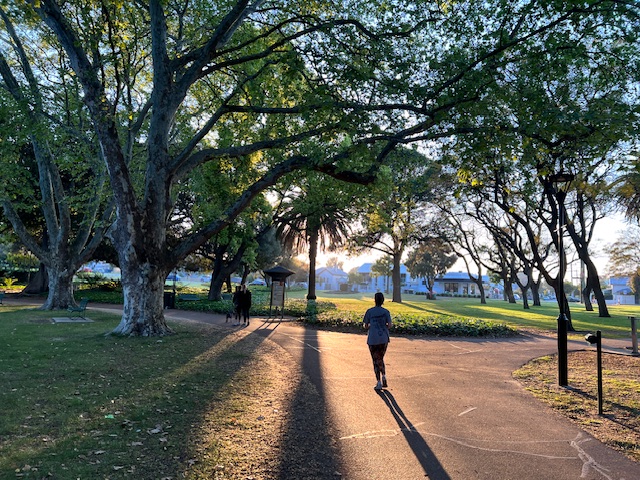
Hyde Park in Mount Lawley has been my backyard for over 30 years. A place of solitude, a running track, a picnic spot, a catch up with friends, a live music venue, a birdwatching platform, a dog walking park, a playground for my kids and now grandkids and most of all somewhere to go when the weather is stupidly hot.

My first visit to Hyde Park was within weeks of moving to Perth in the mid- eighties. My new friend and housemate, Glen, thrust a can of Emu Bitter in my hand and threw me my car keys (he didn’t drive) saying “I need to show you something.”

So, beer in hand we drove to Hyde Park from Subiaco and walked a couple of laps of this magnifcient park. No stranger to these types of parks, being from Tassie, I agreed it was beautiful and vowed to visit again soon. It became the place I took visitors to or went for a picnic occasionally.

It wasn’t until years later when I moved to within walking distance of Hyde Park that it became a regular haunt. We lived in a townhouse with a small courtyard and Hyde Park was our backyard, frontyard and playground.

It was the thoroughfare we used to walk or ride our bikes to our local primary school, the place my kids had birthday parties and caught up with their friends after school. It was grazed knees, icypoles and arvo tea before heading home after school.

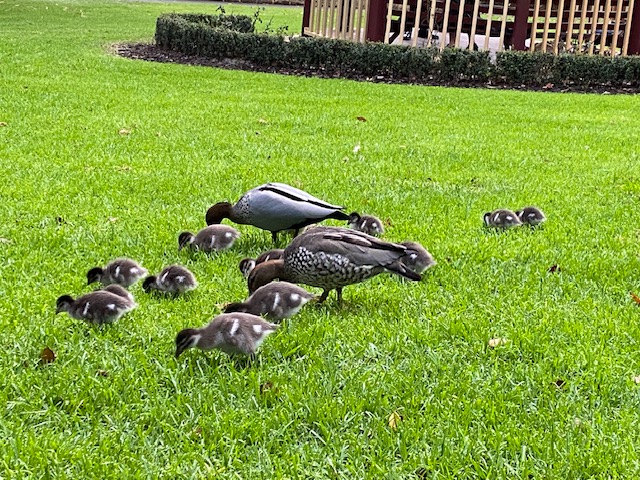
It was (and still is) my daily walk – to check on the ducks and lately to count the trees. During my running years it was the laps I pounded over and over, slowly progressing to the first of many fun runs, triathlons and later half marathons.

It’s the place I go to make sense of the world. When I was completing my teaching degree it was the place I went to get clarity when tackling an assignment or before an exam. During COVID it was where everyone went! Now it’s to form the perfect headline for a piece of writing or dredge up some new ideas for a project.

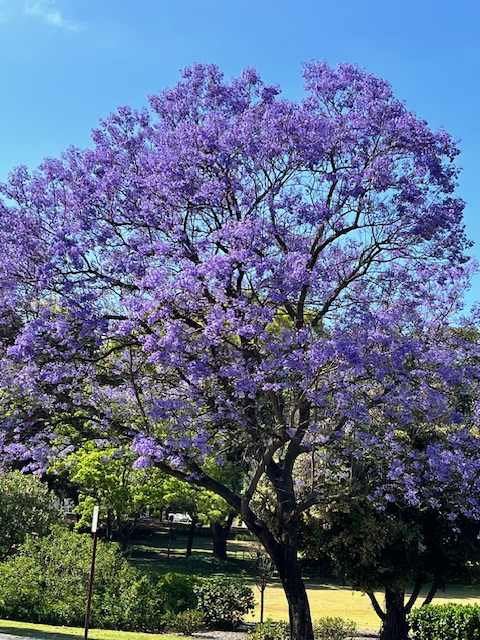
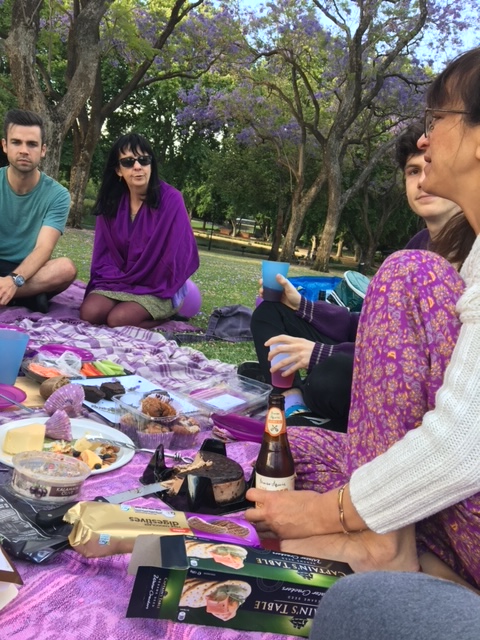
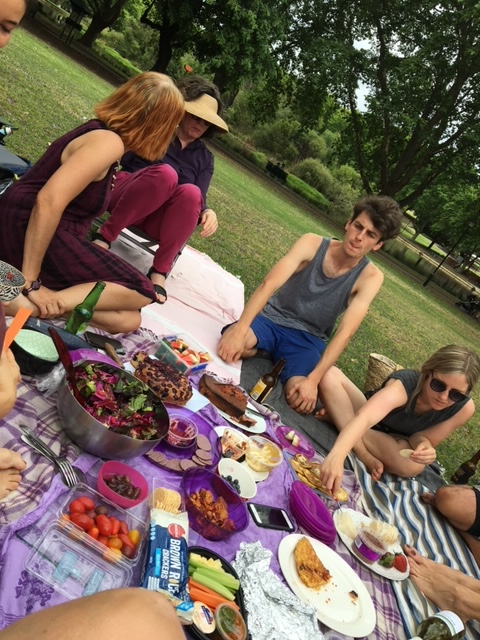
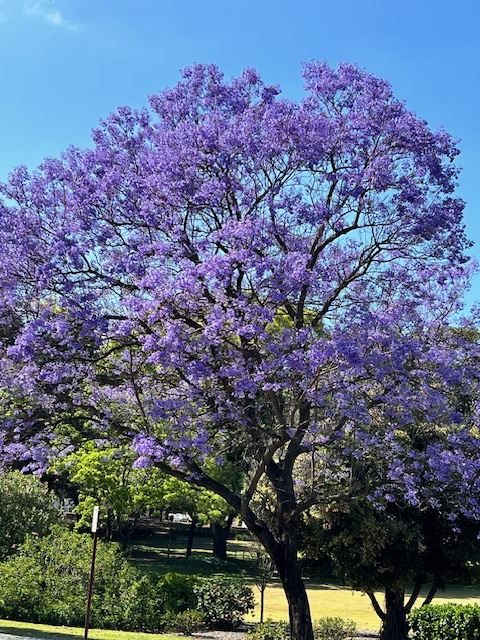
It’s a regular picnic spot where large groups of us gather for catchups and birthdays – the scene of many annual Purple Picnics beneath the Jacaranda trees. Special occasions, sad occasions and celebratory occasions.

My kids (now adults) knew every low-hanging branch, every nook and what was the best angle to hold your body to get the metal roundabout spinning crazy fast. We had names for the ducks and could recount every batch of cygnets. We rescued many injured birds – trudging through thick mud to do so.

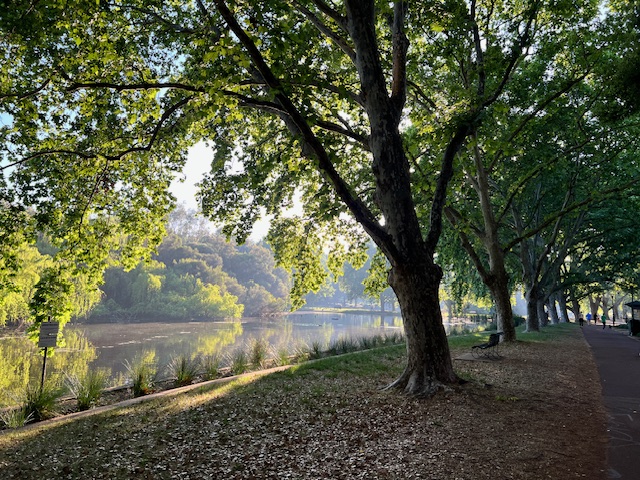
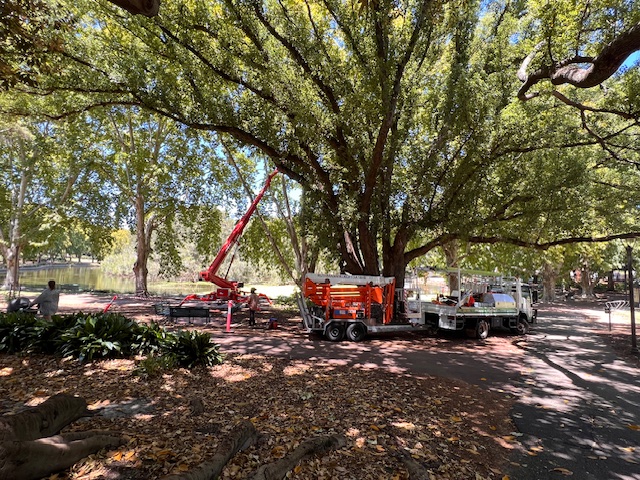
The park is still there and at the time of writing this, in full canopy. In a matter of weeks, 180 trees will be removed. Some of Perth’s oldest and largest Morton Bay Figs and London Plane Trees will no longer exist, the entire ecosystem of the islands in the centre of both lakes will be razed to the ground upsetting the nesting sites and possibly displacing hundreds if not thousands of living things, including ducks, swans, ibis and turtles.

Unfortunately the trees at Hyde Park have fallen victim to our love of travel and nice things. Those nice things are the furniture and wooden artifacts made from untreated wood from south-east Asia. Failure to declare wooden products at customs means the invasive Polyphagous shot-hole borer has managed to sneak in. A tiny beetle (2mm) that bores into tree trunks and eventually starves the tree of water and nourishment from inside. First discovered in Fremantle 18 months ago it has infested trees in some of Perth’s major parks, including Kings Park and the only way to stop the spread is to remove the trees.

There are 900 trees in Hyde Park, and in the time I have spent there I have noted very few new trees planted to replace the dead or removed trees. Gaps appear and then are forgotten about – like when you have a molar removed – after a while you stop noticing the gap. This time, the demise of the trees is no longer gradual , its going to be a full-scale decimation.

Perth has just experienced some of the hottest days on record – day after day of temperatures over 35 degrees starts to take its toll on wildlife and humans. Hyde Park and nearby Mary Street are two of the coolest places to go when the temperature is crazy hot.

Suburbs that previously had adequate tree canopies are now more concrete than ever. Developers continue to rush in and bowl over entire blocks including established trees and gardens only to leave blocks empty for years. Can never understand what the rush is.

Hyde Park as we know it is about to change forever. Now I flinch everytime I hear a chainsaw and get anxious when I see plastic tape around a tree – It won’t be long before thats all we can hear.

The Sixty Foot Falls walk trail in the Perth hills

Sunday morning started out at around 22 degrees with a lovely fresh breeze and some sunshine with a promised high of 27 degrees on the horizon. Perfect morning for a hike!

Perth City is only around 45 minutes drive to Darling Scarp or as the locals call it, “the hills” area , and we picked out a trail we hadn’t walked before At Banyowla Regional Park in Gosnells.

Banyowla (pronounced ban-yow-la) recognises Banyowla a Nyoongar elder at the time of colonial settlement. The park has 550 species of flowering plants, 116 species of birds, 9 species of frogs and 8 species of native animals. The Ellis Brook flows seasonally from June to October, depending on rainfall.

There are 4 marked trails varying in difficulty and length beginning with the Easy Walk Trail, a 500m loop, the Eagle View Trail (moderate) a 430m return. The blue Wren Ramblue was listed as being easy and 2.8km return. The Sixty Foot Falls Trail (difficult) 2km loop with elevation.

The marker for the Sixty Foot Falls Walk

The walk we decided on, the Sixty Foot Falls Walk Trail took to us an elevation of around 150m and promised waterfalls and great views of the city. Waterfalls were definitely not expected as it is the middle of summer but views on a clear day are always a yes from me!

The place where the falls would be falling in the right season.

When we arrived at the gate we had to park on the road as the gate to the park was not open despite there being a sign stating that the gate was open between 6.00 am And 7.00 pm. No problem, it was only a short 1 – 2 km walk up the road to the beginning of our trek.

The walks were very clearly marked and maps were on display in various locations. We chose the “Sixty Foot Falls Walk Trail” which was around a 2km Loop that took in the water fall and the old quarry site.

After a quick look at the map we cleaned our shoes at the dieback station and started following the clearly marked arrows that took us up to the first lookout area.

The dieback shoe cleaning station

The path was pretty rocky in places and had steps cut out to enable easy climbing.

While climbing up we could see where the waterfall would usually be flowing and the view from the top was incredible. The city and surrounding suburbs clearly visible as it was a clear day.

Once we got over the top of the waterfall area we came across the old quarry with views from the top. This area is fenced so it is difficult to get too close, however, we could see that there was a road or track that allowed access to the quarry from the bottom.

The quarry was full of water which looked very inviting, however, there were signs warning that swimming might not be safe due to meningococcal risks. The surrounding cliffs are quite beautiful.

A video of just what is at the bottom of the Old Barrington Quarry

The quarry site, previously known as the “Old Barrington Quarry” is quite awe inspiring with huge cliffs that have been carved out by years of quarrying for stone.

The walks are suitable for both families and serious hikers. We saw some rock climbers in the quarry so it must also be popular with the climbing community

Climbers preparing for the rock face

I thoroughly enjoyed our hike to another of Western Australia’s hidden spots. We will definitely be back to see the water falling and the wildflowers blooming!

Gumtree… it’s the verge collection without the verge

Gumtree – it’s a verge collection without the verge…

I love Gumtree! It has supported me through the worst of times and given me the best of times. The fact that anyone can advertise anything for free is socialism at work right there. It’s the verge collection without the verge.

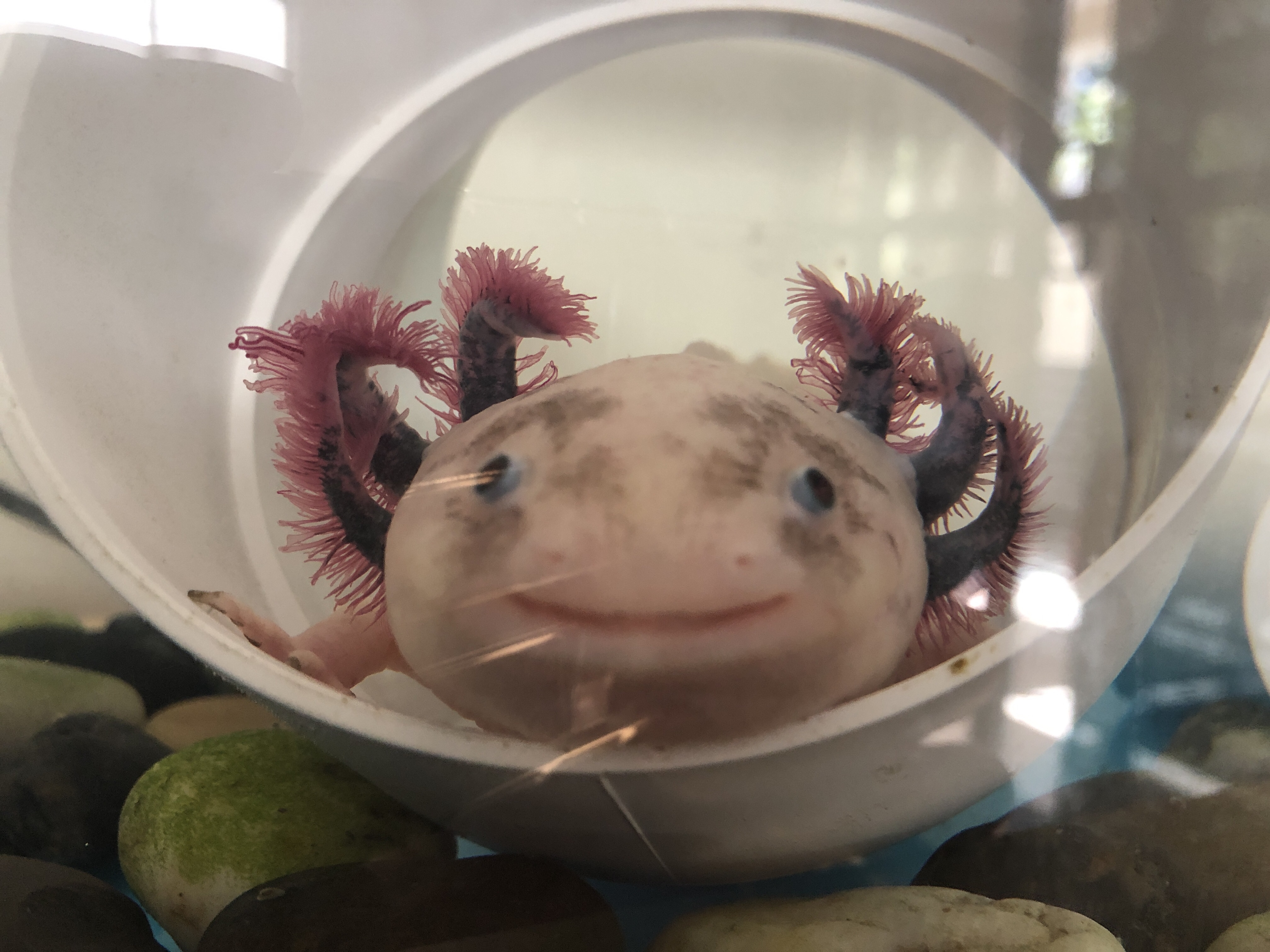
I have bought and sold so many items that if there was such a thing as a five star rating on Gumtree, I would have one. I only wish that everyone I dealt with had a five star rating! Such as the dodgy car deal that almost took place and then fell through in a public car park in Nedlands between myself and two unnamed men; the woman who caught a train from Rockingham to Perth where I met her with an ice cream container full of baby axolotls; the many people who called, messaged and emailed but then failed to turn up; the ones that turn up and then don’t want to pay full price; the ones that message you and offer you half your asking price, the list goes on.

I am quite spontaneous and very suggestible when it comes to deciding what activity I might like to take up next. My spare room is a testament to the fact that I thought I wanted (or even believed I had the time) to start spinning wool; playing guitar; riding bikes; paddling kayaks.

Ok, so I do play guitar and I did purchase my current guitar from a family in Swanbourne whose son no longer wanted to be Jimi Hendrix, but it turns out that bass is my thing so I just picked up a monster bass guitar from an ageing rocker (oh wait, isn’t that me?) from just down the road. Mark the guitar man had the most amazing collection of guitars and gave me a few tips on how to pluck bass strings. $100 well spent. I have added it to the spare room and my now collection of two guitars. I will practice every day, I will!

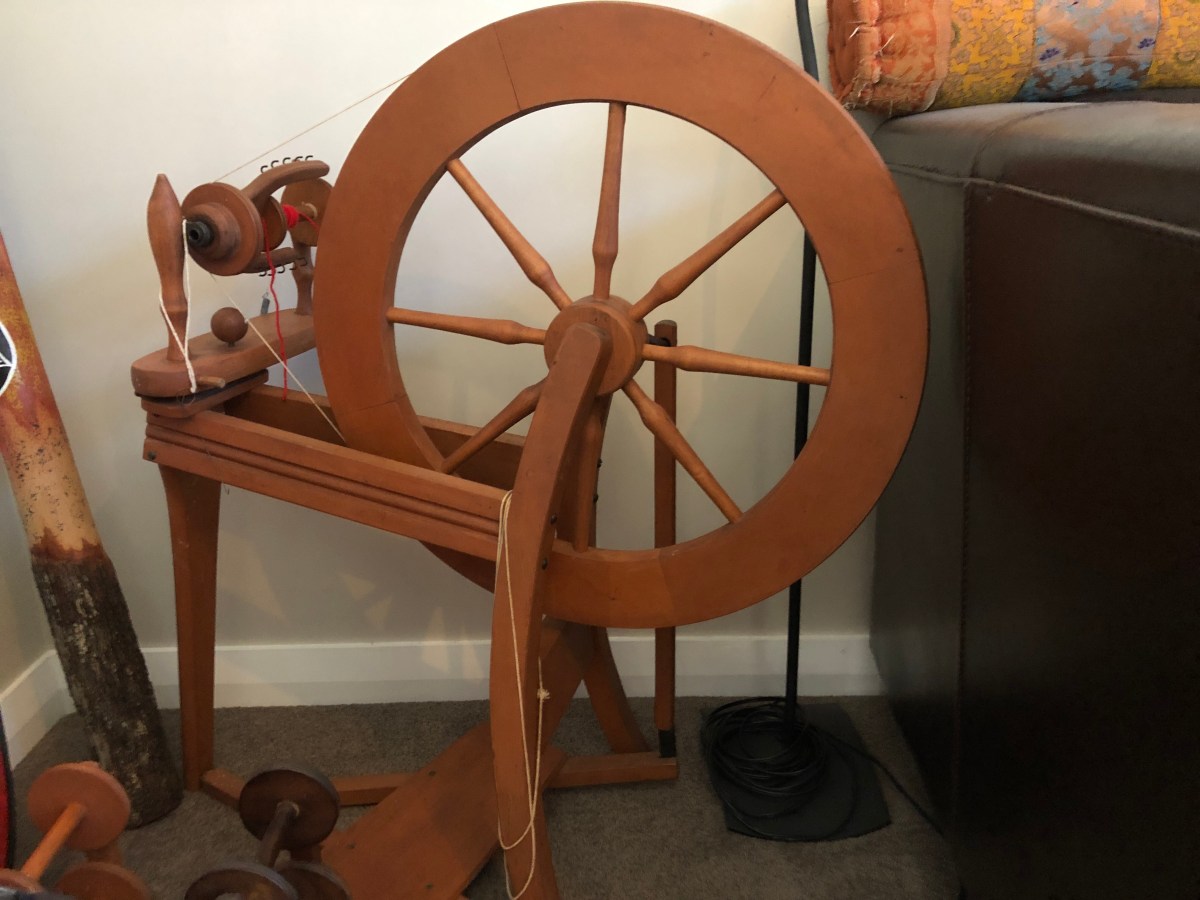
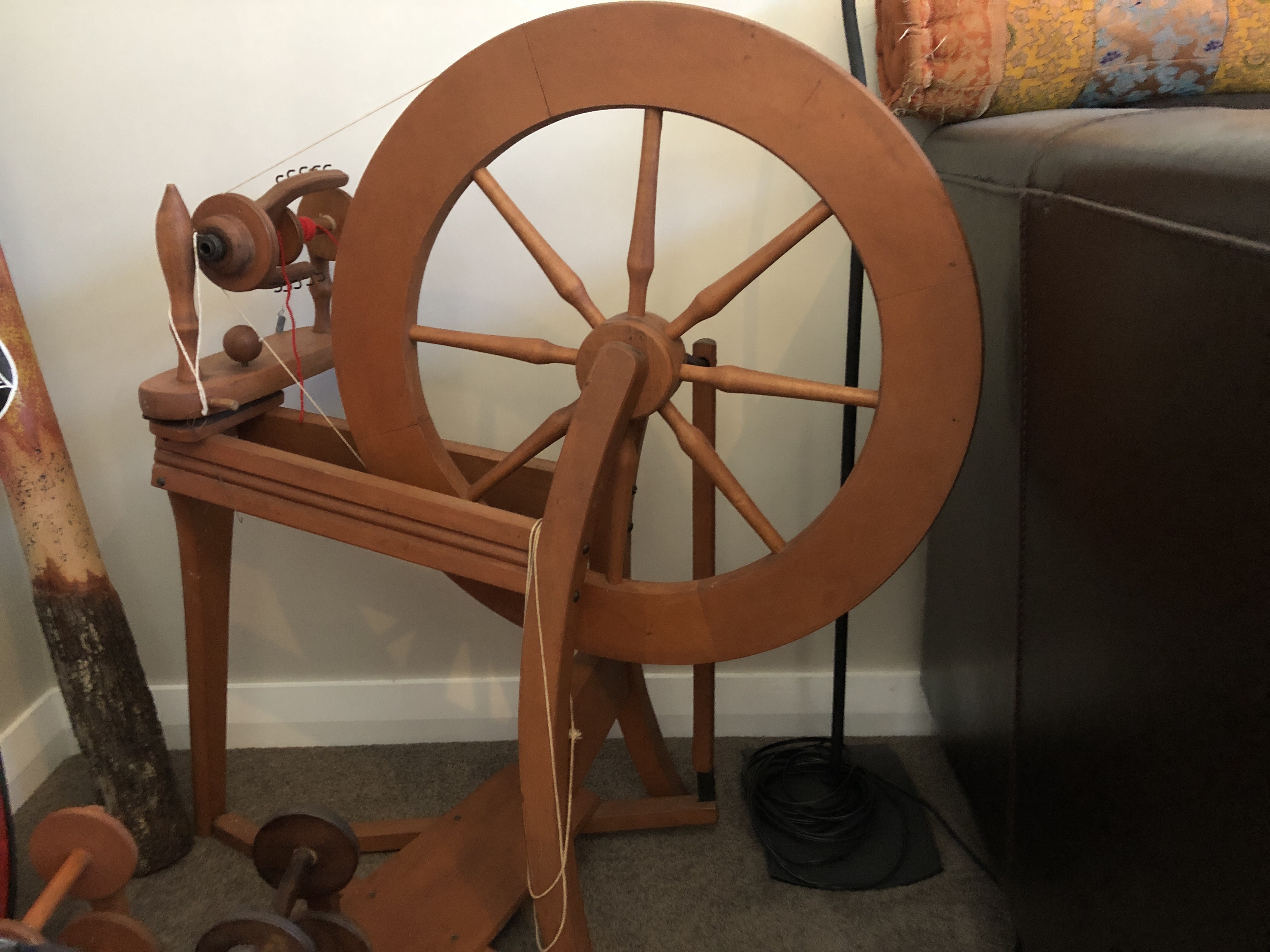
My Ashton spinning wheel recently went to a good home where the owners actually have a real live sheep. Nick lives in Serpentine and has just shorn his sheep for the first time. The wheel came into my ownership after I purchased it from a woman in Cottesloe who, like me, had it sitting gathering dust. I had visions of reliving my childhood where I grew up spinning alpaca wool beside the pot belly stove in Tasmania. Despite my best intentions I didn’t actually get around to using it. I had contacted the Spinning group on Facebook and even attempted to get to their gatherings once or twice but the weather was always too good and paddling got in the way.

My spinning wheel just before it was sent off to a “farm” to spin real wool!

My photographic equipment including a drone and a DSLR camera have all been recycled and turned into new cameras and lenses. I love searching through the pages and I am always reminded of that classic Australian film “The Castle” where the family would spend their evenings combing through the Trading Post. The words “Tell him he’s dreamin’ “ quite often can be heard coming from my mouth. There is something akin to a treasure hunt, the thrill of finding a bargain!

I am also partial to scrolling through “Perth Beer Economy”, a Facebook page where people exchange goods for bevies. The male axolotl who impregnated my female axolotl and caused me to spend many weeks raising axolotl babies was the result of an afternoon browsing through Perth Beer Economy and it only cost me a carton of Hahn Premium Dry (bloody bargain!).

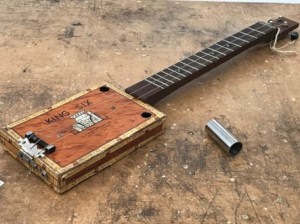
I very rarely pay full price for anything. My clothes come from Op Shops and as you can see so does most of my life. Its not just the recycling of goods that attracts me to Gumtree, because that is a big part of it. It’s the thrill of the unknown and it’s finding that treasure or bargain. It’s meeting the people who will travel by train from Rockingham to pick up a container of baby axolotls; the hobby farmer who has just learnt to shear sheep or the ageing rocker with a “Cigarbox” guitar he bought in Ireland.

You just don’t get that from shopping in a shopping centre or a department store.