
Pawn shop blues
I had an antique German camera circa 1956. My dad gave it to me when I was 13; it was beautiful. It had a brown leather case scuffed at the corners, and a short handstrap; the aluminium body shell was cool to the touch, it was in perfect nick. I treasured that camera because it had been Dad’s and then it was mine.
Over the years I have amassed a small arsenal of cameras; always within reach, always ready for a quick draw. Each one poised to capture fleeting moments, little tableau vivants frozen in time, saved for later.
I hoard these fragments like a clever corvid, stashing them away in digital caches, waiting to be rediscovered. But sometimes, the sheer volume of stored memories overwhelms me. So many moments scattered across virtual vaults, buried in folders, clouds, drives.
There was simplicity in the old ways; sliding prints into a drawer, arranging them in photo albums behind plastic that held your memories behind static and photo mounts, or clicking through dusty slides in a carousel at family gatherings, onto a white bedsheet.
Honestly? Screw the cloud.
Tell those friends with cameras for eyes
That their hands don’t make me hang
They only make me feel like breathing
In an unguarded moment.Michelle Parker / Stephen Kilbey
Photography was once all about fitting a black and white Kodak film into the back of a camera and slotting it into place, carefully lining up the film onto the sprockets and slowly closing the back with a satisfying click. I loved winding the film on to the first frame; it filled me with delicious anticipation every time. What could I capture on this fine roll of cellulose acetate?
My first film installed in my German camera when I was 13, took an age to reach the final frame. Only 12 exposures, but each one was carefully considered. Composition, light, F stops just right. Press my finger down on the shutter button, click! Wind on.
My first reel was shot on a holiday camp for children who did remote correspondence schooling. A bunch of teens from farflung outposts, lighthouses, and remote locations throughout Tasmania. It was a strange and isolating experience for me which was odd because for the first time in years I was with children my age. The photos are of the girls who I made friends with, posing awkwardly on the beach.
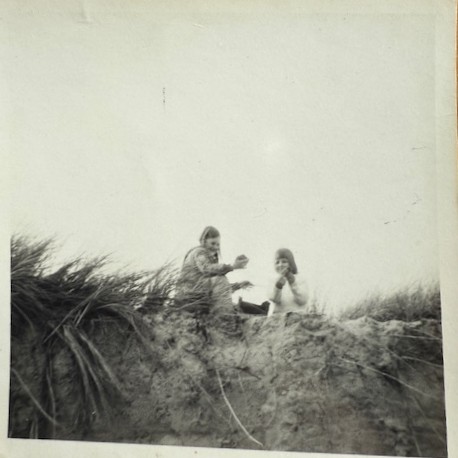

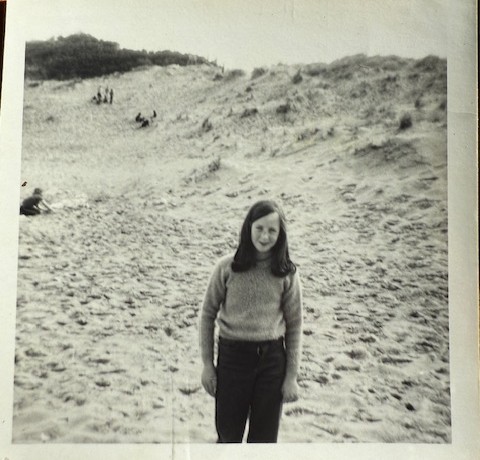
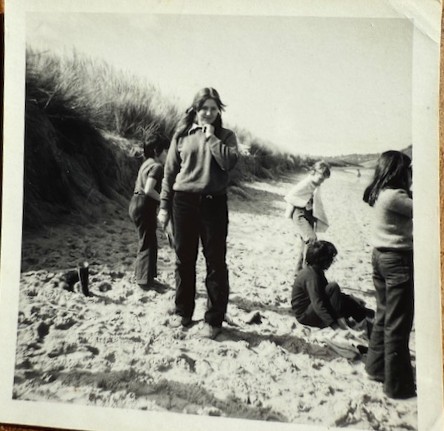
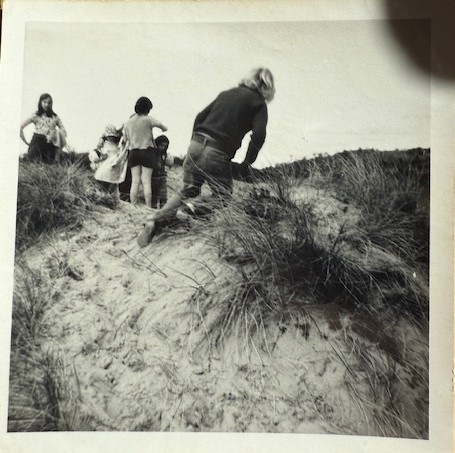
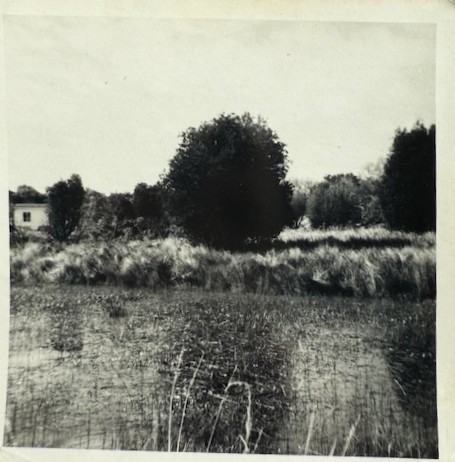
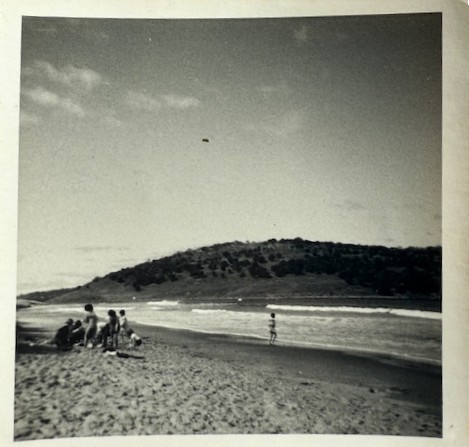
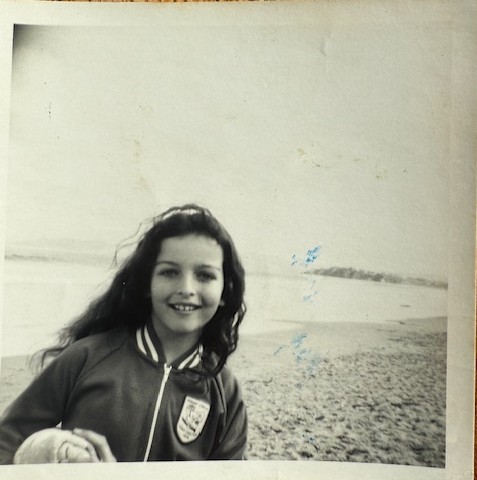
I loved photography. I took the elective twice in high school and later when I was in my final year at Nightcliff High in Darwin I completed a week’s work experience at the male dominated bastion that was the NT News. It was a newspaper worthy only of lining a birdcage, but I was given free rein with all their camera equipment and the dark room. They sent me out on ‘assignment’ and I spent the week roaming the streets of Darwin photographing visiting sailors and points of interest. One of the best weeks of my life. Although looking back I think they just wanted me out of their hair. Pesky work experience kid, and a GIRL at that.
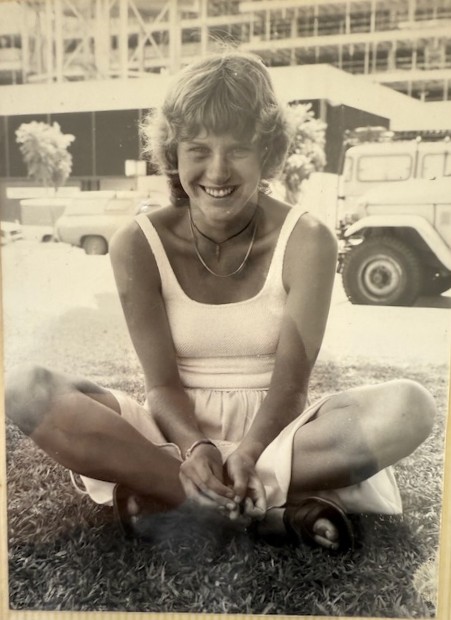
I was lucky growing up because I also had the means to process my own film. For a time, my arty creative family had a dark room that doubled as a laundry ; knock before you enter. The smell of developing fluid, the sticky photographic paper immersed in solution as you push it back and forth to get maximum coverage. Pegs to pin the drying photos. The red light.
I carried that German camera everywhere. When I fled Darwin to check out the ‘big ol’ city’ of Perth I was 20 years old. All I had was my pale green Toyota Corolla, some jewellery that belonged to my dead mother, a couple of suit cases of clothes, my dog ‘Odie’, and my camera with the brown leather case.
I had no feelings for the jewellery and pawned it within a week of arriving in Perth. I never retrieved it, I should have. There’s a whole lot of unresolved trauma behind this that I won’t go into here and now.
I had already secured a fulltime job with a West Perth accountant but had four long weeks before the job started. I was living on the bones of my bum, in a share house with three of the strangest men I’d ever met. The home owner, an alcoholic bank manager who tried to get me into bed every weekend, a wheatbelt butcher named Brad, as country as they come, and a batshit crazy skydiver who jumped out of planes every weekend, as warped as they come. We all had dogs. It was ridiculous. I got out of there not long after I started my fulltime job.
Anyway, I was skint and the only things I had of any value were my car which I needed to get to work, eventually, and my brown case camera. I was not one to ask my family for money; I was fiercely independent. So I took that heirloom to a pawn shop with the intention of lending against it and retrieving it later. I think anyone who has ever pawned anything has the same intention. It was the first of many interactions I would have with the shady world of pawn shops over my lifetime.
Before Cash Converters went chainstore slick, pawn shops of the ’80s were shady backstreet dens, usually run by middle-aged men with foggy glasses and halitosis. Cash Converters started in Perth in 1984 as just one grimy shop, not the franchise juggernaut it later became. By 1990, its expansion across Australia somehow turned the once shameful act of pawning Gran’s wedding ring into something you could do between grocery runs. Respectable seeming ads helped remove the shame of being broke, until ID checks were insisted on, revealing most of the goods were stolen. Who’d have guessed?
I think I got a miniscule $50 for it. $50 was enough to keep me going until I received my first ever dole cheque. Yes, in those days it was a dole cheque, you cashed them at the bank. I was on the dole for four weeks and in that time I did what every other person on the dole was doing in Perth and hung out at Scarborough Beach. Sun, sand and salt were my regular companions.
But, I never did go back to pick up my camera, not even after I started work. I was playing catch up with rent, new work clothes and food, and with the interest mounting on my pawned items, suddenly it was too late. The brown case camera from Germany, that belonged to my Dad was gone. The jewellery that belonged to my mum was gone. I have regretted losing that camera ever since.
So over the years I’ve kept an eye on camera sales websites, Facebook pages and Marketplace. They come up but they have all looked worst for wear. One Sunday I was browsing Marketplace and I saw one for sale in a suburb close to mine. It had been sitting in the owners’ storage for decades. The lense unscratched, if a bit dirty. But Zeiss lenses are the best and if they have not been scratched they will come up fine with a clean.

I jumped in my car and drove like a mad person through an electrical storm, torrential rain and hail. The camera was perfect and appeared to be in excellent condition; the model was not the same as my old one. It’s a Zeiss Ikon Contessa with a quality Tessar lens. So I handed over my cash and spirited it home for cleaning and love. I know it doesnt go anywhere near replacing the one I pawned but it looks and feels the same; a satisfying weight, the aluminium cool to the touch and the brown leather case is scuffed in all the right places.
*EDIT
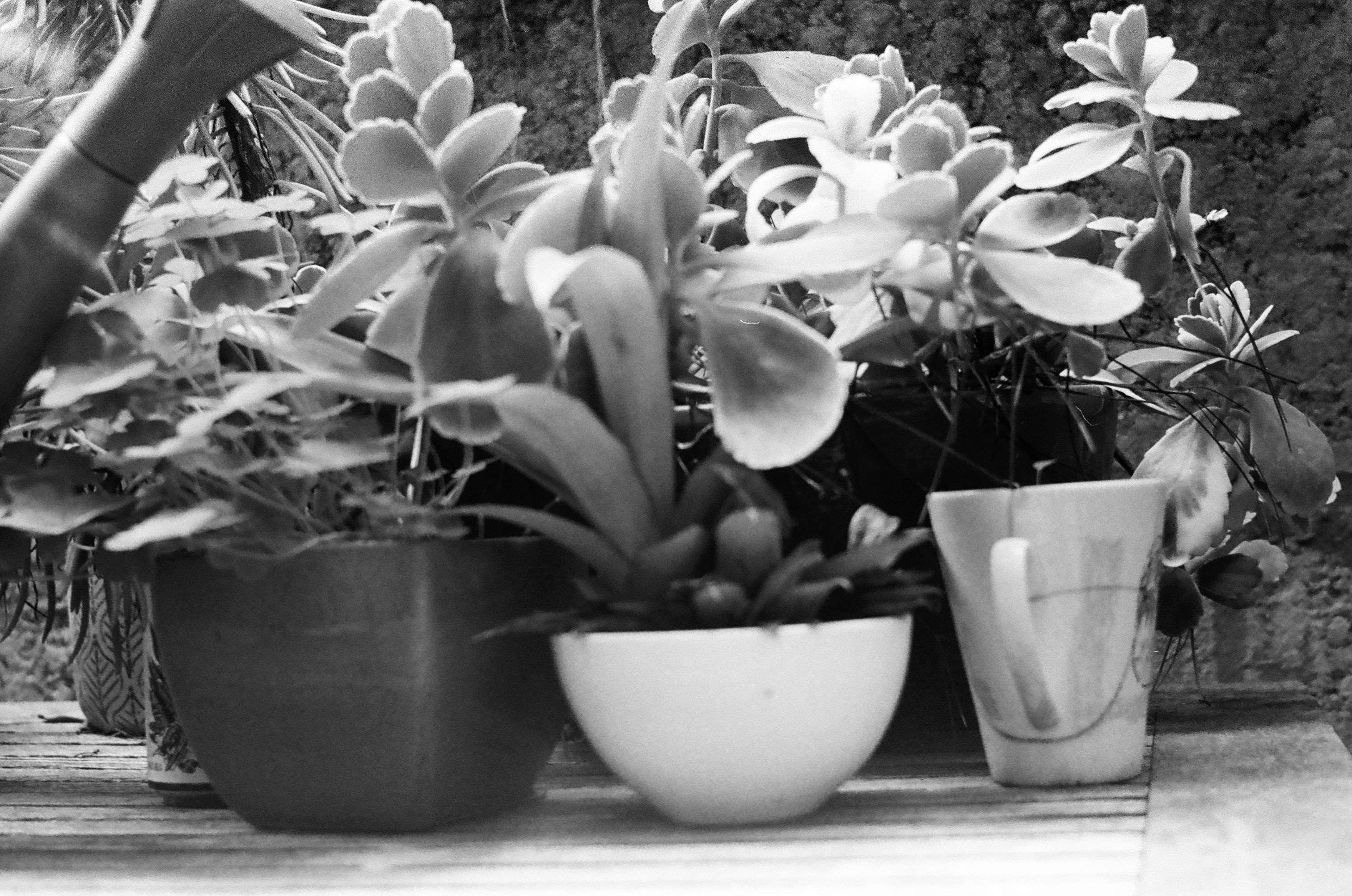
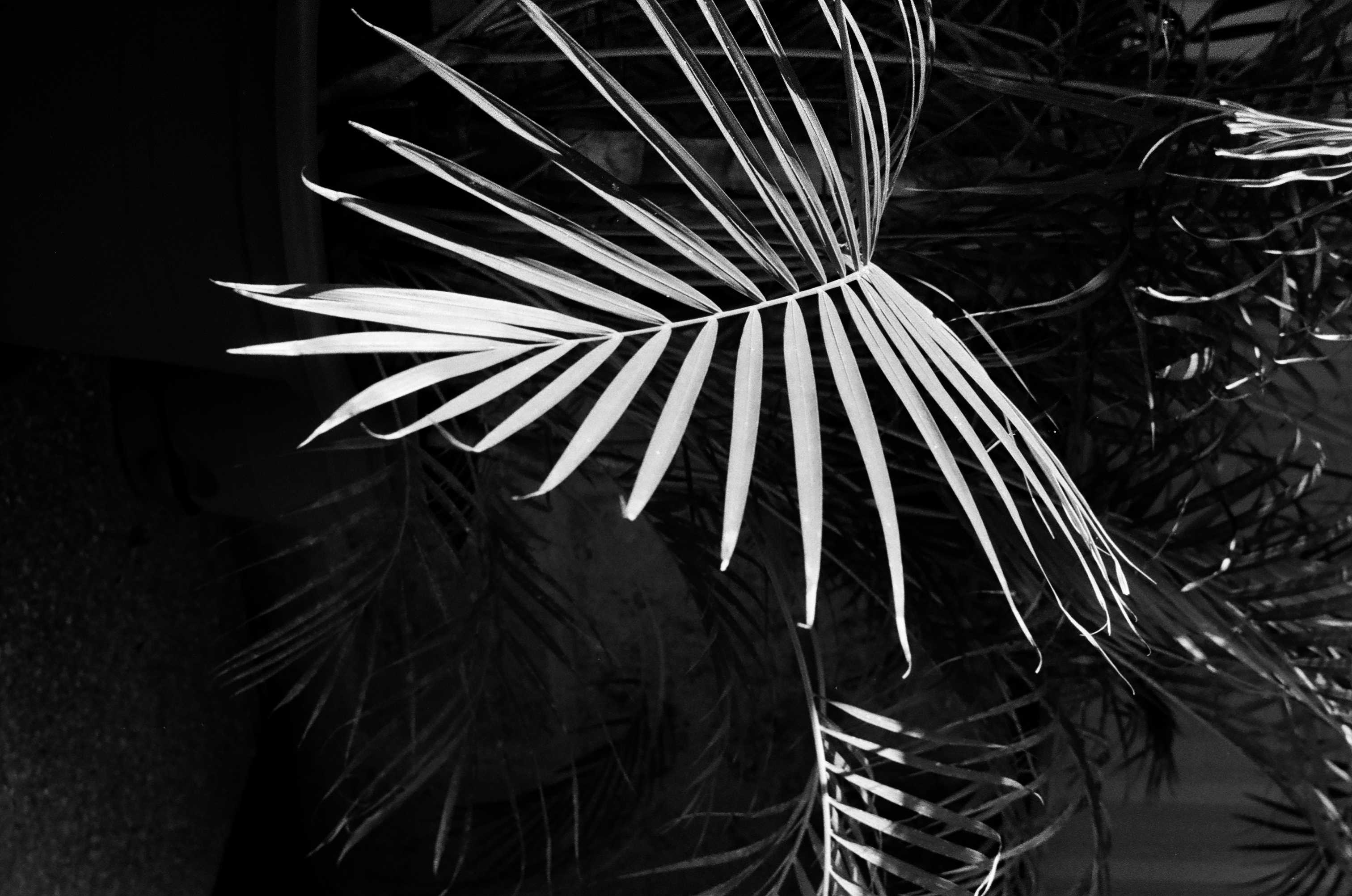
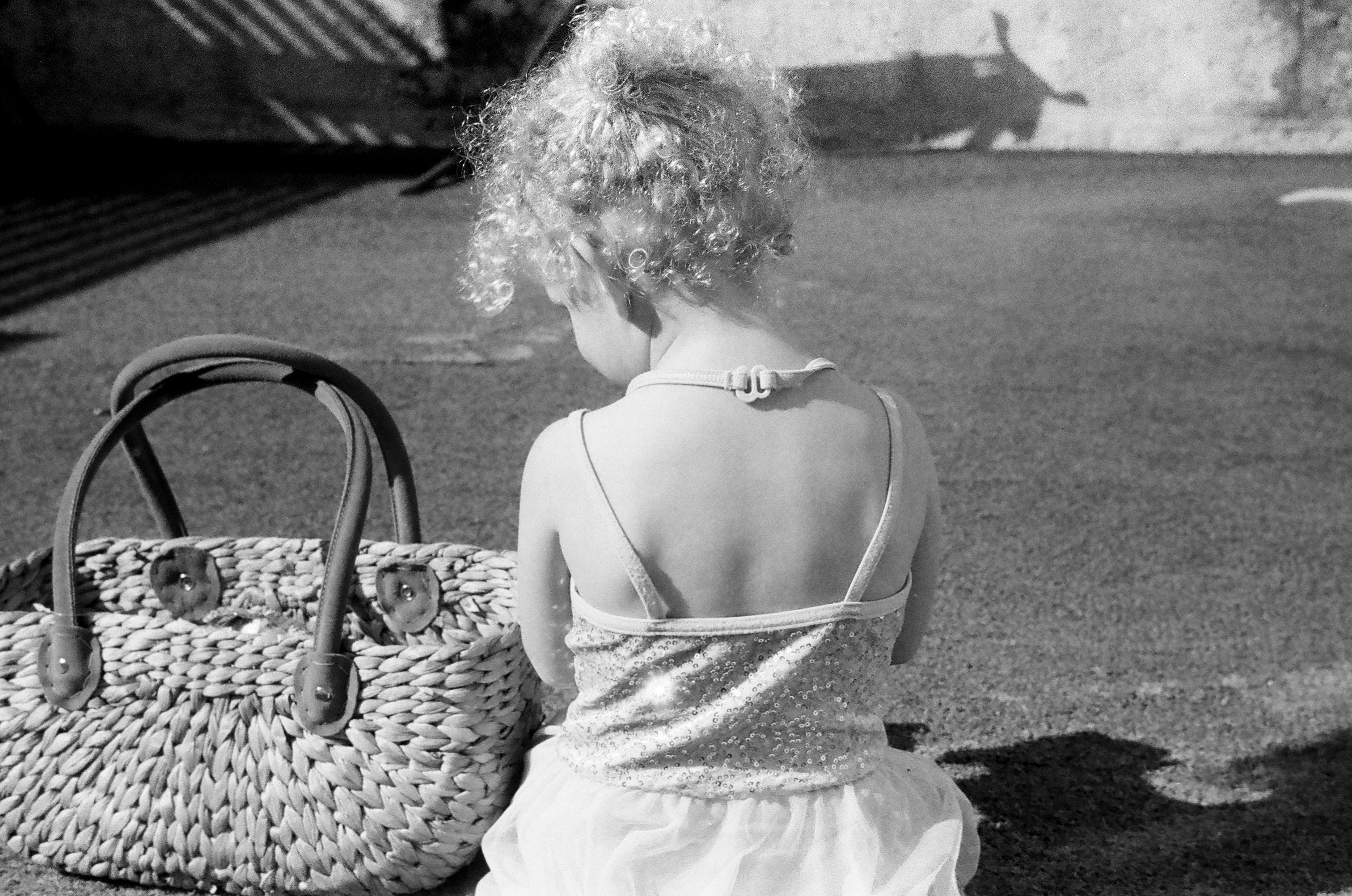
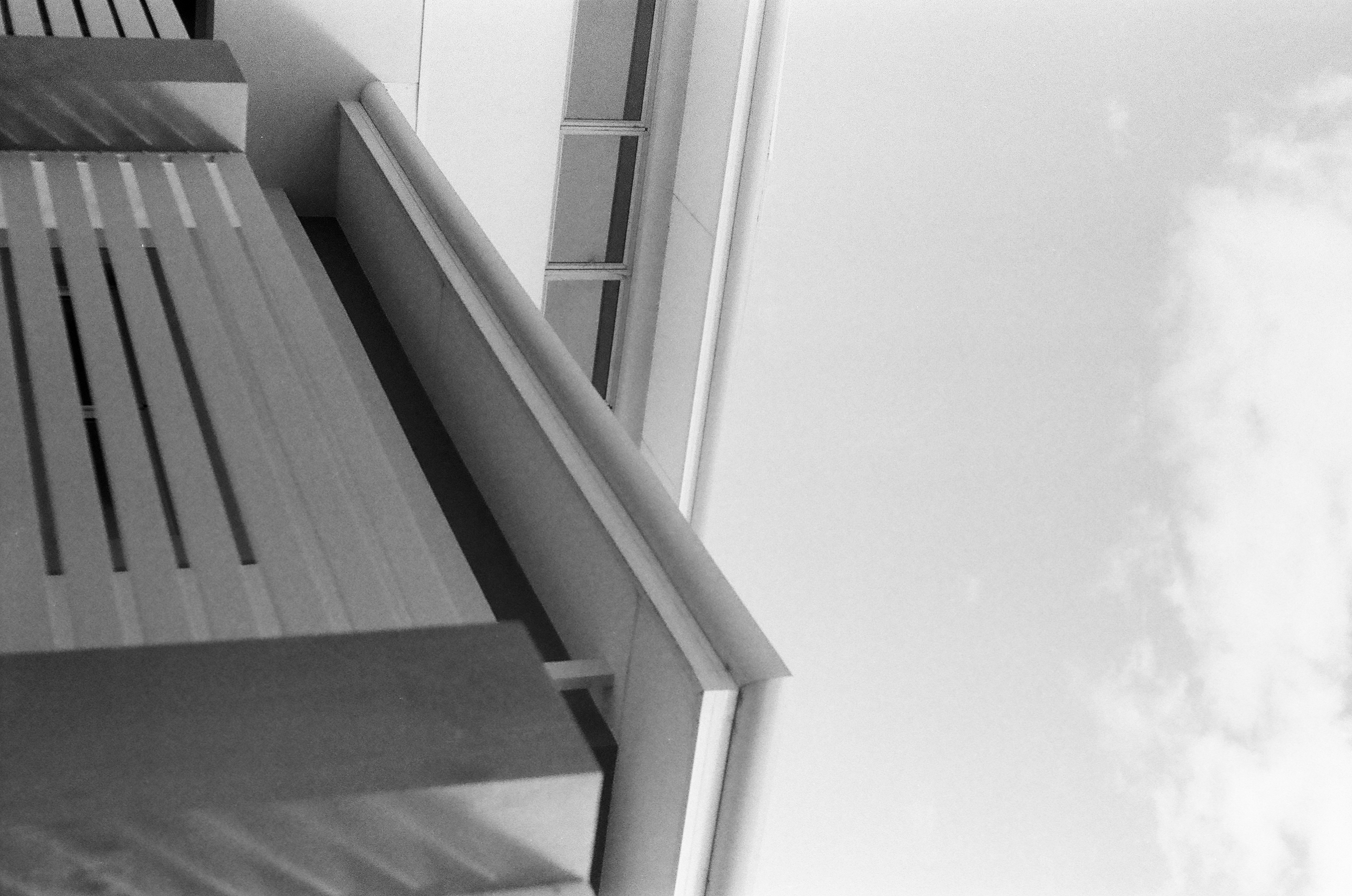
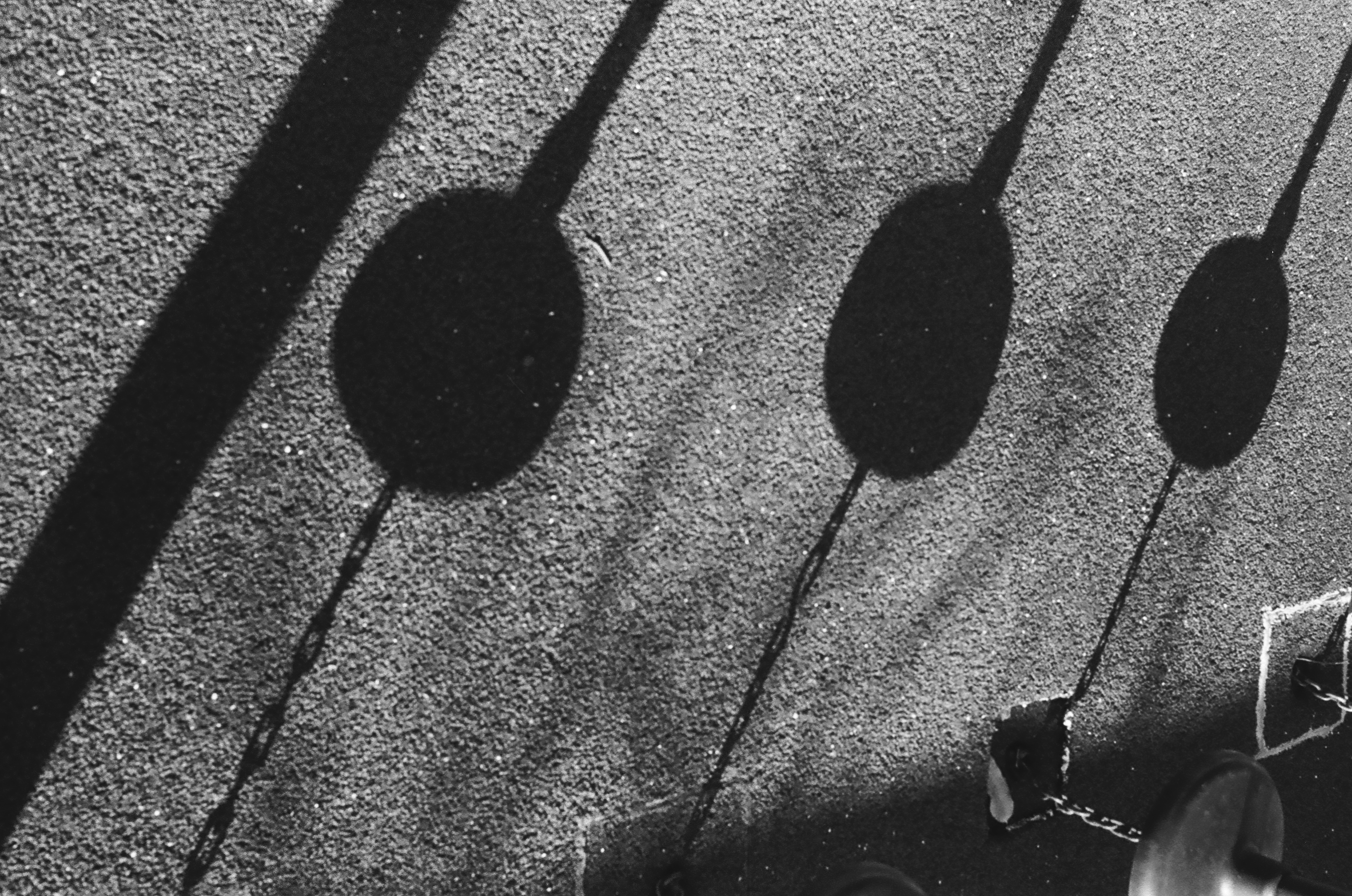
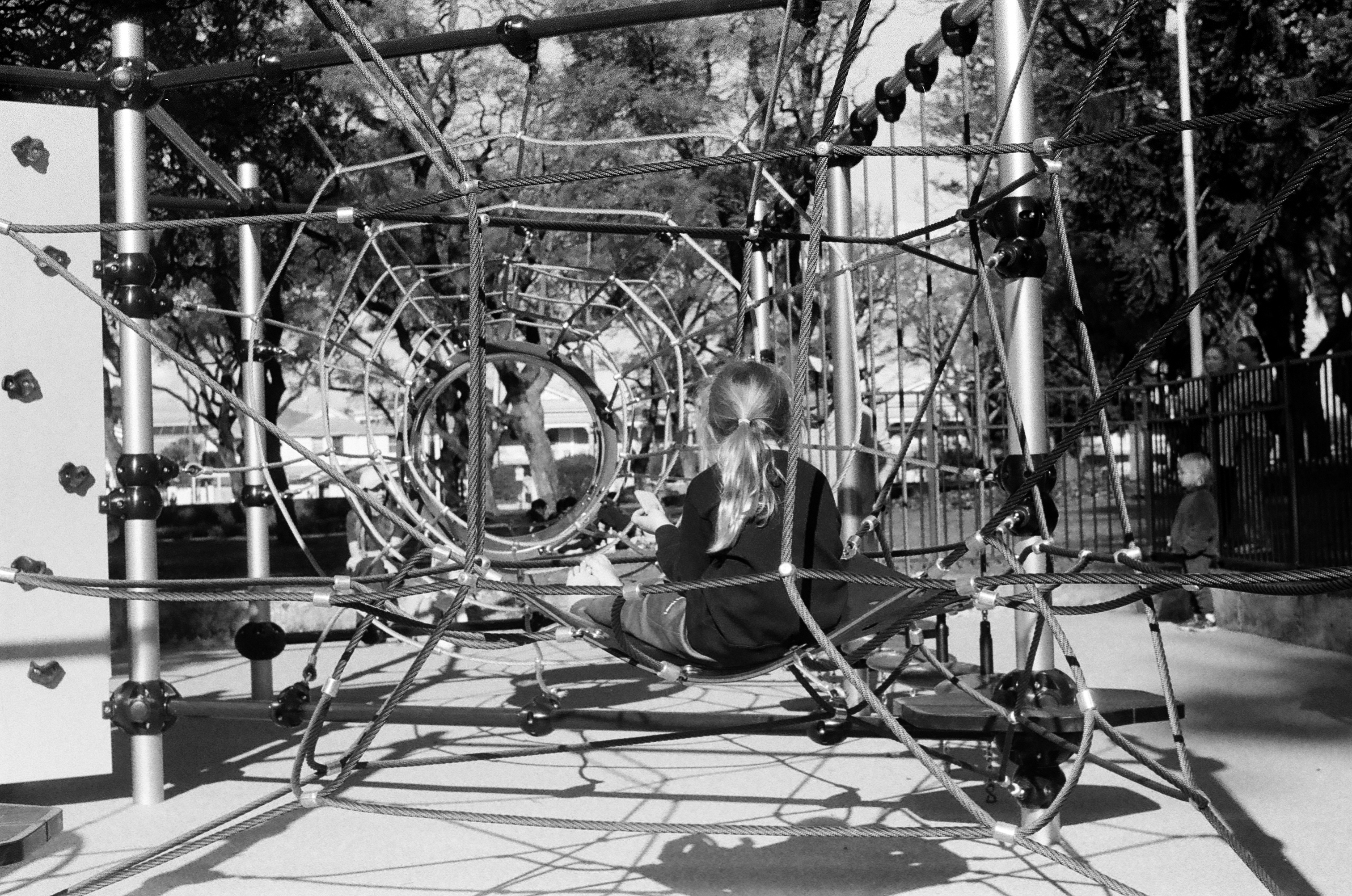
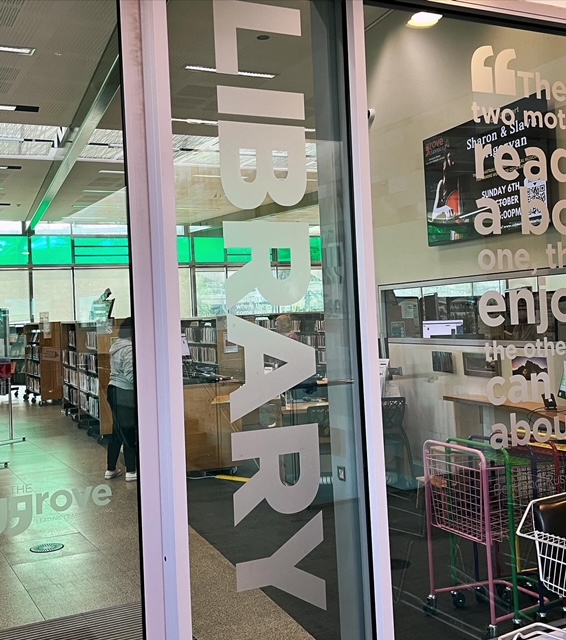
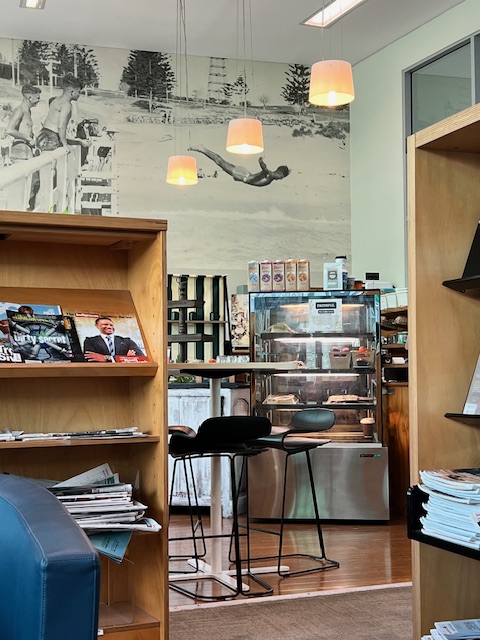
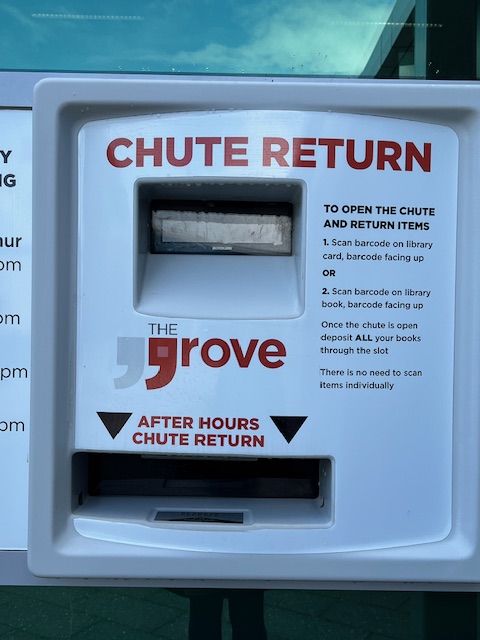
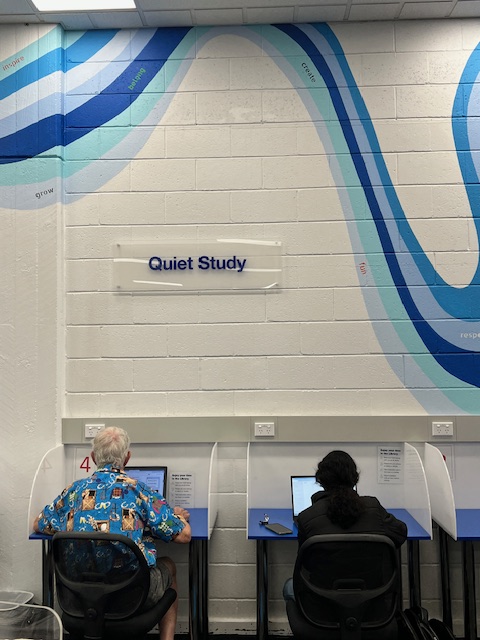
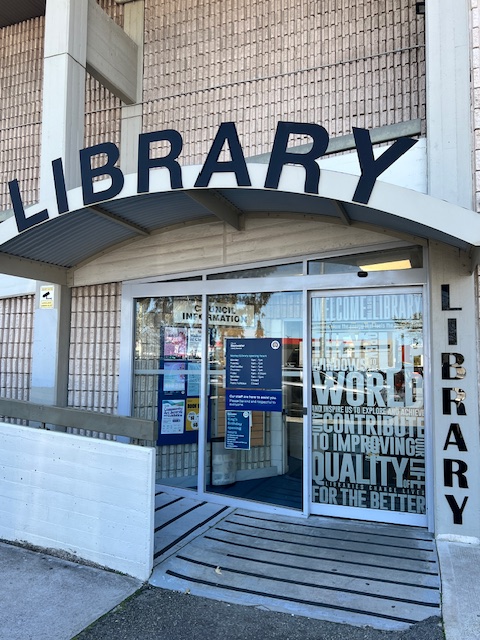
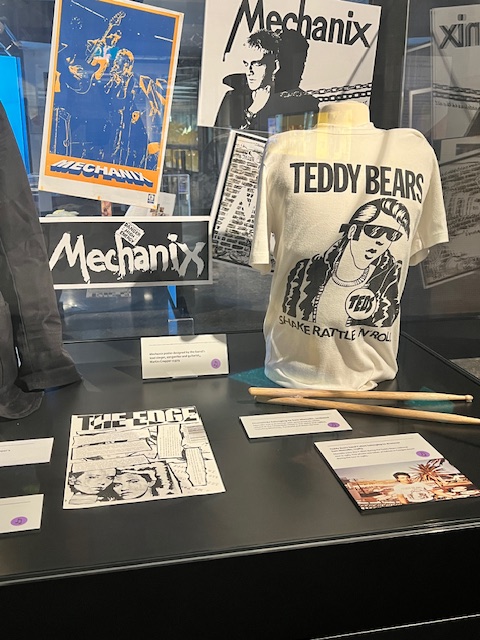
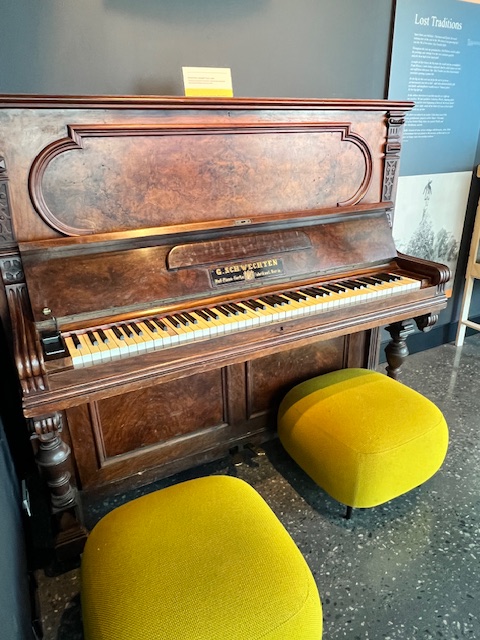
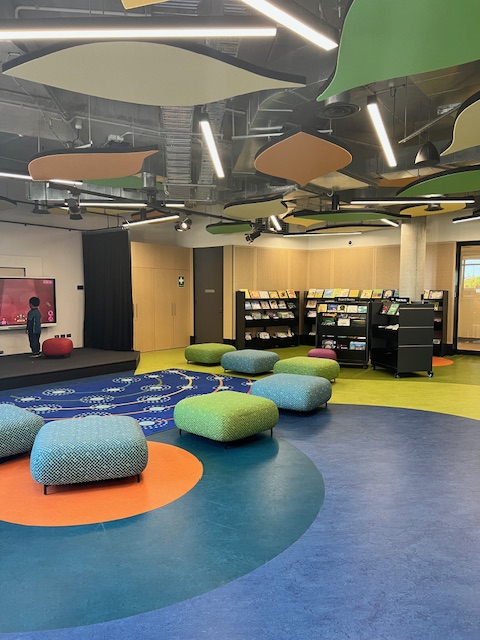
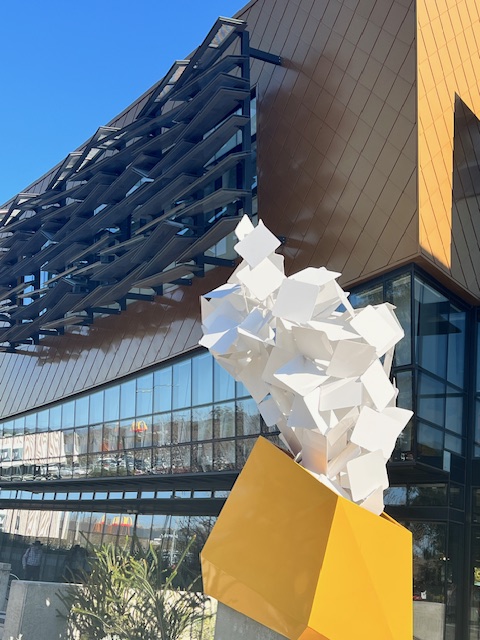
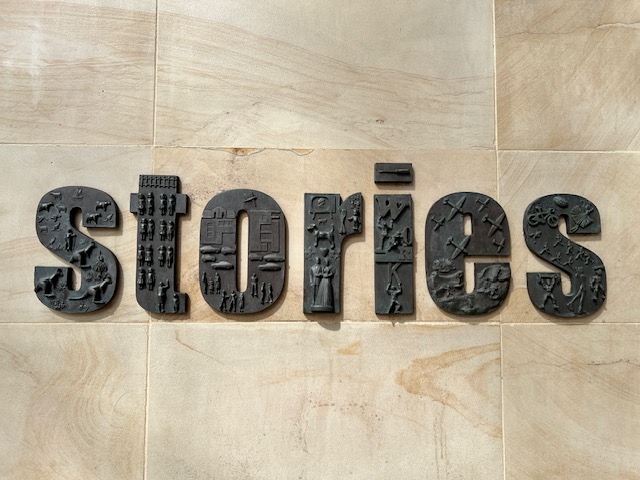
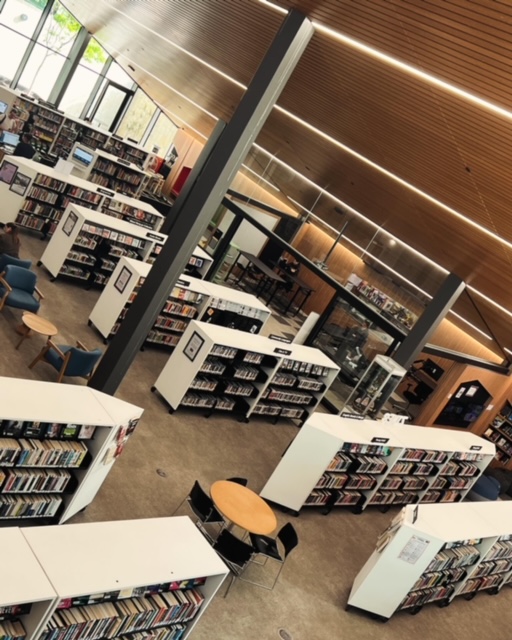
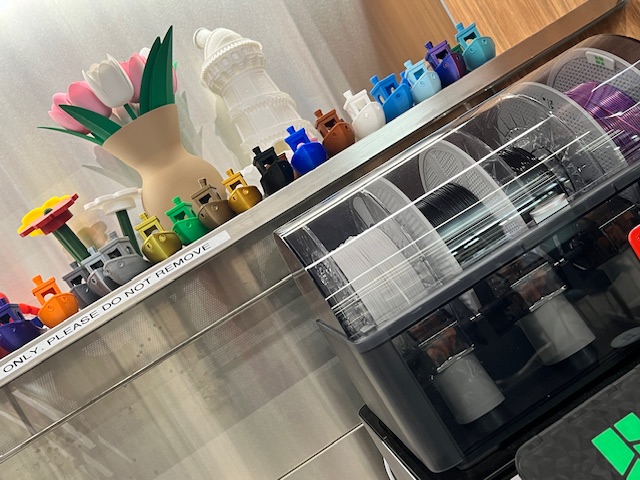
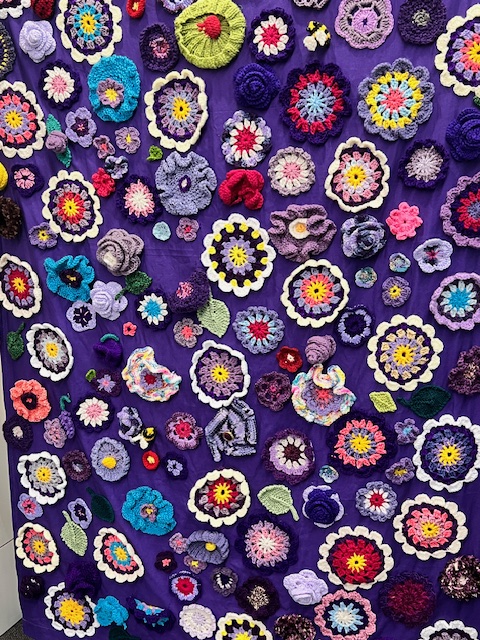
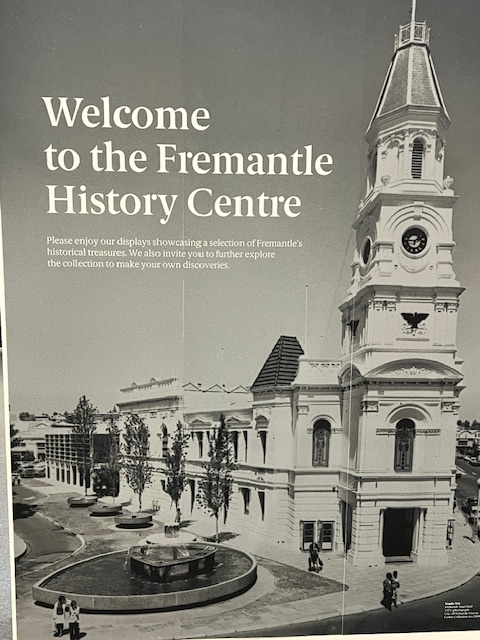
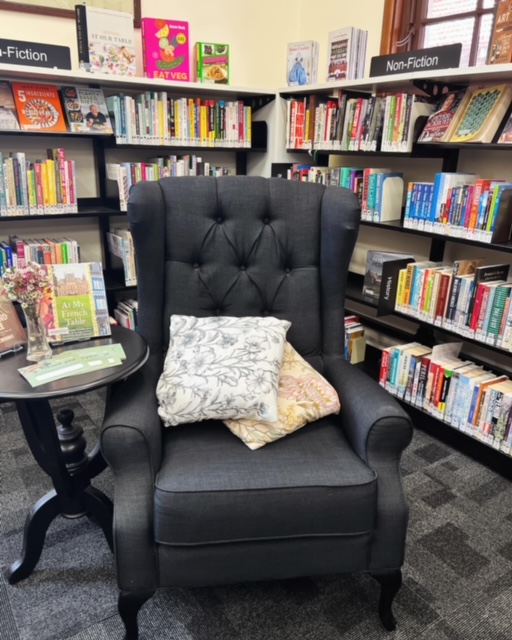
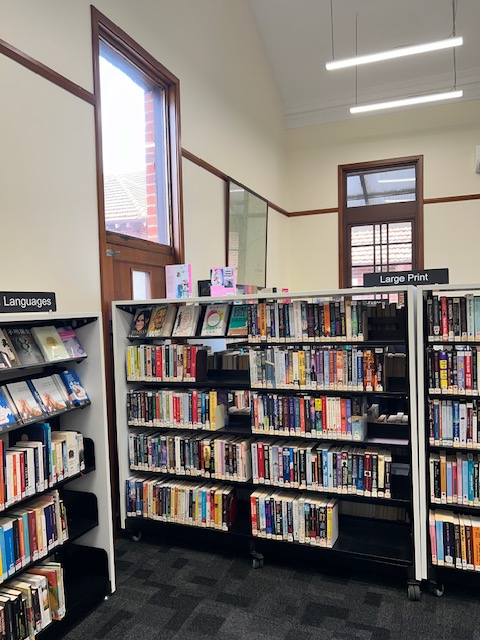
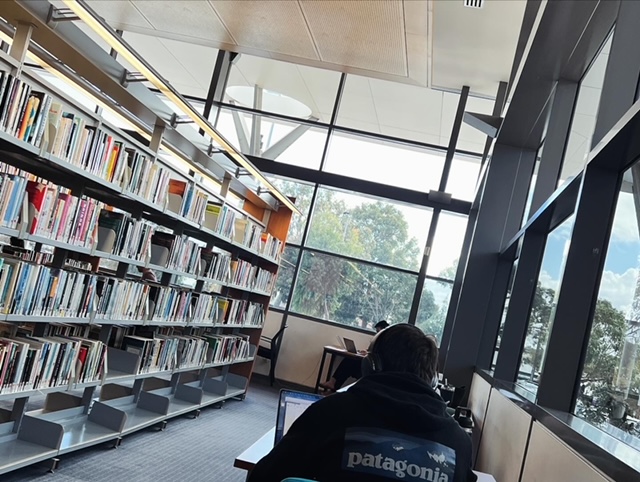
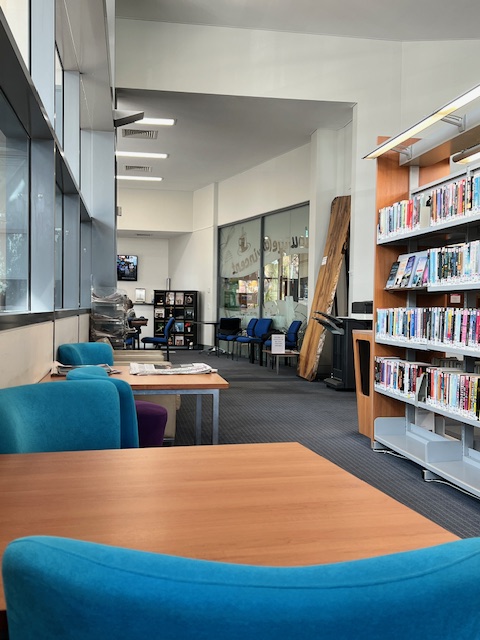
Here are the first photos from my new camera. I am beyond pleased!



 All in a Day Adventures