Goomalling & Biosphere Boodja 2025

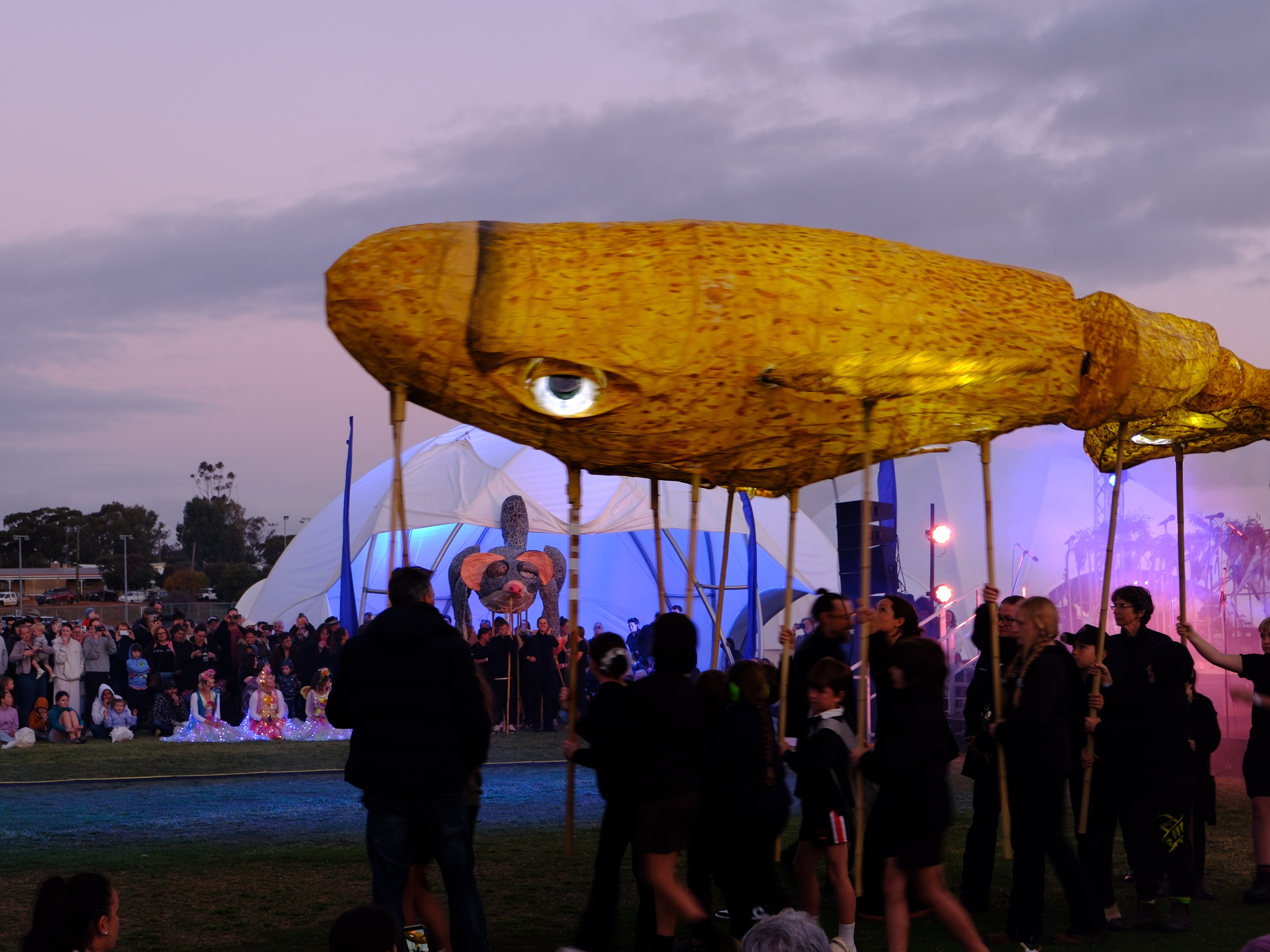
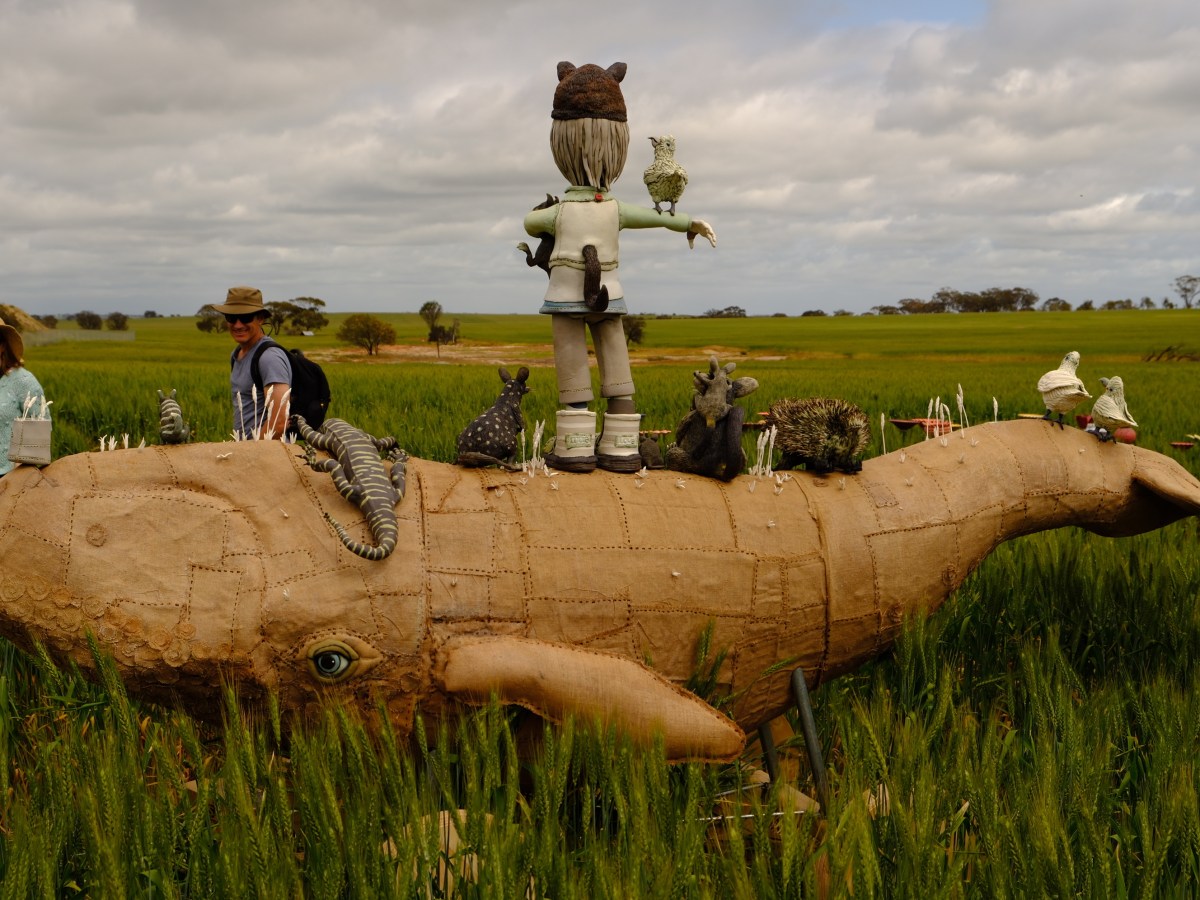
Giant whales drifting through wheat fields and wheat silos used as a backdrop for magical projections. What an incredible weekend of art and community in Goomalling!

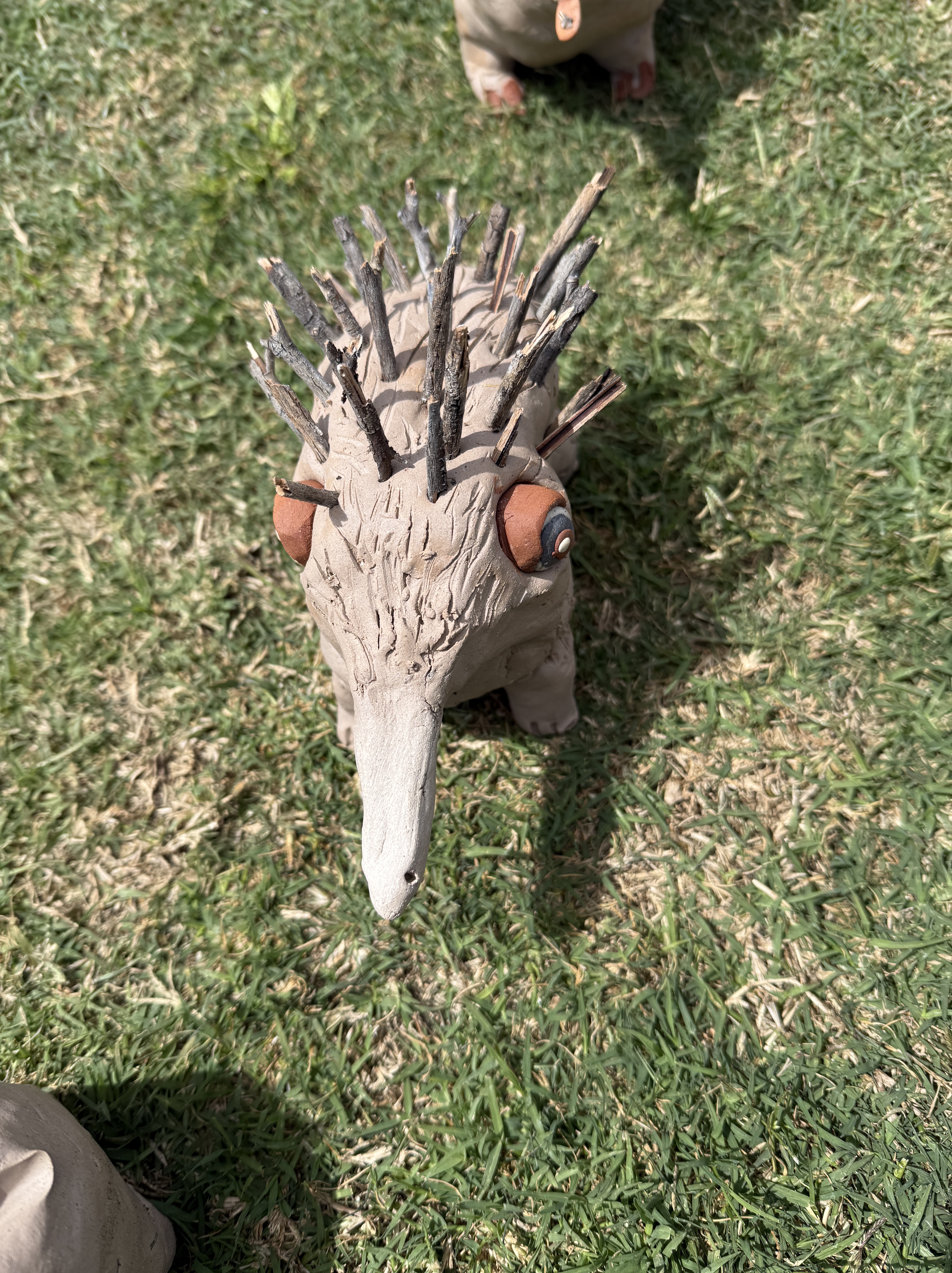
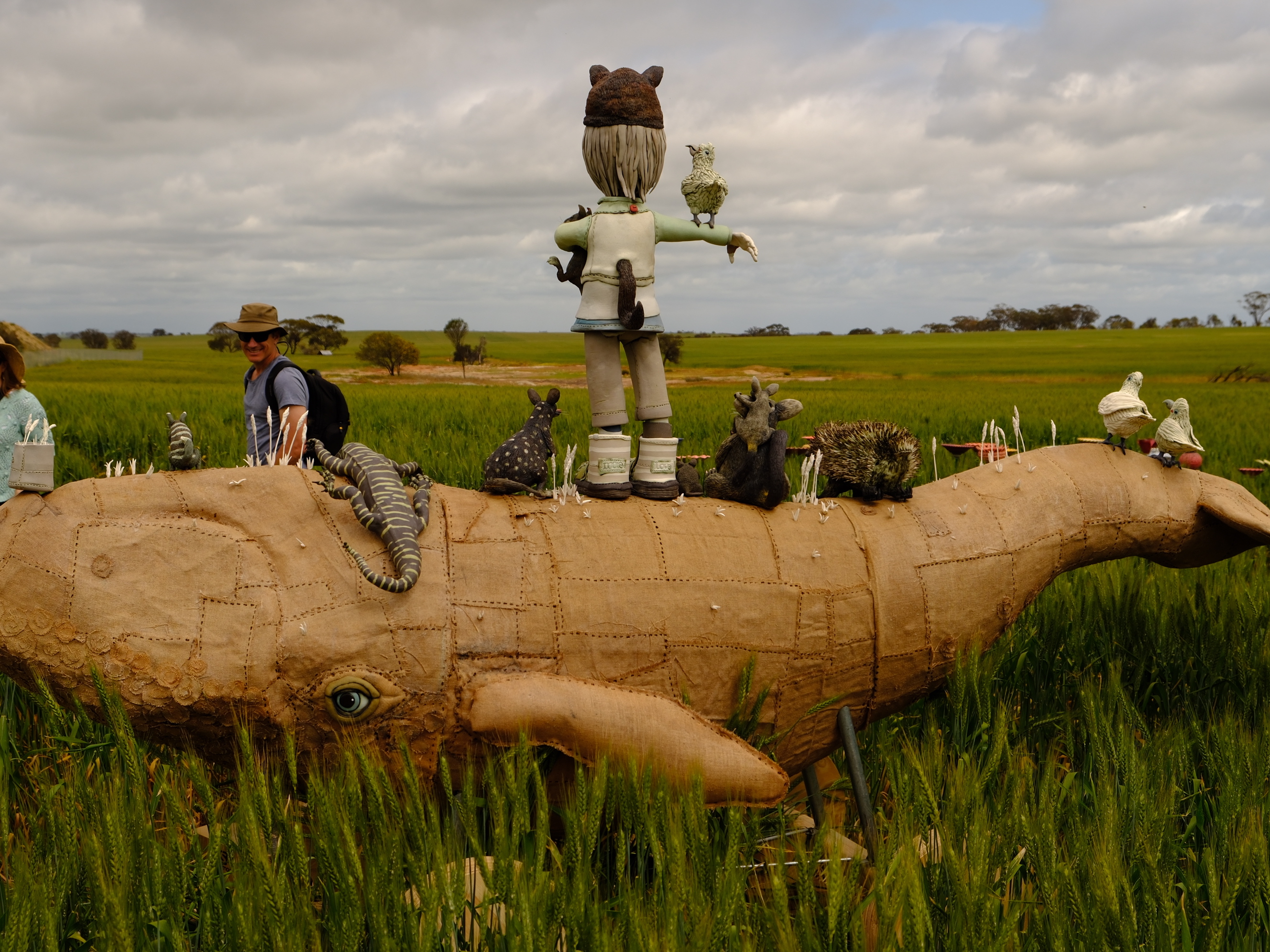
A whale in a wheat field, a parade of delightful ceramic echidnas as far as the eye could see, fresh crop circles that may or may not have been created by aliens, and some of the finest humans in the biosphere all gathered one long weekend in September in a tiny country town where not much usually happens. The Biosphere Boodja Arts and Wild Things Festival in Goomalling has just happened and I was lucky enough to be there!

The tiny wheatbelt town of Goomalling was the locus for this incredible happening, or ‘creative uprising’. It was the brainchild of Internationally acclaimed Perth ceramic artist and the festival’s creative art director, Fleur Schell, who was born in the wheatbelt town of Goomalling.  

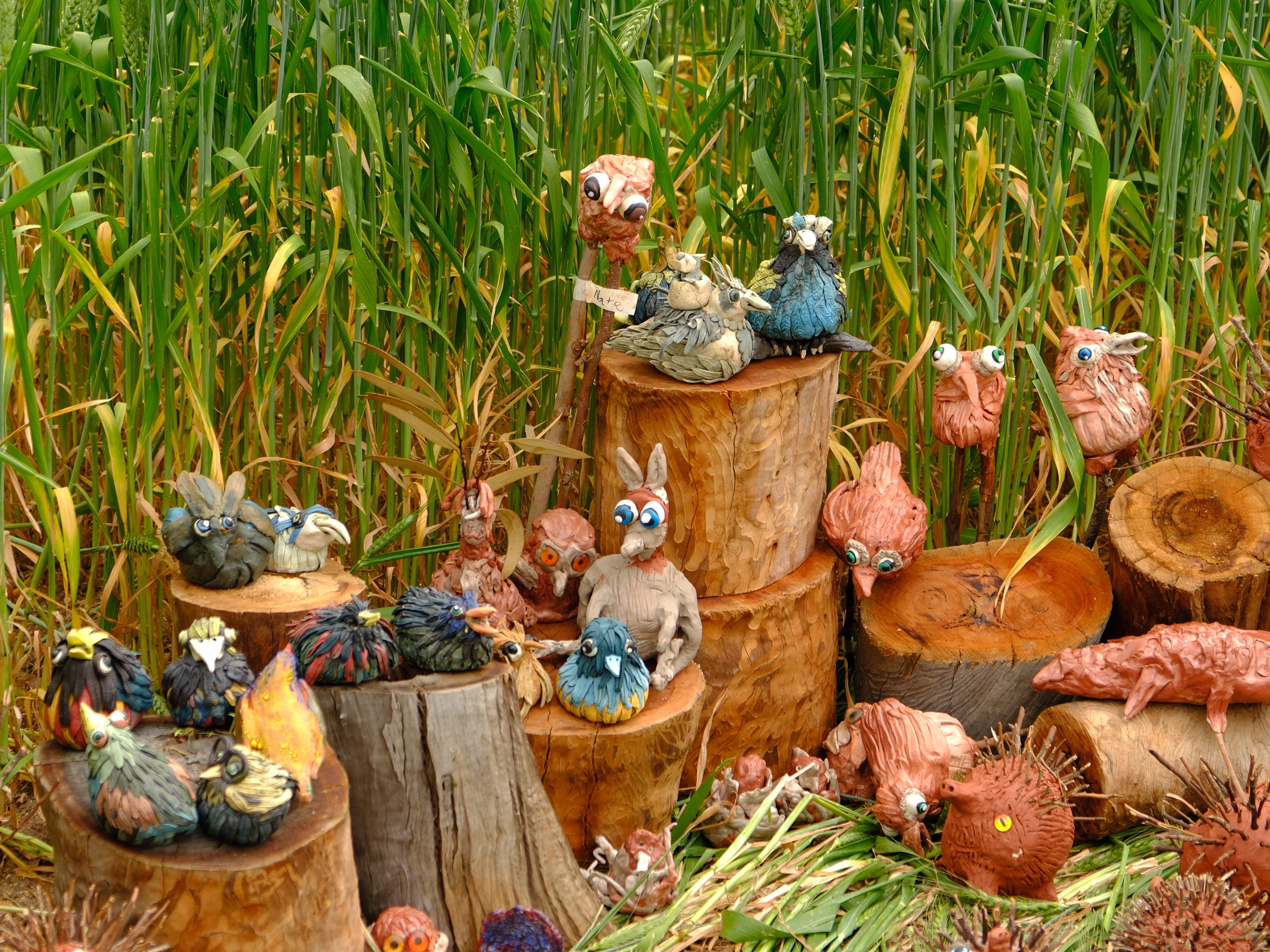
She had a dream, or perhaps more of a vision, that she brought to life with some funding from Lottery West, major sponsors, private donors and the local community. Collaborating closely with Ballardong Nyungar Elder Tracy De Grussa and with the local community including primary school children from the two small primary schools in the town and with the Goomalling Op Shop behind her, Goomalling definitely had a happening! 

The small town of Goomalling is under two hours northeast of Perth in the Avon Valley and the Western  Australian wheatbelt.  Like all wheatbelt towns, it’s all about the wheat and it’s the enormous grain storage domes that immediately grab your attention when you drive into town that formed part of Fleur’s vision for the Biosphere Boodja Festival.
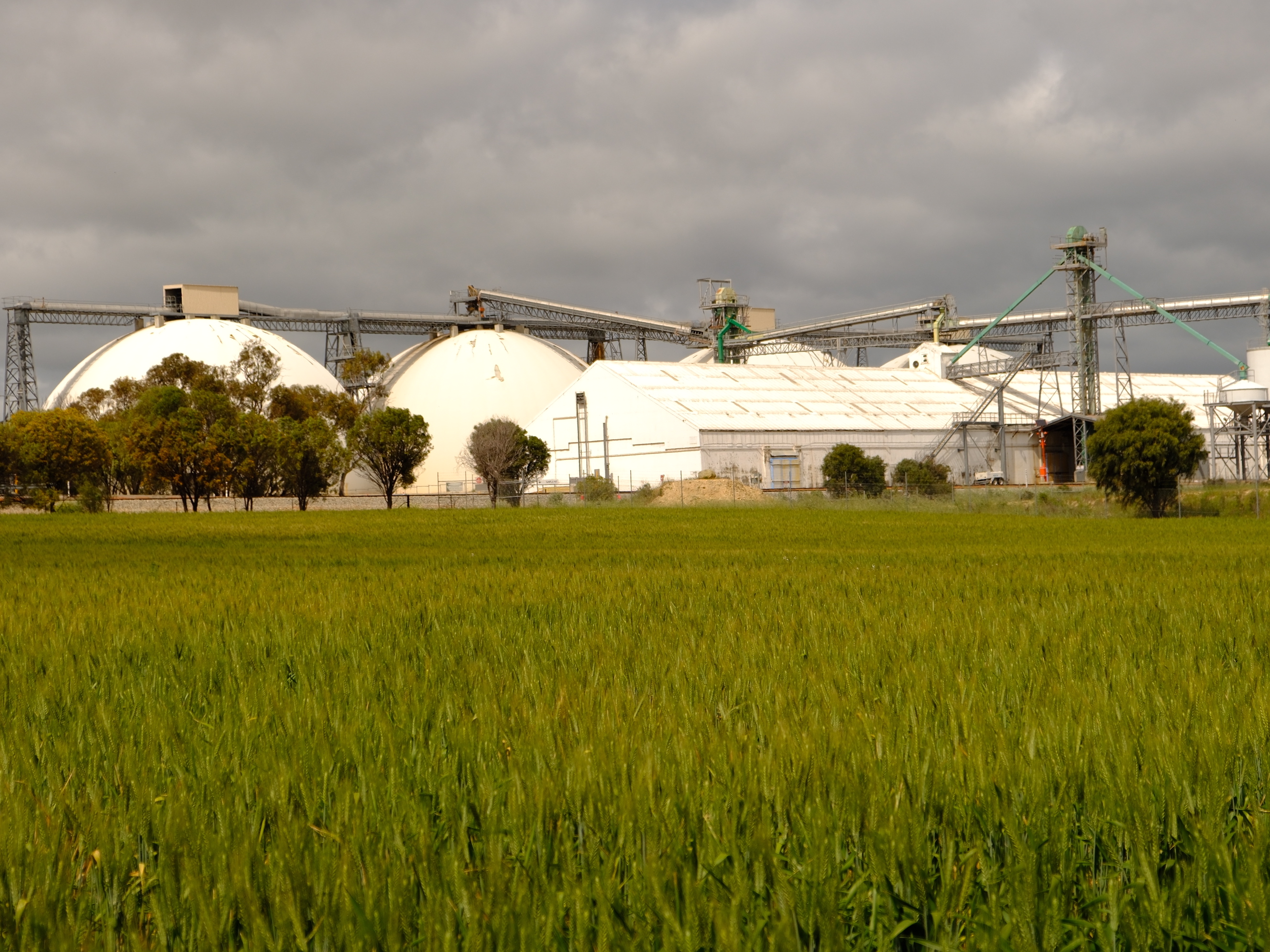
The giant spherical silos are pure white and look like something you may find on Mars if the future of life in space ever comes to fruition. When Fleur was a child they were really buried dinosaur eggs. They were also the perfect canvas for the incredible Totem Story projections that were cast that Sunday evening.

As a clay artist Fleur saw an opportunity to invite visiting ceramicists in Perth for ‘Wedge 2025: The Australian Ceramics Triennale in Fremantle’ scheduled for the following weekend in Fremantle.  Clay play and ceramics with clay provided by Midland Brick, formed a  large part of the festival and the workshops available for festival goers. Throw in some of Perth’s premier musos, a sculpture exhibition in a wheat field, some dancing, yoga and a giant puppet parade and the experience was out of this world. 

The festival was free to those who attended ; There were different camping options including glamping and family camping areas. We paid for bush camping on the decidedly rustic golf course.  It was close to everything, including a million mosquitoes.  
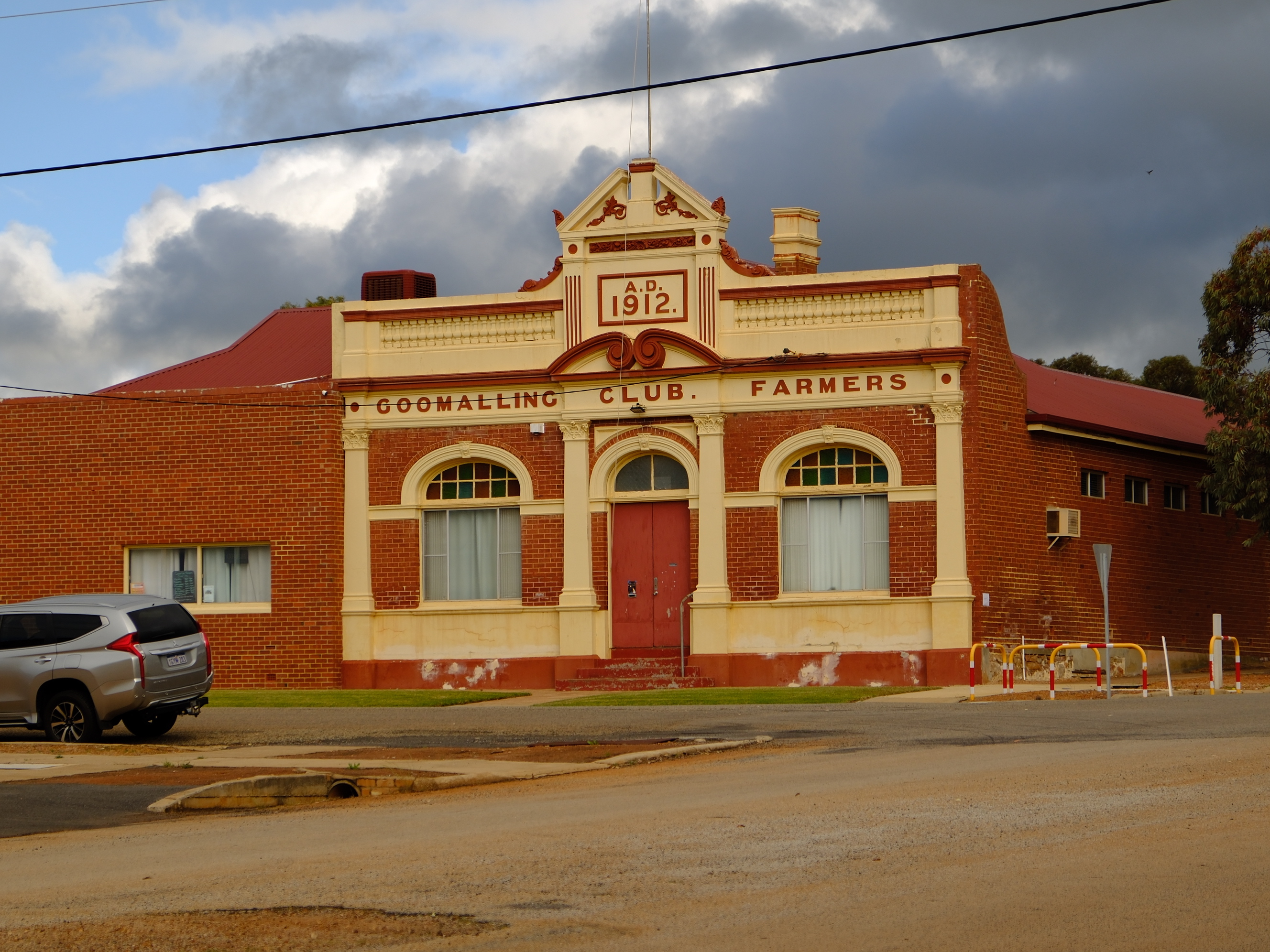
I’m a Tassie girl who grew up in isolated places and went to high school in a small country town so I have a thing for small country towns.  While Western Australian wheatbelt towns are a far cry from the lush farming towns in Tasmania there is an essence that spans all country towns and ties them together. That essence is isolation and community.

For me, wheatbelt towns are not comfortably accessible all year round due to the extreme temperatures in summer. Not to someone who likes to spend time outdoors and camping anyways, so I try to get out there as much as I can during the cooler months.  There is something magical about wide open spaces, random granite rocks and wheat silos.

This trip was my second foray into the wheatbelt this year; a couple of months prior I went and spent a day and night hanging in the Granite Way at Kwolyin Camp ground and Kokerbin Rock, one of my favourite places to explore.  There really is nowhere better for star gazing!

So when Biosphere Boodja came up on my radar, I jumped at the chance, found a festival buddy and headed back into that wheat belt that I just can’t get enough of.
The drive out was ethereal; green wheat fields on either side and the fading flowers of the remaining canola, almost finished flowering.  As drifted into towns surrounded by modest hills incredible mists filled the valleys. It was all I could do not to pull over every 10 minutes to take photos.
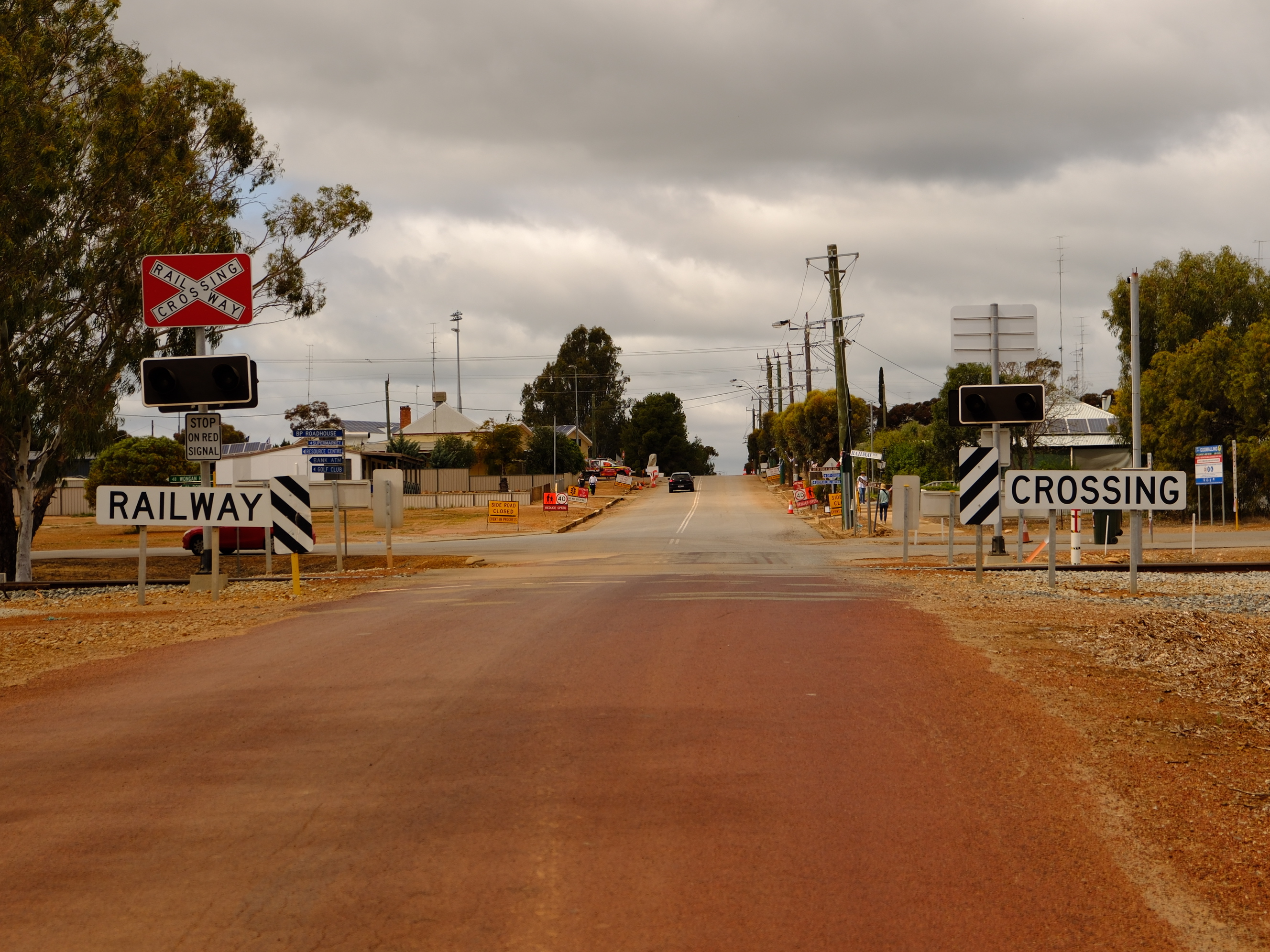
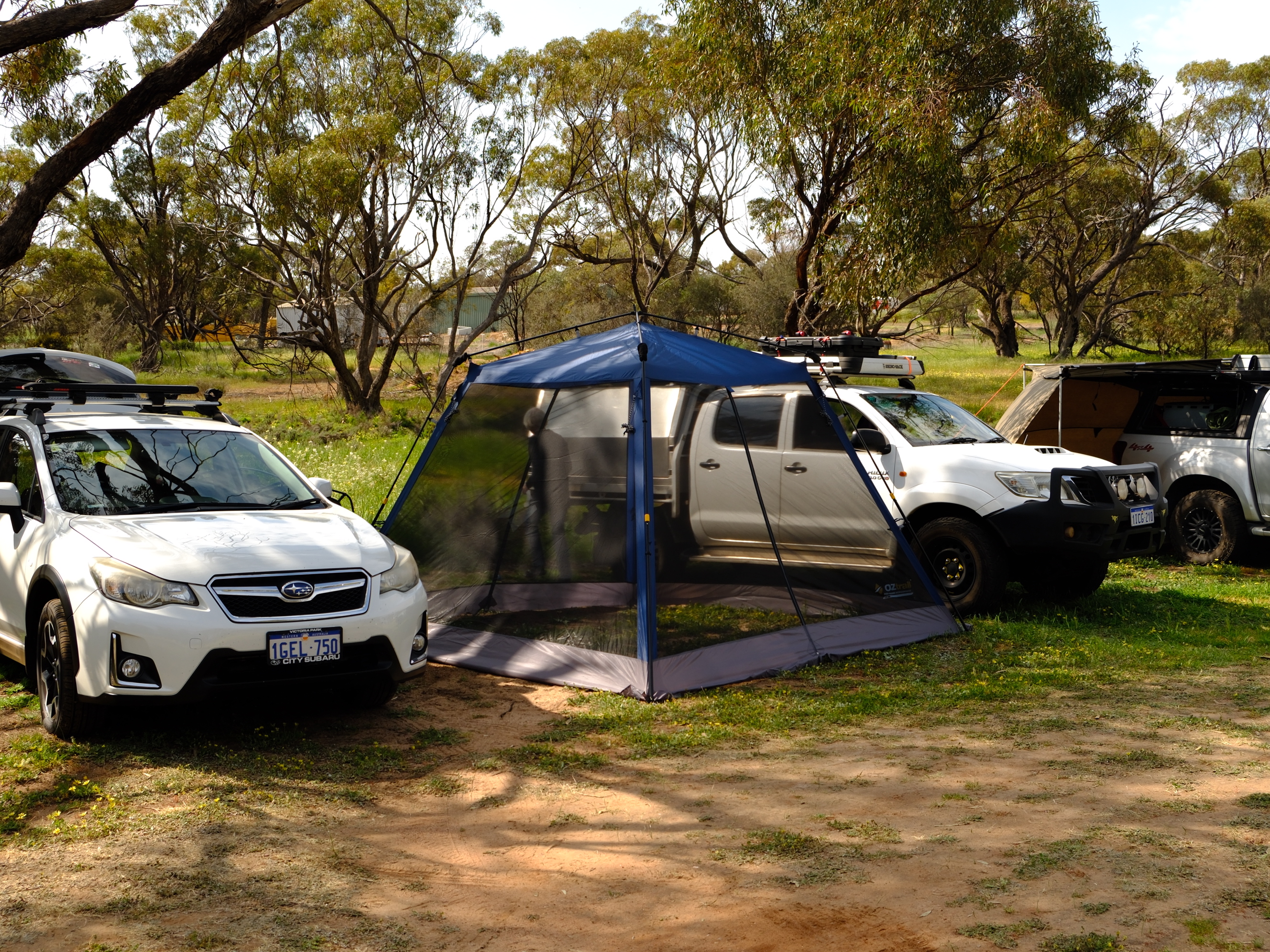
When I reached Goomalling at 8:30 that morning (yes I had got up very early to leave) I was the first bush camper to roll in and register. We were camping on the golf course and being a dry wheat belt town the golf green was not how you imagine a green in the big city. Nevertheless, they wanted to protect their fairway so we camped in the bush on the side of the daisy-covered fairway with about 10 million mosquitoes. 

The town volunteers were all incredibly friendly. They popped me down at the end so I could drive out easily the next day and they saved a space for my friend Elaine who had a rooftop tent. Turns out we were first to arrive and last to leave. That’s how we roll.
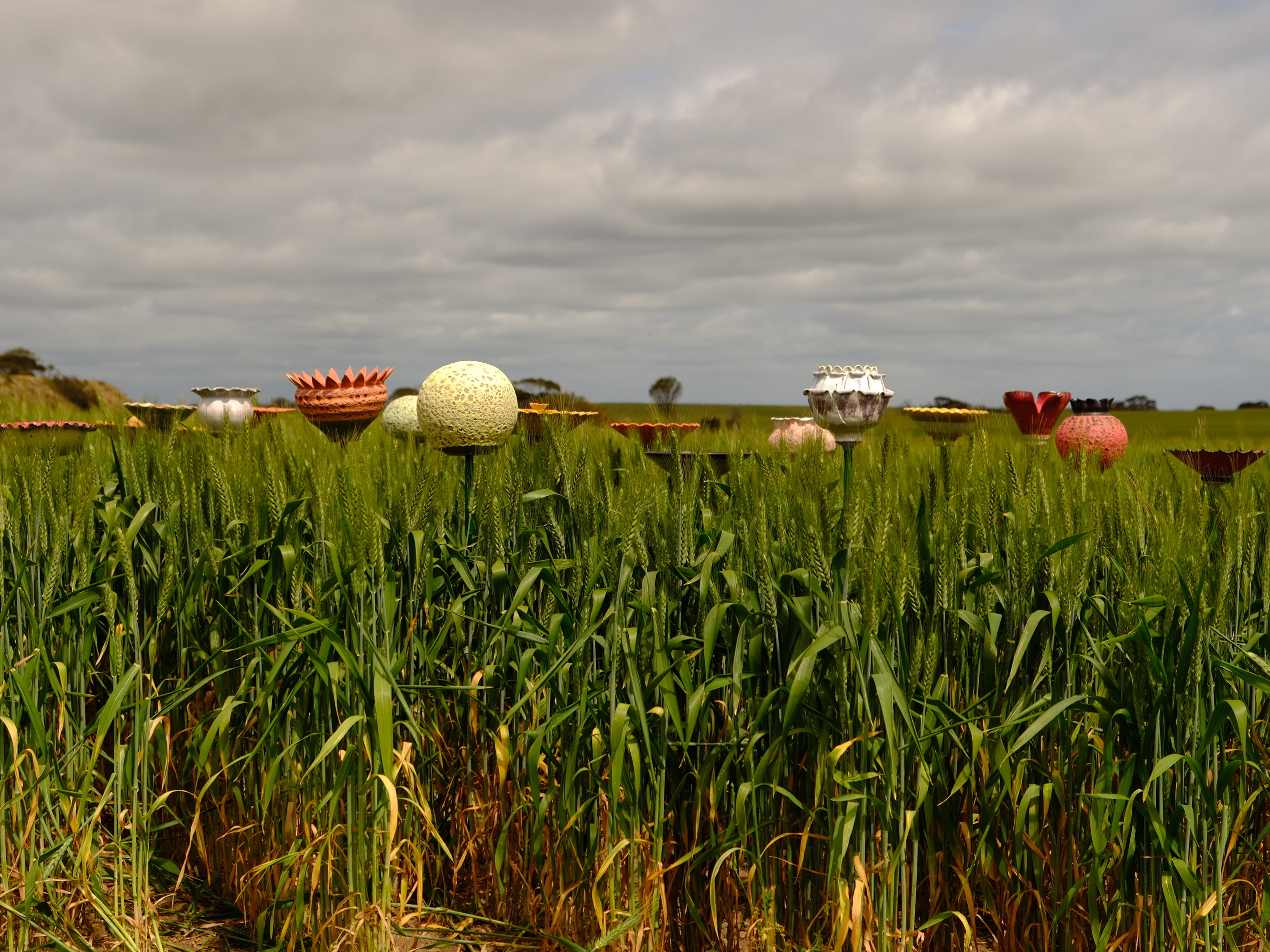
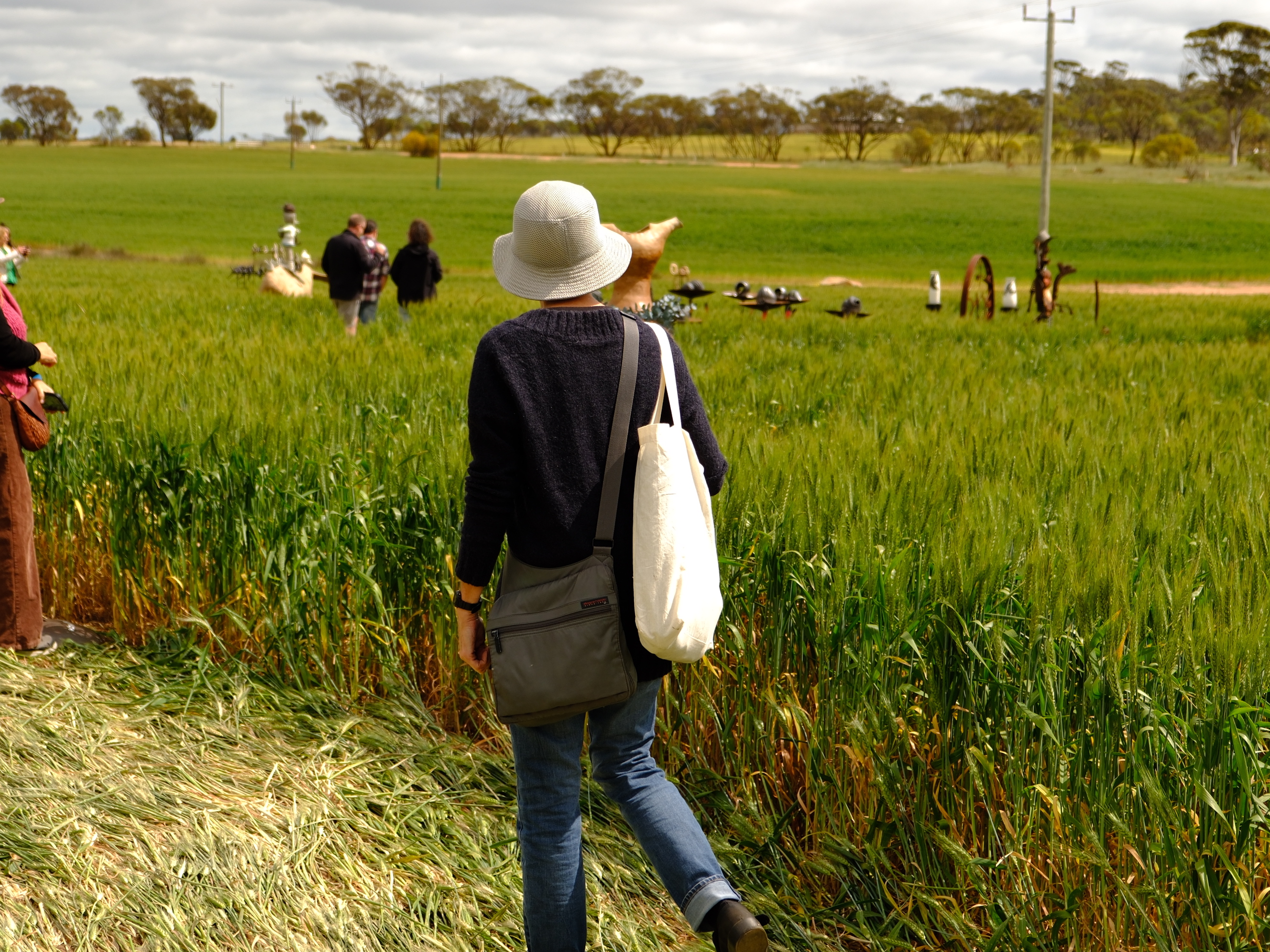
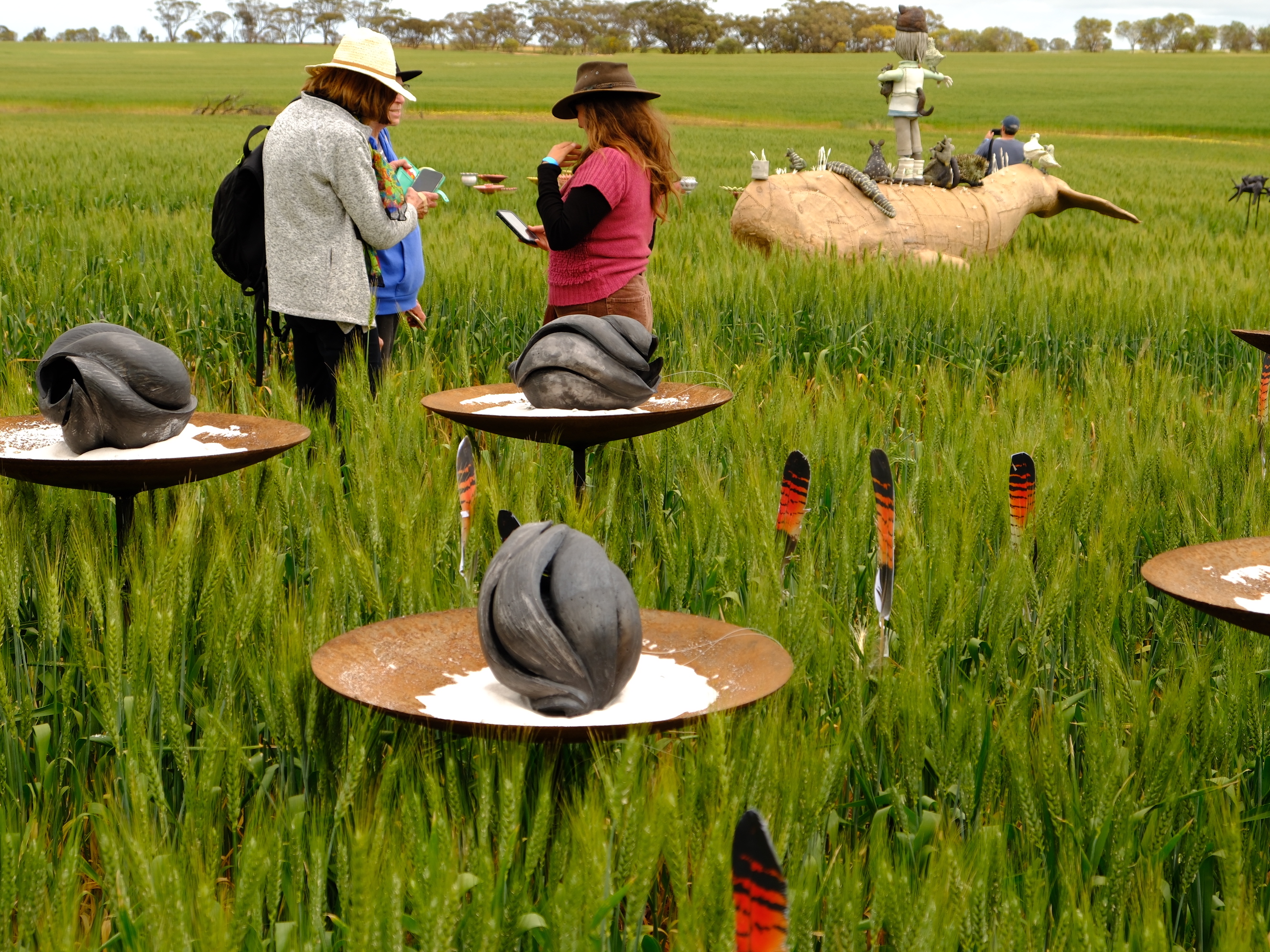
I set up camp and Elaine arrived via the Goomalling Op Shop with a trawl of treasures and set up her rooftop, then we set off to explore the town.  Right next to the golf course was the wheat field ‘crop circle’ exhibition – literally a wheat field with cleared paths and some incredible sculptural art works, including Fleur Schell’s ‘Wheat Whale’.  So we diverted into the field.

The sun was up and the wheat swayed in the soft breeze; quite magical.  Next we wandered to the markets and the main oval to see where we could expect to be based for the next couple of days.  The markets were a collection of local artists stalls.  I made a few small purchases, including a cap printed by a young girl who had created a selection of t-shirts and hats with her designs.  
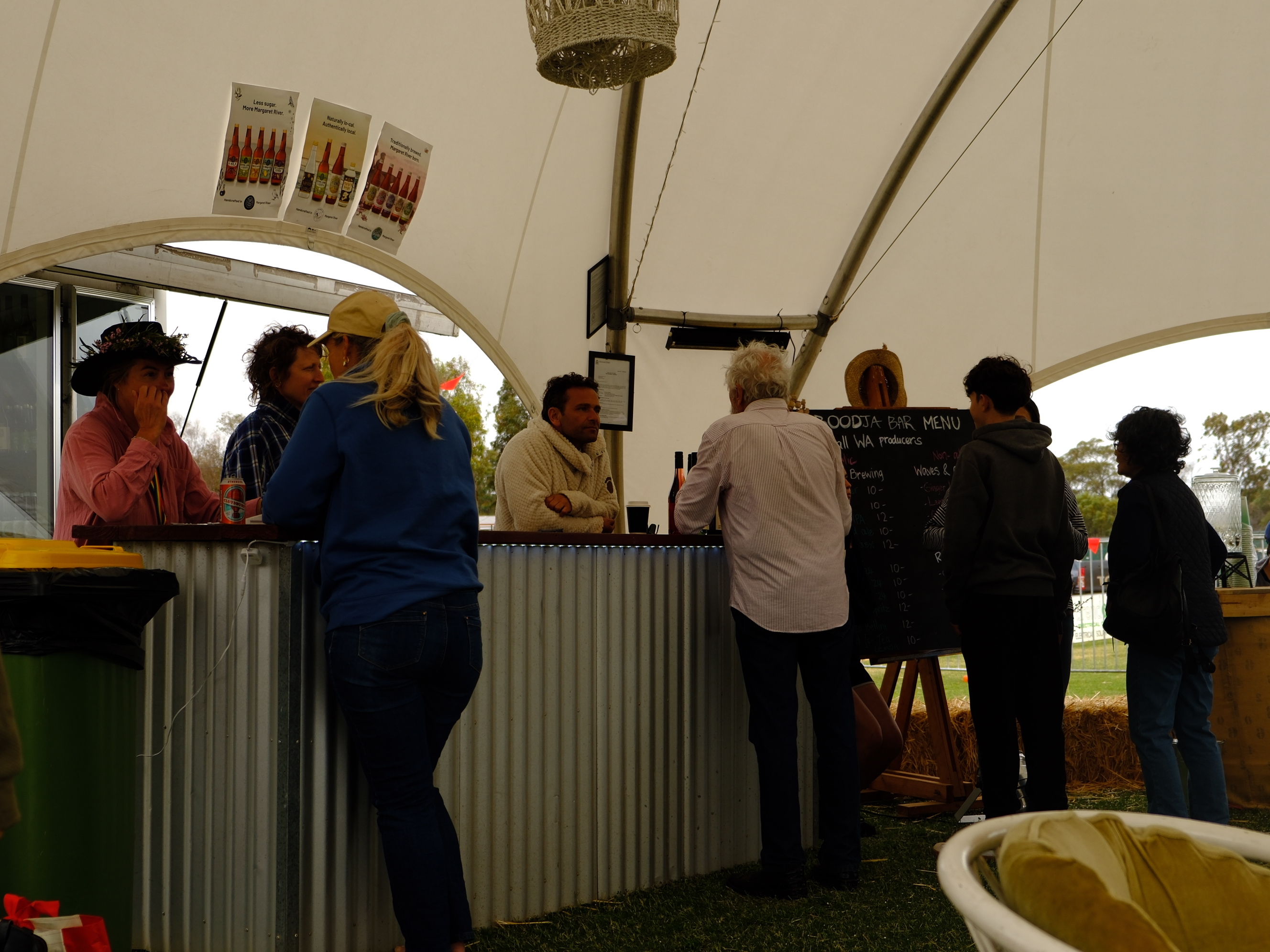
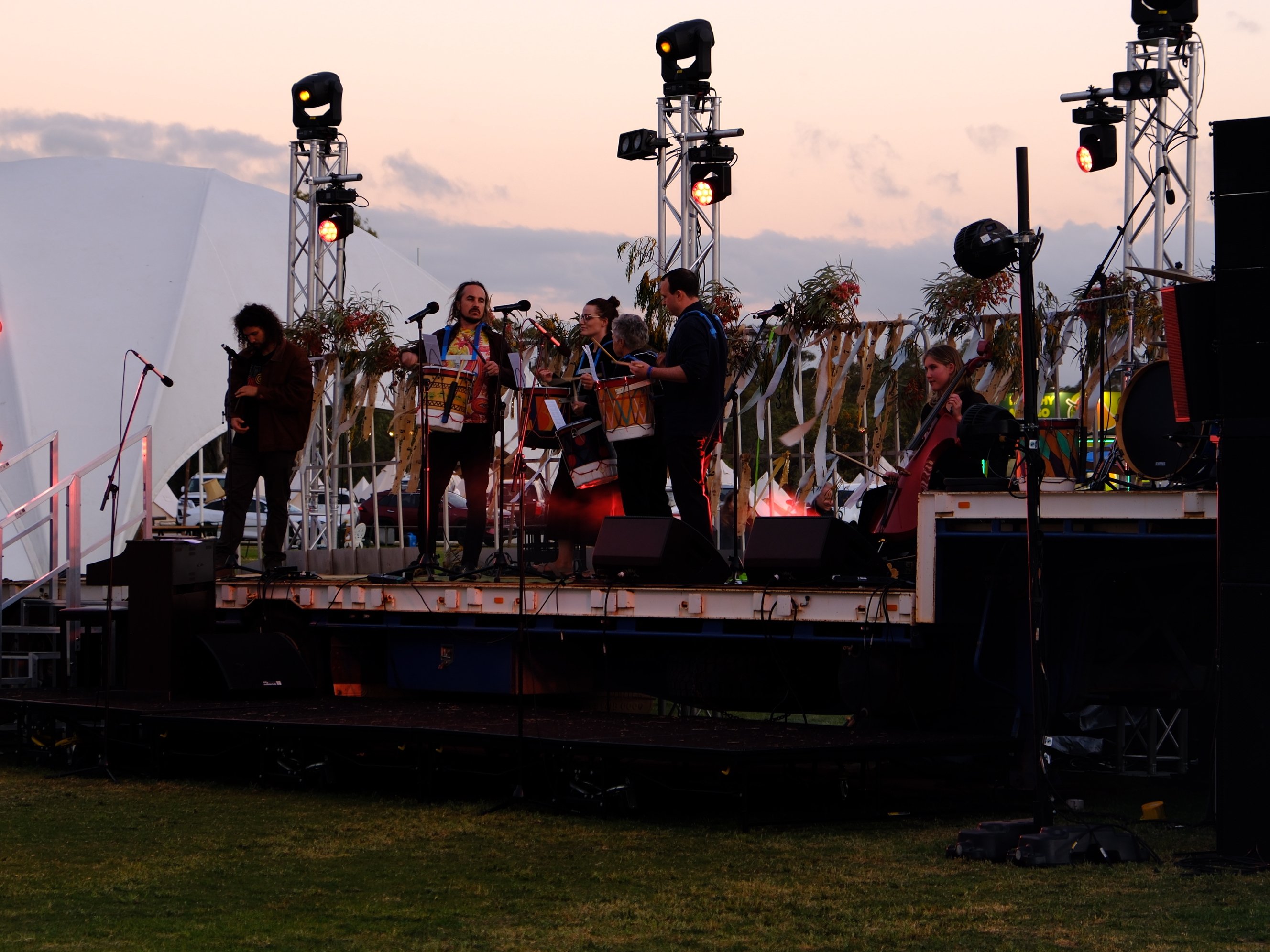
With eats never far from my mind I was happy to note a variety of food trucks and a couple of bars set up on the oval, and we soon found the stage which would be the centre of our weekend escapades, when we weren’t having a drink in the Boodja Bar or the bowls club. I was excited.

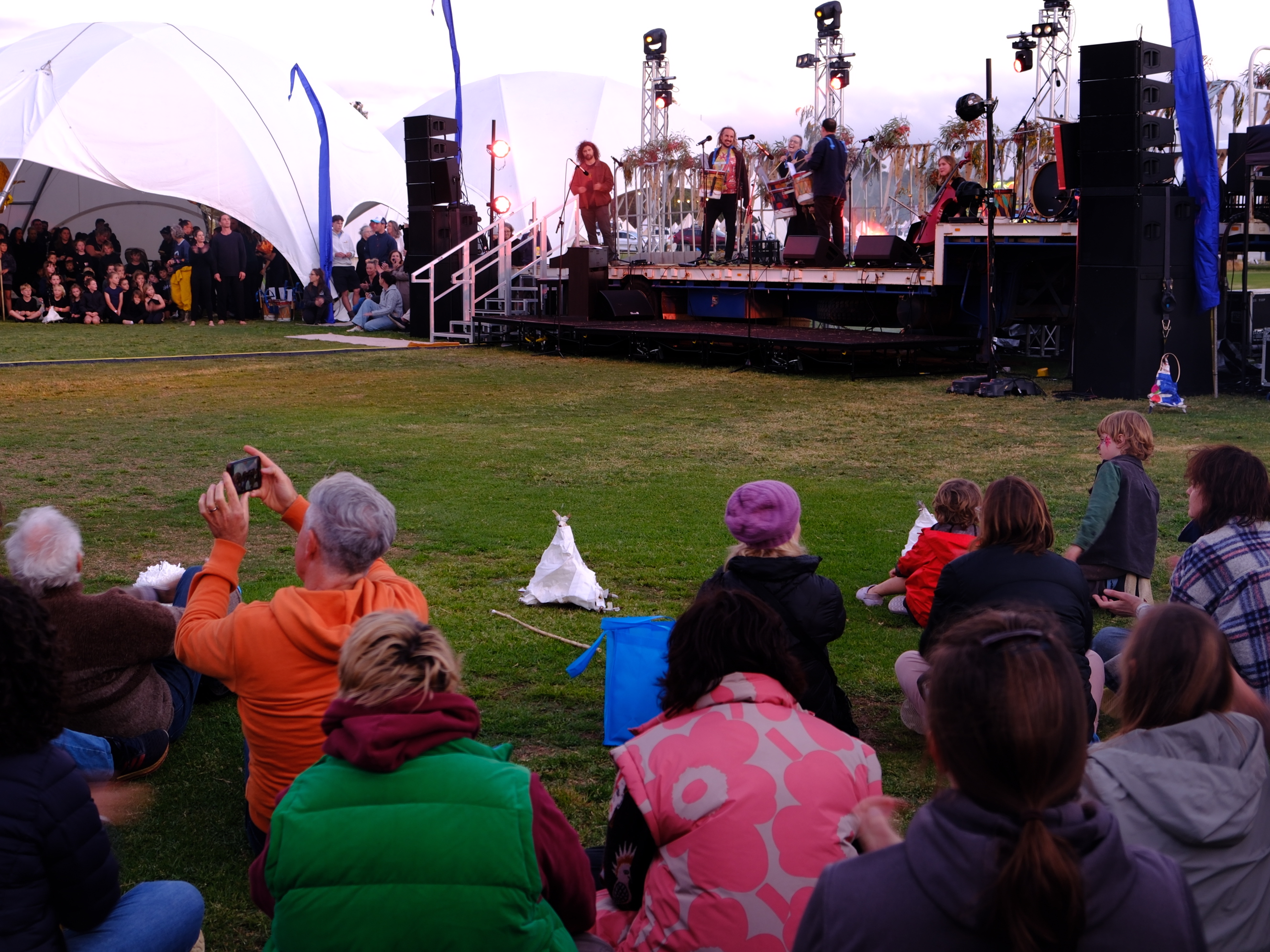
We settled in for Aunty Tracy’s Welcome to Country and a string of fabulous Western Australian bands including Lucy Peach and some incredible acts from the area.  

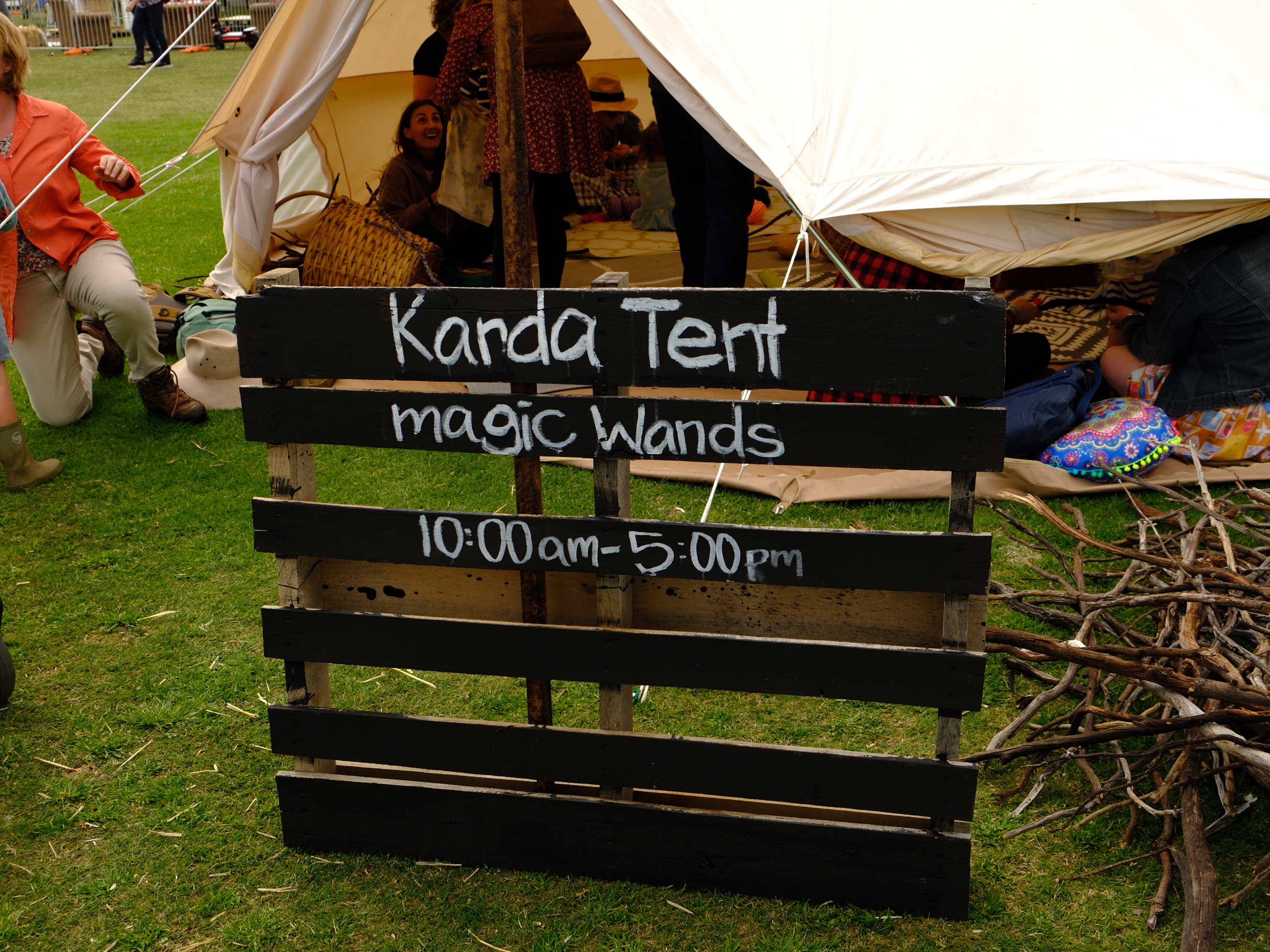
The rest of the day was spent wandering about checking out the workshops all facilitated in huge white dome tents not unlike the wheat silos, and pausing for drinks from the comfortable Boodja Bar with Op Shop chairs and cushions, to the Goomalling Bowling Club bar. The rain came but it wasn’t the soaking type so we stayed mostly dry.  
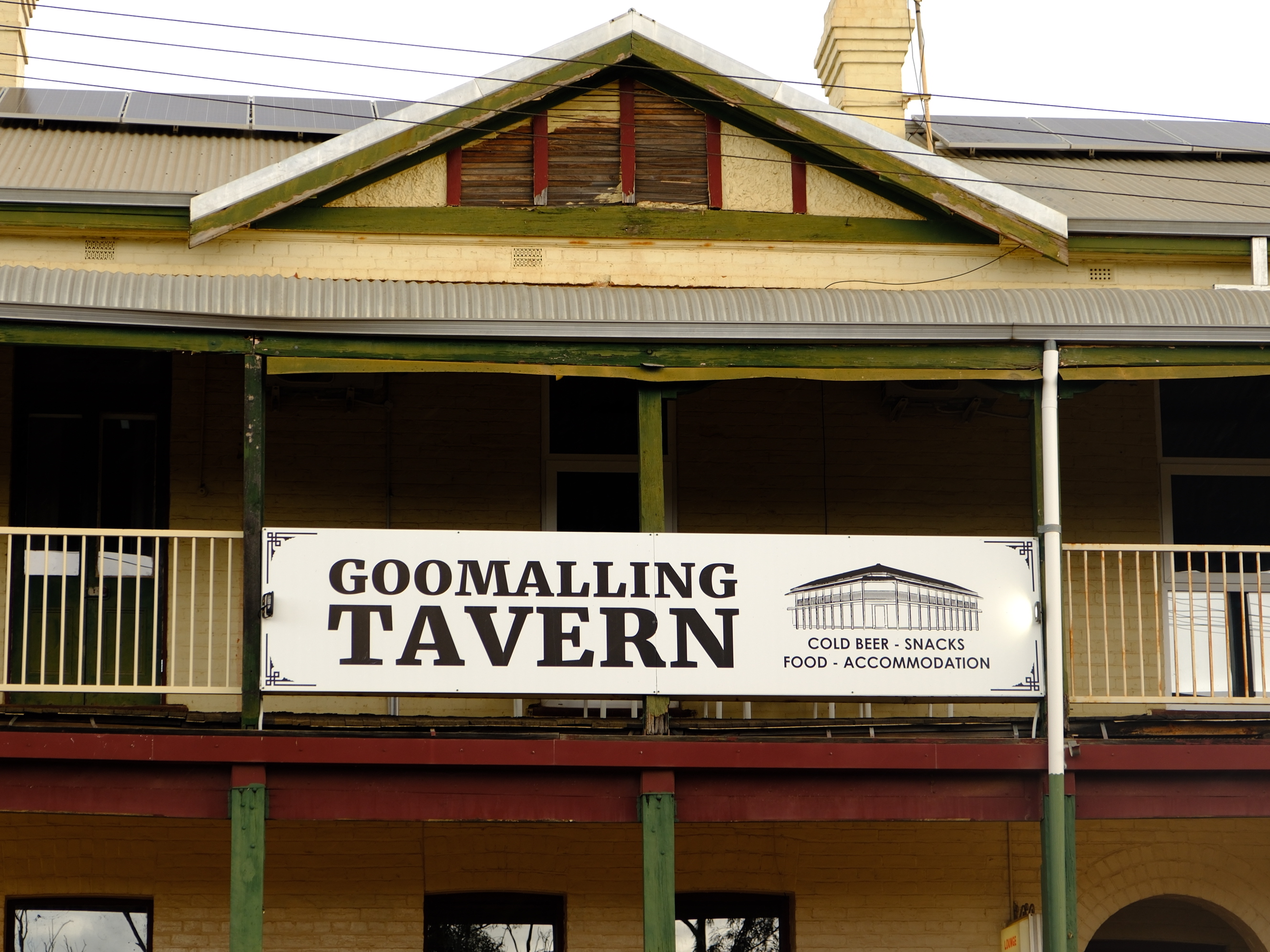
We decided a final visit to the town Op Shop was in order, seeing as I hadn’t been yet, and headed into the wide streets of Goomalling for another walk about.  The Op Shop was on the main street, just past the hotel, the post office and Bendigo Bank, and it was heaving!  Most of the good stuff had been bought up by the bargain-hungry visitors.  The Op Shop manager was very happy with her day’s takings declaring it ‘the best day of takings she had ever had.’  

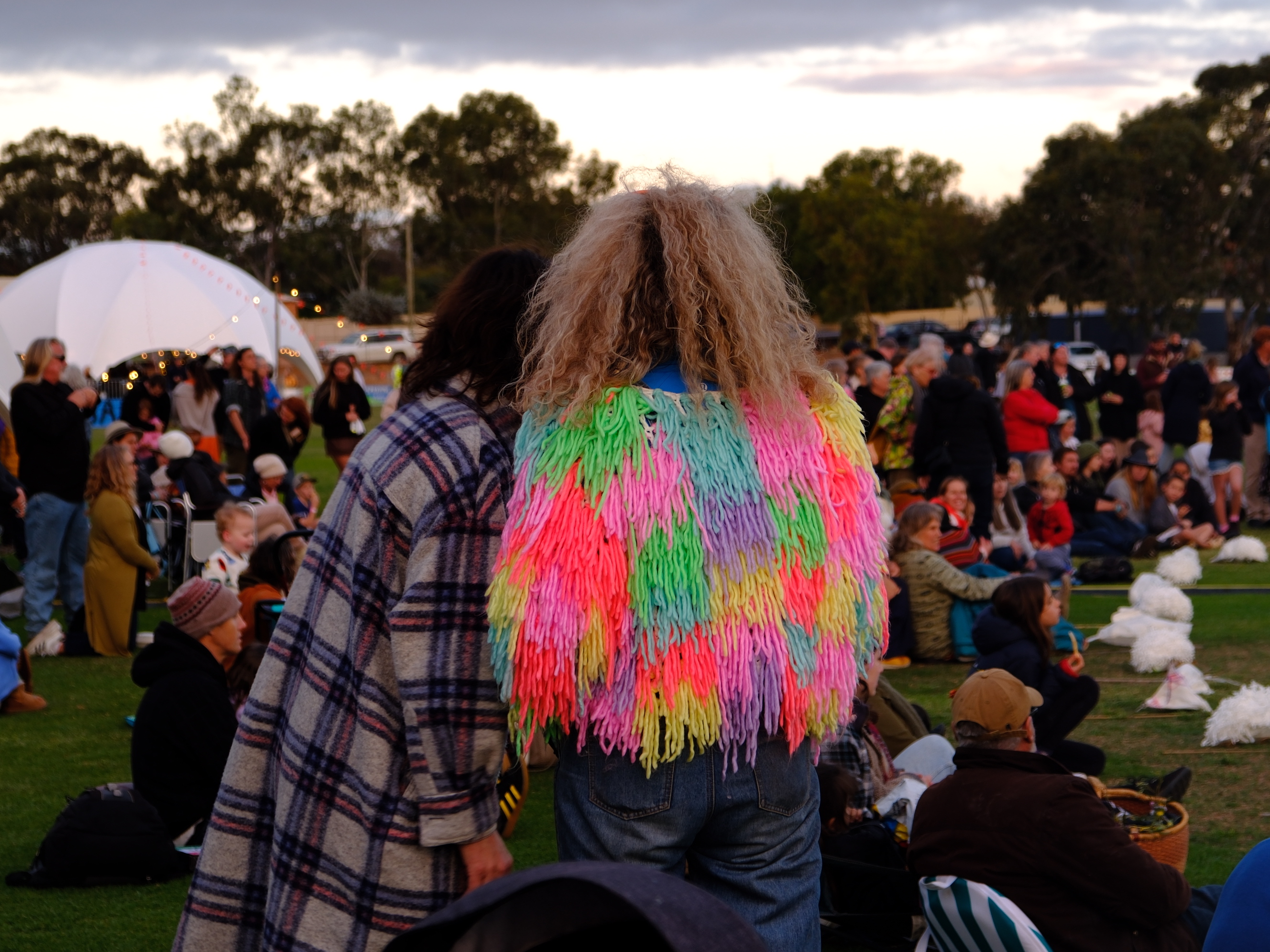
I found nothing but enjoyed the browse before we went back to camp to prepare our clothing for the coming evening.  Back for another drink or two at the Bowls Club before the children and festival goers began congregating for the puppet parade and song performance by the children.

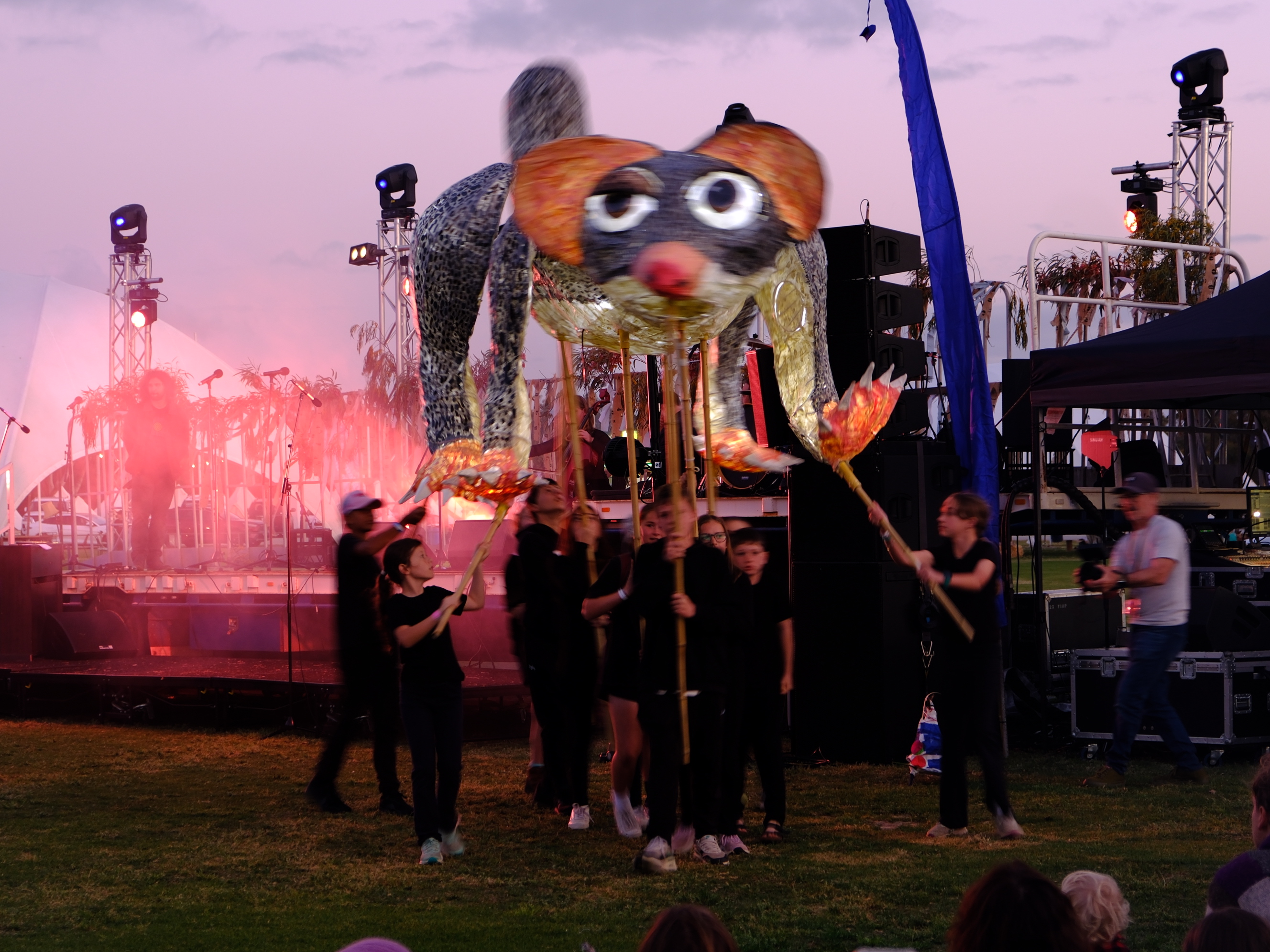
What followed brought me to tears!  The giant paper mache whale and Koomal possum that we had seen sheltered in the tent earlier that day came to life with lights and a group of young people moving their parts as they circled the area in front of the stage accompanied by a drumming group. The children sang a song about the disappearance of the Koomal possum, written by Fleur and then we all set off towards the silos as the sun set and darkness fell. 
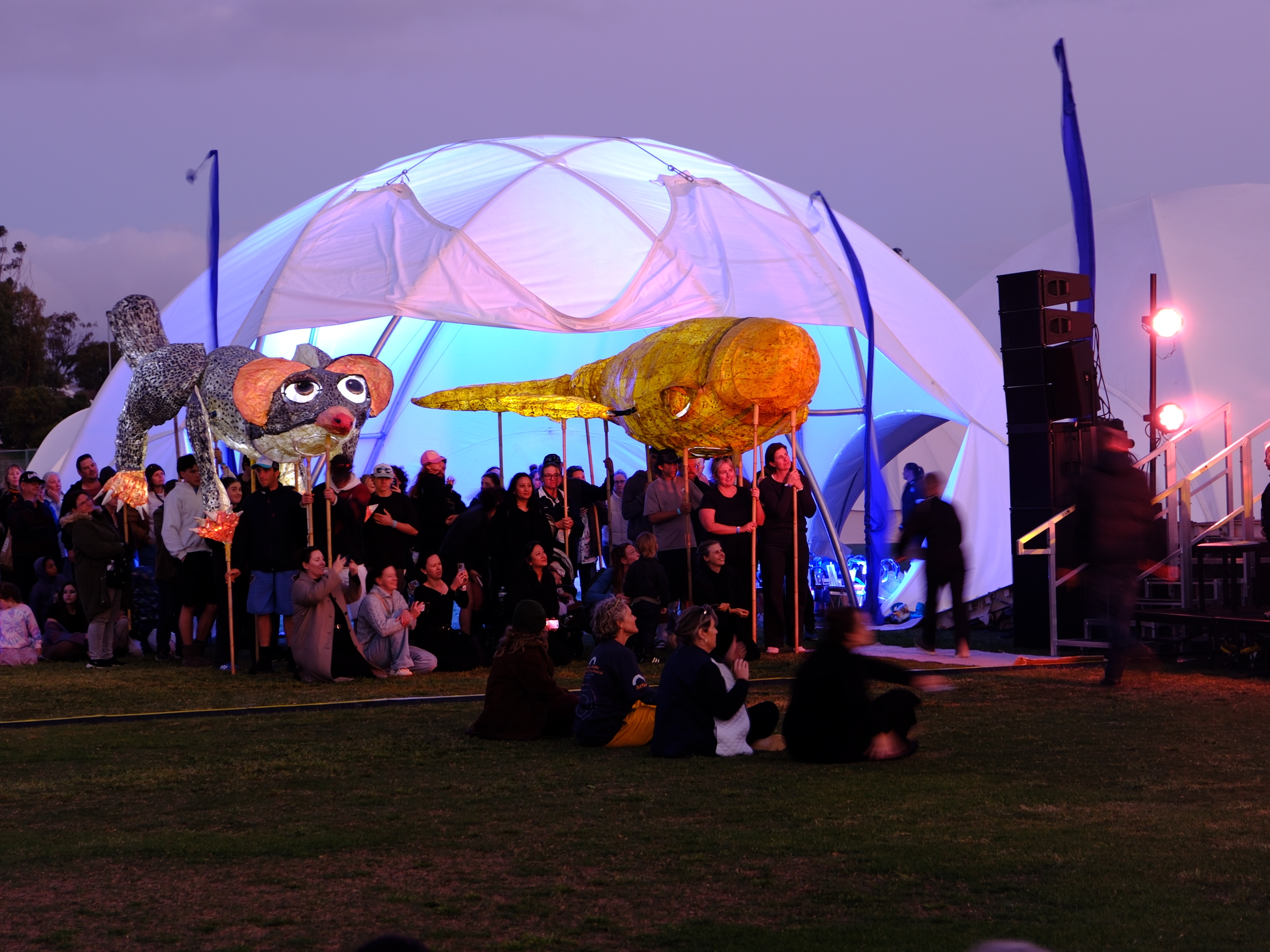
There was a real sense of being part of something so unique and important as we all stopped in front of the silos and all the lights were extinguished.  The Totem Story projected onto those crazy dinosaur eggs and narrated by Aunty Tracy and children was just incredible.  

Totem Stories on Goomalling wheat silos

When it finished we all strolled slowly back into town feeling like we had been part of something beautiful.  It was clear how much work had gone into every part of the weekend from the involvement of the local schools in the incredible art projects to the local businesses and volunteers who made it all possible.

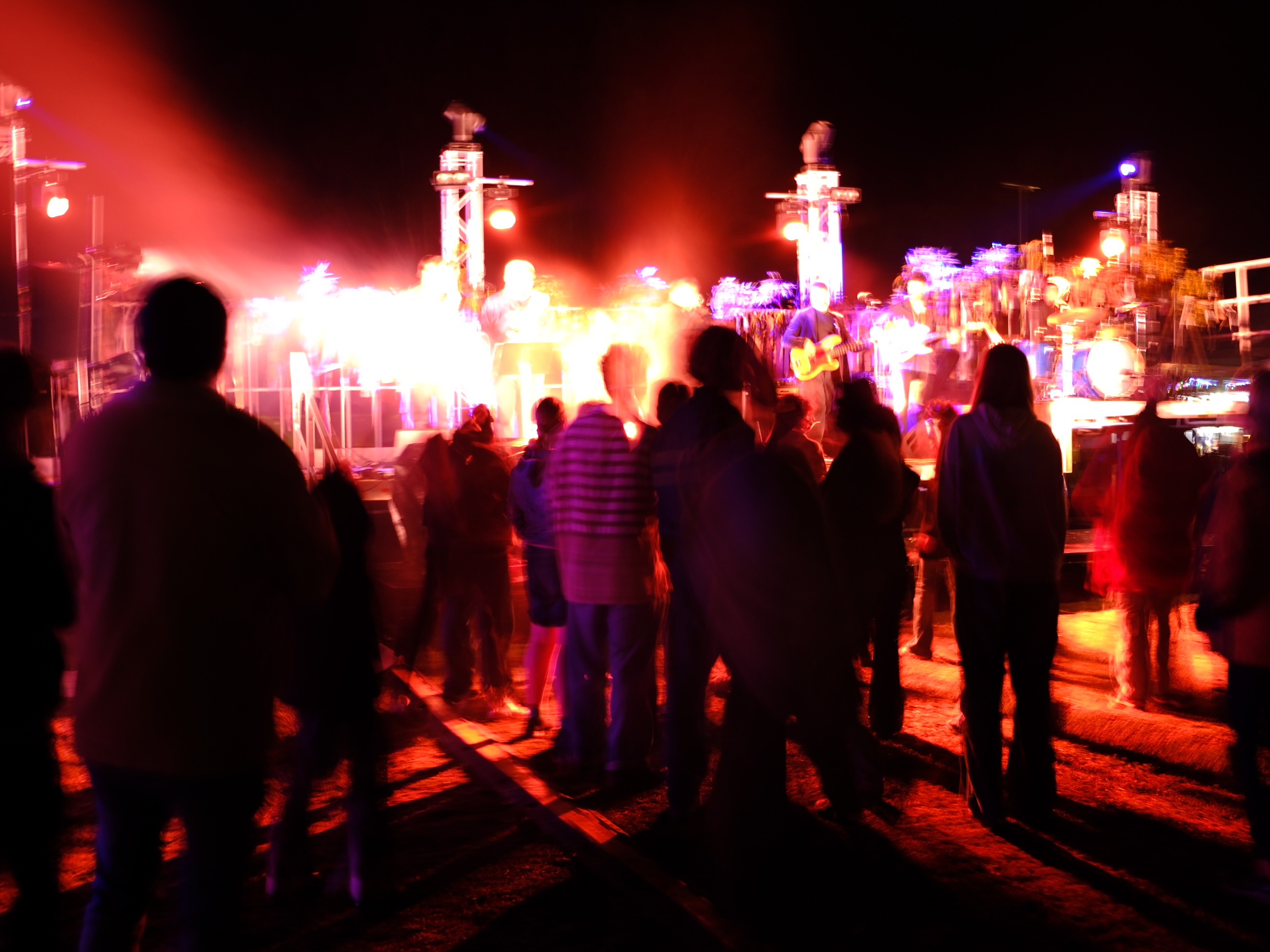
The remainder of the evening was spent having food and listening to the music by local and Western Australian acts; finishing on a funky note with a boogie to Odette Mercy and the Soul Atomics before we stumbled back to our golf course camp for sleep.
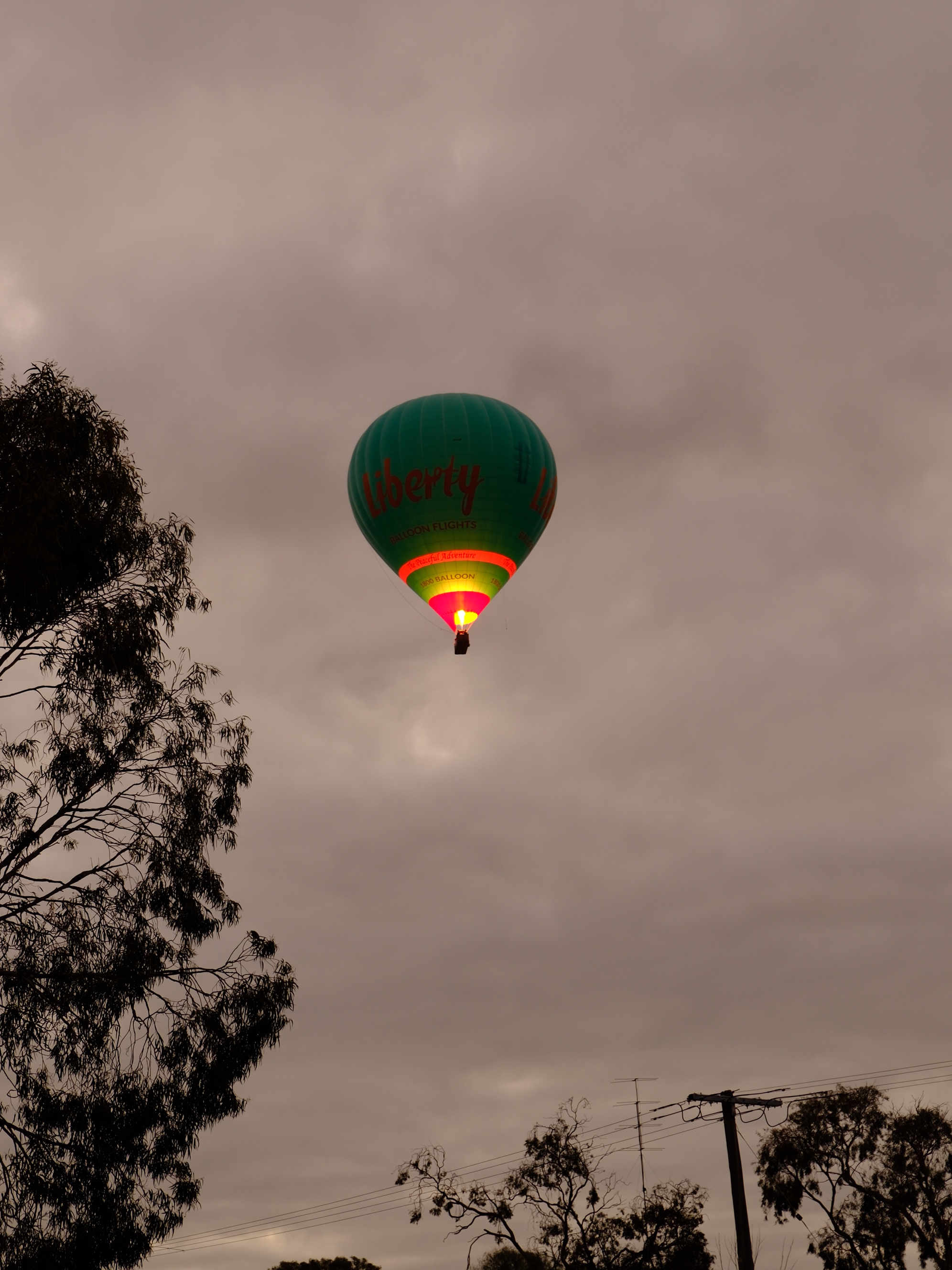
I was woken at 5:00 am by the sound of the hot air balloon that had been sitting on the oval the day before,  being inflated on the oval for a sunrise flight;  the steady hum of the generator and then the huge huffing sounds of the flame being shot into the full balloon.  I just had to get a photo so I braved the mossies and got to the railway line as it lifted into the cloudy skies.  I got my pics and climbed back into bed for another hour.
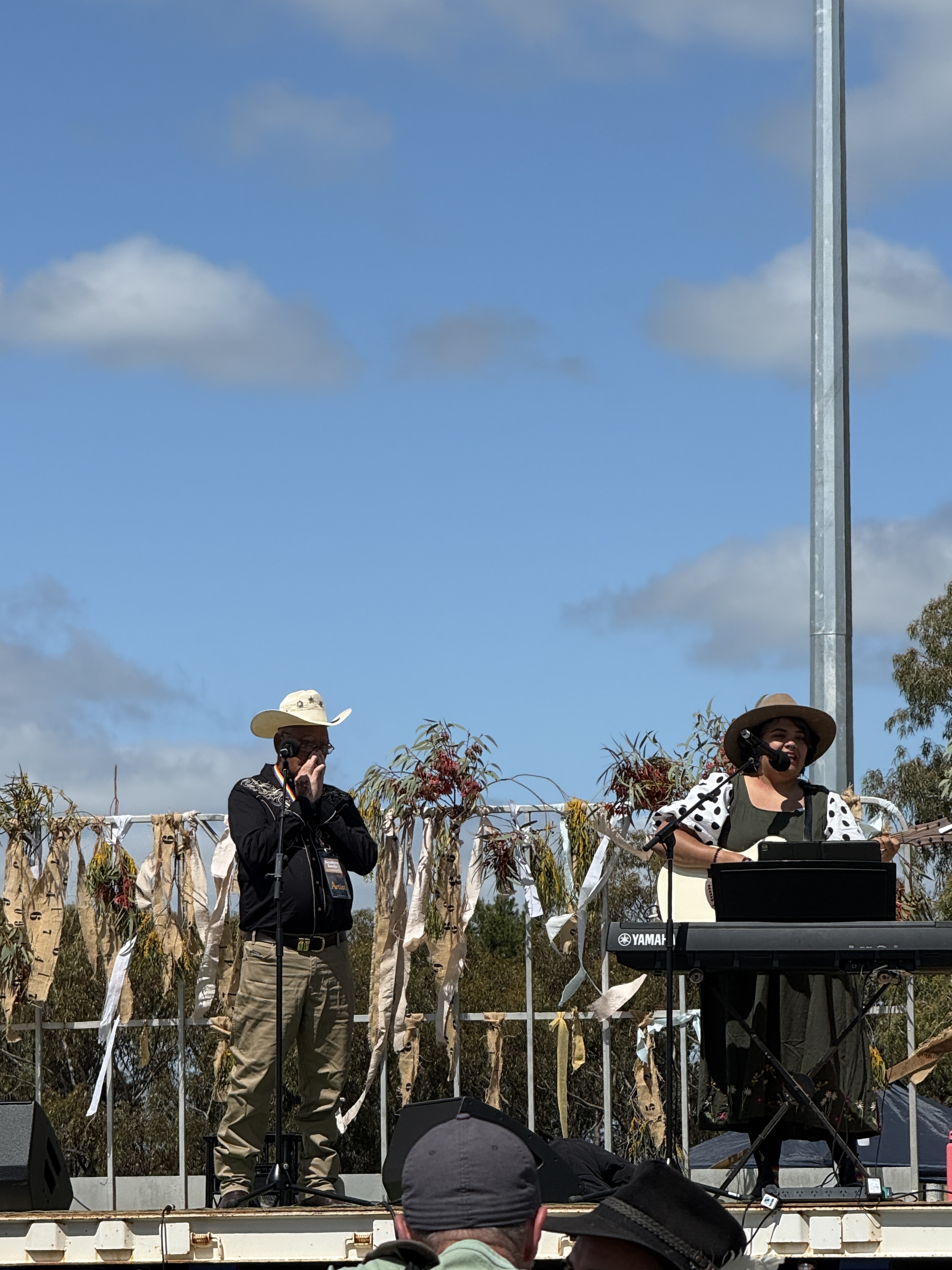
Day two started with a sausage sizzle right outside our tents as the local P & C cooked us up a meaty breakfast of sausages, onions and sauce (onions and sauce for the vegetarians).  I scoffed down a sausage but Elaine passed on the onion in a bun.  So we dressed and headed into town.  It was pretty chill as we found coffee and a space on the grass for the remaining acts.  The festival ended with the Rose Parker Trio and a whole lot of thank yous and congratulations.
As we walked back to our cars, the only two left on the golf course, we reflected on our experience and decided it was one of the best weekends we could have had. Thank you to everyone who made it happen.
Melbourne for a Moment

I haven’t visited Melbourne since before covid. Last week I spent three nights in Melbourne town. This is just one of those three days.

I woke to daylight at 6:48 am but realised it’s 3:48 Perth time and probably the usual time I wake and can’t get back to sleep anyway! Can’t sleep anymore but know from the gritty feeling behind my lids that I have a sleep deficit.

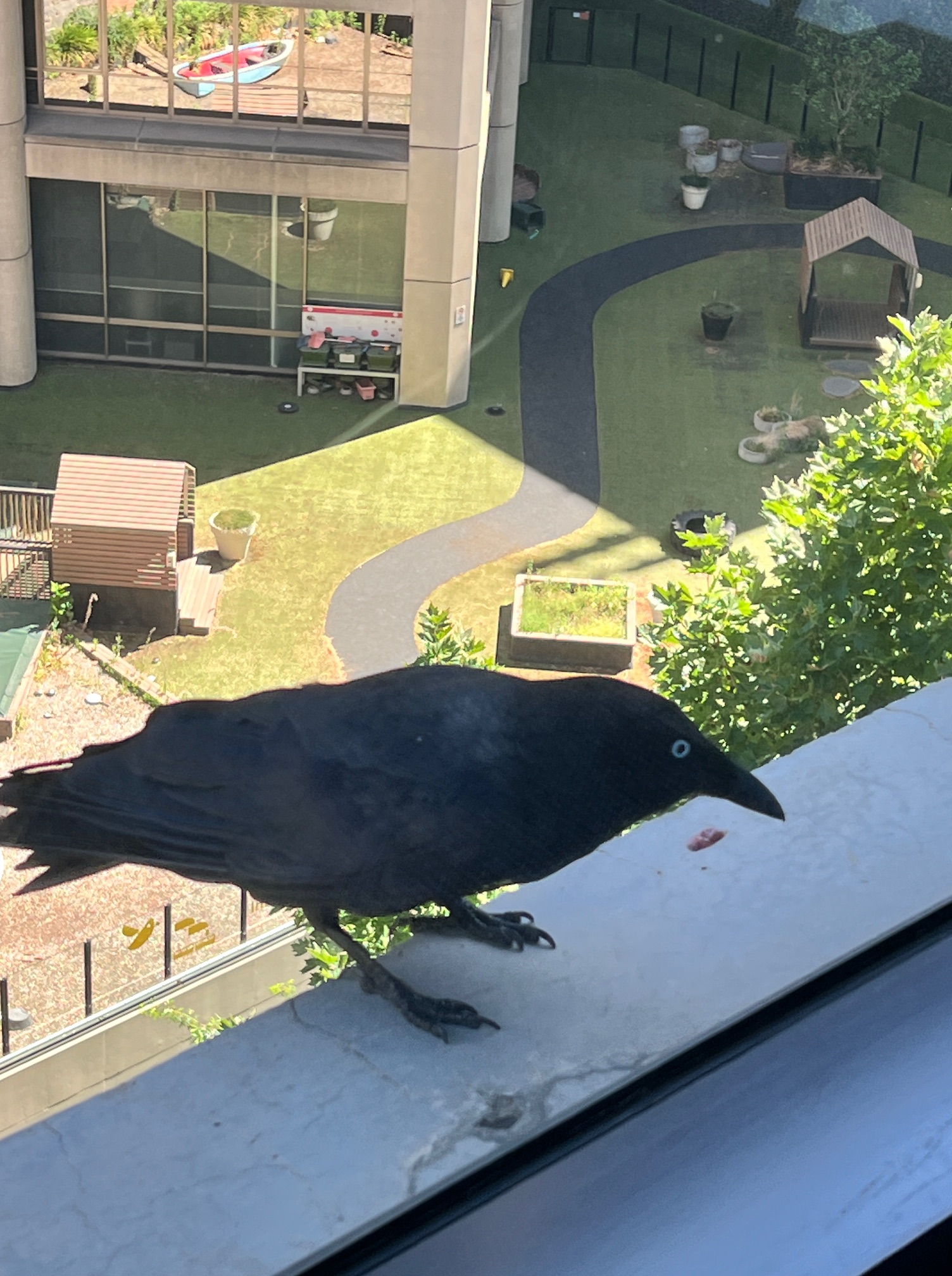
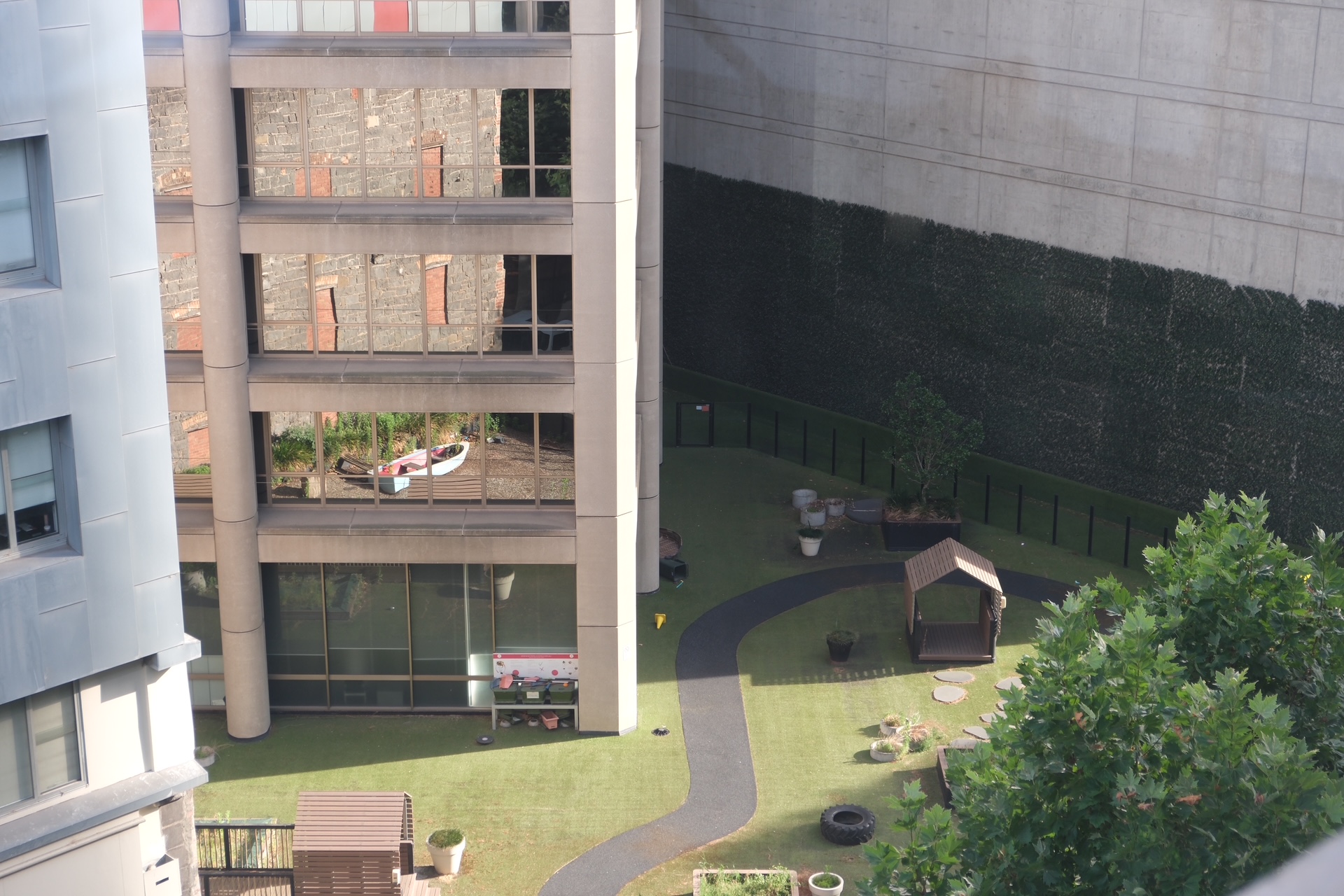
I raise the hotel room curtain to grey skies and unruly corvids prowling window ledges eight stories up. Below is a playground, but not far below – a childcare centre, a school? Five stories up – fake lawn, a sand pit and a bitumen bike track for toddlers. Rooftop recreation in the CBD.

People stir in the building adjacent – accommodation of some sort, old school box airconditioning jammed into window frames. A building that defies logic looms above – S Shaped glass construction. People on their way to work/breakfast stroll the street below.

We sit above the tops of London Plane Trees stretching to reach the light between narrow passages in this concrete jungle. The ubiquitous pigeons swoop and land, experts in city navigation and finding scraps.

I head out for a walk, leaving my partner softly snoring. A sign shouts ‘Best Steak Sandwich in Melbourne’ and workers in high-vis sip coffee from takeaway cups and scoff toasties chatting about Netflix and the night before.

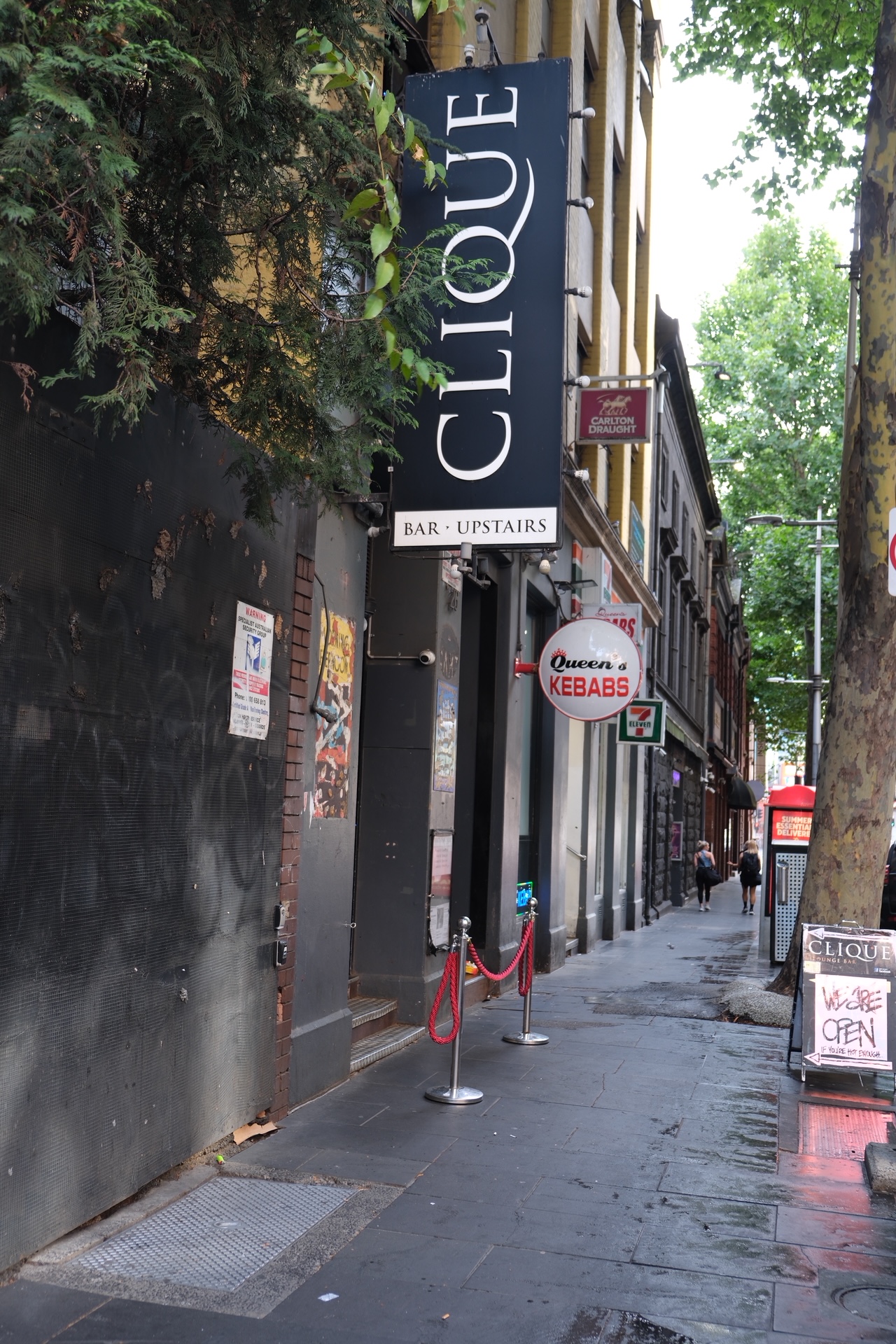
Clique nightclub is still open and it’s now 7:30 am. Punters tumble out into the bright light drunken and dazed.

The bouncer gives me a resigned look as he clips the red velvet rope back into place after searching someone who wants to enter. Concealed weapons? I love that a red velvet rope has so much power.

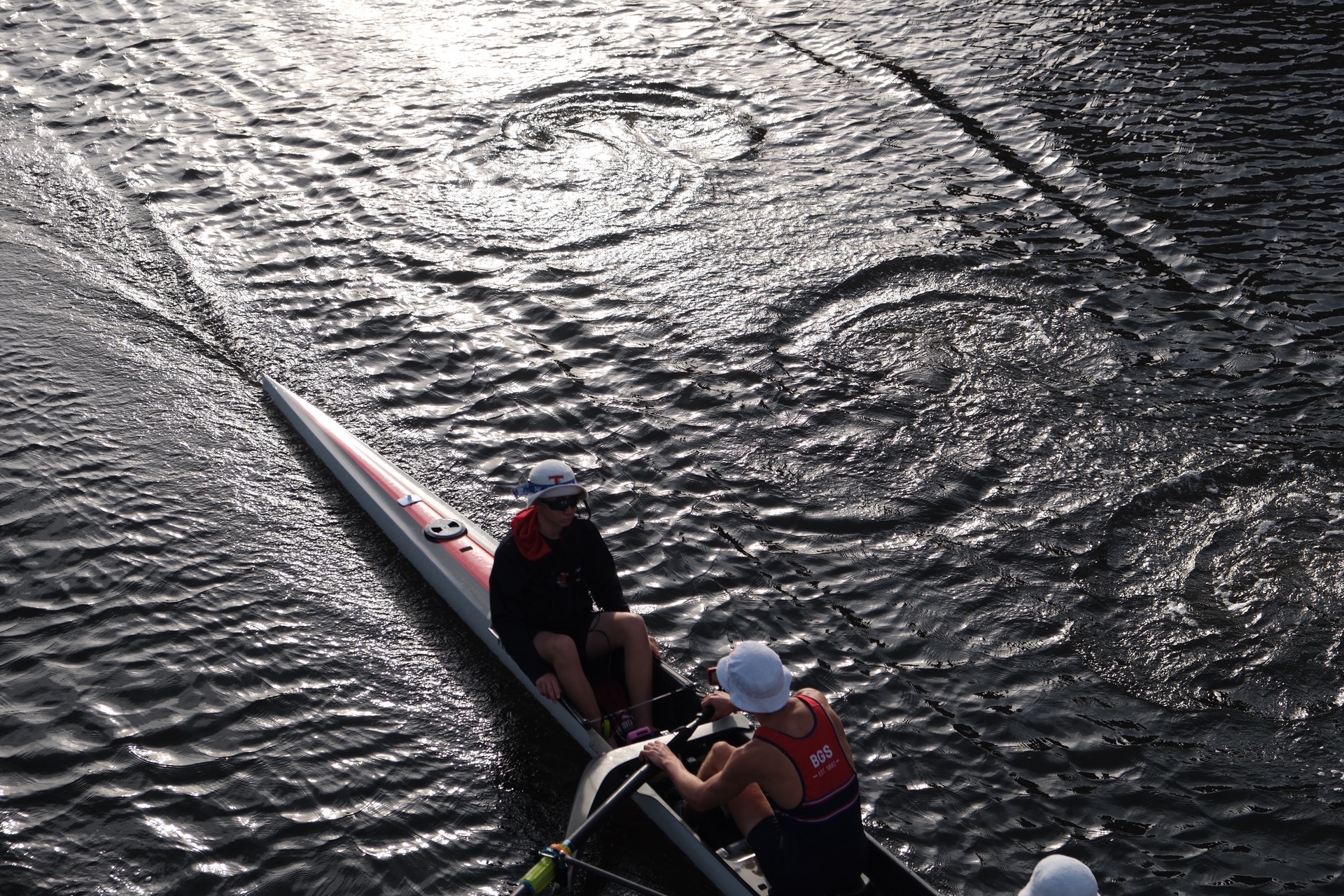
The streets are mostly empty but for some joggers and young families with early rising children. Rowers in an eight glide across the Yarra leaving swirls where their oars have swept through the water. Street sweepers sweep streets after last night’s Christmas crowd at the Crown. Rough sleepers still asleep on benches and the hard ground.
The 24/7 gym on the river front looks sleepy – no one working out this morning. Birds flit in and around urban parks and gardens seeking insects and croissant crumbs in equal measure. The sun catches windows and highlights street signs as the city wakes. Has it even been to sleep?

Later…

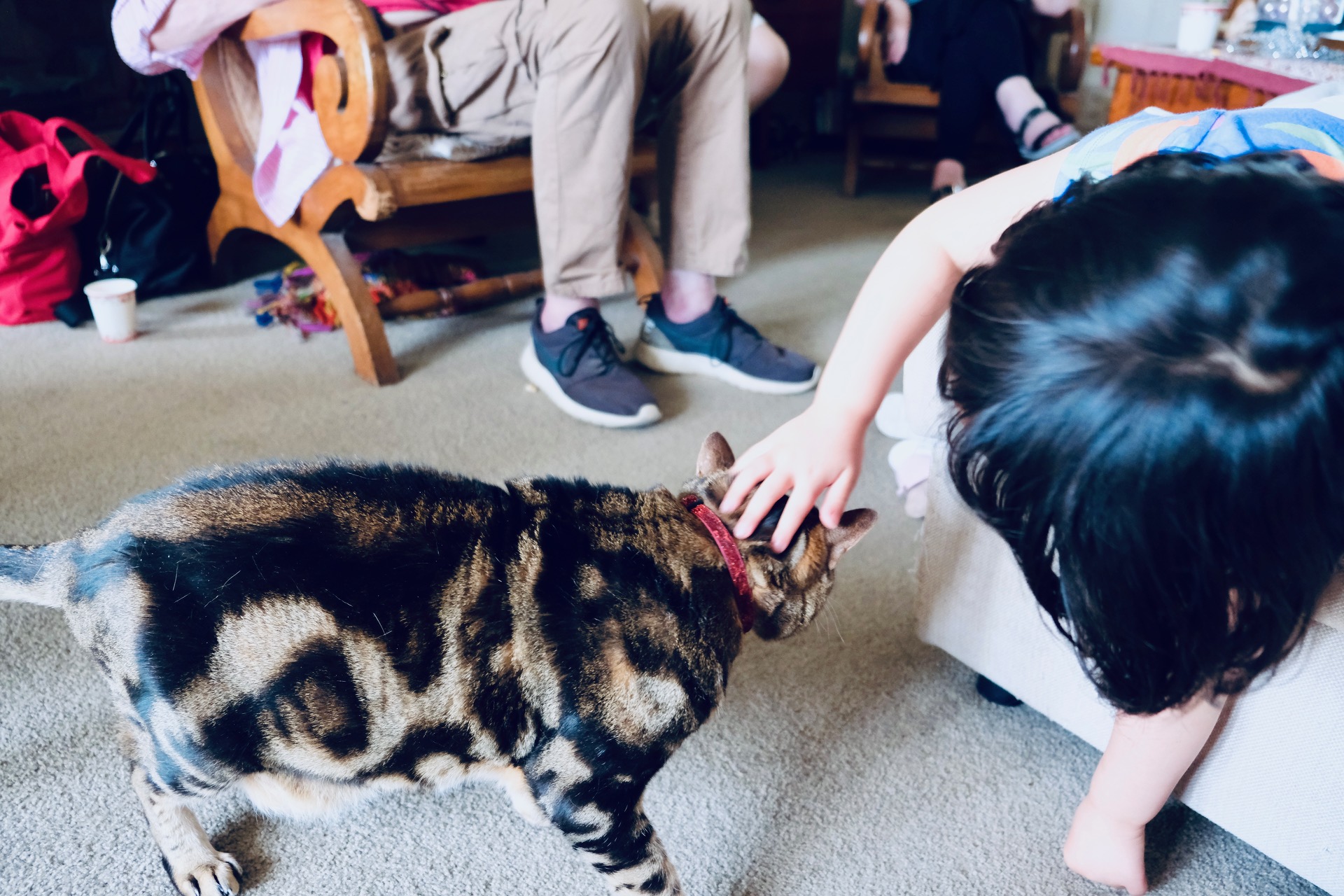
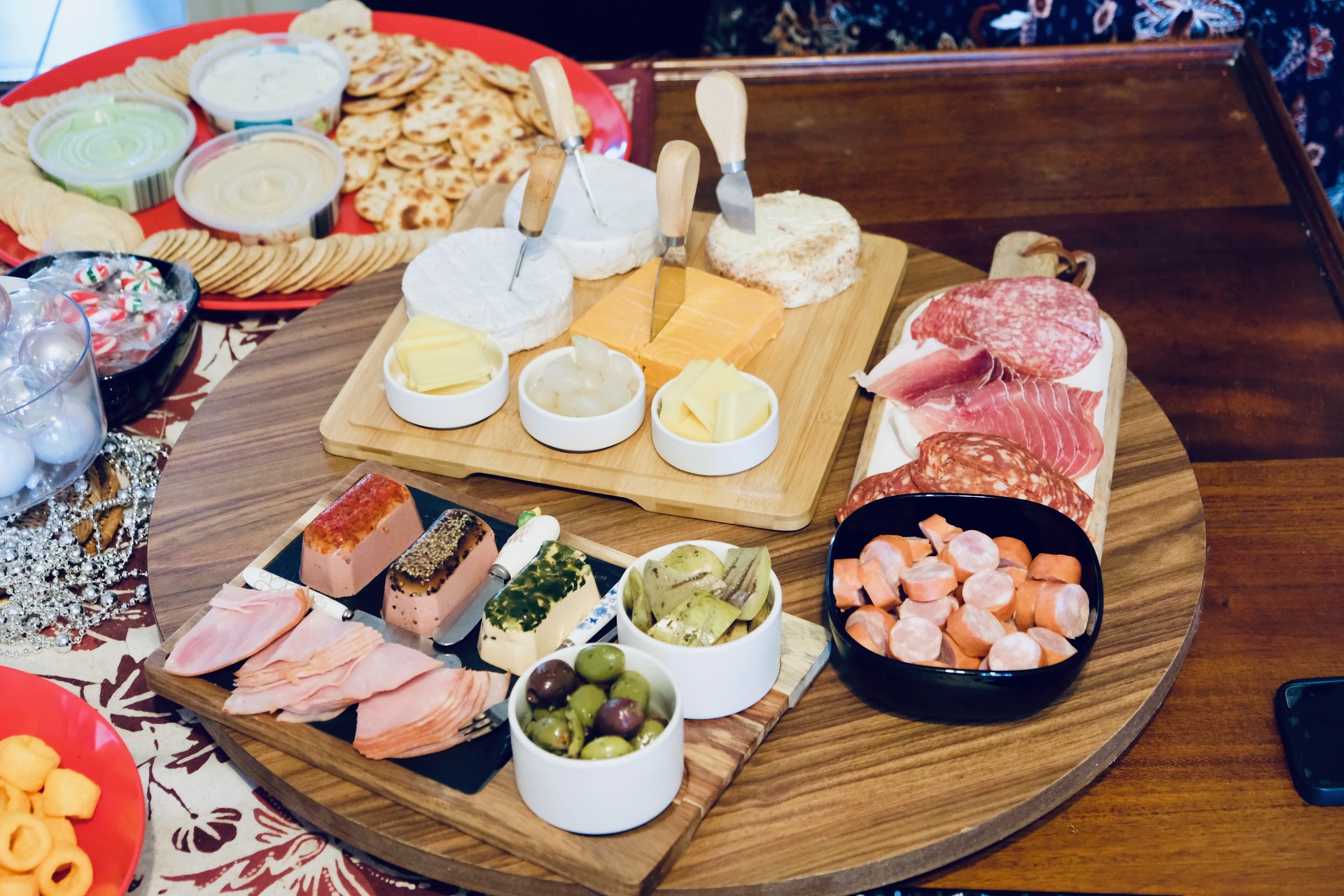
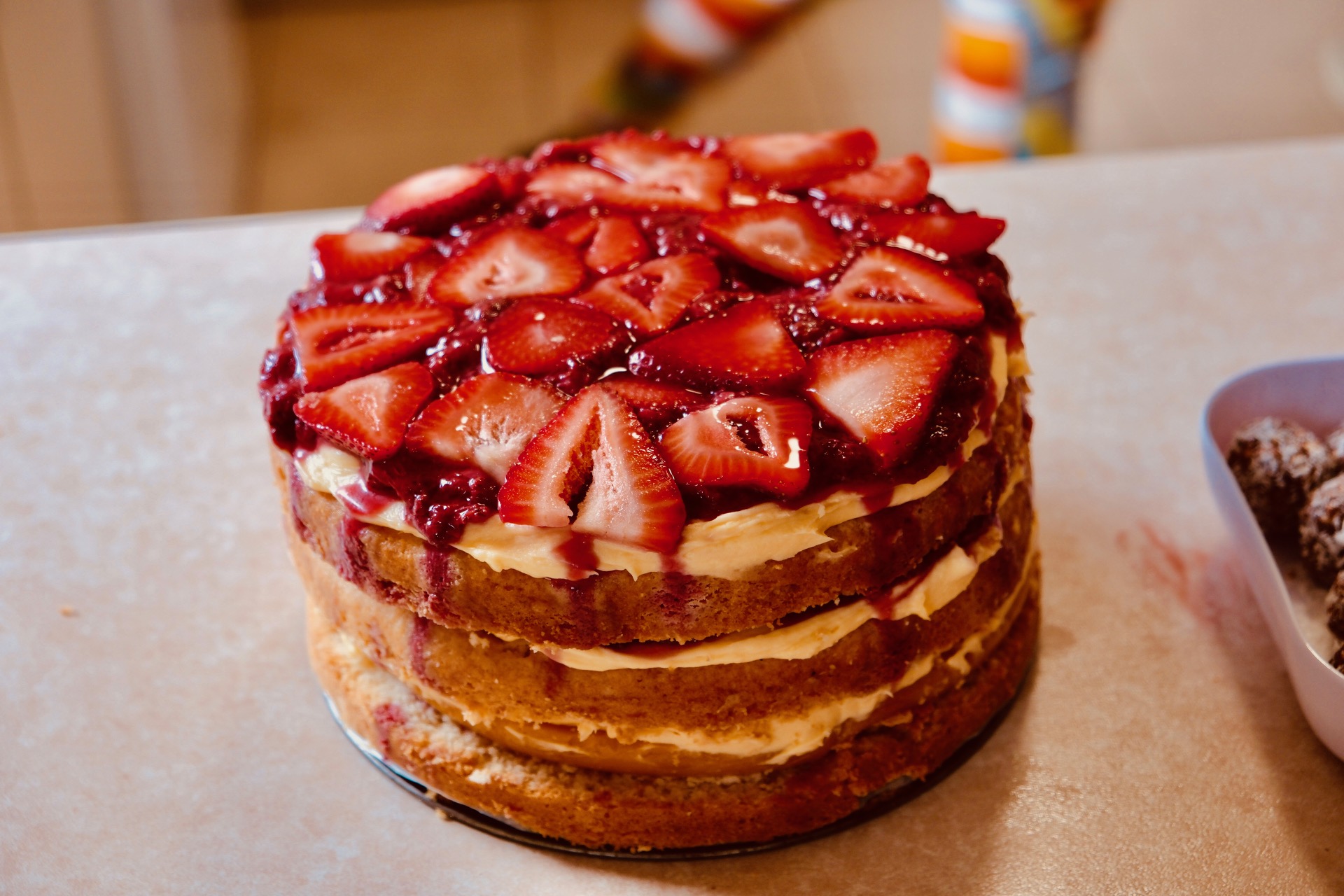
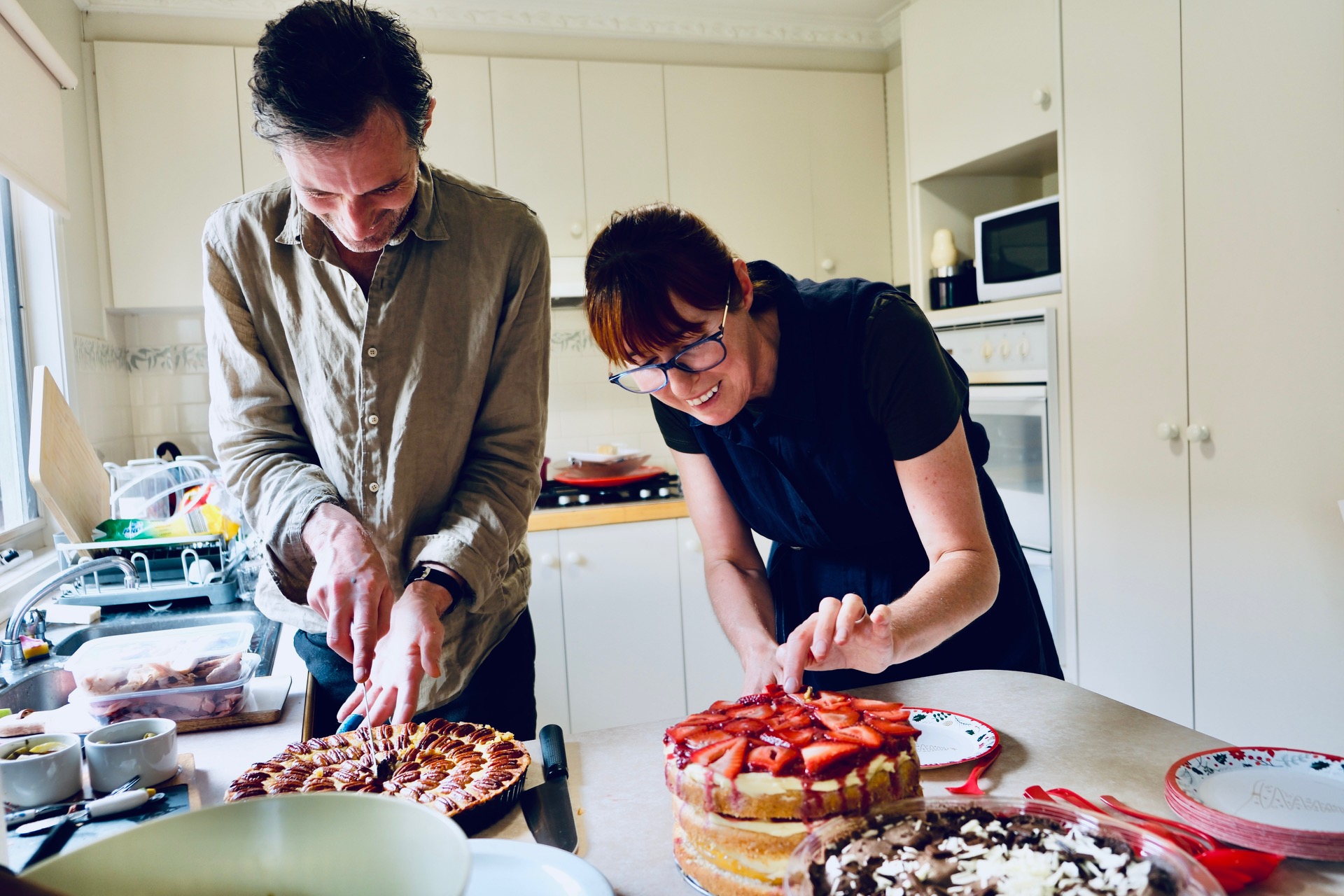
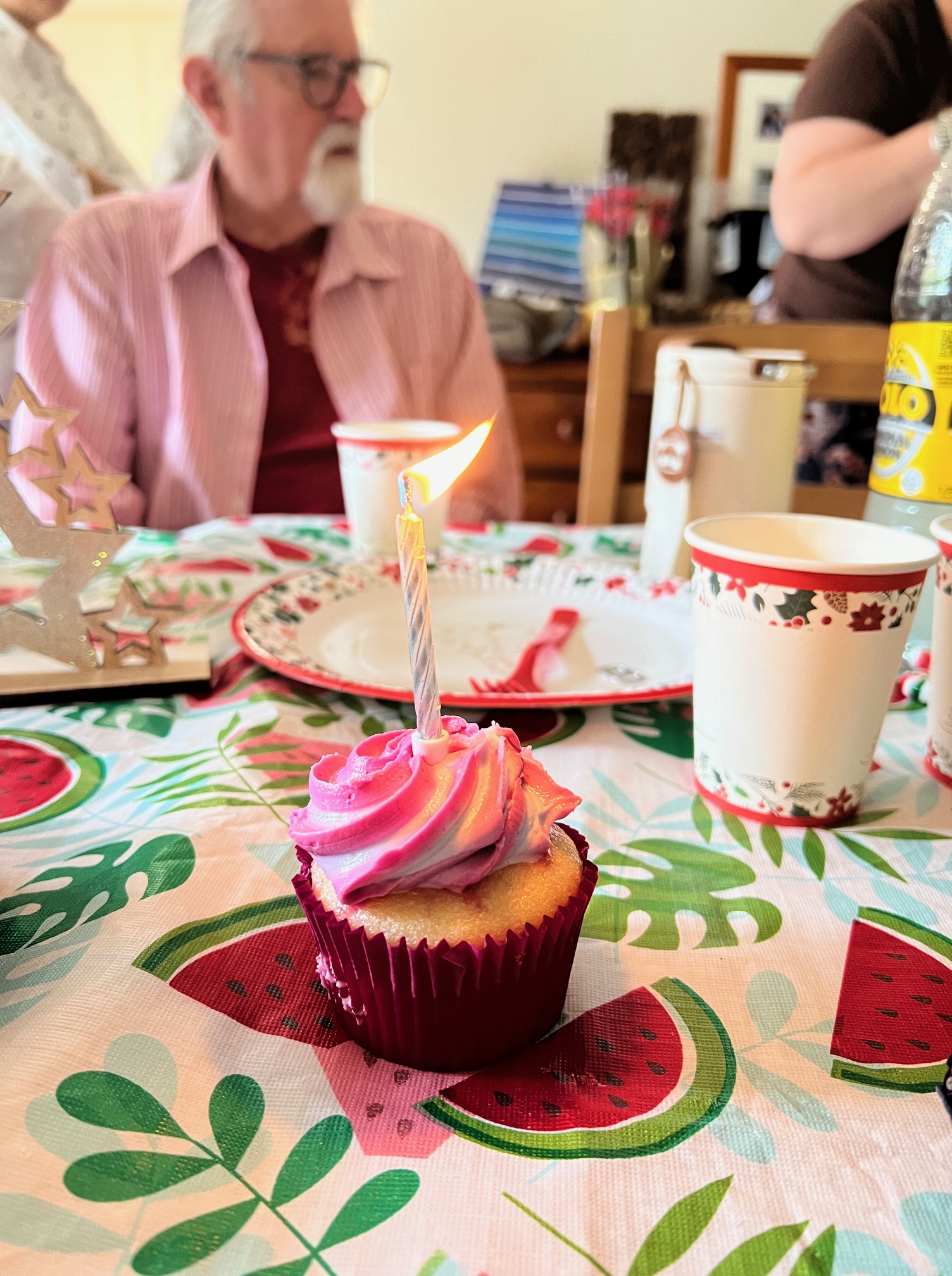
Family get together – early Christmas lunch/birthday celebrations. A Christmas spread washed down with prosecco and homemade cakes. Eat fit to bursting and relax on recliners catching up with my expanded family, while the Bengal cat darts between furnishings avoiding the sticky hands of a 4 year old.

Later still…

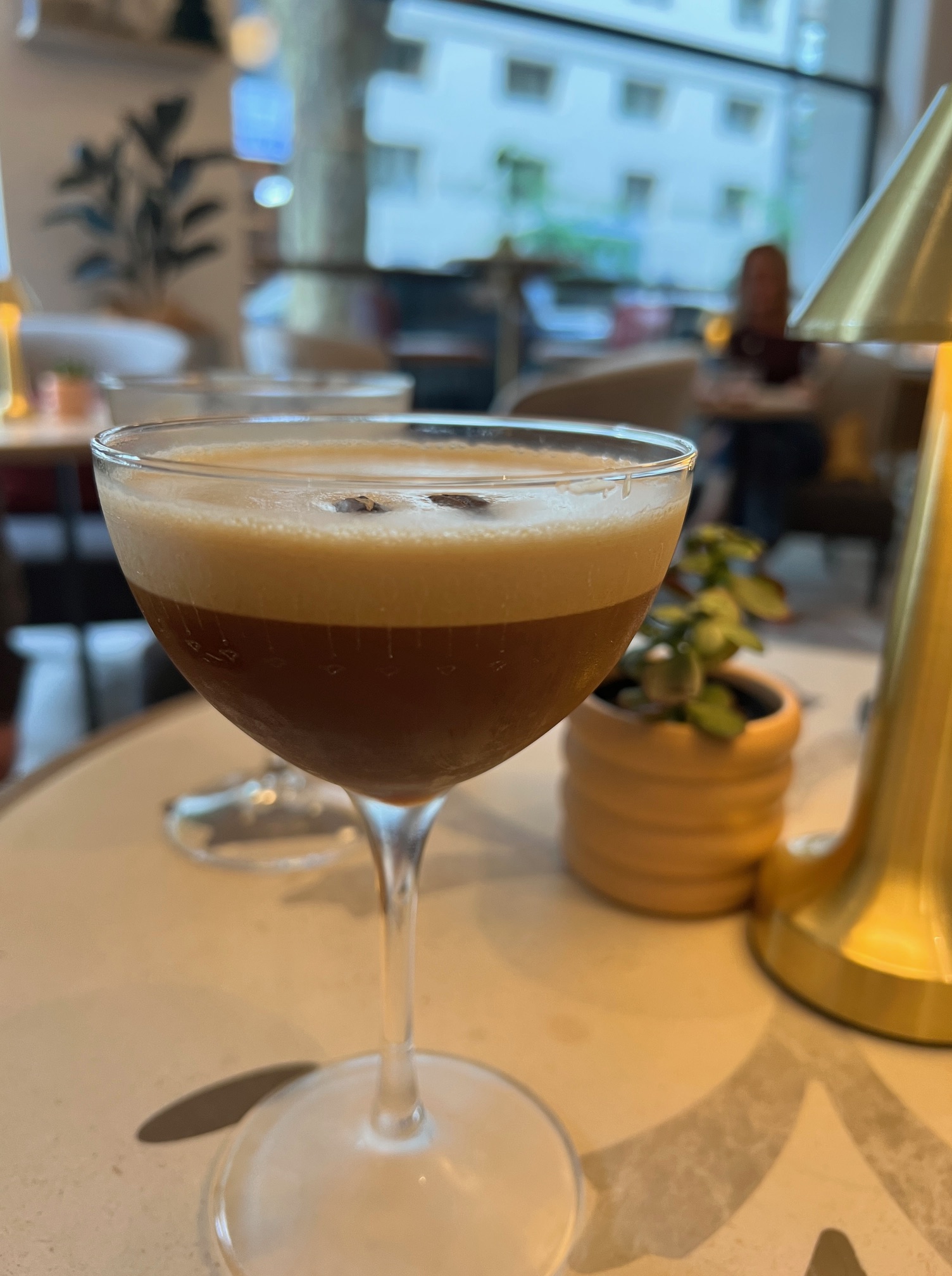
Plans to head into the night and find some music. Live music, beers and dancing is on the agenda. An espresso martini is agreed upon as a necessary plan of action to combat the food coma.

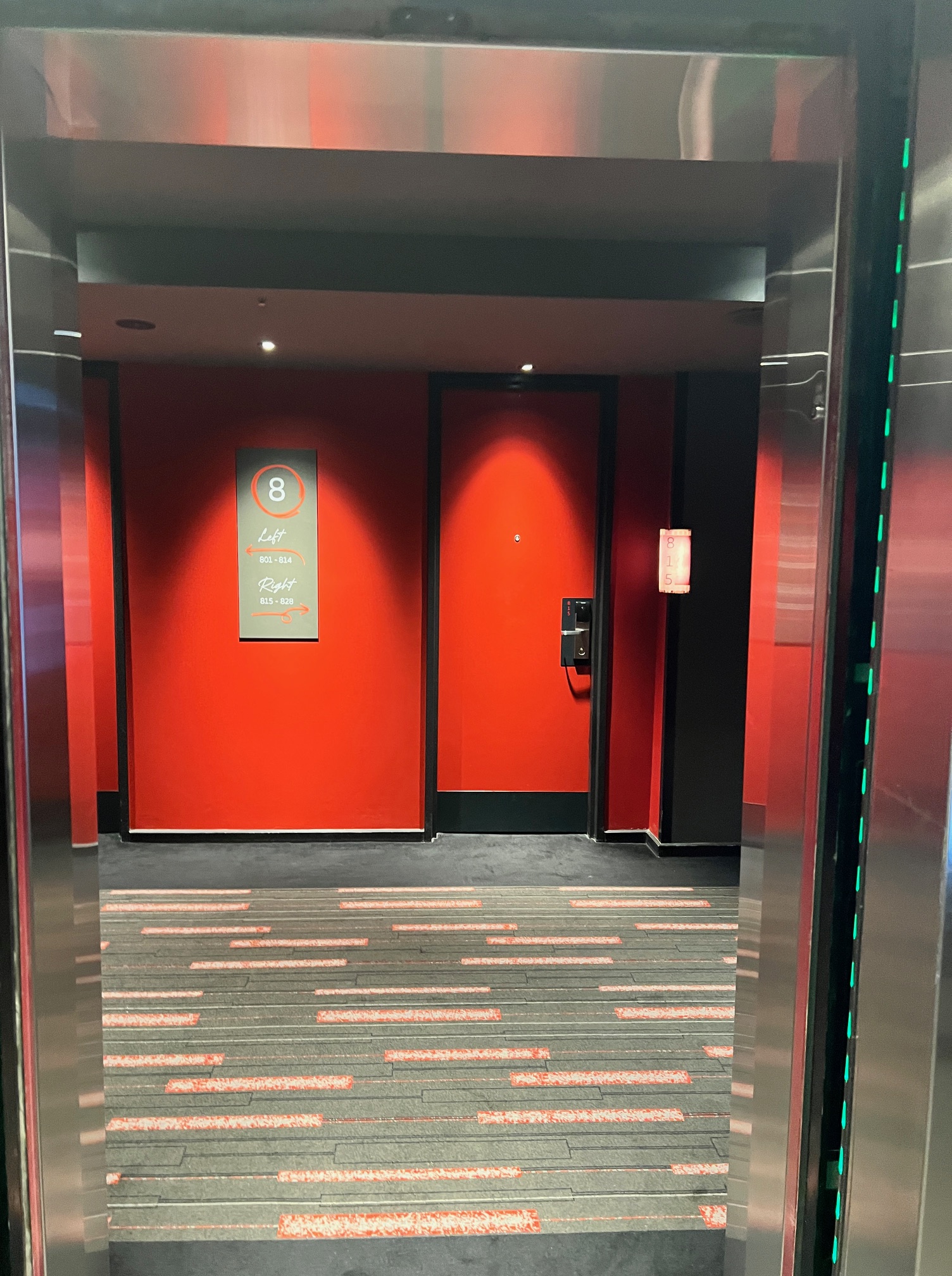
A long tram ride through affluent Melbourne suburbia into the city for a quick change in our Stanley Kubrick inspired hotel – red corridors and doors seemingly streaked with blood. On closer examination I think it is supposed to be theatre curtains – badly drawn in both senses of the word.

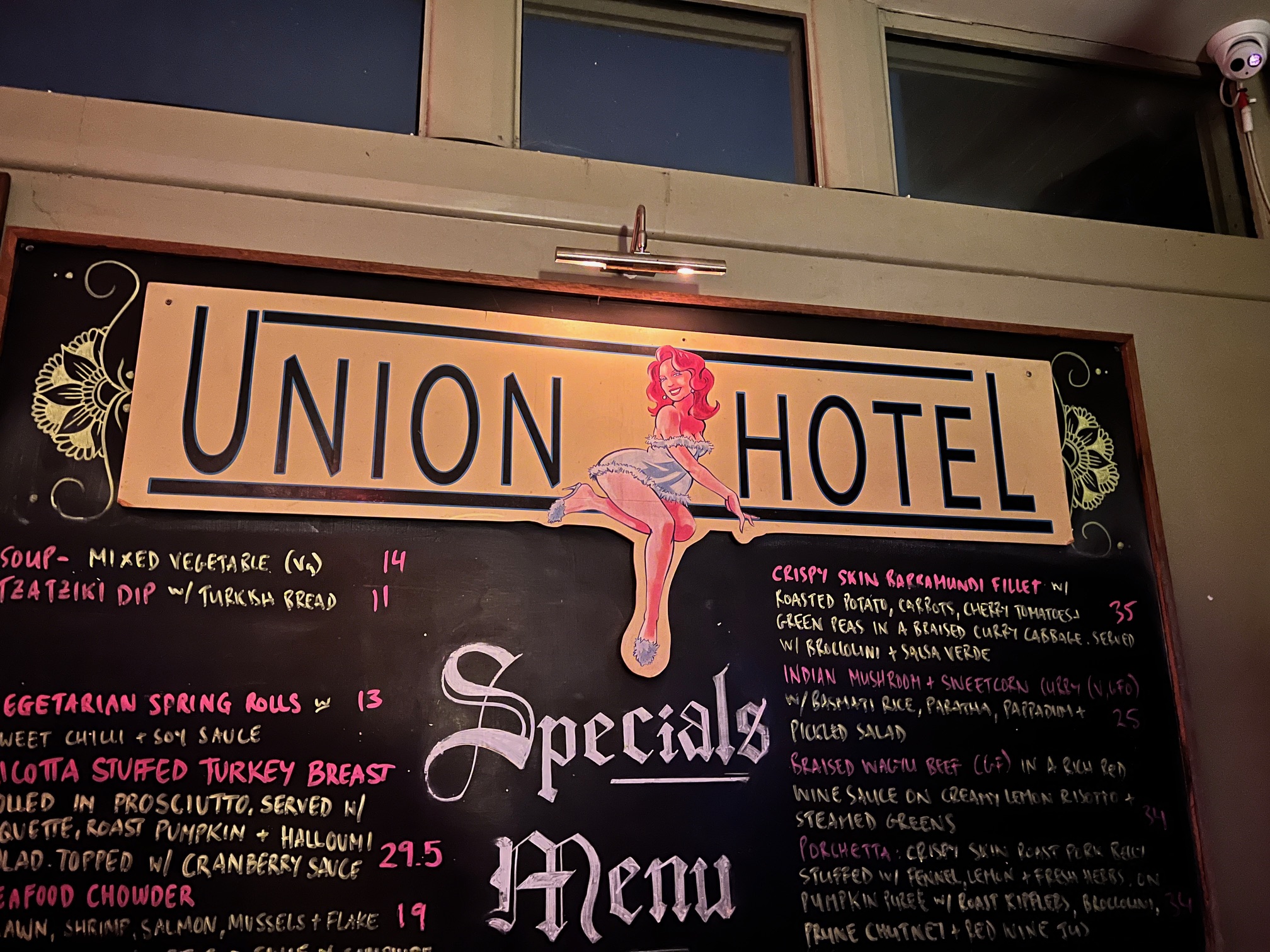
Train to Brunswick following hasty espresso martini in the hotel lobby. The Union Hotel is an old-school inner city pub that still has live music – free entry. People spill onto the street and the waft of beer and hot chips escapes from the door. Dark inside even though it’s still daylight (saving) outside. We find a large square table in the lounge.

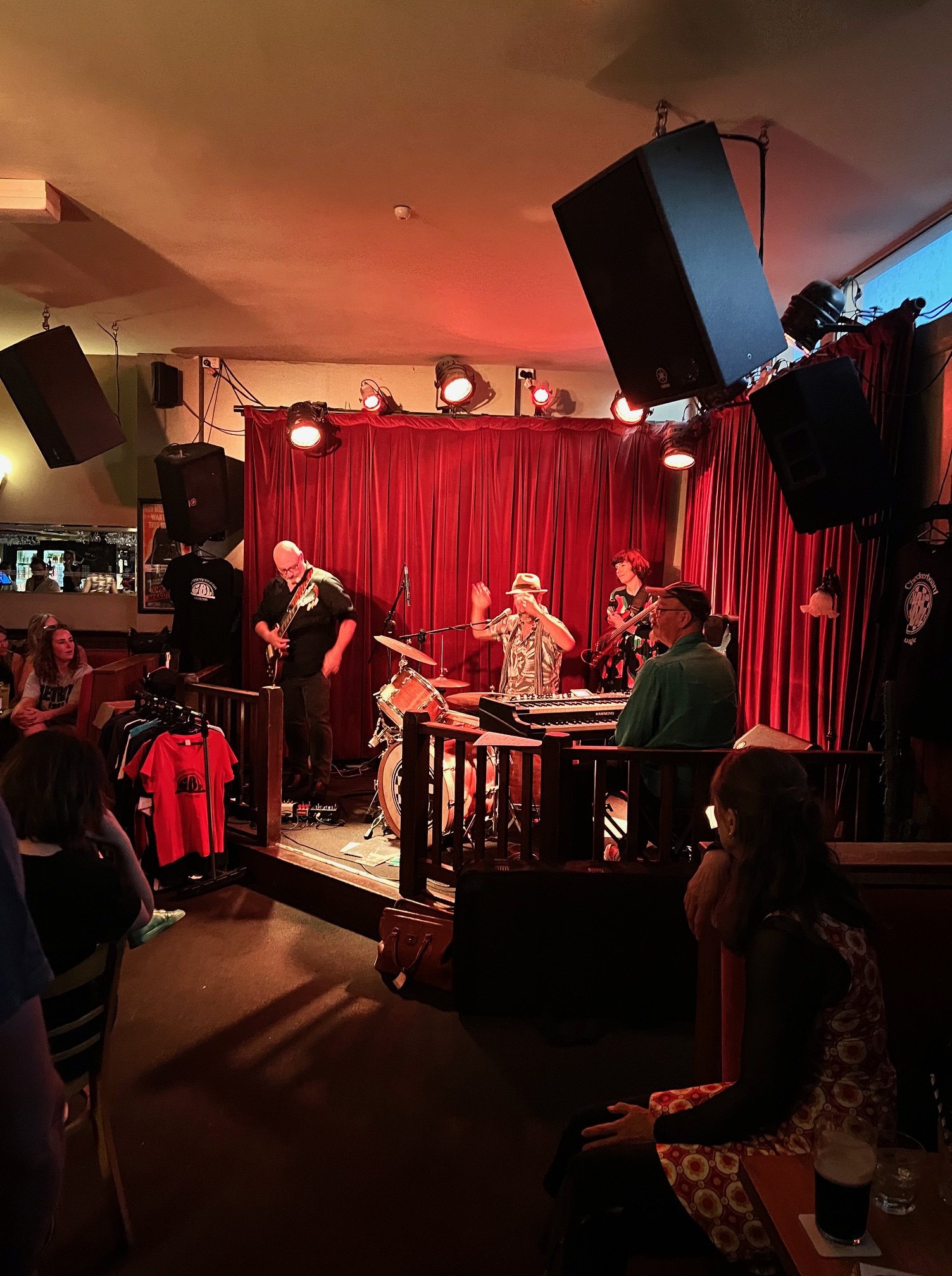
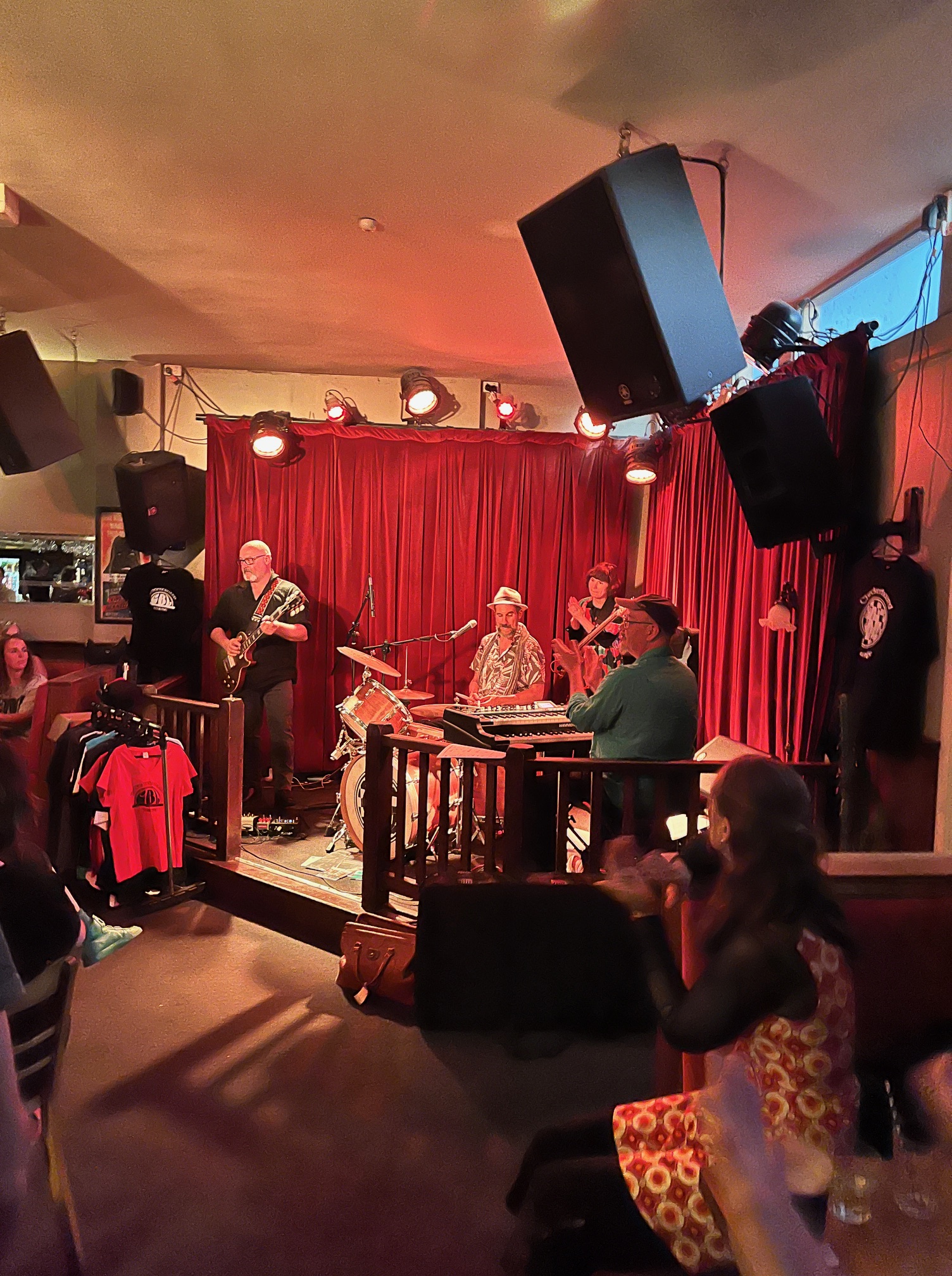
Checkerboard Lounge is setting up on the small stage, drum kit, Hammond Organ and steel guitar. Bass is yet to arrive. We order our first round of pots of beer, cold and frothy. A bowl of chips and zucchini fritters – though god knows we don’t need food!

The band sound checks, clattering drums and guitar riffs, silencing the 80s soundtrack playing in the background. ‘Twang’ – take that Hall and Oats, ‘Thump thump crash!’ no more Abba and sickly sweet nostalgia.

The chips arrive and despite a full stomach I can’t resist a taste – just the right salty oily taste.

My sister declares them the BEST she’s ever had, but maybe it’s like that declaration I heard a long time ago about live music, that at any given time any band can be the best band in the world?

Checkerboard Lounge start their set, our toes tap under the table until one of us (my sister) breaks away. “I’m going in” she declares as she grabs her beer and disappears into the lounge. We all follow. Dancing is necessary with the drummer who doubles as the singer whips the crowd into a frenzy. The espresso martini kicks in and three beers later they are playing their last song.

It’s only 10:30. Are we up for more adventure? Yes, why not? There’s a bar up Sydney Road, Bar Oussou that plays world music. We jump in the car and our trusty skipper gets us right outside. It’s impossible to enter the bar without dancing – a nine piece band is crowded onto the narrow stage elbow to elbow.

They thump and whoop the crowd into some body shaking moves. Before we know it it’s almost midnight and the band says they have two songs left. With each song lasting 15 minutes that’s another 30 minutes of booty shaking and our feet are feeling the pinch. Sweat pools and punters spill out onto the footpath where they continue their moves under the street lights. A couple rumba cheek to cheek while others smoke cigarettes.

The music stops and starts and then stops and we stumble to the car with ears ringing and smiles from ear to ear. Back at the Stanley Kubrick Hotel we fall into bed for our last night of sleep in Melbourne town.

All in a Day #18 – Robert Ikin – a Life of Art

Tasmanian artist Robert Ikin 83, is my Dad. As the child of an artist, my siblings and I spent countless evenings huddled beside or under the cheese and biscuit table at art galleries, scoffing squares of cheddar and stale crackers. Around us, the adults sipped box red wine, smoked cigarettes, and talked about art and mundanities.

The scent of an art gallery is still fresh in my mind.  I recall smells of paint, wood varnish, cigarette smoke and seagrass matting, the floor covering of choice in the 70’s.  I would count red stickers when they appeared on pieces of work hung on white-washed walls and excitedly tug on Dad’s sleeve to relay the news of a sale.  He would stop talking and smile at me with raised eyebrows and then return to his conversation and his wine.

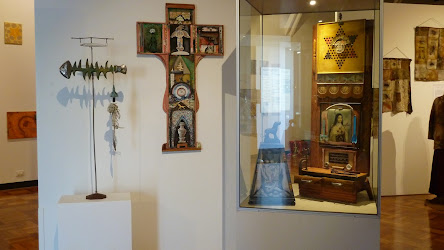
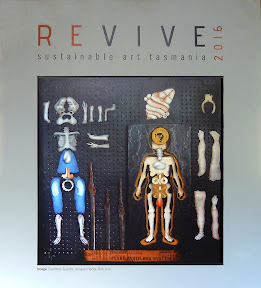
Robert last exhibited work in a gallery setting in 2016 at the Queen Victoria Museum, Inveresk, Launceston. The Revive Exhibition—curated by Ralf Haertel, featured work by individual artists and community groups with recycling and sustainability at it’s core.  Robert’s pieces were created from mixed media and found objects.

History

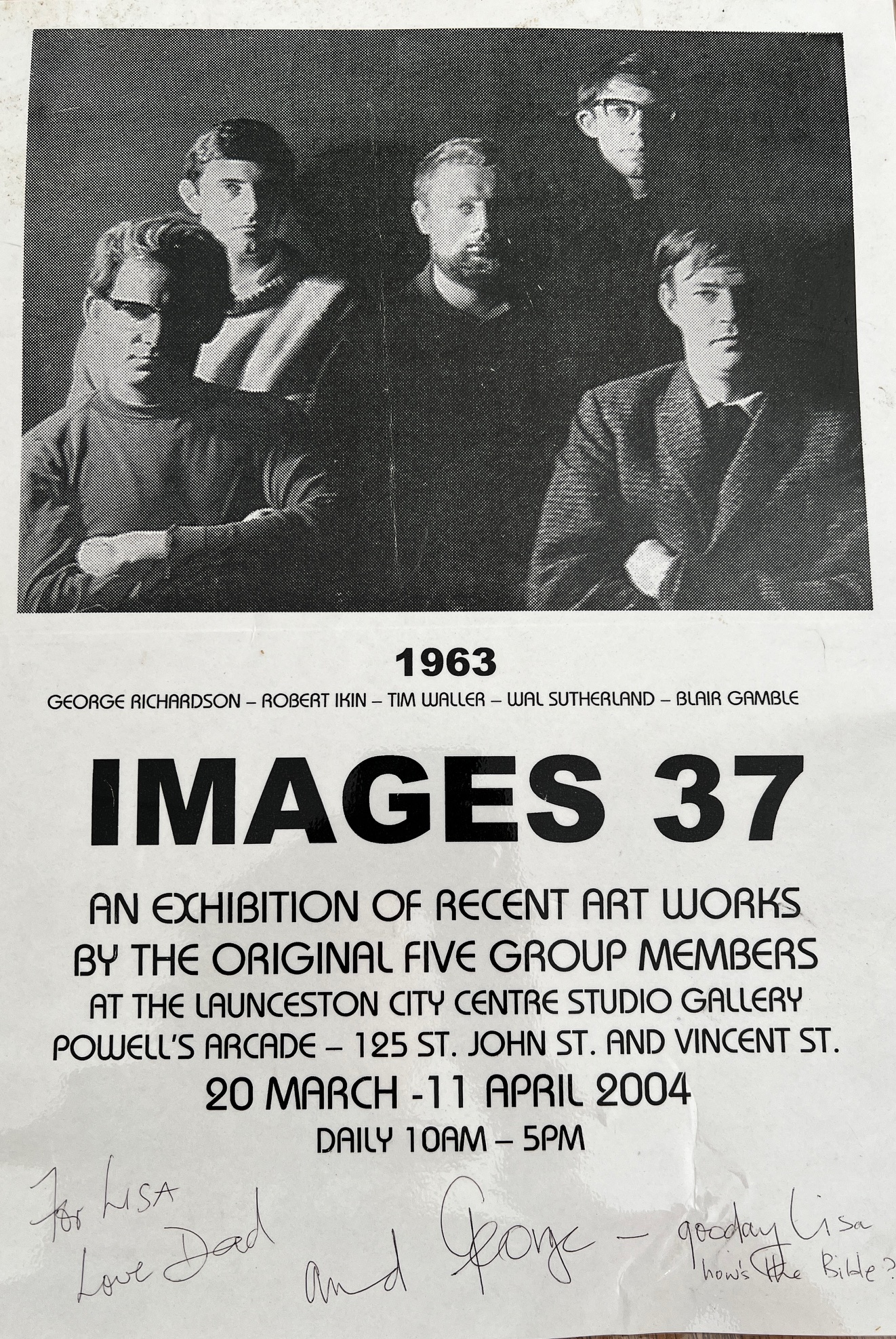
Robery Ikin’s resume spans decades, countries, and mediums. As a young painter in 1963 Robert was part of a group of Launceston Art School Graduates who named themselves ‘Images’ – Robert Ikin, George Richardson, Tim Waller, Wal Sutherland and Blair Gamble were the original five group members.  The group reunited in 2004 for a show in the Launceston City Centre Studio Gallery. Sadly, George , Tim and Blair have since passed.

The original members were the inspiration for another group of aspiring artists who called themselves ‘Images of Tasmania’.

The reunion of The Images in 2004

George Richardson, an incredible abstract artist and art educator, was my godfather.  He would always playfully ask me “are you reading your bible Lisa?”  I have vague memories of Tim Waller, a fine painter and also art educator and memories of weekends at Blair’s beautiful home in Hobart, as a child. Dad and Wally still regularly catch up and make music CDs together.

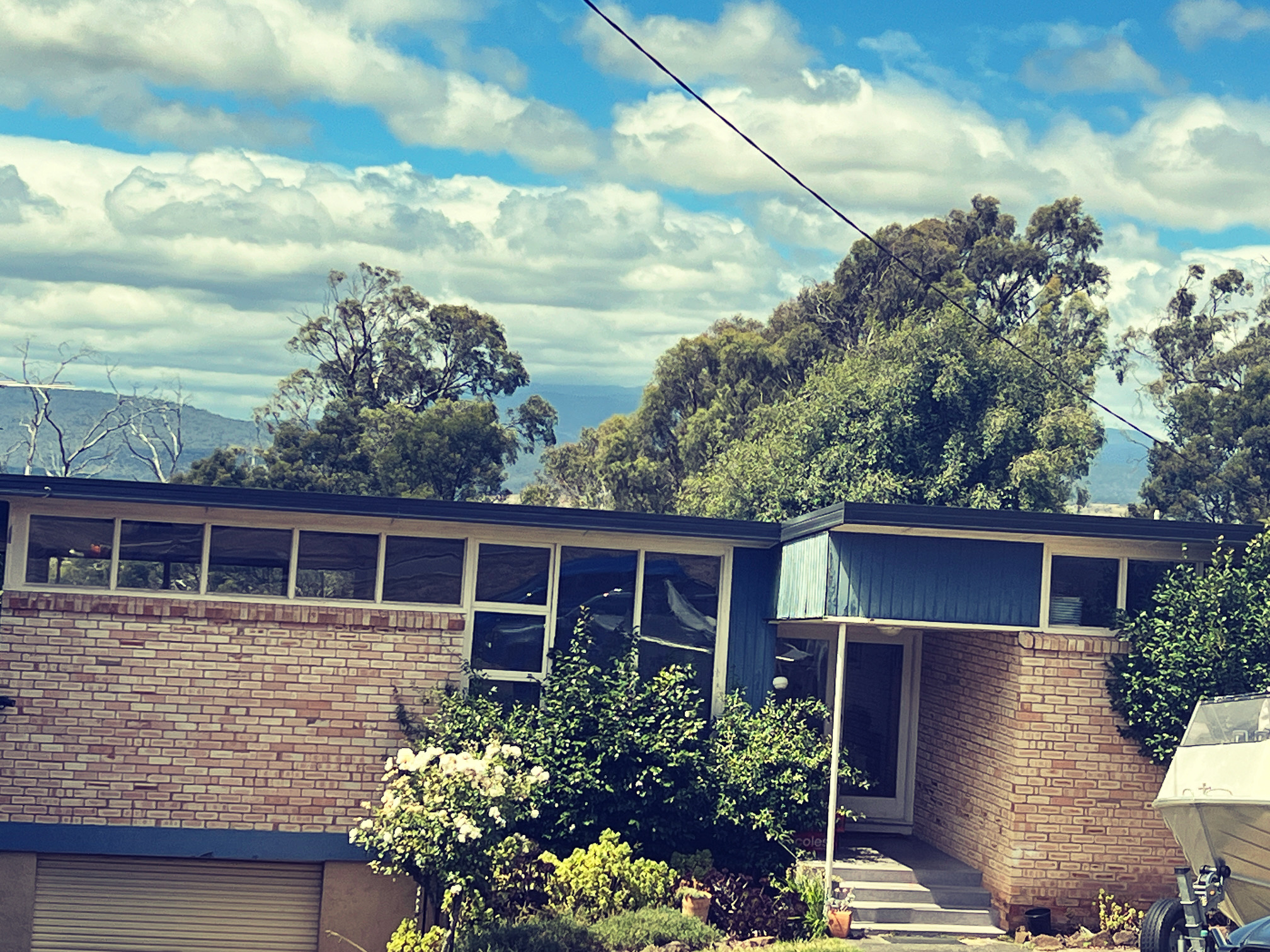
Around this time, 1964, I was born in Launceston at Queen Victoria Hospital.  We lived in a modern home in West Launceston, a stone’s throw from the Cataract Gorge.  We moved to live in Adelaide at some point, where Dad continued to paint but also worked a day job.  For as long as I could remember, he was a travelling salesman by day. We lived in a terrace house on Rundle Street. In my mind the sun was always shining. My sister was born there in 1967.

My first home in Launceston – a modern home for the time.

The sudden death of my mother when I was five brought significant change and trauma. We moved back to Tasmania, living with my grandmother for a time before dad remarried.  For a number of years, Dad was a lighthouse keeper, and we lived an isolated life with correspondence schooling on some of the most wild and remote islands in Tasmania and Australia. Eventually with new siblings (a sister and brother) and a need for me to attend high school, we moved back to the Tasmanian mainland when I was 12 years old.

In 1979, Robert completed a postgraduate qualification in ceramics at the School of Art, Tasmanian State Institute of Technology, Launceston, followed by his first exhibition at the Design Centre of Tasmania in Launceston. 

He was studying and practising art for most of my high school years. We lived out of town and on the last school bus stop for country town, Scottsdale. After living in isolation for so long it didn’t feel unusual to still be on the fringes.

I finished Year 10 at Scottsdale High in 1980 and in early 1981, there was a move to Darwin, where Dad took a job in a Darwin Art School. I went to year 11 in Darwin, met a boy and left home. I ended up living there for four years before fleeing the boy and the humidity to live in Perth. Dad only stayed a year in Darwin, returning to Tasmania with new partner, Gardie and plans to settle down.

Public Collections

Robert has exhibited widely throughout Tasmania and is represented in many public collections, including the Queen Victoria Museum and Art Gallery, Devonport Regional Gallery, University of Tas Collection, Hobart and the Tasmanian Government’s Art for Public Buildings Scheme.

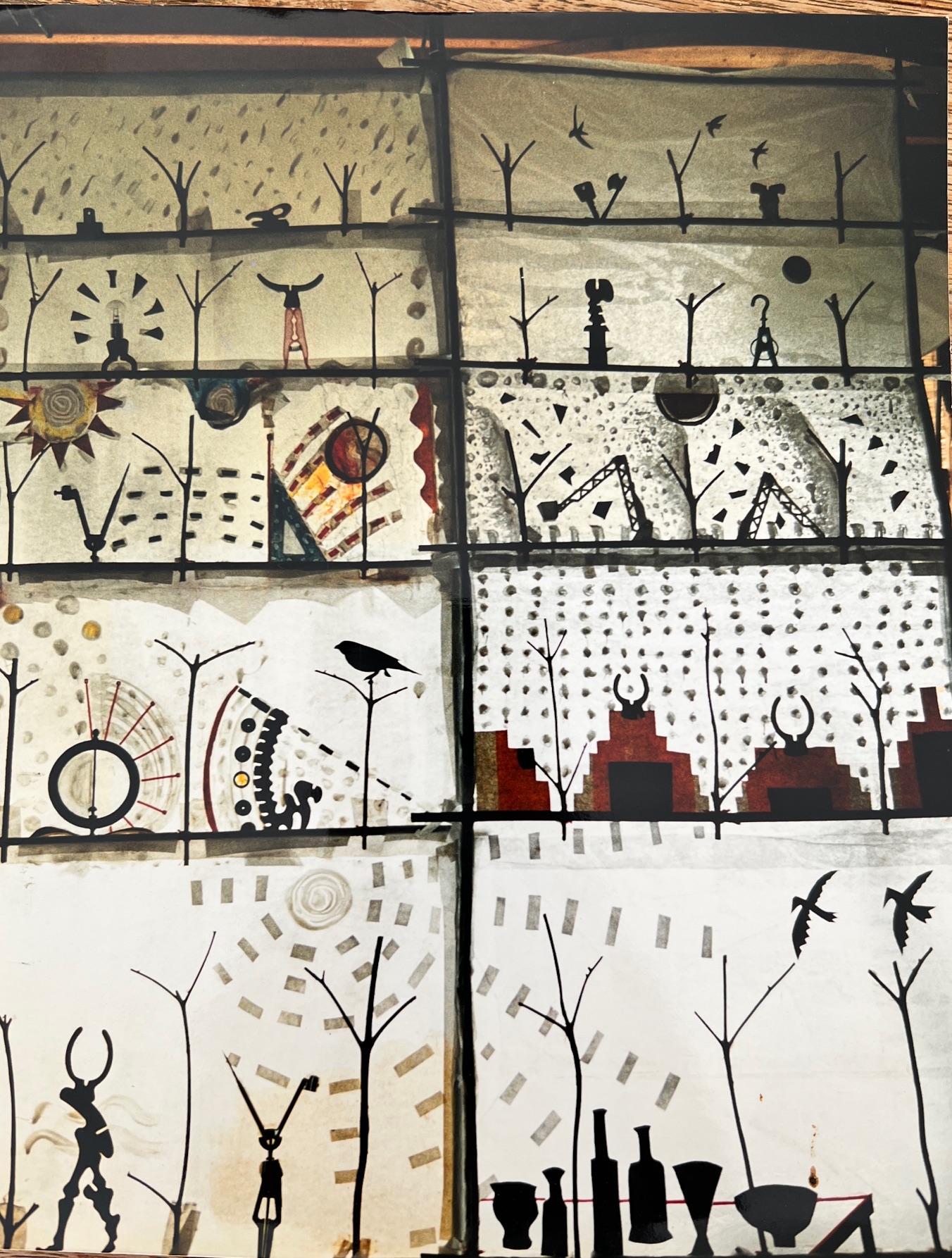
Another Short History of the World (detail) light box. Robert Ikin 2004 – QVMAG, Launceston Tasmania

Snakepit Gallery

In 1992, Rob and fellow artists Bea Maddock and Gardenia Palmer formed the Launceston Art Cooperative. The cooperative’s headquarters was a small disused warehouse in Launceston, which they named ‘Snakepit’ due to rumours that a snake trainer used to train snakes in the building! 

The space existed for local Launceston artists and craftspeople to exhibit freely as part of a cooperative membership. The gallery was a huge success and hosted over 100 fortnightly shows until 1996 when the cooperative dissolved due to fewer artists using the space. 

By this stage, I was living on the other side of Australia, and had birthed my first child, but I remember visiting the Snakepit when I was in Launceston. My grandmother was still alive as I have a photo sitting on the steps of the Snakepit with her. I’m sure seagrass matting was a feature.

No Poetry

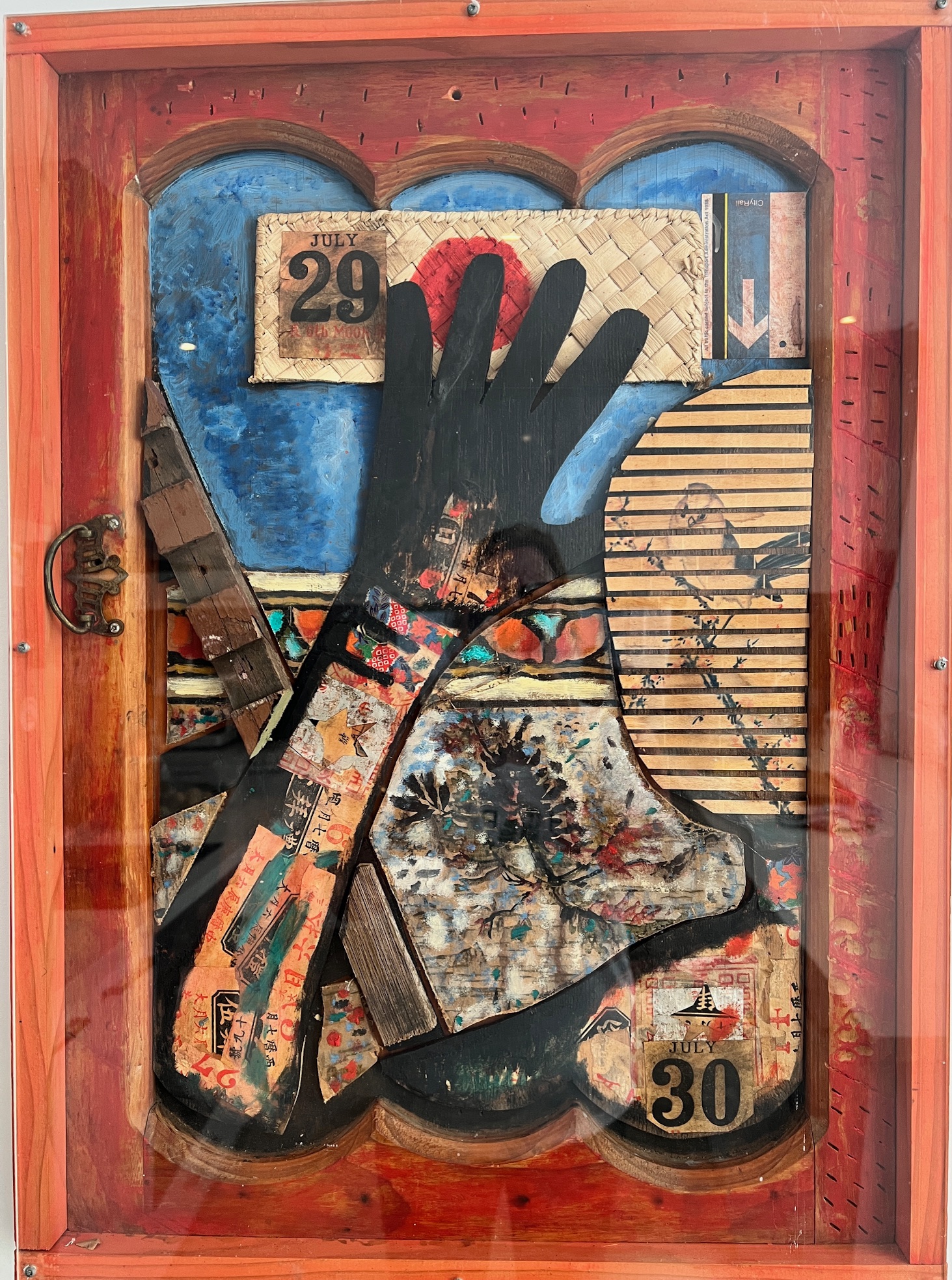
One of Robert’s major works, ‘No Poetry,’ a mixed-media work using mainly found objects, was exhibited at the Tasmanian Museum and Art Gallery in Hobart and The Queen Victoria Museum in Launceston.  Representing the eight months from January 1 to August 6, the finished work was presented on the anniversary of Hiroshima Day 1995. He recreated the work in 2001 and subsequently in 2013 as a moving sound and image piece.  

I have one piece from the No Poetry show, an exhibition I attended while visiting with family. My second baby was born in 1994 and I was still living in Perth.

Public Art

In 2000, Robert installed a huge ceramic work entitled “Mandala,” 8.5 metres in diameter, commissioned by the Tasmanian Government. The piece comprised 888 hand-made tiles, each hand-incised and hand-decorated. For the next few years, Robert consistently exhibited and installed public art throughout Tasmania.

Mandala 2001

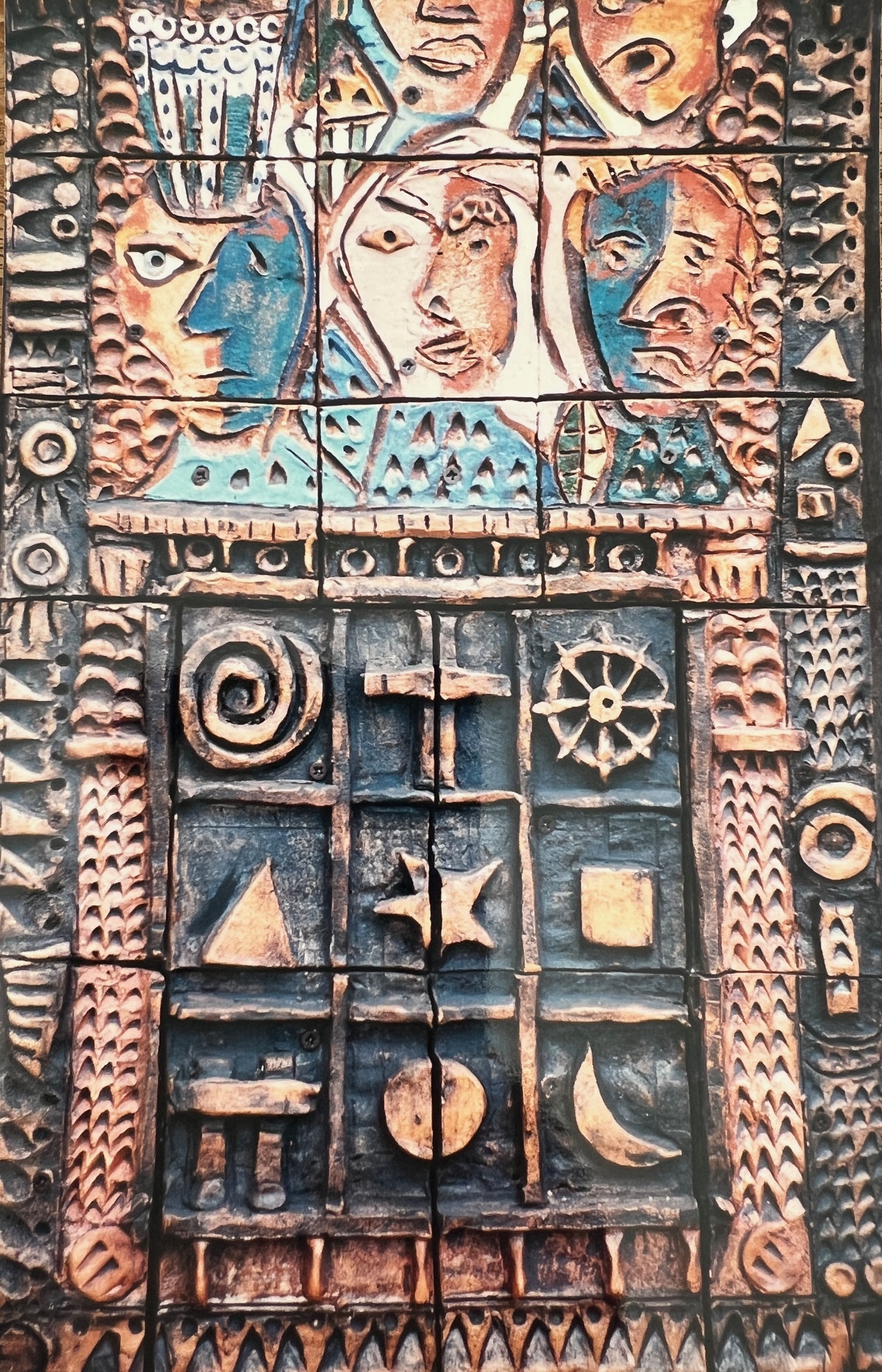
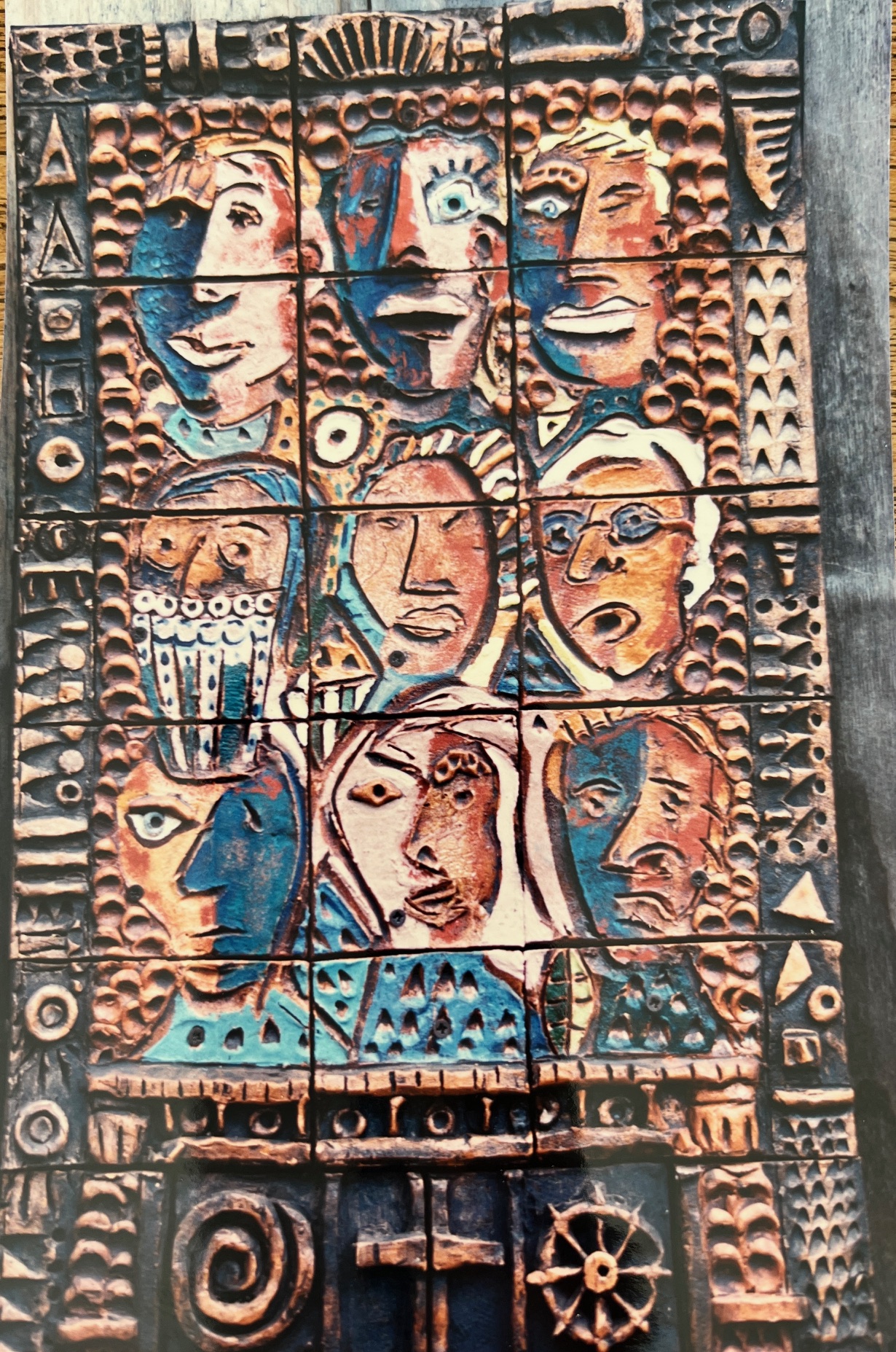
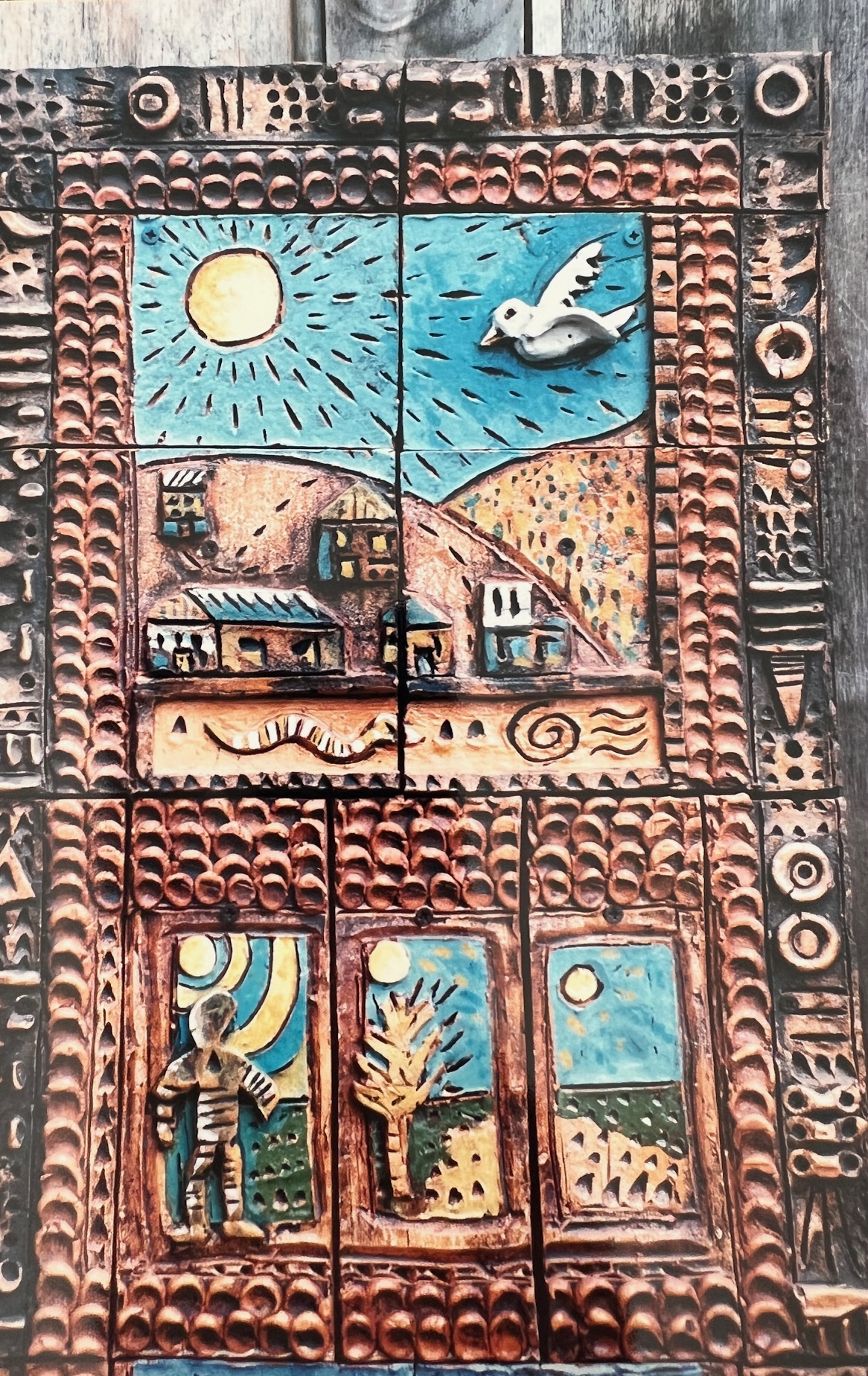
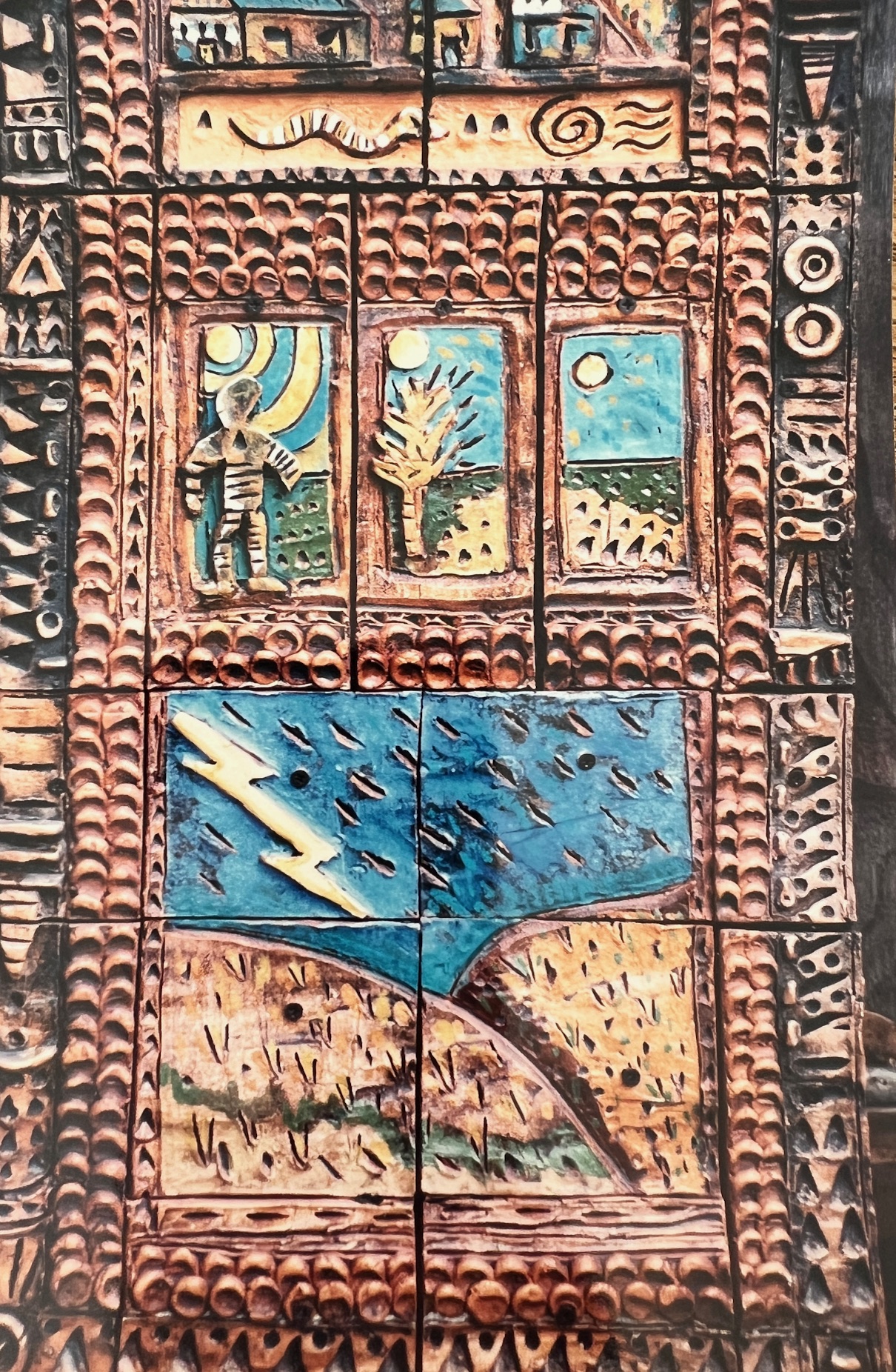
Pictured below is some detail of the ceramic tiles installed at the Ulverstone Police building in 1996.

European Connections

2007 saw the first collaboration with the Netherlands and the University of Tasmania. Robert was part of the Tasmanie Project, “No Person is an Island” suite of works and “At the Hop” –  five short projection pieces at  Gallerie de Meerse, Hoofdorp, Netherlands.

Between 2010 and 2015, Robert Ikin and his wife and fellow artist Gardie Palmer exhibited in the Netherlands multiple times: 

  • Galerie ‘t Haentje Je Te Paart , Mels Dees. Middelburg
  • pARTners Kulturele Evenementen Groepen Schijndel in Schijndel
  • Museum allen Tijden.  
  • Ateliers Patagonia + Guests – KEG-expo, Schindel.

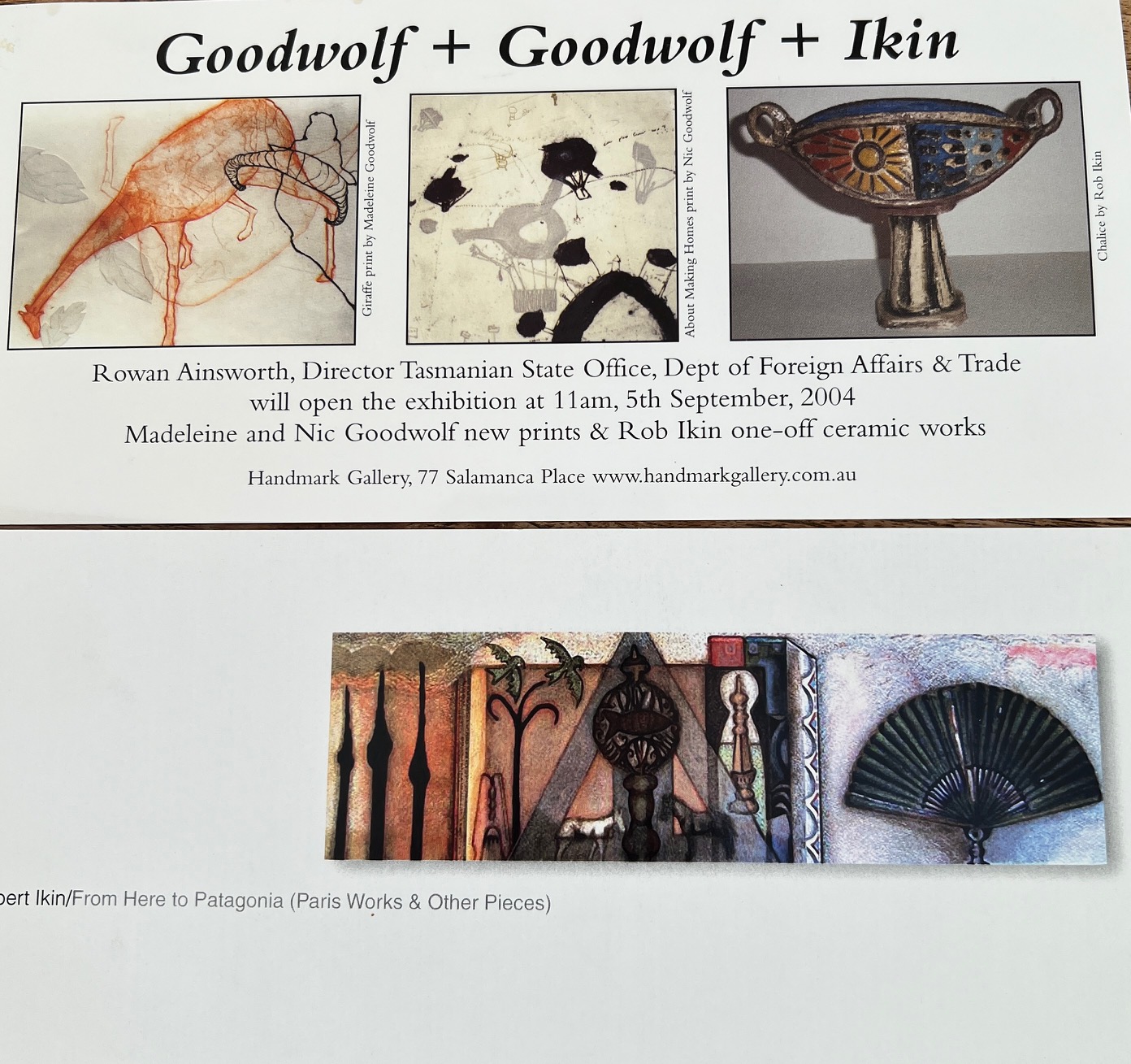
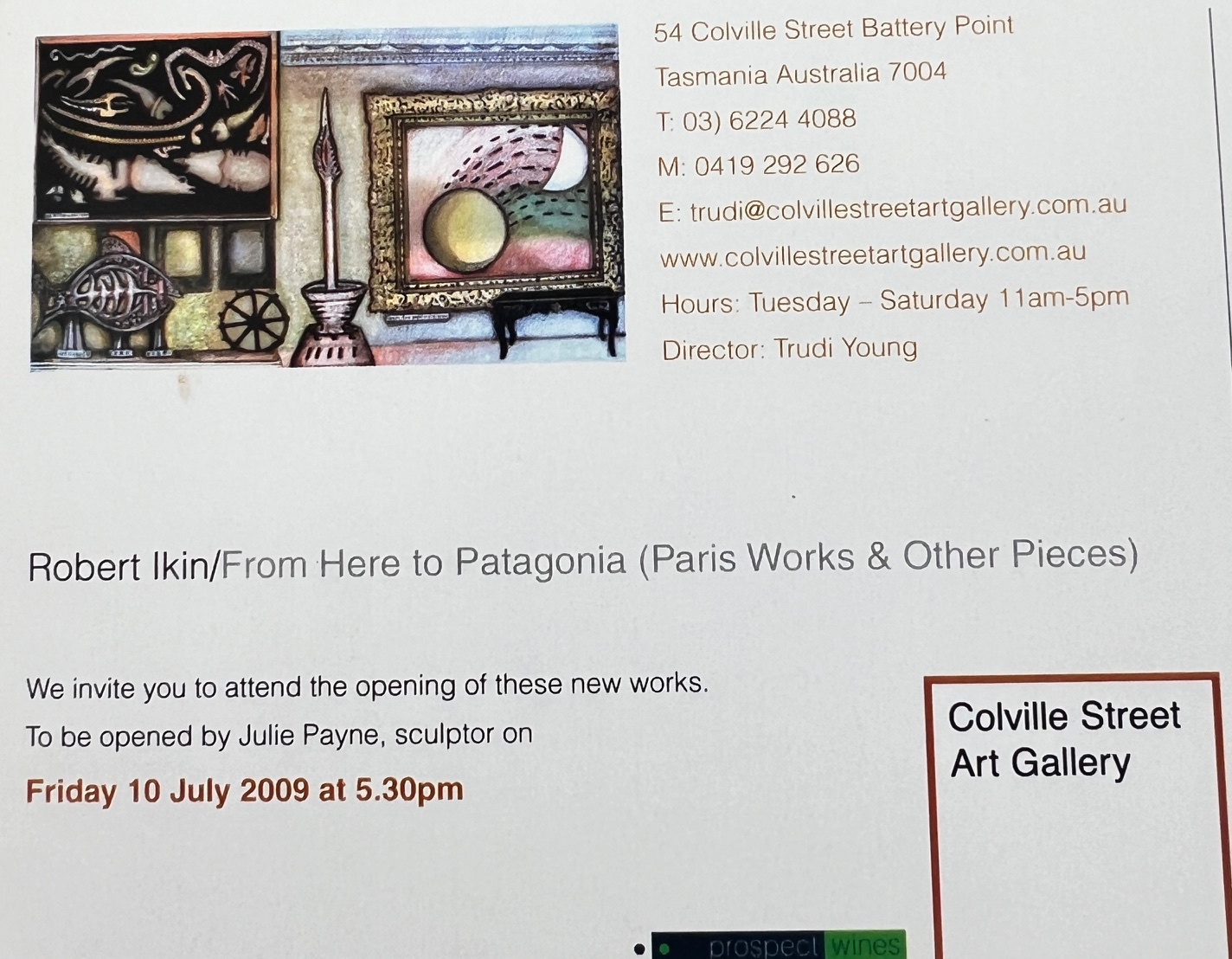
In 2008, he and Gardie lived in Paris as part of the prestigious Rosamond McCulloch Studio Residency at the Cite des Arts. Some of the work he made in Paris was exhibited in Marcher Sur La Pelouse—Exhibition from past residents of the McCulloch Studio in Paris at Plimsoll Gallery, Hobart, in 2009 and his ‘From Here to Patagonia’ show at Colville Street Art Gallery in Hobart in 2010.

Sculpture Projects

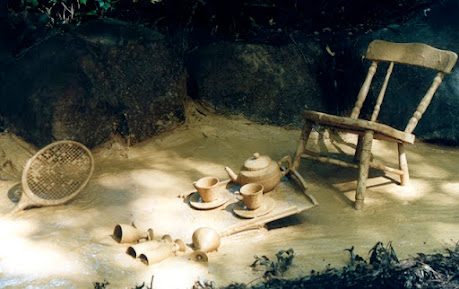
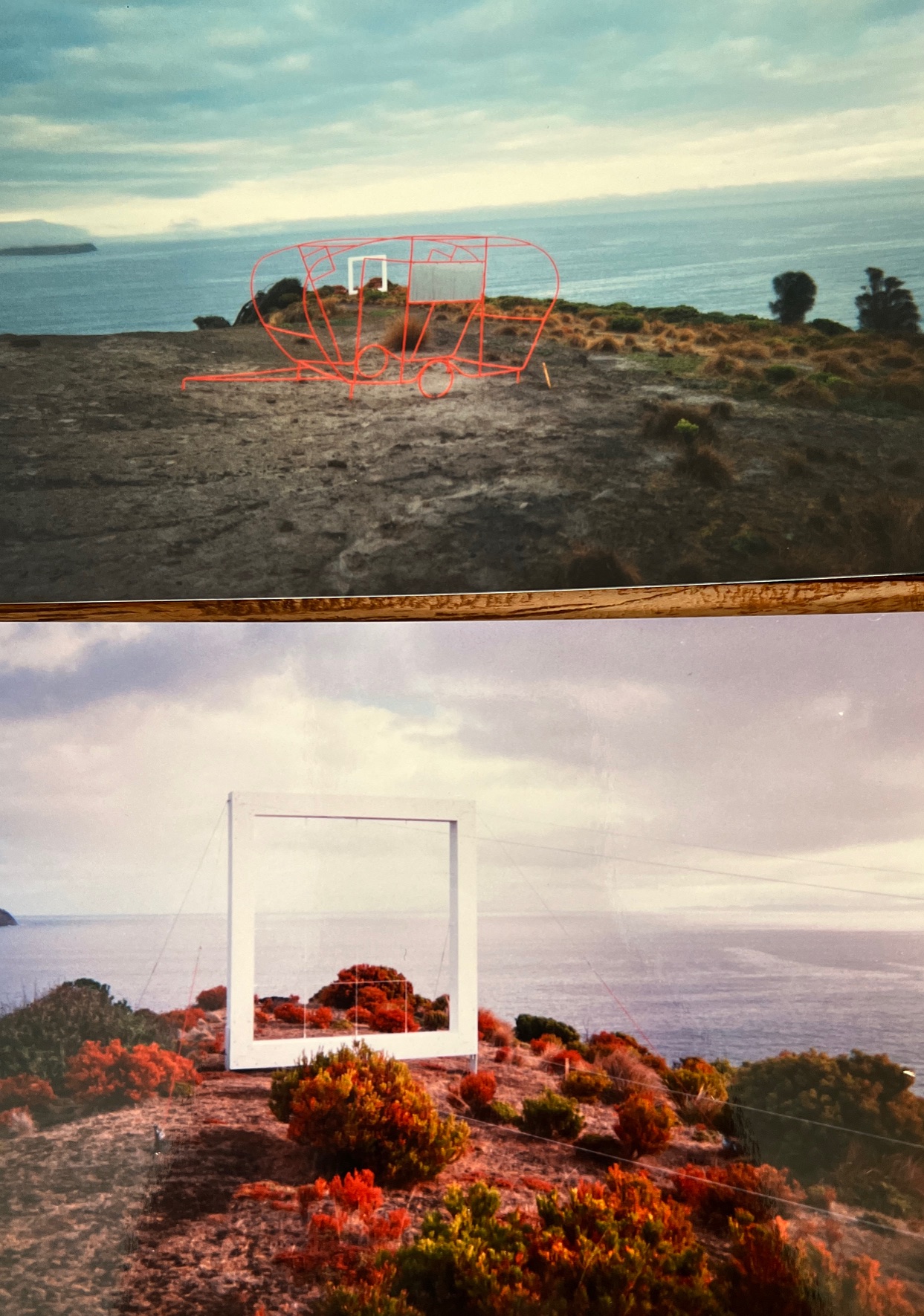
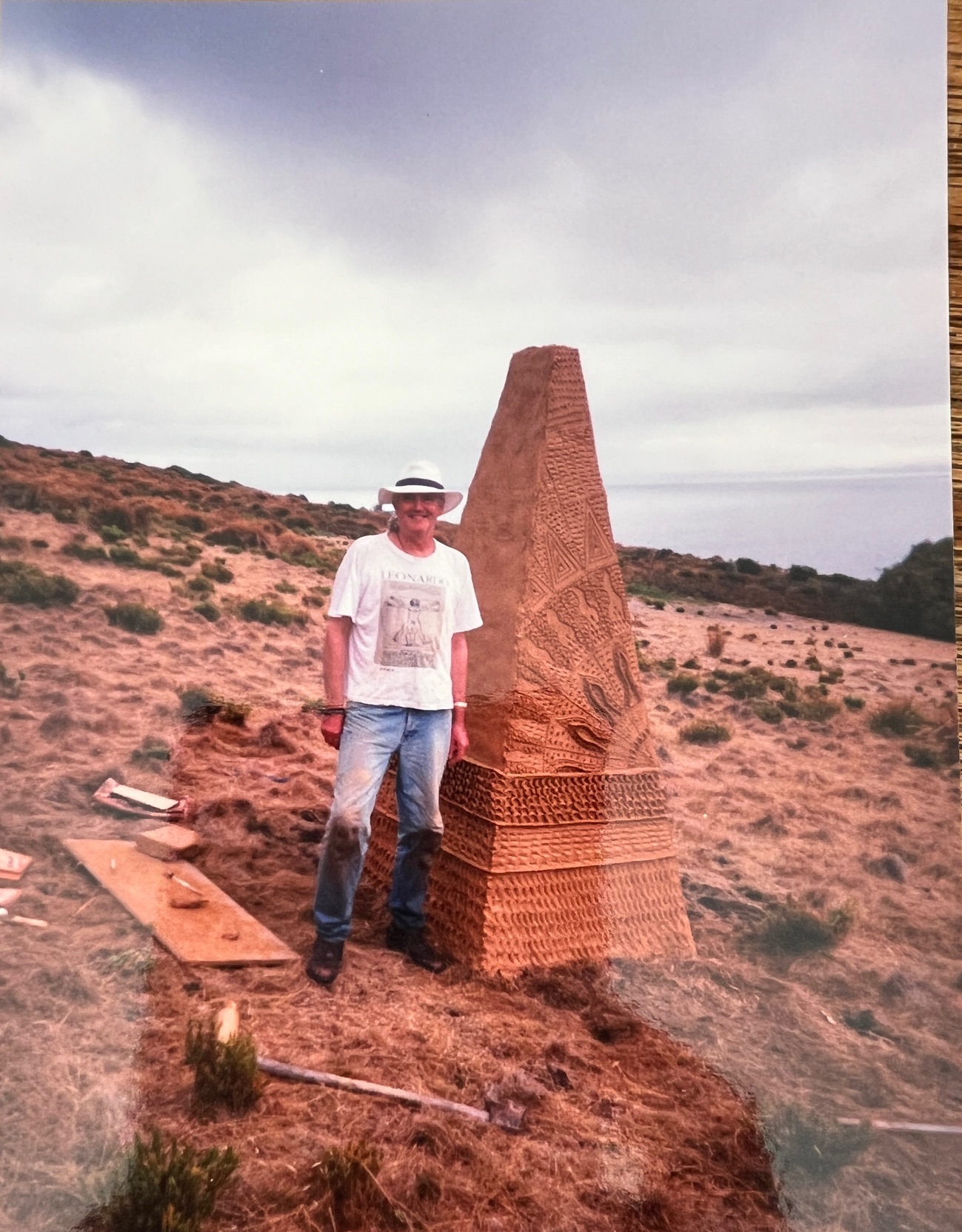
Robert  has been involved in many site-specific sculpture projects at incredible outdoor sites, including twice at Roaring Beach on the Tasman Peninsula, the Mt. Wellington Sculpture Trail, Jackeys Marsh Sculpture Trail, Shadows on the Water on the Upper Esk in N.E. Tasmania, and The National Rose Garden at Woolmers, all in Tasmania. 

 “dejeuner sur l’herbe” objects, clay and clay slip. Site specific work. Mount Wellington Sculpture Trail, 2002

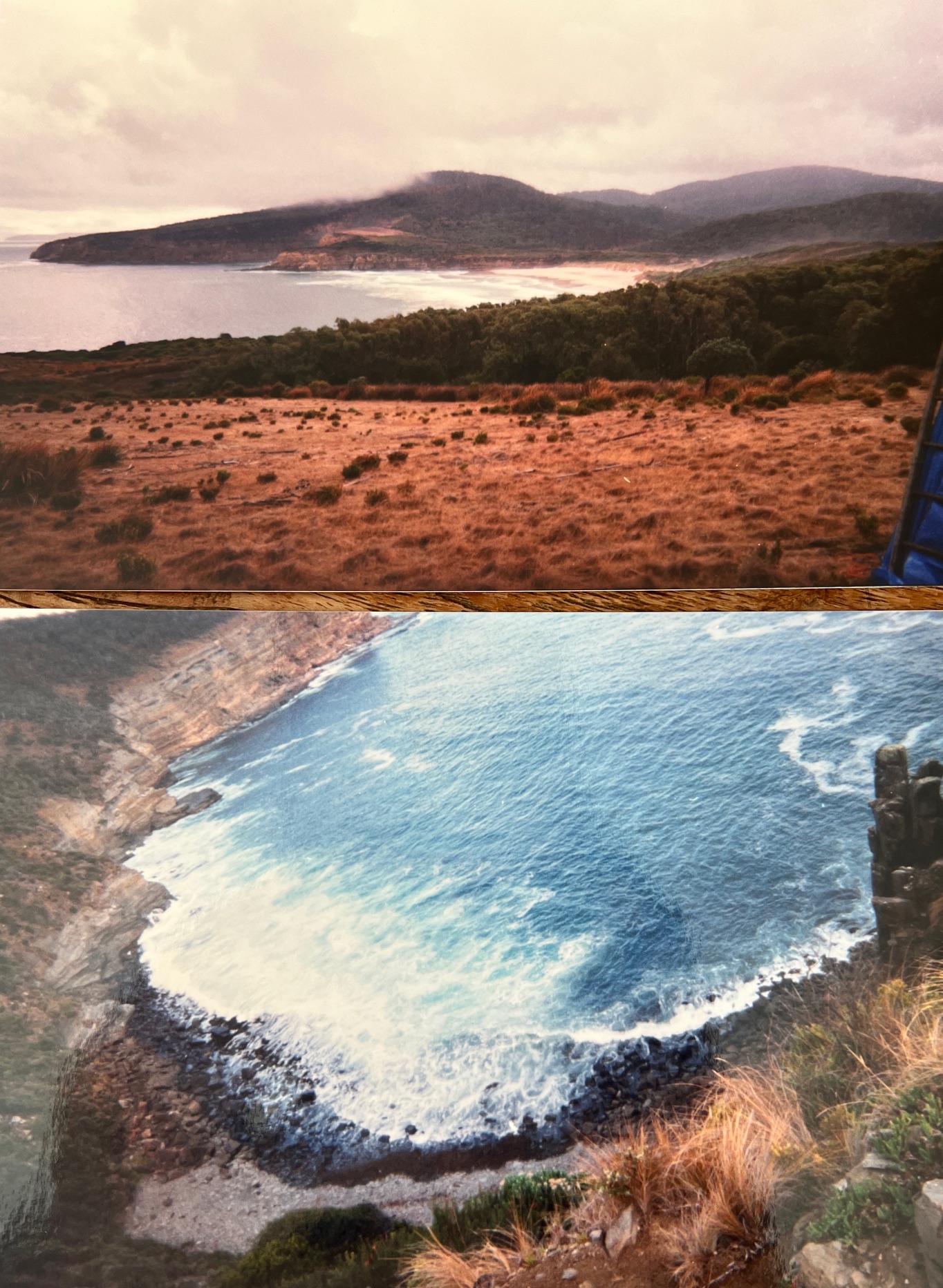
I accompanied Dad to one of the Roaring Beach sculpture projects in 2001.  The location and the incredible pieces became the backdrop to my marriage breakup – if you’re going to have a crisis, why not in one of Tasmania’s wilderness locations and surrounded by art!

Solo Exhibition

His most recent solo exhibition, “Interactions,” was at Poimena Gallery in 2013, where he had just completed an Artist-in-Residency. This show included video documentation of “Solstice to Solstice,”  a piece based on daily divinations from winter solstice to summer solstice 2012, as well as new ceramics and digital works.

Exhibition 2024

Far from resting on his laurels, Robert has never stopped creating new work and is now on the eve of his first solo show in eight years.  

On May 16 2024, the walls at Gallows Art Space at Launceston College will become a temporary home to some of Robert’s newest works with a scattering of the old.  He says it’s a retrospective without being a retrospective- spanning years and encompassing a multitude of mediums from ceramics and oil painting to digital images and a mixture of all those things.  The show is a non-commercial show which Robert says gives him a lot of freedom to explore and create.  

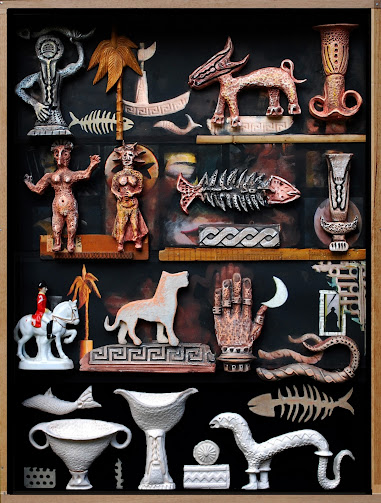
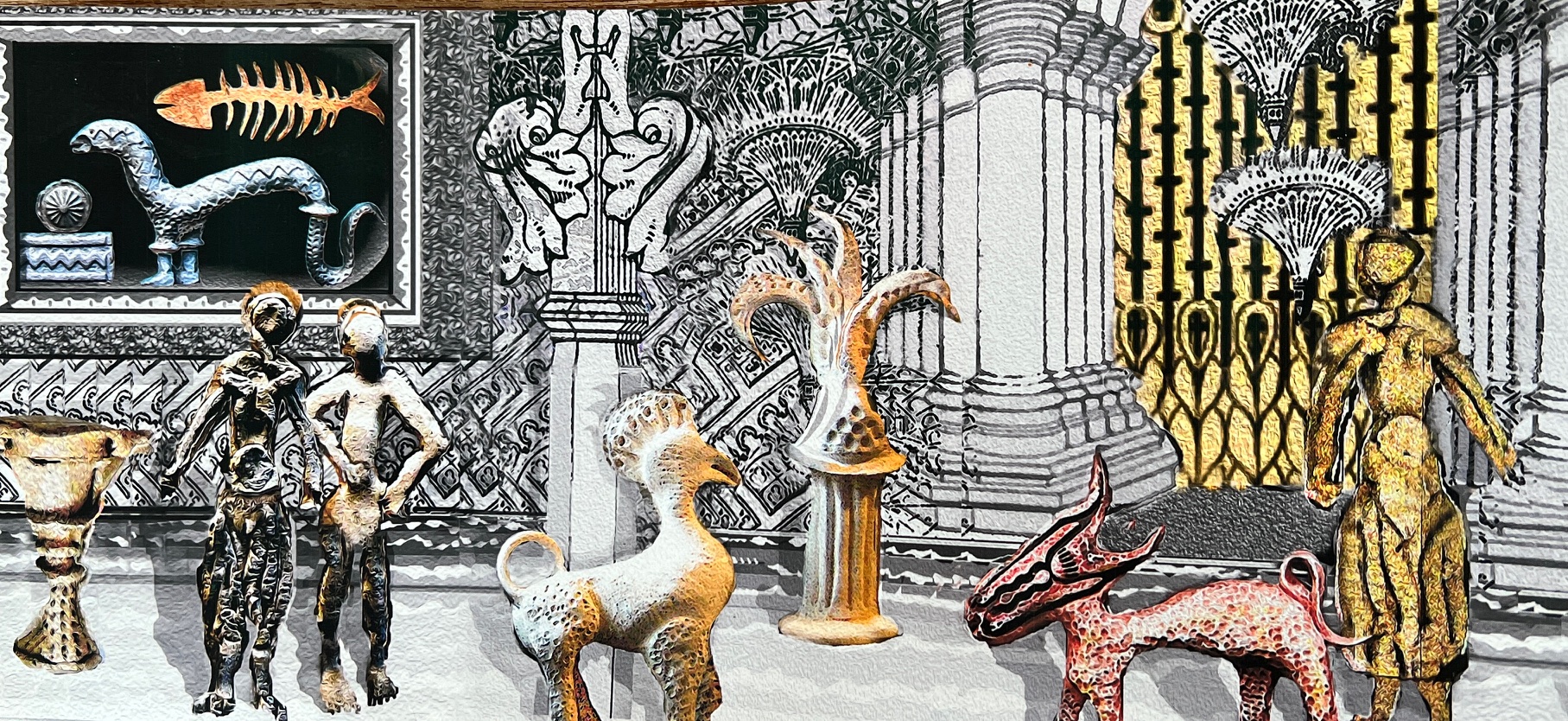
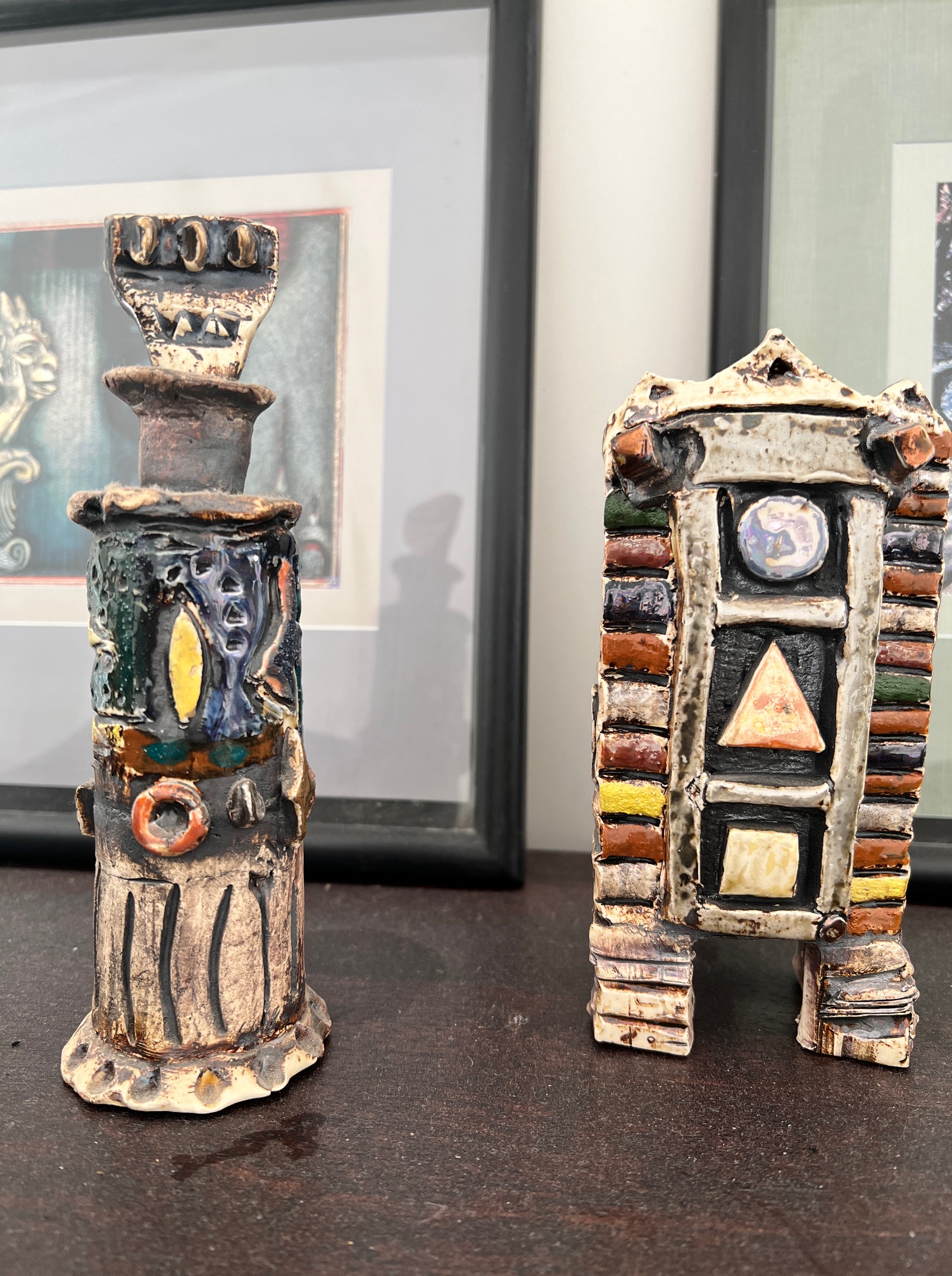
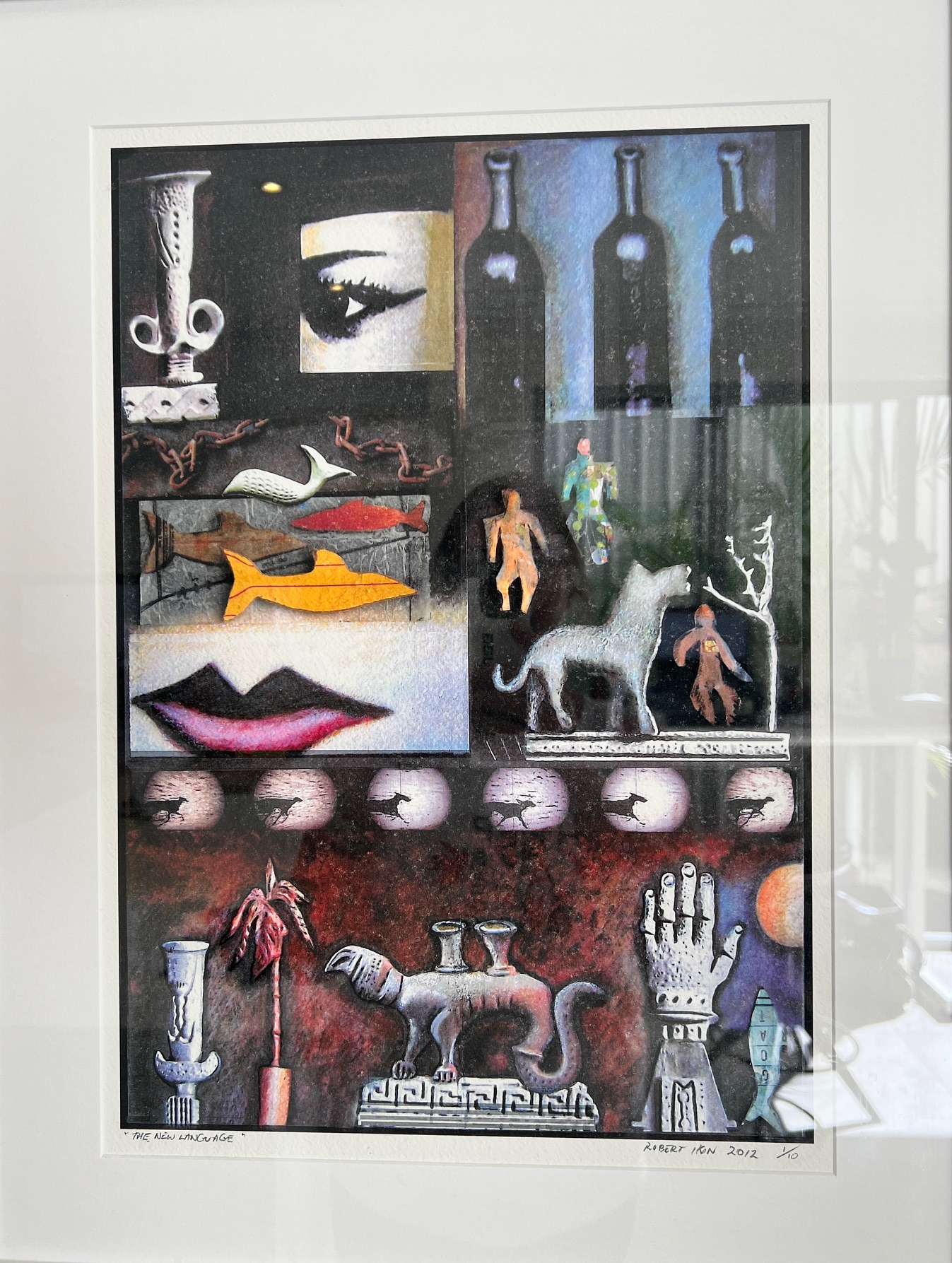
He wants to show the links between old and new. For example, the patterns on some of his old ceramic pots are echoed in the work he is producing today.  Pieces from 10 years ago that he created using a lightbox have been brought back to life in new multimedia prints and collages.  Small ceramic figures mounted in a display box were recently turned into images on bathroom tiles in a private Launceston home.  The same figures have been featured for many years, both as ceramics and images. 

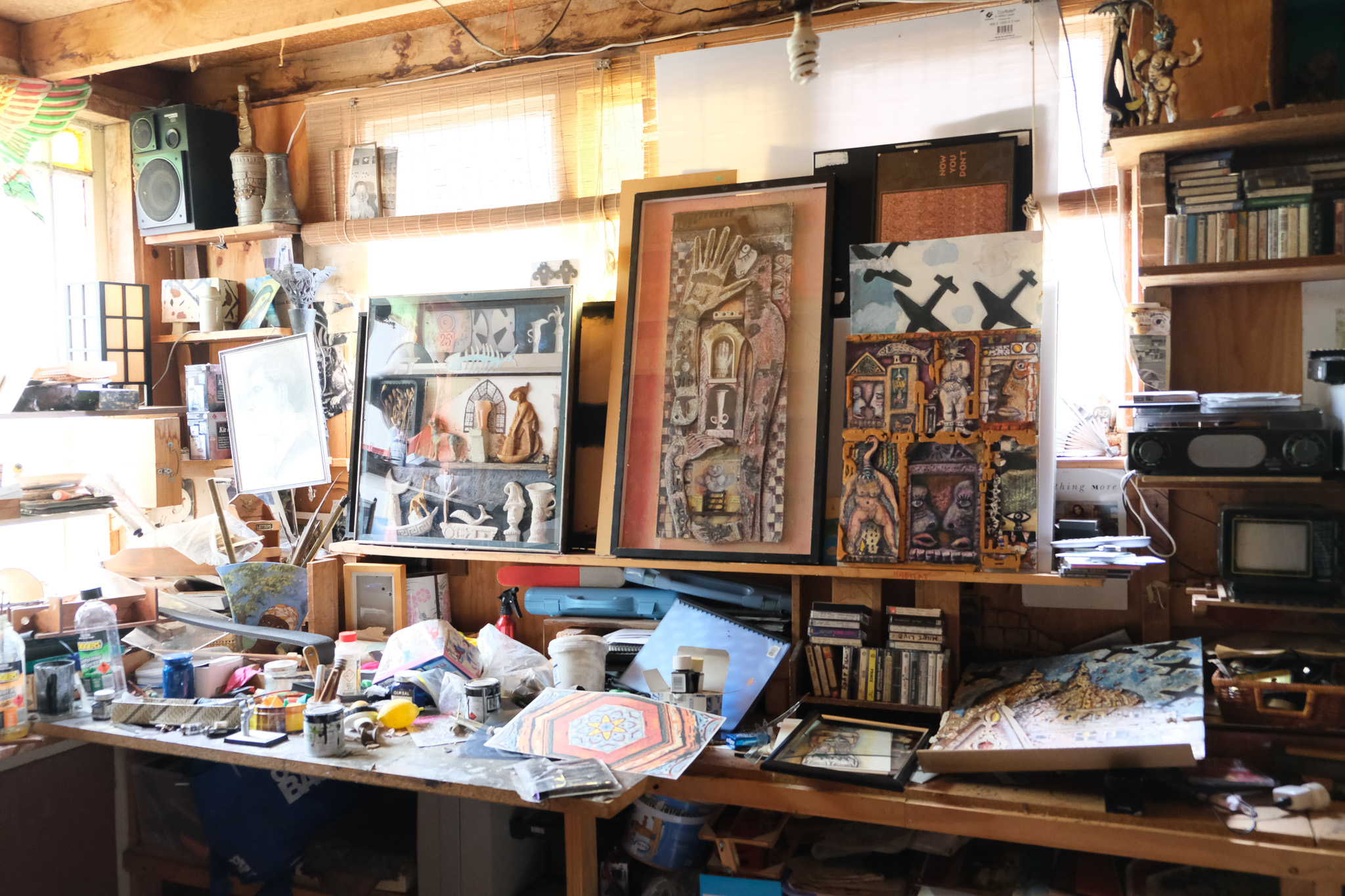
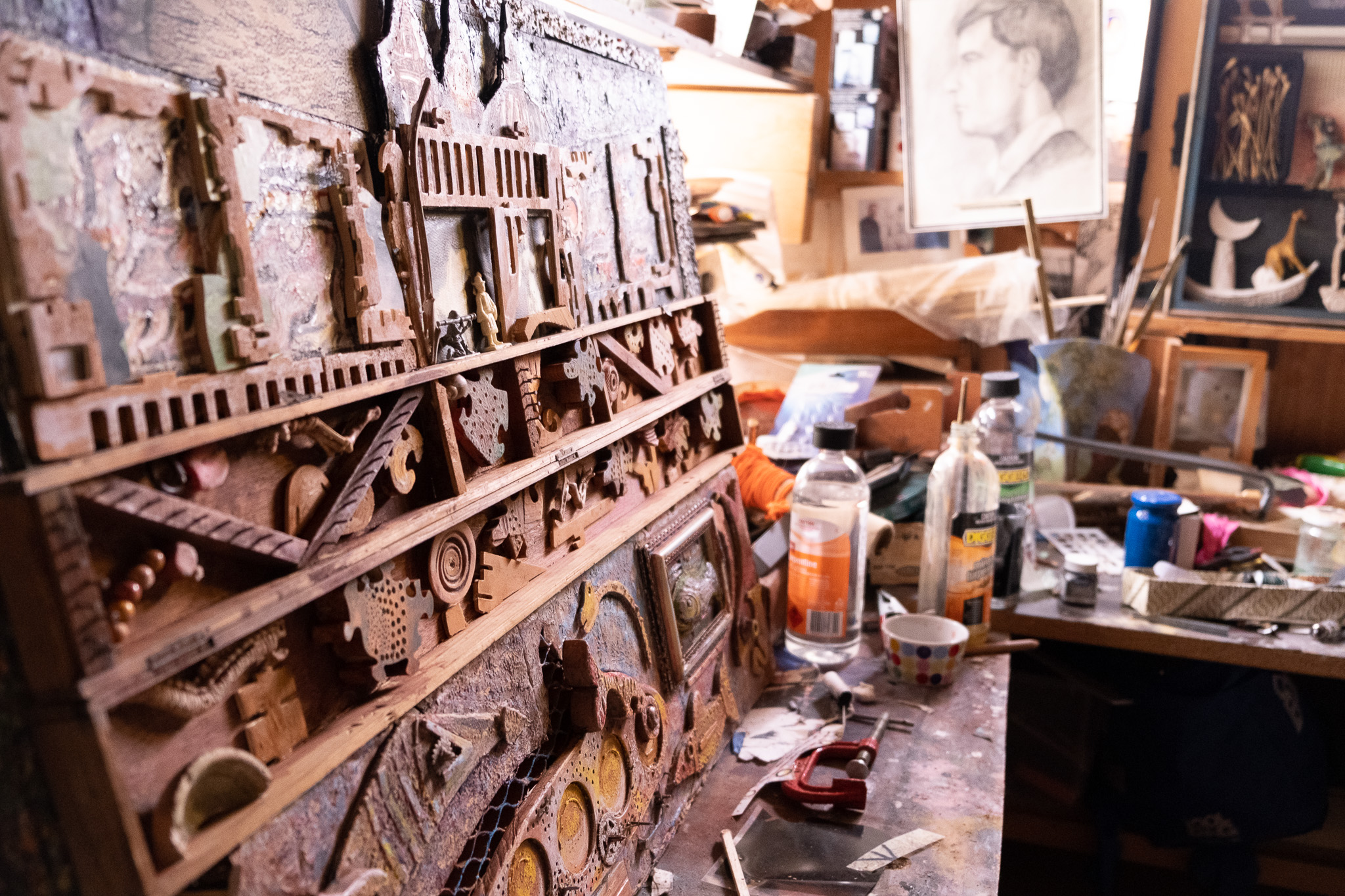
Robert currently works from his studio in the Tasmanian bush, a peaceful retreat from the hustle of city life, even though the closest semblance of ‘city life’ is the sleepy town of Launceston.  His studio is a place of seeming disorder and multi-layers of works, finished, part finished and repurposed.  It’s only when you spend time that you realise everything has its place in time and is a testament to Robert’s unique perspective and artistic processes.

Robert loves fine-tuning the pieces and eventually containing them in frames and perspex boxes, a process he finds exciting. He collects frames over a long period from second-hand shops, Op shops, and friends.  He then personalises each one by stripping them back, extending them to fit the unique 3D quality of his work.

I was privileged to spend a couple of weeks with Dad  earlier this year, observing the finishing touches to his latest exhibition. Come to the Gallows Art Space at Launceston College between 16 May and 16 June to see what promises to be the show of a lifetime. The opening will be held on Thursday 16 May 2024.

107-119 Paterson Street, TAS, 7250

Visit Robert Ikin’s Website

Thank you Former Prime Minister

An open letter from the future to the former Prime Minister of Australia. Wishful thinking ❤️

For my grandchild…

January, 2040

Dear Former Prime Minister of Australia,

I want to thank you on behalf of my grandchild, who is now a young woman, for doing everything you could to ensure that the world she now flourishes in, is clean, sustainable and ethical.

Thank you for listening to the young people who led the climate change protests in 2019 and for then making the changes required to bring about a more sustainable world. The way you led our country and showed the rest of the world that Australia is a country to look up to and to be reckoned,  with was phenomenal.

The funding of wind farms and the solar energy initiative introduced in central Australia, in the wake of your revolutionary decision to halt coal mining, was inspirational to say the least. I commend the way you managed to reemploy the almost 200,000 people employed by the coal industry by funding retraining in the wind and solar power industries. Making Australia carbon neutral ten years before the original target was an absolutely mammoth effort! World leaders now look to you when there are big decisions to be made. Congratulations on your recent Nobel prize, by the way.

Thank you for placing a ban on logging of old growth forests Australia-wide and for making it illegal to damage trees on private property without a permit. Such insight is to be applauded. The Australian animals were greatly reduced in numbers following the terrible fires of 2019/2020. The Koala was on the critically endangered list for many years but numbers are now being boosted by the breeding programs in the federally funded wildlife centres. The tree planting initiative undertaken by your government has meant the trees are also now regenerating.

The restriction on importing cheap timber from the Amazon Rain Forest has meant that the Amazon Forest, the lungs of the Earth, has started to regenerate and other countries have followed in your footsteps. Well done.

My gratitude to you knows no bounds for the way you imposed sanctions on the use of single-use plastics and made a pledge to phase out the use of plastics in supermarkets and the retail business sector. The howls of derision from the retail sector did not weaken your resolve. You stood firm and made the hard decisions. Thank you for taking control of Australia’s rubbish and recycling and thank you for no longer sending it overseas for processing. Our rubbish, our problem.

The demise of the Murray-Darling Basin, where millions of fish suffocated and died and blue-green algae blooms decimated the waters, was one of the worst environmental disasters of the century. Your actions following this disaster meant that agricultural waste was no longer permitted to be washing into our river systems. It has taken a long time but gradually we are seeing a difference.

The way you turned over the management of lands and reserves to Australia’s first people, following the long overdue signing of the Treaty,  has made the world of difference to the amount of bush fires in the hotter months. The formally dispossessed people have finally been able to  complete their journey towards reconciliation. Thank you.

Because you made the difficult decisions when required I am now filled with hope for the future. The current Prime Minister, and her cabinet are an inspiration to women everywhere with her empathy and her strong leadership. Just the type of role model I want for my granddaughter. Thank you for paving the way for women in leadership. Your decision to put more women on the front bench was a prudent one.

Thanks to you, my granddaughter now has a future that will provide for her children and their grandchildren. When they study history at school they will see that you were instrumental in their hopeful future. Again I say thank you From the bottom of my heart!

Yours sincerely,

Future Grandmother