Failing to retrieve the past; or retrieving the failed past

A tale of pawn shops, antique cameras and regret

Pawn shop blues

I had an antique German camera circa 1956. My dad gave it to me when I was 13; it was beautiful. It had a brown leather case scuffed at the corners, and a short handstrap; the aluminium body shell was cool to the touch, it was in perfect nick. I treasured that camera because it had been Dad’s and then it was mine.

Over the years I have amassed a small arsenal of cameras; always within reach, always ready for a quick draw. Each one poised to capture fleeting moments, little tableau vivants frozen in time, saved for later.

I hoard these fragments like a clever corvid, stashing them away in digital caches, waiting to be rediscovered. But sometimes, the sheer volume of stored memories overwhelms me. So many moments scattered across virtual vaults, buried in folders, clouds, drives.

There was simplicity in the old ways; sliding prints into a drawer, arranging them in photo albums behind plastic that held your memories behind static and photo mounts, or clicking through dusty slides in a carousel at family gatherings, onto a white bedsheet.

Honestly? Screw the cloud.

Tell those friends with cameras for eyes
That their hands don’t make me hang
They only make me feel like breathing
In an unguarded moment.

Michelle Parker / Stephen Kilbey

Photography was once all about fitting a black and white Kodak film into the back of a camera and slotting it into place, carefully lining up the film onto the sprockets and slowly closing the back with a satisfying click. I loved winding the film on to the first frame; it filled me with delicious anticipation every time. What could I capture on this fine roll of cellulose acetate?

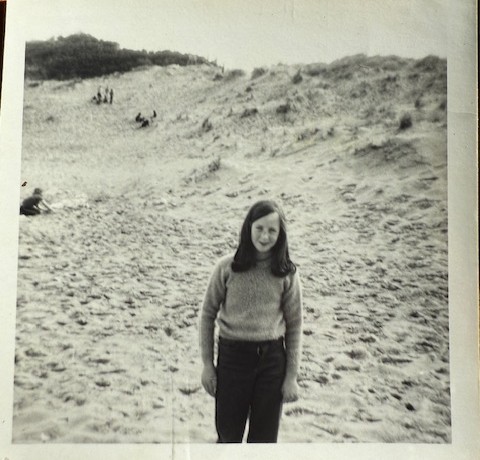
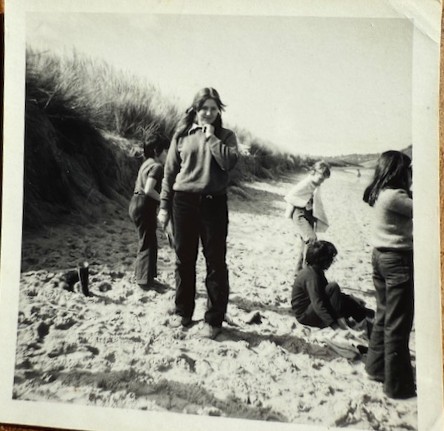
My first film installed in my German camera when I was 13, took an age to reach the final frame. Only 12 exposures, but each one was carefully considered. Composition, light, F stops just right. Press my finger down on the shutter button, click! Wind on.

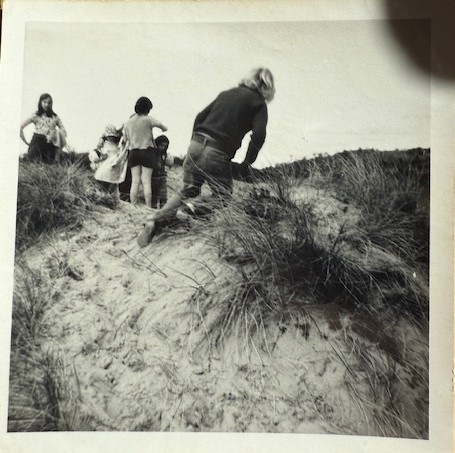
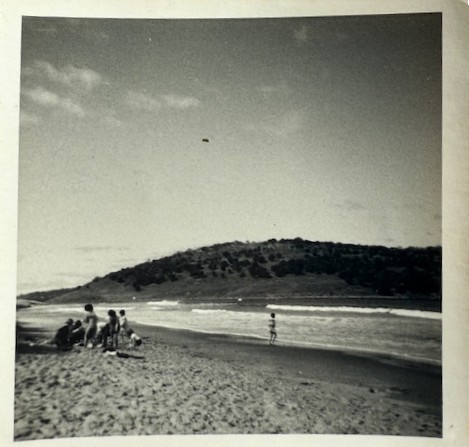
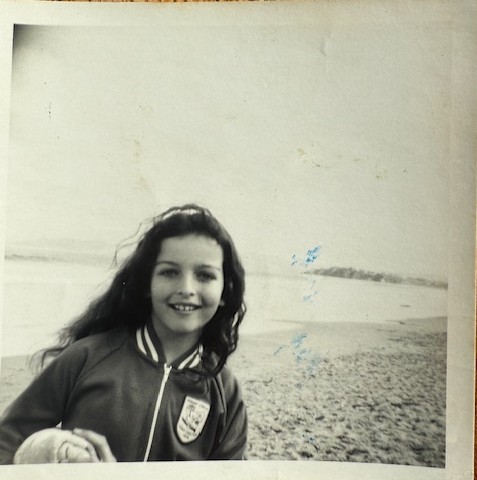
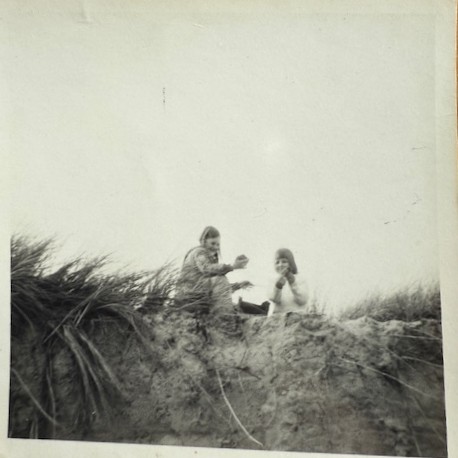
My first reel was shot on a holiday camp for children who did remote correspondence schooling. A bunch of teens from farflung outposts, lighthouses, and remote locations throughout Tasmania. It was a strange and isolating experience for me which was odd because for the first time in years I was with children my age. The photos are of the girls who I made friends with, posing awkwardly on the beach.
I loved photography. I took the elective twice in high school and later when I was in my final year at Nightcliff High in Darwin I completed a week’s work experience at the male dominated bastion that was the NT News. It was a newspaper worthy only of lining a birdcage, but I was given free rein with all their camera equipment and the dark room. They sent me out on ‘assignment’ and I spent the week roaming the streets of Darwin photographing visiting sailors and points of interest. One of the best weeks of my life. Although looking back I think they just wanted me out of their hair. Pesky work experience kid, and a GIRL at that.
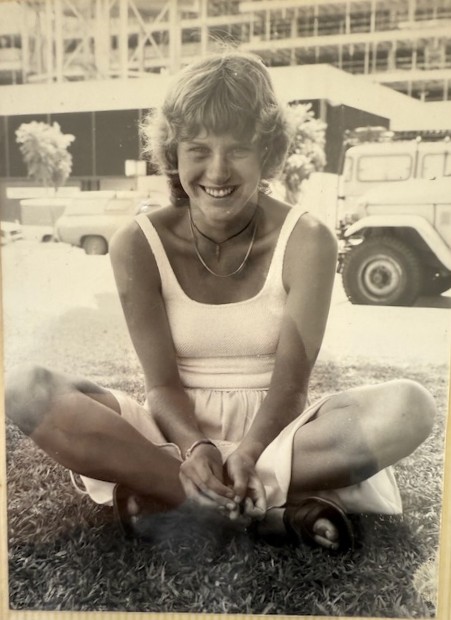
Pesky Work experience kid – yes, that is a bullet around my neck!

I was lucky growing up because I also had the means to process my own film. For a time, my arty creative family had a dark room that doubled as a laundry ; knock before you enter. The smell of developing fluid, the sticky photographic paper immersed in solution as you push it back and forth to get maximum coverage. Pegs to pin the drying photos. The red light.

I carried that German camera everywhere. When I fled Darwin to check out the ‘big ol’ city’ of Perth I was 20 years old. All I had was my pale green Toyota Corolla, some jewellery that belonged to my dead mother, a couple of suit cases of clothes, my dog ‘Odie’, and my camera with the brown leather case.

I had no feelings for the jewellery and pawned it within a week of arriving in Perth. I never retrieved it, I should have. There’s a whole lot of unresolved trauma behind this that I won’t go into here and now.

I had already secured a fulltime job with a West Perth accountant but had four long weeks before the job started. I was living on the bones of my bum, in a share house with three of the strangest men I’d ever met. The home owner, an alcoholic bank manager who tried to get me into bed every weekend, a wheatbelt butcher named Brad, as country as they come, and a batshit crazy skydiver who jumped out of planes every weekend, as warped as they come. We all had dogs. It was ridiculous. I got out of there not long after I started my fulltime job.

Anyway, I was skint and the only things I had of any value were my car which I needed to get to work, eventually, and my brown case camera. I was not one to ask my family for money; I was fiercely independent. So I took that heirloom to a pawn shop with the intention of lending against it and retrieving it later. I think anyone who has ever pawned anything has the same intention. It was the first of many interactions I would have with the shady world of pawn shops over my lifetime.

Before Cash Converters went chainstore slick, pawn shops of the ’80s were shady backstreet dens, usually run by middle-aged men with foggy glasses and halitosis. Cash Converters started in Perth in 1984 as just one grimy shop, not the franchise juggernaut it later became. By 1990, its expansion across Australia somehow turned the once shameful act of pawning Gran’s wedding ring into something you could do between grocery runs. Respectable seeming ads helped remove the shame of being broke, until ID checks were insisted on, revealing most of the goods were stolen. Who’d have guessed?

I think I got a miniscule $50 for it. $50 was enough to keep me going until I received my first ever dole cheque. Yes, in those days it was a dole cheque, you cashed them at the bank. I was on the dole for four weeks and in that time I did what every other person on the dole was doing in Perth and hung out at Scarborough Beach. Sun, sand and salt were my regular companions.

But, I never did go back to pick up my camera, not even after I started work. I was playing catch up with rent, new work clothes and food, and with the interest mounting on my pawned items, suddenly it was too late. The brown case camera from Germany, that belonged to my Dad was gone. The jewellery that belonged to my mum was gone. I have regretted losing that camera ever since.

So over the years I’ve kept an eye on camera sales websites, Facebook pages and Marketplace. They come up but they have all looked worst for wear. One Sunday I was browsing Marketplace and I saw one for sale in a suburb close to mine. It had been sitting in the owners’ storage for decades. The lense unscratched, if a bit dirty. But Zeiss lenses are the best and if they have not been scratched they will come up fine with a clean.

I jumped in my car and drove like a mad person through an electrical storm, torrential rain and hail. The camera was perfect and appeared to be in excellent condition; the model was not the same as my old one. It’s a Zeiss Ikon Contessa with a quality Tessar lens. So I handed over my cash and spirited it home for cleaning and love. I know it doesnt go anywhere near replacing the one I pawned but it looks and feels the same; a satisfying weight, the aluminium cool to the touch and the brown leather case is scuffed in all the right places.

*EDIT

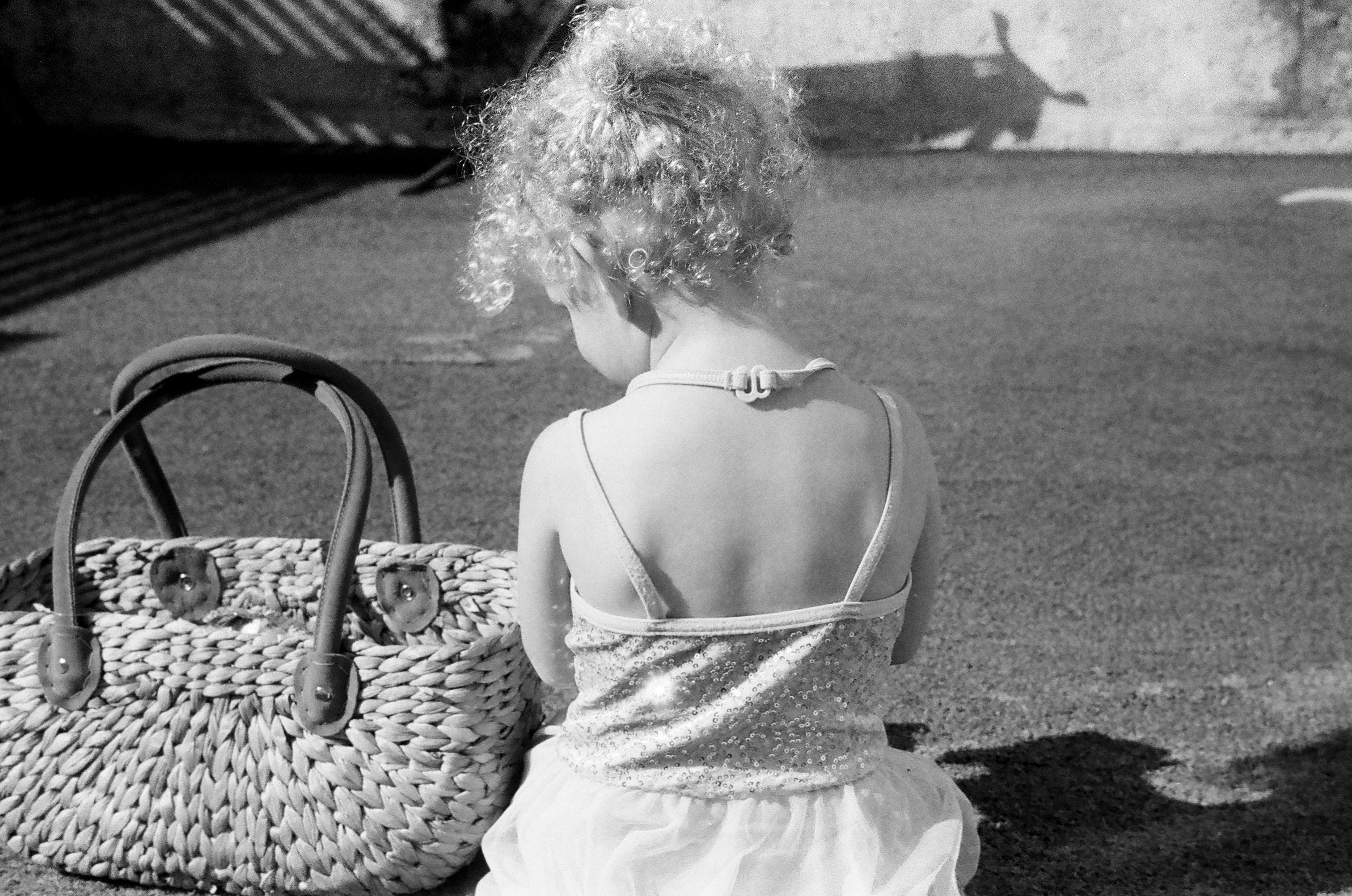
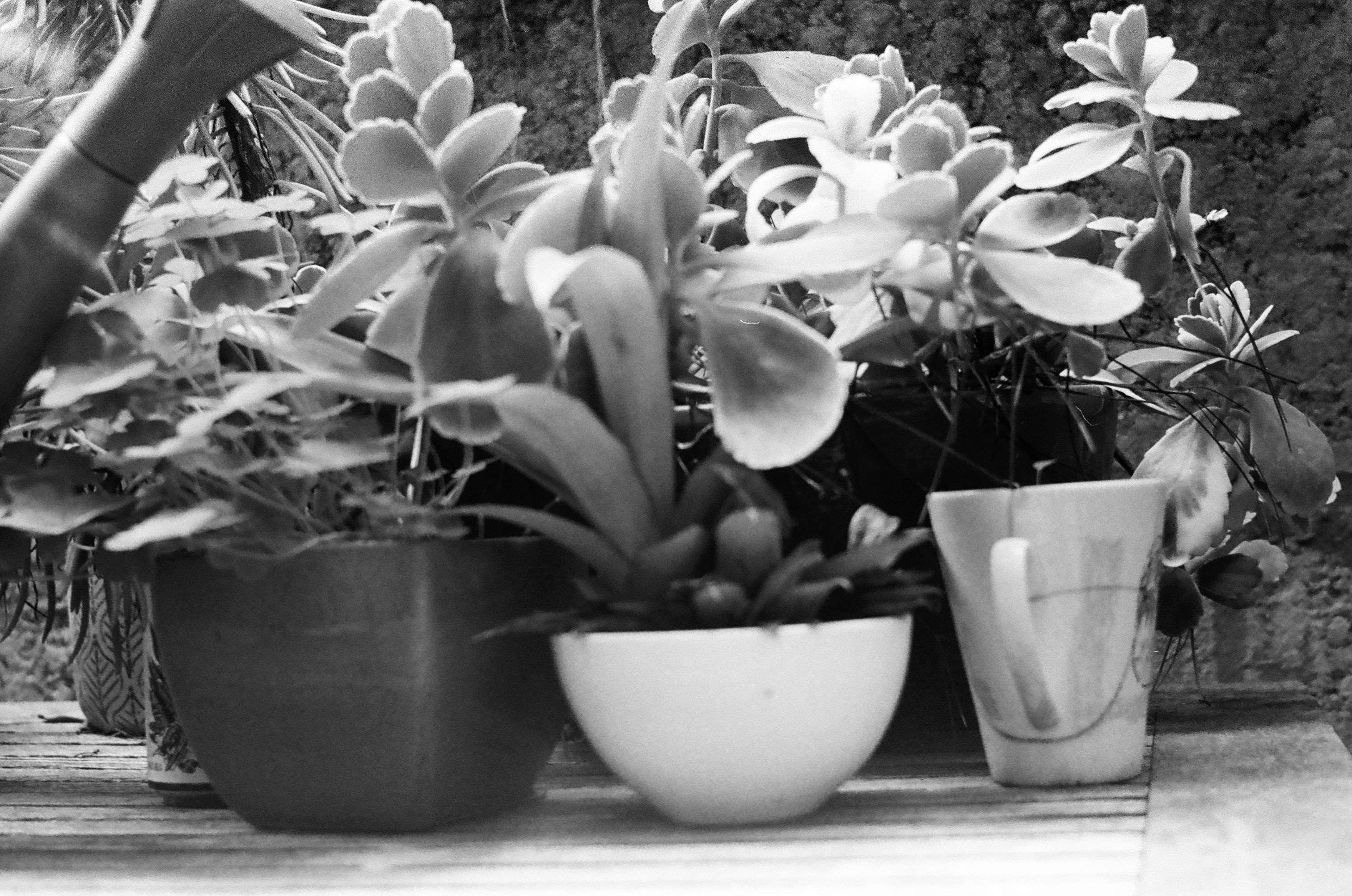
Here are the first photos from my new camera. I am beyond pleased!
All in a Day #18 – Robert Ikin – a Life of Art

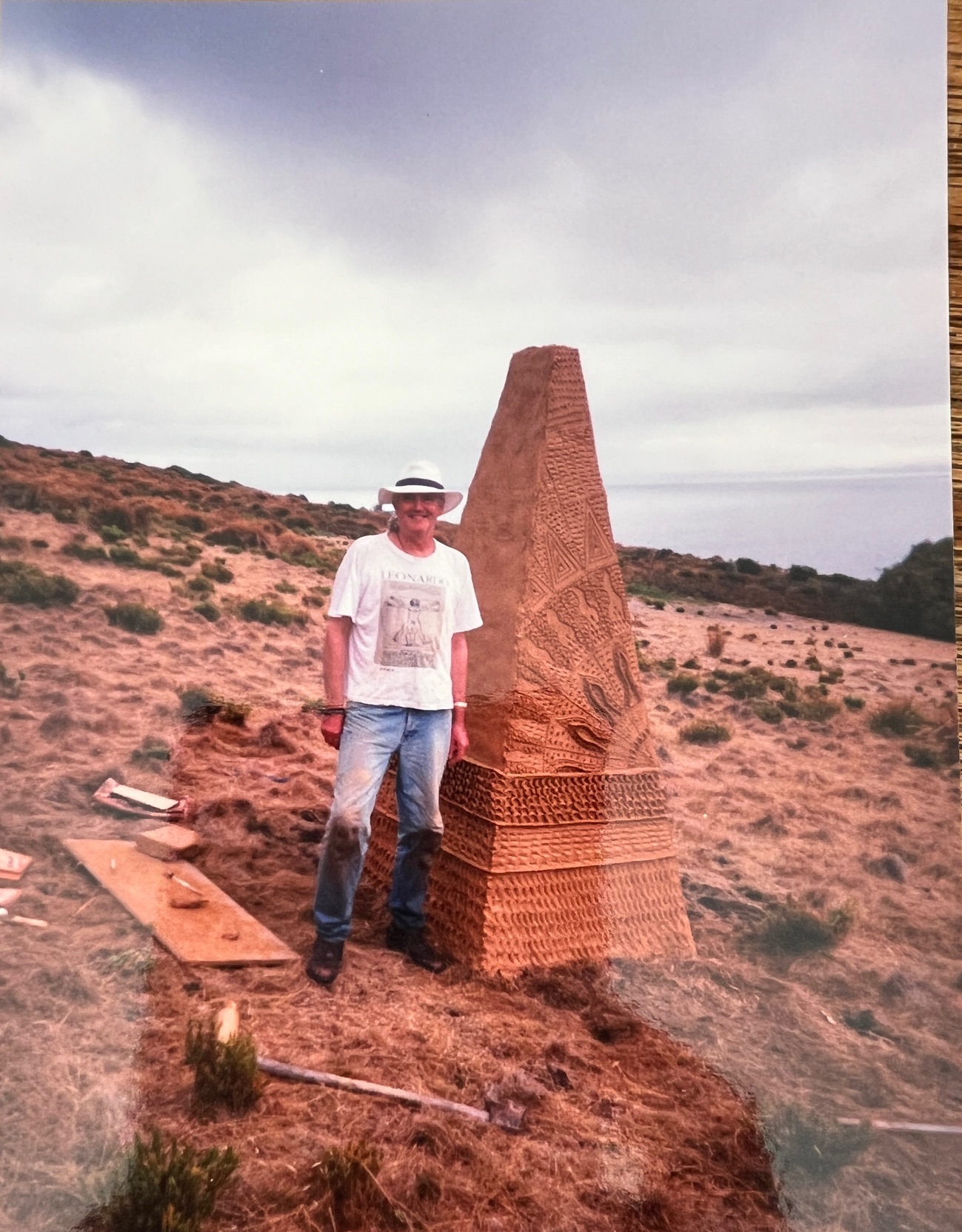
Tasmanian artist Robert Ikin 83, is my Dad. As the child of an artist, my siblings and I spent countless evenings huddled beside or under the cheese and biscuit table at art galleries, scoffing squares of cheddar and stale crackers. Around us, the adults sipped box red wine, smoked cigarettes, and talked about art and mundanities.

The scent of an art gallery is still fresh in my mind.  I recall smells of paint, wood varnish, cigarette smoke and seagrass matting, the floor covering of choice in the 70’s.  I would count red stickers when they appeared on pieces of work hung on white-washed walls and excitedly tug on Dad’s sleeve to relay the news of a sale.  He would stop talking and smile at me with raised eyebrows and then return to his conversation and his wine.

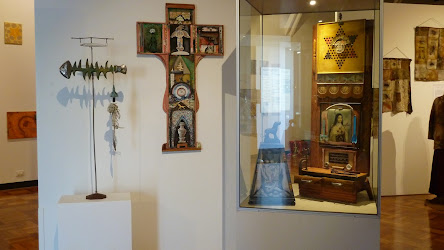
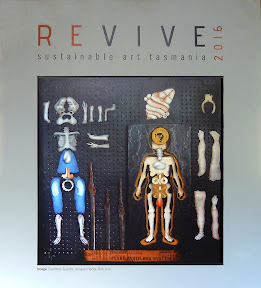
Robert last exhibited work in a gallery setting in 2016 at the Queen Victoria Museum, Inveresk, Launceston. The Revive Exhibition—curated by Ralf Haertel, featured work by individual artists and community groups with recycling and sustainability at it’s core.  Robert’s pieces were created from mixed media and found objects.

History

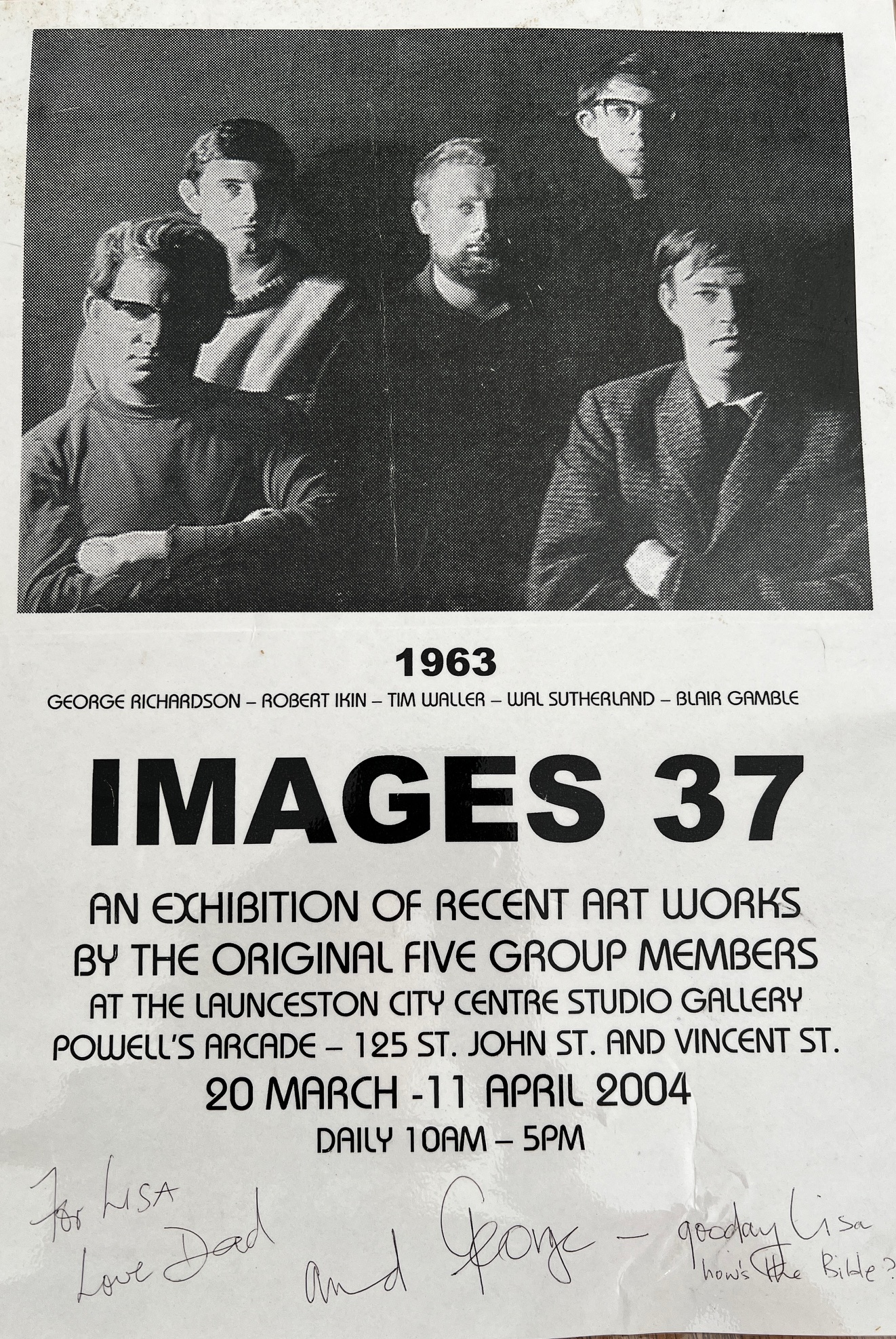
Robery Ikin’s resume spans decades, countries, and mediums. As a young painter in 1963 Robert was part of a group of Launceston Art School Graduates who named themselves ‘Images’ – Robert Ikin, George Richardson, Tim Waller, Wal Sutherland and Blair Gamble were the original five group members.  The group reunited in 2004 for a show in the Launceston City Centre Studio Gallery. Sadly, George , Tim and Blair have since passed.

The original members were the inspiration for another group of aspiring artists who called themselves ‘Images of Tasmania’.

The reunion of The Images in 2004

George Richardson, an incredible abstract artist and art educator, was my godfather.  He would always playfully ask me “are you reading your bible Lisa?”  I have vague memories of Tim Waller, a fine painter and also art educator and memories of weekends at Blair’s beautiful home in Hobart, as a child. Dad and Wally still regularly catch up and make music CDs together.

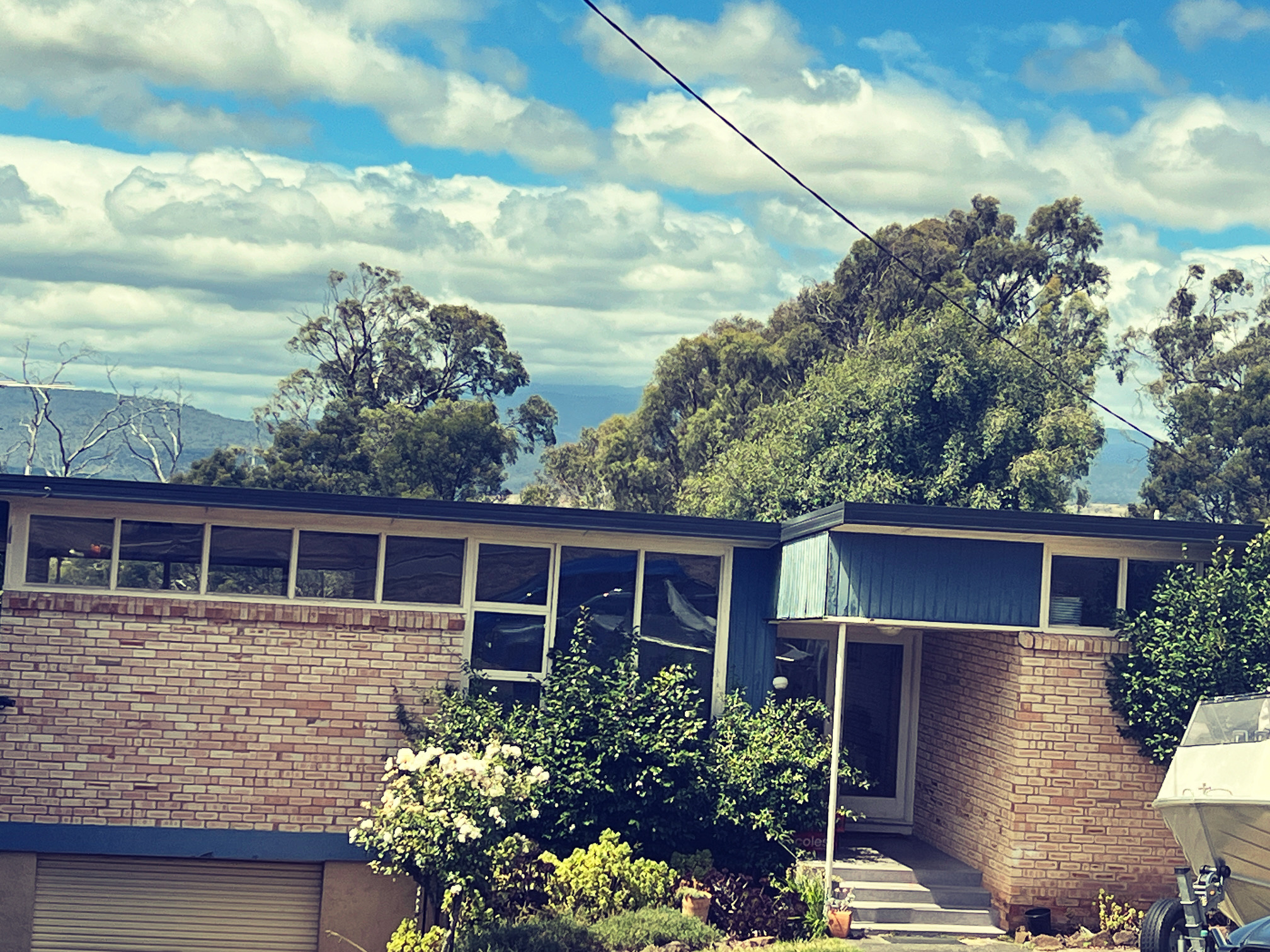
Around this time, 1964, I was born in Launceston at Queen Victoria Hospital.  We lived in a modern home in West Launceston, a stone’s throw from the Cataract Gorge.  We moved to live in Adelaide at some point, where Dad continued to paint but also worked a day job.  For as long as I could remember, he was a travelling salesman by day. We lived in a terrace house on Rundle Street. In my mind the sun was always shining. My sister was born there in 1967.

My first home in Launceston – a modern home for the time.

The sudden death of my mother when I was five brought significant change and trauma. We moved back to Tasmania, living with my grandmother for a time before dad remarried.  For a number of years, Dad was a lighthouse keeper, and we lived an isolated life with correspondence schooling on some of the most wild and remote islands in Tasmania and Australia. Eventually with new siblings (a sister and brother) and a need for me to attend high school, we moved back to the Tasmanian mainland when I was 12 years old.

In 1979, Robert completed a postgraduate qualification in ceramics at the School of Art, Tasmanian State Institute of Technology, Launceston, followed by his first exhibition at the Design Centre of Tasmania in Launceston. 

He was studying and practising art for most of my high school years. We lived out of town and on the last school bus stop for country town, Scottsdale. After living in isolation for so long it didn’t feel unusual to still be on the fringes.

I finished Year 10 at Scottsdale High in 1980 and in early 1981, there was a move to Darwin, where Dad took a job in a Darwin Art School. I went to year 11 in Darwin, met a boy and left home. I ended up living there for four years before fleeing the boy and the humidity to live in Perth. Dad only stayed a year in Darwin, returning to Tasmania with new partner, Gardie and plans to settle down.

Public Collections

Robert has exhibited widely throughout Tasmania and is represented in many public collections, including the Queen Victoria Museum and Art Gallery, Devonport Regional Gallery, University of Tas Collection, Hobart and the Tasmanian Government’s Art for Public Buildings Scheme.

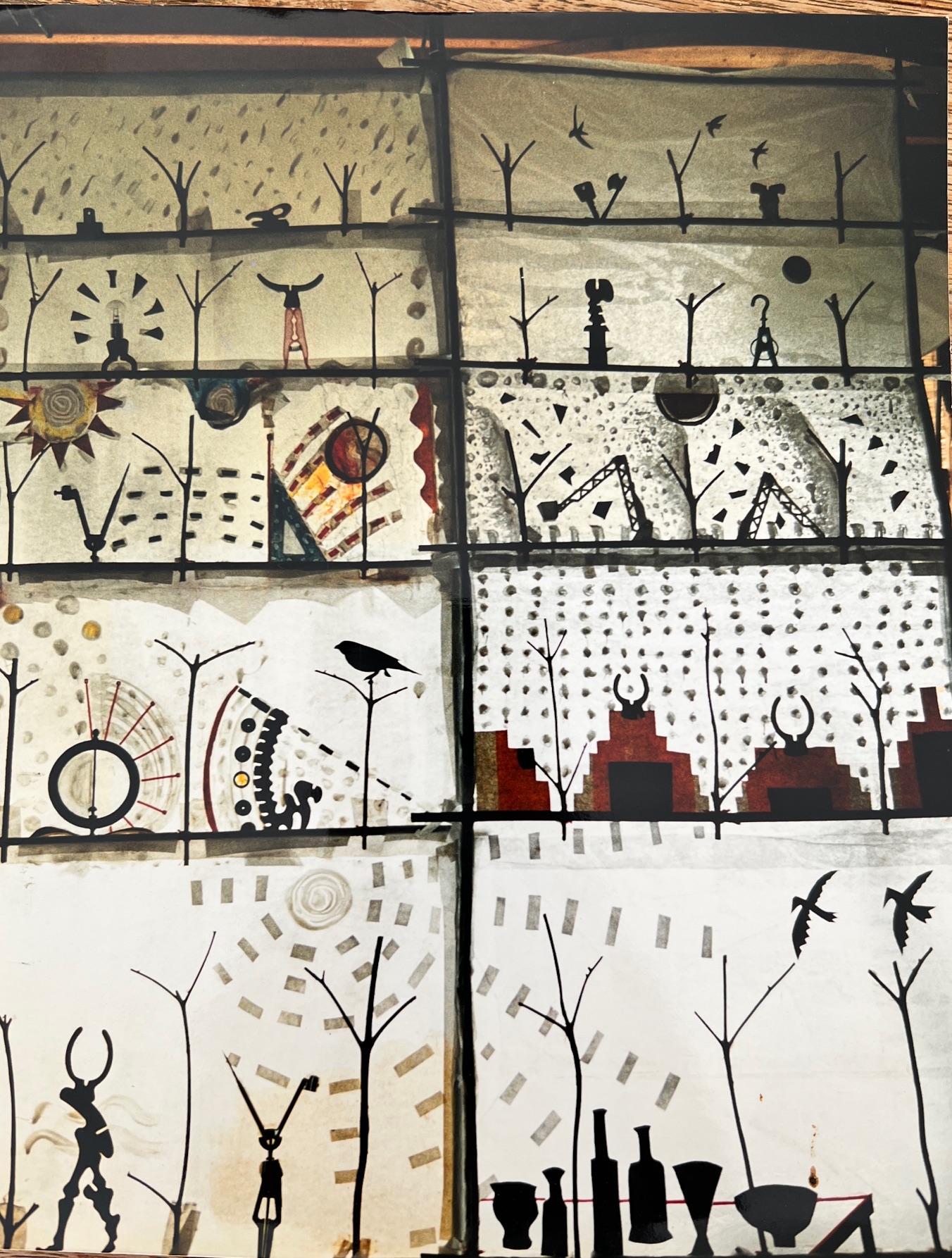
Another Short History of the World (detail) light box. Robert Ikin 2004 – QVMAG, Launceston Tasmania

Snakepit Gallery

In 1992, Rob and fellow artists Bea Maddock and Gardenia Palmer formed the Launceston Art Cooperative. The cooperative’s headquarters was a small disused warehouse in Launceston, which they named ‘Snakepit’ due to rumours that a snake trainer used to train snakes in the building! 

The space existed for local Launceston artists and craftspeople to exhibit freely as part of a cooperative membership. The gallery was a huge success and hosted over 100 fortnightly shows until 1996 when the cooperative dissolved due to fewer artists using the space. 

By this stage, I was living on the other side of Australia, and had birthed my first child, but I remember visiting the Snakepit when I was in Launceston. My grandmother was still alive as I have a photo sitting on the steps of the Snakepit with her. I’m sure seagrass matting was a feature.

No Poetry

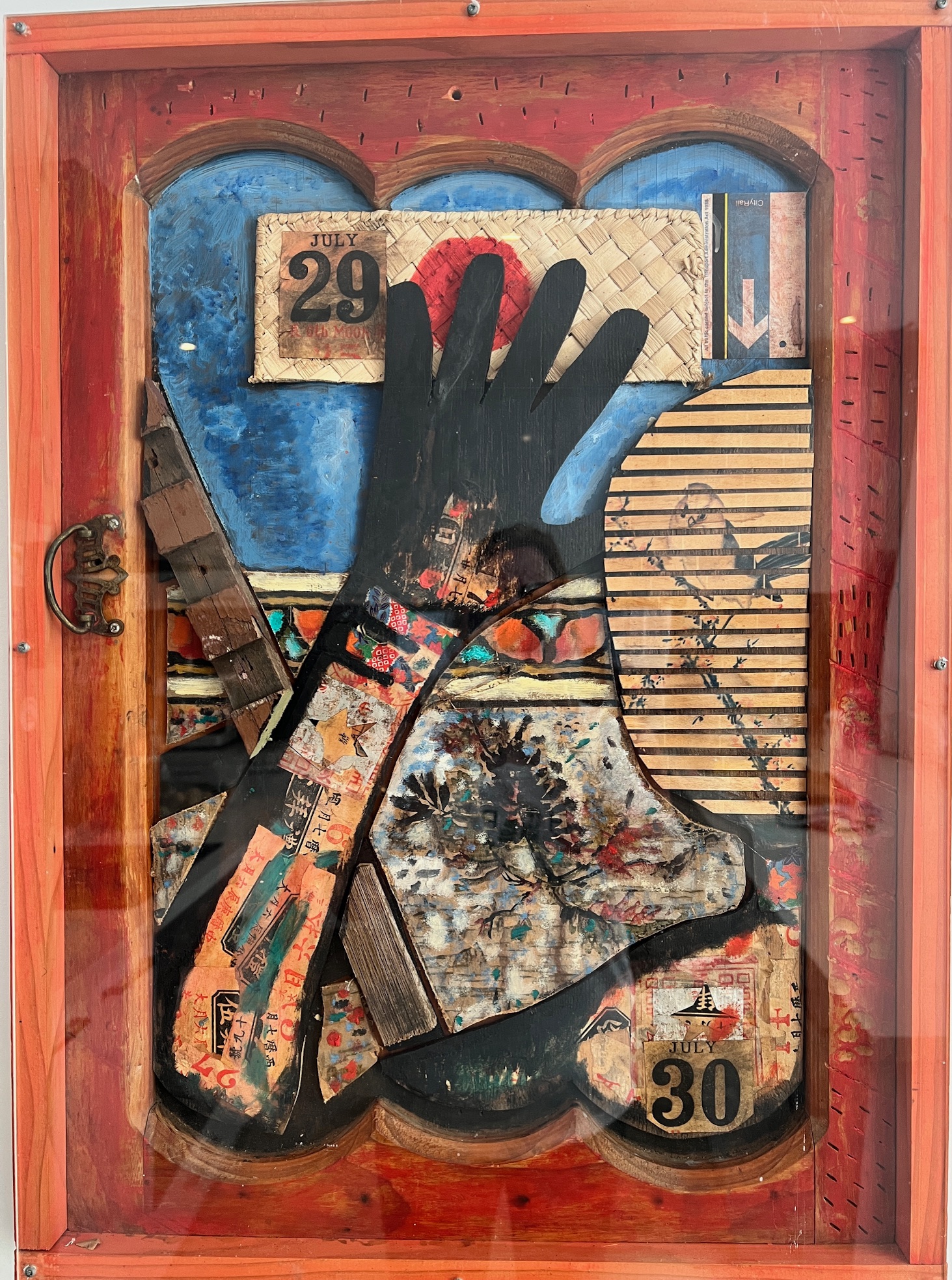
One of Robert’s major works, ‘No Poetry,’ a mixed-media work using mainly found objects, was exhibited at the Tasmanian Museum and Art Gallery in Hobart and The Queen Victoria Museum in Launceston.  Representing the eight months from January 1 to August 6, the finished work was presented on the anniversary of Hiroshima Day 1995. He recreated the work in 2001 and subsequently in 2013 as a moving sound and image piece.  

I have one piece from the No Poetry show, an exhibition I attended while visiting with family. My second baby was born in 1994 and I was still living in Perth.

Public Art

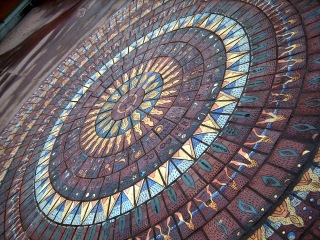
In 2000, Robert installed a huge ceramic work entitled “Mandala,” 8.5 metres in diameter, commissioned by the Tasmanian Government. The piece comprised 888 hand-made tiles, each hand-incised and hand-decorated. For the next few years, Robert consistently exhibited and installed public art throughout Tasmania.

Mandala 2001

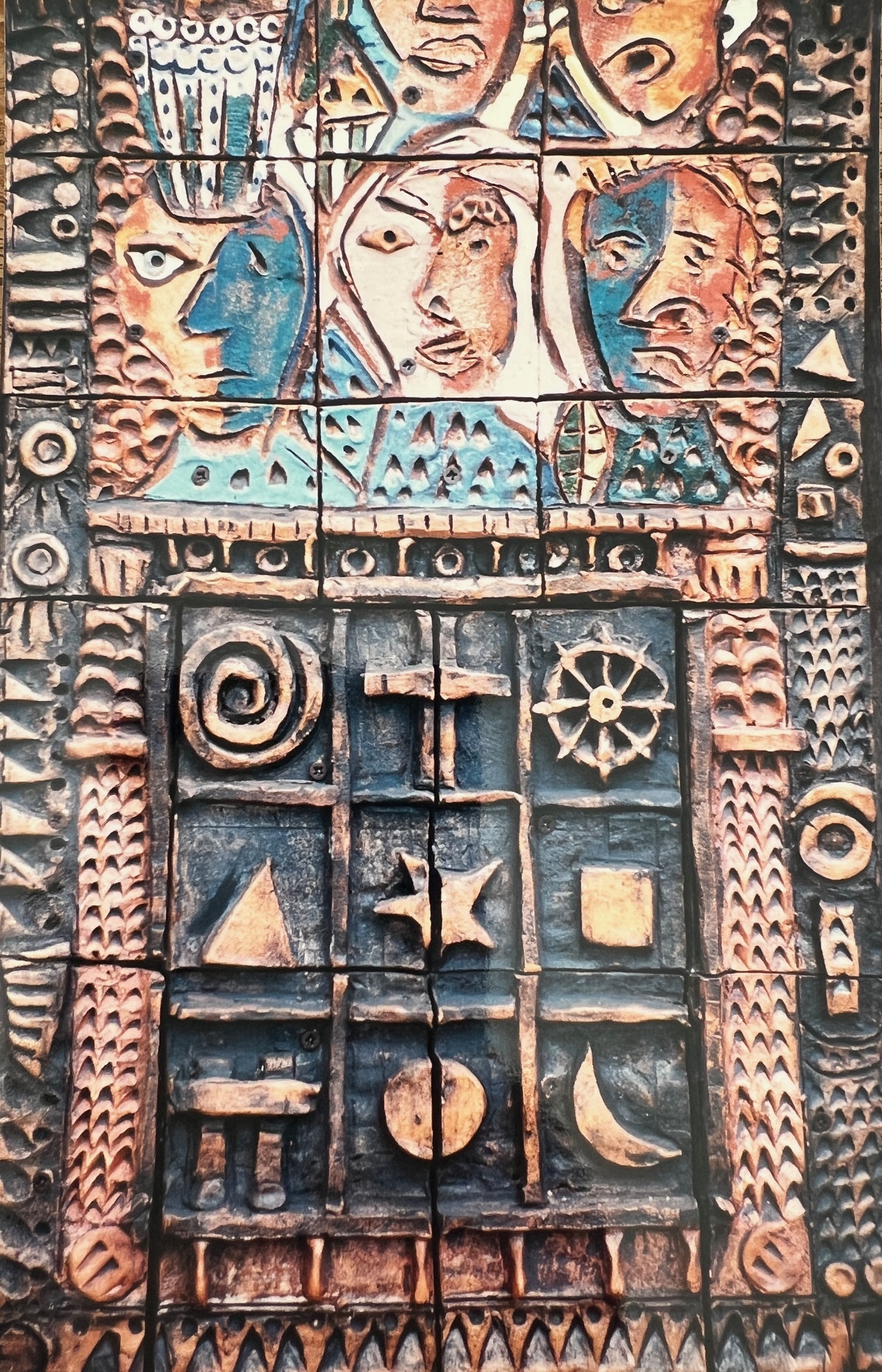
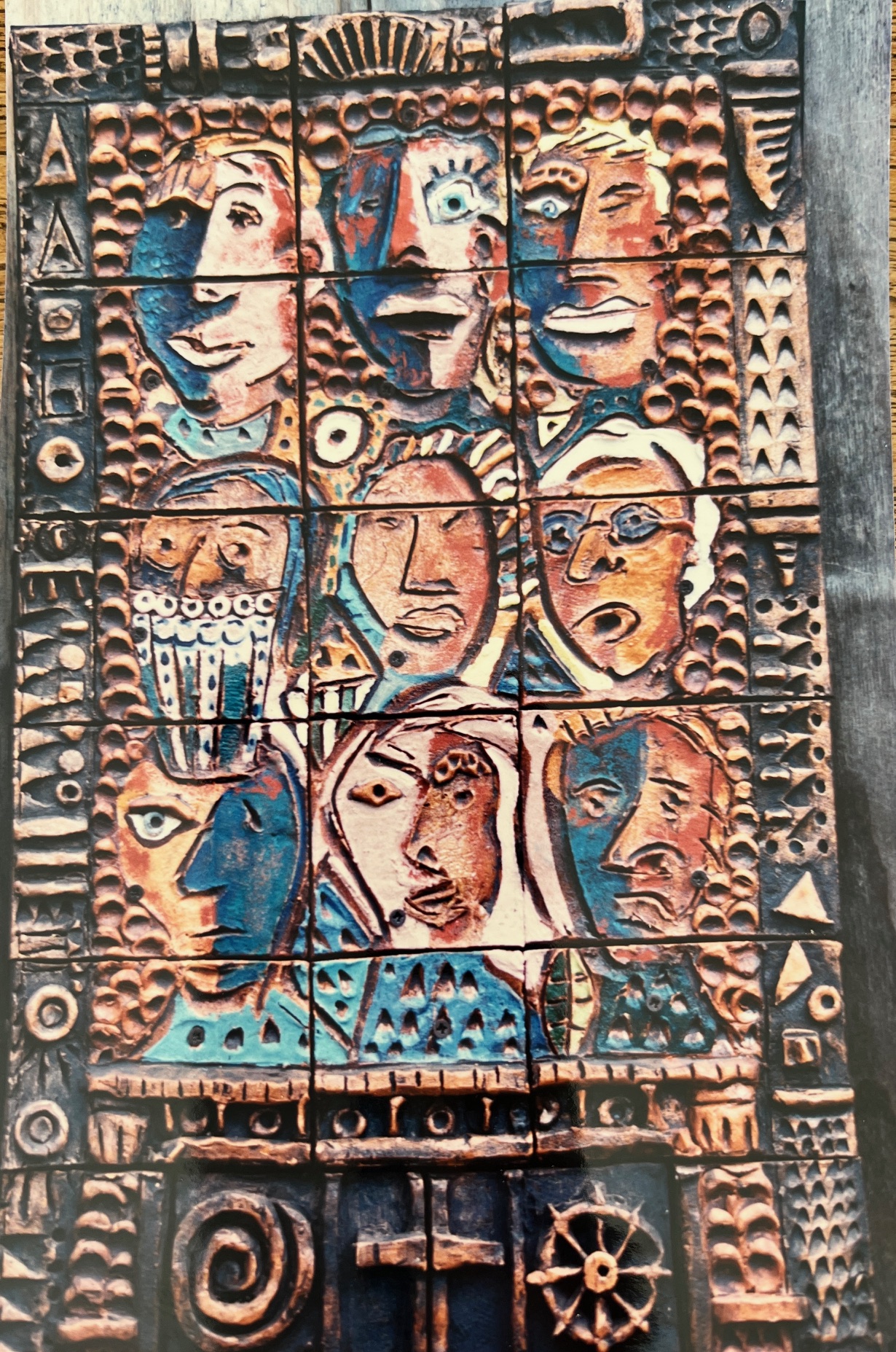
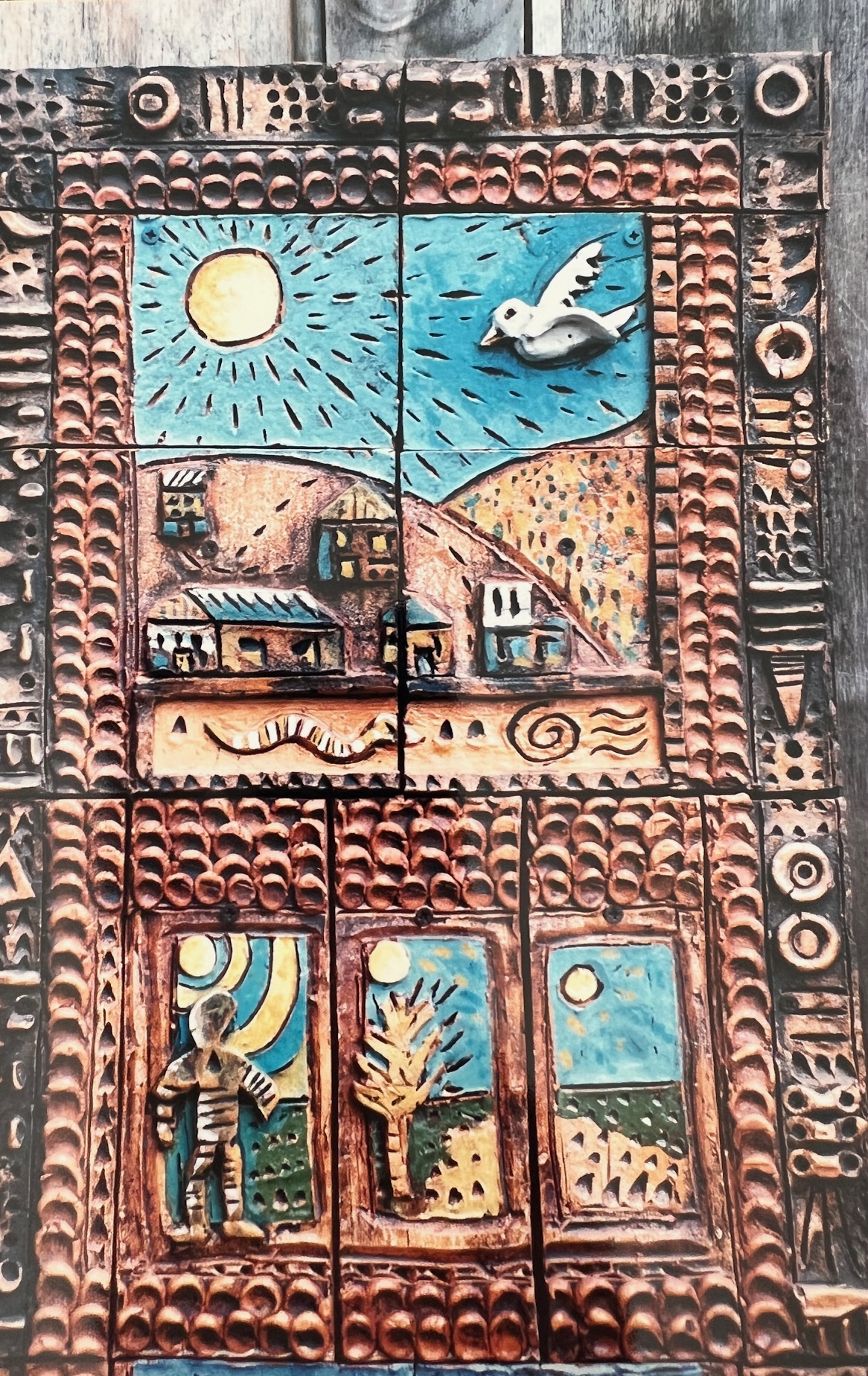
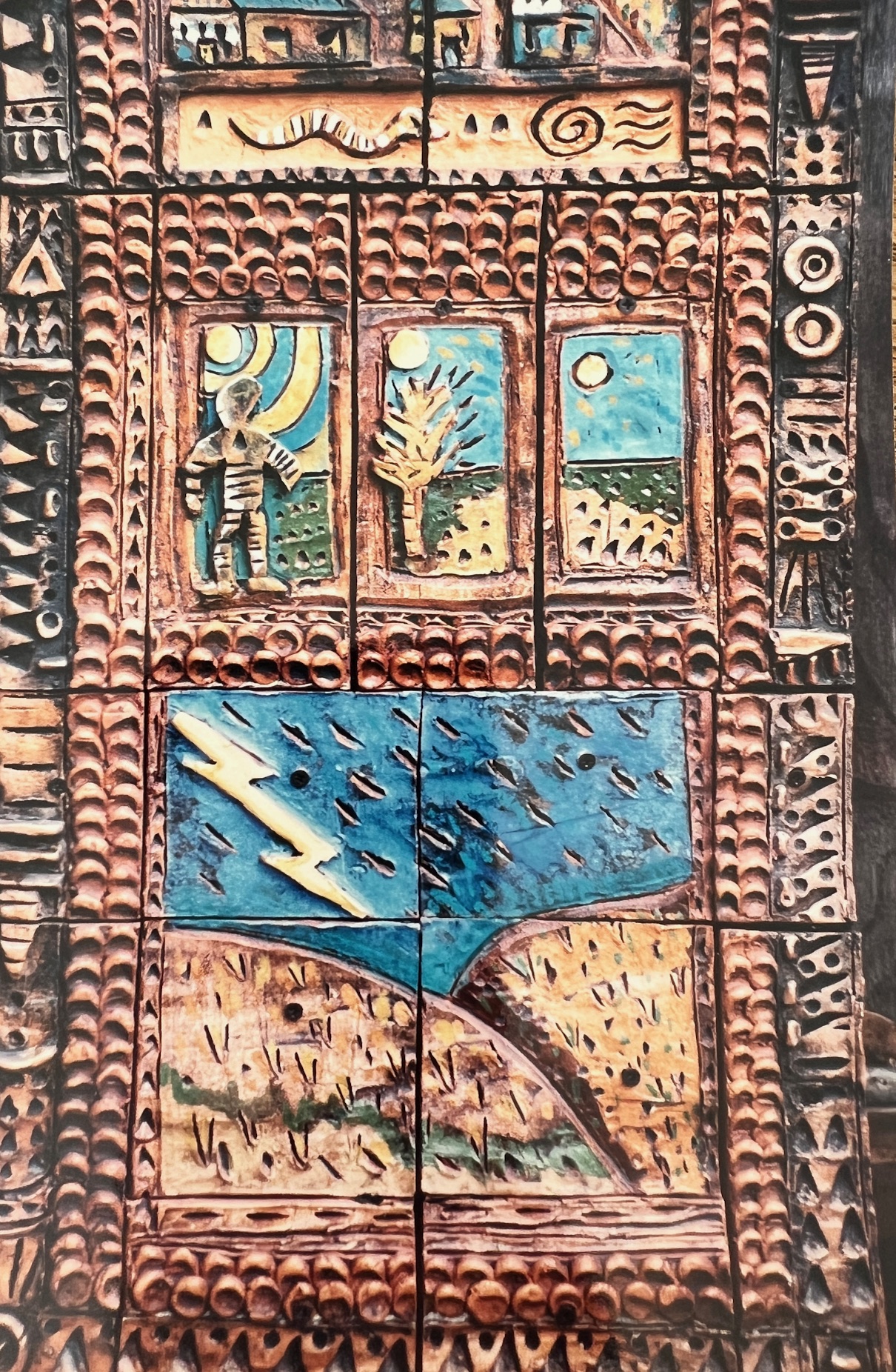
Pictured below is some detail of the ceramic tiles installed at the Ulverstone Police building in 1996.

European Connections

2007 saw the first collaboration with the Netherlands and the University of Tasmania. Robert was part of the Tasmanie Project, “No Person is an Island” suite of works and “At the Hop” –  five short projection pieces at  Gallerie de Meerse, Hoofdorp, Netherlands.

Between 2010 and 2015, Robert Ikin and his wife and fellow artist Gardie Palmer exhibited in the Netherlands multiple times: 

  • Galerie ‘t Haentje Je Te Paart , Mels Dees. Middelburg
  • pARTners Kulturele Evenementen Groepen Schijndel in Schijndel
  • Museum allen Tijden.  
  • Ateliers Patagonia + Guests – KEG-expo, Schindel.

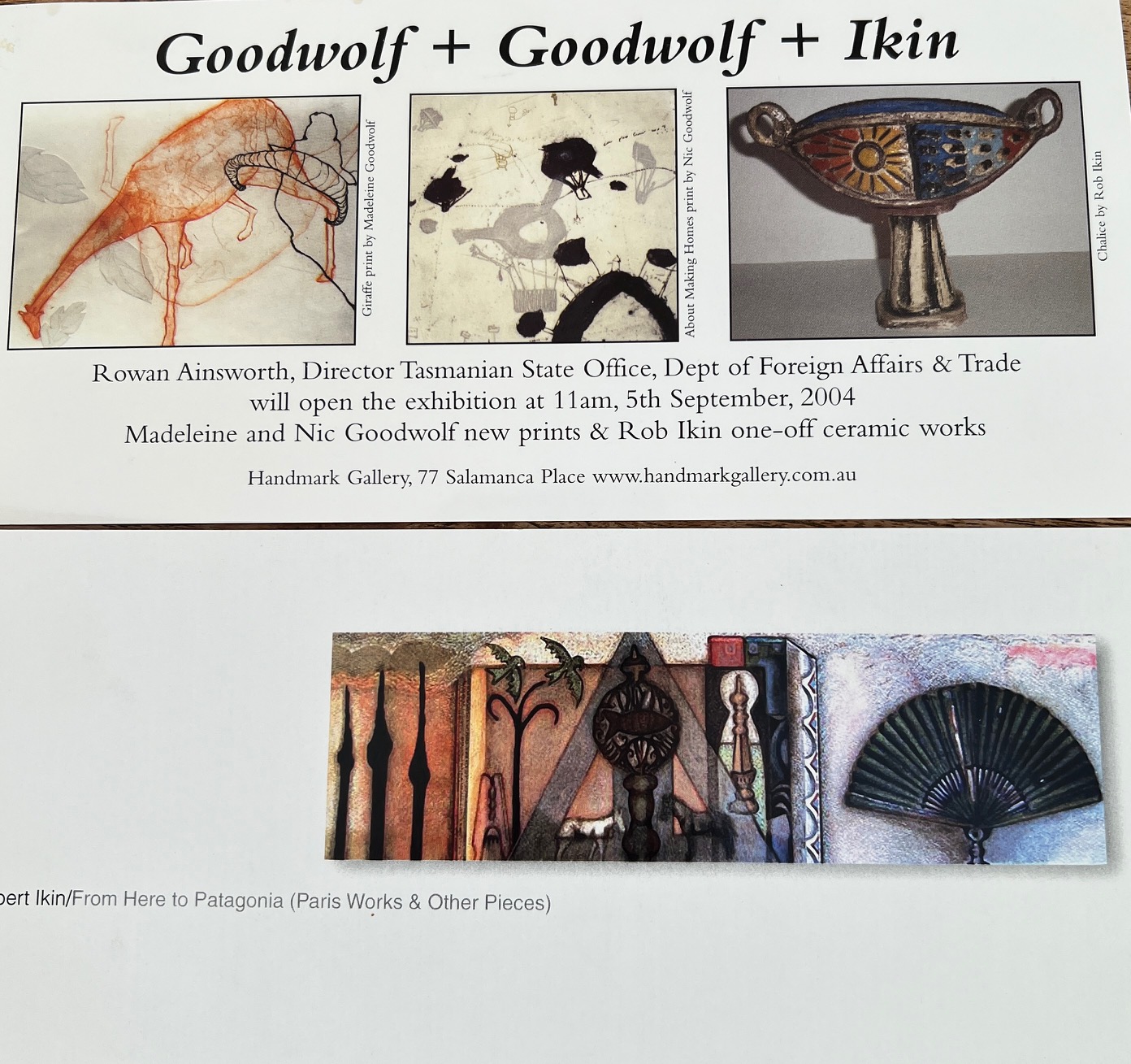
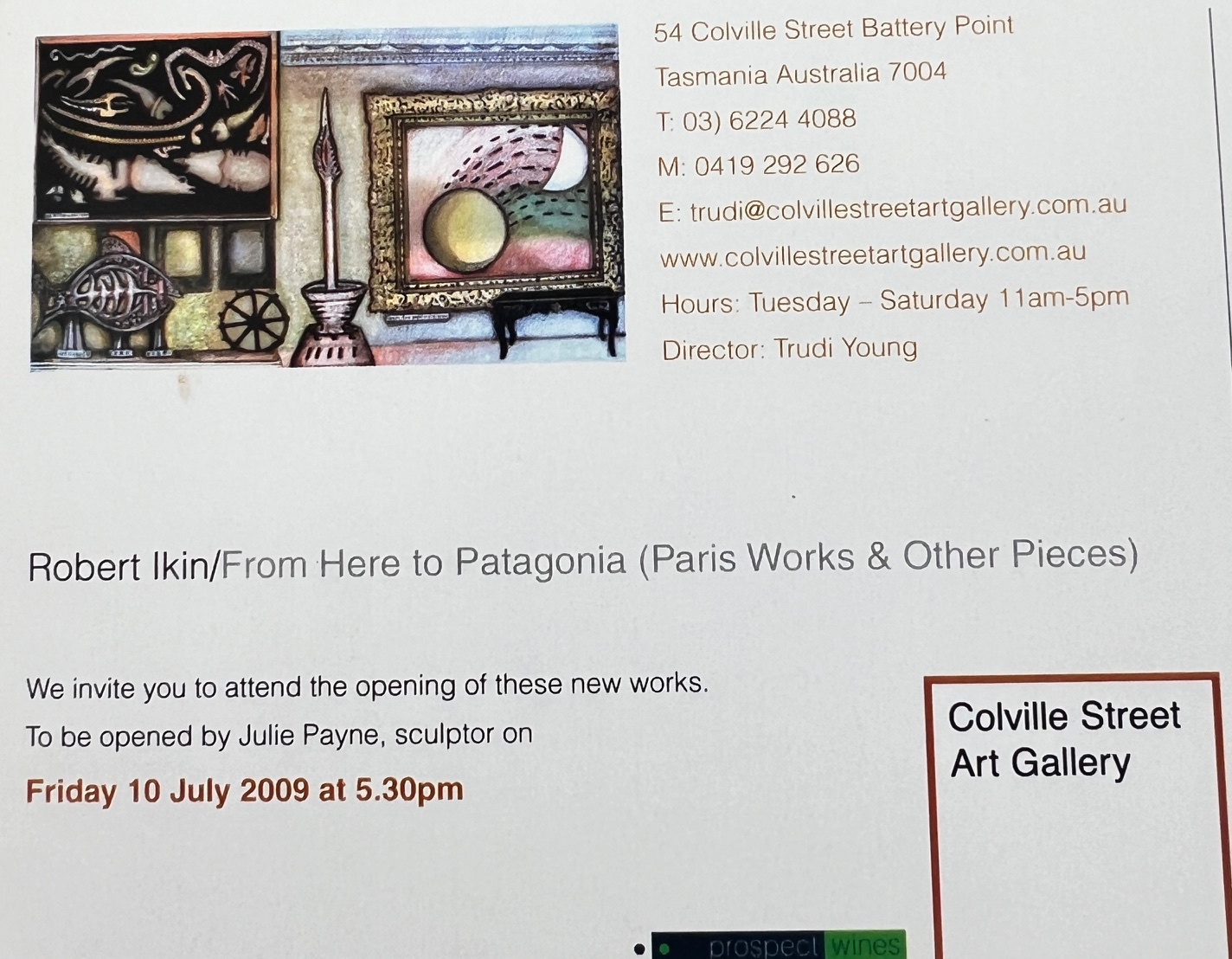
In 2008, he and Gardie lived in Paris as part of the prestigious Rosamond McCulloch Studio Residency at the Cite des Arts. Some of the work he made in Paris was exhibited in Marcher Sur La Pelouse—Exhibition from past residents of the McCulloch Studio in Paris at Plimsoll Gallery, Hobart, in 2009 and his ‘From Here to Patagonia’ show at Colville Street Art Gallery in Hobart in 2010.

Sculpture Projects

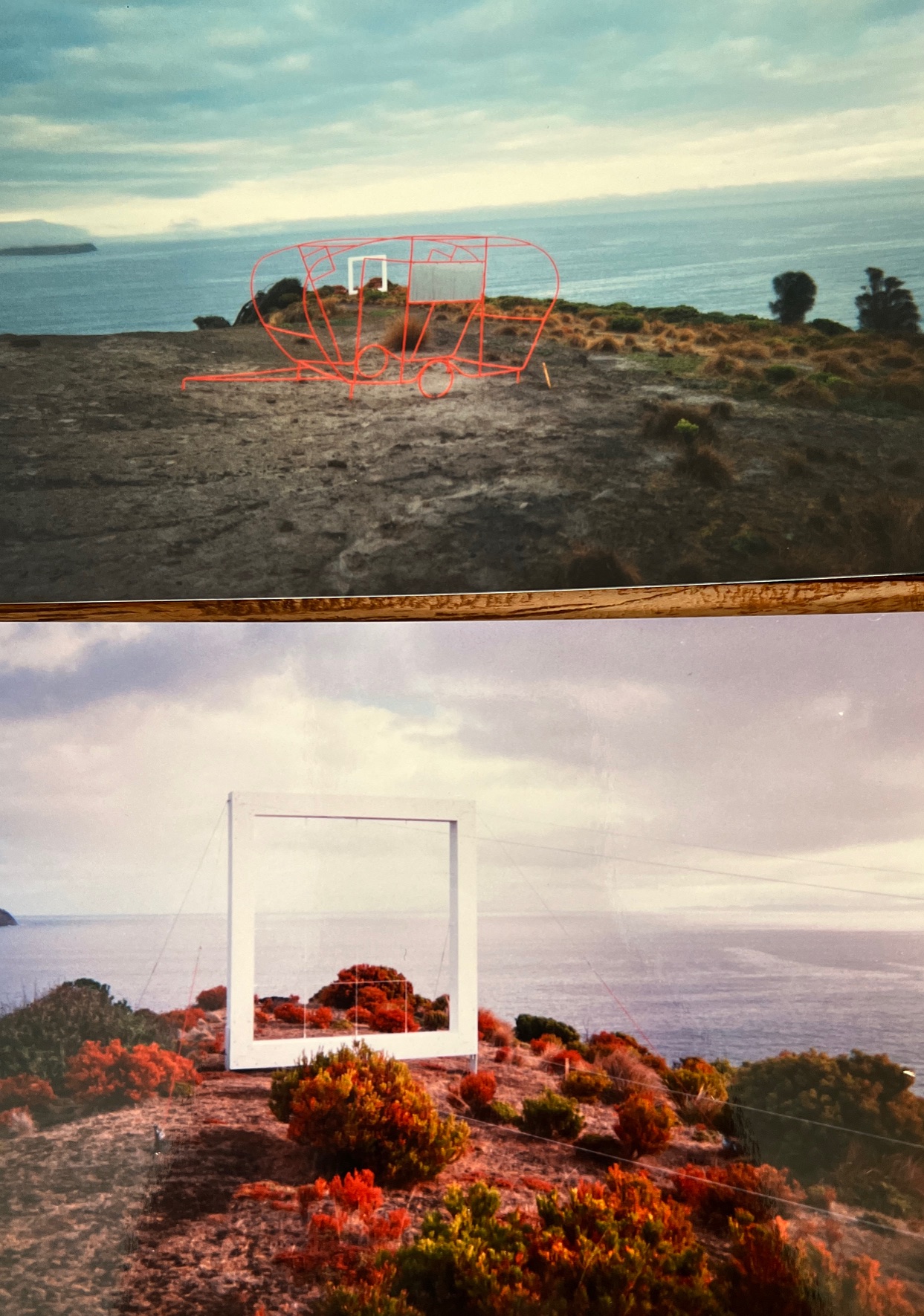
Robert  has been involved in many site-specific sculpture projects at incredible outdoor sites, including twice at Roaring Beach on the Tasman Peninsula, the Mt. Wellington Sculpture Trail, Jackeys Marsh Sculpture Trail, Shadows on the Water on the Upper Esk in N.E. Tasmania, and The National Rose Garden at Woolmers, all in Tasmania. 

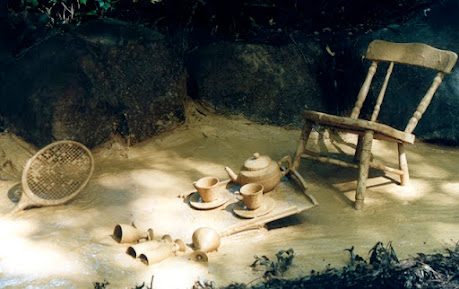
 “dejeuner sur l’herbe” objects, clay and clay slip. Site specific work. Mount Wellington Sculpture Trail, 2002

I accompanied Dad to one of the Roaring Beach sculpture projects in 2001.  The location and the incredible pieces became the backdrop to my marriage breakup – if you’re going to have a crisis, why not in one of Tasmania’s wilderness locations and surrounded by art!

Solo Exhibition

His most recent solo exhibition, “Interactions,” was at Poimena Gallery in 2013, where he had just completed an Artist-in-Residency. This show included video documentation of “Solstice to Solstice,”  a piece based on daily divinations from winter solstice to summer solstice 2012, as well as new ceramics and digital works.

Exhibition 2024

Far from resting on his laurels, Robert has never stopped creating new work and is now on the eve of his first solo show in eight years.  

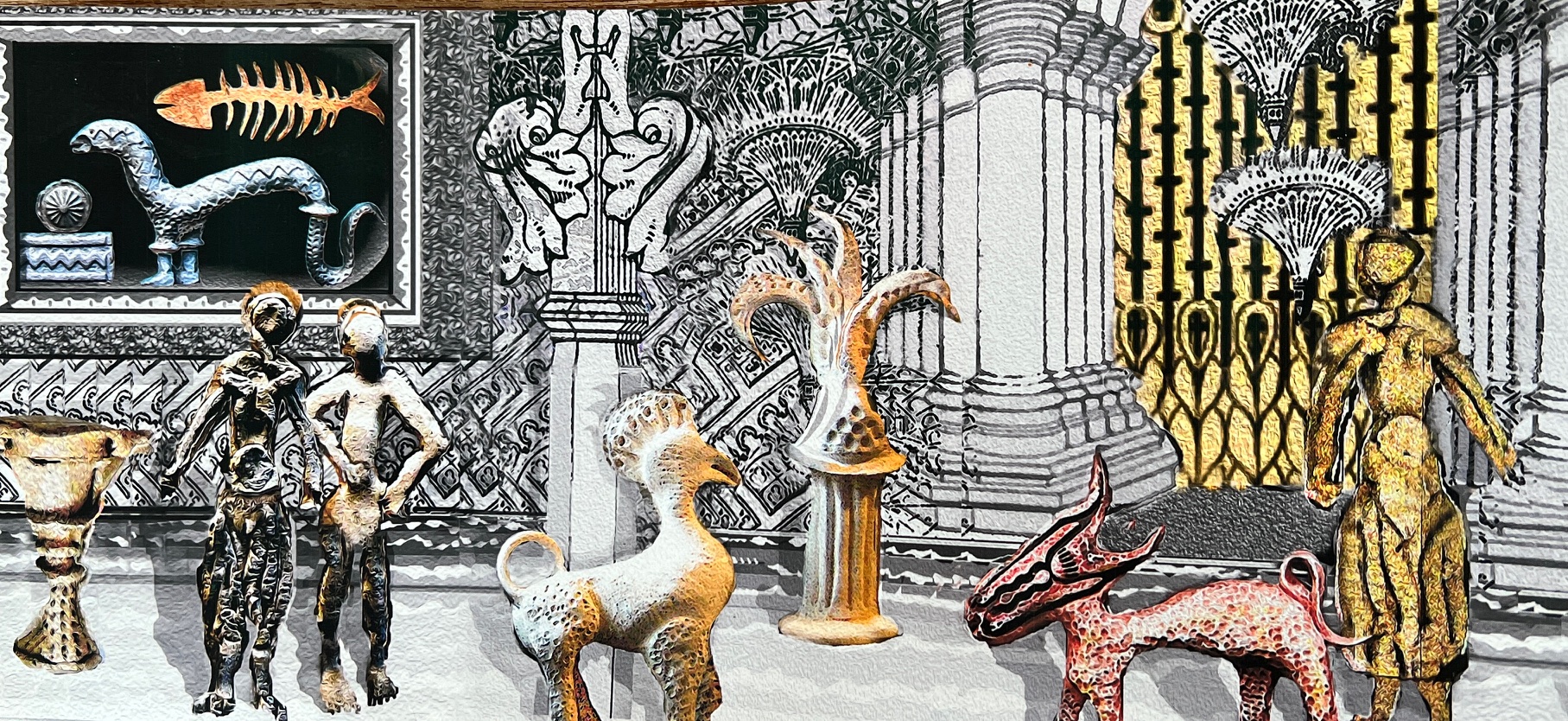
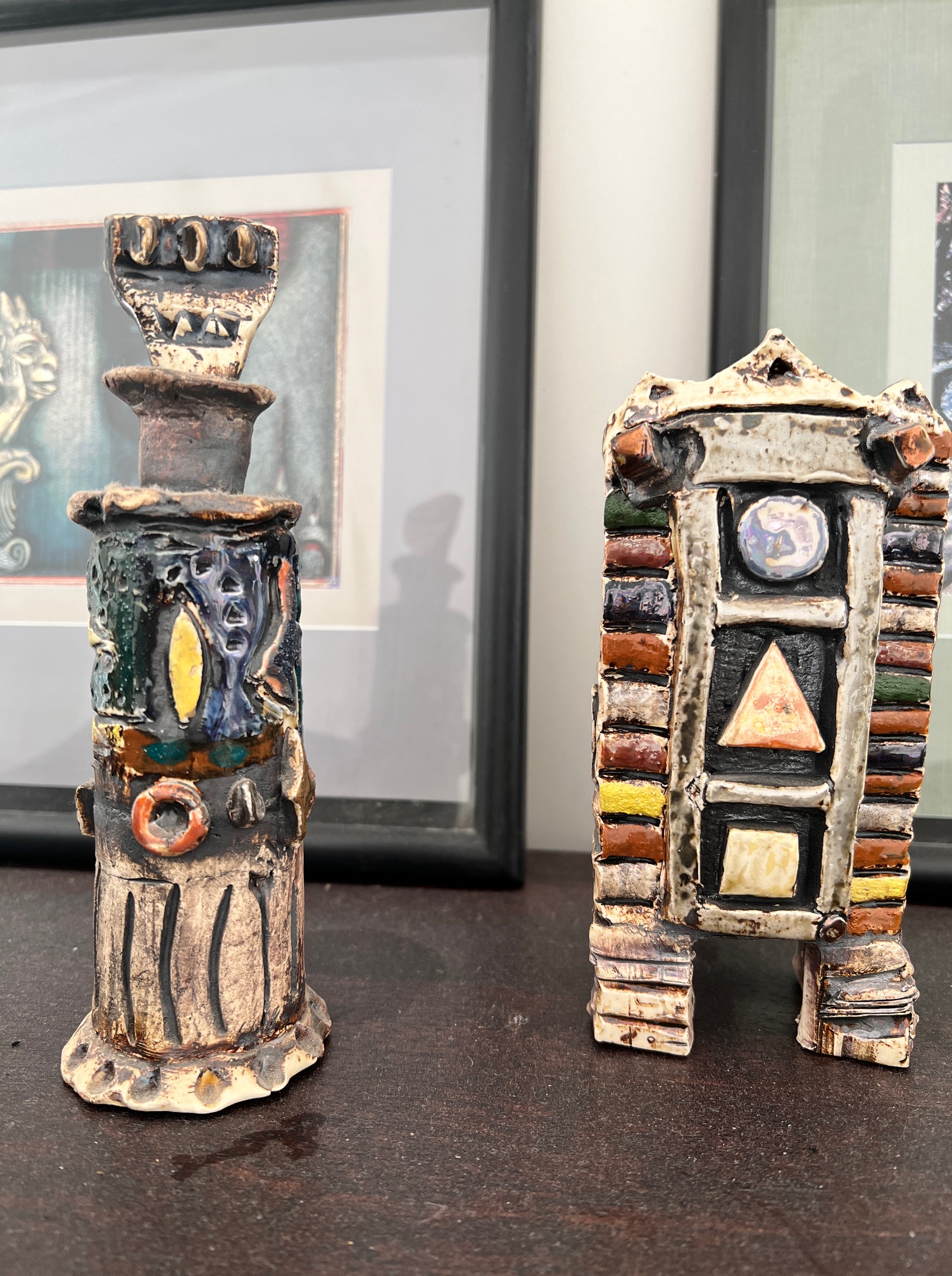
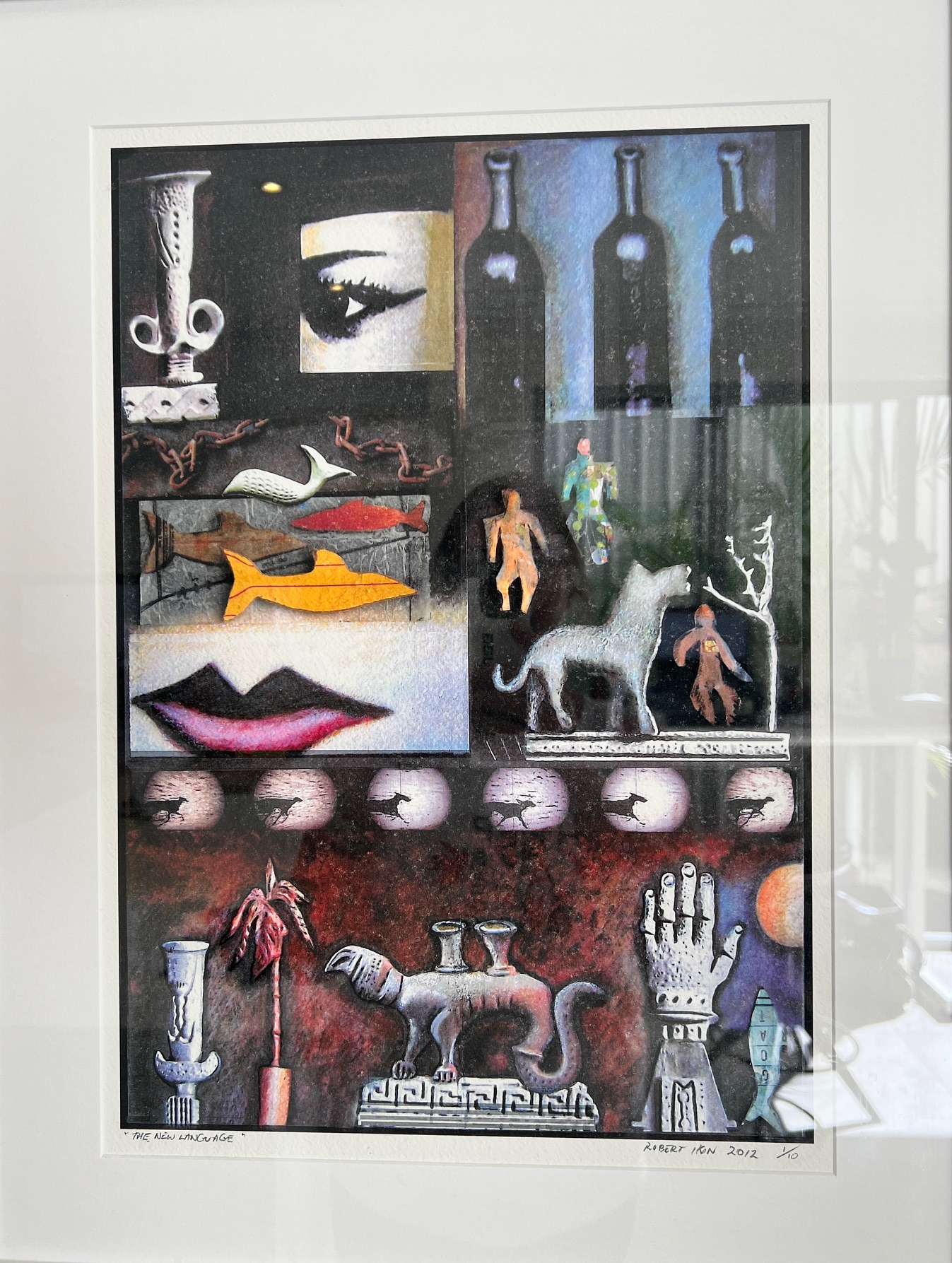
On May 16 2024, the walls at Gallows Art Space at Launceston College will become a temporary home to some of Robert’s newest works with a scattering of the old.  He says it’s a retrospective without being a retrospective- spanning years and encompassing a multitude of mediums from ceramics and oil painting to digital images and a mixture of all those things.  The show is a non-commercial show which Robert says gives him a lot of freedom to explore and create.  

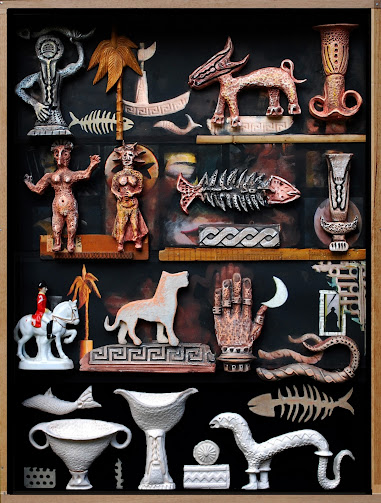
He wants to show the links between old and new. For example, the patterns on some of his old ceramic pots are echoed in the work he is producing today.  Pieces from 10 years ago that he created using a lightbox have been brought back to life in new multimedia prints and collages.  Small ceramic figures mounted in a display box were recently turned into images on bathroom tiles in a private Launceston home.  The same figures have been featured for many years, both as ceramics and images. 

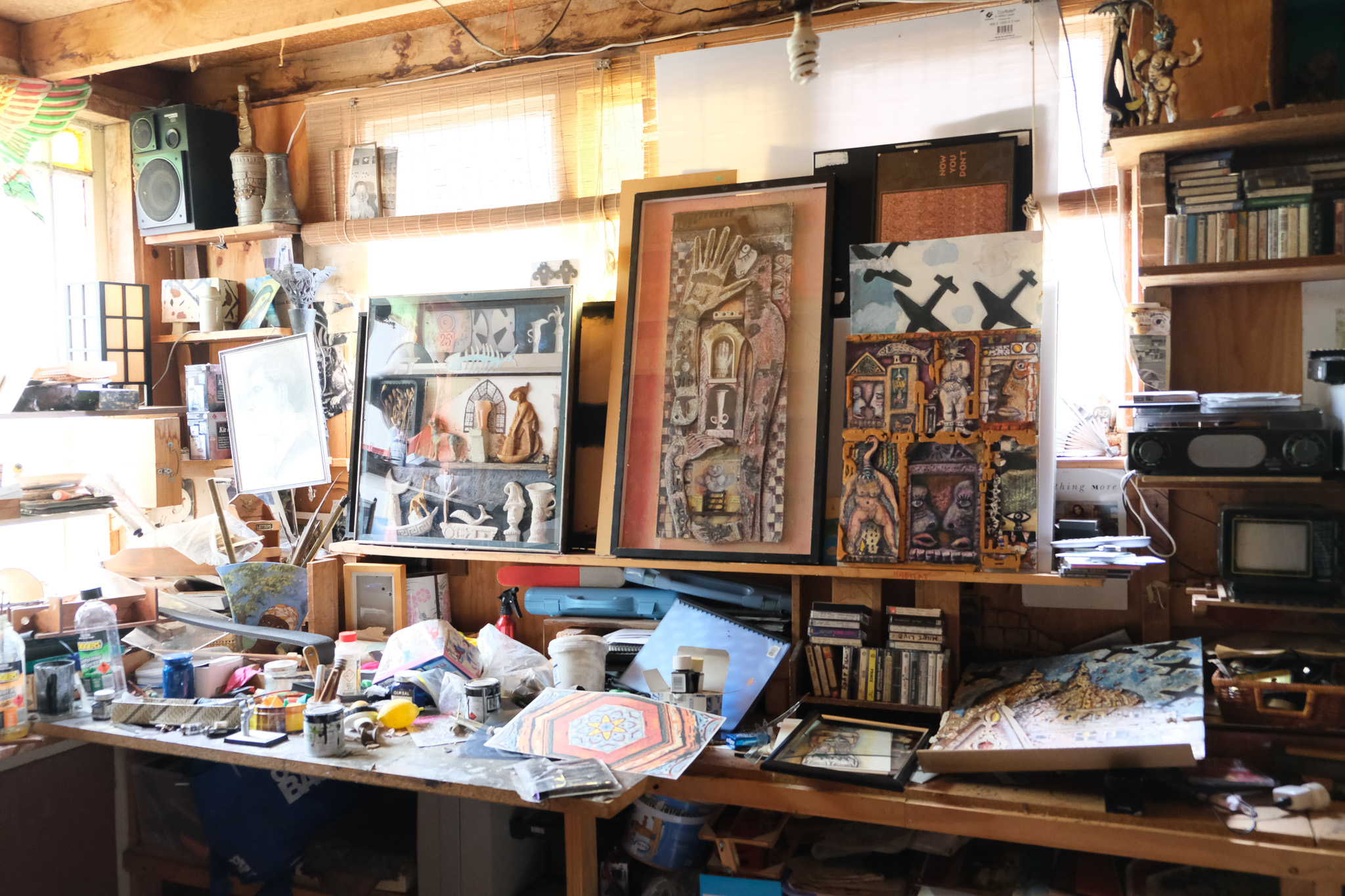
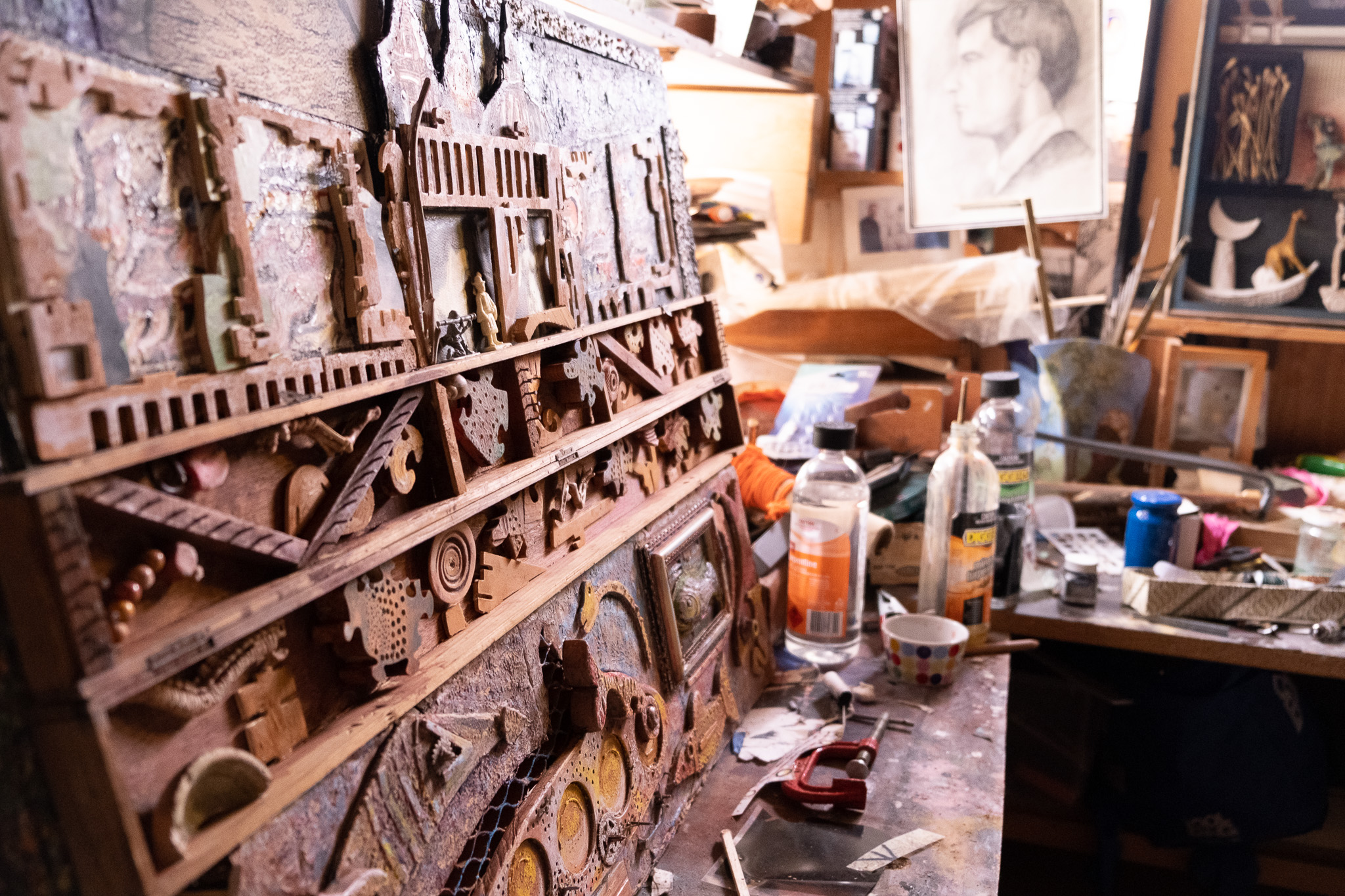
Robert currently works from his studio in the Tasmanian bush, a peaceful retreat from the hustle of city life, even though the closest semblance of ‘city life’ is the sleepy town of Launceston.  His studio is a place of seeming disorder and multi-layers of works, finished, part finished and repurposed.  It’s only when you spend time that you realise everything has its place in time and is a testament to Robert’s unique perspective and artistic processes.

Robert loves fine-tuning the pieces and eventually containing them in frames and perspex boxes, a process he finds exciting. He collects frames over a long period from second-hand shops, Op shops, and friends.  He then personalises each one by stripping them back, extending them to fit the unique 3D quality of his work.

I was privileged to spend a couple of weeks with Dad  earlier this year, observing the finishing touches to his latest exhibition. Come to the Gallows Art Space at Launceston College between 16 May and 16 June to see what promises to be the show of a lifetime. The opening will be held on Thursday 16 May 2024.

107-119 Paterson Street, TAS, 7250

Visit Robert Ikin’s Website

Sculpture By the Sea 2020

Another stunning sculpture exhibit at Cottesloe Beach in Western Australia.

The beautiful beach of Cottesloe has once again hosted “Sculpture by The Sea.” Due to reduced government funding for The Arts the event is on shaky ground. This year the organisers asked attendees to pay $5 per person to view the sculptures. I had many favourites this year.

Below are some photos of artworks from this year’s show.