Living on the lighthouses was sort of like that TV show, ‘Round the Twist’ in more ways than you think!
Forty South Tasmania
When I finished my 3-day Three Capes Track hiking experience earlier this year I realised after pitching to many publications that I probably needed to tell this story in the land it was set. So the lovely people at Forty South Magazine, a magazine I have long admired and read, took me up on my offer of tourism travel blog with a side of memoir. Enjoy 🙂
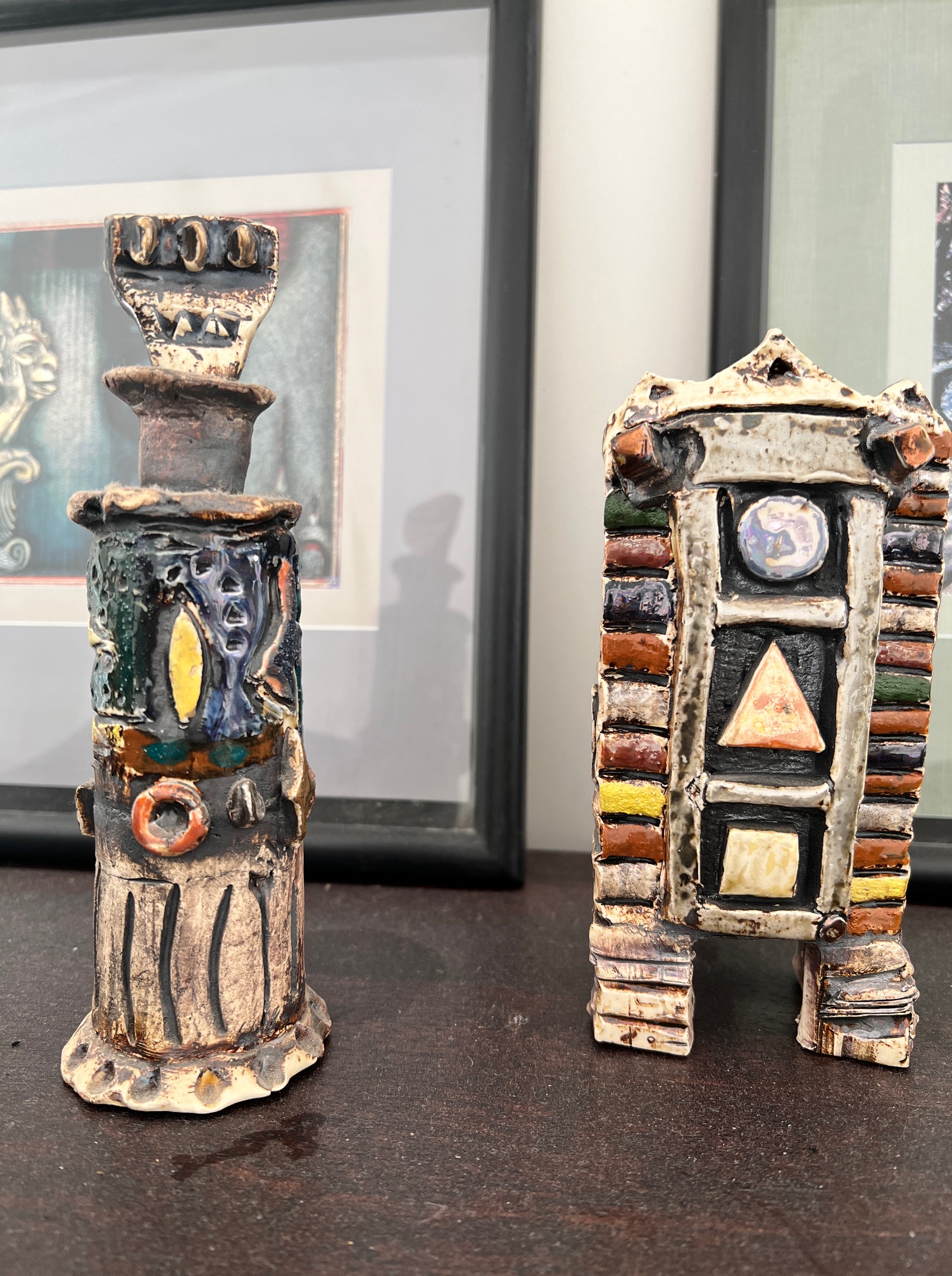
Tasmanian artist Robert Ikin 83, is my Dad. As the child of an artist, my siblings and I spent countless evenings huddled beside or under the cheese and biscuit table at art galleries, scoffing squares of cheddar and stale crackers. Around us, the adults sipped box red wine, smoked cigarettes, and talked about art and mundanities.
The scent of an art gallery is still fresh in my mind. I recall smells of paint, wood varnish, cigarette smoke and seagrass matting, the floor covering of choice in the 70’s. I would count red stickers when they appeared on pieces of work hung on white-washed walls and excitedly tug on Dad’s sleeve to relay the news of a sale. He would stop talking and smile at me with raised eyebrows and then return to his conversation and his wine.
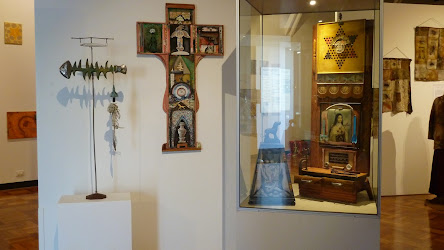
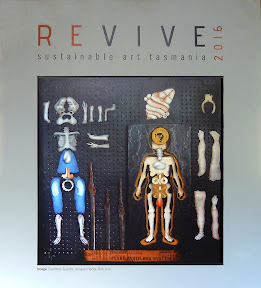
Robert last exhibited work in a gallery setting in 2016 at the Queen Victoria Museum, Inveresk, Launceston. The Revive Exhibition—curated by Ralf Haertel, featured work by individual artists and community groups with recycling and sustainability at it’s core. Robert’s pieces were created from mixed media and found objects.
History
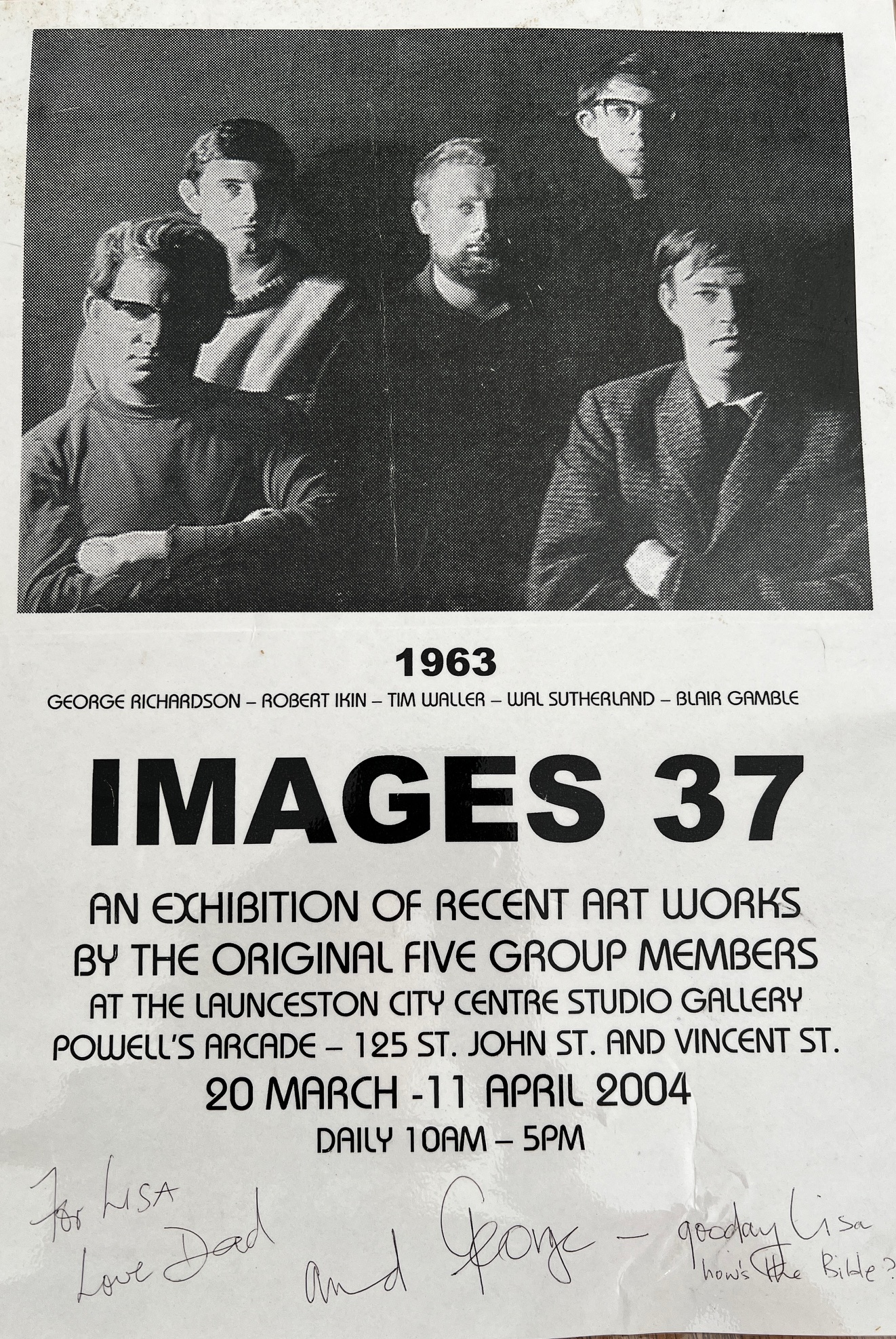
Robery Ikin’s resume spans decades, countries, and mediums. As a young painter in 1963 Robert was part of a group of Launceston Art School Graduates who named themselves ‘Images’ – Robert Ikin, George Richardson, Tim Waller, Wal Sutherland and Blair Gamble were the original five group members. The group reunited in 2004 for a show in the Launceston City Centre Studio Gallery. Sadly, George , Tim and Blair have since passed.
The original members were the inspiration for another group of aspiring artists who called themselves ‘Images of Tasmania’.
The reunion of The Images in 2004
George Richardson, an incredible abstract artist and art educator, was my godfather. He would always playfully ask me “are you reading your bible Lisa?” I have vague memories of Tim Waller, a fine painter and also art educator and memories of weekends at Blair’s beautiful home in Hobart, as a child. Dad and Wally still regularly catch up and make music CDs together.
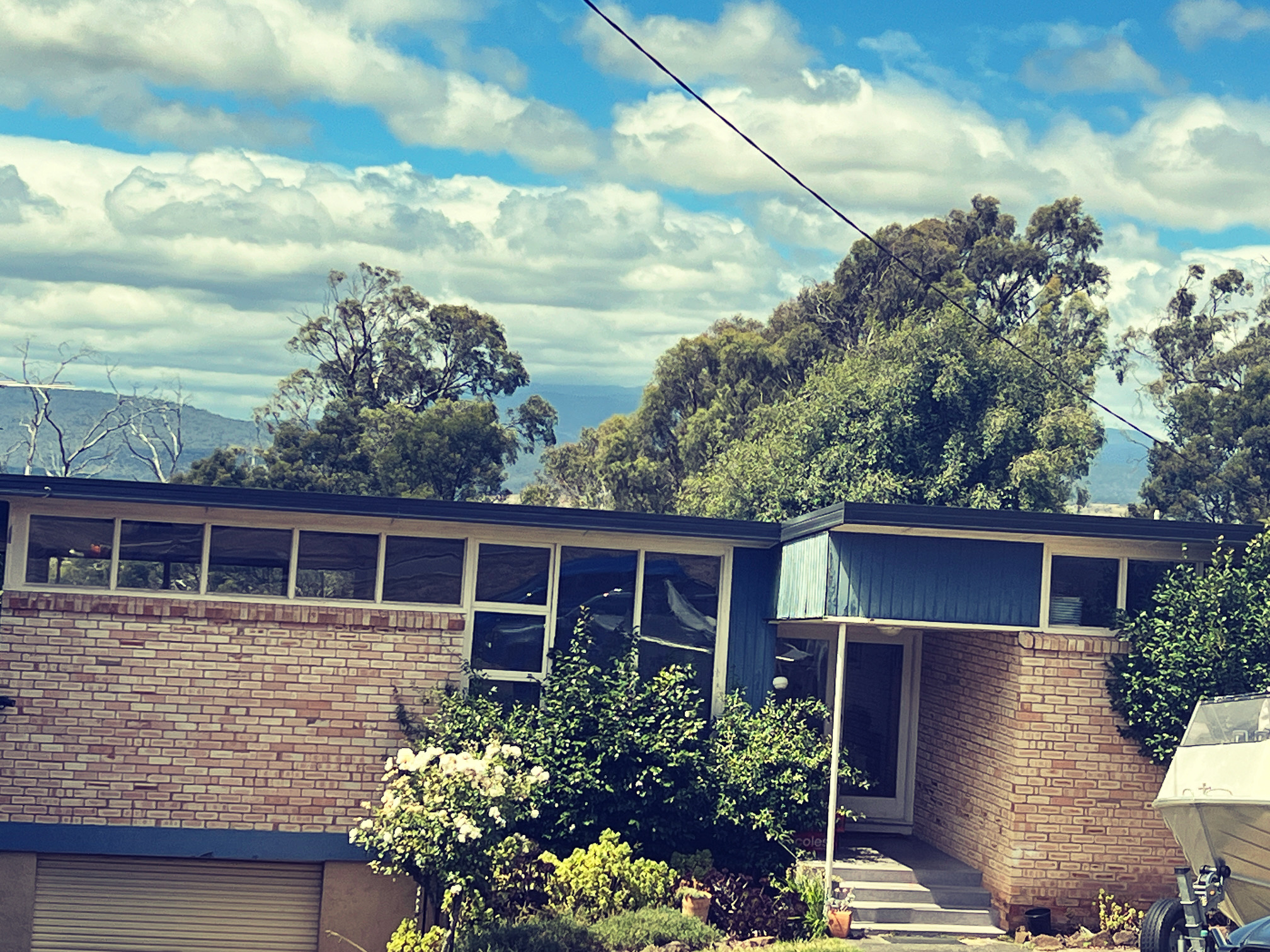
Around this time, 1964, I was born in Launceston at Queen Victoria Hospital. We lived in a modern home in West Launceston, a stone’s throw from the Cataract Gorge. We moved to live in Adelaide at some point, where Dad continued to paint but also worked a day job. For as long as I could remember, he was a travelling salesman by day. We lived in a terrace house on Rundle Street. In my mind the sun was always shining. My sister was born there in 1967.
My first home in Launceston – a modern home for the time.
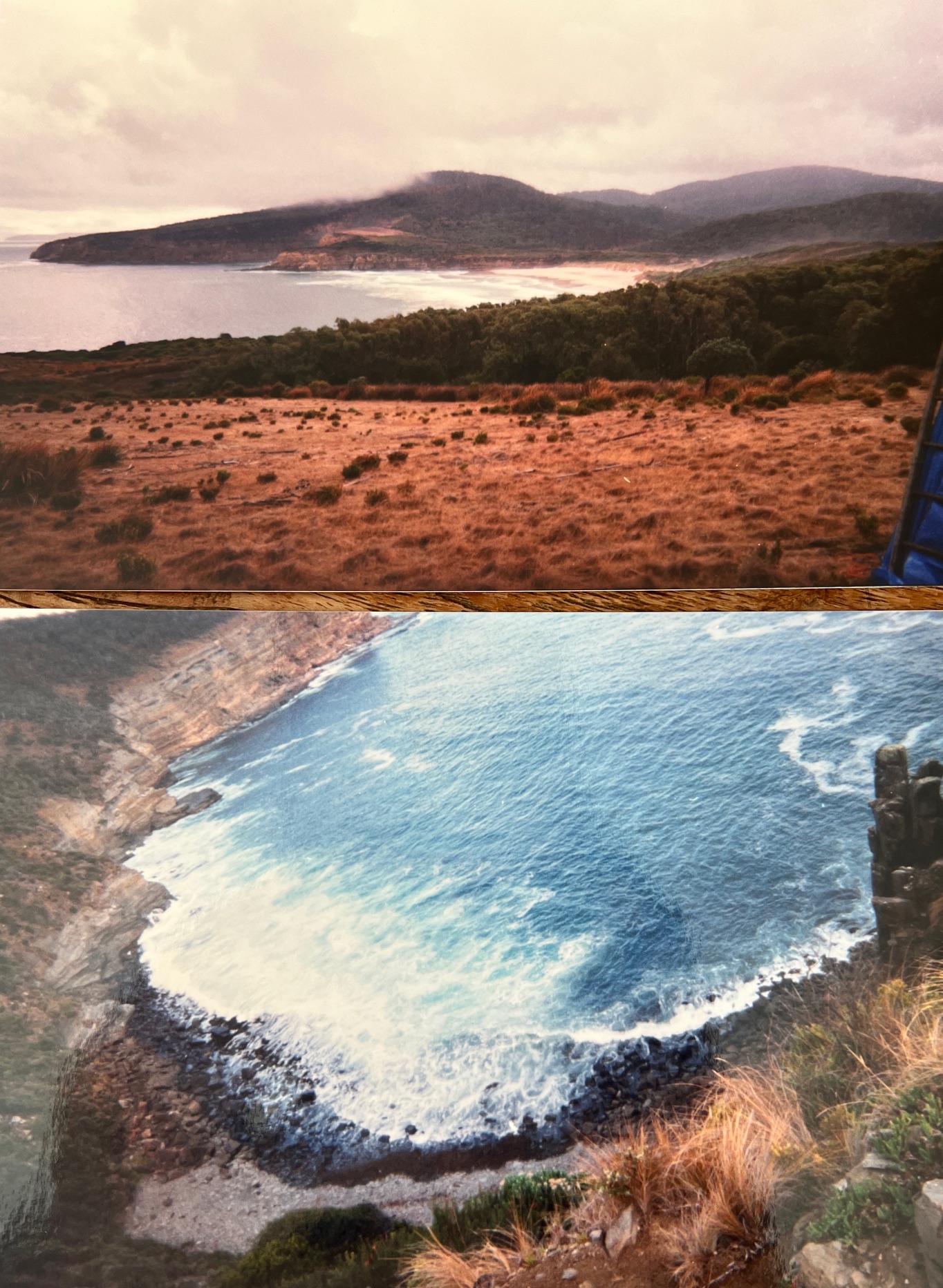
The sudden death of my mother when I was five brought significant change and trauma. We moved back to Tasmania, living with my grandmother for a time before dad remarried. For a number of years, Dad was a lighthouse keeper, and we lived an isolated life with correspondence schooling on some of the most wild and remote islands in Tasmania and Australia. Eventually with new siblings (a sister and brother) and a need for me to attend high school, we moved back to the Tasmanian mainland when I was 12 years old.
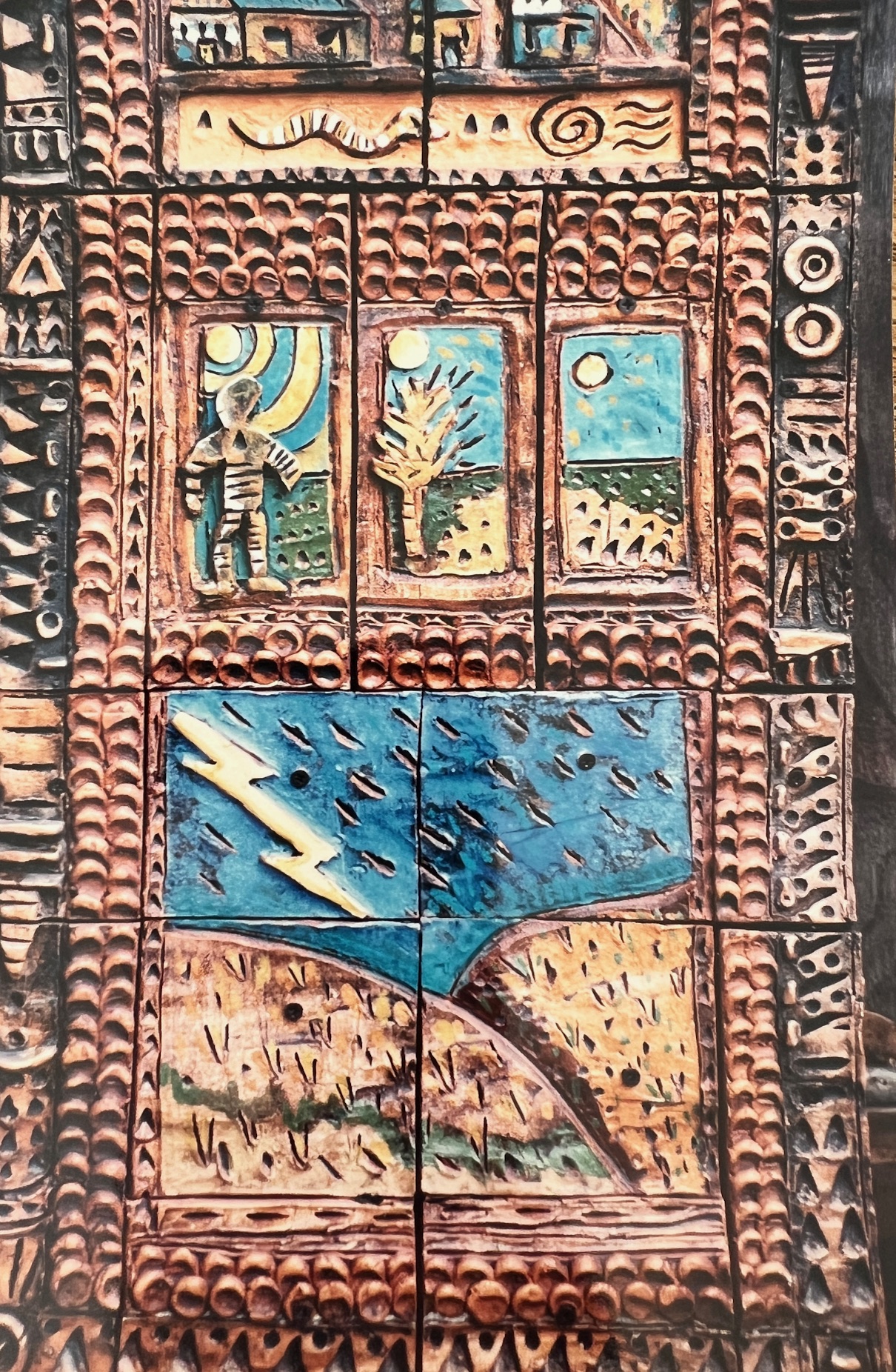
In 1979, Robert completed a postgraduate qualification in ceramics at the School of Art, Tasmanian State Institute of Technology, Launceston, followed by his first exhibition at the Design Centre of Tasmania in Launceston.
He was studying and practising art for most of my high school years.We lived out of town and on the last school bus stop for country town, Scottsdale. After living in isolation for so long it didn’t feel unusual to still be on the fringes.
I finished Year 10 at Scottsdale High in 1980 and inearly 1981, there was a move to Darwin, where Dad took a job in a Darwin Art School. I went to year 11 in Darwin, met a boy and left home. I ended up living there for four years before fleeing the boy and the humidity to live in Perth.Dad only stayed a year in Darwin, returning to Tasmania with new partner, Gardie and plans to settle down.
Public Collections
Robert has exhibited widely throughout Tasmania and is represented in many public collections, including the Queen Victoria Museum and Art Gallery, Devonport Regional Gallery, University of Tas Collection, Hobart and the Tasmanian Government’s Art for Public Buildings Scheme.
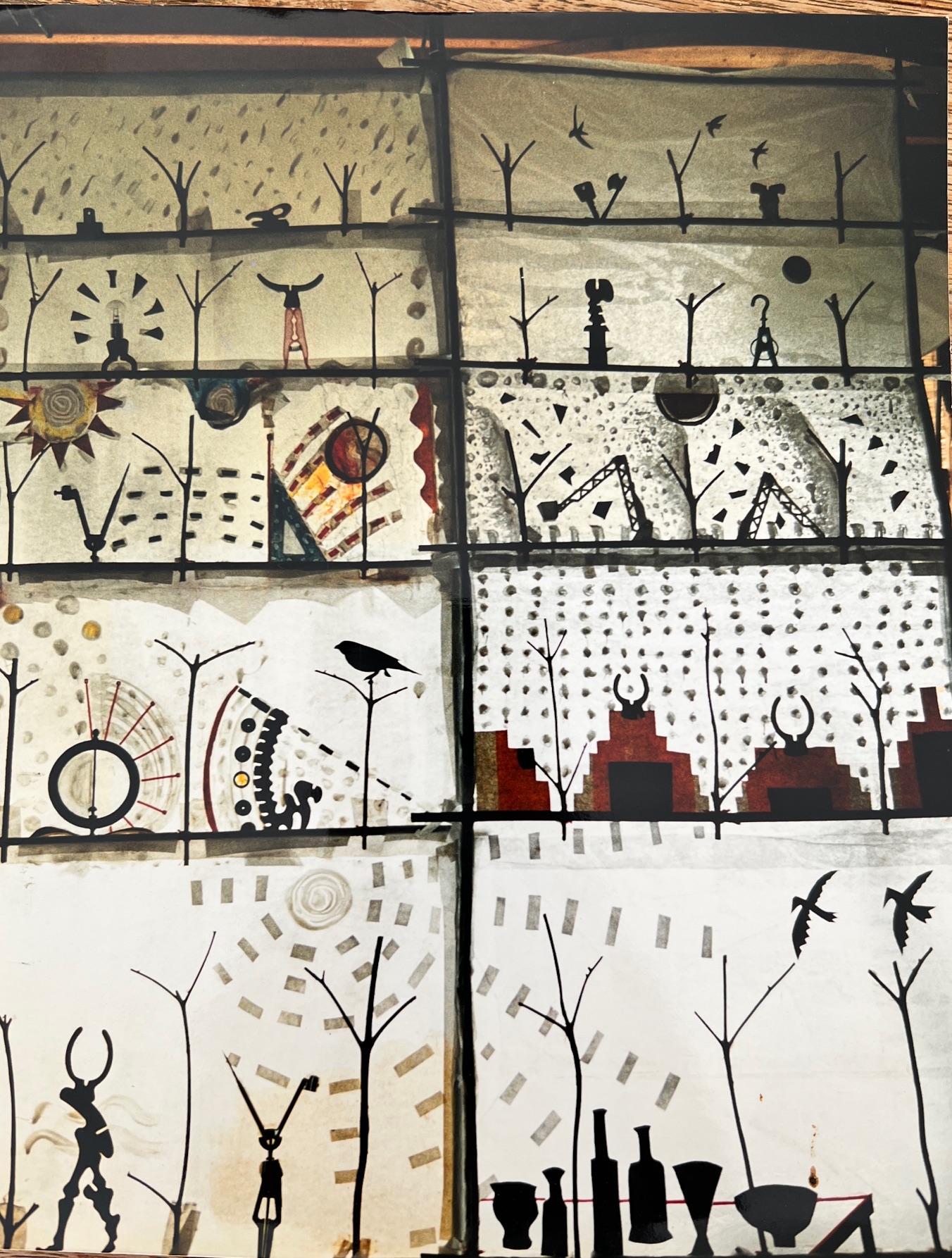
Another Short History of the World (detail) light box. Robert Ikin 2004 – QVMAG, Launceston Tasmania
Snakepit Gallery
In 1992, Rob and fellow artists Bea Maddock and Gardenia Palmer formed the Launceston Art Cooperative. The cooperative’s headquarters was a small disused warehouse in Launceston, which they named ‘Snakepit’ due to rumours that a snake trainer used to train snakes in the building!
The space existed for local Launceston artists and craftspeople to exhibit freely as part of a cooperative membership. The gallery was a huge success and hosted over 100 fortnightly shows until 1996 when the cooperative dissolved due to fewer artists using the space.
By this stage, I was living on the other side of Australia, and had birthed my first child, but I remember visiting the Snakepit when I was in Launceston. My grandmother was still alive as I have a photo sitting on the steps of the Snakepit with her. I’m sure seagrass matting was a feature.
No Poetry
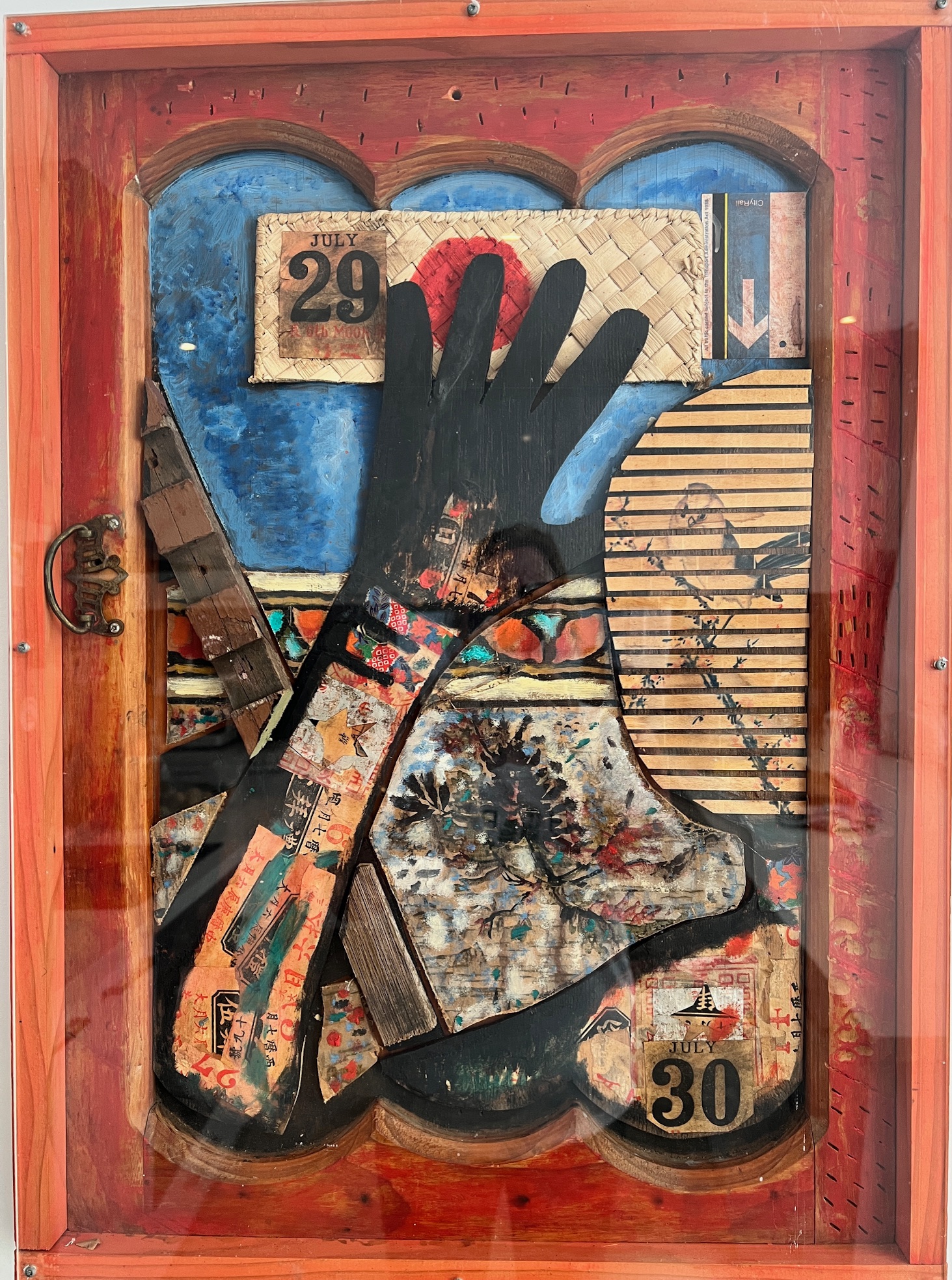
One of Robert’s major works, ‘No Poetry,’ a mixed-media work using mainly found objects, was exhibited at the Tasmanian Museum and Art Gallery in Hobart and The Queen Victoria Museum in Launceston. Representing the eight months from January 1 to August 6, the finished work was presented on the anniversary of Hiroshima Day 1995. He recreated the work in 2001 and subsequently in 2013 as a moving sound and image piece.
I have one piece from the No Poetry show, an exhibition I attended while visiting with family.My second baby was born in 1994 and I was still living in Perth.
Public Art
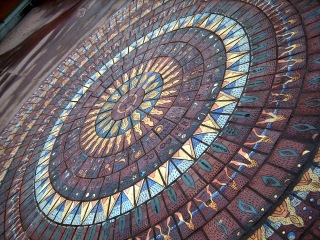
In 2000, Robert installed a huge ceramic work entitled “Mandala,” 8.5 metres in diameter, commissioned by the Tasmanian Government. The piece comprised 888 hand-made tiles, each hand-incised and hand-decorated. For the next few years, Robert consistently exhibited and installed public art throughout Tasmania.
Mandala 2001
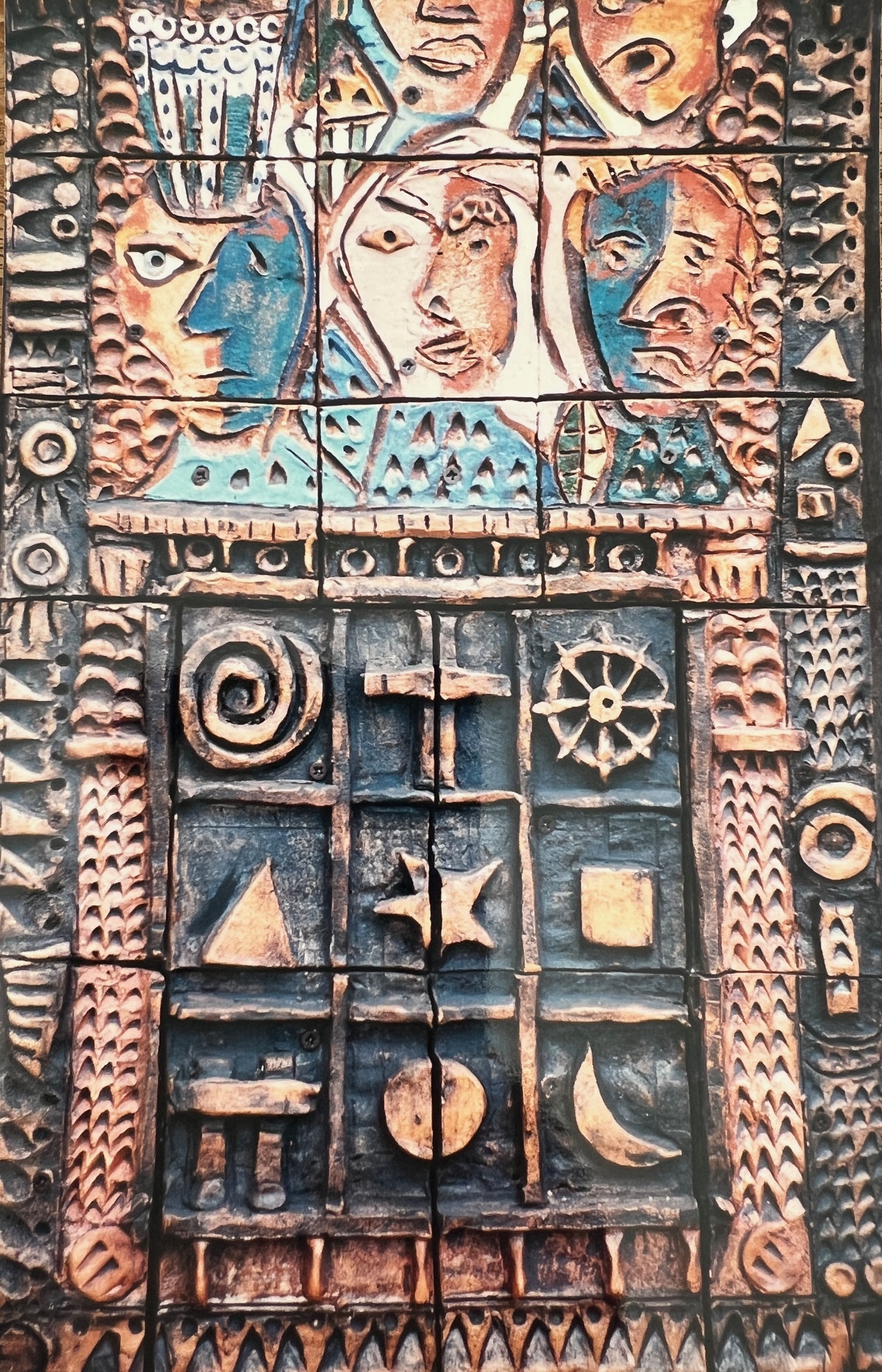
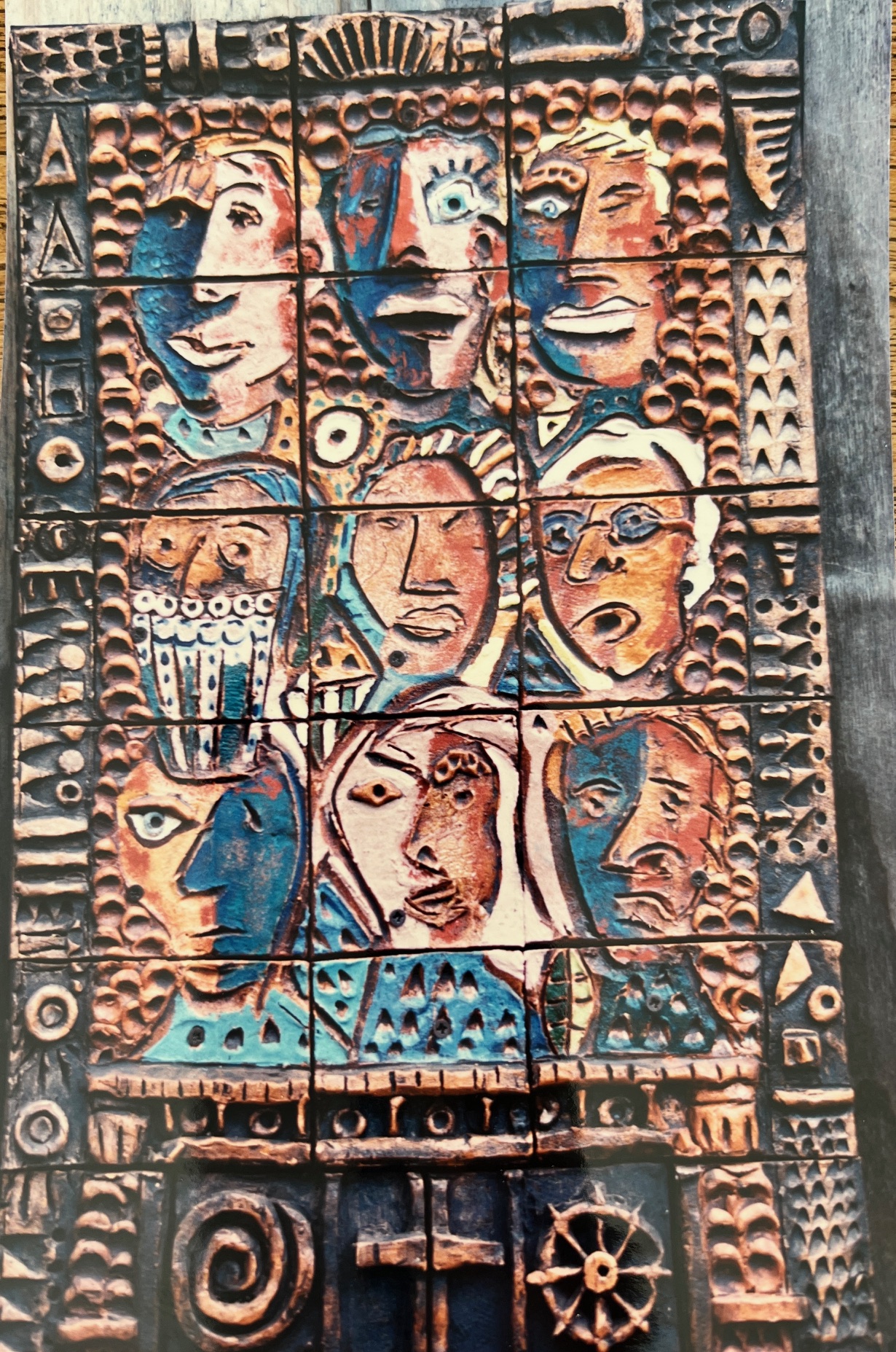
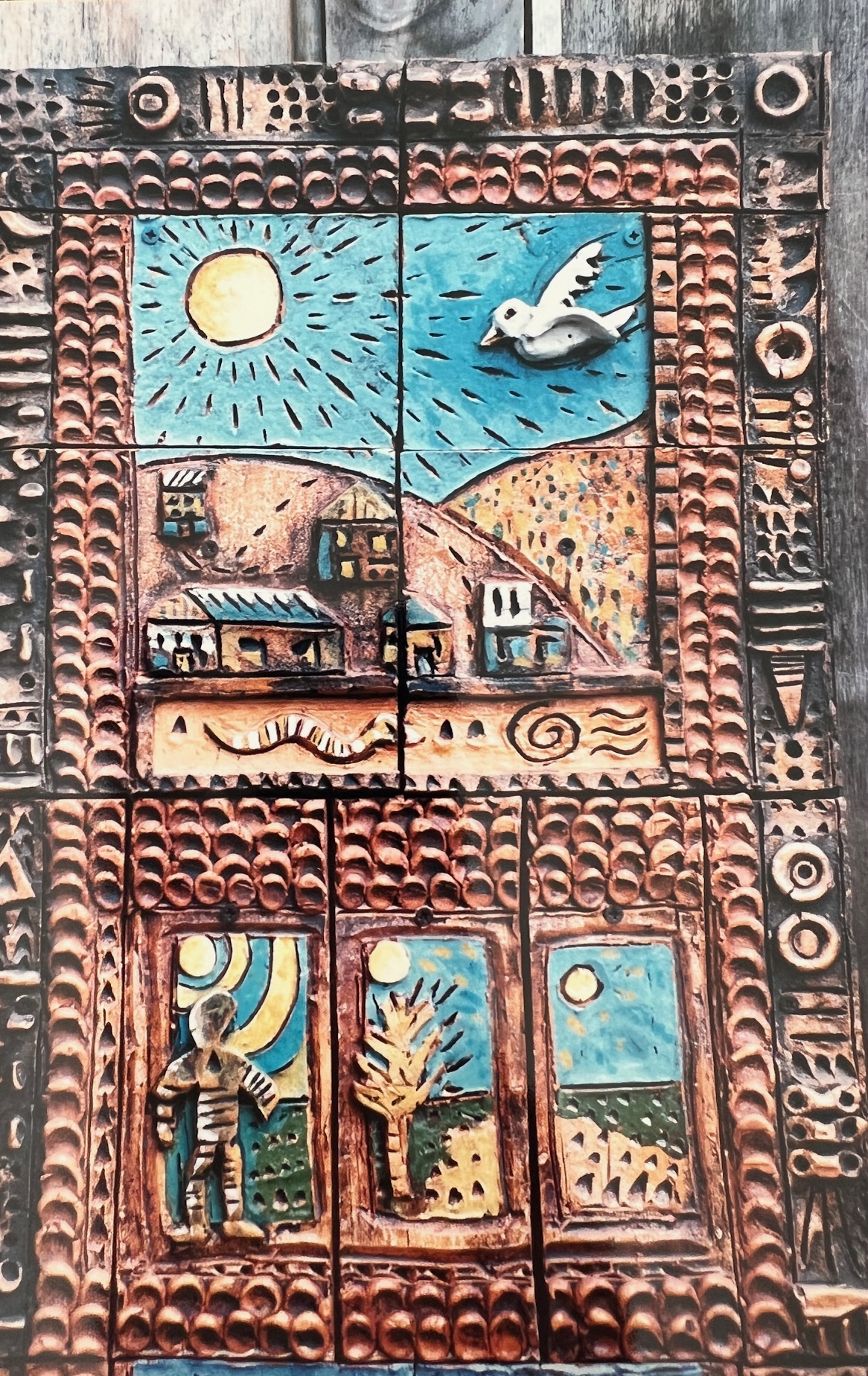
Pictured below is some detail of the ceramic tiles installed at the Ulverstone Police building in 1996.
European Connections
2007 saw the first collaboration with the Netherlands and the University of Tasmania. Robert was part of the Tasmanie Project, “No Person is an Island” suite of works and “At the Hop” – five short projection pieces at Gallerie de Meerse, Hoofdorp, Netherlands.
Between 2010 and 2015, Robert Ikin and his wife and fellow artist Gardie Palmer exhibited in the Netherlands multiple times:
Galerie ‘t Haentje Je Te Paart , Mels Dees. Middelburg
pARTners Kulturele Evenementen Groepen Schijndel in Schijndel
Museum allen Tijden.
Ateliers Patagonia + Guests – KEG-expo, Schindel.
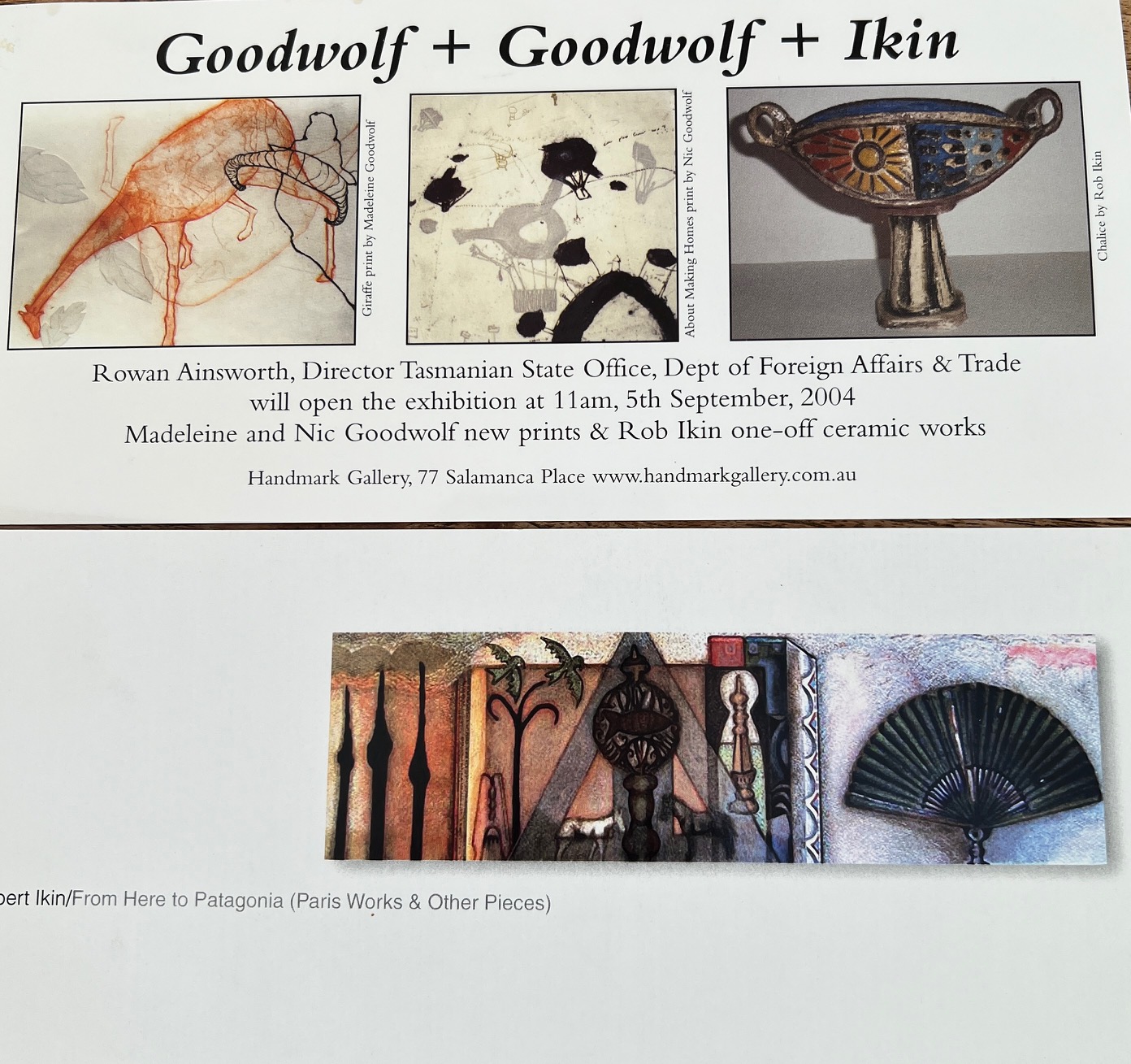
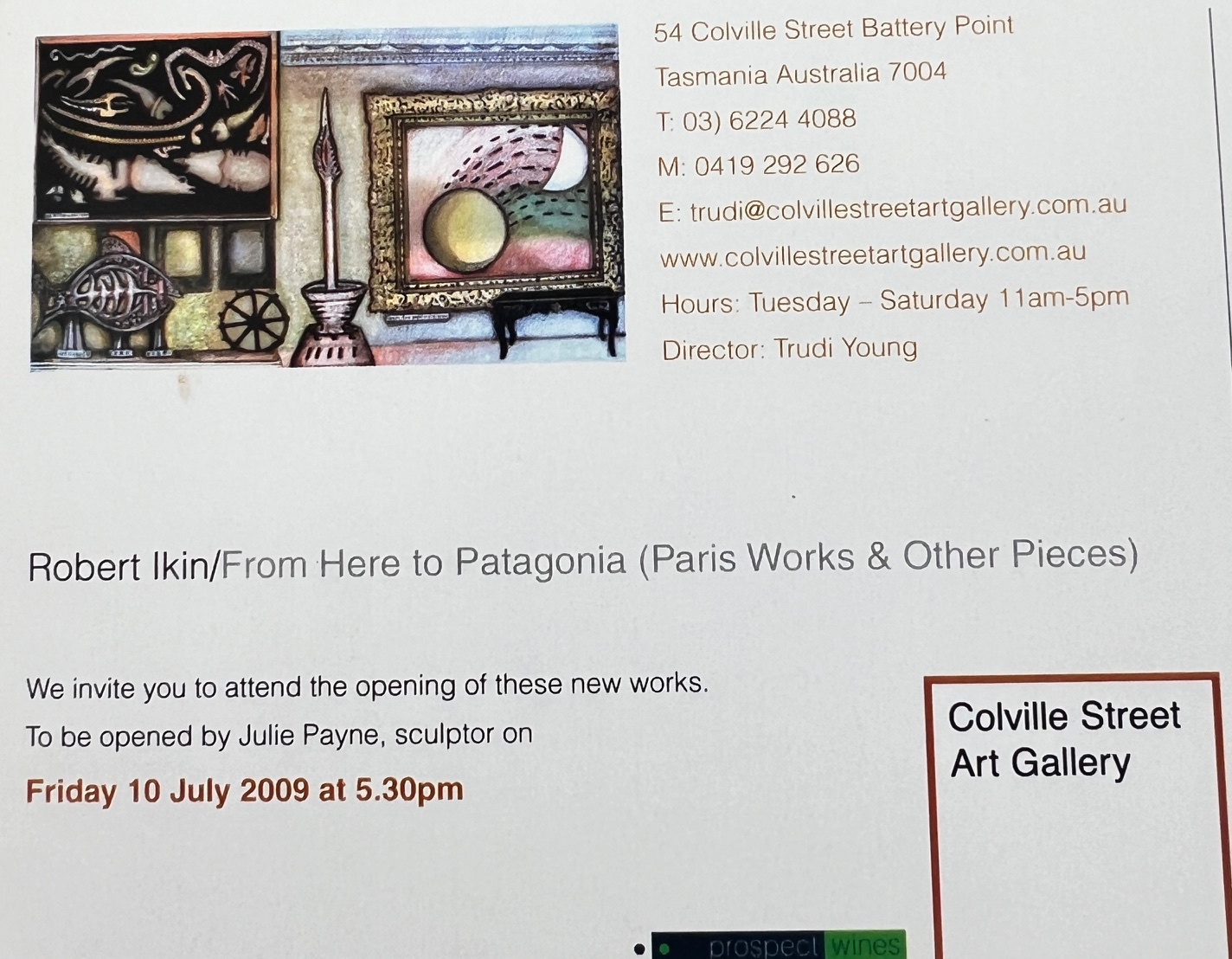
In 2008, he and Gardie lived in Paris as part of the prestigious Rosamond McCulloch Studio Residency at the Cite des Arts. Some of the work he made in Paris was exhibited in Marcher Sur La Pelouse—Exhibition from past residents of the McCulloch Studio in Paris at Plimsoll Gallery, Hobart, in 2009 and his ‘From Here to Patagonia’ show at Colville Street Art Gallery in Hobart in 2010.
Sculpture Projects
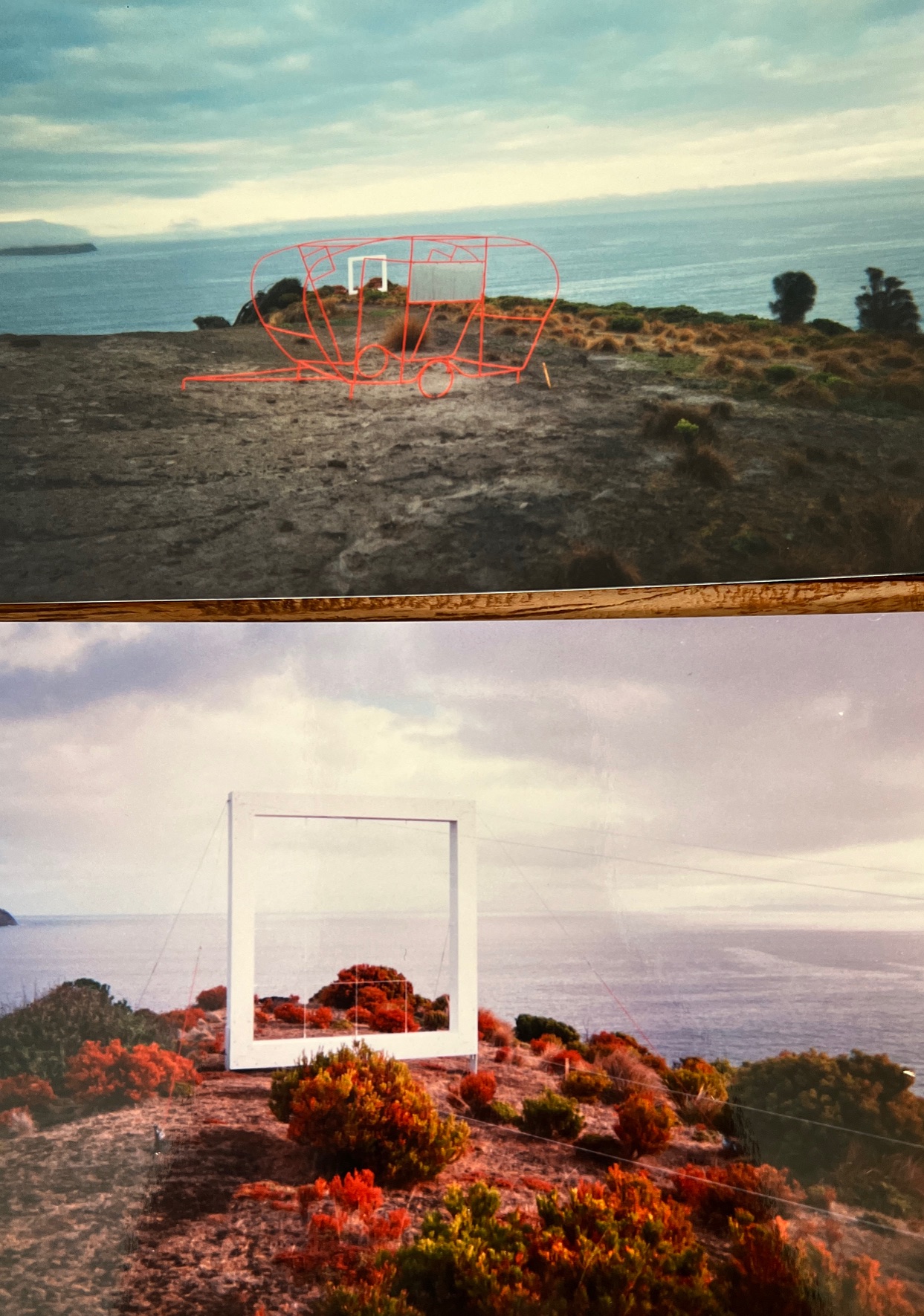
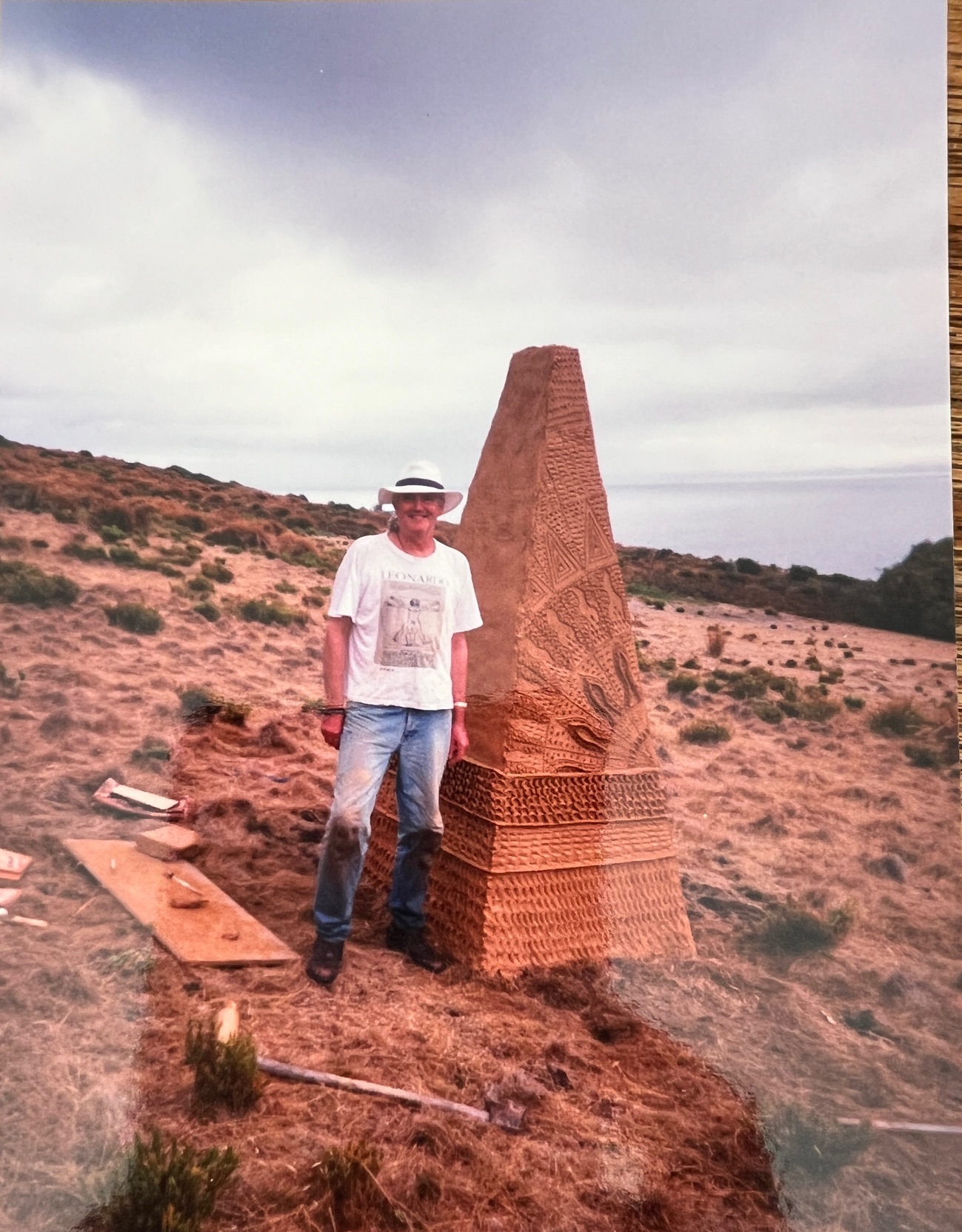
Robert has been involved in many site-specific sculpture projects at incredible outdoor sites, including twice at Roaring Beach on the Tasman Peninsula, the Mt. Wellington Sculpture Trail, Jackeys Marsh Sculpture Trail, Shadows on the Water on the Upper Esk in N.E. Tasmania, and The National Rose Garden at Woolmers, all in Tasmania.
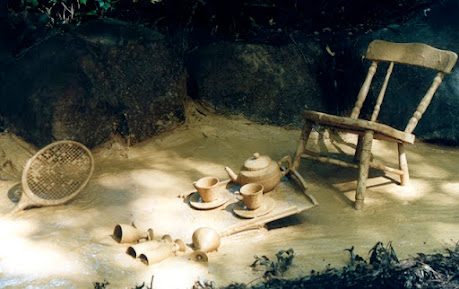
“dejeuner sur l’herbe” objects, clay and clay slip. Site specific work. Mount Wellington Sculpture Trail, 2002
I accompanied Dad to one of the Roaring Beach sculpture projects in 2001. The location and the incredible pieces became the backdrop to my marriage breakup – if you’re going to have a crisis, why not in one of Tasmania’s wilderness locations and surrounded by art!
Solo Exhibition
His most recent solo exhibition, “Interactions,” was at Poimena Gallery in 2013, where he had just completed an Artist-in-Residency. This show included video documentation of “Solstice to Solstice,” a piece based on daily divinations from winter solstice to summer solstice 2012, as well as new ceramics and digital works.
Exhibition 2024
Far from resting on his laurels, Robert has never stopped creating new work and is now on the eve of his first solo show in eight years.
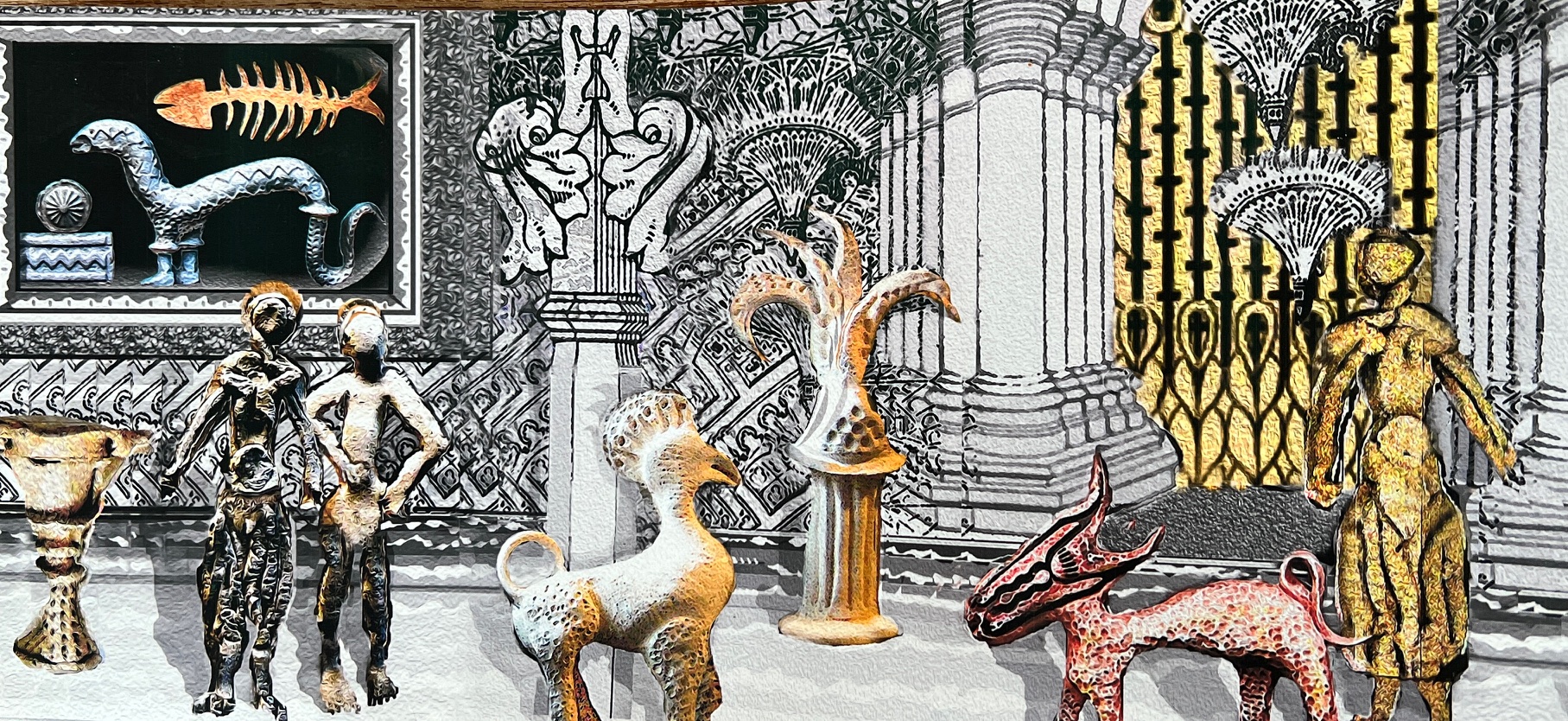
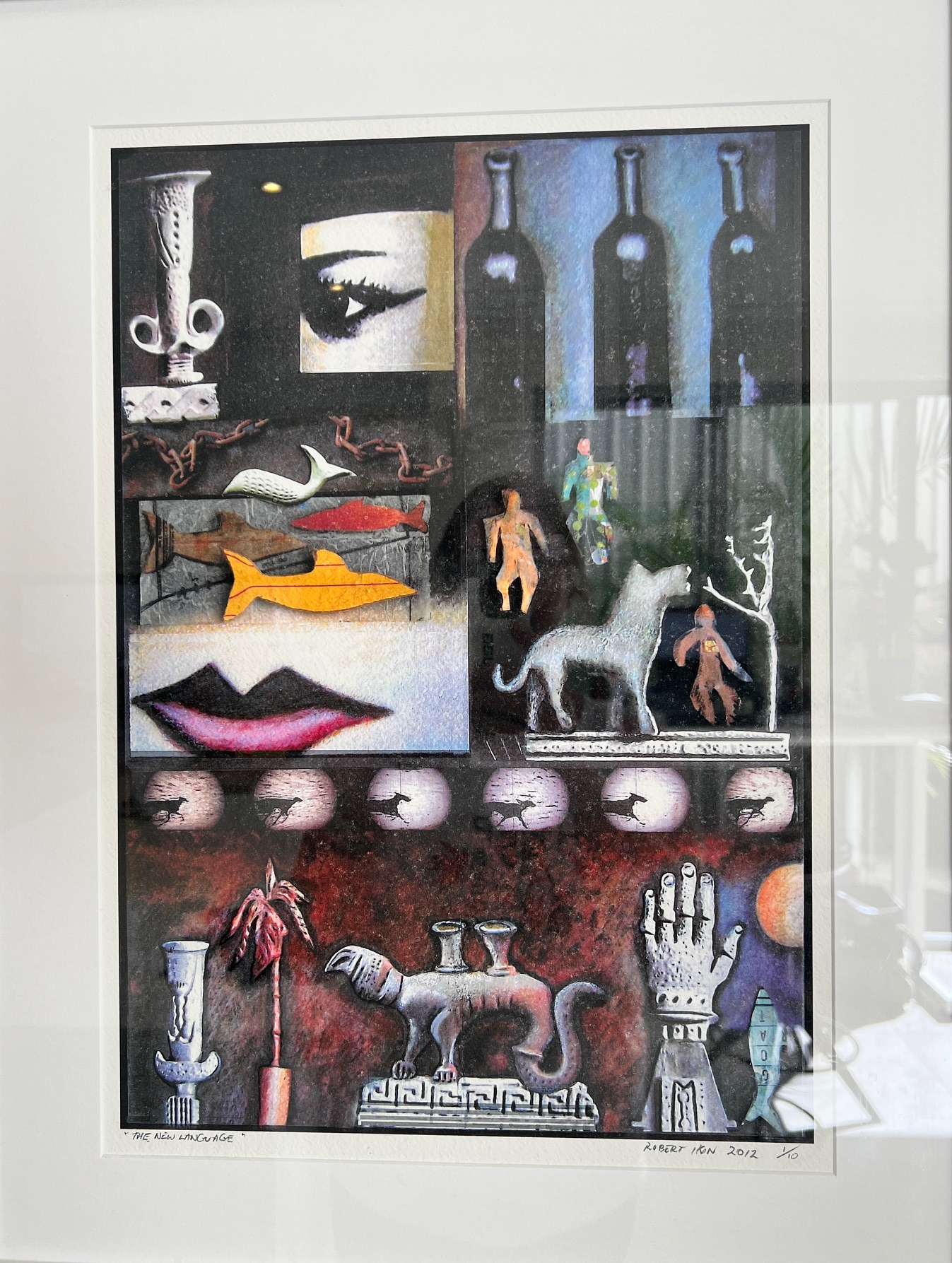
On May 16 2024, the walls at Gallows Art Space at Launceston College will become a temporary home to some of Robert’s newest works with a scattering of the old. He says it’s a retrospective without being a retrospective- spanning years and encompassing a multitude of mediums from ceramics and oil painting to digital images and a mixture of all those things. The show is a non-commercial show which Robert says gives him a lot of freedom to explore and create.
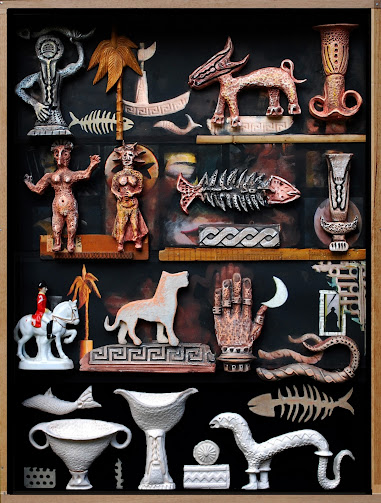
He wants to show the links between old and new. For example, the patterns on some of his old ceramic pots are echoed in the work he is producing today. Pieces from 10 years ago that he created using a lightbox have been brought back to life in new multimedia prints and collages. Small ceramic figures mounted in a display box were recently turned into images on bathroom tiles in a private Launceston home. The same figures have been featured for many years, both as ceramics and images.
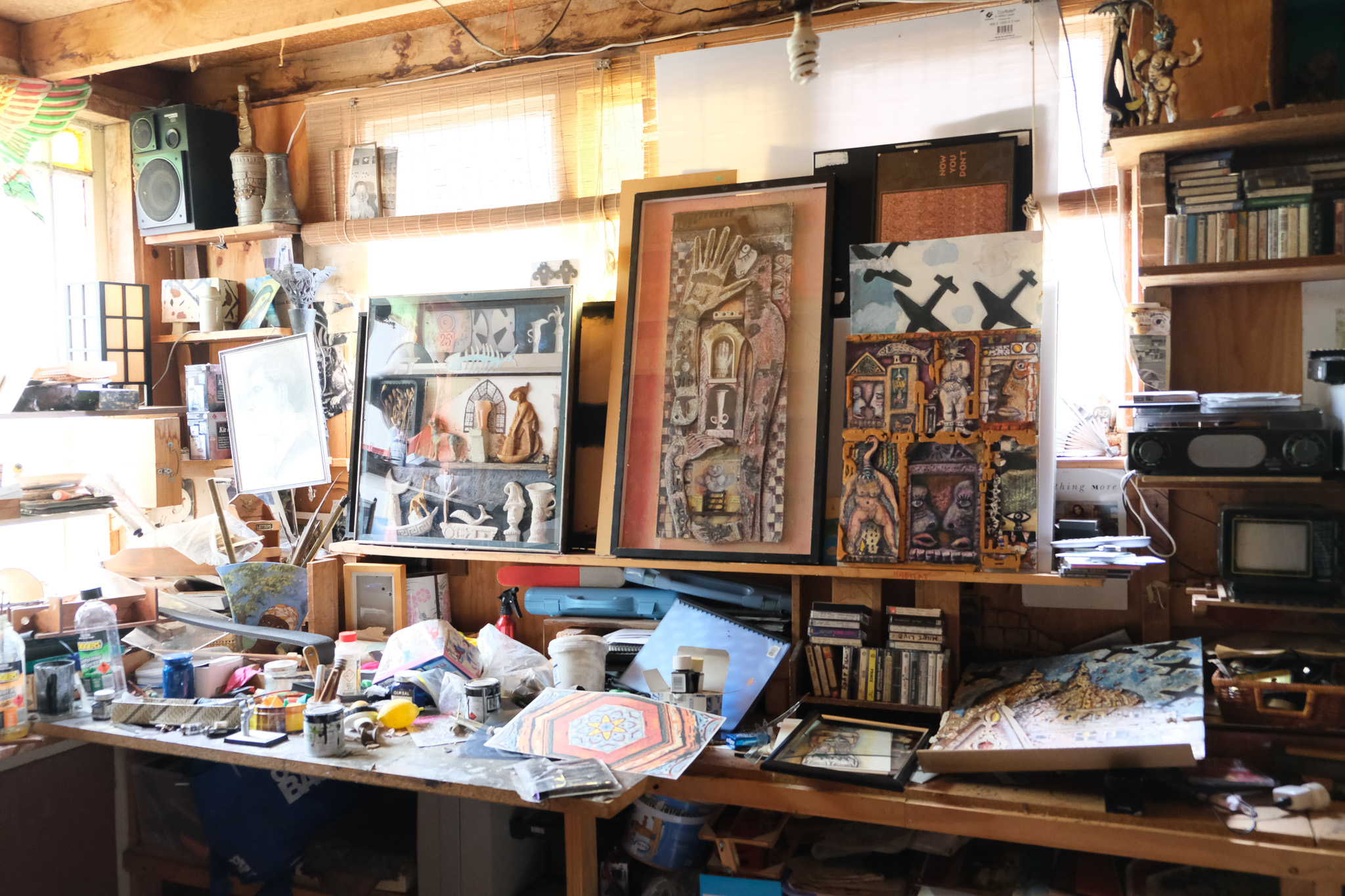
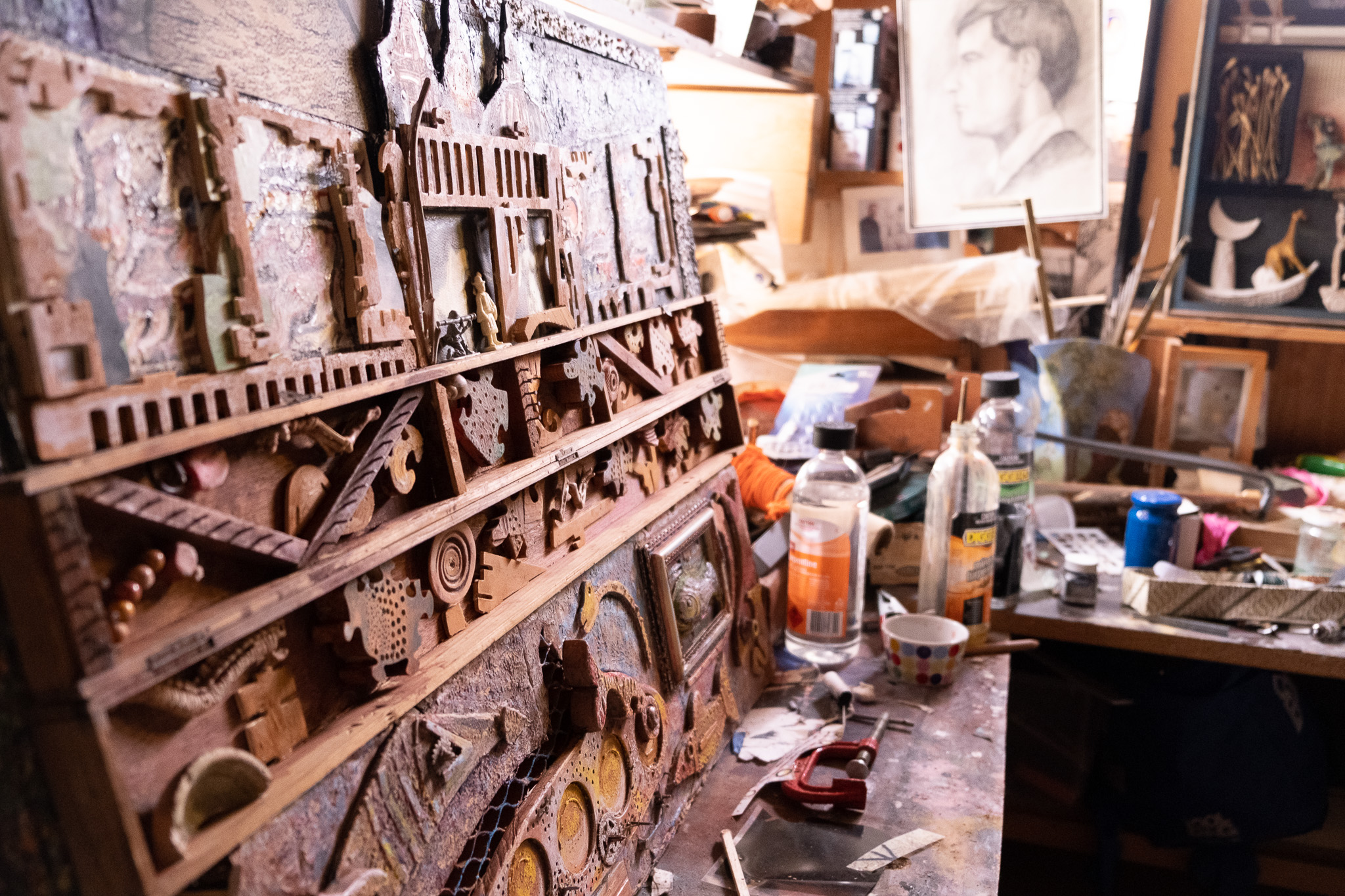
Robert currently works from his studio in the Tasmanian bush, a peaceful retreat from the hustle of city life, even though the closest semblance of ‘city life’ is the sleepy town of Launceston. His studio is a place of seeming disorder and multi-layers of works, finished, part finished and repurposed. It’s only when you spend time that you realise everything has its place in time and is a testament to Robert’s unique perspective and artistic processes.
Robert loves fine-tuning the pieces and eventually containing them in frames and perspex boxes, a process he finds exciting. He collects frames over a long period from second-hand shops, Op shops, and friends. He then personalises each one by stripping them back, extending them to fit the unique 3D quality of his work.
I was privileged to spend a couple of weeks with Dad earlier this year, observing the finishing touches to his latest exhibition. Come to the Gallows Art Space at Launceston College between 16 May and 16 June to see what promises to be the show of a lifetime. The opening will be held on Thursday 16 May 2024.
Heaven is a remote paradise. Ansons Bay is two hours drive from one remote mountain paradise, Myrtle Bank in northeast Tasmania, to the ocean and the Bay of Fires.
Note: I have written about this trip before with more details and links. A link to my previous trip is at the end of this piece.
The Drive
Forest flashes past with green speed. Man ferns (person ferns?) tower over shrubs and shade rocky outcrops from the dappled sun. Moss underfoot (were I walking) so spongey and vital, green and alive. Gradually the landscape changes to become coastal plains. Dust flicks from the wheels of the speeding car and sea mist coats the distant outline of coastal hills, a blanket, slightly damp and salty.
Day One
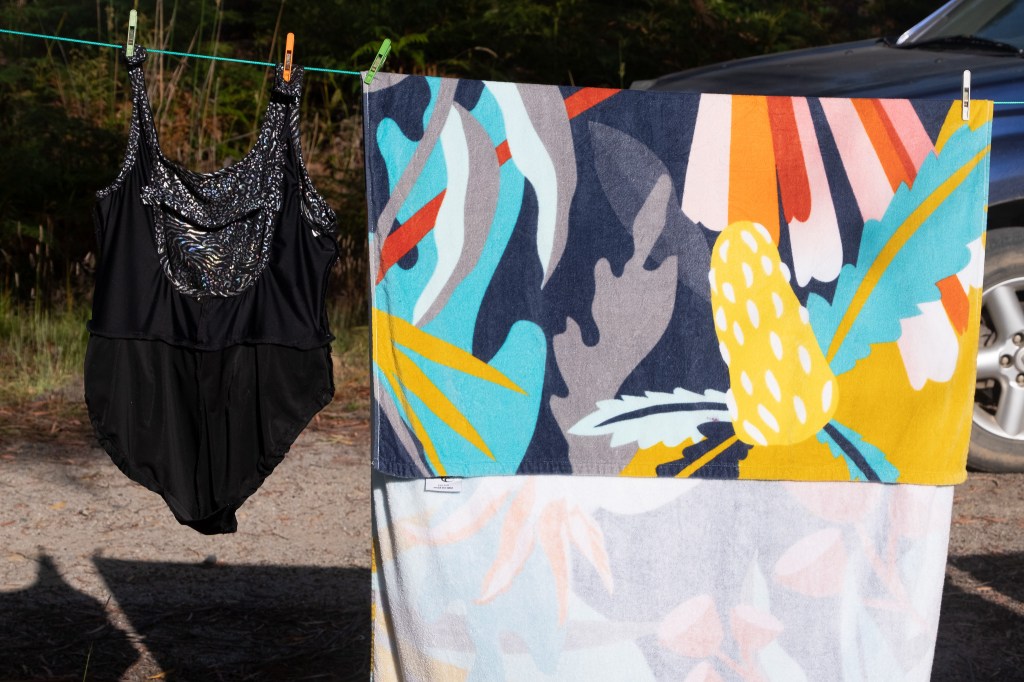
The breeze plays gently with this morning’s swimwear pegged at a jaunty angle on the green plastic clothesline cord. Op shop pegs. The bathers brush provocatively against the towel as rain threatens our previously sunny disposition.
Pending rain and it looks like it will be a laydown on last night’s sandy sheets for a nap, drifting off to the sound of pitter patter on the roof. The birds rejoice. Sandy feet and skin soft from salt water immersion in the sandy shallows at Policeman’s Point followed by a cool rainwater rinse.
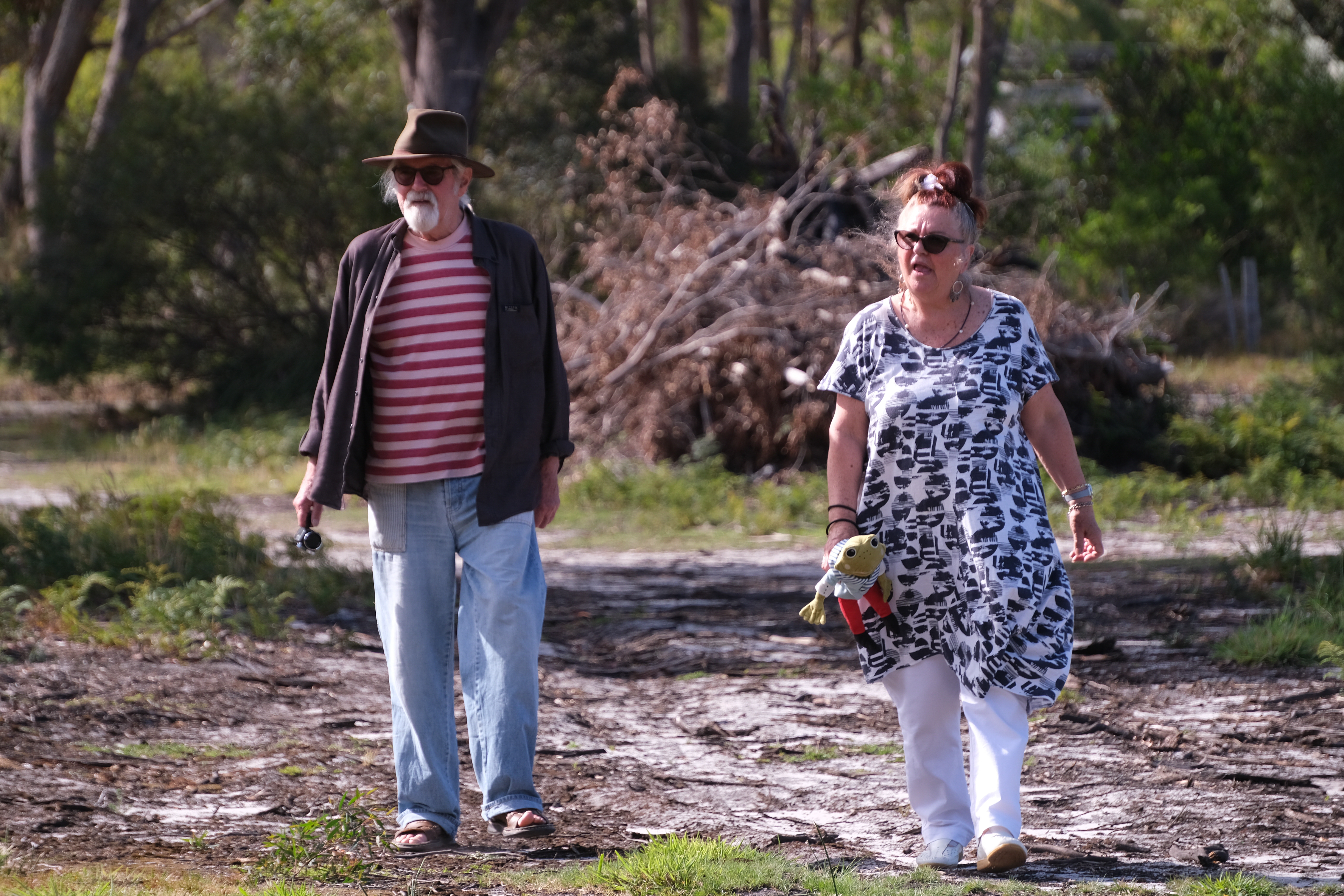
Dad washes the dishes outside on the tank stand before the rain sets in “we won’t have to rinse these!” he says. A car passes on the road with mountainbikes atop ready for action in Australia’s mountain bike capital – the formerly sleepy town of Derby. He pauses his washing and looks up, a single word escaping his lips, “Derby” and returns to his dishes oblivious to other sounds with his earbuds in.
Day Two
Evening drinks in the Caravan seated on unmade beds with sandy feet. A spur of the moment walk down to the shore for exercise and “to blow out the cobwebs”. Children play along the shore, taunting one another with names and actions. They freeze as we approach and say “Hi” selfconsciously.
The sand is soft and the weed underfoot squelches through toes. We leave the shore and walk along the road past houses bunkering down for the evening. Smoke escapes some chimneys despite the warmth of this summer night. A border collie strains on its chain and barks a warning, or is it an invititaion?
A bit further on a tall Bennett’s Wallaby speeds across the road in front of us. We freeze and watch her bounding retreat.
Day Three
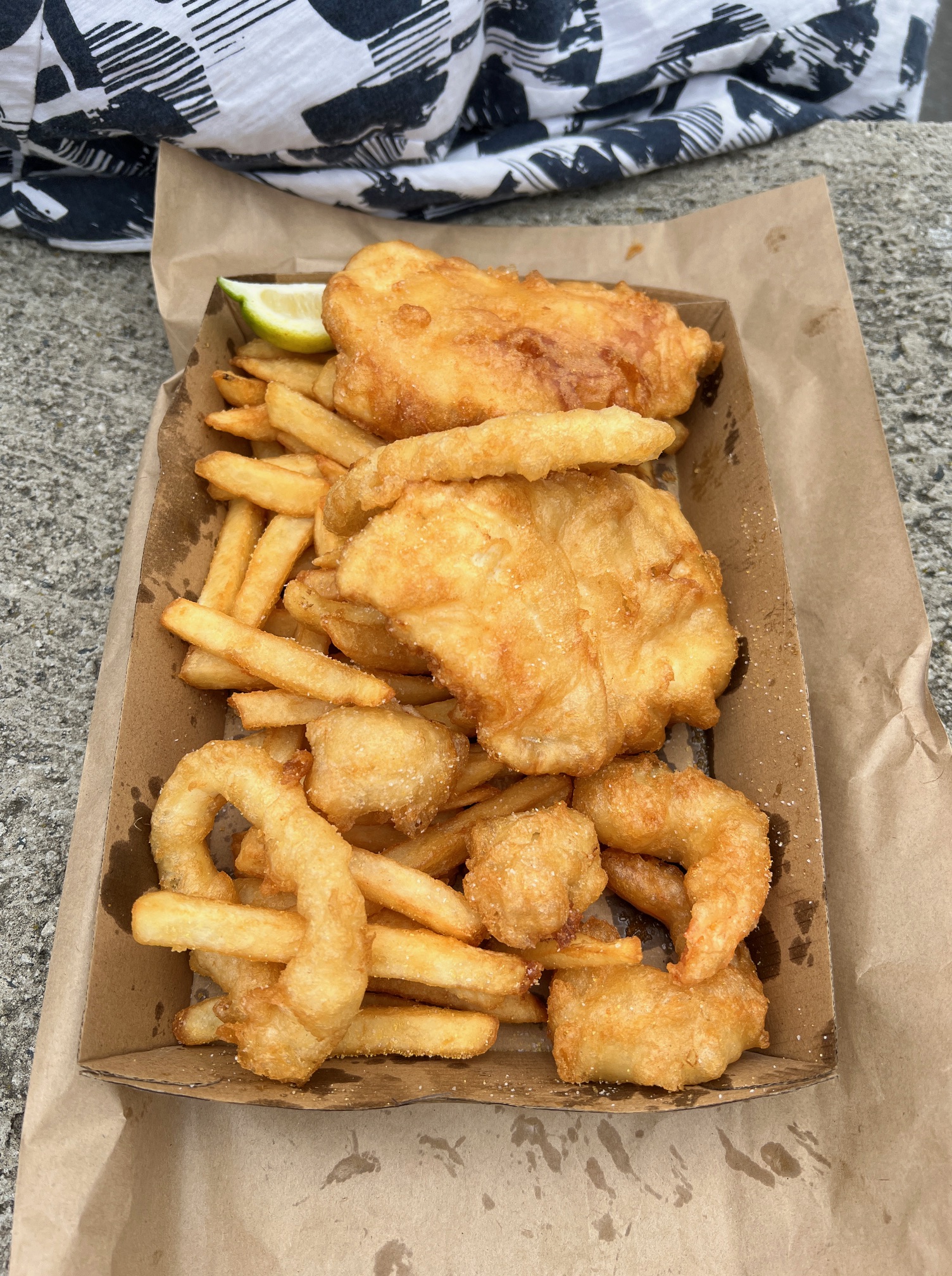
A trip to St Helens for supplies, op shopping and fish and chips. It’s a tradition and a necessity. We get to town in time for date scones and coffee at our favourite cafe, then it’s meandering from op shop to tip shop, to op shop again. We fill the back of the car with our treasures – clothes, bric a brac, books and jewellery.
By lunch time we are ready for fish and chips on the wharf. Families wait on the jetty while the delicious smell of fresh fish wafts across the water. Young children with fishing lines cast hopefully into the bay.
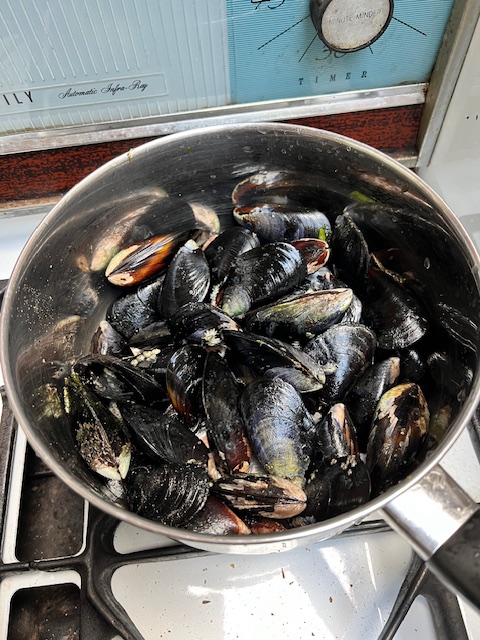
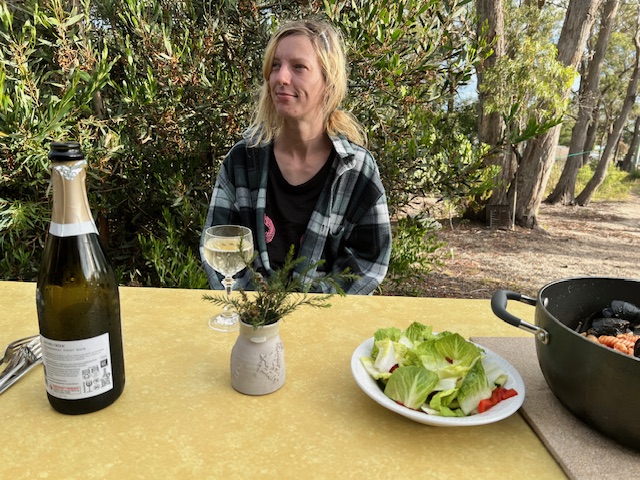
Back to Ansons Bay for a siesta and plans for mussell foraging in the shallows, later that evening.
Day Four
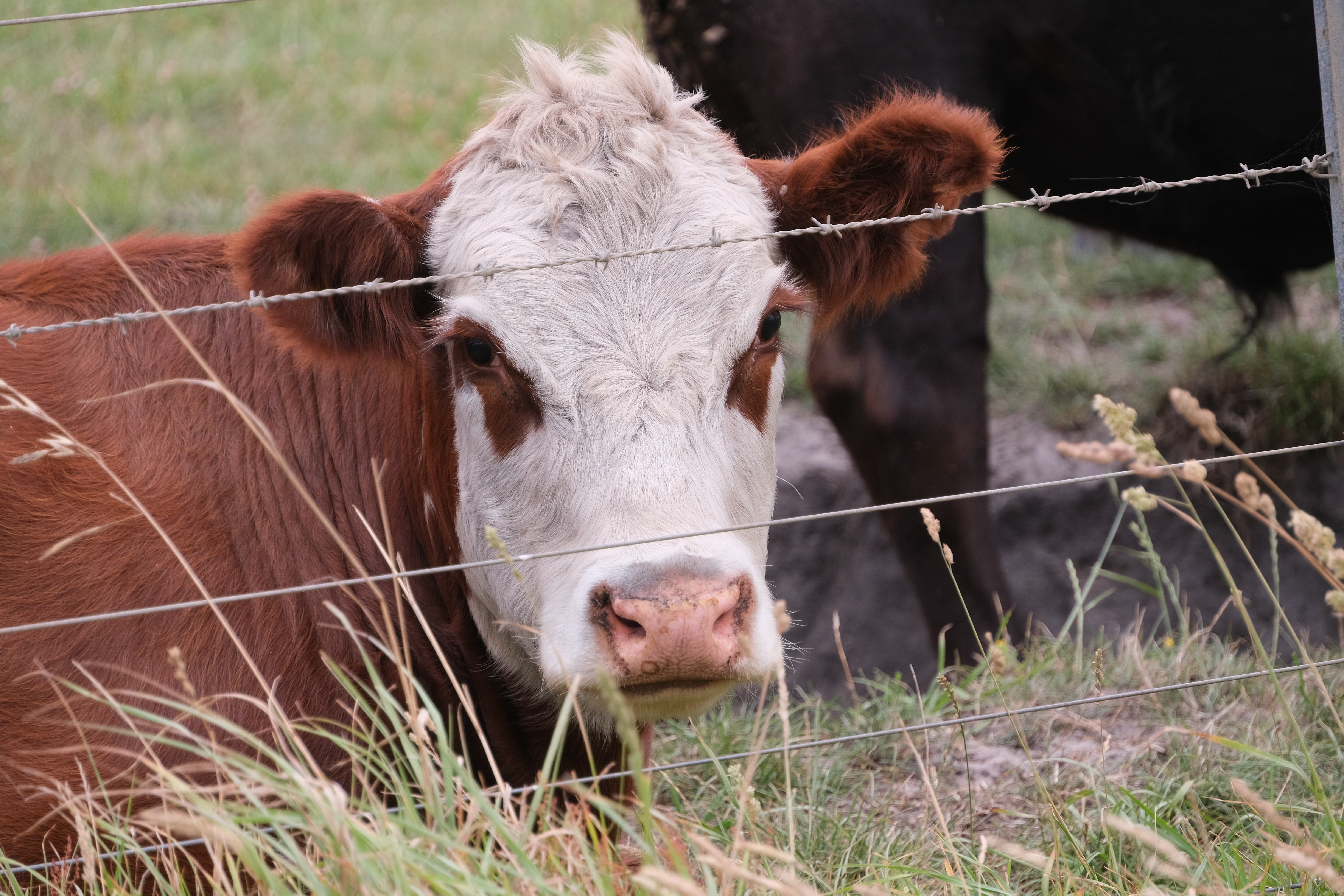
It’s all sunshine and blue sky on the bay. A great day for a paddle? Feelers have already been put out for a kayak to borrow, but no reply, so a trip to the beach it is. We always stop and chat to the cows.
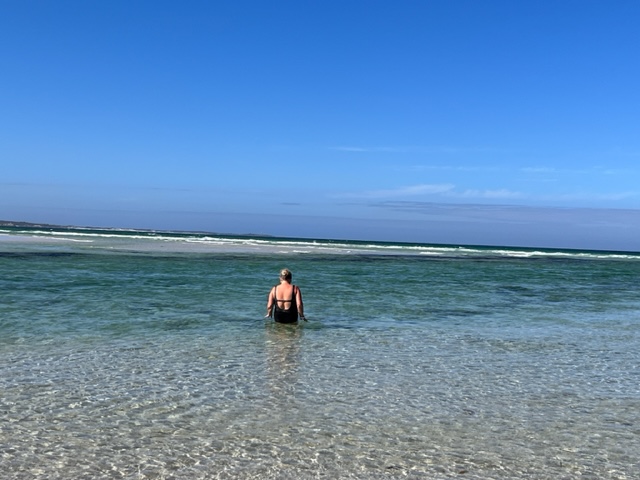
A final swim at Policeman’s Point where the tide is out. The blues astonish with their depth of field, water of varying depths and colours. The tide is receding fast – there is only time for a quick dip and out. We finish with a walk along the beach before going back to pack up camp to head for home.
Fold up beds, clear out perishables, leave no crumbs for the ants, turn off the gas, the water and lock all the doors. Packing is frantic and some get left behind. But is there another way?
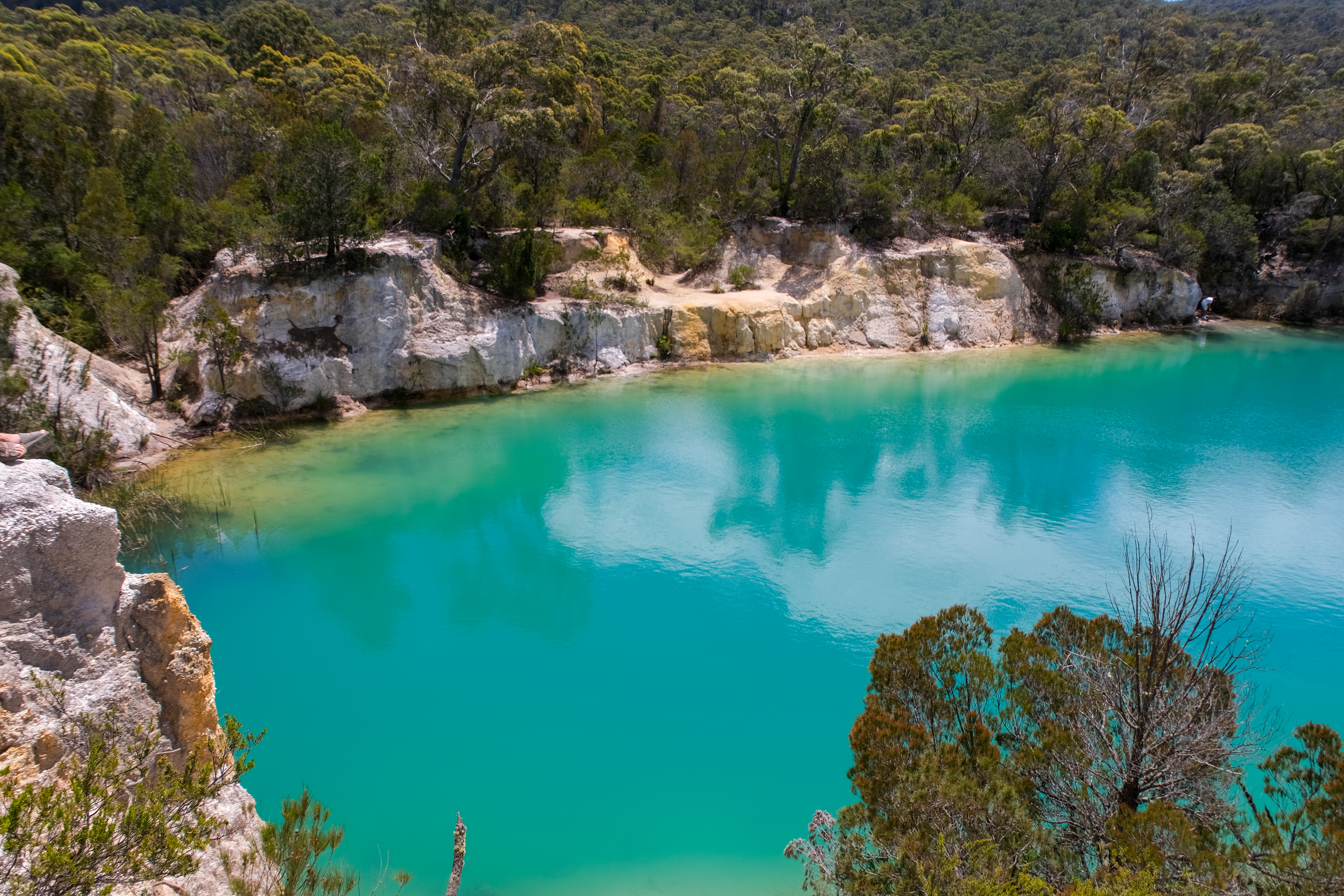
On our way home we stop to check out the Little Blue Lake just out of Gladstone. Astounding colours that could only be created by a disruption to the environment – an old mining site.
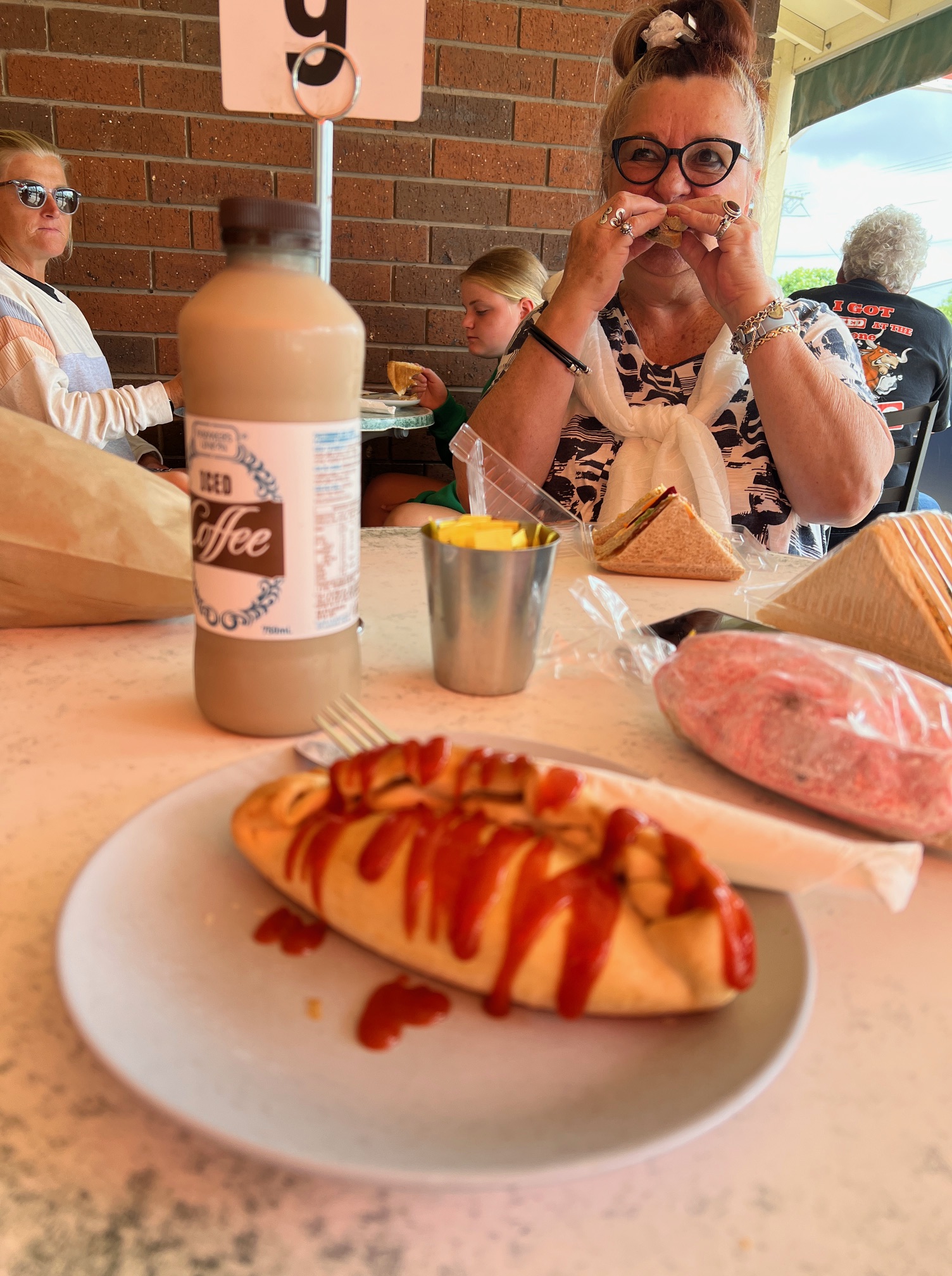
The trip back to Myrtle Bank is the reverse with a stop in to Scottsdale for pies and pasties, sneaky lamingtons washed down with Farmer’s Union Coffee on sidewalk tables. A chat with some locals – lean in for some town gossip, familiar and warm.
Groceries purchased, and a final browse of the local op shops, we pass the remainder of the trip uneventfully. Happy to get back to showers and comfy chairs. Back to mountain paradise! Check out another trip to this part of the world here.
Part 3 of “All in a day” takes me and two good friends to see the highs and more highs of Hobart town!
Hobart – the highs and the higher
January 2023
Travel companions: three enthusiastic Australians from the west
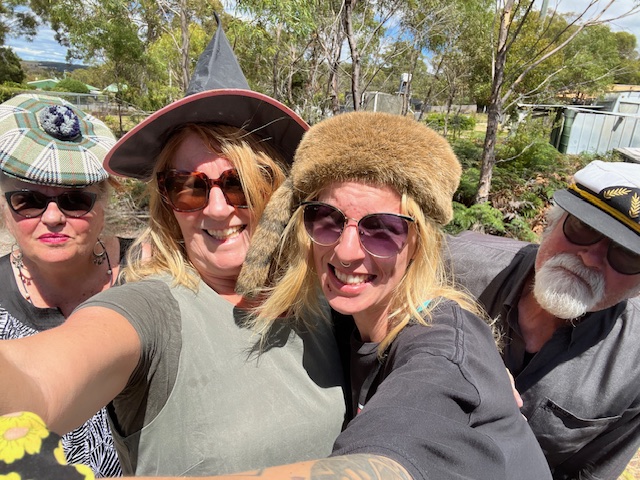
Our first morning in Hobart, Tasmania started like most days during our Tassie travels. Coffee and breakfast were on the agenda. We arrived in Hobart the previous day – all of us had met at MoMA (Museum of Modern Art) and ended our day with drinks at the Shamrock before sending Elaine on her way to help prepare for a wedding.
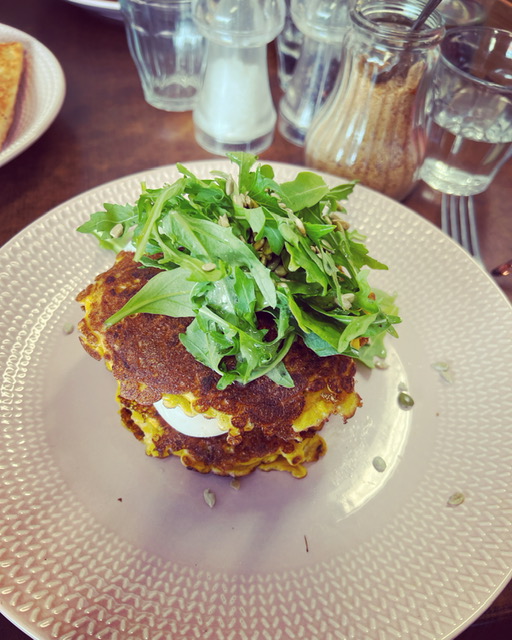
The previous morning, Leanne had enjoyed a delicious breakfast at the café down the road from our digs, Straight up. A vegetarian café with a delightful selection of vegetarian and vegan options and great coffee.
We were heading up the mountain that looms over Hobart town, kunanyi (Mt Wellington), that morning, so we headed to Straight Up for breakfast which was incredible. Some takeaway donuts were purchased for snacks should we get hungry during our mountain adventure!
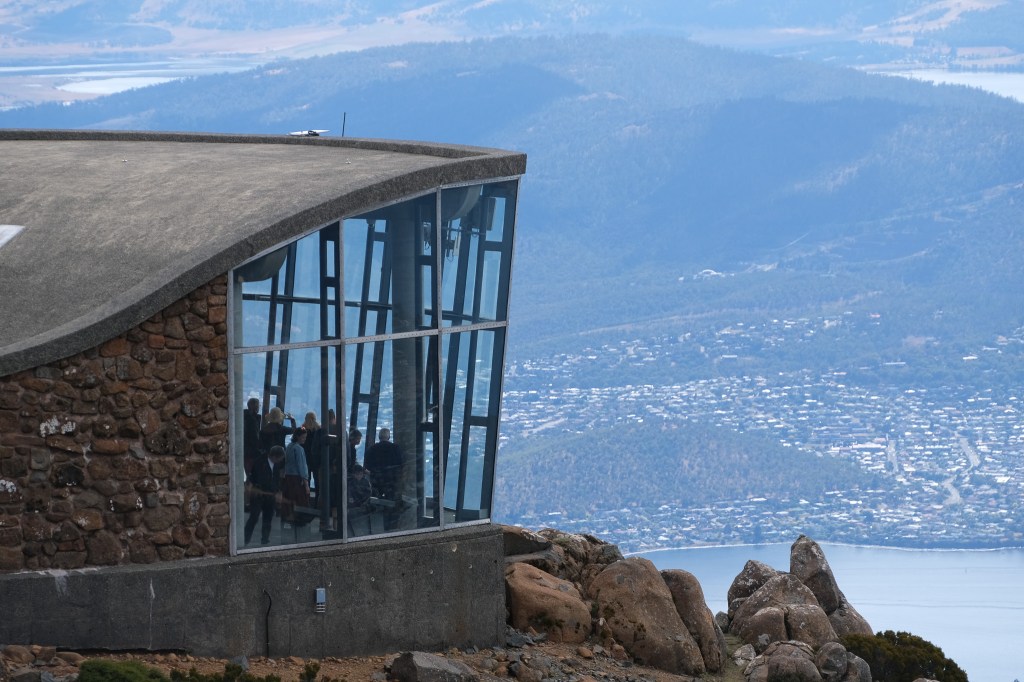
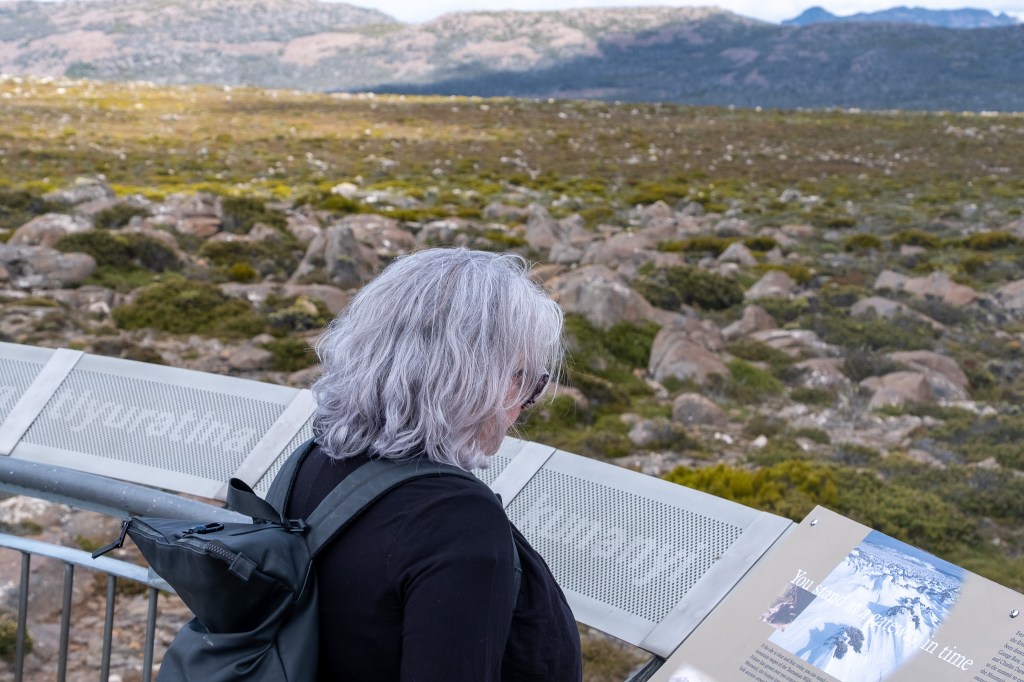
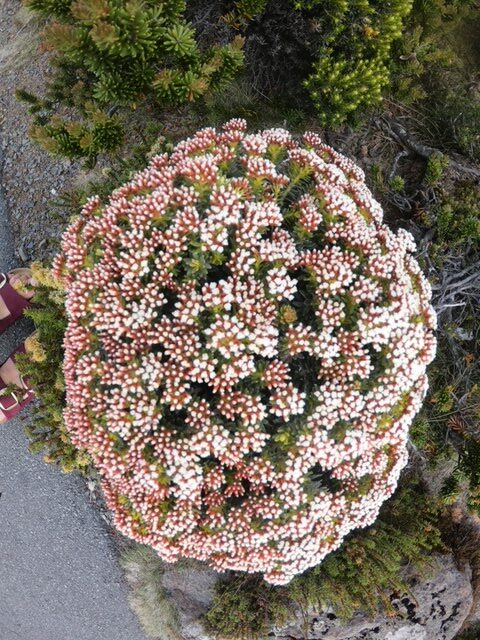
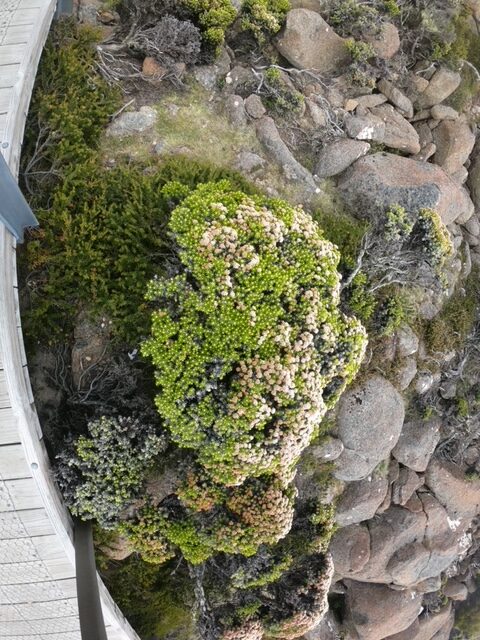
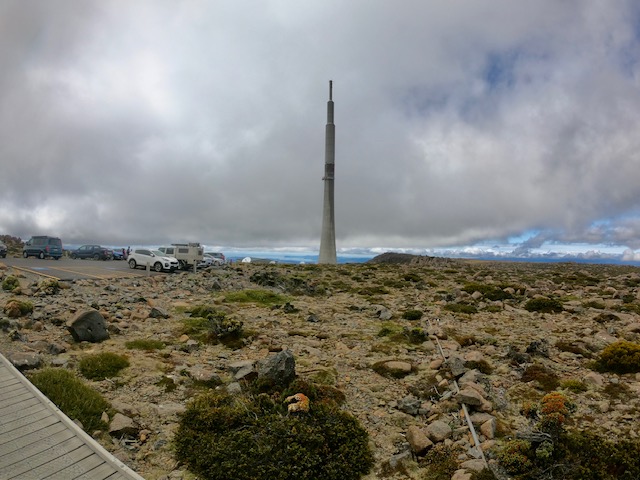
Kunanyi and its foothills are the traditional lands of the Muwinina people. It is situated on an 18,011-ha reserve on the doorstep of nipaluna, lutruwita. The mountain is 1270m high and features some fantastic dolerite rock formations and a range of alpine vegetation. Kunanyi has a range of walks and hikes suited to climbers of all experience levels. The truly fit (or truly crazy) cycle to the top and enjoy a downhill run.
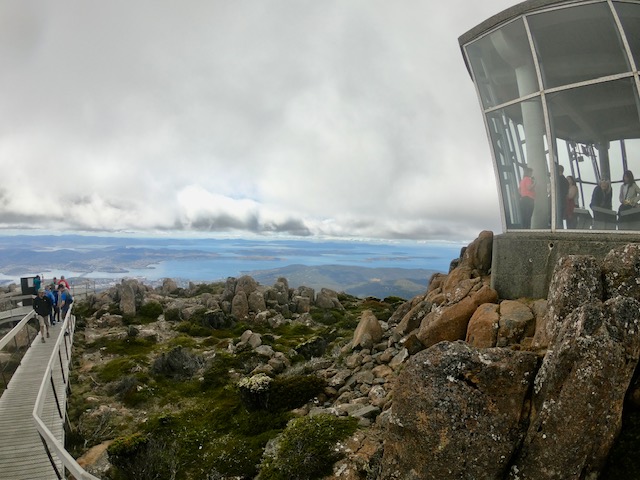
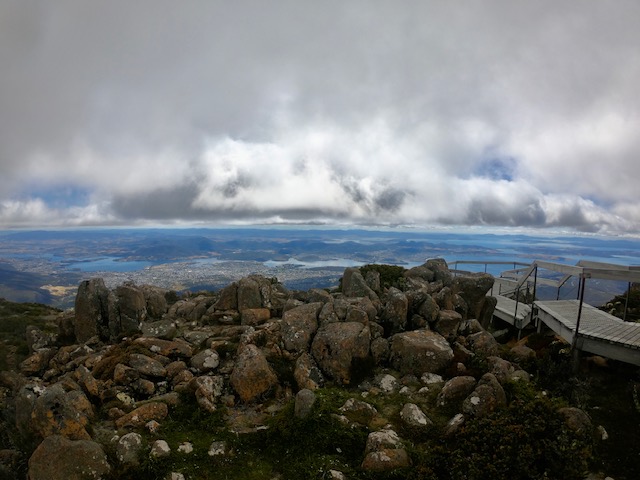
We drove our car up. The mountain is very close to Hobart city centre, and it took us about 45 minutes to reach the top. We were treated with a clear view and completely still conditions. The last time I had summited Wellington, I was making snow angels, and it was the middle of winter. The locals say it is a mountain of many moods.
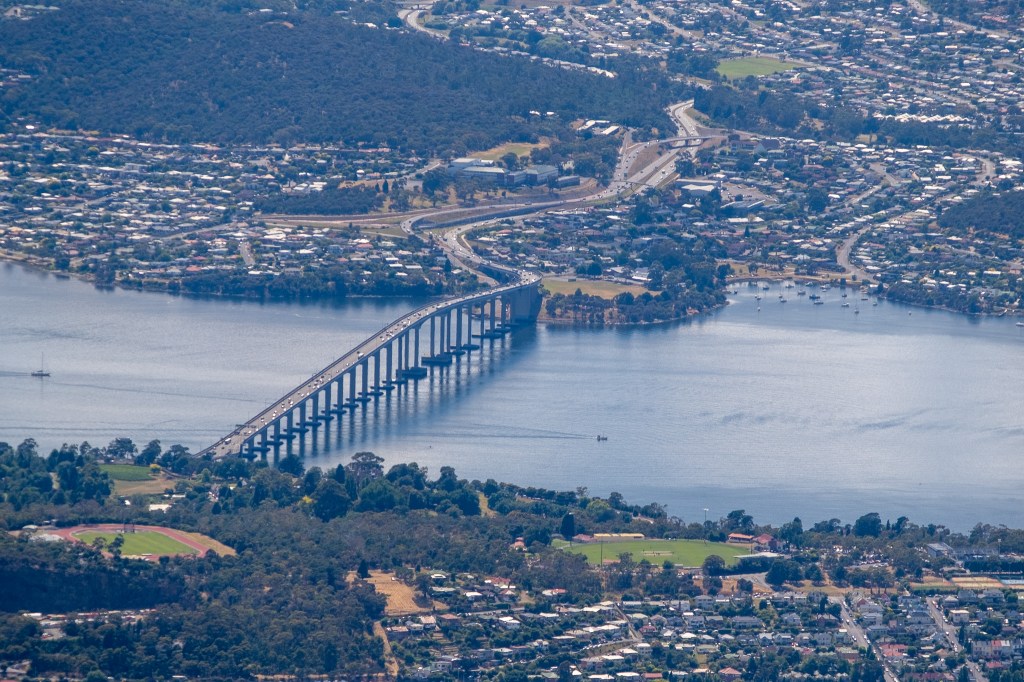
The infamous Tasman Bridge from the mountain
We took advantage of the ideal conditions, explored the boardwalks, and ventured part-way down the zig-zag trail to get some photos. Tourists in their droves took selfies and group photos from every vantage point. The quiet side of the mountain where the Zig Zag trail starts was the most peaceful part.
Up the mountain – Kunanyi
Photos snapped and views admired; we decided that a swim was in order (as you do when in Tassie and the temperature is over 23 degrees). We chose the shores of Sandy Bay under the shadow of Wrest Point Casino, Australia’s first casino. Sandy Bay is a well-to-do suburb in Hobart, not far from the city centre, with beautiful beaches on the banks of the Derwent River.
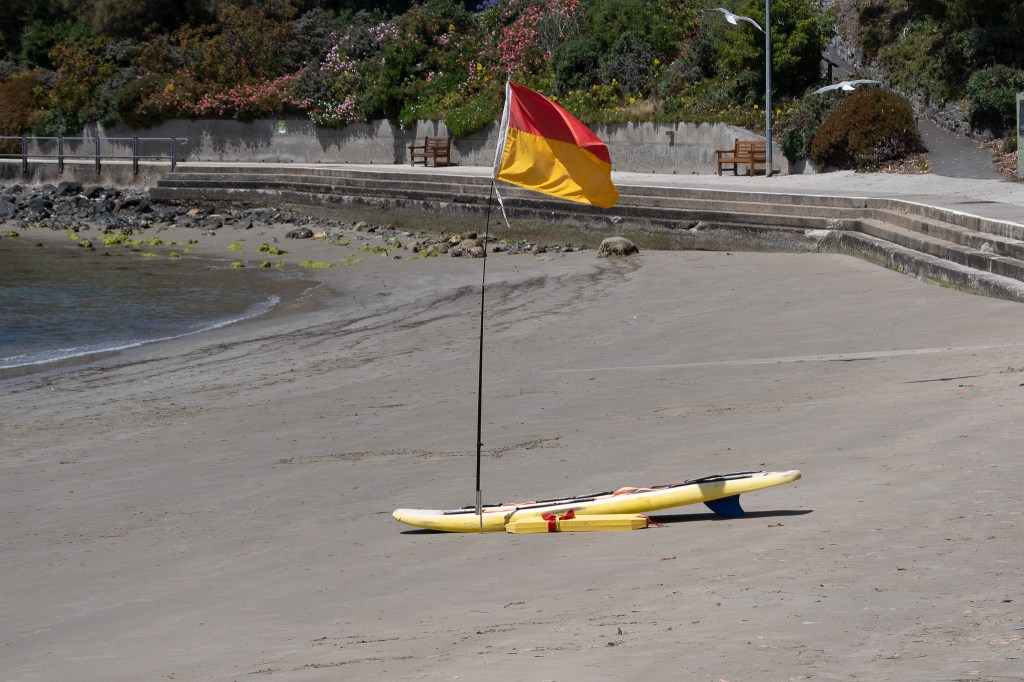
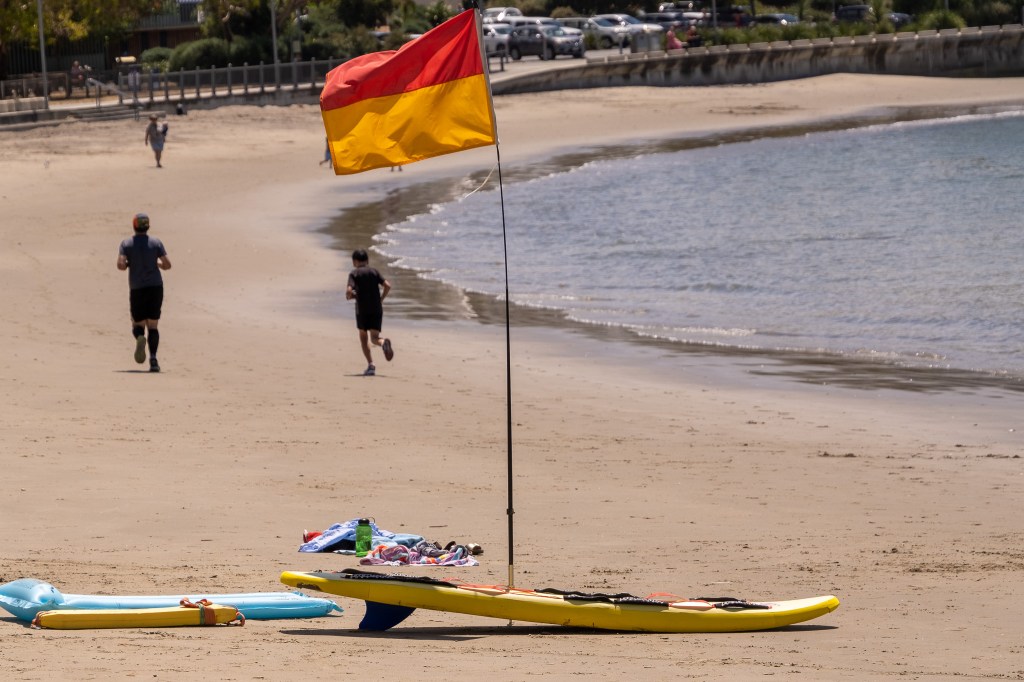
Hardly the spot for nasty rips or dumpers but it was nice to know we were safe!
The surf lifesavers were set up on the beach, and the sun was shining, so we changed and plunged into the cool waters of the bay. Nice once you were in! The water was clear, and the bottom sandy like its namesake.
We devoured the delicious donuts from Straight Up. They were amazing, filled with chocolate, jam, and custard, and coated in sugar. Then, sand and sugar-coated, we showered in the freshwater showers, got dressed, and went to find a supermarket for our supplies back at the hostel were running low.
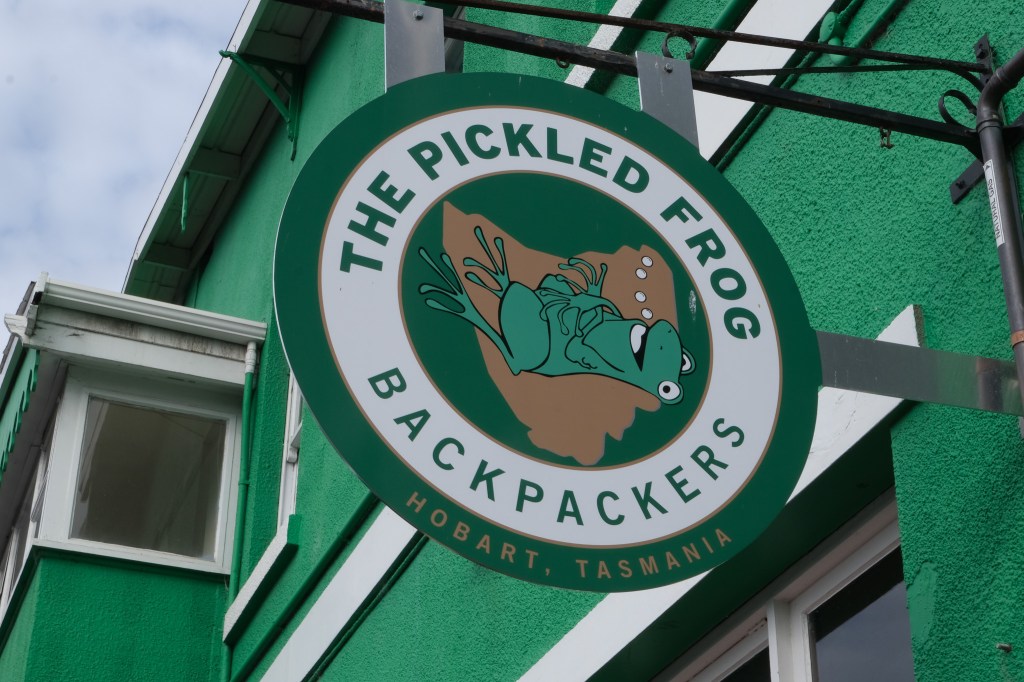
It’s a good time to talk about our digs. We decided to stay at the Pickled Frog, a backpackers in Liverpool Street. Leanne had booked the deluxe apartment, “Frog Apartment,” with her own kitchen, bathroom, and a chandelier! Wendy and I went for the shared room with the general hoi polloi. I am no stranger to backpacker accommodation, so I expected lots of young people and possible loud noise, which is pretty much what it was. However, it was okay for a few days and had us situated in the middle of Hobart, close to the restaurants and a walk from Salamanca Place.
Sleep was broken with comings and goings all hours of the night and day and alarms going off super early for those who lived and worked in Hobart. However, it was reasonably priced, and the people running the hostel were super friendly and helpful. I will also say, I am no stranger to broken sleep and noisy nights being a frequenter of music festivals – but maybe my youth hostel days are over?
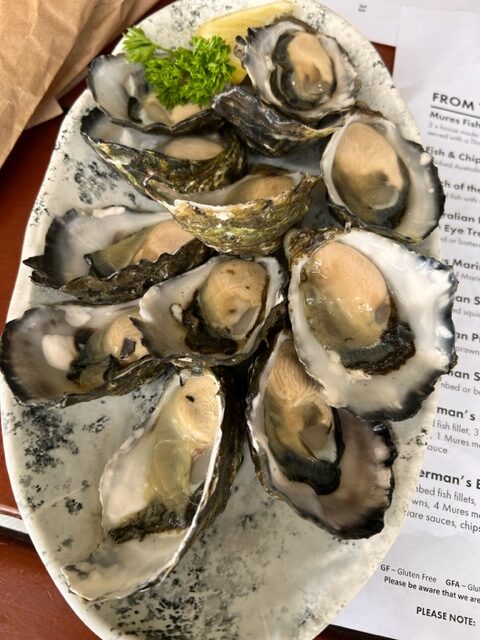
We returned to the hostel for a rest before the evening plans for eating oysters and taking in the docks commenced. The previous night had been spent at a delicious Greek Restaurant, Mezethes Greek Taverna, in Salamanca Place. The staff really went out of their way to make us comfortable and welcome. The food was deluxe, and we started with a small portion of oysters.
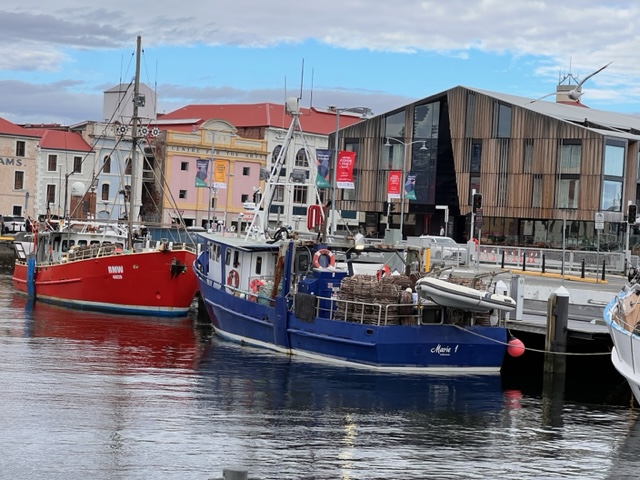
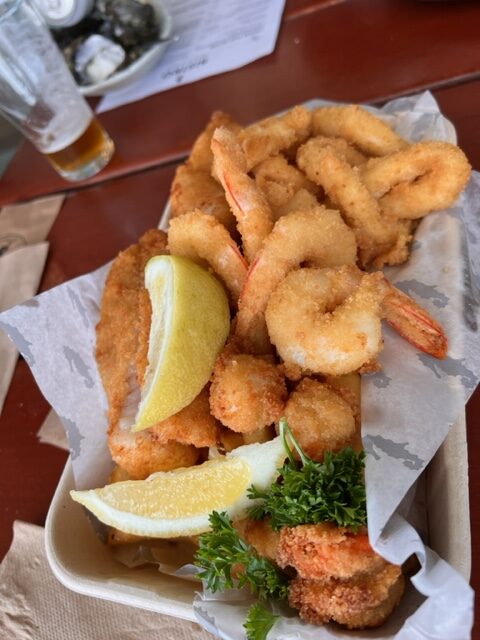
So we decided that more oysters were in order – Mures on the docks was my choice for a seafood feast. The multi-award-winning Mures is a Tasmanian institution. The Mures have served quality fish for over 45 years from various locations around Hobart.
The seafood did not disappoint. We washed down fresh oysters with Tasmanian beer and feasted on a shared seafood basket. The downstairs part of Mures, where we dined, is very casual, and the food is more suited to families and big gatherings. Whereas upstairs, the posh part of Mures serves seafood but in a more refined manner. We finished our massive meal with huge scoops of ice cream from the ice creamery inside the restaurant.
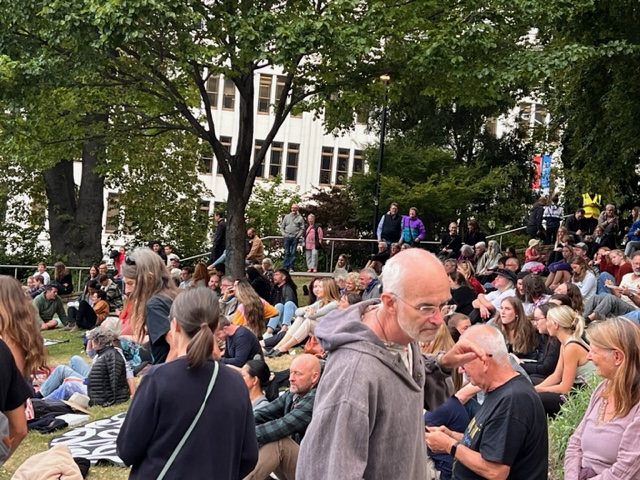
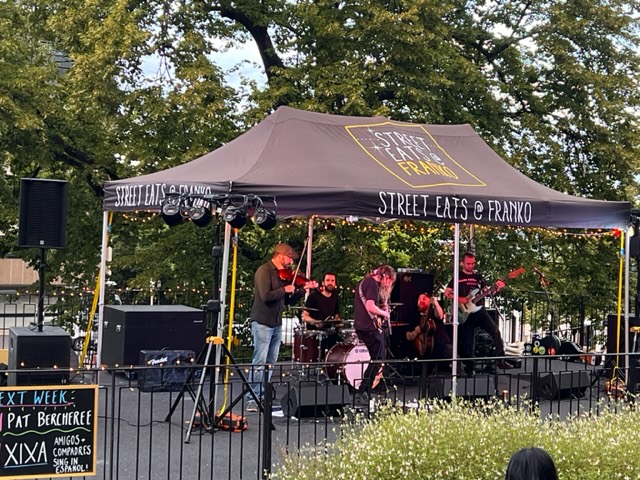
With hunger sated (or over-sated), we started our stroll back to the hostel, only to discover a shindig in progress in the local park. An Irish-style folk band had the crowd dancing and clapping – Craicpot was their name, and Irish jigs were their game. After eating and drinking so much, a wee dance was just what we needed, so we stayed and jigged and clapped until the band finished their set.
The park was crowded with locals and visitors eating food from food trucks and enjoying a family picnic on the lawn. It was the perfect ending to a day with us up mountains, swimming in the waters, and eating ourselves silly. Finally, we headed for bed (and hopefully sleep!) to ready ourselves for a visit to Salamanca Markets in the morning. Goodnight Hobart!
What’s the skinny?
Hobart is the capital city of Tasmania
Hobart is a port City with a rich maritime history.
Salamanca Market is held every Saturday morning on the docks – well worth a visit.
Mures Seafood are stalwarts of the Hobart restaurant scene – fish, chips and oysters washed down with a cold beer is a must! Or you can go fancy and dine in the upper deck section (same fish but fancier)
Mt Wellington/ kunanyi looms over Hobart (1270 m) and is worth a visit any time of the year. Snow in winter if the road is open, and amazing vistas in Summer.
The Tasman Bridge is a magnificent bridge – cross it at least once!
MoMA is a must – you can catch a ferry across from the docks or drive and Park. David Walsh’s collection is ever changing and will have you questioning everything.
Week 2 – All in a day 2023 – a roadtrip to the east coast of Tasmania
Tassie Roadtrip – Northeast to Ansons Bay January 2023
Travel companions: two enthusiastic travellers from the West
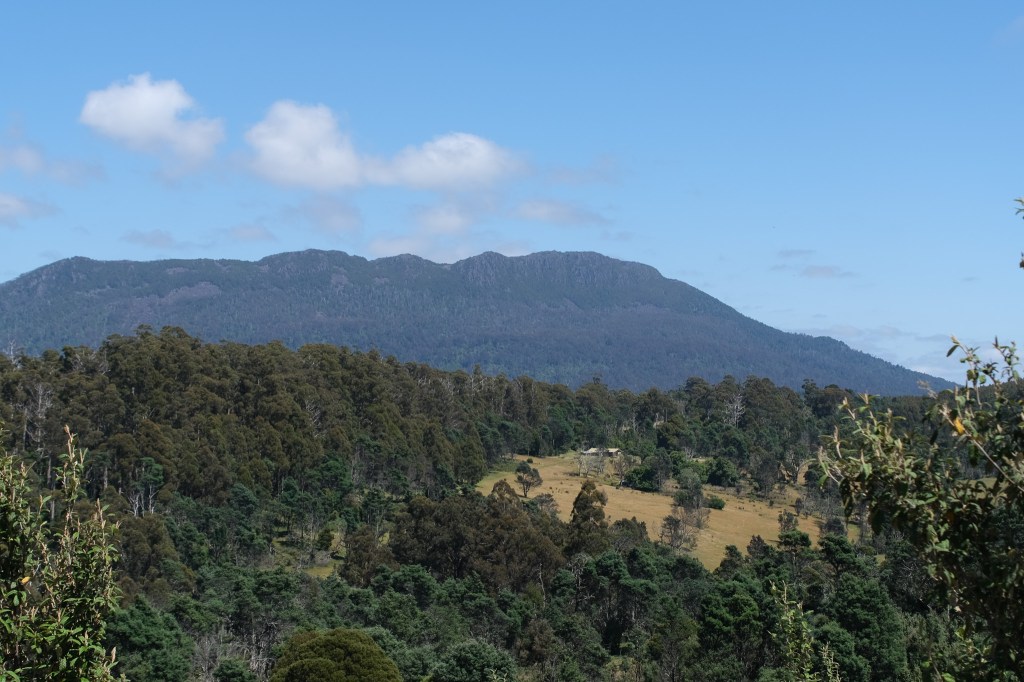
With Mt Barrow looming, we left Myrtle Bank in the Northeast of Tasmania/lutruwita for the East Coast – Tasmania’s Bay of Fires. A convoy of two. Three adventurous women from Western Australia!
Ansons Bay, remote paradise (as the entrance sign declares) is on the Northeast coast of Tasmania. The Bay of Fires, situated on the land of the Palawa people, was described as such by the early explorers when they arrived on Tasmania’s shores to see fires burning. The eye-catching orange lichen that covers the coastal rocks in this part of the world contrasts directly with the wild blue seas and green coastal scrub.
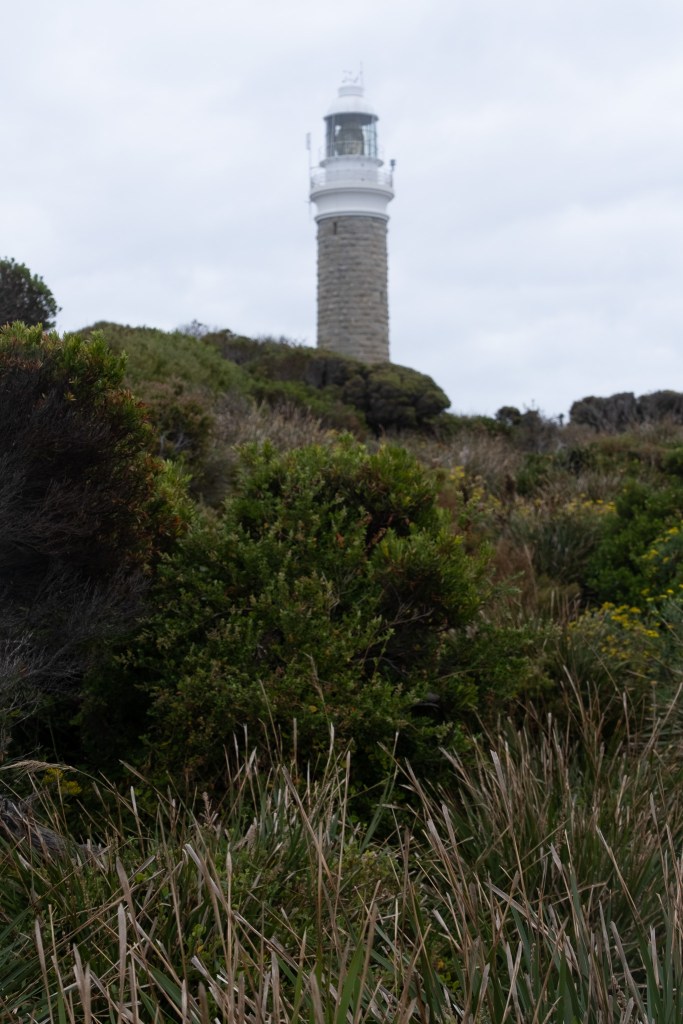
Eddystone Point Lighthouse/lutruwita is the closest sentinel that keeps ships from the treacherous rocks of the area. The lighthouse is just inside Mt. William National Park and is accessible by a gravel road.
Our first stop was Scottsdale – around 40 kilometres from Myrtle Bank. Scottsdale is the small town where I went to high school, spent weekends with my best mate, and got up to all sorts of mischief—being an “out of towner,” I more often than not spent entire weekends in Scottsdale.
A stop in Scottsdale always entails a curly pasty at the Scottsdale Bakery, a browse in the op shops, and shopping for stores at Woollies. So, our op shop haul packed in the back, ice in the esky, food shopping done, and wine and beer purchased, we set off towards Derby, the mountain bike capital of Tasmania.
Derby was an ex-tin mining town with no future and cheap real estate before it became the darling of the Mountain Bike scene. Tasmania now boasts world-class mountain bike tracks, and people come from all over the world to travel the trails. It was here we used to go in the 80s to watch or compete in the Derby River derby – homemade craft set sail in the freezing waters over a weekend where Derby came to life for a moment only to go back into hibernation for the remaining 360 days of the year.
We stopped here for firewood and to call the Tasmanian Fire Department to get permission to light a fire on the block. The town of Derby was buzzing with bikes and people. A block in Derby that could be bought for next to nothing a decade or more ago now sells for six figures.
Gladstone, the last petrol station/shop/hotel before Ansons, was advertising a music festival that looked like it was heavy metal inclined for the coming Saturday night. A mutual agreement to bypass this particular musical offering was made without any discussion required.
The drive from Gladstone to Ansons Bay is via a gravel road and passes through some lush farming country where fresh-cut hay assaults the senses. The occasional copse of bush punctuates the trip. We had our eyes peeled for wombats and echidnas and were sad to observe roadkill that included wombats and Tasmanian Devils.
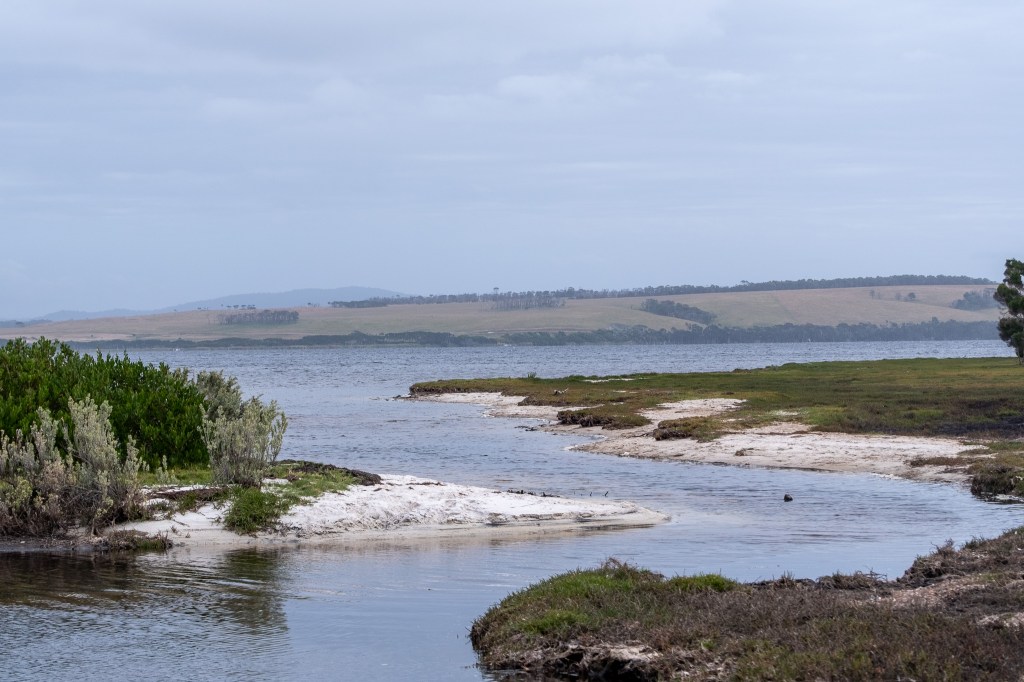
After around 30 minutes, we crested the hill and entered Ansons Bay. The view of the inlet and ocean beyond always takes my breath away. The inlet on this day was dark blue, and the ocean aqua – remote paradise indeed!
My block is a bush block sitting on the hill overlooking the bay, a mere 100 metres from the bay. Once the gate had been wrestled with, and we had given the caravan and shed annex a quick once over with the broom, we unpacked food, clothing, knitting, notebooks, novels, cameras, and games.
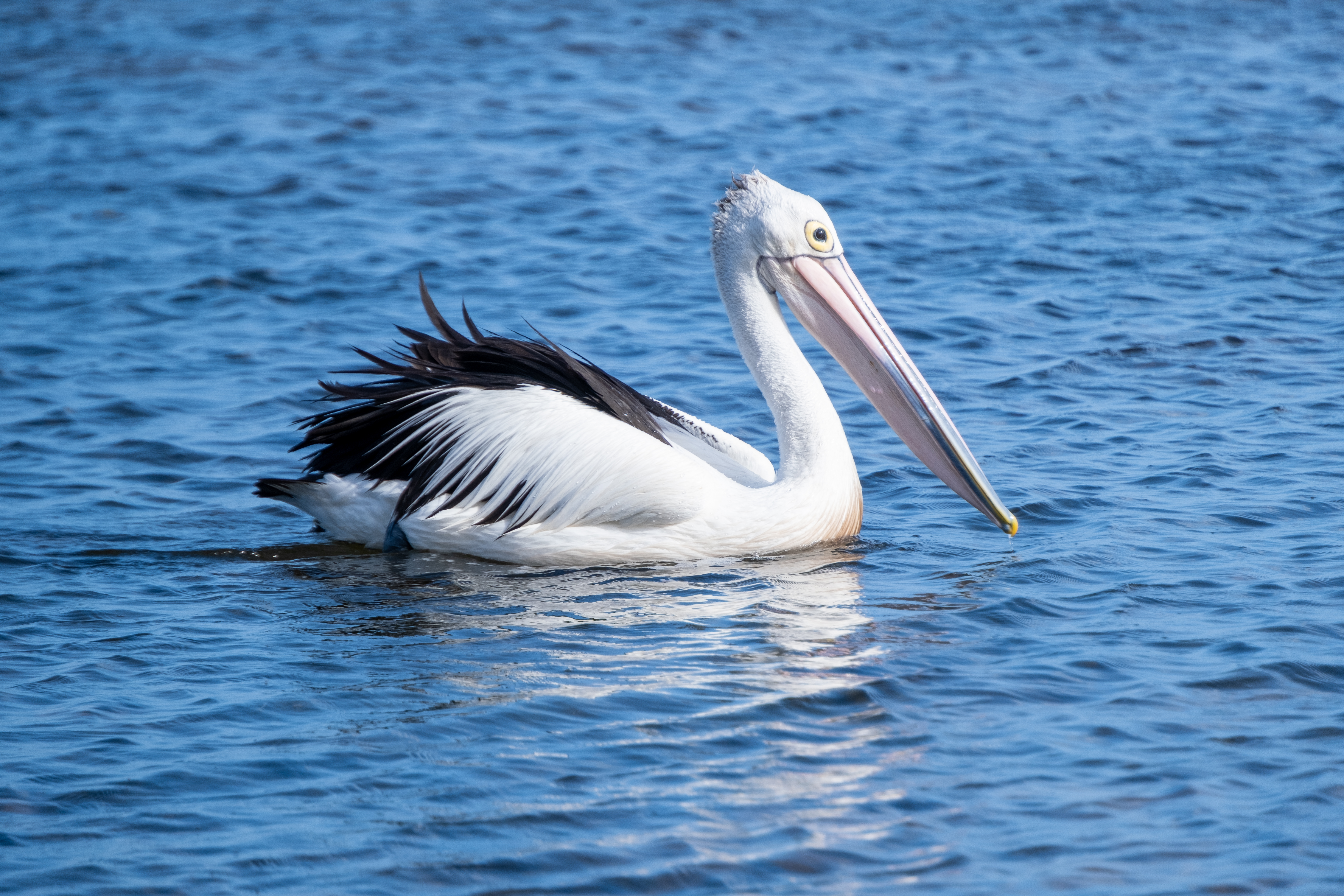
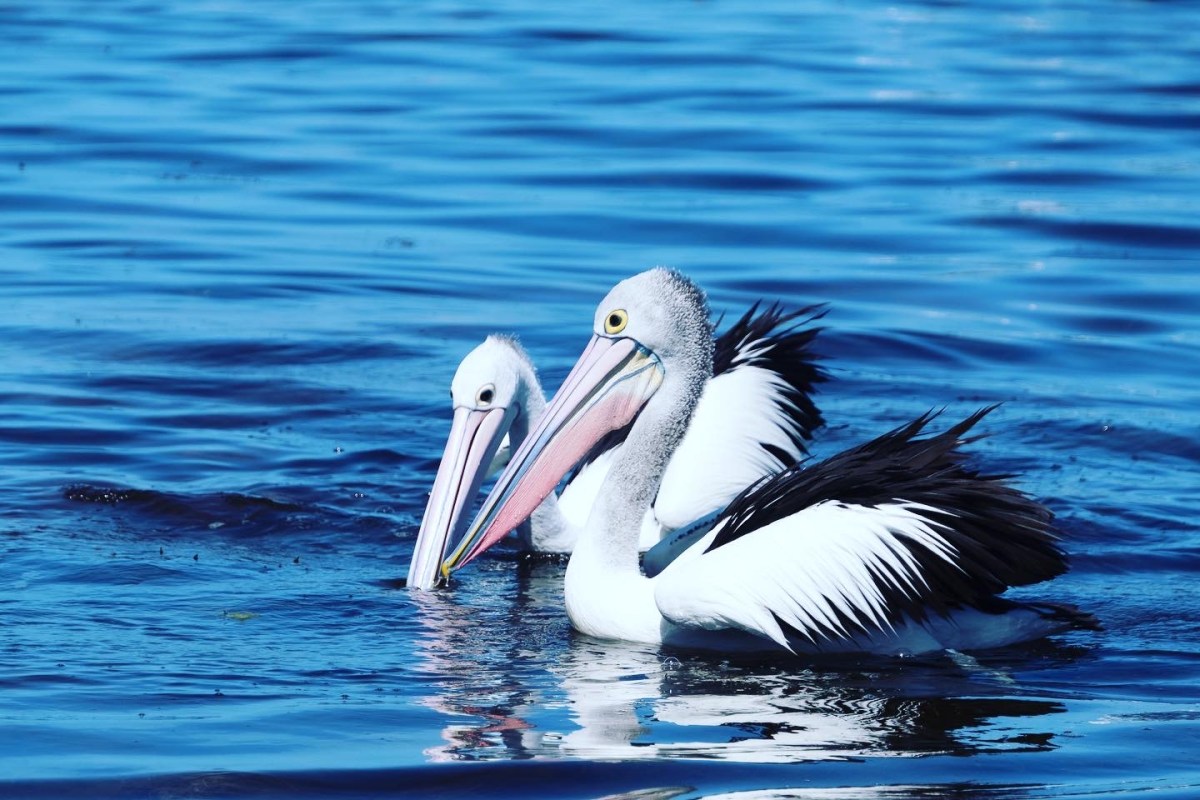
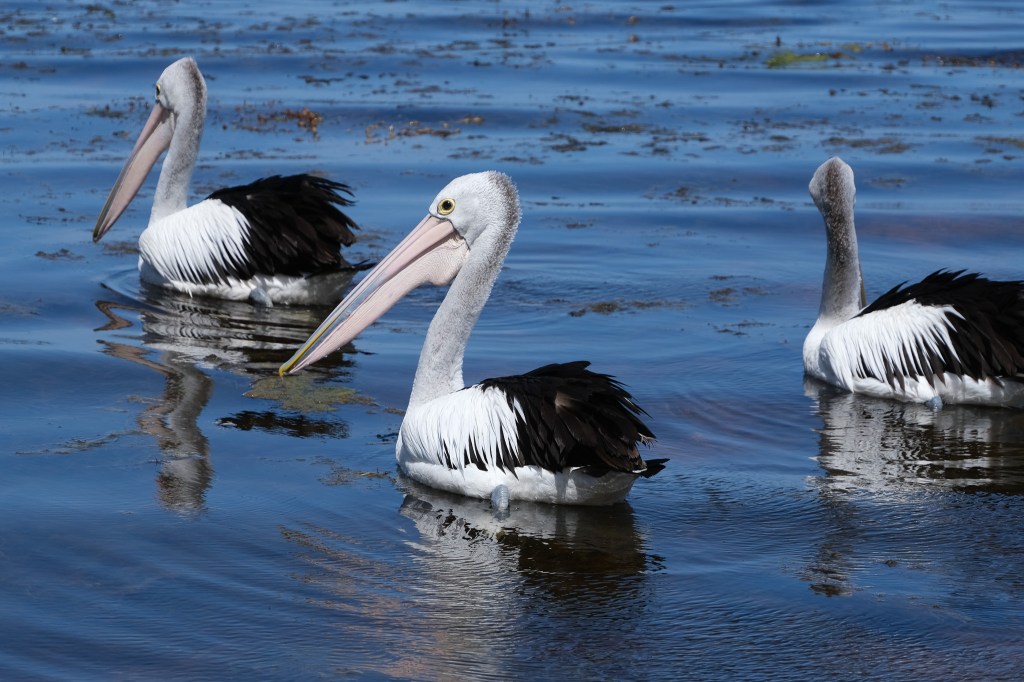
The beds could wait; it was time to go and check out the bay, where the local fishermen, pelicans, and dogs greeted us like long-lost friends. The water felt warm and was relatively clear, and the locals were curious.
“Where you from?”It seems everyone has a link to Western Australia, knows someone, or has lived there at some stage.
Our stroll took us past shacks and caravans of varying sizes – little, it seemed, had changed since my visit eight months earlier. Ansons Bay is like the holiday destination that time forgot. Electricity is available, but some properties, including mine, are not hooked to the grid. There is no petrol station, no shop and very little mobile coverage. The telephone tower was placed tantalisingly close but not close enough.
The locals have signposted an area just before you head down the hill into the town named “connection cove,” where you can pull in to answer emails and messages and update your socials. So close yet so far, and dare I say it – One Job!
We were feeling a bit warm, so we decided a swim was in order, and the nearby Policeman’s point was beckoning. The road out to Policeman’s Point is gravel and takes you to the inlet, where the brackish waters of the bay meet the pounding waves of the Tasman Sea. The tide was on its way out when we arrived at the popular camping site, exposing the vast sand flats, a popular fishing spot for campers and locals alike.
We immersed ourselves in the clear blue water, dodging blue bottles and rushing seaweed. The water was deliciously cooling without being too cold. It massaged our skin and washed away a week of business and travel. All that fresh air and salt water excited our senses, and suddenly all we could think of was nibbles and drinks. So we started back for camp only to discover Elaine had lost her phone. A trip back to the beach and the phone was right where she had dropped it!
The sun was still beating down at 5:00 pm, so we found some shade and set ourselves up with beers in hand and a tray full of delicious morsels. Never had anything tasted so good.
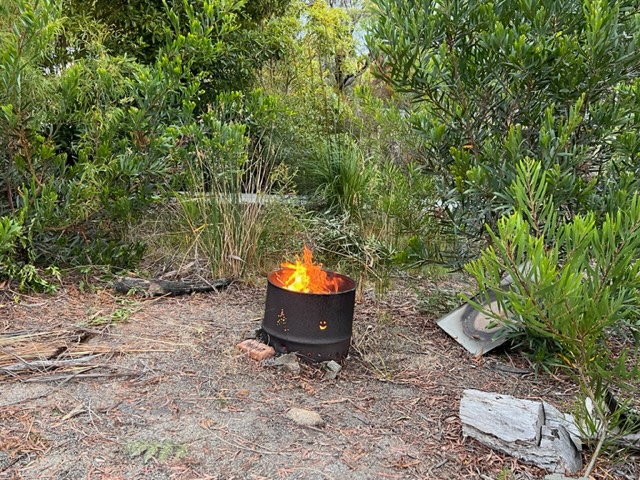
Even though it is nowhere near cool enough for a fire, we thought we should light one as we had permission to do so. The fire crackled at a distance, and our senses were loaded with everything that is good and fine in a remote paradise.
A day to remember and one of many to come.
What’s the skinny?
Ansons Bay is situated on the “remote beaches” region of Tasmania in the North East.
If travelling from Launceston allow a good two hours and a couple of stops – 165 km.
One of those stops has to be the Scottsdale Bakery for curly pasties and scones. Supermarket shopping can also be done here.
Derby (Mountain bike capital of Tassie) is worth a stop to soak up the mountain biking vibe. The Blue Derby Mountain Bike Trail is world class.
Gladstone is the last petrol/booze stop before Ansons Bay where this are no shops and the Gladstone Hotel does a super counter meal.
Camping is only available in the designated camping area of Policeman’s Point (15 minutes drive from Ansons Bay) or further towards St Helens.
Check with the Fire Department before lighting fires.






















 All in a Day Adventures