Have an adventure every day – just because you can.
Author: All in a Day Adventures
I am a freelance copywriter and travel feature writer from Perth, WA. I believe adventure can come in small packages. It's not all about "the big trip" or "one day I will get there". It's about the here and now. Join me as I grab adventures by the handful, one day at a time!
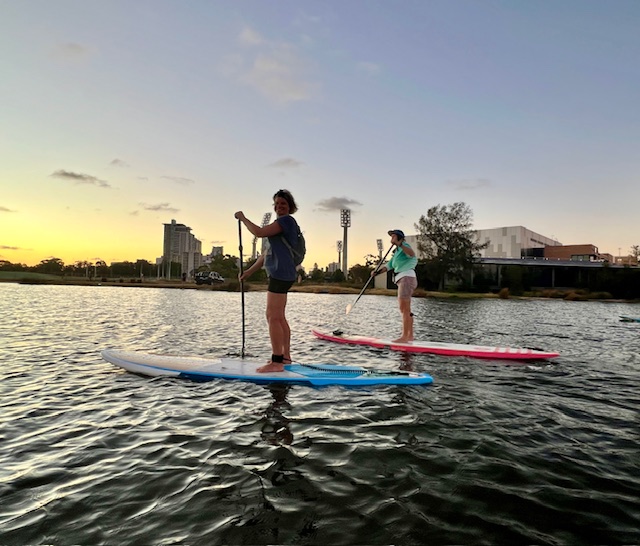
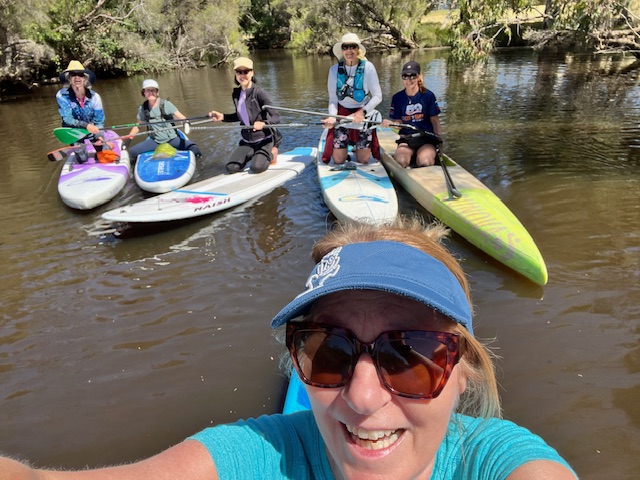
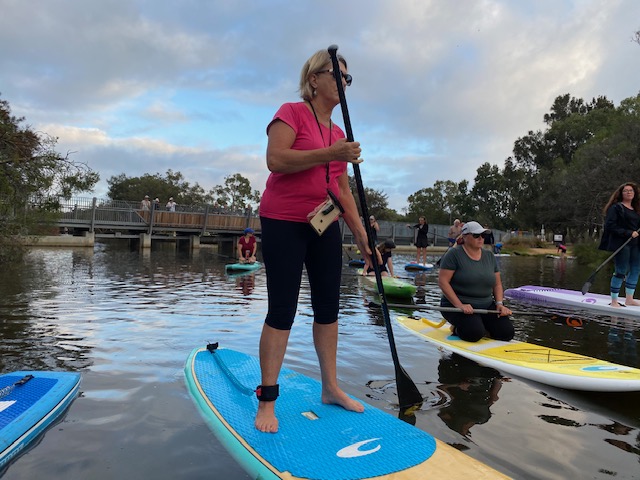
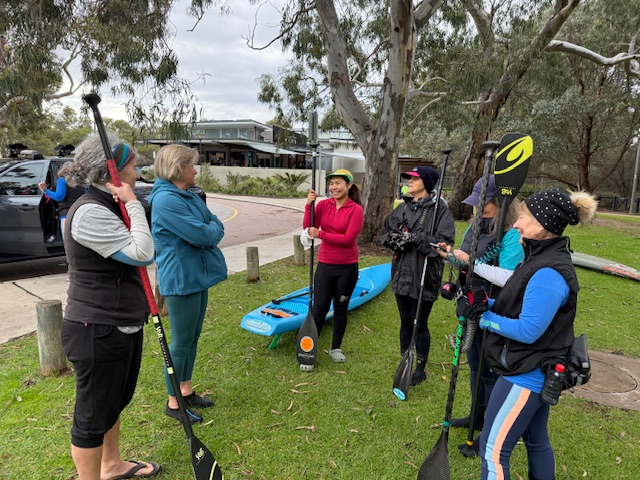
As the sun goes down on another year here are some more paddling locations to try in 2026
Happy post-Christmas SUPers! I hope ‘Sack Daddy’ (or Mummy) was kind and you scored some nice paddling gear for Christmas. I was treated to a few new dry bags (like I need any more!) and I got out on the water for a long-awaited paddle last week.
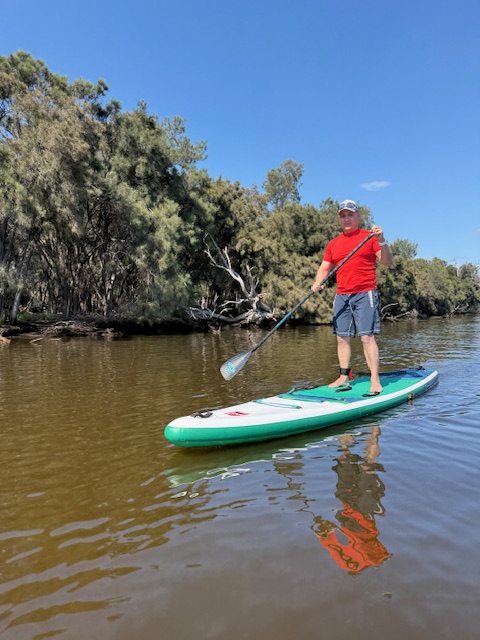
I even got my partner out and that’s a mission on its own. I lured him out to have a go on my Red Equipment inflatable. He was impressed. There may be another Red in my paddle stable before too long 🙂
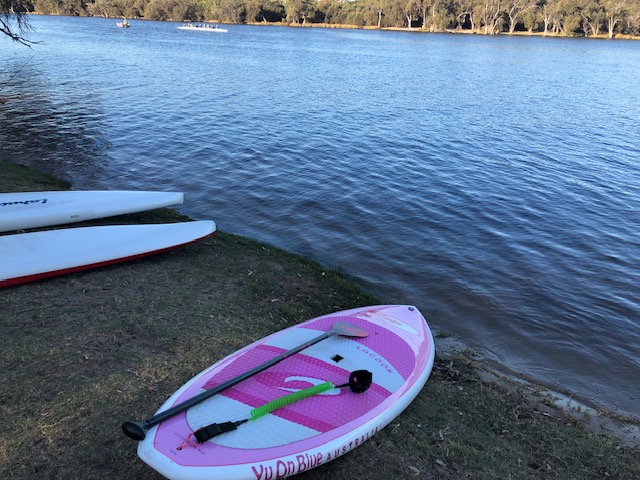
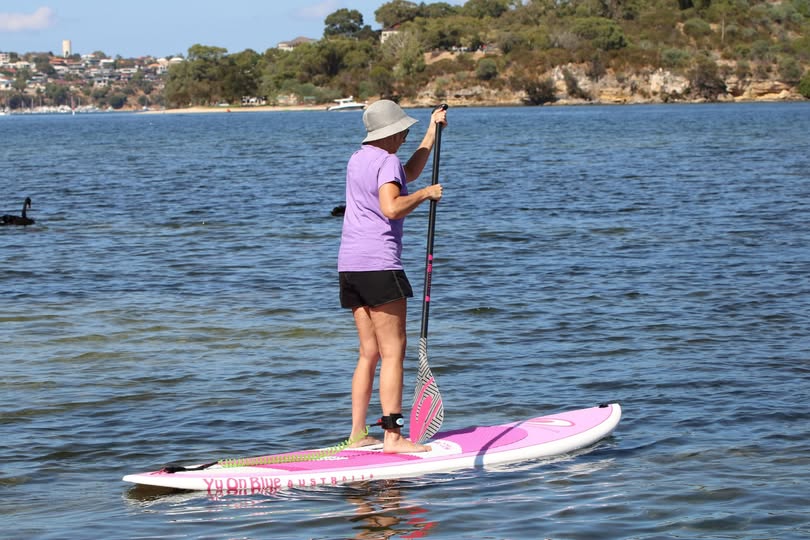
As promised here are my next lot of paddle locations around Perth:
Kent Street Weir/Canning River Regional Park
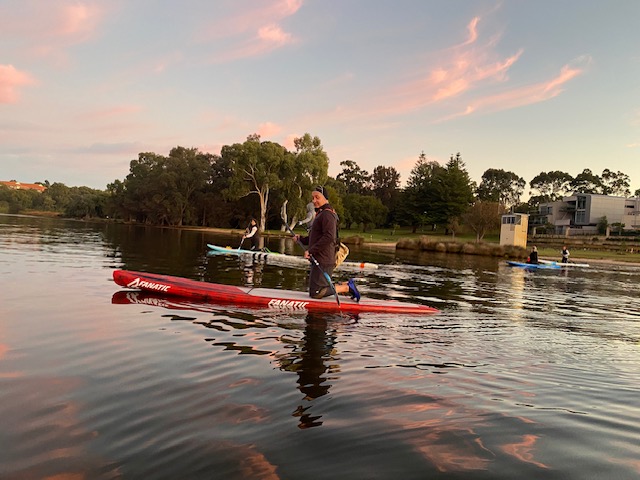
Kent Street Weir is one of my all-time favourites. I usually save this one for winter or spring days. The push-off point is in Canning River Regional Park. The beauty of this spot is that you have choices. Up-river for a leisurely paddle into the upper-reaches of the Canning River. I have paddled 11.22km up to Roe Highway before turning around, or as far as I could before the water became too tangled with sticks and reeds.
I also returned the following weekend (because I don’t ever say die) to see if I could start further up with my inflatable and make my way down. Once again, I was foiled by sticks, snags and shallow water, but I had fun trying!
Down river from the weir is a whole other experience with the river expanding as you get further towards the Swan River. I’ve paddled down as far as the Leach Highway (about 3 km one way) to have coffee at Lo Quay River Cafe right near the bridge before paddling back up.
Lo Quay River Cafe near Leach Hwy Bridge
💦Kent Street Weir is an easy launch spot and has plenty of parking – drop and park is available close to the entry.
💦Public toilets and a fantastic cafe on site for post-paddle eats and coffee.
💦Popular with mostly kayakers
💦Birdlife and spotting is brilliant especially in Spring when the darters and cormorants are nesting (fluffball alert)
Matilda Bay, Nedlands
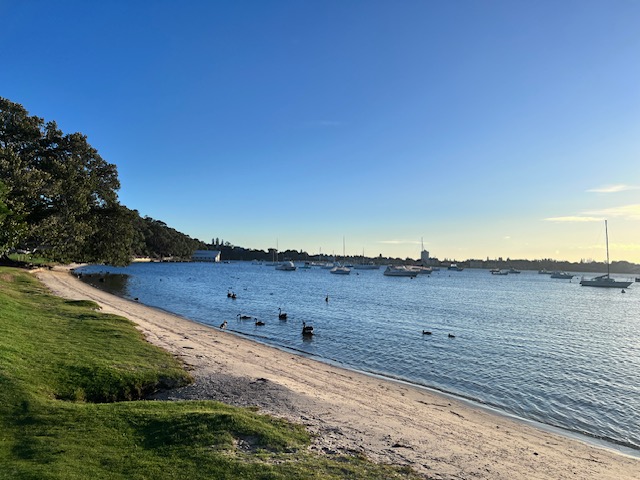
Matilda Bay is a popular picnic spot so parking is not always guaranteed close to where you want to paddle from. The water in the bay is generally calm. But on a windy day it can be relentless. This is not my favourite spot to paddle unless it’s dead calm.
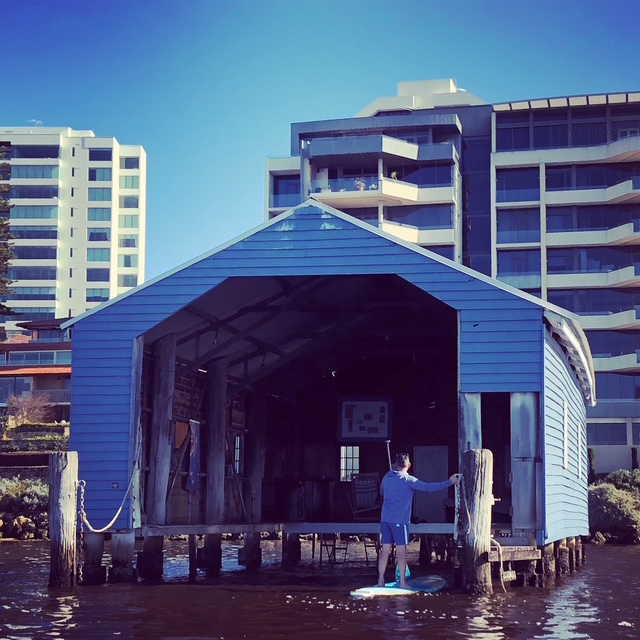
A nice paddle is up around the blue boat shed, an iconic Perth landmark built in the 1930s and much photographed, and Eliza the bronze statue just to check out what she might be wearing!
💦The beach at Matilda Bay is easy to launch from
💦Toilets and changerooms available
💦A great spot for a BBQ and a paddle – free gas BBQs on site
💦Cafe open on weekends
Garratt Road Bridge
Garratt Road Bridge is my go-to spot to launch. It’s close to where I live and I spent many years rowing from ANA Rowing Club so I know this part of the river intimately. It’s a super busy spot with kayakers, rowers and people enjoying the riverside but I have never had a problem parking or launching from here.
Up river or down river?
You can choose which direction you go depending on the wind. Down river towards the city is Kuljak Island – once you get under the Garratt Road bridge paddle about 200 m and turn left. This little loop is one of the most peaceful paddles I know. Bird life is prolific. You can keep going under the bridges (planking may be required when the water is high) and come out the other end to loop back via the main river or turn around and paddle back the way you came.
Up river, I usually head under the Tonkin Hwy bridge. Turning around at Garvey Park gives you around a 4 km round trip or you can continue up as far as you like. Ascot Kayak Club just past Ron Courtney Island is a great spot to stop for a coffee when the cafe is open. There are toilet facilities there also.
And if you want to keep going, Sandy Beach Reserve is another lovely spot to pull up paddles. Coffee vans are usually onsite on the weekends and toilet facilities are available. If you have littles, the playground there is pretty cool also.
💦The beach at Garratt Road Bridge is easy to launch from – beware of some submerged drains/rocks towards the bridge.
💦The cafe here is amazing and a great spot to have breakfast and coffee
💦Toilet facilities available
💦Parking is always available
Maylands Yacht Club
Maylands Yacht Club is a great spot to set off from and go left or right. I have paddled to the left – up river but only on a couple of occasions. I am usually joining the breakfast paddlers if I launch from the yacht club, and it’s usually early.
From launch to Claisebrook Cove is around 2 km. The Brekkie crew like to be on the water by 7:00 am, a leisurely breakfast at Partisan Cafe and paddle back to Maylands. Usually done and dusted by 9:00 – 9:30.
Breakfast ‘must remembers’:
💦A leash to tie your board up at the end and for safety
💦Card or cash for eats and coffee
💦Don’t leave any valuables in your car
Another Maylands Yacht Club paddle worth doing:
The bridge’s paddle around Heirisson Island is a good solid paddle of about 8.5 km. A good one to do early so you don’t get caught in the seabreeze as you round the island. Keep your eyes peeled for kangaroos!
If you missed the first SUPing Around it’s below! Until next time. 🙂
Welcome to my first newsletter. You are here because you paddle or are paddle-curious. Or maybe you just thought SUP has something to do with food or drink? I will try to satisfy all comers. Perhaps there are recipes we can share 🙂
I recently did a round up of some of my favourite standup paddle locations around Perth so I thought I would start with those. These are not the only places you can paddle in Western Australia; we are very lucky to have so many spots to splash, and I will continue to review and add places to paddle in future issues.
Claughton Reserve, Bayswater
Looking for a sheltered upriver paddle location. Claughton Reserve in Katanning Street, Bayswater is one of my favourite SUP launch spots.
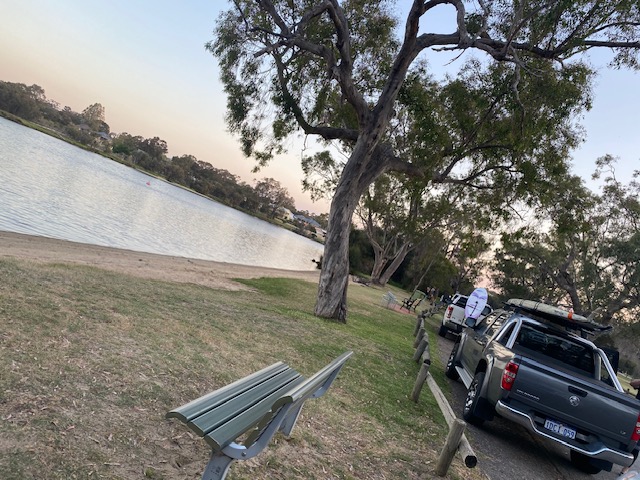
there’s heaps of parking
a toilet block (in fact one of the funkiest toilet blocks I have ever seen!)
It’s a great place to explore up or down the river depending on the winds. A nice short paddle from there is up river and around Ron Courtney Island.
Ocean Paddling Perth
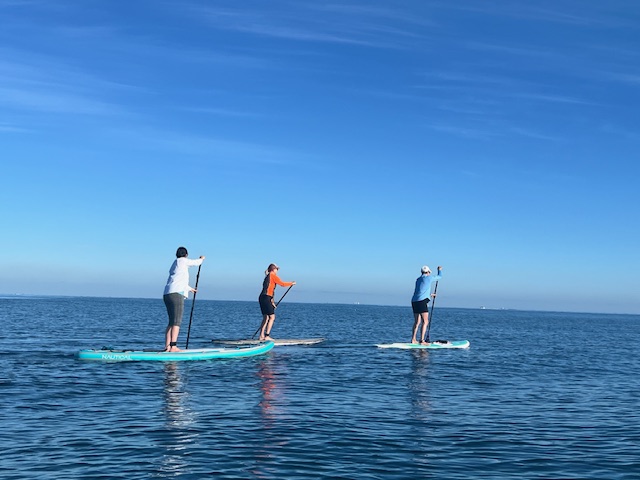
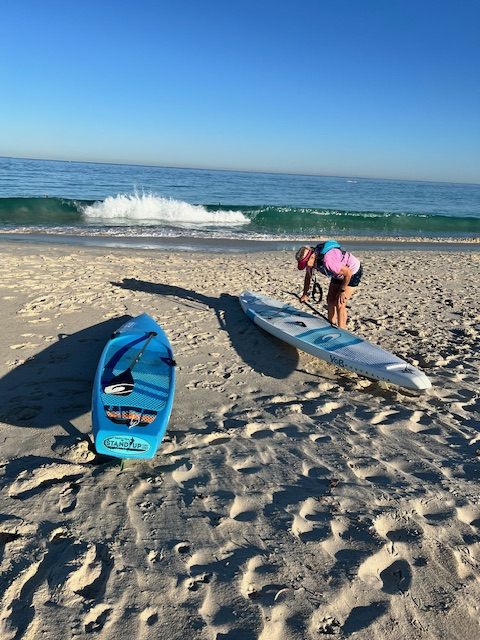
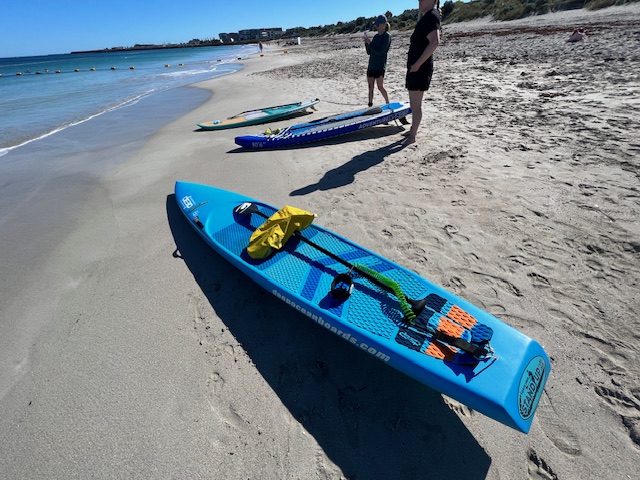
Perth’s southern beaches; Leighton, South Beach & Coogee Beach are wonderful when the conditions are right. It’s knowing when the conditions are right that is the tricky part.
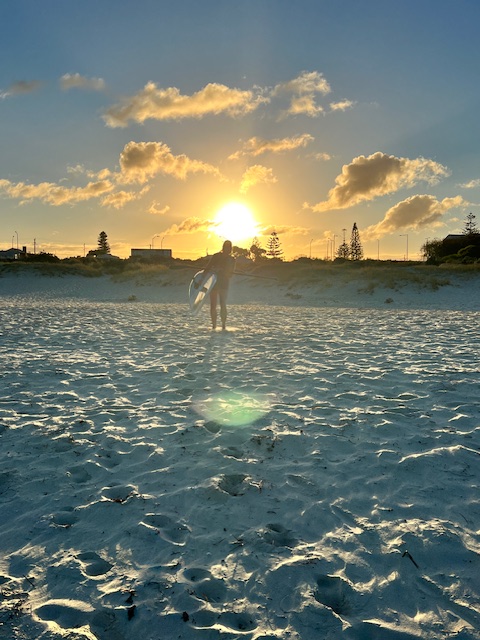
As with most outdoor activities in Perth I always go out in the mornings – the earlier the better.
In the Summer months from November to March the morning winds are more likely to be offshore (Easterly) and light. Once the Freo Doctor comes in it’s too late and too windy.
Not only is getting up early to paddle good for getting the right or no winds, but also to avoid the hottest part of the day.
Perth’s southern beaches:
are easy to get to
have free parking – but can be busy the later you arrive (see, getting up early has other benefits!)
have great cafes
have showers and changerooms
you can sometimes see dolphins, whales & sealions
North Coogee has the Omeo Wreck – great for SUPing around but also a very popular snorkelling spot. Pack your gear!
Go with a group or a buddy if you are a first timer on the ocean, ALWAYS use a leg leash and don’t go out further than you are comfortable with. Be prepared to get wet and HAVE FUN!
Point Walter Reserve Bicton
You can paddle down river from the Point Walter sandbar, up past the cliffs at Blackwall Reach. Depending on the wind it can be quite sheltered through there.
Keep paddling down to Bicton Baths and turn around or alternatively (depending on wind) do the reverse.
Handy tip: always paddle into the wind on the way out so you get a free ride on your return. It makes a difference
parking is usually available closeby and if it’s not you can drop and park.
Freshwater Bay in Peppermint Grove is a beautiful spot to get out on the water. There’s usually sheltered waters close to the shore for those venturing out for the first time. Or for the more adventurous, a paddle along the cliff’s edge to the yacht club is a lovely paddle. Dolphins are common in this area.
the water is clear
the shore easy to access
parking not usually a problem
cafe close by for coffee and snacks
Some links to previous articles and websites of interest:
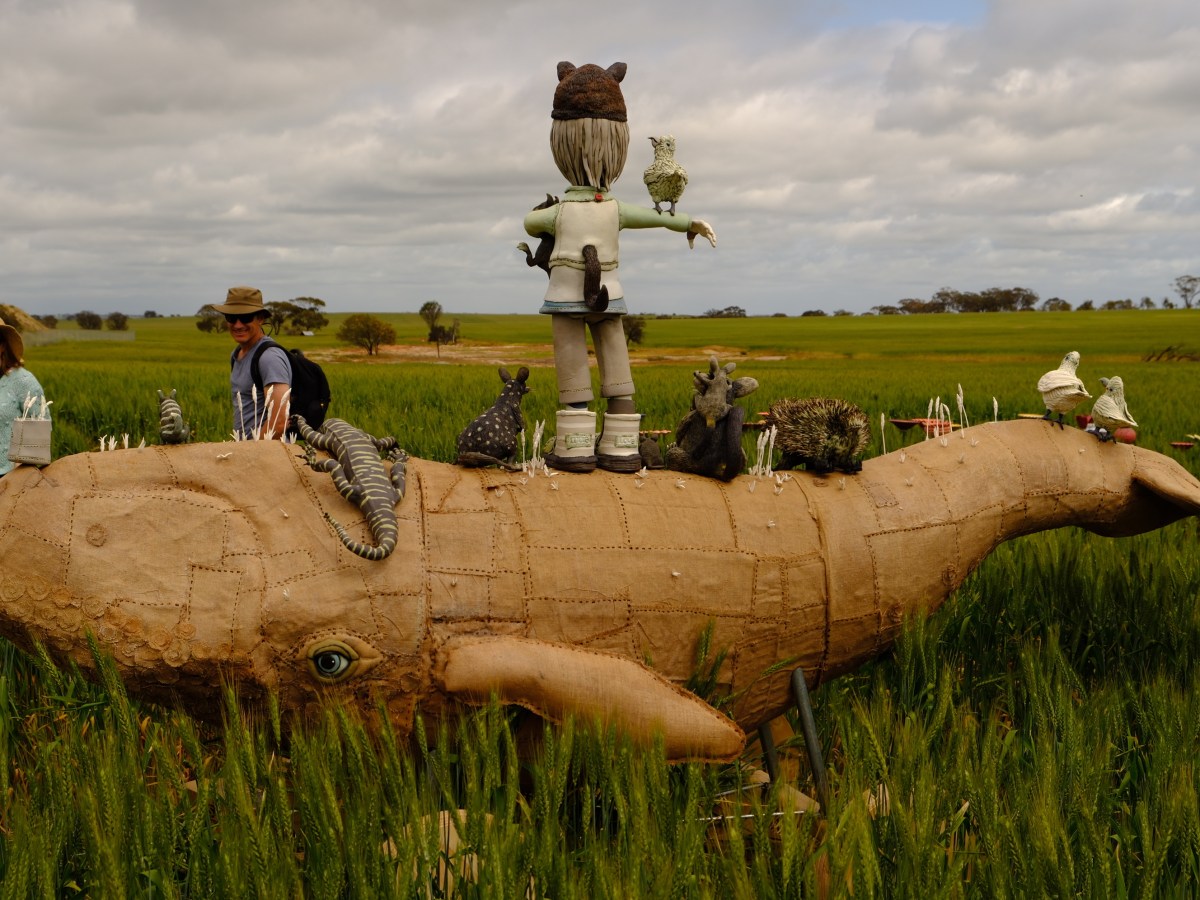
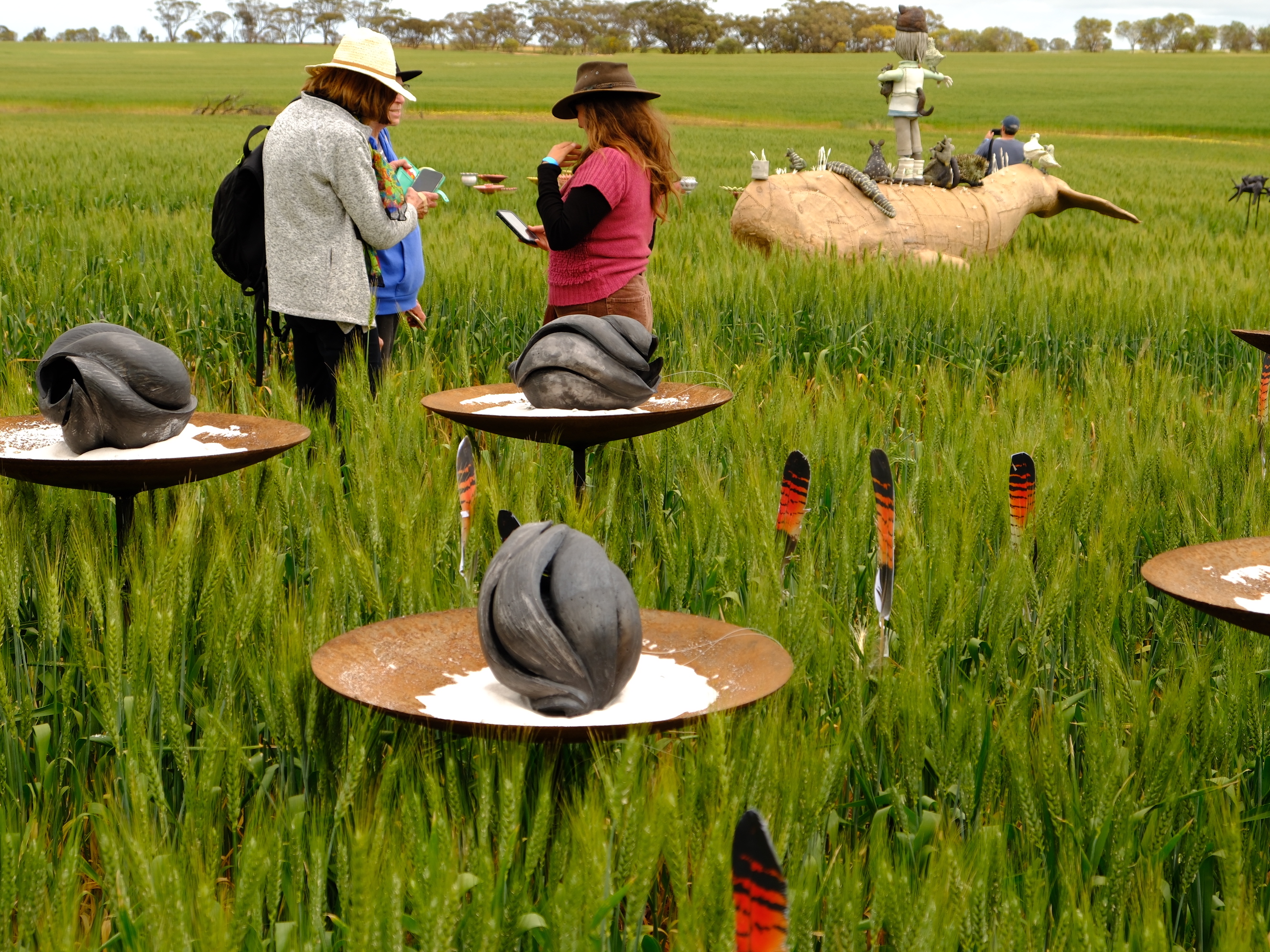
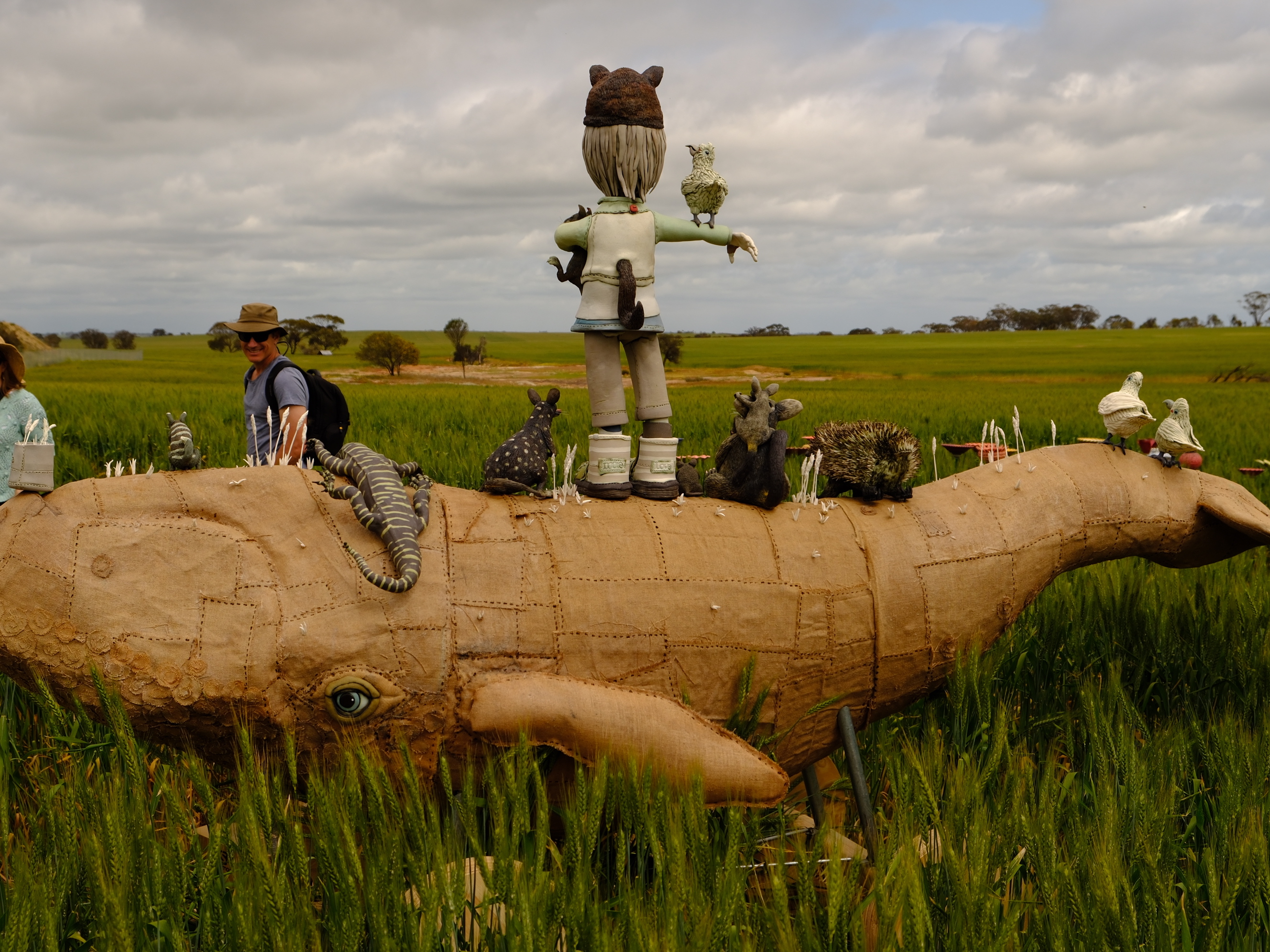
Giant whales drifting through wheat fields and wheat silos used as a backdrop for magical projections. What an incredible weekend of art and community in Goomalling!
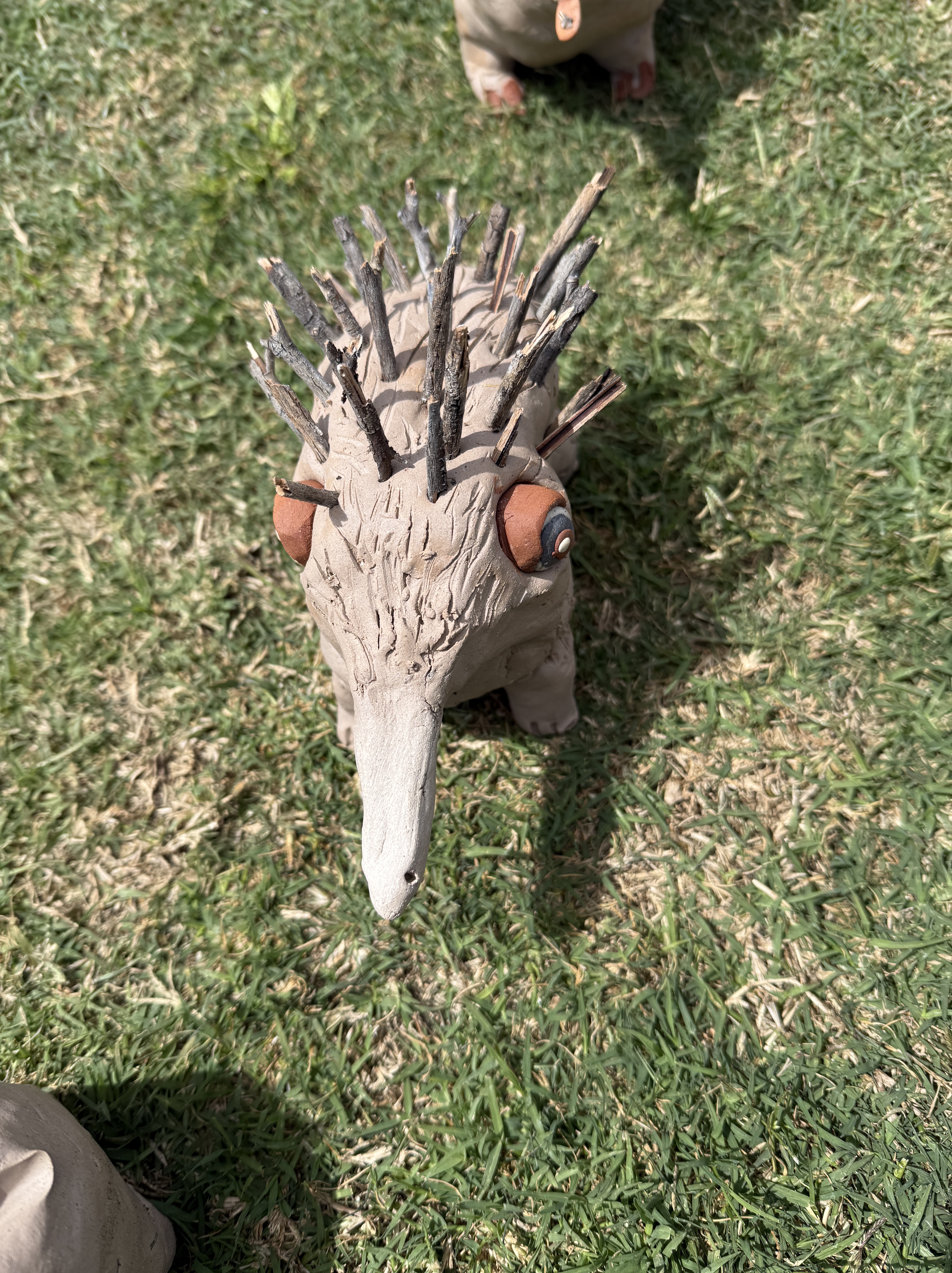
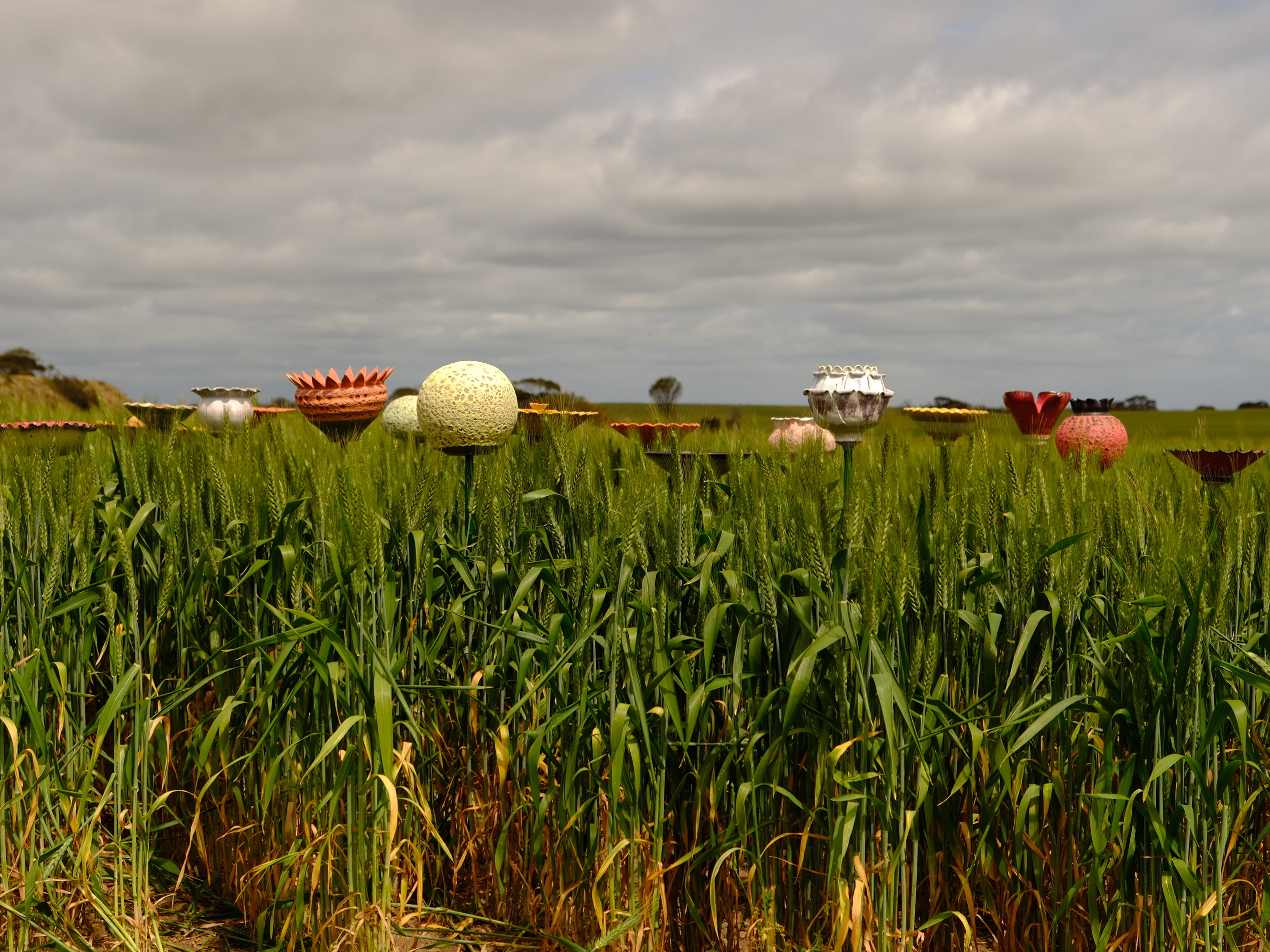
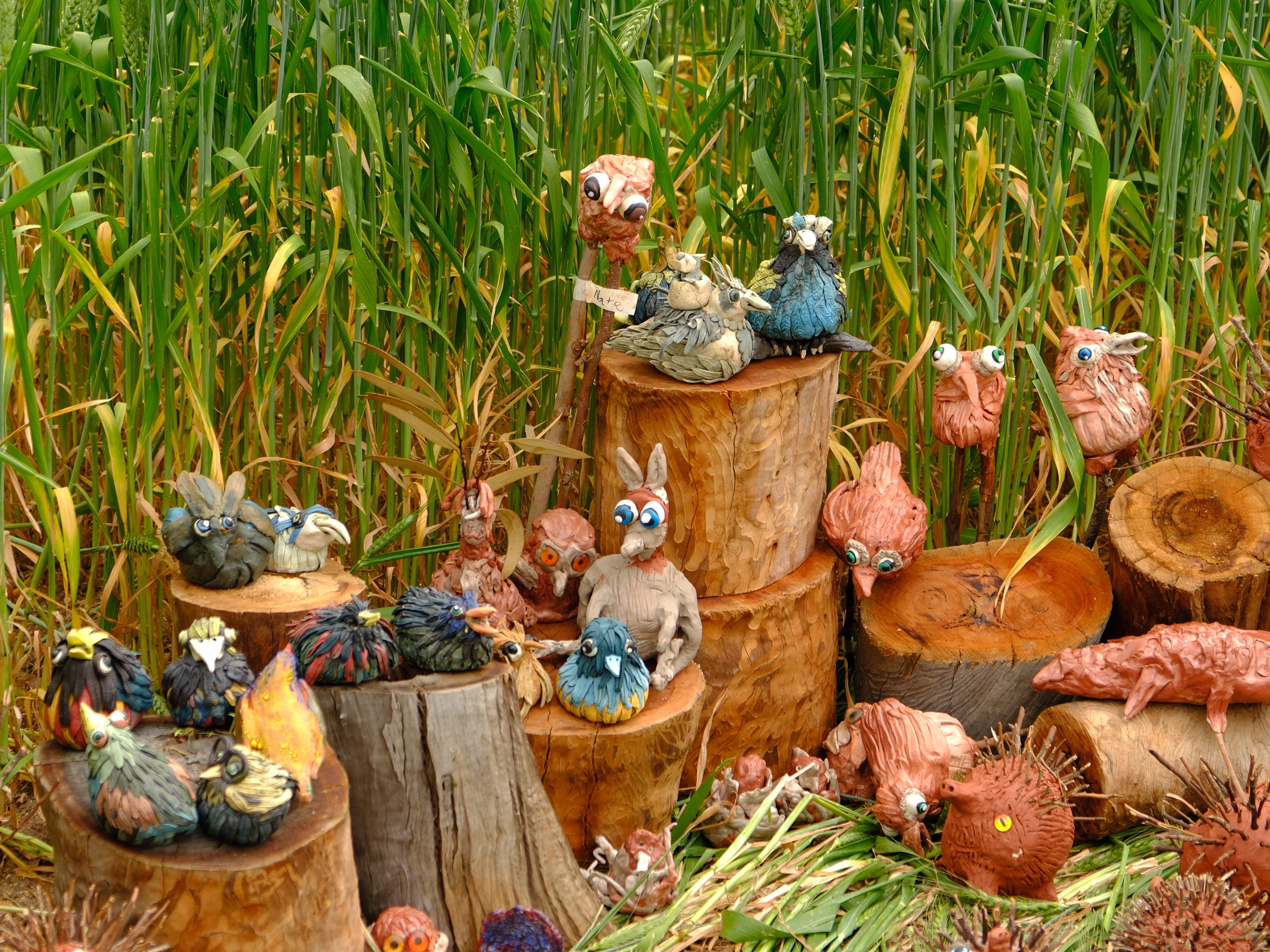
A whale in a wheat field, a parade of delightful ceramic echidnas as far as the eye could see, fresh crop circles that may or may not have been created by aliens, and some of the finest humans in the biosphere all gathered one long weekend in September in a tiny country town where not much usually happens. The Biosphere Boodja Arts and Wild Things Festival in Goomalling has just happened and I was lucky enough to be there!
The tiny wheatbelt town of Goomalling was the locus for this incredible happening, or ‘creative uprising’. It was the brainchild of Internationally acclaimed Perth ceramic artist and the festival’s creative art director, Fleur Schell, who was born in the wheatbelt town of Goomalling.
She had a dream, or perhaps more of a vision, that she brought to life with some funding from Lottery West, major sponsors, private donors and the local community. Collaborating closely with Ballardong Nyungar Elder Tracy De Grussa and with the local community including primary school children from the two small primary schools in the town and with the Goomalling Op Shop behind her, Goomalling definitely had a happening!
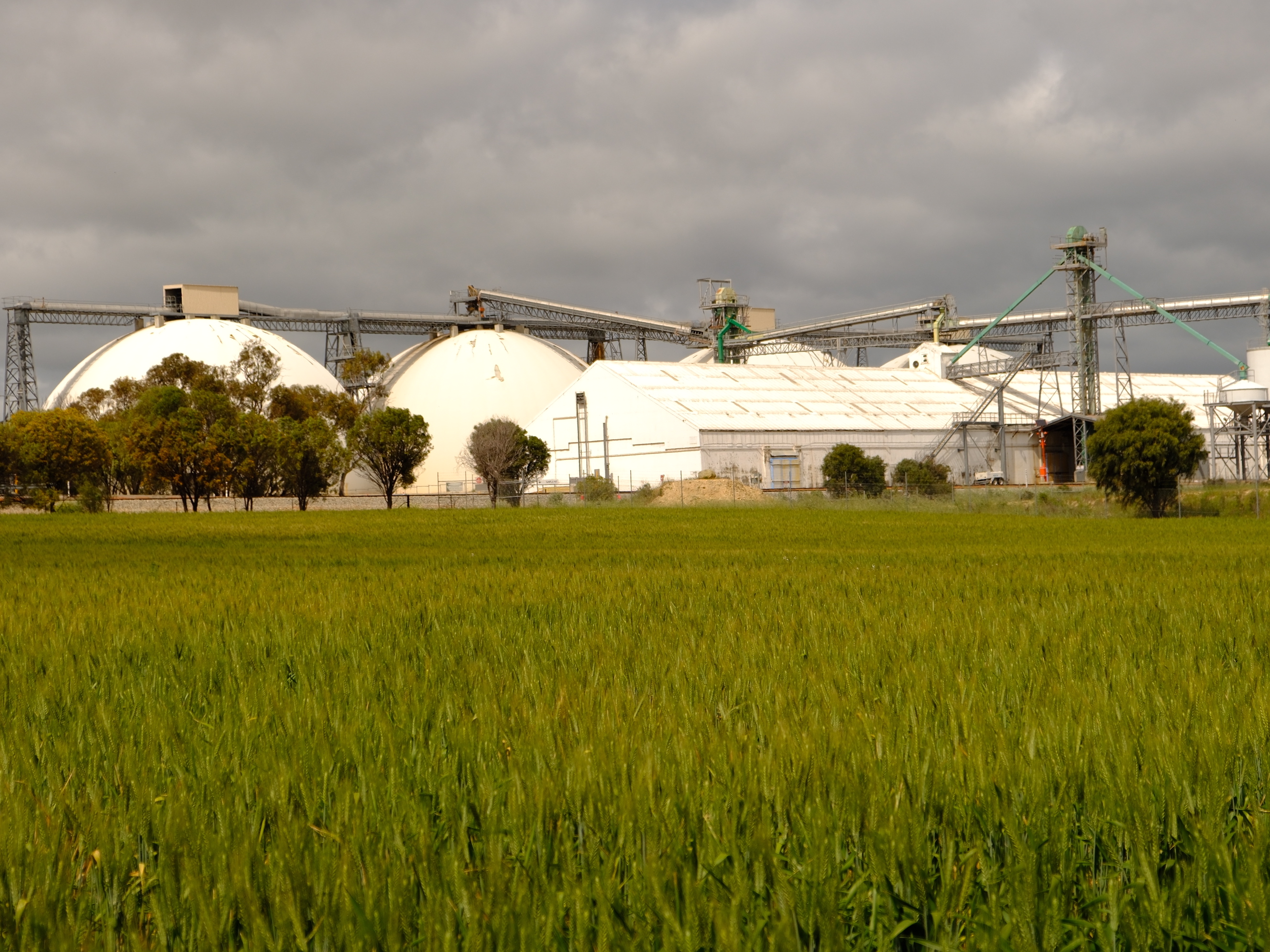
The small town of Goomalling is under two hours northeast of Perth in the Avon Valley and the Western Australian wheatbelt. Like all wheatbelt towns, it’s all about the wheat and it’s the enormous grain storage domes that immediately grab your attention when you drive into town that formed part of Fleur’s vision for the Biosphere Boodja Festival.
The giant spherical silos are pure white and look like something you may find on Mars if the future of life in space ever comes to fruition. When Fleur was a child they were really buried dinosaur eggs. They were also the perfect canvas for the incredible Totem Story projections that were cast that Sunday evening.
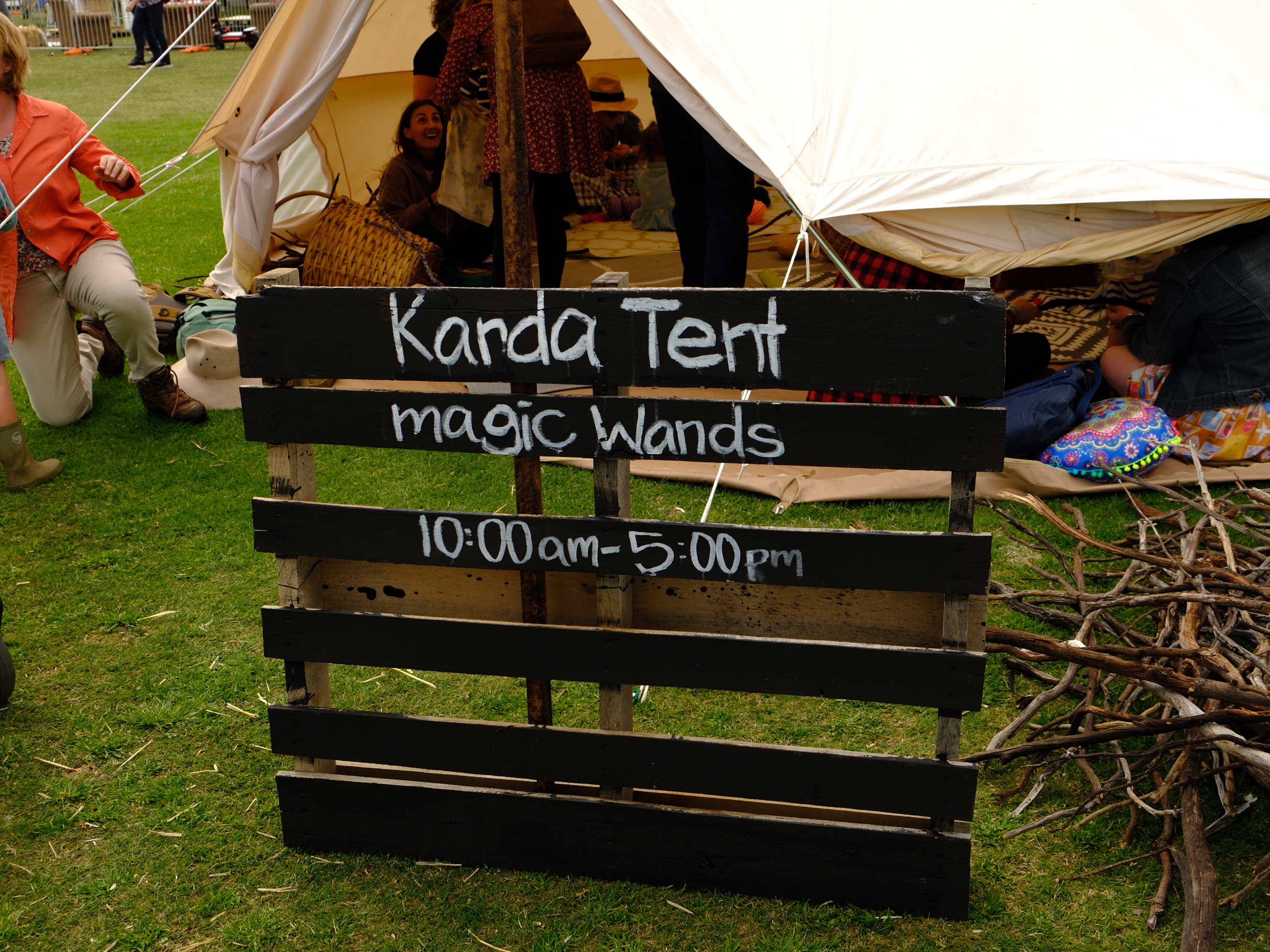
As a clay artist Fleur saw an opportunity to invite visiting ceramicists in Perth for ‘Wedge 2025: The Australian Ceramics Triennale in Fremantle’ scheduled for the following weekend in Fremantle. Clay play and ceramics with clay provided by Midland Brick, formed a large part of the festival and the workshops available for festival goers. Throw in some of Perth’s premier musos, a sculpture exhibition in a wheat field, some dancing, yoga and a giant puppet parade and the experience was out of this world.
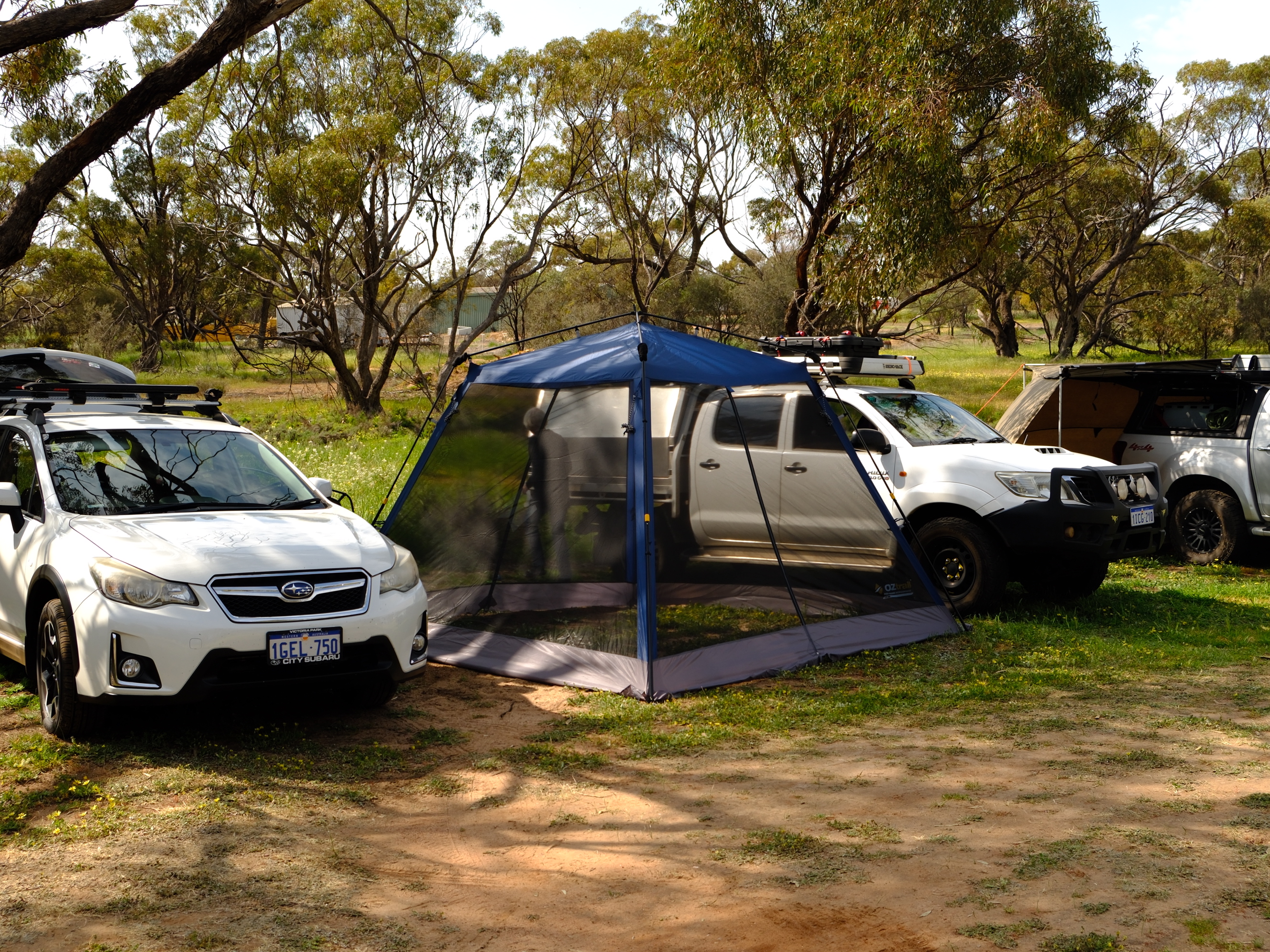
The festival was free to those who attended ; There were different camping options including glamping and family camping areas. We paid for bush camping on the decidedly rustic golf course. It was close to everything, including a million mosquitoes.
I’m a Tassie girl who grew up in isolated places and went to high school in a small country town so I have a thing for small country towns. While Western Australian wheatbelt towns are a far cry from the lush farming towns in Tasmania there is an essence that spans all country towns and ties them together. That essence is isolation and community.
For me, wheatbelt towns are not comfortably accessible all year round due to the extreme temperatures in summer. Not to someone who likes to spend time outdoors and camping anyways, so I try to get out there as much as I can during the cooler months. There is something magical about wide open spaces, random granite rocks and wheat silos.
This trip was my second foray into the wheatbelt this year; a couple of months prior I went and spent a day and night hanging in the Granite Way at Kwolyin Camp ground and Kokerbin Rock, one of my favourite places to explore. There really is nowhere better for star gazing!
So when Biosphere Boodja came up on my radar, I jumped at the chance, found a festival buddy and headed back into that wheat belt that I just can’t get enough of.
The drive out was ethereal; green wheat fields on either side and the fading flowers of the remaining canola, almost finished flowering. As drifted into towns surrounded by modest hills incredible mists filled the valleys. It was all I could do not to pull over every 10 minutes to take photos.
When I reached Goomalling at 8:30 that morning (yes I had got up very early to leave) I was the first bush camper to roll in and register. We were camping on the golf course and being a dry wheat belt town the golf green was not how you imagine a green in the big city. Nevertheless, they wanted to protect their fairway so we camped in the bush on the side of the daisy-covered fairway with about 10 million mosquitoes.
The town volunteers were all incredibly friendly. They popped me down at the end so I could drive out easily the next day and they saved a space for my friend Elaine who had a rooftop tent. Turns out we were first to arrive and last to leave. That’s how we roll.
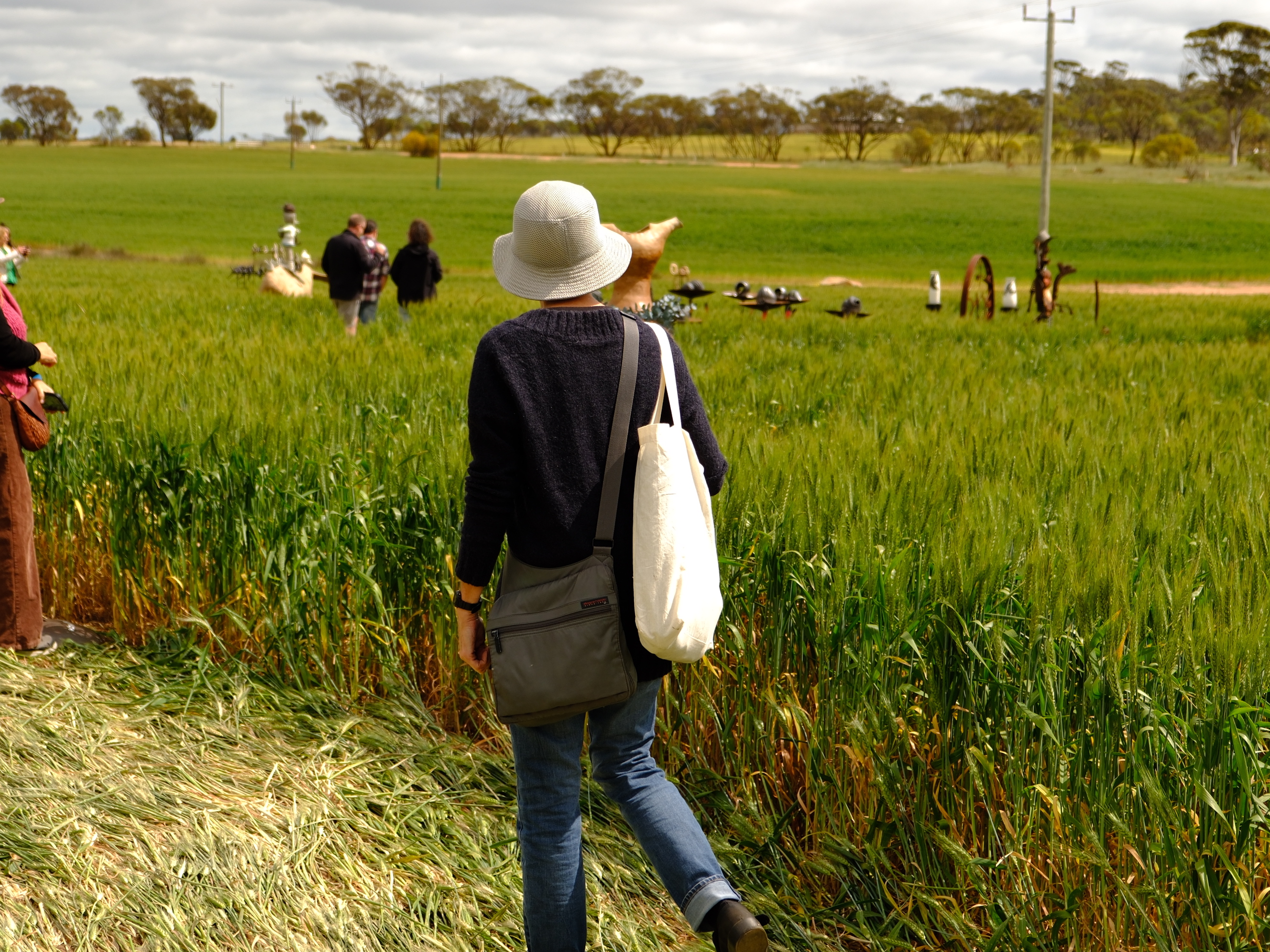
I set up camp and Elaine arrived via the Goomalling Op Shop with a trawl of treasures and set up her rooftop, then we set off to explore the town. Right next to the golf course was the wheat field ‘crop circle’ exhibition – literally a wheat field with cleared paths and some incredible sculptural art works, including Fleur Schell’s ‘Wheat Whale’. So we diverted into the field.
The sun was up and the wheat swayed in the soft breeze; quite magical. Next we wandered to the markets and the main oval to see where we could expect to be based for the next couple of days. The markets were a collection of local artists stalls. I made a few small purchases, including a cap printed by a young girl who had created a selection of t-shirts and hats with her designs.
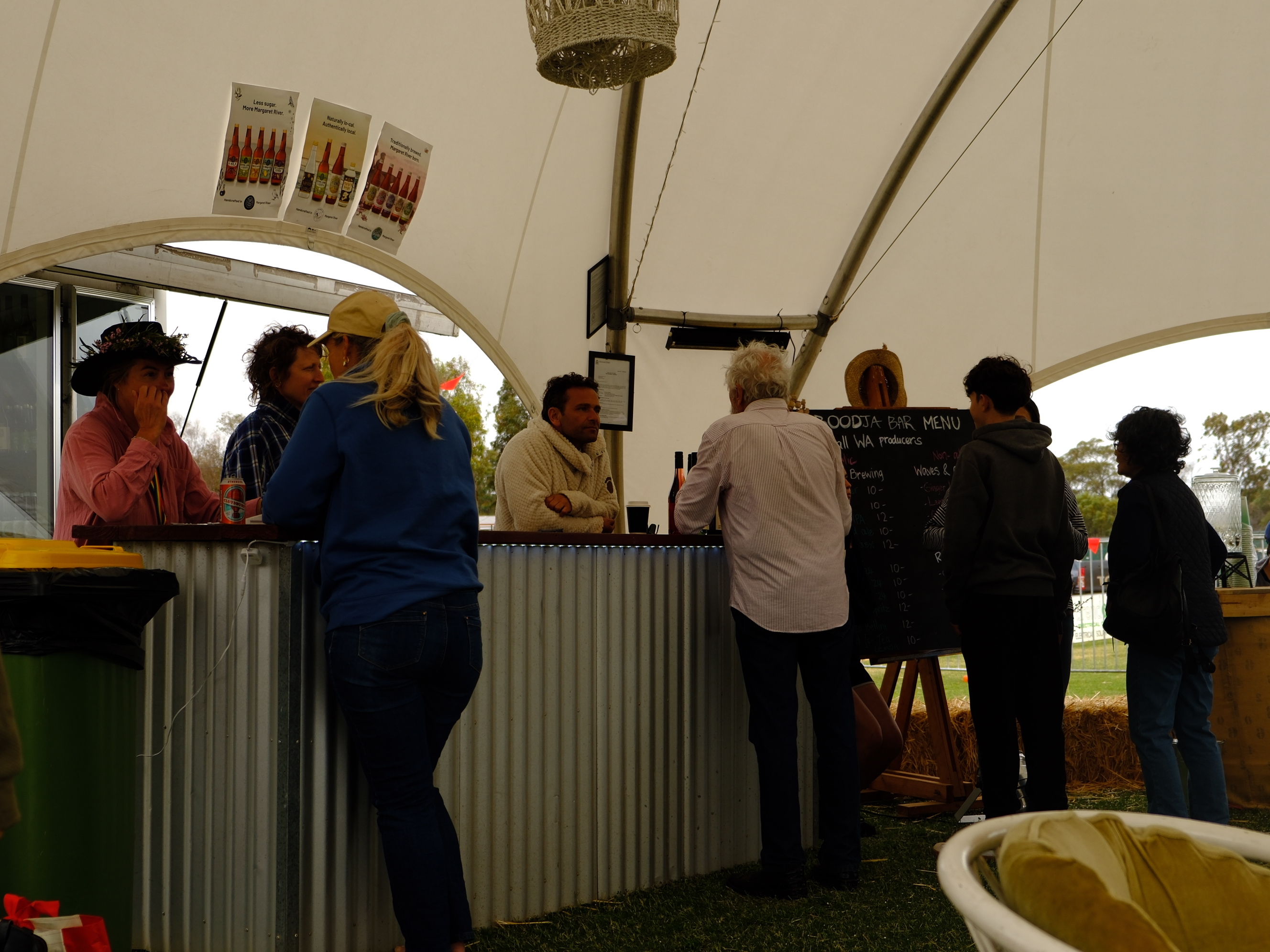
With eats never far from my mind I was happy to note a variety of food trucks and a couple of bars set up on the oval, and we soon found the stage which would be the centre of our weekend escapades, when we weren’t having a drink in the Boodja Bar or the bowls club. I was excited.
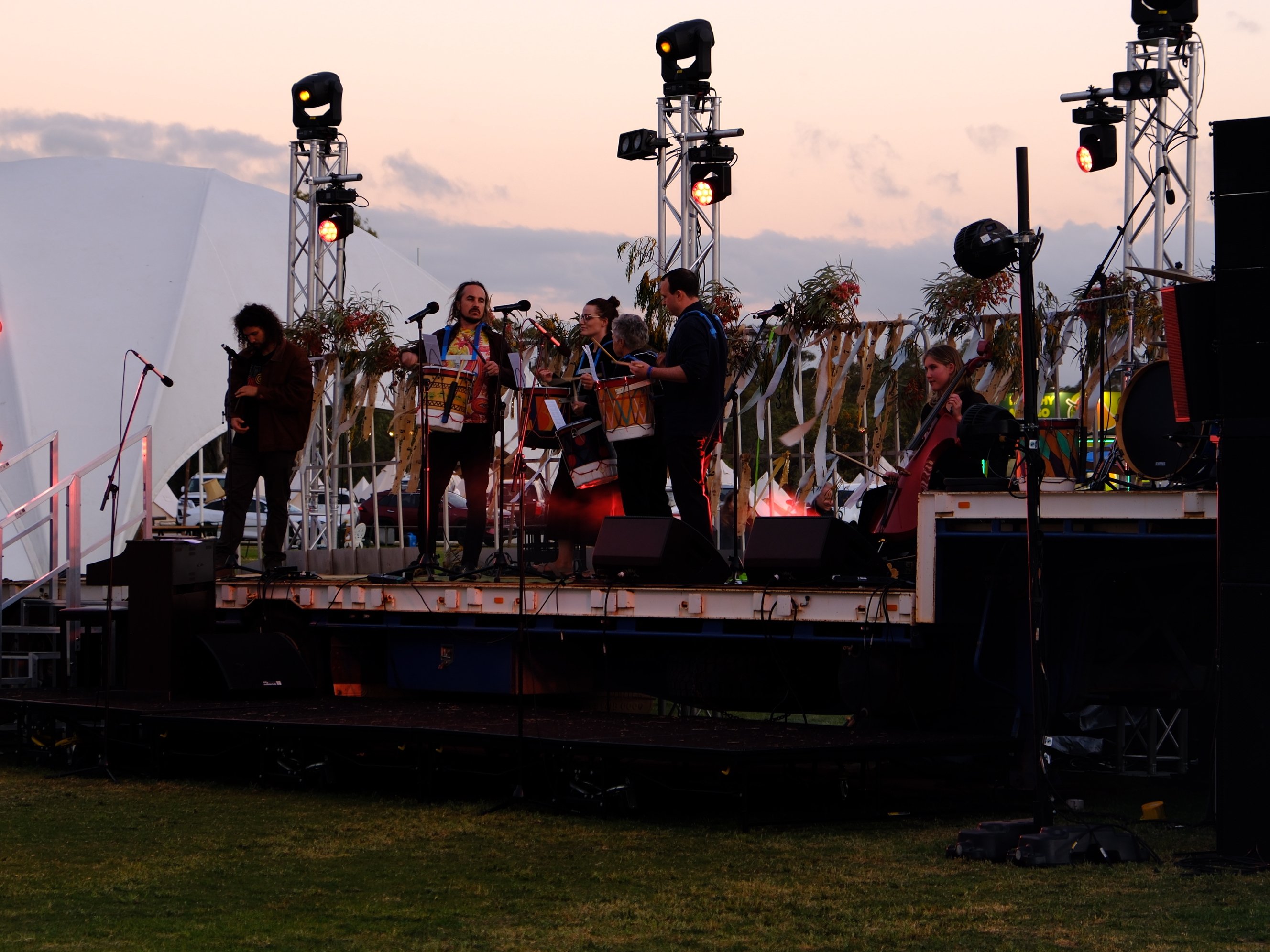
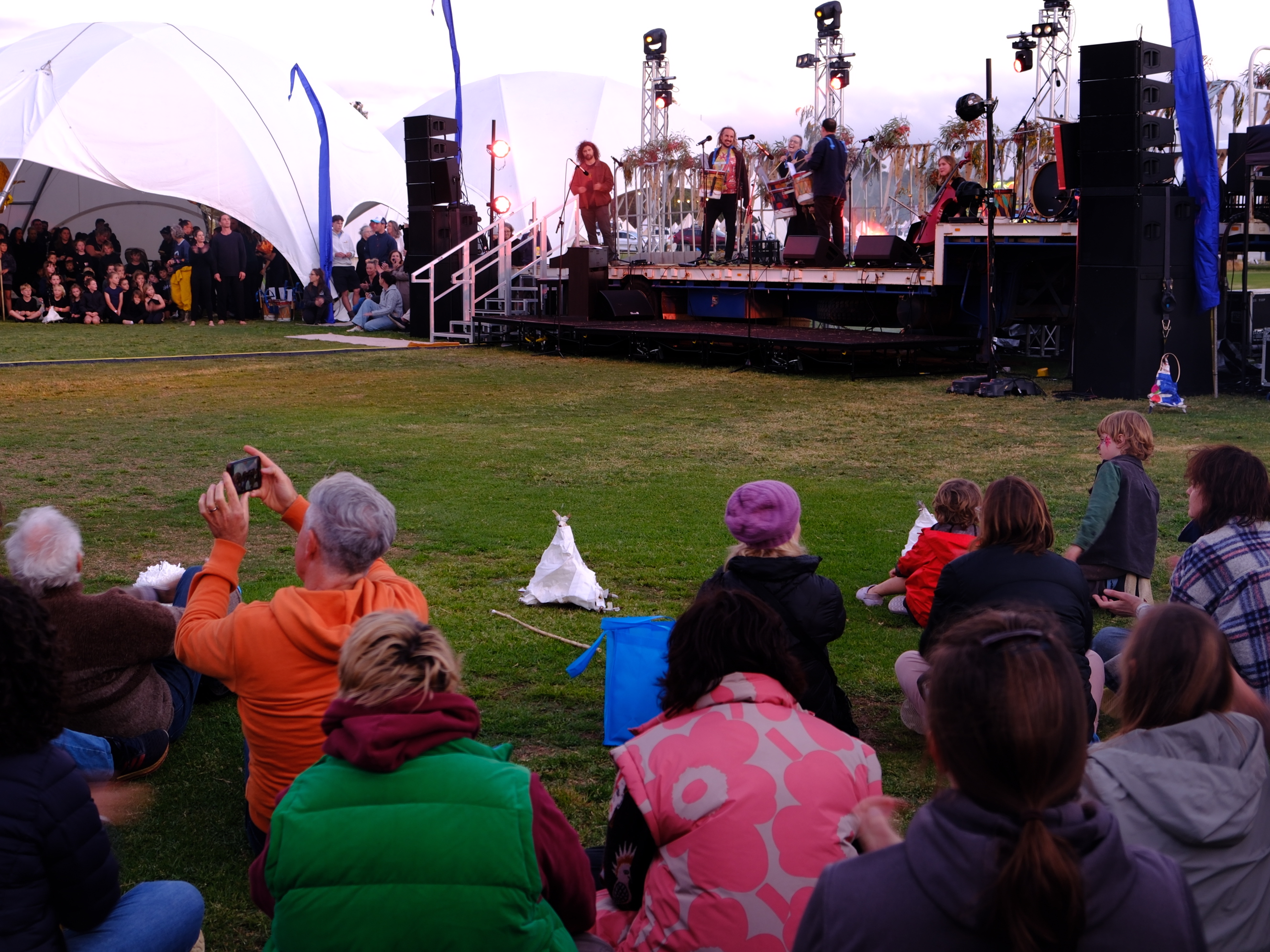
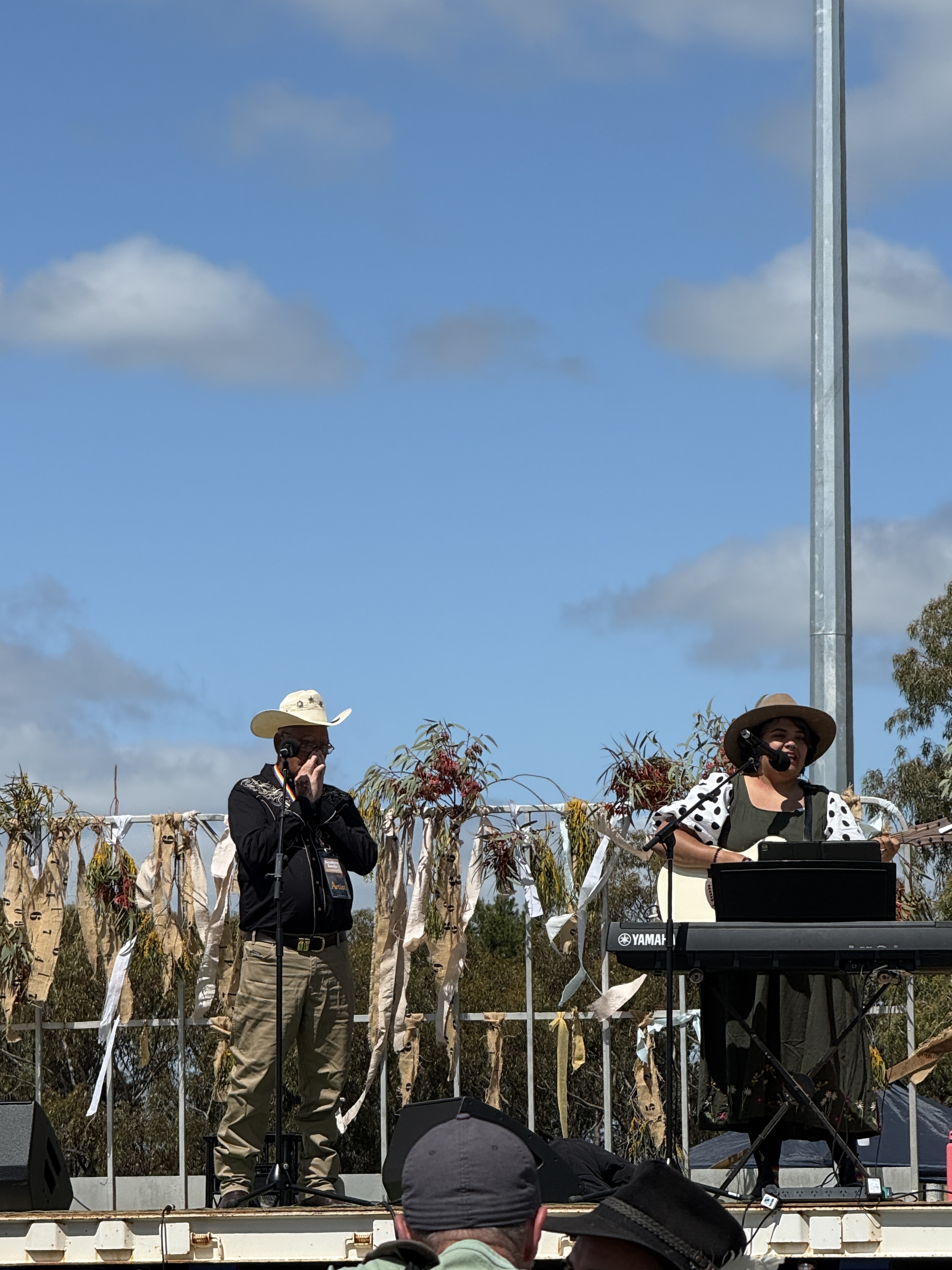
We settled in for Aunty Tracy’s Welcome to Country and a string of fabulous Western Australian bands including Lucy Peach and some incredible acts from the area.
The rest of the day was spent wandering about checking out the workshops all facilitated in huge white dome tents not unlike the wheat silos, and pausing for drinks from the comfortable Boodja Bar with Op Shop chairs and cushions, to the Goomalling Bowling Club bar. The rain came but it wasn’t the soaking type so we stayed mostly dry.
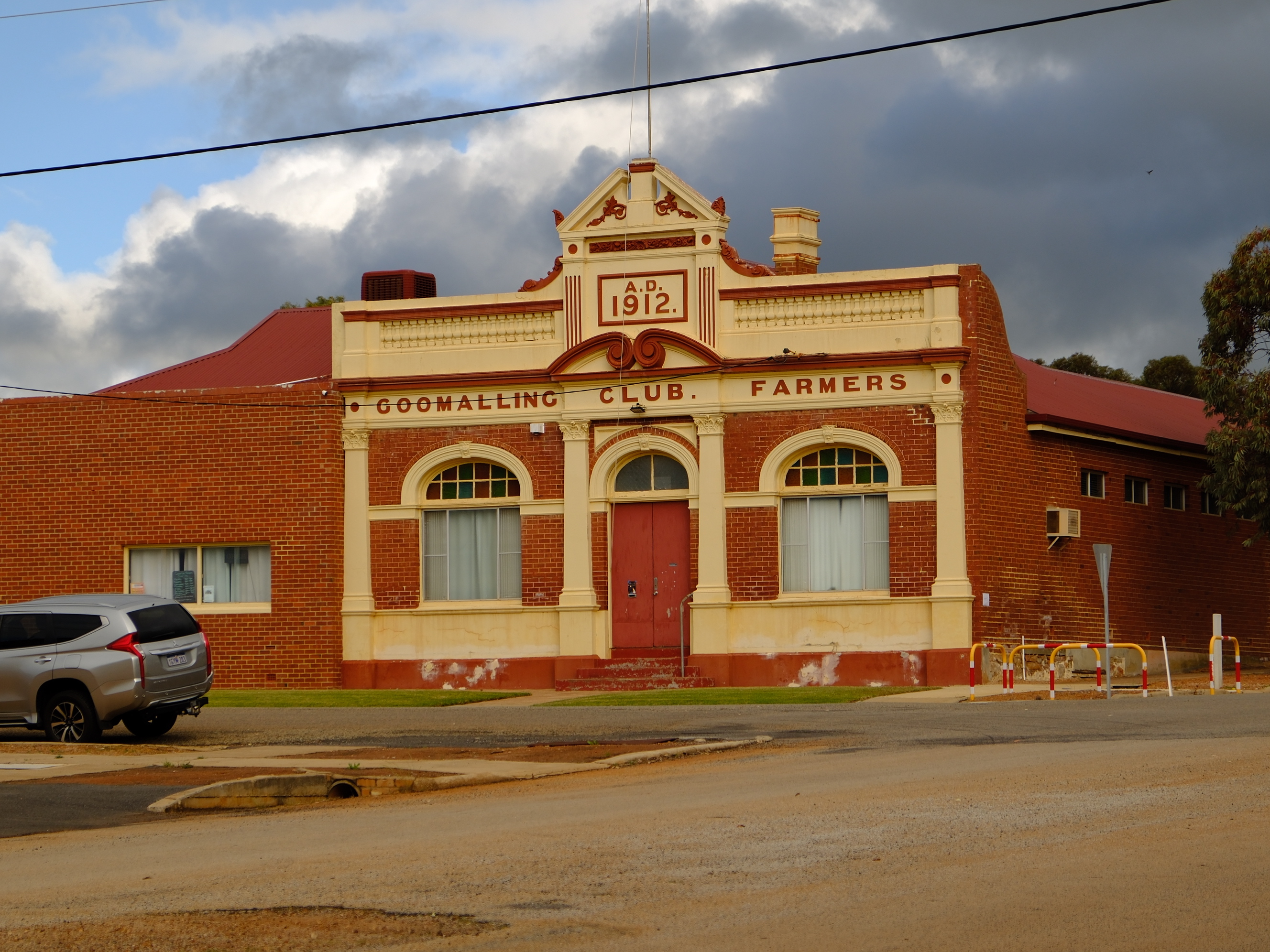
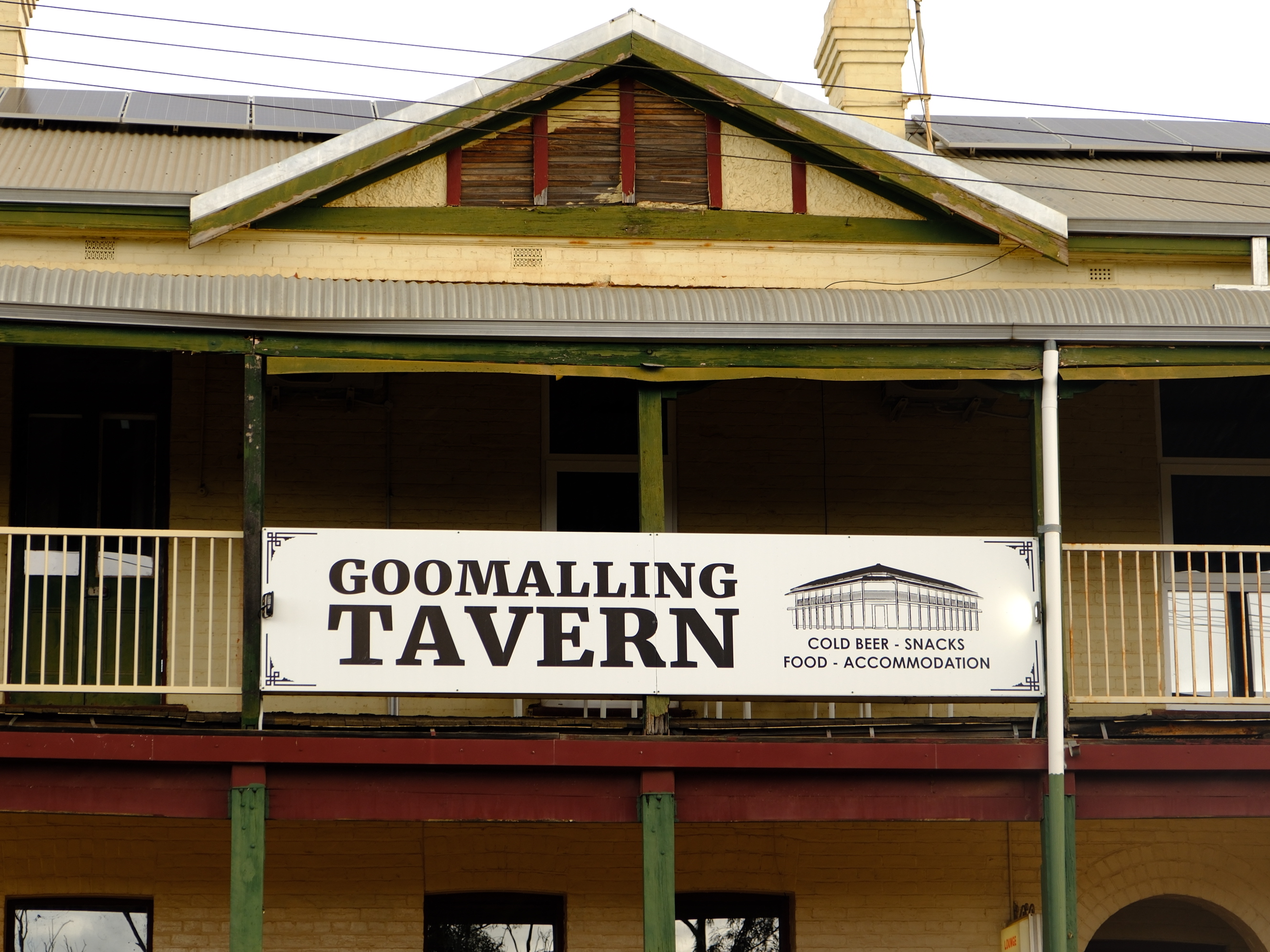
We decided a final visit to the town Op Shop was in order, seeing as I hadn’t been yet, and headed into the wide streets of Goomalling for another walk about. The Op Shop was on the main street, just past the hotel, the post office and Bendigo Bank, and it was heaving! Most of the good stuff had been bought up by the bargain-hungry visitors. The Op Shop manager was very happy with her day’s takings declaring it ‘the best day of takings she had ever had.’
I found nothing but enjoyed the browse before we went back to camp to prepare our clothing for the coming evening. Back for another drink or two at the Bowls Club before the children and festival goers began congregating for the puppet parade and song performance by the children.
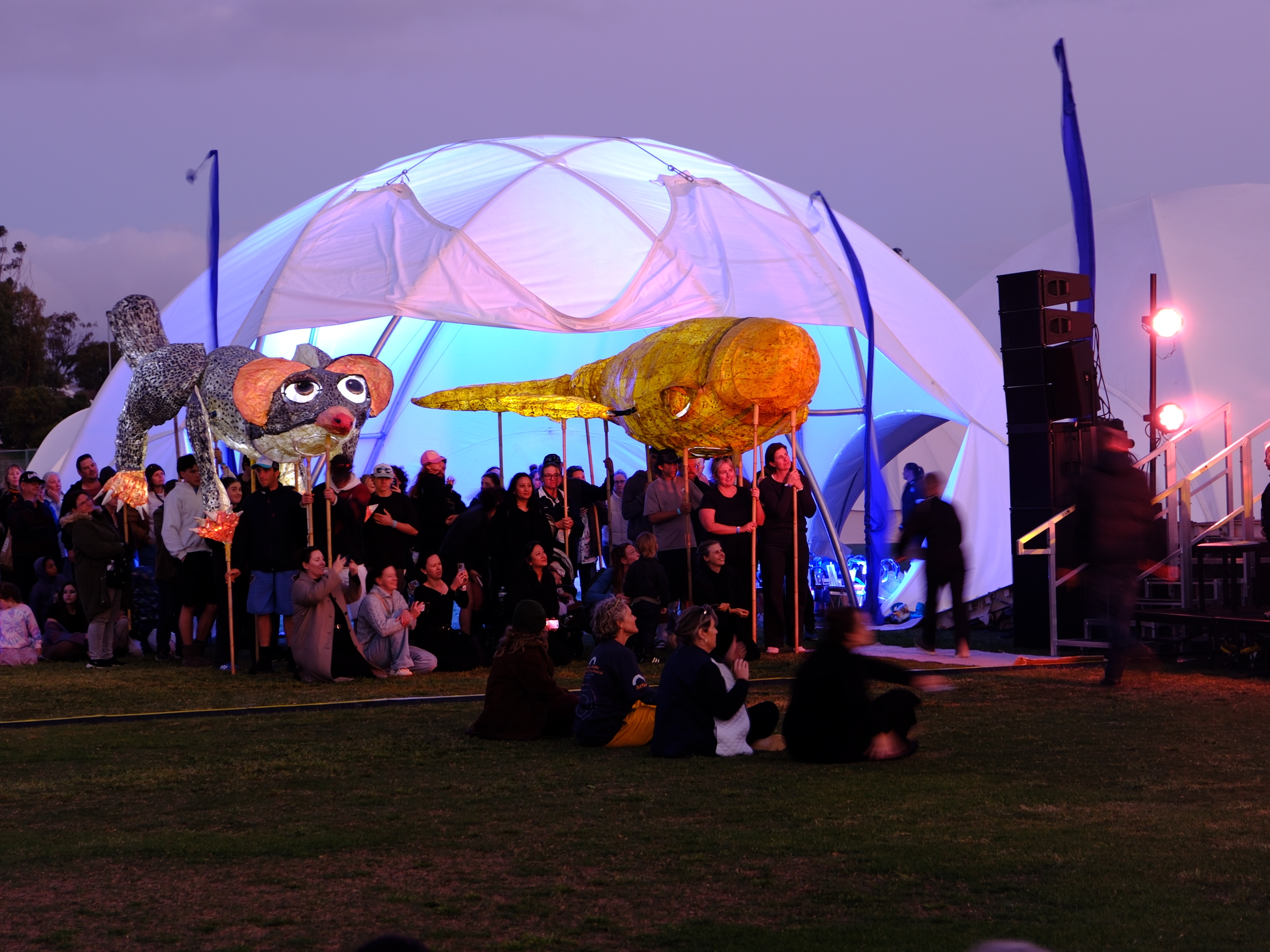
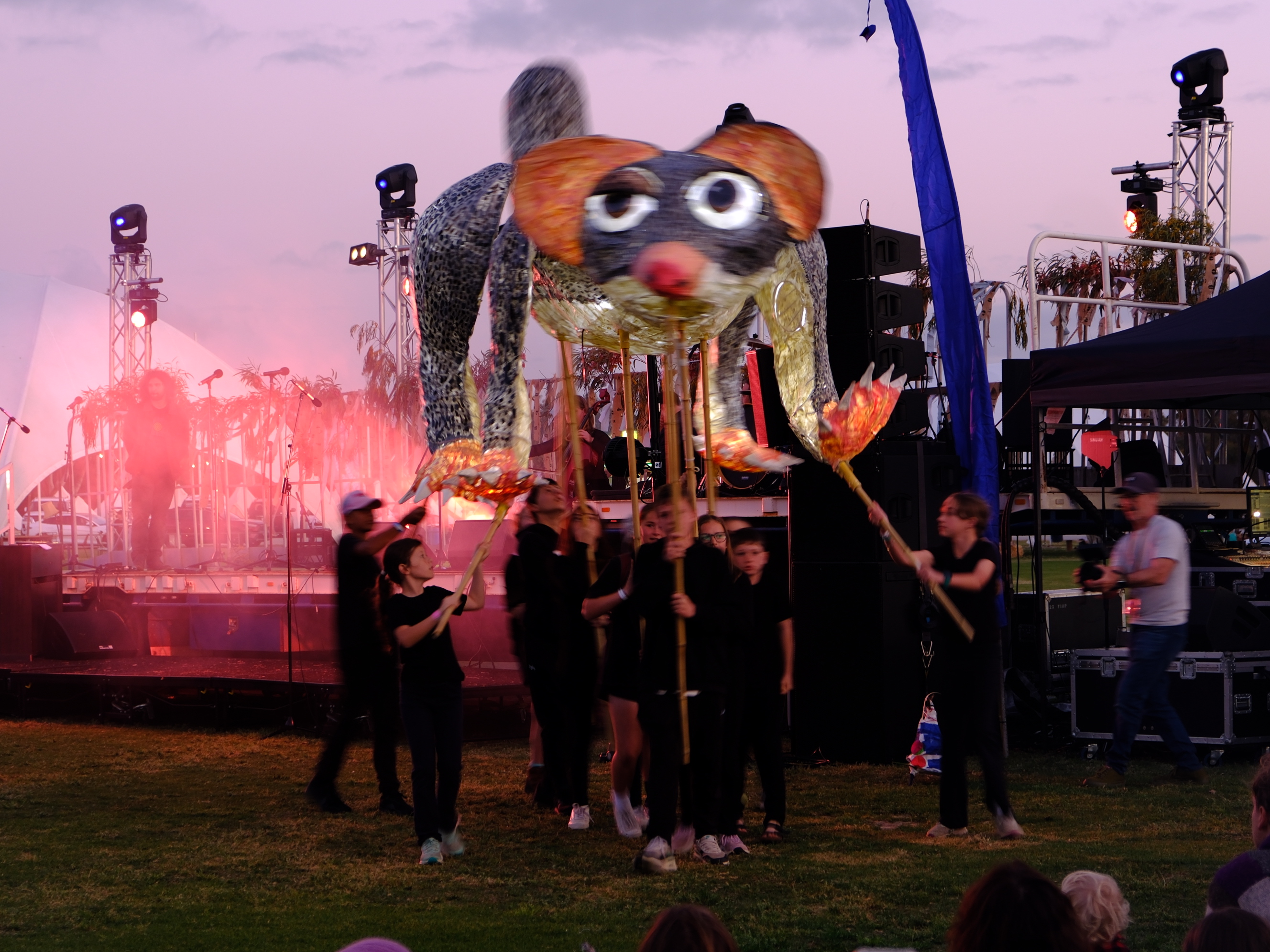
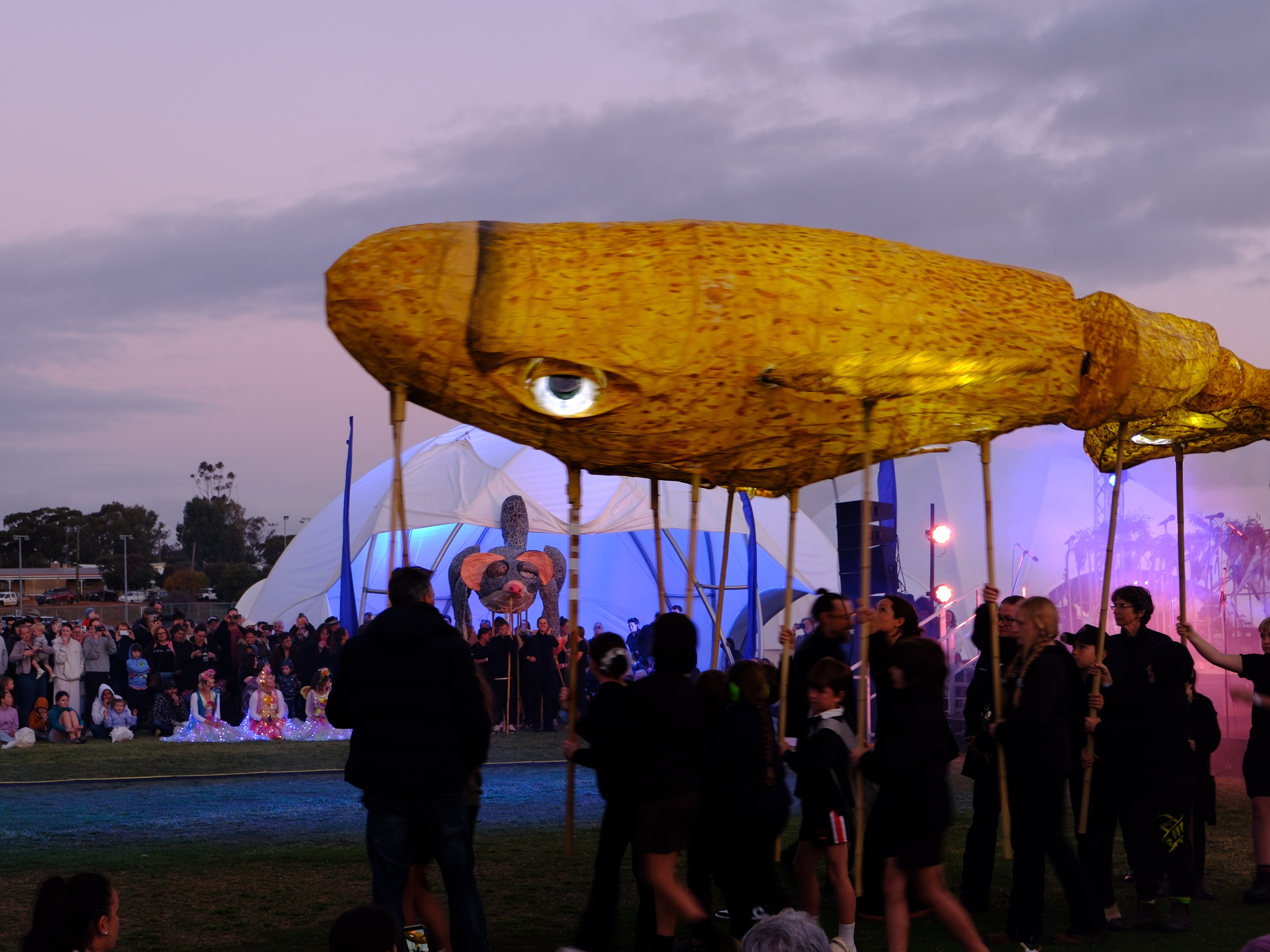
What followed brought me to tears! The giant paper mache whale and Koomal possum that we had seen sheltered in the tent earlier that day came to life with lights and a group of young people moving their parts as they circled the area in front of the stage accompanied by a drumming group. The children sang a song about the disappearance of the Koomal possum, written by Fleur and then we all set off towards the silos as the sun set and darkness fell.
There was a real sense of being part of something so unique and important as we all stopped in front of the silos and all the lights were extinguished. The Totem Story projected onto those crazy dinosaur eggs and narrated by Aunty Tracy and children was just incredible.
Totem Stories on Goomalling wheat silos
When it finished we all strolled slowly back into town feeling like we had been part of something beautiful. It was clear how much work had gone into every part of the weekend from the involvement of the local schools in the incredible art projects to the local businesses and volunteers who made it all possible.
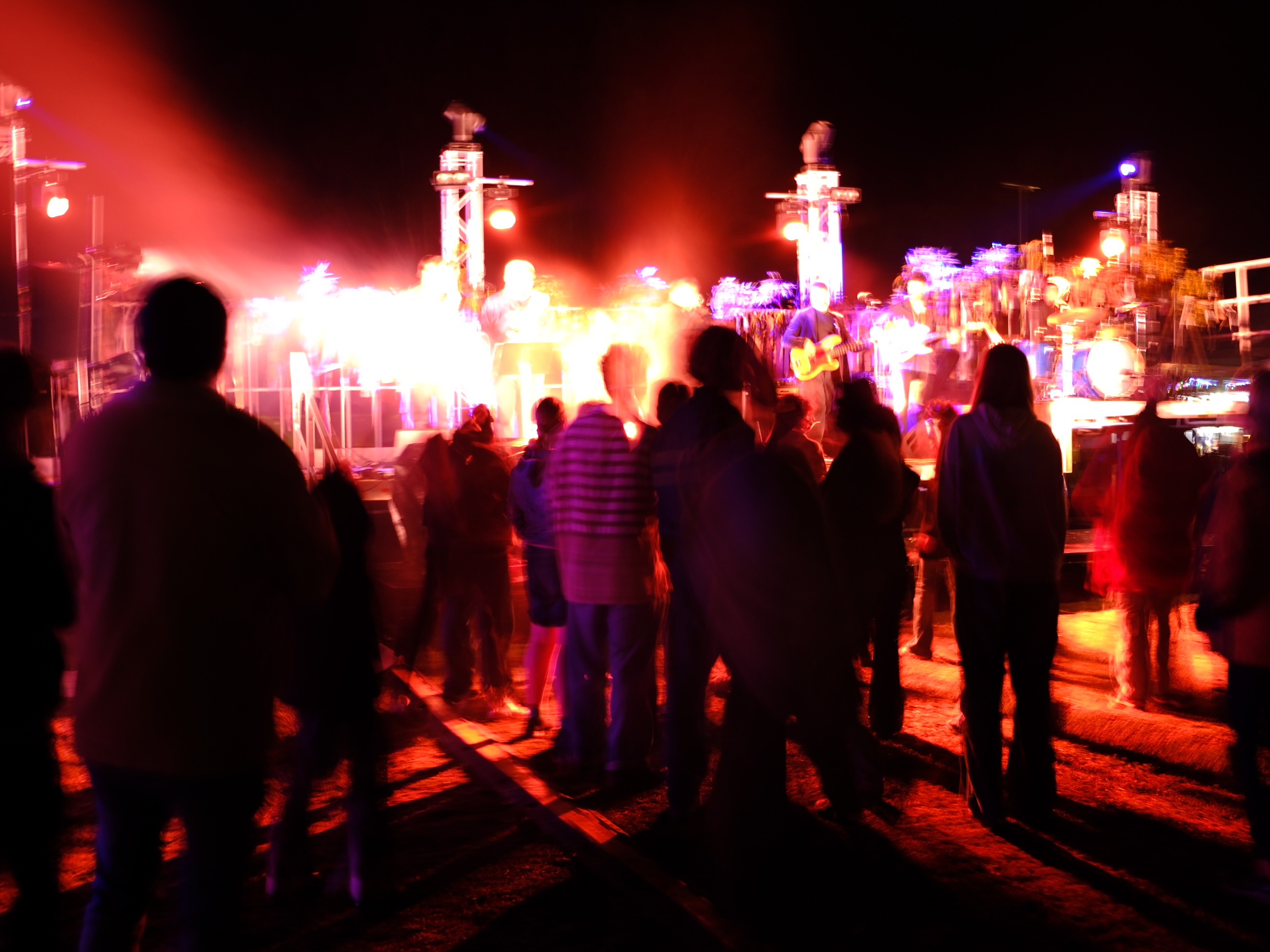
The remainder of the evening was spent having food and listening to the music by local and Western Australian acts; finishing on a funky note with a boogie to Odette Mercy and the Soul Atomics before we stumbled back to our golf course camp for sleep.
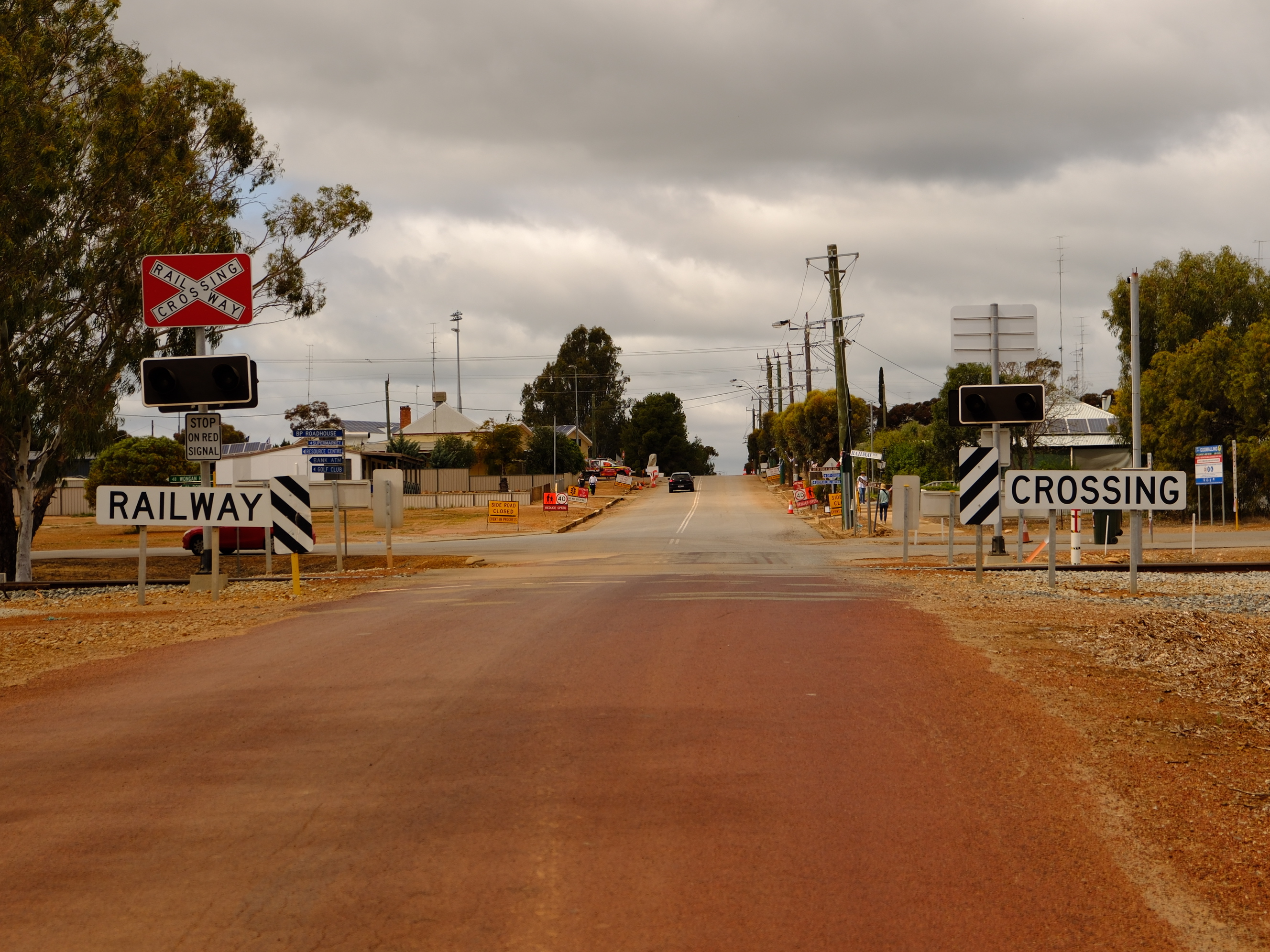
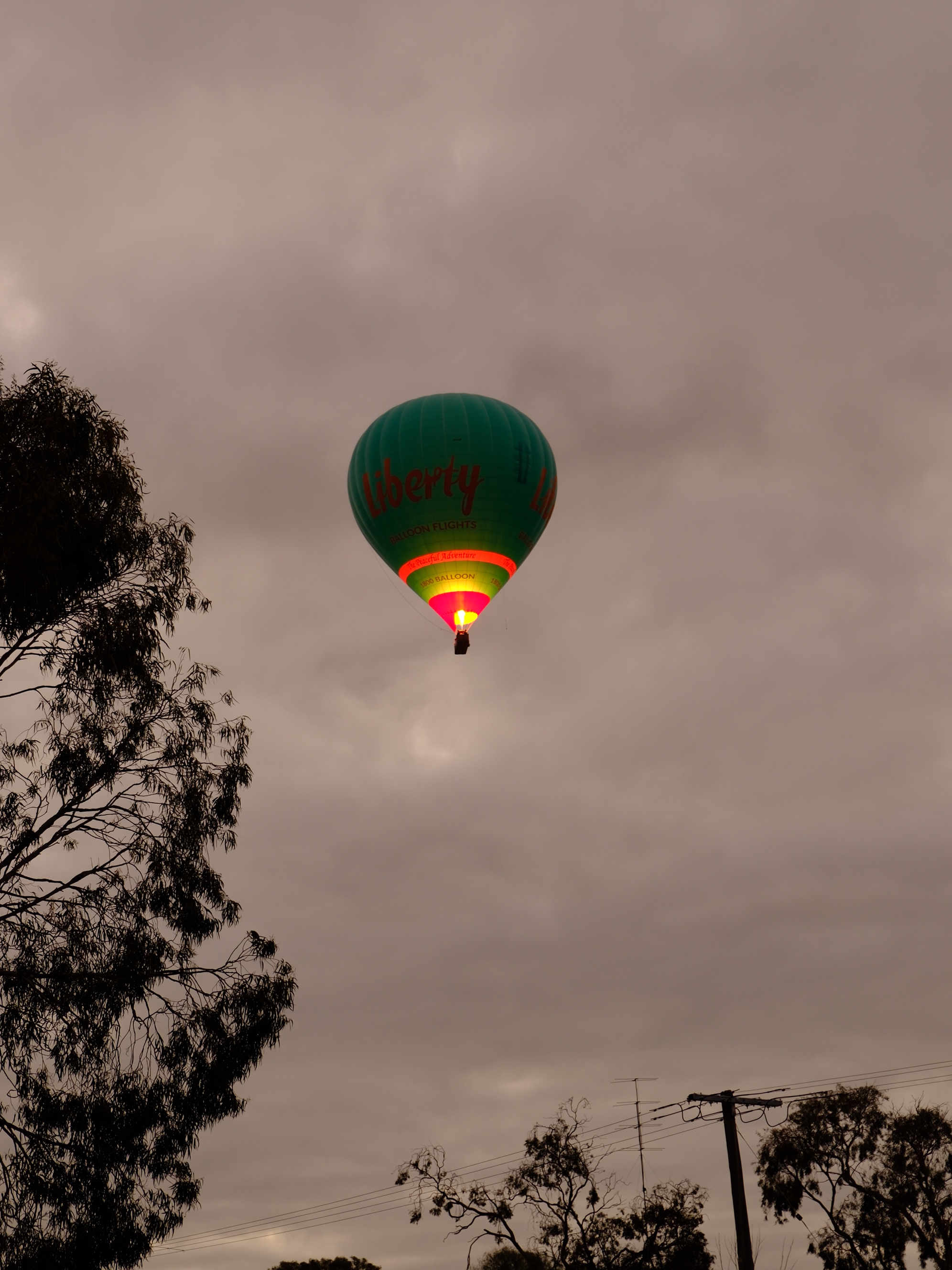
I was woken at 5:00 am by the sound of the hot air balloon that had been sitting on the oval the day before, being inflated on the oval for a sunrise flight; the steady hum of the generator and then the huge huffing sounds of the flame being shot into the full balloon. I just had to get a photo so I braved the mossies and got to the railway line as it lifted into the cloudy skies. I got my pics and climbed back into bed for another hour.
Day two started with a sausage sizzle right outside our tents as the local P & C cooked us up a meaty breakfast of sausages, onions and sauce (onions and sauce for the vegetarians). I scoffed down a sausage but Elaine passed on the onion in a bun. So we dressed and headed into town. It was pretty chill as we found coffee and a space on the grass for the remaining acts. The festival ended with the Rose Parker Trio and a whole lot of thank yous and congratulations.
As we walked back to our cars, the only two left on the golf course, we reflected on our experience and decided it was one of the best weekends we could have had. Thank you to everyone who made it happen.
I had an antique German camera circa 1956. My dad gave it to me when I was 13; it was beautiful. It had a brown leather case scuffed at the corners, and a short handstrap; the aluminium body shell was cool to the touch, it was in perfect nick. I treasured that camera because it had been Dad’s and then it was mine.
Over the years I have amassed a small arsenal of cameras; always within reach, always ready for a quick draw. Each one poised to capture fleeting moments, little tableau vivants frozen in time, saved for later.
I hoard these fragments like a clever corvid, stashing them away in digital caches, waiting to be rediscovered. But sometimes, the sheer volume of stored memories overwhelms me. So many moments scattered across virtual vaults, buried in folders, clouds, drives.
There was simplicity in the old ways; sliding prints into a drawer, arranging them in photo albums behind plastic that held your memories behind static and photo mounts, or clicking through dusty slides in a carousel at family gatherings, onto a white bedsheet.
Honestly? Screw the cloud.
Tell those friends with cameras for eyes That their hands don’t make me hang They only make me feel like breathing In an unguarded moment.
Michelle Parker / Stephen Kilbey
Photography was once all about fitting a black and white Kodak film into the back of a camera and slotting it into place, carefully lining up the film onto the sprockets and slowly closing the back with a satisfying click. I loved winding the film on to the first frame; it filled me with delicious anticipation every time. What could I capture on this fine roll of cellulose acetate?
My first film installed in my German camera when I was 13, took an age to reach the final frame. Only 12 exposures, but each one was carefully considered. Composition, light, F stops just right. Press my finger down on the shutter button, click! Wind on.
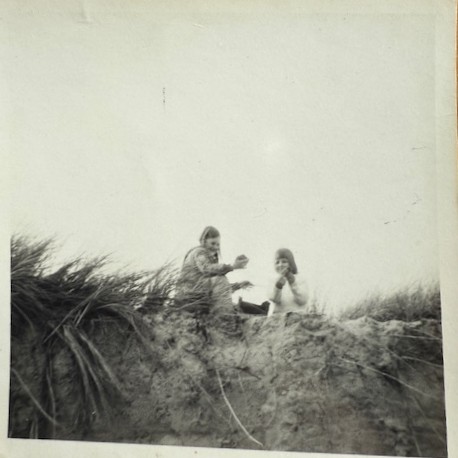
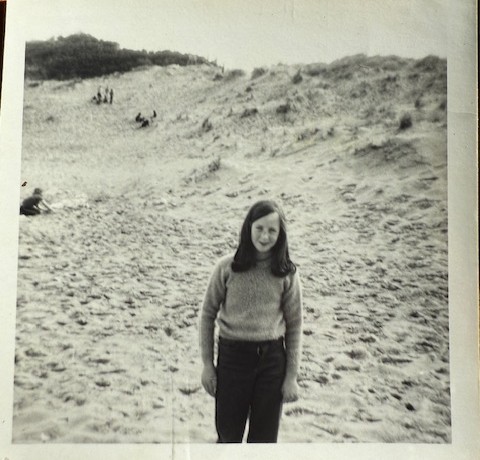
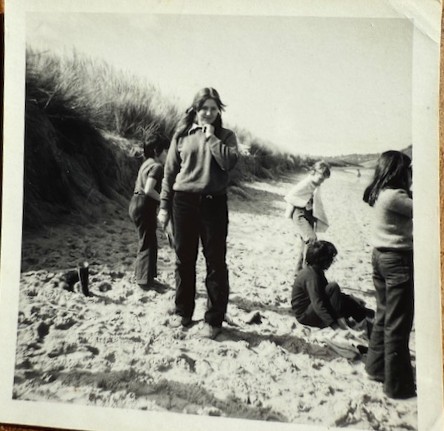
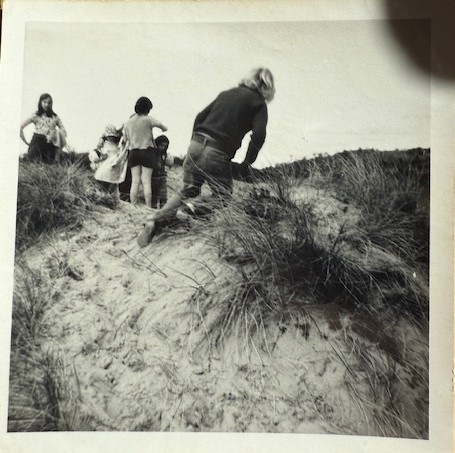
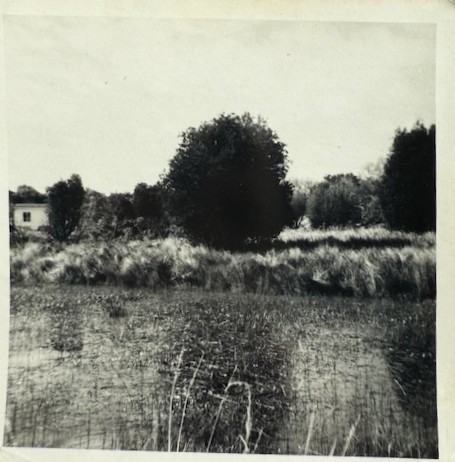
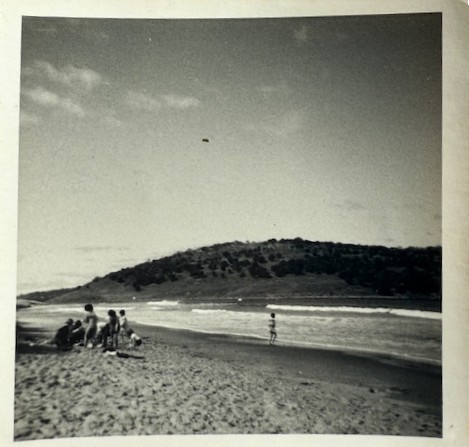
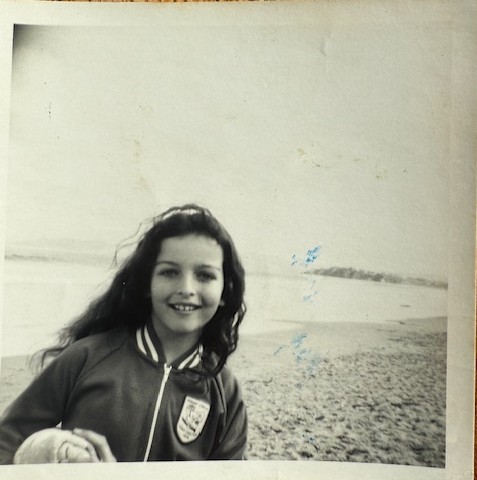
My first reel was shot on a holiday camp for children who did remote correspondence schooling. A bunch of teens from farflung outposts, lighthouses, and remote locations throughout Tasmania. It was a strange and isolating experience for me which was odd because for the first time in years I was with children my age. The photos are of the girls who I made friends with, posing awkwardly on the beach.
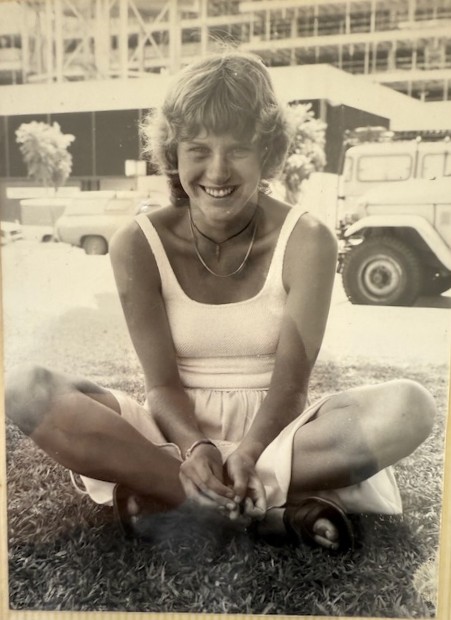
I loved photography. I took the elective twice in high school and later when I was in my final year at Nightcliff High in Darwin I completed a week’s work experience at the male dominated bastion that was the NT News. It was a newspaper worthy only of lining a birdcage, but I was given free rein with all their camera equipment and the dark room. They sent me out on ‘assignment’ and I spent the week roaming the streets of Darwin photographing visiting sailors and points of interest. One of the best weeks of my life. Although looking back I think they just wanted me out of their hair. Pesky work experience kid, and a GIRL at that.
Pesky Work experience kid – yes, that is a bullet around my neck!
I was lucky growing up because I also had the means to process my own film. For a time, my arty creative family had a dark room that doubled as a laundry ; knock before you enter. The smell of developing fluid, the sticky photographic paper immersed in solution as you push it back and forth to get maximum coverage. Pegs to pin the drying photos. The red light.
I carried that German camera everywhere. When I fled Darwin to check out the ‘big ol’ city’ of Perth I was 20 years old. All I had was my pale green Toyota Corolla, some jewellery that belonged to my dead mother, a couple of suit cases of clothes, my dog ‘Odie’, and my camera with the brown leather case.
I had no feelings for the jewellery and pawned it within a week of arriving in Perth. I never retrieved it, I should have. There’s a whole lot of unresolved trauma behind this that I won’t go into here and now.
I had already secured a fulltime job with a West Perth accountant but had four long weeks before the job started. I was living on the bones of my bum, in a share house with three of the strangest men I’d ever met. The home owner, an alcoholic bank manager who tried to get me into bed every weekend, a wheatbelt butcher named Brad, as country as they come, and a batshit crazy skydiver who jumped out of planes every weekend, as warped as they come. We all had dogs. It was ridiculous. I got out of there not long after I started my fulltime job.
Anyway, I was skint and the only things I had of any value were my car which I needed to get to work, eventually, and my brown case camera. I was not one to ask my family for money; I was fiercely independent. So I took that heirloom to a pawn shop with the intention of lending against it and retrieving it later. I think anyone who has ever pawned anything has the same intention. It was the first of many interactions I would have with the shady world of pawn shops over my lifetime.
Before Cash Converters went chainstore slick, pawn shops of the ’80s were shady backstreet dens, usually run by middle-aged men with foggy glasses and halitosis. Cash Converters started in Perth in 1984 as just one grimy shop, not the franchise juggernaut it later became. By 1990, its expansion across Australia somehow turned the once shameful act of pawning Gran’s wedding ring into something you could do between grocery runs. Respectable seeming ads helped remove the shame of being broke, until ID checks were insisted on, revealing most of the goods were stolen. Who’d have guessed?
I think I got a miniscule $50 for it. $50 was enough to keep me going until I received my first ever dole cheque. Yes, in those days it was a dole cheque, you cashed them at the bank. I was on the dole for four weeks and in that time I did what every other person on the dole was doing in Perth and hung out at Scarborough Beach. Sun, sand and salt were my regular companions.
But, I never did go back to pick up my camera, not even after I started work. I was playing catch up with rent, new work clothes and food, and with the interest mounting on my pawned items, suddenly it was too late. The brown case camera from Germany, that belonged to my Dad was gone. The jewellery that belonged to my mum was gone. I have regretted losing that camera ever since.
So over the years I’ve kept an eye on camera sales websites, Facebook pages and Marketplace. They come up but they have all looked worst for wear. One Sunday I was browsing Marketplace and I saw one for sale in a suburb close to mine. It had been sitting in the owners’ storage for decades. The lense unscratched, if a bit dirty. But Zeiss lenses are the best and if they have not been scratched they will come up fine with a clean.
I jumped in my car and drove like a mad person through an electrical storm, torrential rain and hail. The camera was perfect and appeared to be in excellent condition; the model was not the same as my old one. It’s a Zeiss Ikon Contessa with a quality Tessar lens. So I handed over my cash and spirited it home for cleaning and love. I know it doesnt go anywhere near replacing the one I pawned but it looks and feels the same; a satisfying weight, the aluminium cool to the touch and the brown leather case is scuffed in all the right places.
*EDIT
Here are the first photos from my new camera. I am beyond pleased!
On the beautiful Atlantic Ocean coast sits the small town of Faro; a town of contrasts and the best piri piri chicken in Algarve
Where possible. I always prefer train travel when exploring Europe. I’ve done the hire car thing a few times but find it stressful; trying to park, paying for parking and the whole ‘driving on the wrong side of the road’ business. I love a slow-travel experience, the downtime for writing and reading, and just watching the landscape speed past. Olive trees, grape vines, and Tassie blue gums swishing past in a swirl of muted greens. Hay stacks, cows and sunshine! All while sipping a cold Estrella and gnawing on some jamon and kicking back. It’s the summer daydreams are made of.
Pastel de nata always on the menuTime for a bit of writing
On a recent trip to Spain and Portugal, I set the itinerary to the train timetable and chose stopovers according to their ease of access to train stations, connections, and points of interest. Being our first trip to Portugal, we planned to visit the major cities of Porto and Lisboa, but as I’m ever the bird nerd and nature-nut, I also wanted to hang with the birds and lose myself in wilderness.
Sunset on the first night in Faro – bloody stunning!
For the Algarve part of our trip, we chose Faro. Firstly because it was a single two-hour train journey from Lisboa. Two hours being the optimum time for train relaxation and people watching. Faro, or Cidade de Faro is the southern most city and capital of the district of Faro. It forms part of the Algarve region and from my research had some interesting historical points.
The area was known as Ossonoba in the 4th Century BC and it was the most important urban centre of southern Portugal; a commercial port for agricultural products, fish, and minerals. Later came the Romans, then the Byzantines, and then the Visigoths, before the area was conquered by the Arabic-speaking Muslims known as Moors in 713.
From the third century onwards and during the Visigothic period, it was the site of an Episcopal see, the Ancient Diocese of Ossonoba (306-688). The Byzantine built the towers of the city walls during the Byzantine period. Following 500 years of Moorish rule the Moors were defeated and expelled in 1249 by the forces of the Portuguese King Afonso III. The rest they say, is history and a very rich one it is!
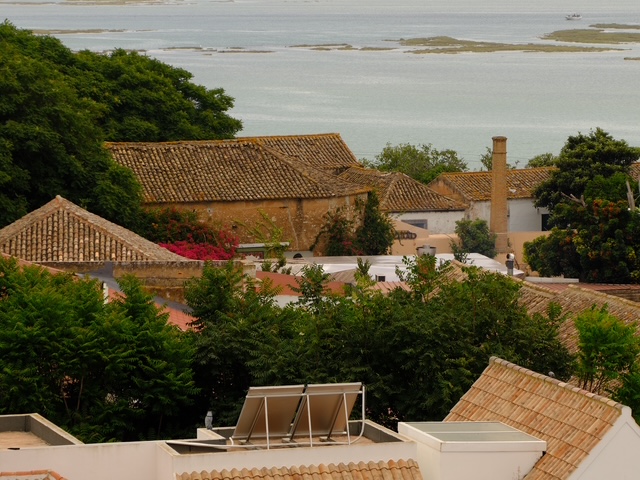
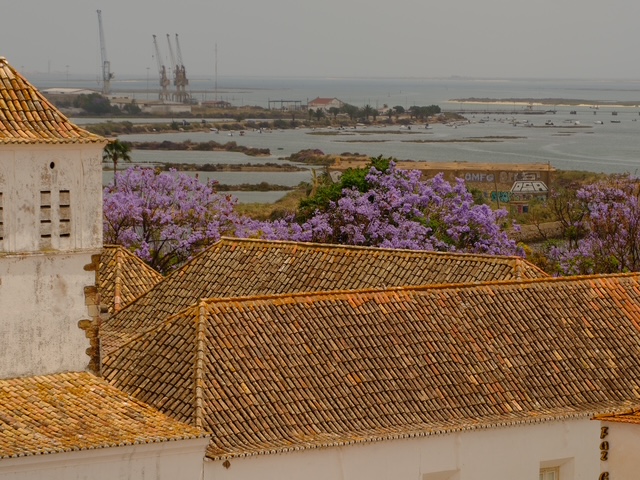
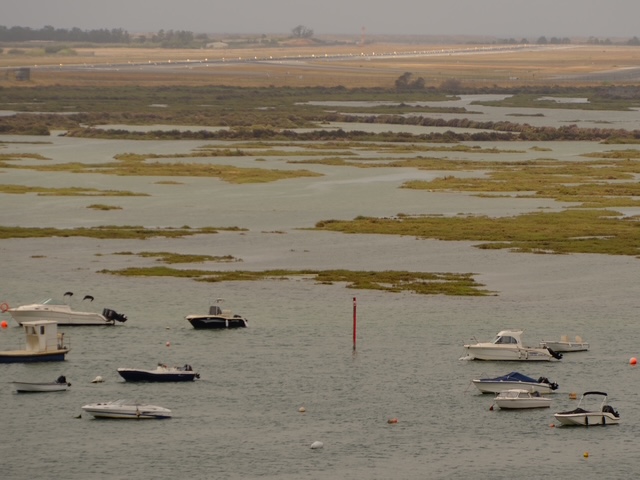
It’s also right on the shores of nature-lovers Parque Natural da Ria Formosa. The Ria Formosa (Beautiful Estuary) is an estuary park of natural canals, islands, marsh lands and sandy beaches. The park extends 60 km along the coast. It’s home to a diverse range of flora and fauna, including hundreds of species of birds, marine mammals and shellfish.
My first impression of Faro the town on the short taxi trip from the train station to our accommodation? I had an instant and overwhelming urge to get back on the train and continue to the more popular tourist destination of Lagos. I had my phone out searching for train fares to Lagos before I had even given Faro half a chance. Which is not like me at all to have such a visceral reaction to a place.
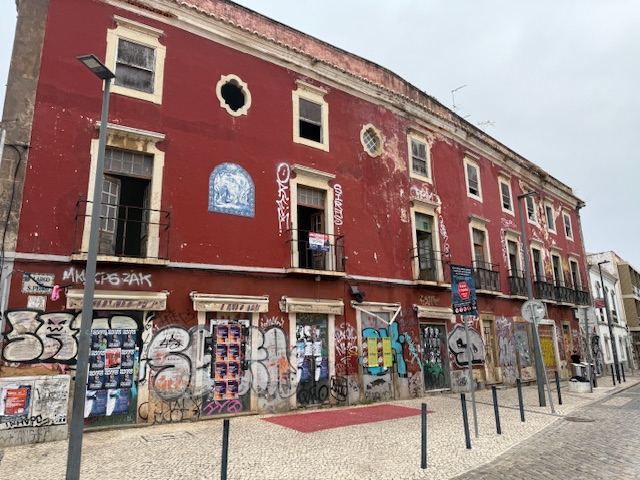
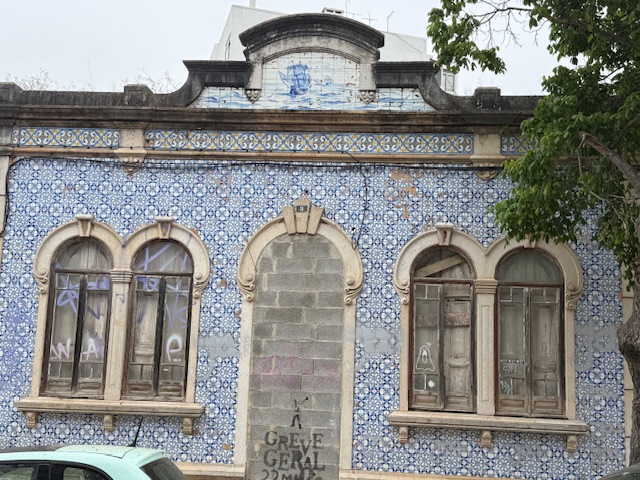
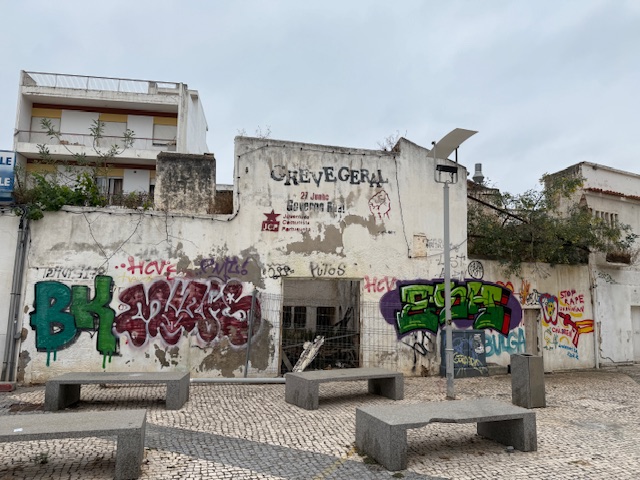
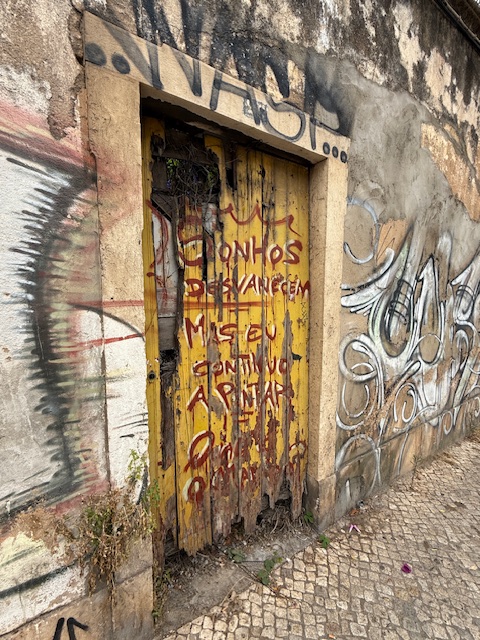
Abandoned buildings
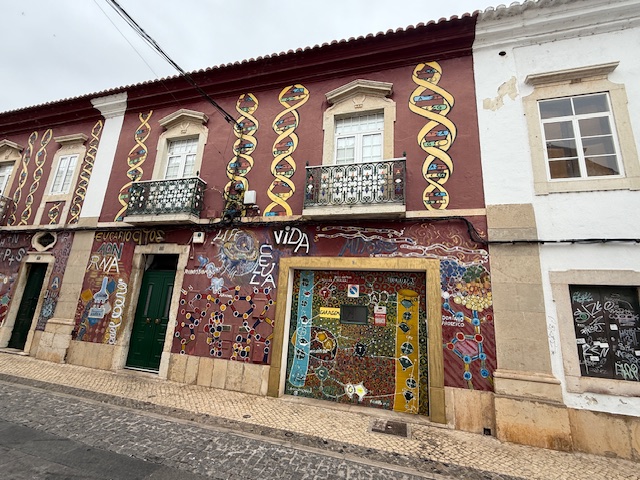
Like many towns and cities in Portugal old buildings in Faro are in a state of decay and because Faro is a small town/city it was shocking that such a large proportion were in ruins and not just one or two buildings in a street. Entire streets of buildings had been consumed by graffiti and were turning to rubble; centuries old and now irreparable. Quite beautiful in a warzone kind of way.
When I spoke to one of the locals about this later, he said despite there being an accommodation crisis in Portugal, houses fall into disrepair when the older generations pass, and their children and grandchildren don’t have the money or the will to restore or maintain the ancient buildings. Some of them are also owned by the state who also have no intention to restore them. Portugal has some grand architecture and it’s sad to see it so bereft.
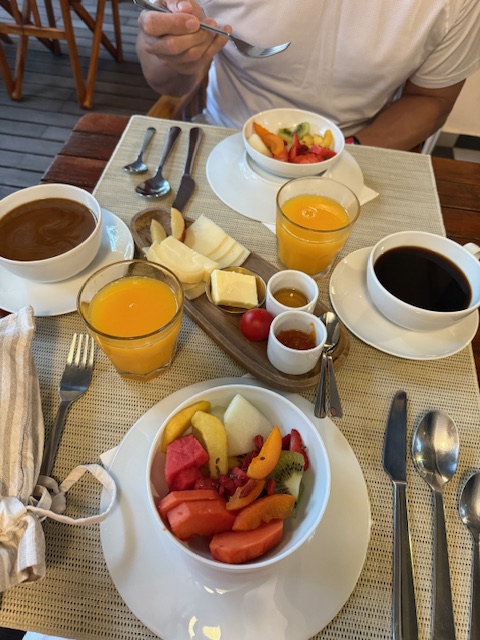
Lemon Tree StayBreakfast included
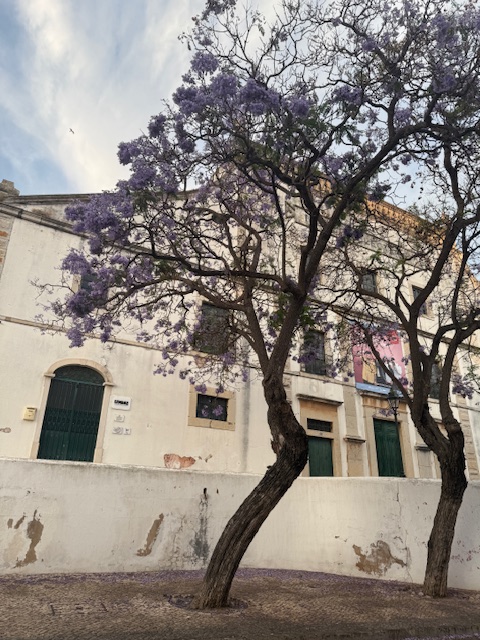
Once my partner and I settled into our gorgeous accommodation, Lemon Tree Stay, a cosy bed and breakfast surrounded by tumbling down structures on all sides, we went to explore. The old town is fortressed by the obligatory ancient stone fortress walls and paved with beautiful mosaics. The paved streets took us away from the decay of the abandoned buildings and I could see Faro had another side. A side where wealthy American and European tourists could dine out and shop at high-end shops. Such contrast.
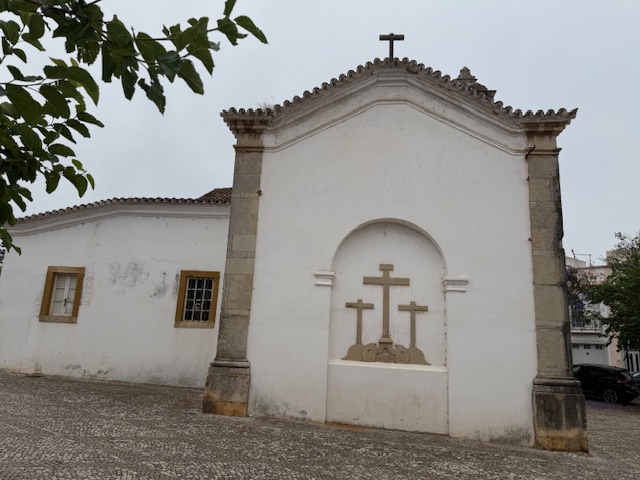
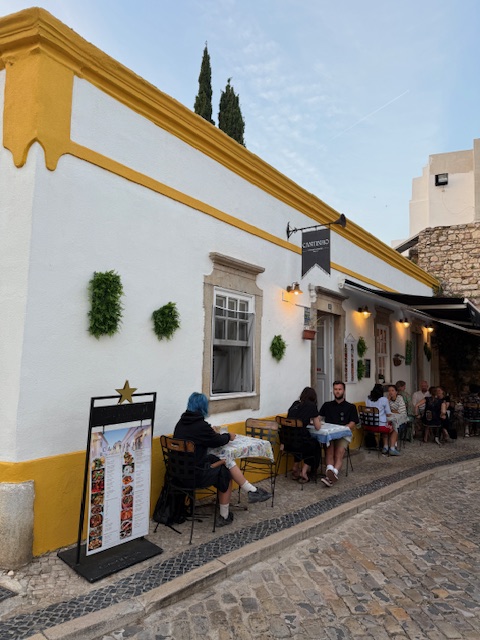
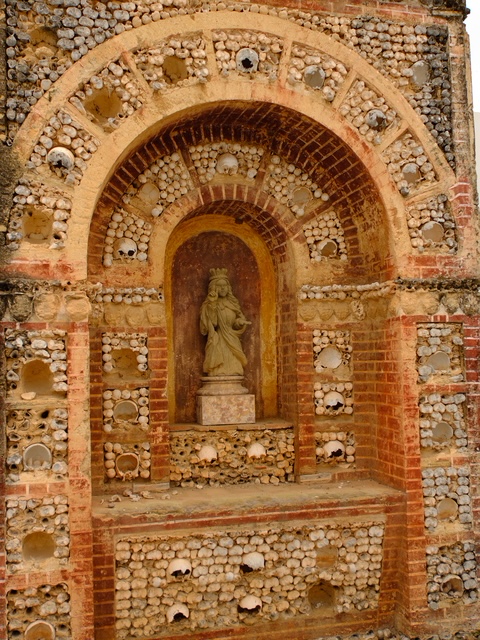
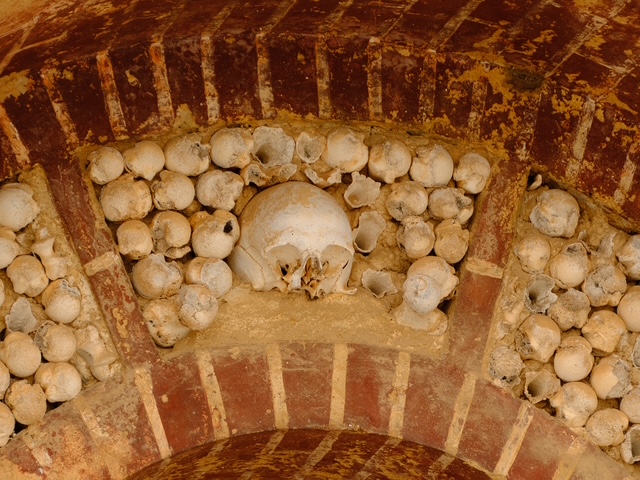
What we discovered over the days we spent in Faro was a town of beauty, history and contrasts catering to a range of tourism styles from the tourist seeking Michelin star restaurants and oysters by the sea, to the tourist seeking small bars and churrascarias (local grill restaurants) and a more authentic experience where locals hang out. It was in the back streets that we eventually discovered the most amazing piri piri chicken. The old buildings and churches including the macabre Capela dos Ossos (Bones Chapel) are worth a look. Most restaurants in this part of the town cater to seafood lovers.
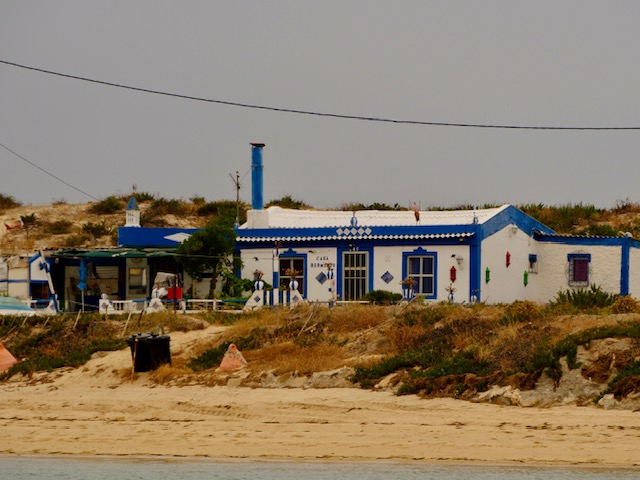
António Ramos Rosa – Faro poetPina Coladas Fishing shack on the beachJacarandas in full bloom
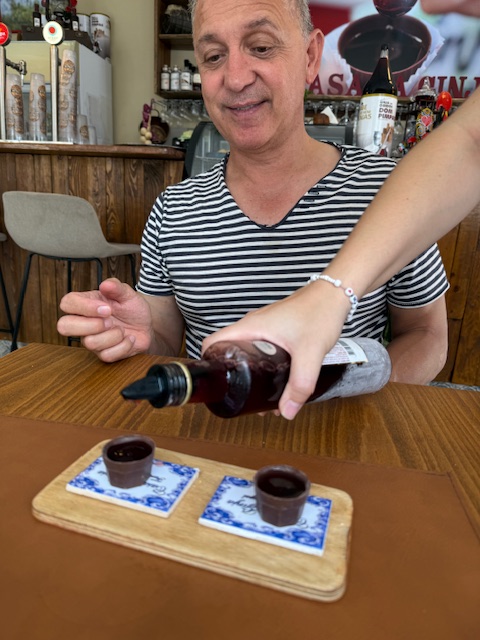
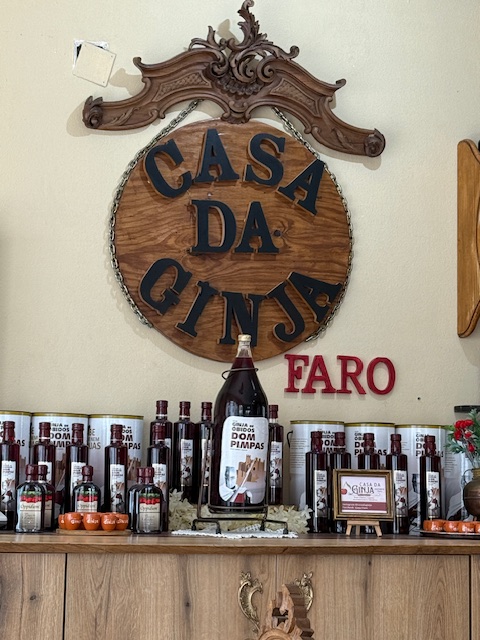
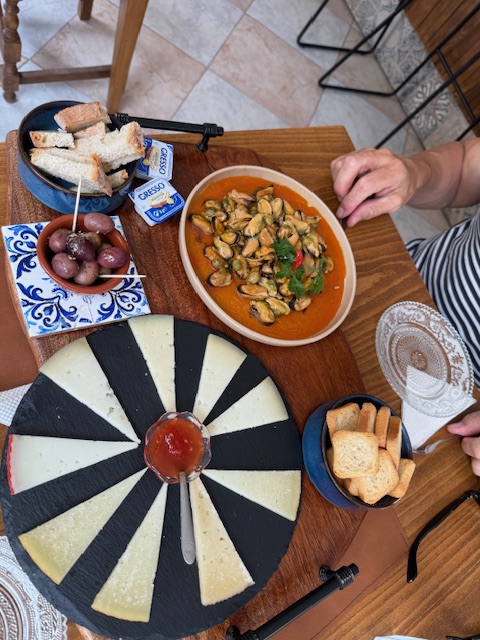
For our first meal, my partner and I found a local bar where we ordered a plate of mussels, cheese and olives. The Casa da Ginja Bar in Faro is the place to try the local cherry liquor, Ginja, a sweet drop served in a small dark chocolate cup to be eaten after you have drained it. So we decided it was mandatory to have one to start with and then one to finish. It certainly put a warm glow on my initial impression of the town.
Cas da Ginja
Following our feast and warmed by the Ginja I canceled the hastily booked train tickets to Lagos, and we decided to give the town a chance and explore as far and as wide as we could. We were not disappointed.
I knew the Ria Formosa Natural Park was right on our doorstop so I booked an eco-tour on a solar powered boat the next day to go birdwatching and get out to the beach which is not immediately accessible to Faro – there was some legwork and a boat ride required to get there. The morning of our boat trip we woke to drizzling rain, not ideal for birdwatching or beach combing, but I was excited to get into nature after spending the last eight days in the big cities of Porto and Lisbon. So, we packed some delicious tuna empanadas from the local supermarket, the obligatory tarts and some drinks for our four hour adventure.
Faro is the site of one of the largest international airports in Portugal so it was not absolutely peaceful out on the water with a constant stream of planes taking off and landing right overhead. I got the feeling our guide was not a fan of the airport traffic but he was being very diplomatic about it. Consequently we got some pretty crazy views of the big metal birds. A great spot for plane spotters!
We were lucky to be only two of three passengers on our eco boat. Us two and a lovely German tourist in Faro for a long weekend. Our knowledgeable guide, a lovely local man who had a passion for birds and the region, kitted us out in life jackets and gave us a set of binoculars before firing up the silent motor. We noted the cloud cover hadn’t cleared, but adventure was afoot and the weather waits for no one!
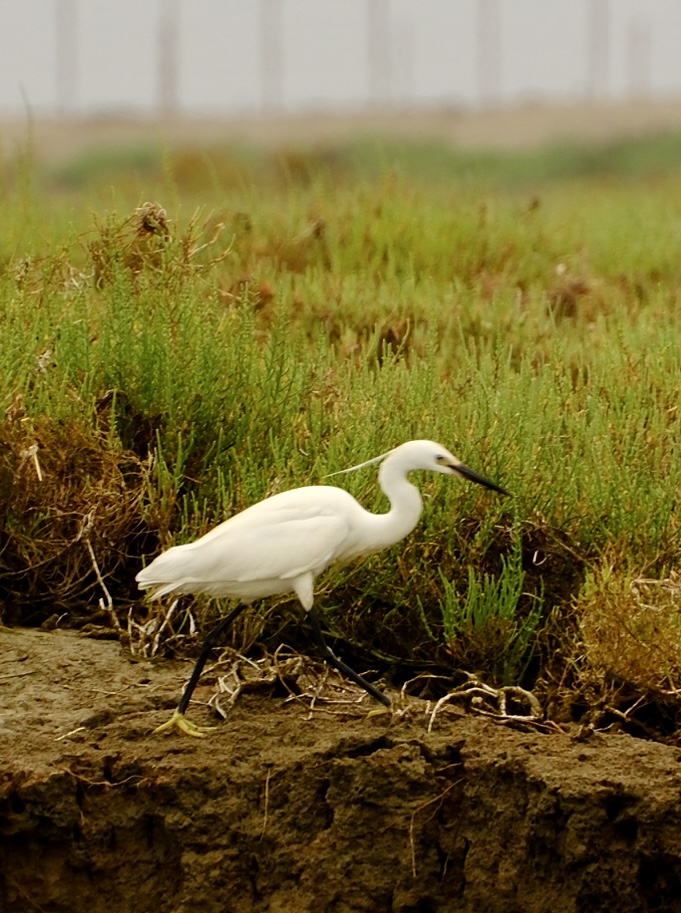
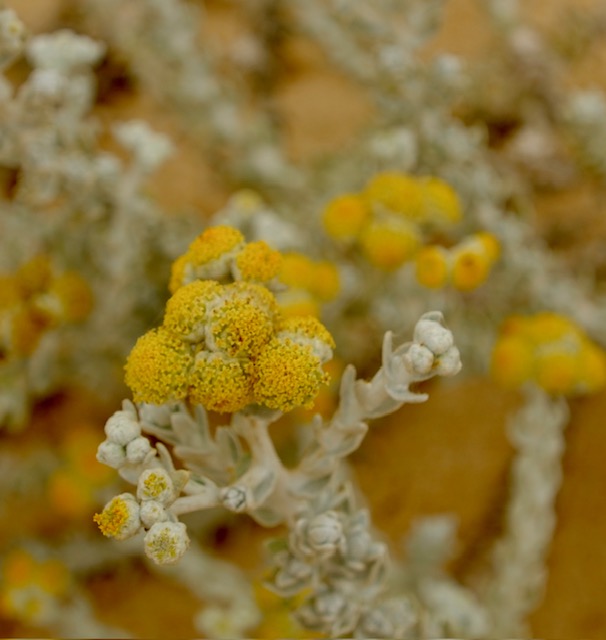
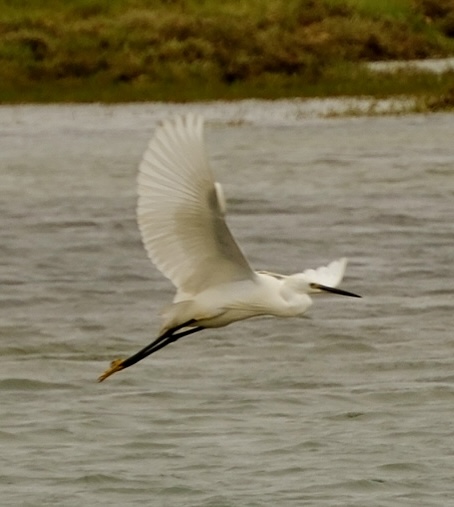
We didn’t have to glide too far before our guide pointed out our first bird, a white heron striding across the flats followed by a gull or two. We zoomed in close to the muddy islands where fiddler crabs waved their white claws at the boat almost like they expected to be rescued. Our guide informed us that locals harvest the claws from these crabs but not to worry because they regenerate! I wondered why the crabs haven’t learned to stop waving their tasty claws around. The Ria Formosa is a salt marsh affected by extreme tides. The hardy salt-tolerant Sarcocornia perennis disappears under water at high tide and emerges again into a soft island-like landscape.
Oyster buoys were scattered throughout the area, but our guide informed us that Portuguese don’t eat oysters as they can’t afford them and the ones we could see were grown by the French for French restaurants and general consumption. “And why are they grown in Portugal and not France?” He asked us. I jokingly replied “because Portuguese water is better” and he nodded his head sagely. But of course.
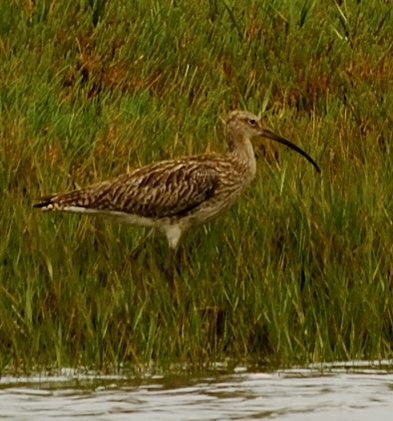
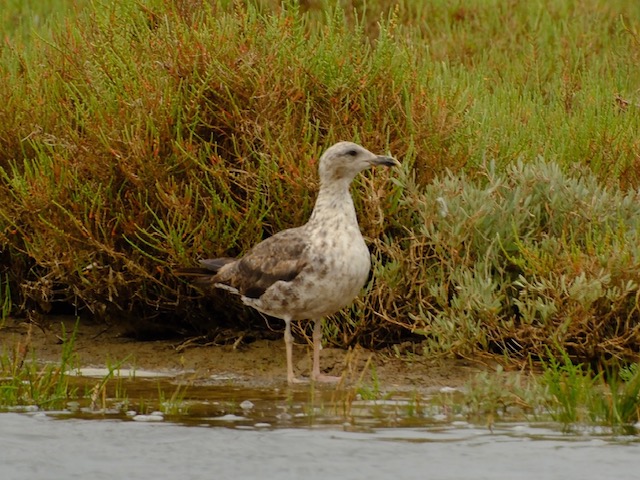
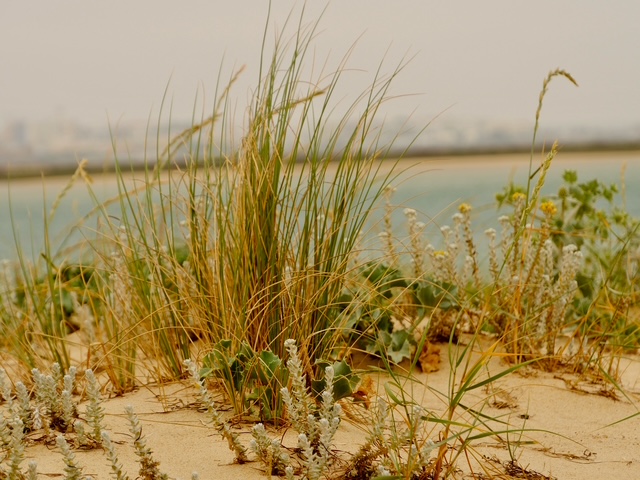
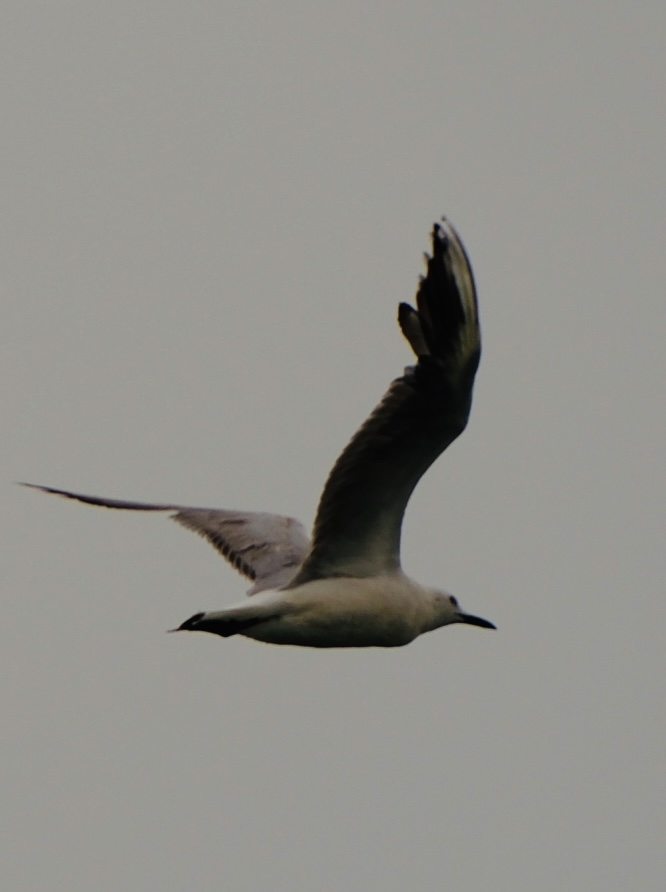
The birds appeared from all angles now. We saw a pair of Shell Ducks with 12 ducklings struggling against the swiftly turning tide; a black beaked gull (our guide was super excited about this one) and some swooping little terns catching fish. As we reached the quiet beach with golden sand and dunes covered in grasses and plants, our guide said he would leave us here for 50 minutes so we could explore and hopefully see nesting terns. He warned us to stay well back from nesting birds. The water was cold as we stepped off and despite my resolve to swim in the vast North Atlantic Ocean, I settled for cool toes and the soothing feel of course sand beneath my feet.
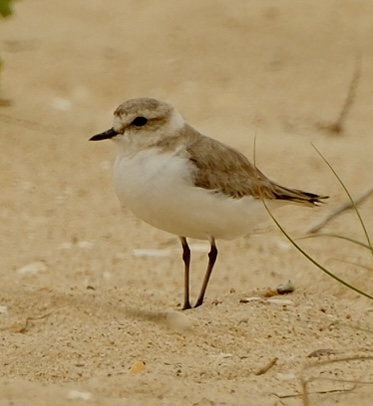
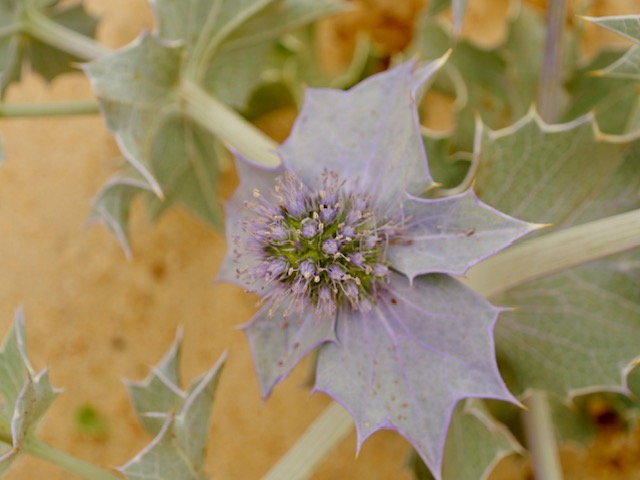
As a beach lover, this part of the trip really floated my boat. I am always happy with the wind in my hair and the sand underfoot. We found the nesting terns and viewed them from a distance as they wheeled and swooped. I stopped and took photos of the unusual dune plants before we turned to make our way back to the boat. Just before we got back to our craft, I sighted a small Kentish plover on the dunes and quickly snapped some shots. Our guide who had stayed back to have his lunch was impressed that we had found another species without his local knowledge.
The return trip was very different. By this stage, the tide had turned and all the green ‘islands’ we wove through on our way out had disappeared under water. So too the unsightly plastic oyster buoys. The current pulled us back to shore as our guide continued to point out species of birds. He informed us we wouldn’t be able to disembark in the same spot we boarded because the bridge we came under was now too low for our boat to pass. So we headed back to a jetty on the outside of the mariner.
Before we disembarked, our guide informed us that despite the cloud cover, we had exceeded expectations and had a very good day of bird spotting with 16 species seen in all. I was happy with the morning’s bird sightings because as all birdwatchers know, sometimes you see many birds, sometimes you see none. My only regret was not seeing the flamingos that live a little further around the coast. It looks like I may just have to return.
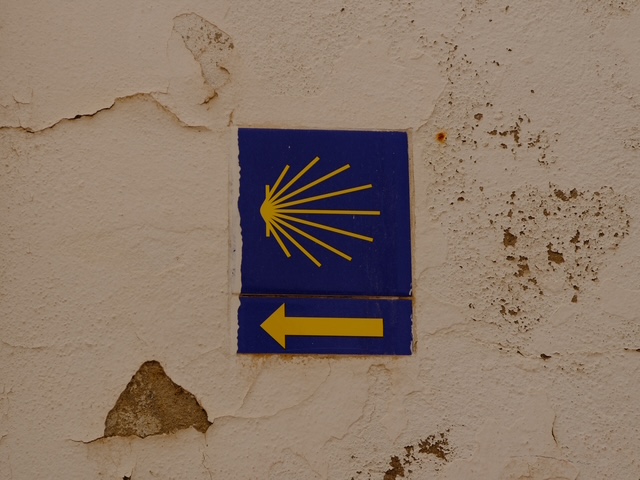
Camino signs are everywhere
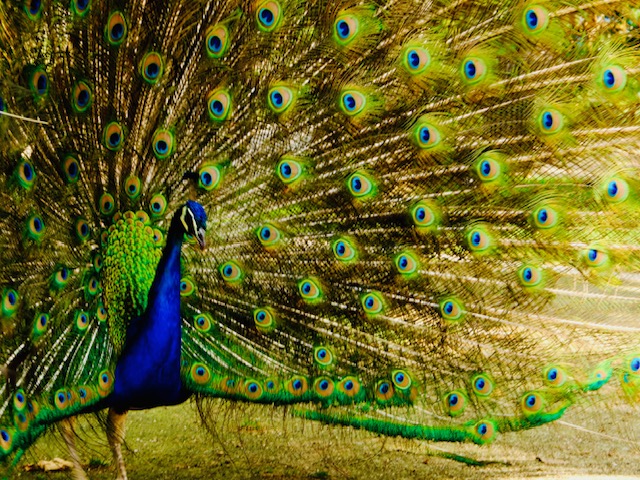
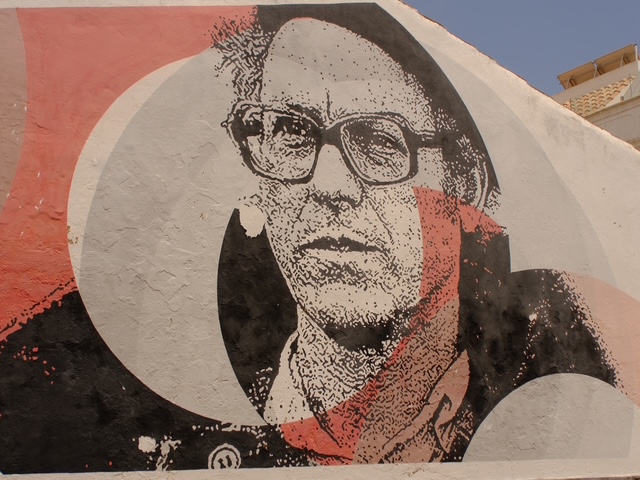
We spent the rest of the day exploring the parts of Faro we had not yet explored. We found a big park with some exhibitionist peacocks all vying for some disinterested female peahen’s attention. We were impressed though. We also visited the local library where famous Faro poet, António Ramos Rosa (1924 – 2013) is featured in a small exhibition of his works and a mural of his face. He was very much a revolutionary who was once arrested for his beliefs and the part he played in the forming of the movement Movimento de Unidade Democrática.
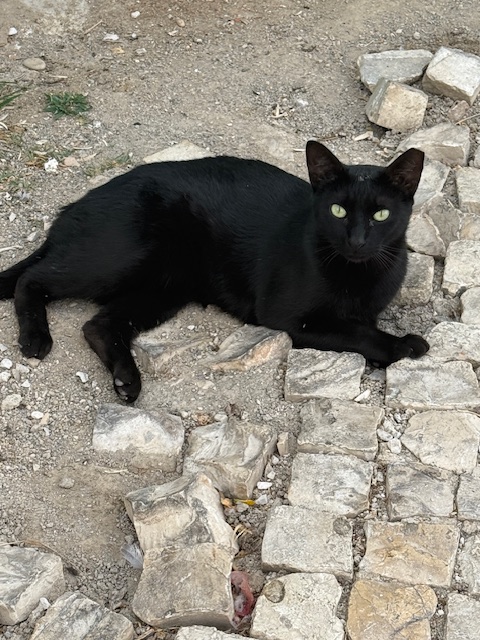
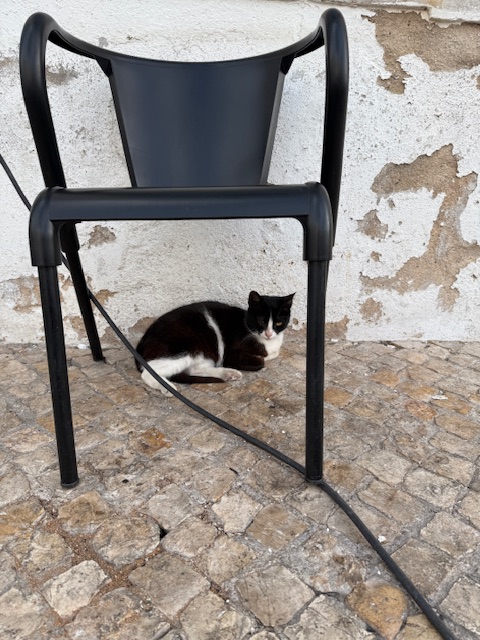
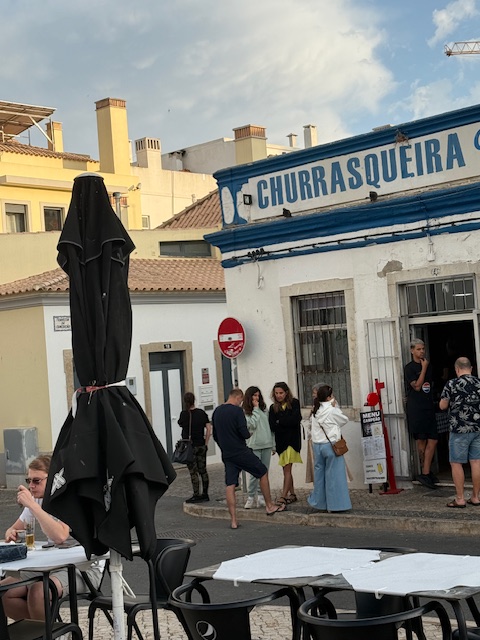
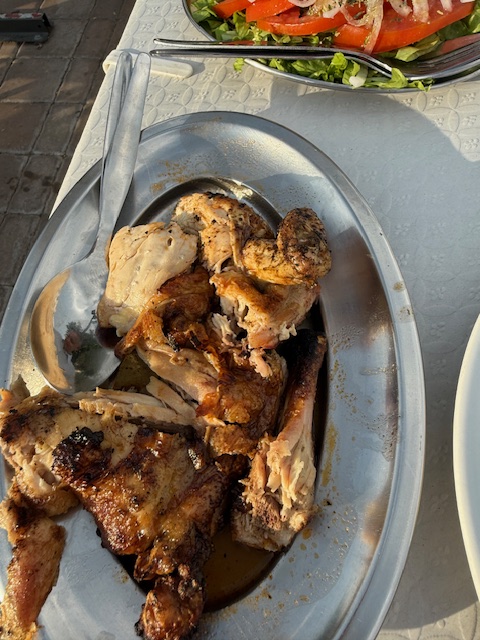
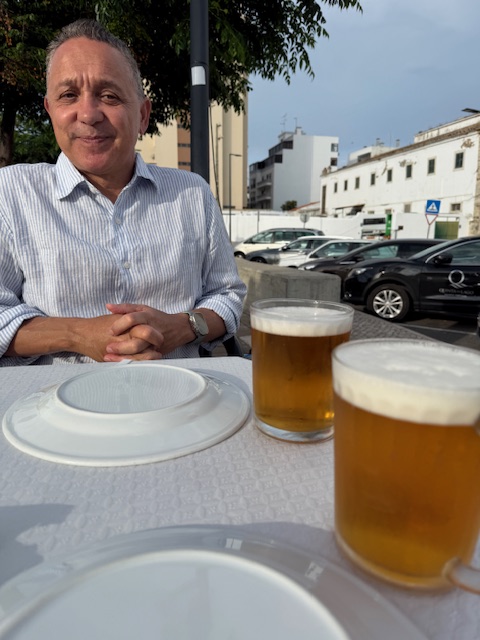
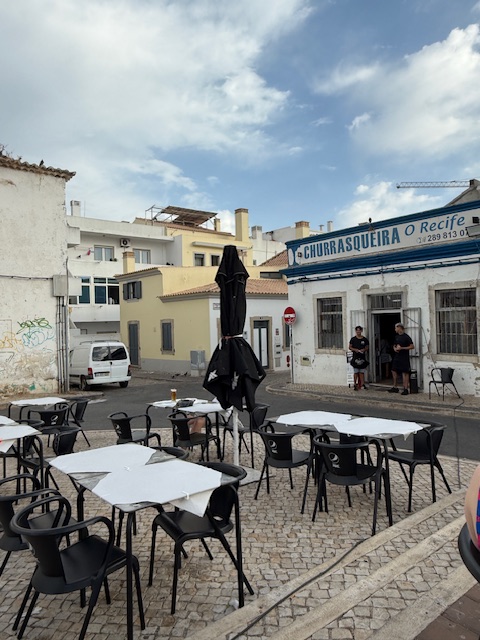
Later that evening we went off in search of piri piri chicken, a dish that tourism guides had informed us was a speciality in this region. We left the paved streets of the ‘old town’ and set forth into the back streets to find a grill restaurant. Turns out we didn’t have to stray far and our noses were correct in picking up the delicious smell of grilled chicken at the popular Churrasqueira O Recife. We had a meal like no other – two generous serves of spicy chicken with fresh salad and fries, all washed down with a huge mug of beer. The constant stream of people including the local cops who came to pick up takeaway and dine at the grill, along with the local cats and pigeons kept us entertained.
Piri piri chicken
When we left Faro the following morning to go Entroncamento via Lisbon, before we headed back over the border into Spain, we were sad to leave because despite first impressions this town had grown on us and I will ever remember it as Faro-dise!
Dry bags for wet situations! A look at ways to keep your stuff dry when on the water.
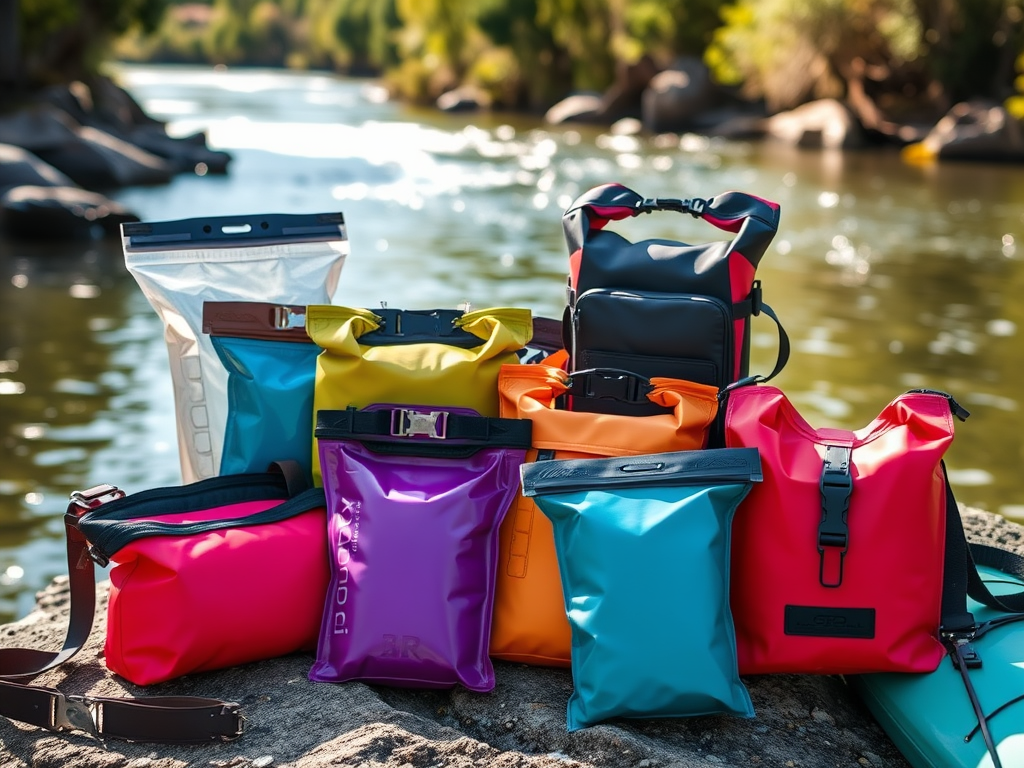
I have used all types of waterproof bags in my paddling life. As a rower, kayaker and SUPer I have worked my way through dry bags, phone cases and plastic bags. I’ve tried waist clips, shoulder clips, board clips and a string around my neck. I have more dry bags than handbags.
Of course it will always be up to personal choice and comfort so there is no perfect solution for everyone. The perfect solution is the one that works for you.
Dry Bags
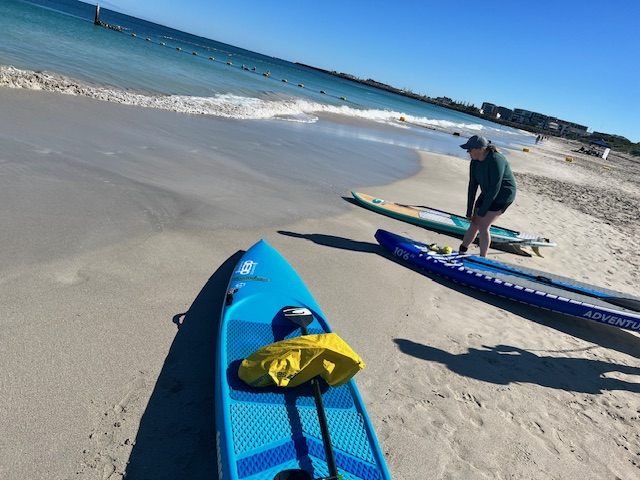
The good old dry bag is a sure thing. It’s purpose built to keep your stuff dry, and provided you fold the top over correctly (at least 3 times) it will work. I use a dry bag to carry things on my board because I have straps that I can clip onto.
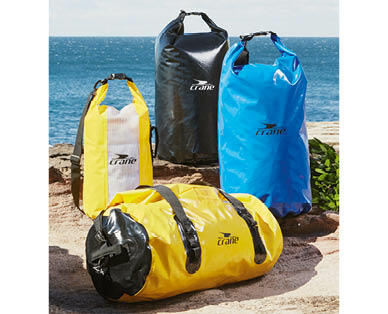
Who doesn’t love an Aldi bargain?
You can buy affordable dry bags anywhere. My faves are a set I got from ‘the aisle of dreams’ at Aldi. I also have bags from Sea to Summit which are more lightweight but just as effective. I have used the heavy-duty bags from Red Equipment – the 30L Waterproof Roll Top Dry Bag Backpack is great for using on your board or on your back.
Dry bags all the way when on the ocean!
Phone Cases & Bags
Since the dawn of the smart phone we have been seeking ways to protect them from getting wet, getting cracks, or getting lost!
Like everyone, I have purchased every new phone case known to woman. I had a great one that used to clip around my waist but the seal eventually gave up the ghost and I resorted to dry bags.
Disclaimer:I am an affiliate for Red Equipment but this doesn’t influence my opinions. While I believe in their products, my reviews are my opinions only.
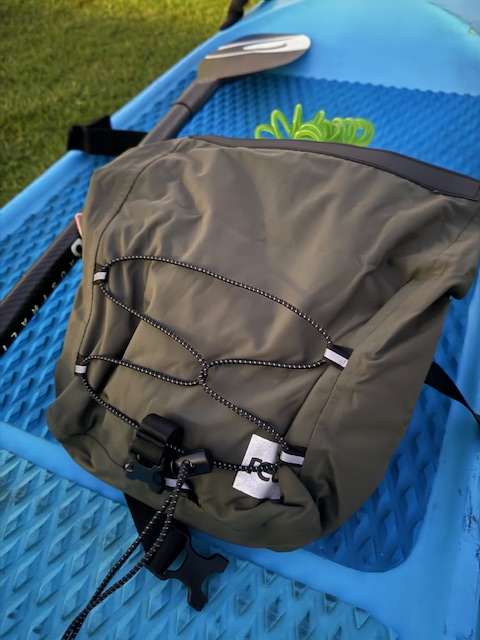
This 7L bag is the ideal size for carrying your phone, keys and a piece of clothing. I carried my lightweight puffer jacket, phone, snack, keys and glasses on my latest hike. I used it as a crossbody bag for a while, before changing it to my waist. I found the waist placement much more comfortable and easier to access.
When I carried it on my SUP board last weekend I used it as a crossbody bag which was better than I thought. I had thought it would get in the way of the paddle but it was snug enough to keep out of the way. In future I will use it on my waist as that is my preference.
I persevered with using it in the crossbody style because that’s what it’s marketed as. It is better as a waist or shoulder bag in my opinion.
The bag does have a separate zip pocket inside for your phone and keys which would keep them dry, but I’m not convinced that your other gear would stay dry if fully immersed in water for any length of time. It has the roll down top used on dry bags which works better the more you put in the bag (if that makes sense).
I am an experienced paddler so falling in is not (usually) on the cards for me (if I chose not to) so I feel comfortable using this bag to protect my gear.
Were I to be out on the ocean or in a situation where falling in was a certainty, I would probably opt for a dry bag on my board or extra protection within the Red bag.
The bag itself is a nice looking bag and it comes in three different colours. It has an adjustable crossbody/waist/shoulder strap, and outside zip pocket, straps for bike handlebars and an external bungee system for extra items.
It is hardy and feels like it would survive almost anything I could throw at it or in it. This bag retails for $78.95 – if you use my link you get 15% discount.
So I guess it’s dry bags all the way for me on the water. They are good in most circumstances due to their reliability and cost. If ,like me, you love a good ‘fanny pack’ , ‘bum bag’ or whatever you call them, the RED Equipment Waterproof Crossbody bag is a pretty cool addition to your bag wardrobe.
Living on the lighthouses was sort of like that TV show, ‘Round the Twist’ in more ways than you think!
Forty South Tasmania
When I finished my 3-day Three Capes Track hiking experience earlier this year I realised after pitching to many publications that I probably needed to tell this story in the land it was set. So the lovely people at Forty South Magazine, a magazine I have long admired and read, took me up on my offer of tourism travel blog with a side of memoir. Enjoy 🙂
I haven’t visited Melbourne since before covid. Last week I spent three nights in Melbourne town. This is just one of those three days.
I woke to daylight at 6:48 am but realised it’s 3:48 Perth time and probably the usual time I wake and can’t get back to sleep anyway! Can’t sleep anymore but know from the gritty feeling behind my lids that I have a sleep deficit.
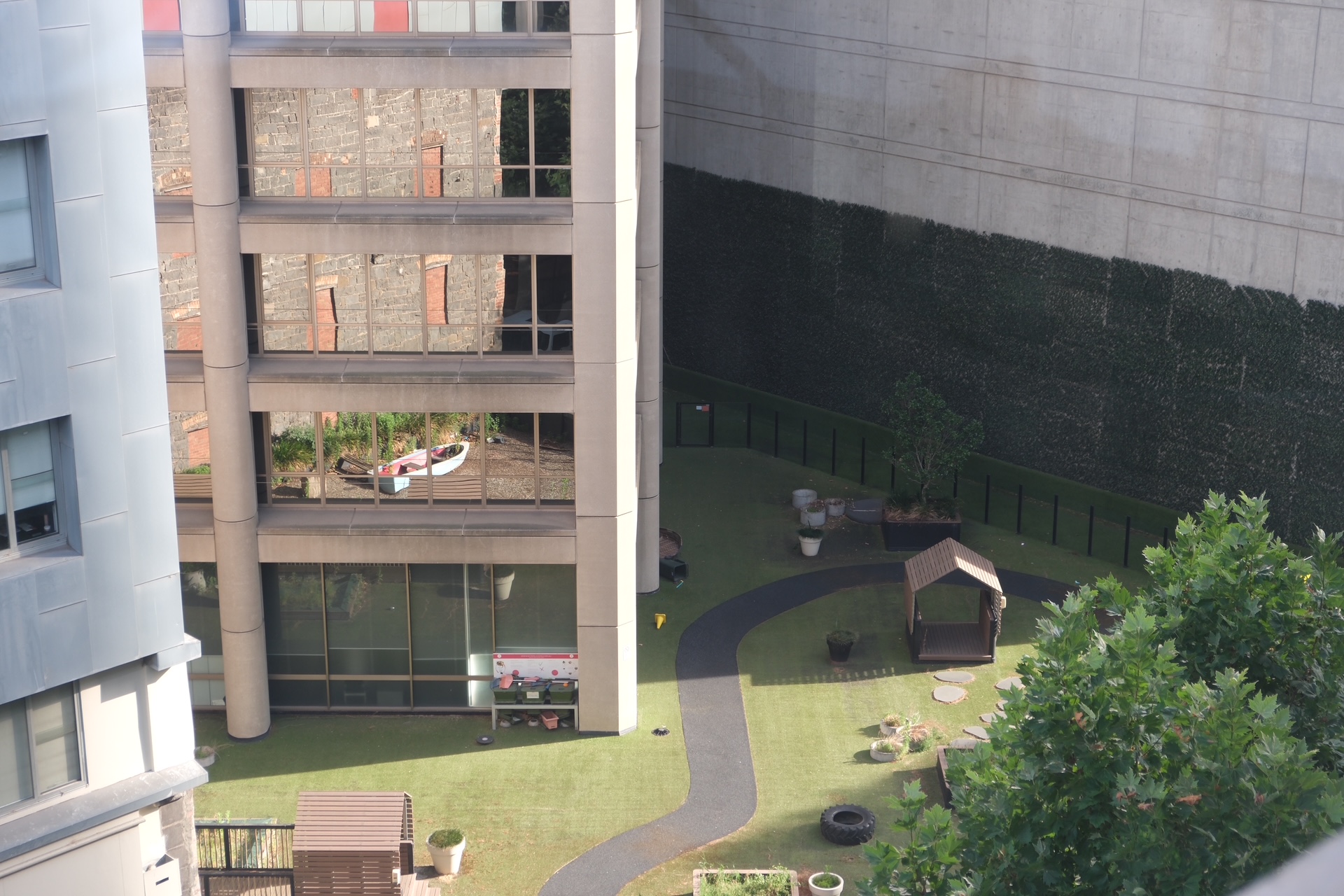
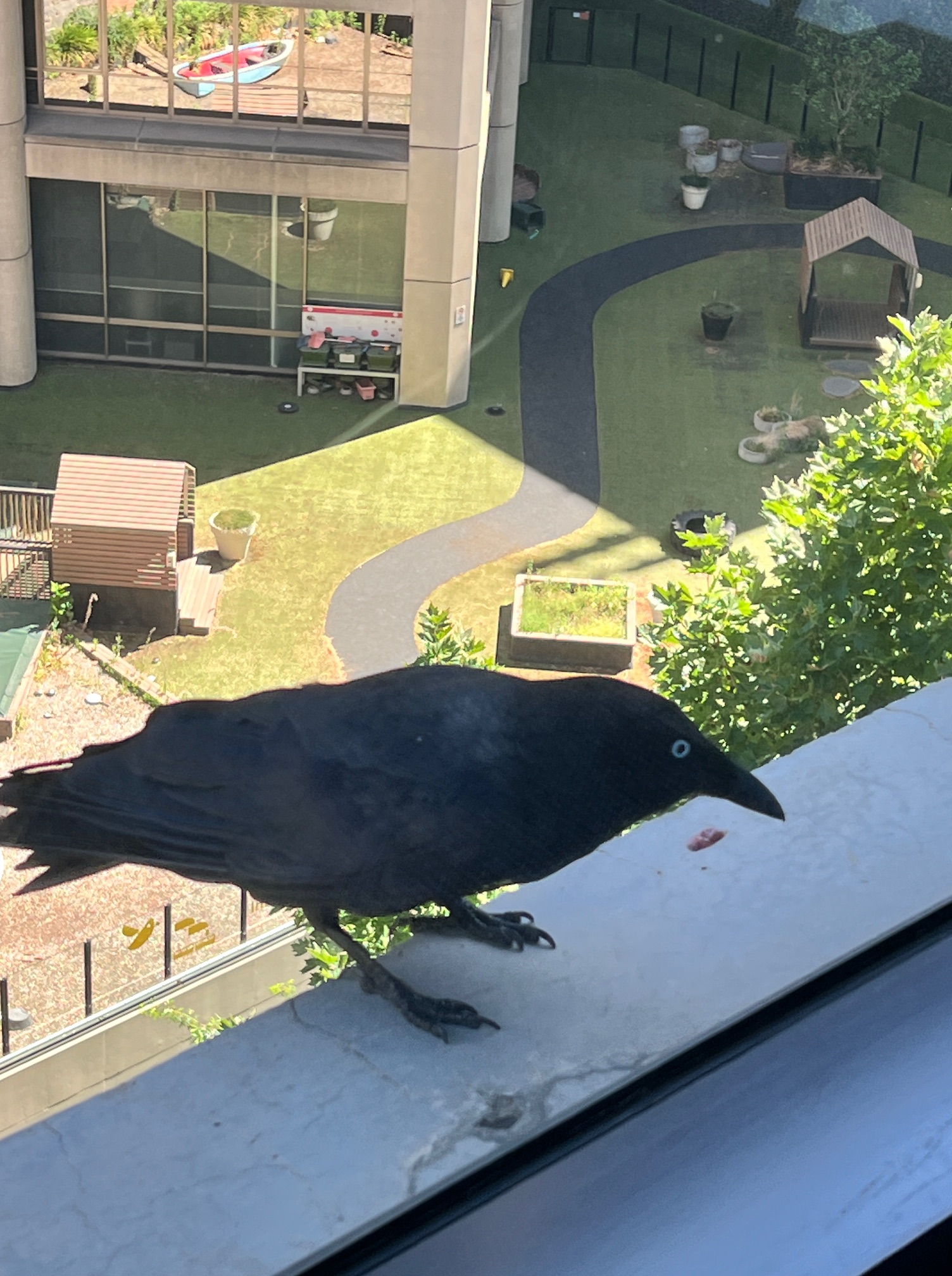
I raise the hotel room curtain to grey skies and unruly corvids prowling window ledges eight stories up. Below is a playground, but not far below – a childcare centre, a school? Five stories up – fake lawn, a sand pit and a bitumen bike track for toddlers. Rooftop recreation in the CBD.
People stir in the building adjacent – accommodation of some sort, old school box airconditioning jammed into window frames. A building that defies logic looms above – S Shaped glass construction. People on their way to work/breakfast stroll the street below.
We sit above the tops of London Plane Trees stretching to reach the light between narrow passages in this concrete jungle. The ubiquitous pigeons swoop and land, experts in city navigation and finding scraps.
I head out for a walk, leaving my partner softly snoring. A sign shouts ‘Best Steak Sandwich in Melbourne’ and workers in high-vis sip coffee from takeaway cups and scoff toasties chatting about Netflix and the night before.
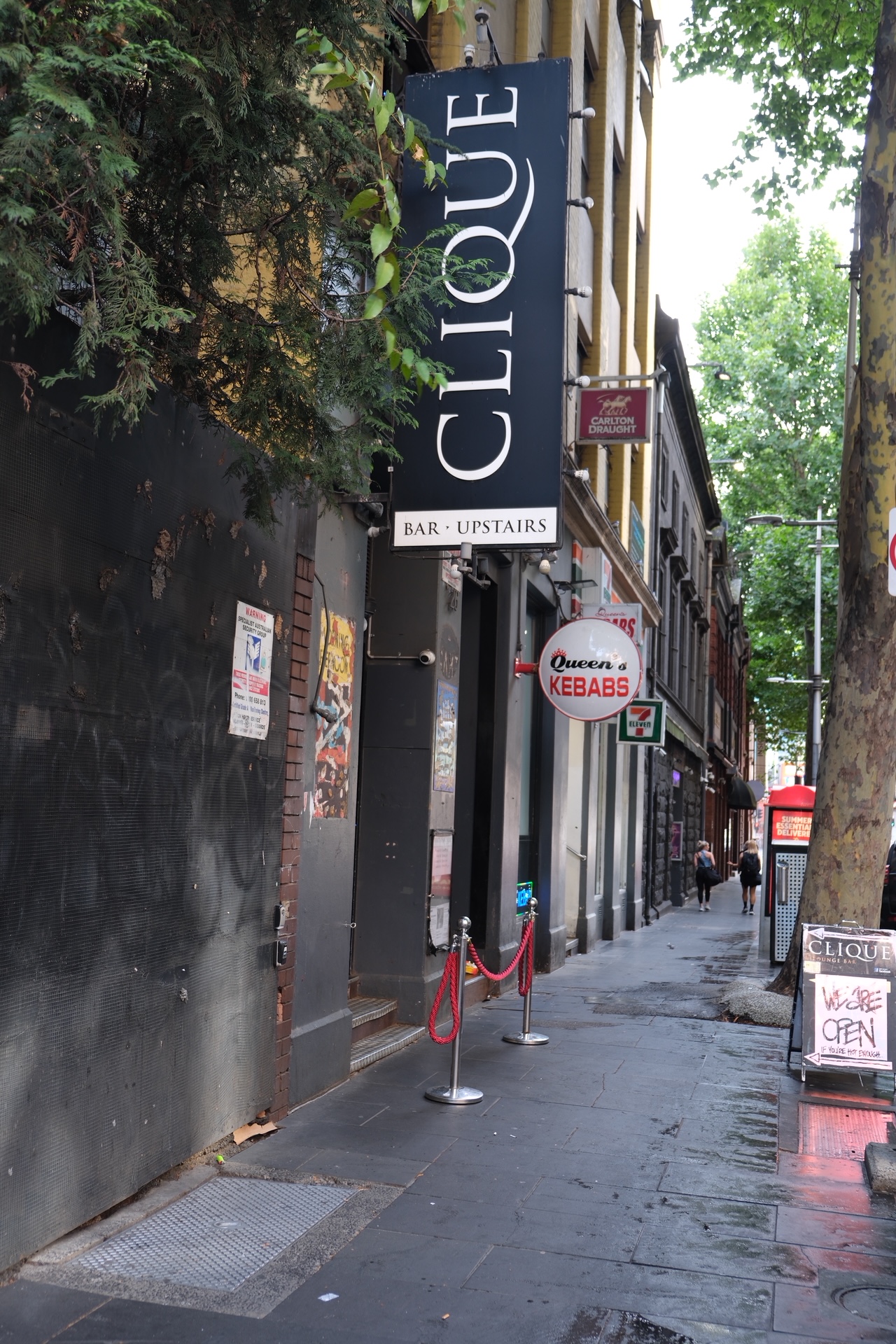
Clique nightclub is still open and it’s now 7:30 am. Punters tumble out into the bright light drunken and dazed.
The bouncer gives me a resigned look as he clips the red velvet rope back into place after searching someone who wants to enter. Concealed weapons? I love that a red velvet rope has so much power.
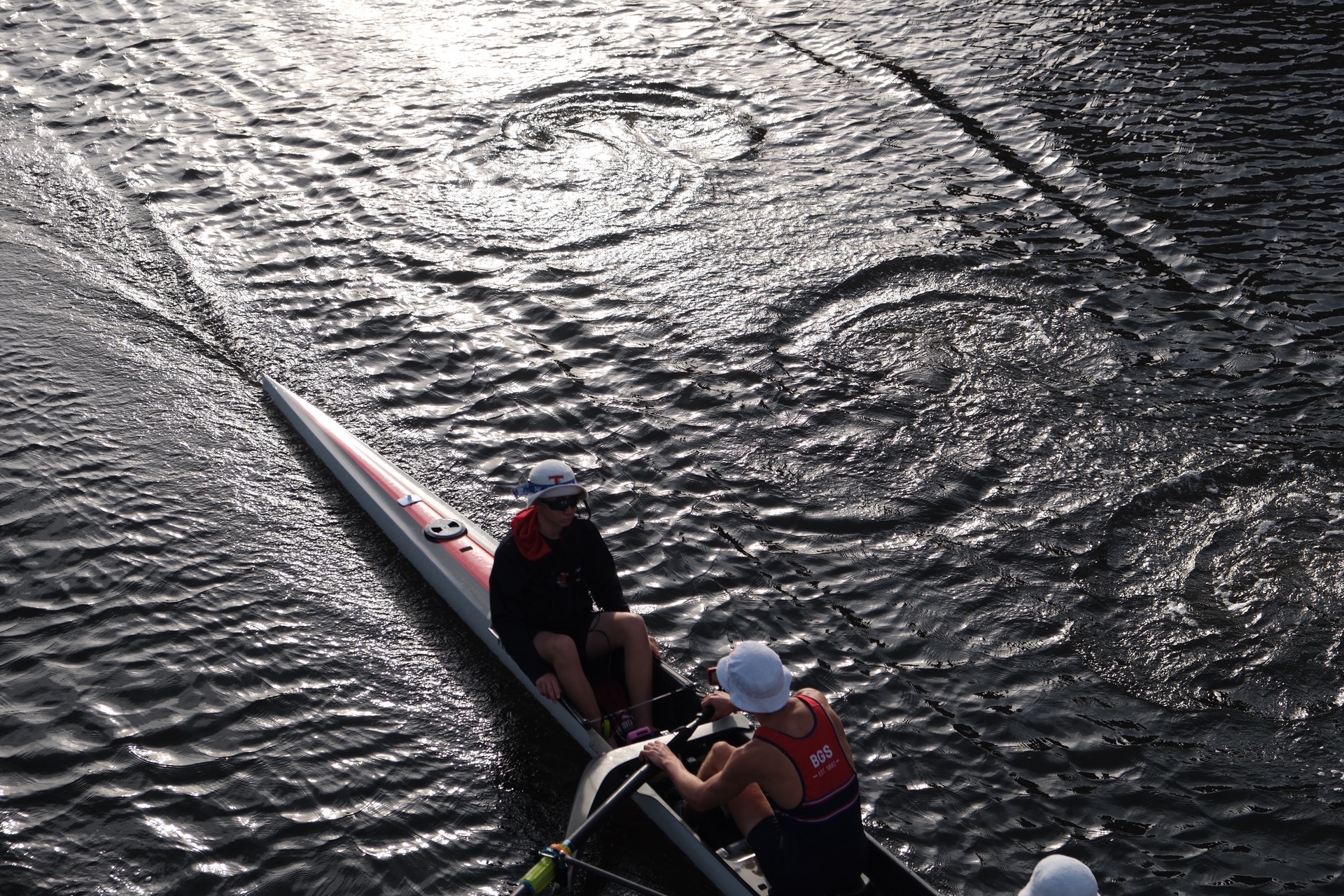
The streets are mostly empty but for some joggers and young families with early rising children. Rowers in an eight glide across the Yarra leaving swirls where their oars have swept through the water. Street sweepers sweep streets after last night’s Christmas crowd at the Crown. Rough sleepers still asleep on benches and the hard ground.
The 24/7 gym on the river front looks sleepy – no one working out this morning. Birds flit in and around urban parks and gardens seeking insects and croissant crumbs in equal measure. The sun catches windows and highlights street signs as the city wakes. Has it even been to sleep?
Later…
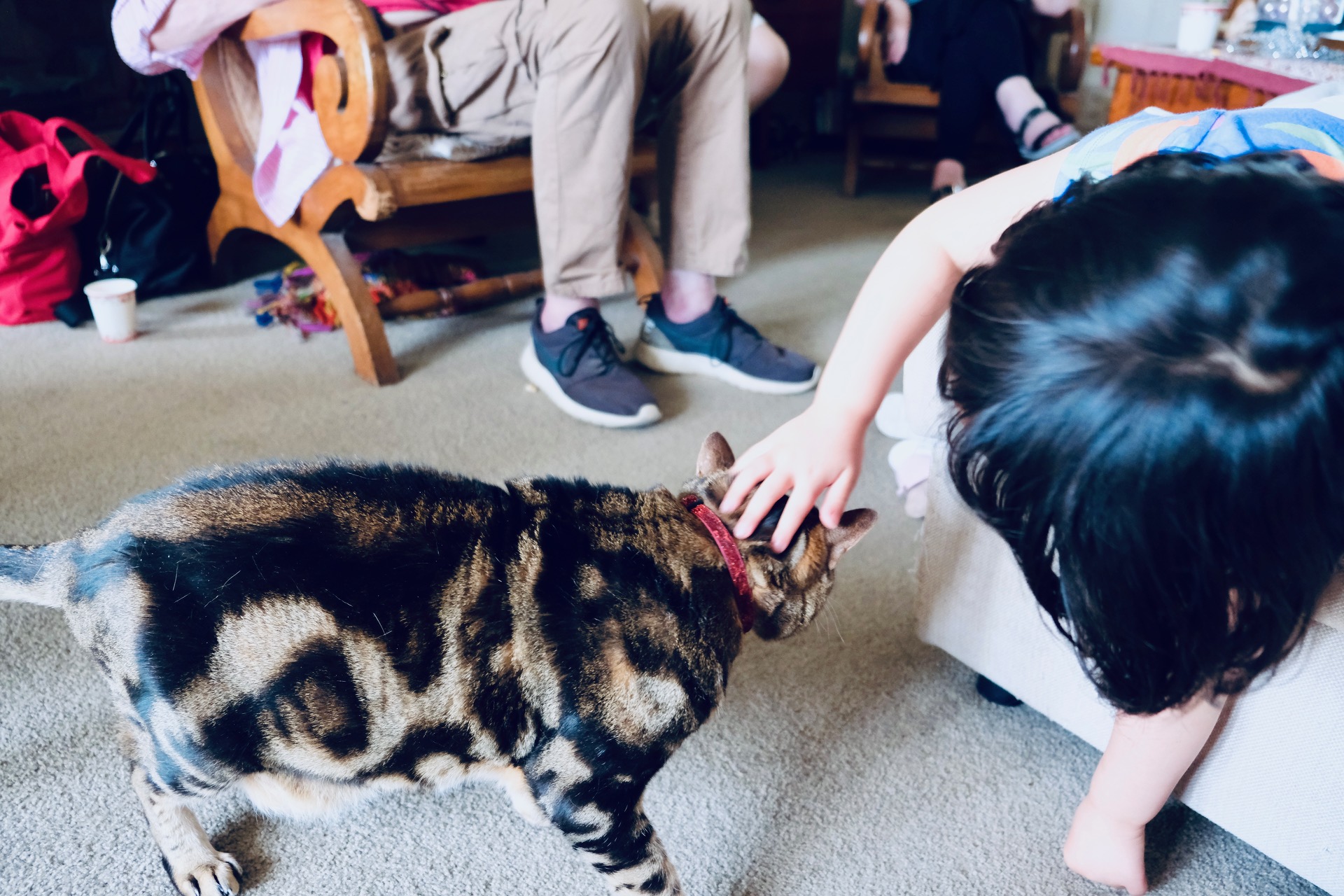
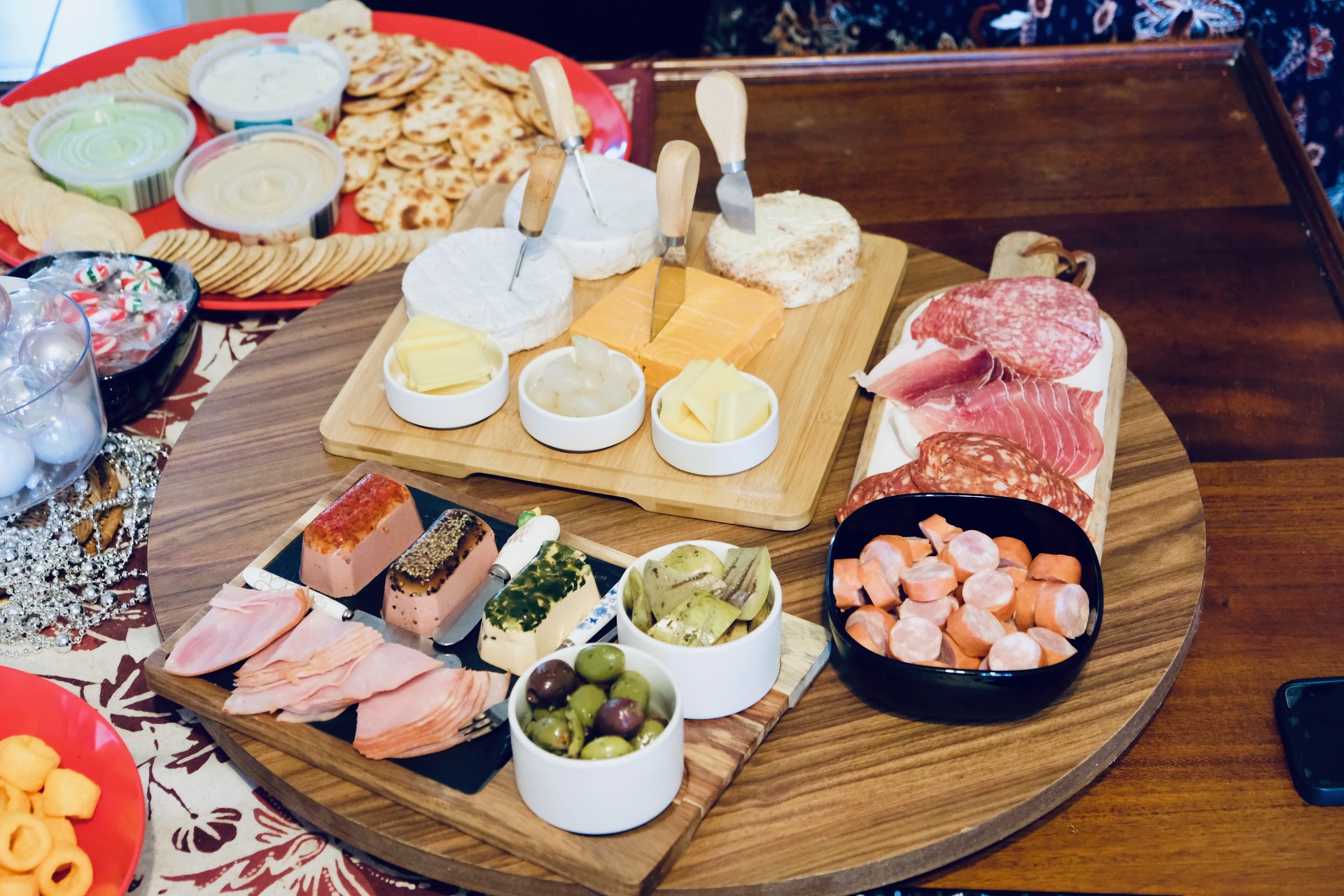
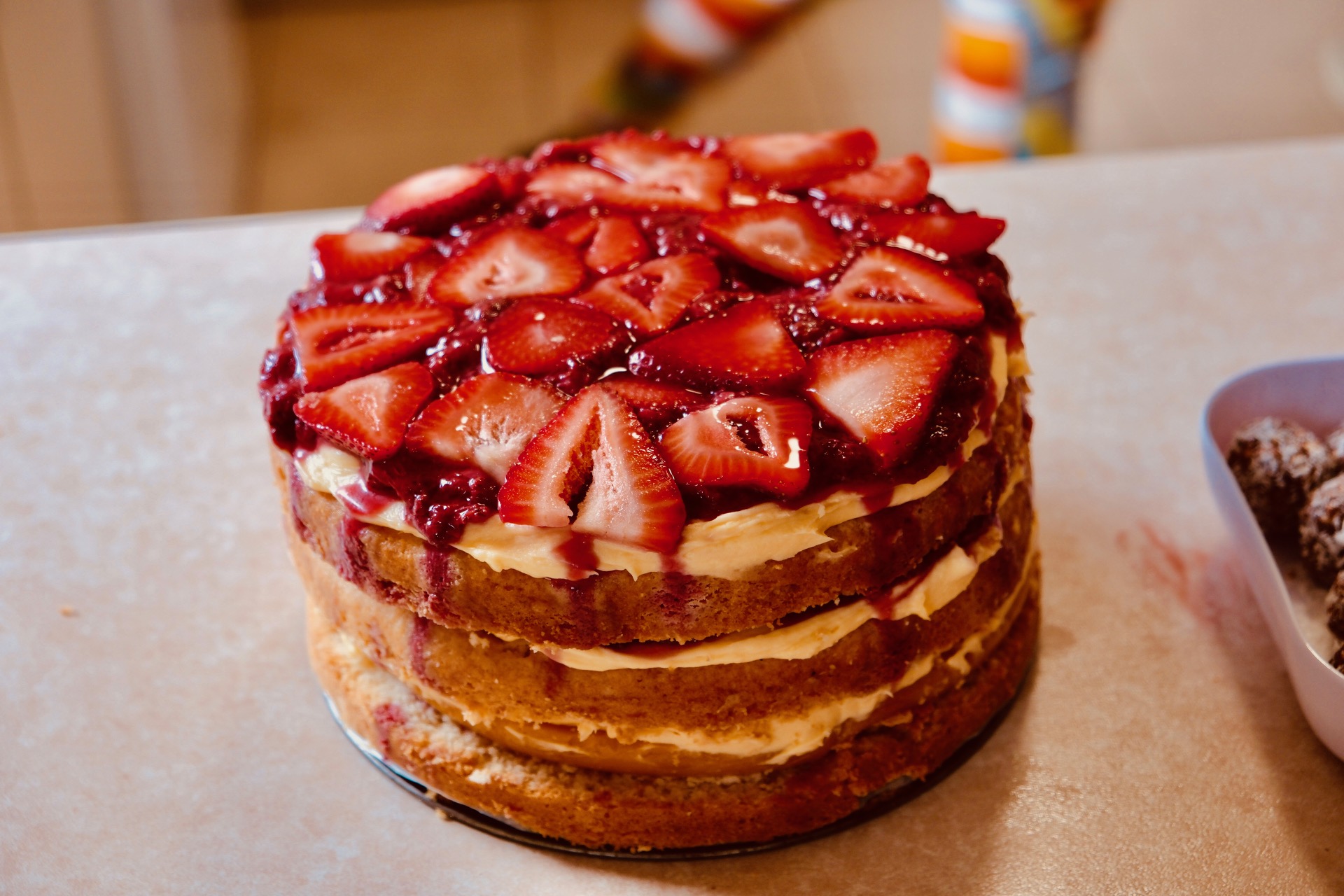
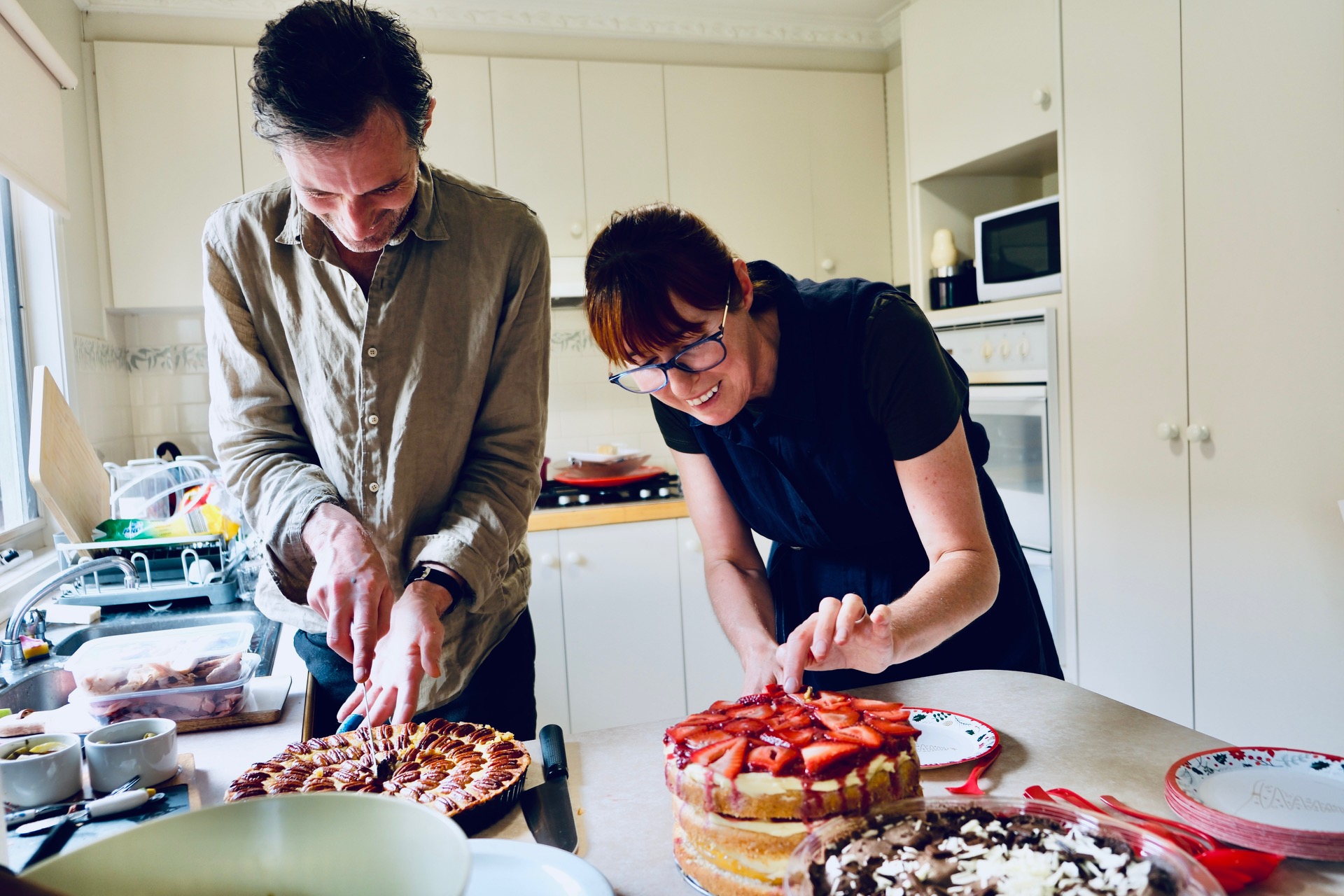
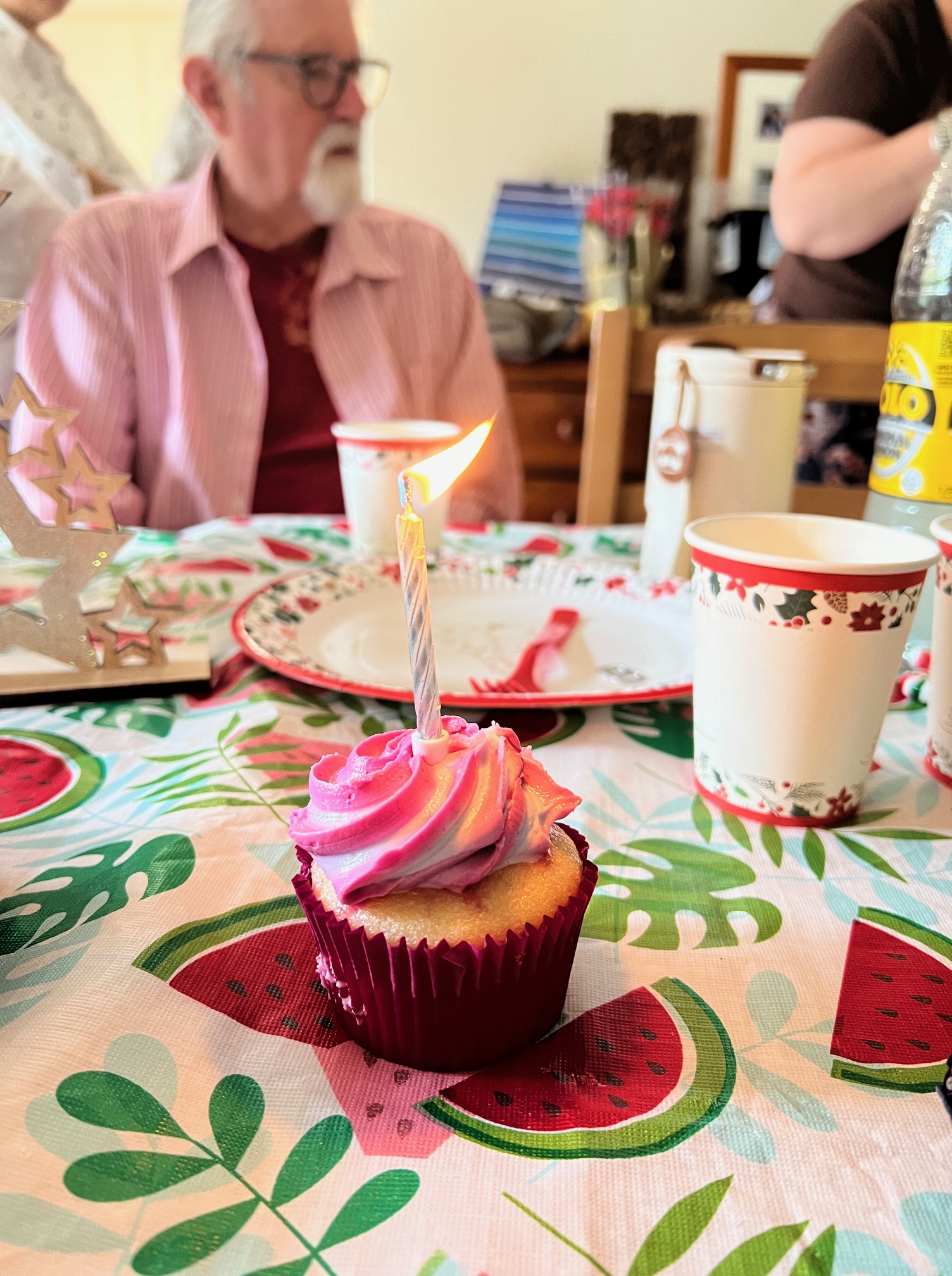
Family get together – early Christmas lunch/birthday celebrations. A Christmas spread washed down with prosecco and homemade cakes. Eat fit to bursting and relax on recliners catching up with my expanded family, while the Bengal cat darts between furnishings avoiding the sticky hands of a 4 year old.
Later still…
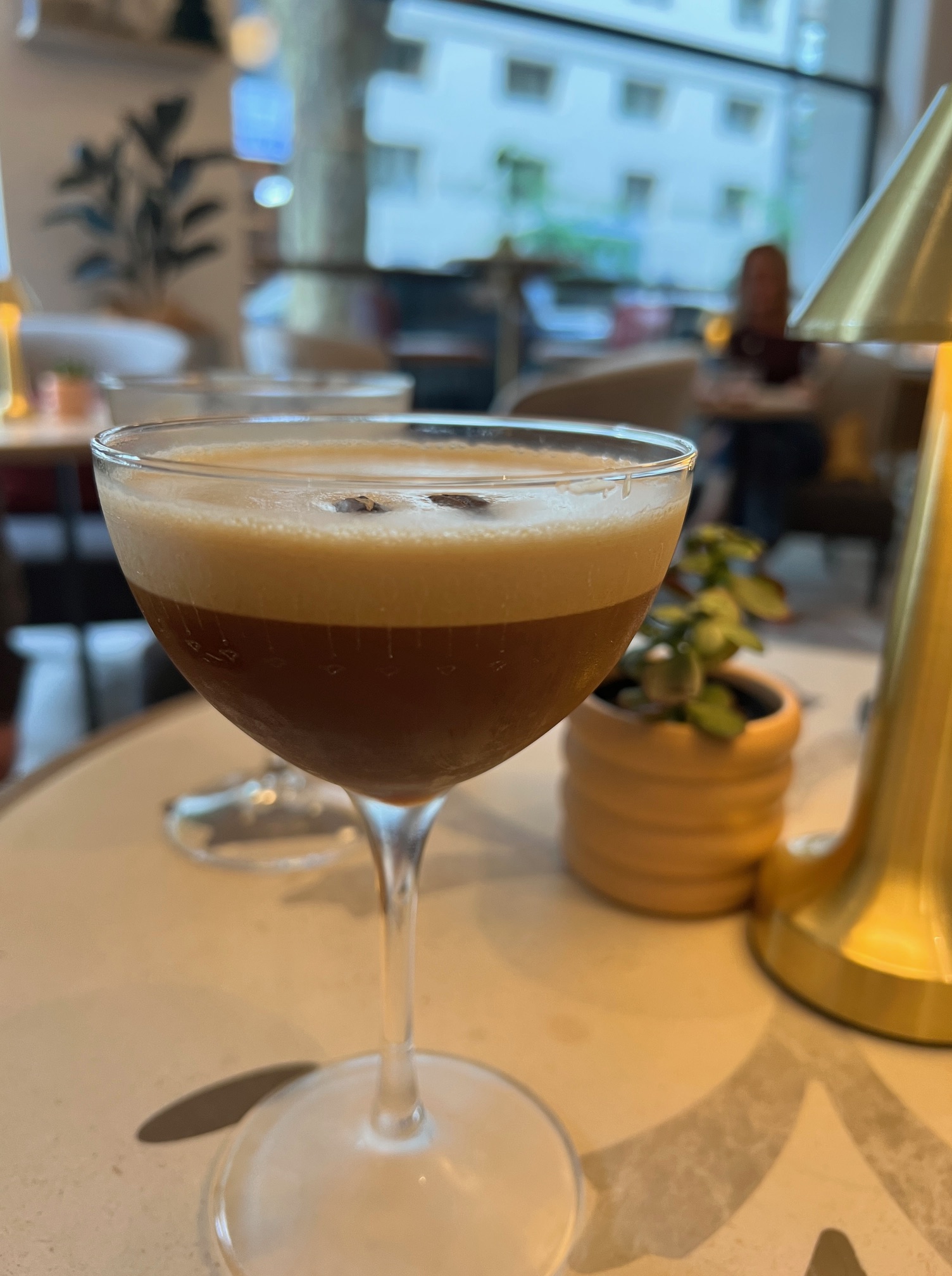
Plans to head into the night and find some music. Live music, beers and dancing is on the agenda. An espresso martini is agreed upon as a necessary plan of action to combat the food coma.
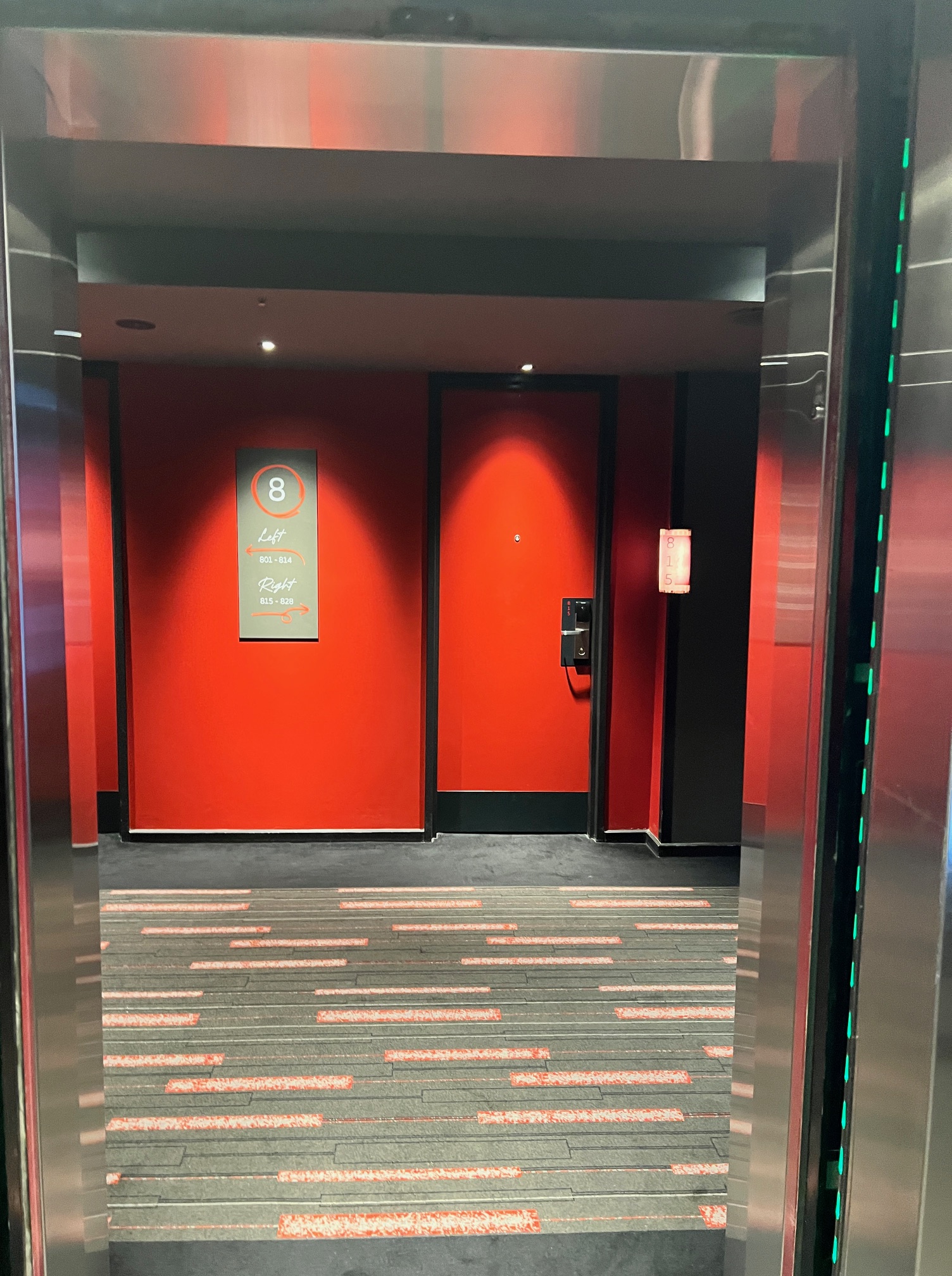
A long tram ride through affluent Melbourne suburbia into the city for a quick change in our Stanley Kubrick inspired hotel – red corridors and doors seemingly streaked with blood. On closer examination I think it is supposed to be theatre curtains – badly drawn in both senses of the word.
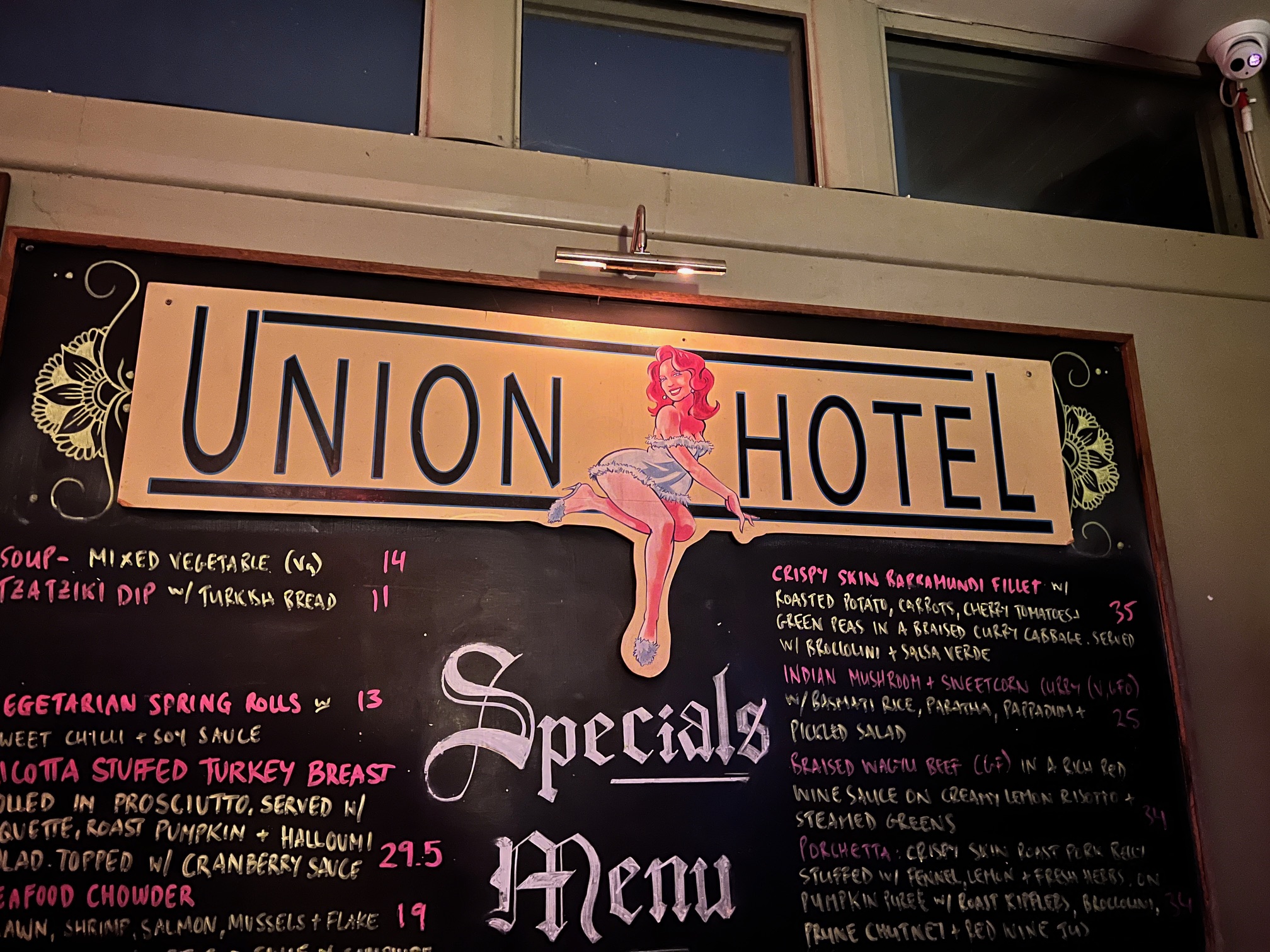
Train to Brunswick following hasty espresso martini in the hotel lobby. The Union Hotel is an old-school inner city pub that still has live music – free entry. People spill onto the street and the waft of beer and hot chips escapes from the door. Dark inside even though it’s still daylight (saving) outside. We find a large square table in the lounge.
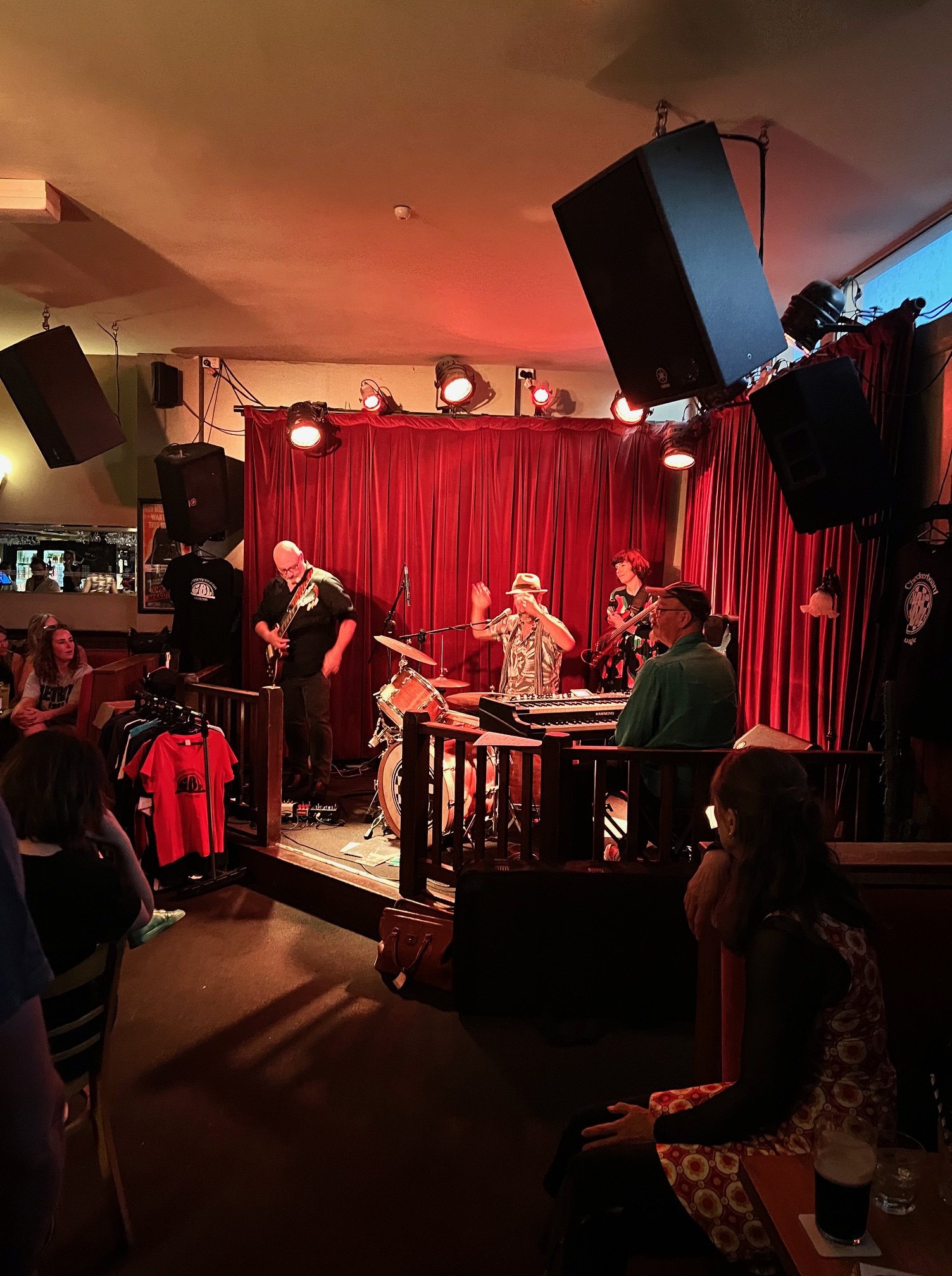
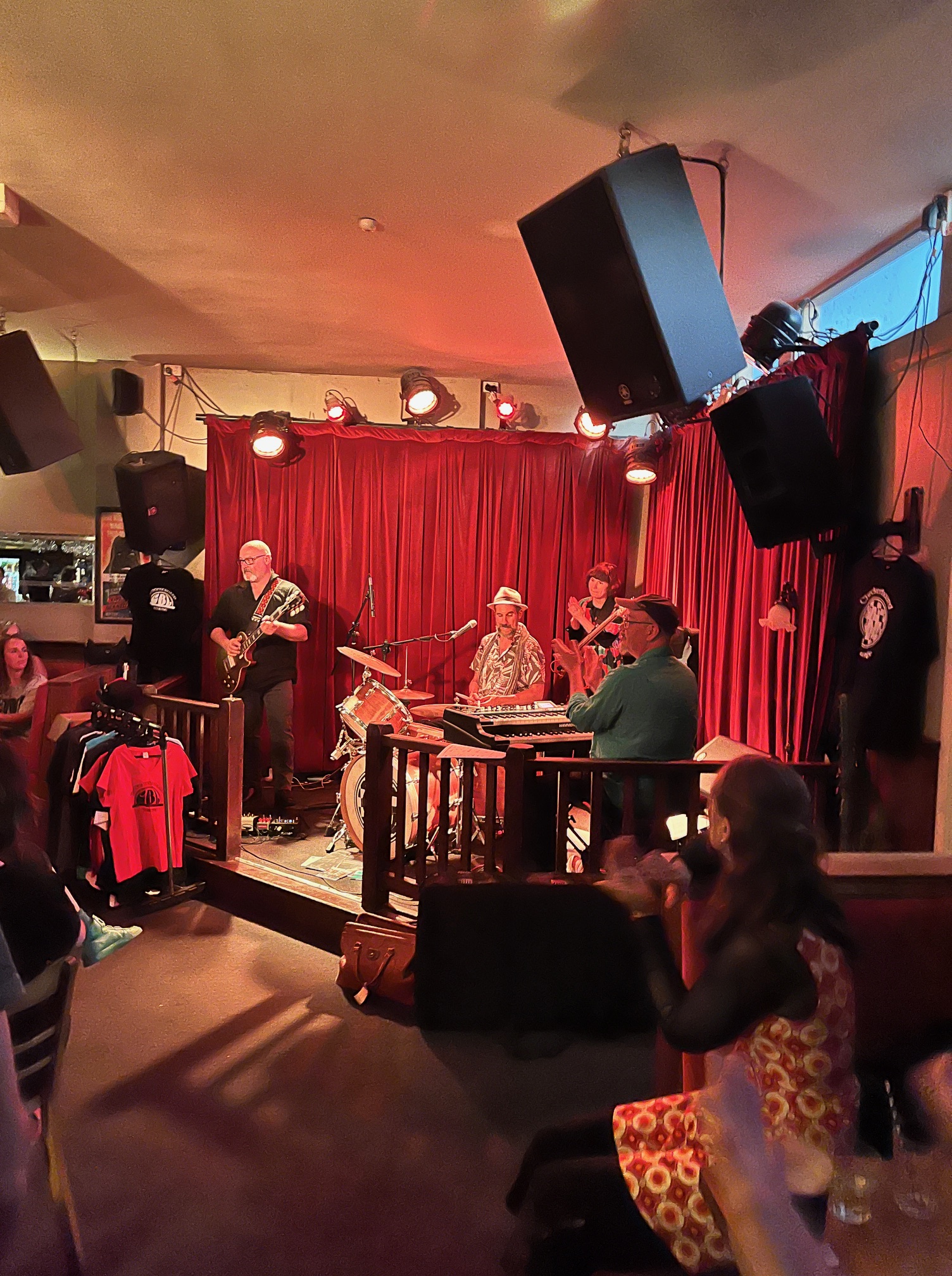
Checkerboard Lounge is setting up on the small stage, drum kit, Hammond Organ and steel guitar. Bass is yet to arrive. We order our first round of pots of beer, cold and frothy. A bowl of chips and zucchini fritters – though god knows we don’t need food!
The band sound checks, clattering drums and guitar riffs, silencing the 80s soundtrack playing in the background. ‘Twang’ – take that Hall and Oats, ‘Thump thump crash!’ no more Abba and sickly sweet nostalgia.
The chips arrive and despite a full stomach I can’t resist a taste – just the right salty oily taste.
My sister declares them the BEST she’s ever had, but maybe it’s like that declaration I heard a long time ago about live music, that at any given time any band can be the best band in the world?
Checkerboard Lounge start their set, our toes tap under the table until one of us (my sister) breaks away. “I’m going in” she declares as she grabs her beer and disappears into the lounge. We all follow. Dancing is necessary with the drummer who doubles as the singer whips the crowd into a frenzy. The espresso martini kicks in and three beers later they are playing their last song.
It’s only 10:30. Are we up for more adventure? Yes, why not? There’s a bar up Sydney Road, Bar Oussou that plays world music. We jump in the car and our trusty skipper gets us right outside. It’s impossible to enter the bar without dancing – a nine piece band is crowded onto the narrow stage elbow to elbow.
They thump and whoop the crowd into some body shaking moves. Before we know it it’s almost midnight and the band says they have two songs left. With each song lasting 15 minutes that’s another 30 minutes of booty shaking and our feet are feeling the pinch. Sweat pools and punters spill out onto the footpath where they continue their moves under the street lights. A couple rumba cheek to cheek while others smoke cigarettes.
The music stops and starts and then stops and we stumble to the car with ears ringing and smiles from ear to ear. Back at the Stanley Kubrick Hotel we fall into bed for our last night of sleep in Melbourne town.
As I continue my great library crawl I visit suburban libraries in vastly different places – from Morley to Peppermint Grove. I even find the library in Parliament House, and one named after one of WA’s fave rocker’s mothers!
Library #5 to #8 in my Great Library Crawl begins in Peppermint Grove.
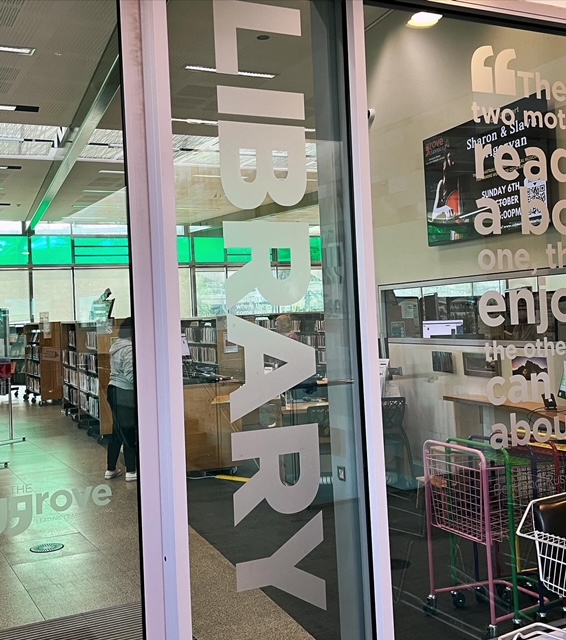
Peppermint Grove Library
Peppermint Grove, where no one has to put out their bins (so I am told) is one of Perth’s well-to-do suburbs. Even well-to-do suburbs have libraries and anyone can visit them. Does this make libraries the great equalisers?
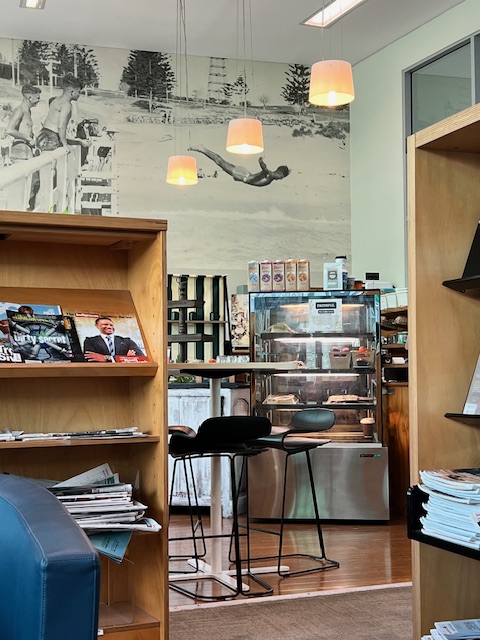
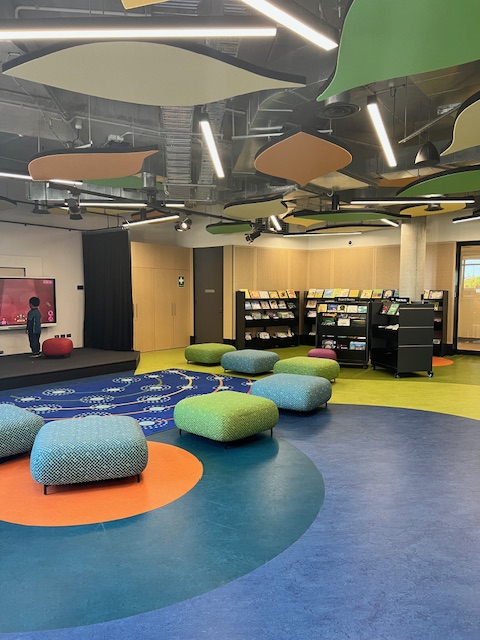
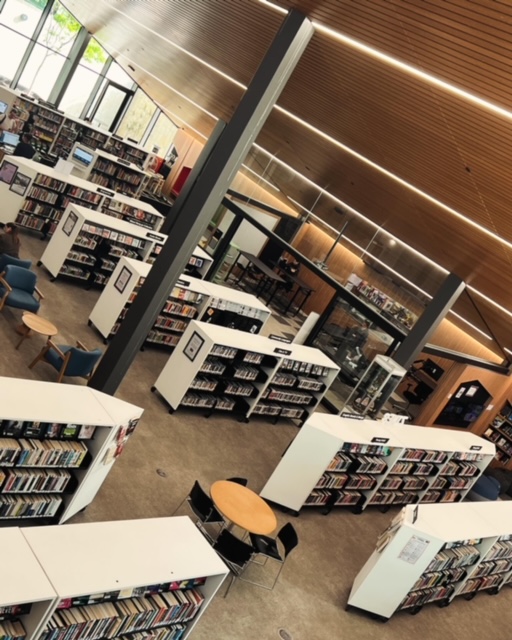
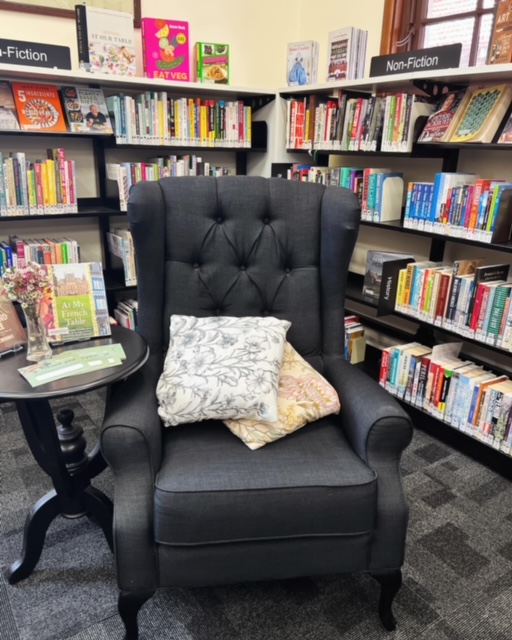
Anyway, the Peppermint Grove Library, or ‘The Grove’ was very much like any library and had everything a library visitor could wish for – spacious and welcoming with a bustling kids zone and a brilliant collection of travel mags for me to browse through and come up with another pitch.
The cafe wafted caffeine my way but I was already sated so I didn’t try their wares. A library cafe is such a great addition to a library – Book cafe on steriods!
I do have a memory of Peppermint Grove Library from my teaching years. I attended an award presentation when one of my students was presented with a literary award.
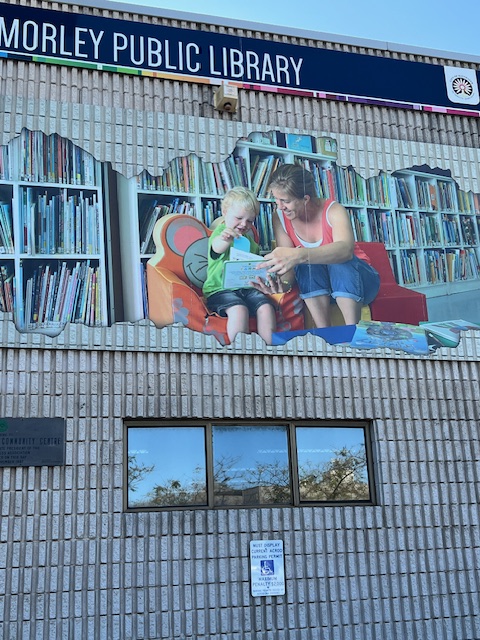
Morley Public Library
A trip to one of my least favourite places, the indoor shopping centre at Morley Galleria (fondly renamed ‘gonorrhea’ by my teens) had me fleeing for a haven of peace and quiet. In a nondescript building within walking distance of Galleria is the Morley Public Library.
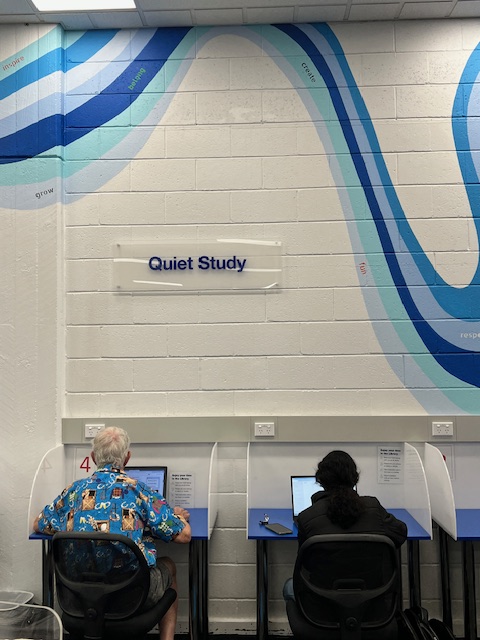
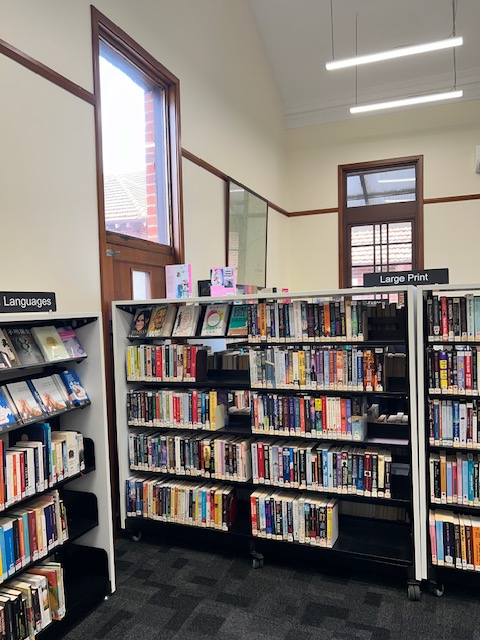
A brilliant mural makes this 80s brick bunker with no windows, somewhat funky. The library delivered, with many quiet nooks and computer spaces and of course a great collection of books!
Ruth Faulkner Library & Museum – Belmont
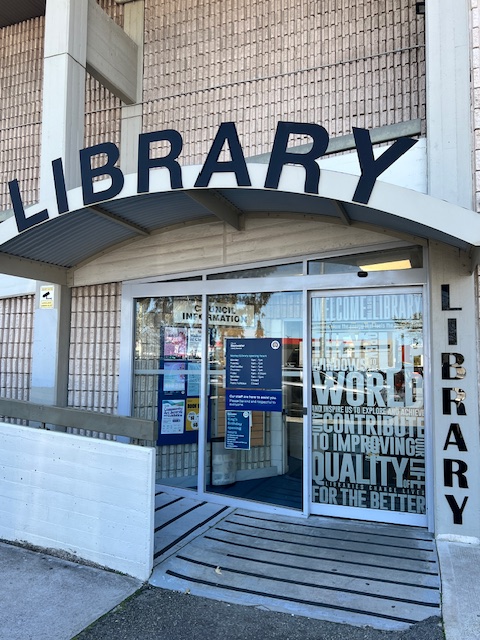
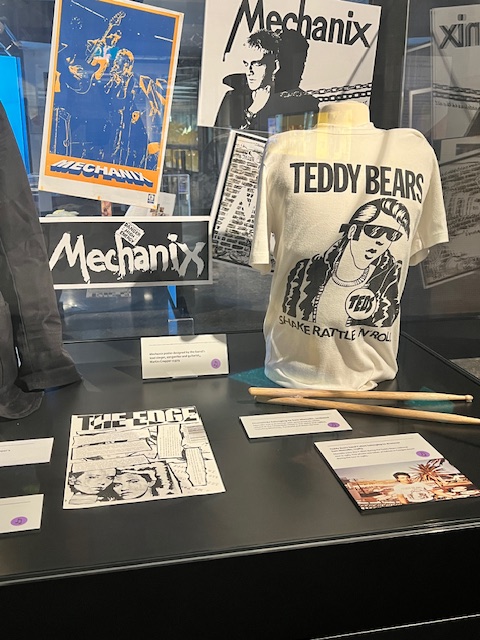
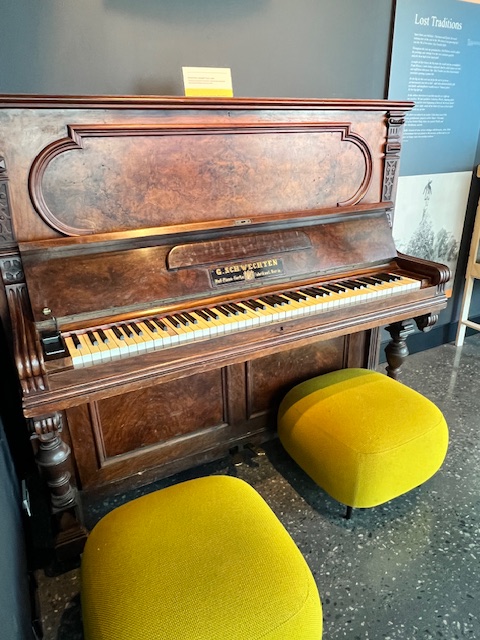
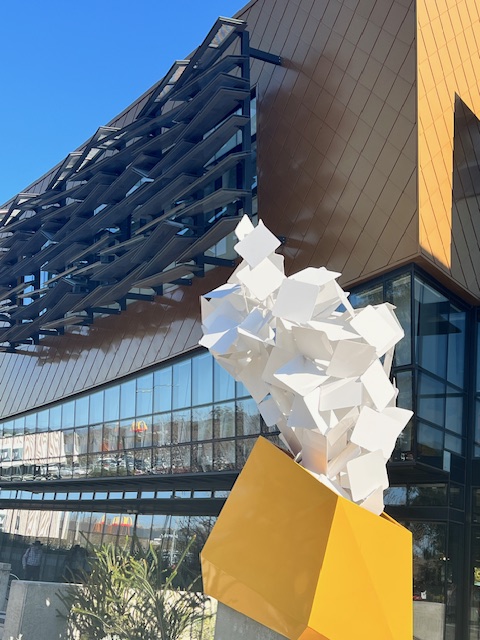
Ok so this library is pretty specky! Ruth Faulkner is Dave Faulkner’s (of Hoodoo Guru fame) mother and the museum has some of Perth’s best rock n roll memorabilia. Of course there’s Hoodoo Gurus displays along with other well known (to Perth locals) band merch. An upright piano sits invitingly asking to be played and music snippets take you back to the good ol’ days of live music in P Town.
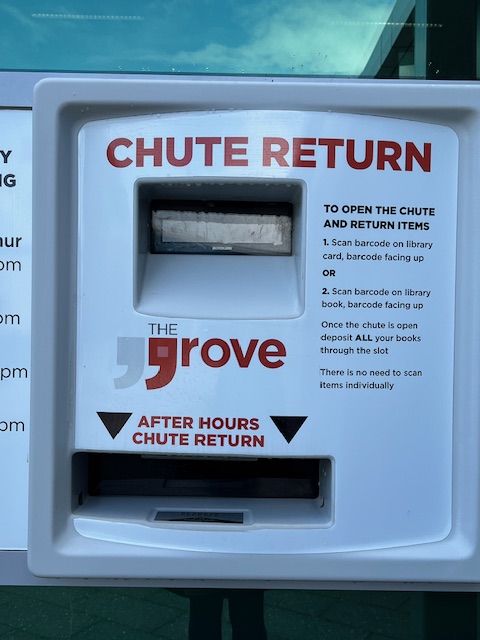
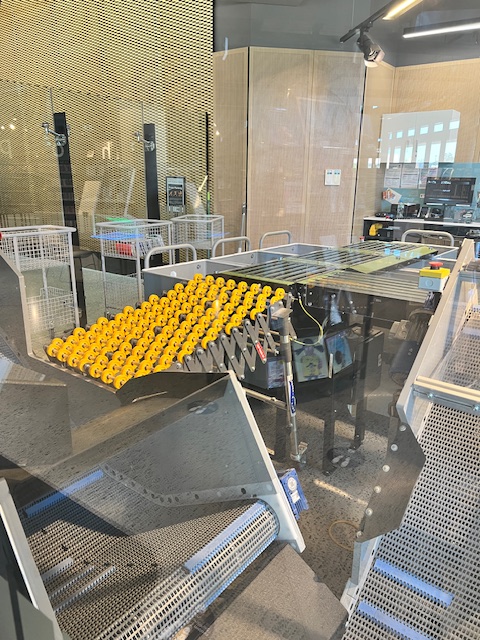
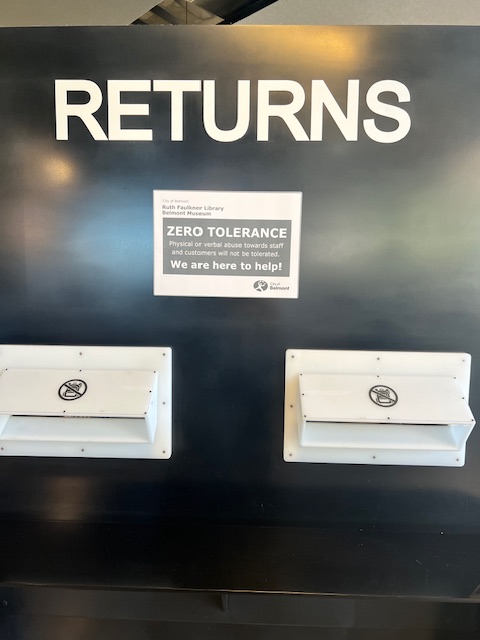
Ruth Falkner Library itself has this state of the art book return system that looks like it has been designed by Rube Goldberg . Talk about machines taking over the world!
And yes, it has books and mags and even a section where you can purchase items. Ticks all the boxes.
Parliament House Library – Perth
My great library crawl has taken me places I wouldn’t normally go to seek peace and quiet. The Parliament House Library, or ‘The Parliamentary Library’ was not on my list but when I chanced upon it following a work lunch in the Parliament House dining room (yes, I know!) I had to make mention.
I was not allowed to take pics but let me tell you it was very grand. All the books neatly lined up with matching covers and the most comprehensive collection of newspapers I have ever come across.
We also met and chatted with some Hansard reporters who were inbetween jobs. They were wandering around with a notepad counting swans! Yes, you heard right! The WA symbol, the black swan, is everywhere once you start looking. I am unsure of the final result, but I counted at least 30 on my way out. When you know you know!
To be continued…
I have slowed down somewhat on my library crawl because I now have my home restored – but there are still some beauties to come, a country town library and one of Perth’s jewels in the crown. Fear not, the crawl will continue albeit in a slower fashion.
When family came to stay libraries were my friend. So begins my Great Library Crawl!
The beginning – Libraries No. 1 to No. 4
You don’t fully appreciate what it’s like to know peace and have a quiet place to be until you don’t (for an extended time). I only have time to document this now because I have come out the other end and my sanctuary is restored!
What was this time of disturbance you ask?Recently my family (son, daughter-in-law and two littlies) arrived home to find the Niagra Falls inside their rental. Well, it was me who discovered the horror when I dropped by to deliver groceries before driving to pick them up from the airport. And there’s nothing harder than telling a travel-weary family their home is uninhabitable at 2:00 am. Lucky for them, we had room at the inn!
Guess what? As I have now discovered and been informed burst pipes under your bathroom sink are more common then you think. TURN OFF YOUR MAINS BEFORE GOING AWAY PEOPLE!
Anyway, I digress because what does this have to do with libraries?
There’s nothing like a full house and no room to escape to start me looking out for quiet and somewhere to breathe! Don’t get me wrong I love my family very much. But libraries have been my saviour this past several months.
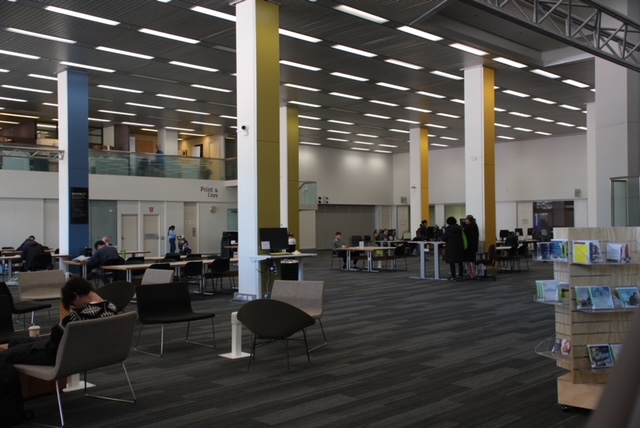
The State Library of Western Australia
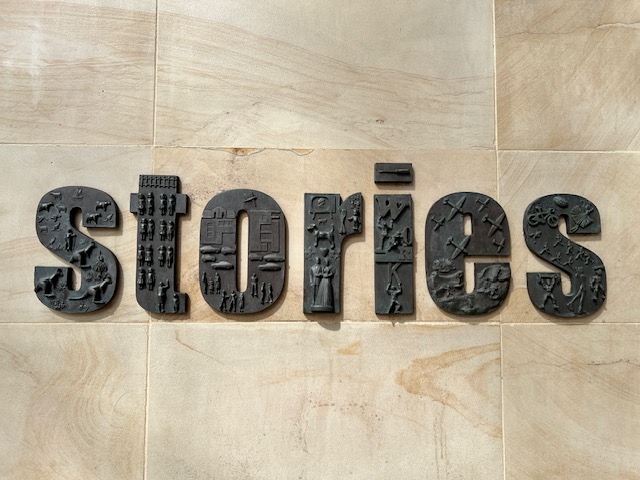
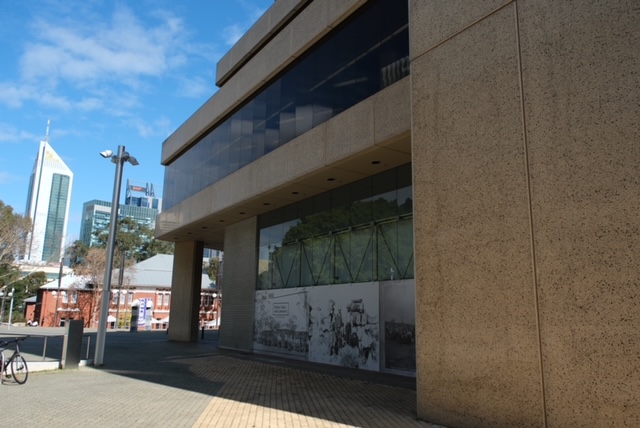
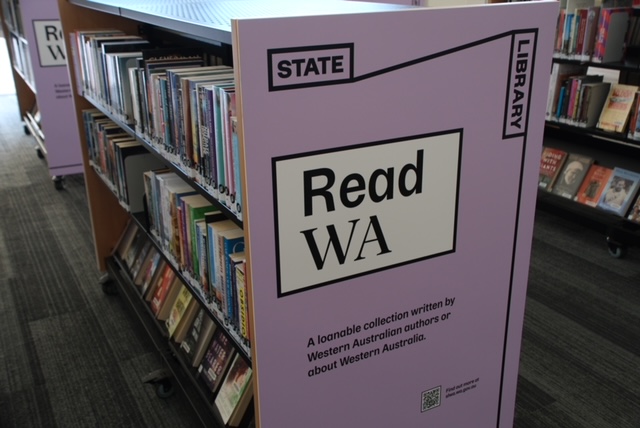
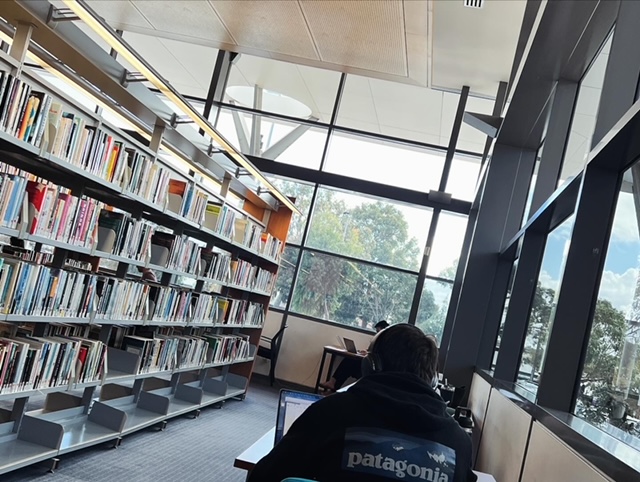
I started with the ‘mother ship’ – The State Library of Western Australia – the font of all historic records and local history exhibits, the Disrupted Festival hub and the place to go for some peace and quiet.
The State Library is capacious and she really is the true ‘mother ship’ of Western Australian libraries. Like a mother swan she encompasses all libraries beneath her Western Australian wings!
She lets you in and shelters you under her high ceilings while impressing you with her multitude of floors. And how about that glass elevator!
City of Fremantle Library
From one major library to the next – I found myself in Fremantle with some time to kill before a lunch meeting with some freelance writers so I did the writerly thing and went to hang at the library!
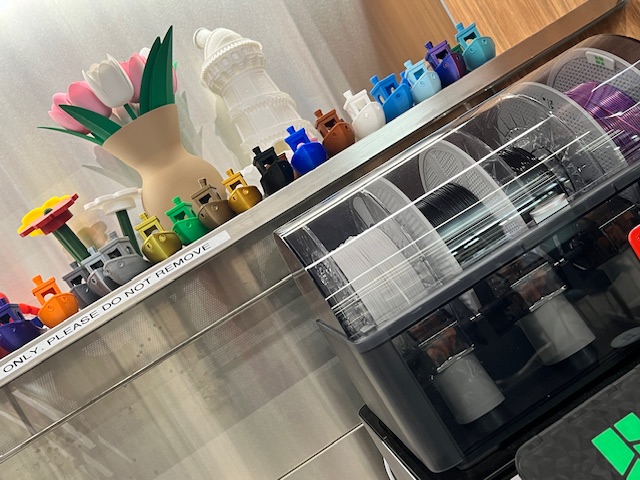
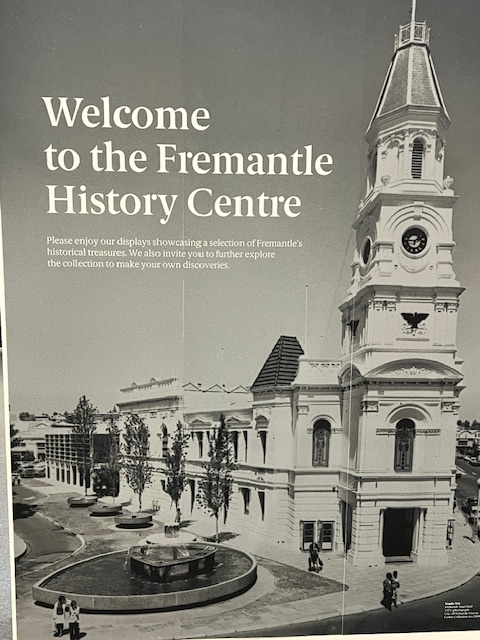
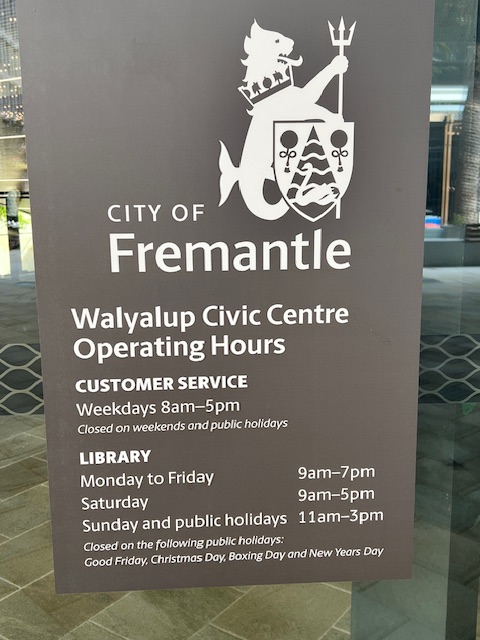
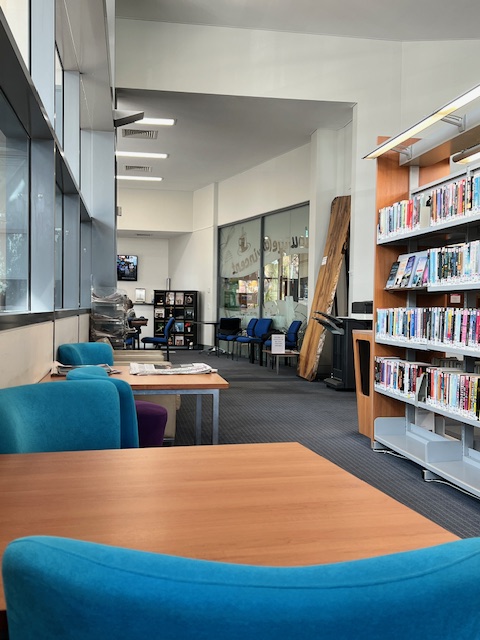
The Fremantle Library is a thing of beauty and I have attended workshops here in the past – the meeting rooms are comfortable and versatile. The great thing about this library is that it is open on a Sunday. The library has a ‘maker space’ for 3D printing and making stuff – seems to be a feature of most libraries now.
I love that this library is right in the busy hub of Fremantle. While I am there football is playing in the bar next door and waves of cheering can be heard when the glass doors open and close. Local history meets local flavour.
Guildford Library
Next up, is the tiny Guildford Library – which I discovered on my way home from a stand up paddle boarding venture. Not wishing to go straight home I decided to prolongue the peace for a further hour.
Small in stature but still managed to pack in a 3D Printing space and a buzzing children’s library. I have driven past this libary many times and this is the first time I have stopped. Well worth it! The story chair was pretty cool.
Town of Vincent Library
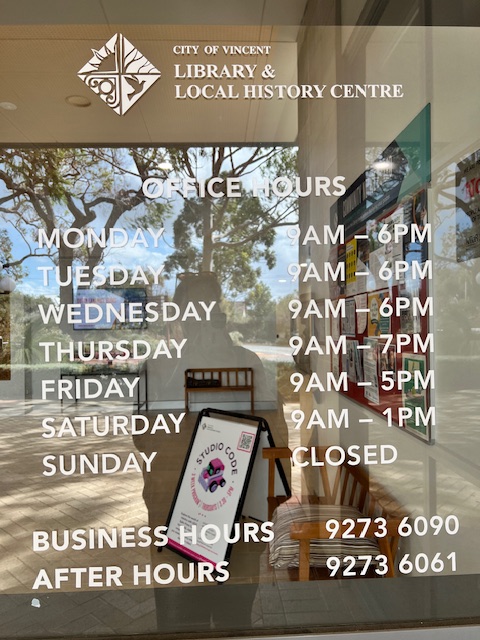
My local library – the Town of Vincent Library is an old haunt for me. When my kids were little we lived there – not in the current location but in the same building. Spacious and welcoming at the same time. Desks for sitting and nooks for tucking yourself into a corner. Women played Mahjong in the community room their tiles click clacking away.
As I continue my library crawl I find myself in country libraries while adventuring in the southwest and libraries near shopping centres I wouldn’t normally consider. There is even a sneaky visit to a library of high importance! Stay tuned for another library crawl installment – coming soon!


 there’s heaps of parking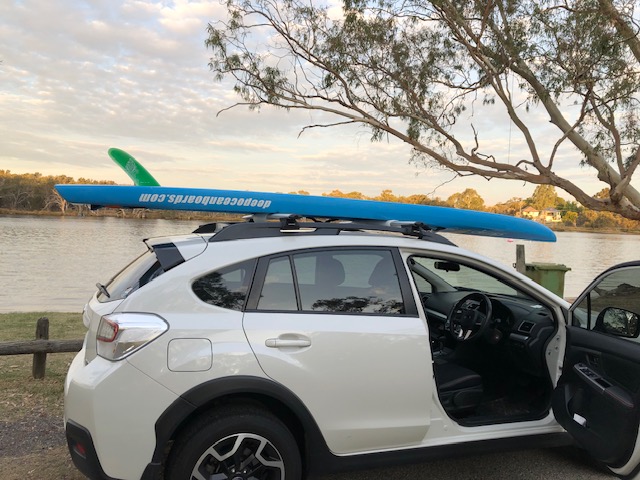
 are common in this area.



















 All in a Day Adventures